
Reviewed · FOOD & DRINK
Sapporo Sumo Show Experience with Japanese Food and Photo
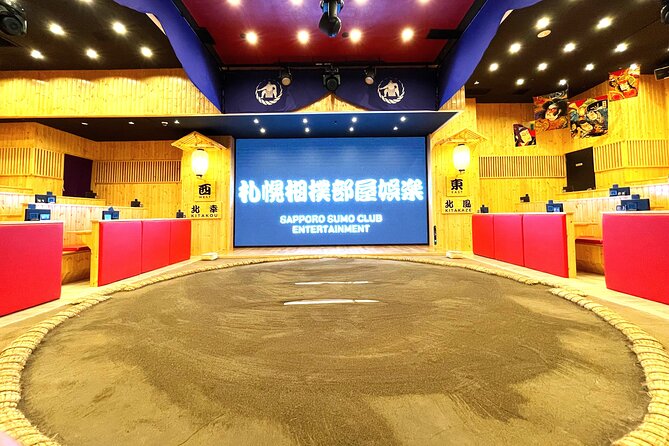
Sumo training and dinner in one room. This Sapporo show mixes rule lessons with a real ring setup, so you get the story and the spectacle in about two hours, with an intimate view of the dohyo. I particularly like that retired wrestlers run the energy, not performers reading from a script.
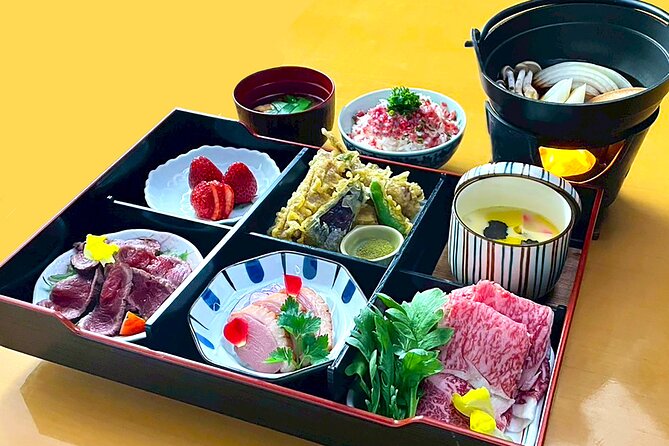
I also like the payoff after the demonstrations. If you choose the meal plan, you sit down to Japanese food built around Chanko-nabe (and the meal listing also points to Wagyu sukiyaki and tempura as part of the set), then you finish with a commemorative, framed group photo with the wrestlers.
One consideration: participation in the ring is limited. If you want to challenge the wrestlers, selection can come down to a lottery, so it is not a guaranteed try-for-everyone moment.
Key highlights before you go
- Retired rikishi demonstrations: asa geiko, technique talk (kimarite), and do and don’t tips before the in-ring action
- A real ring challenge: you may step into the dohyo for a sumo match, with limited slots and lottery selection if needed
- Up-close seating: you get an intimate view from all seats, with a front-row upgrade available if you want maximum sightlines
- Meal plan comfort food: Chanko-nabe plus a drink, and the meal listing also specifies Wagyu sukiyaki and tempura in the inclusive options
- Photo souvenir package: framed photo with your group and wrestlers, plus a gift bag
Sapporo Sumo Show: What the Experience Is Really Like
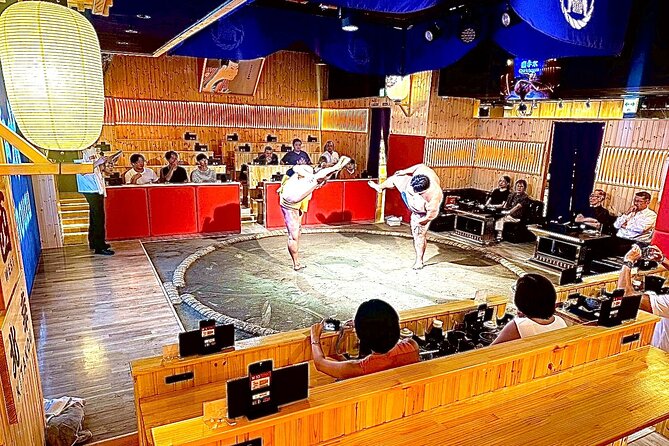
Sapporo has plenty of food and plenty of sightseeing. This experience adds something rarer: you see sumo culture explained by people who have lived inside it, then you get to watch the techniques being broken down, step by step, in a small setting.
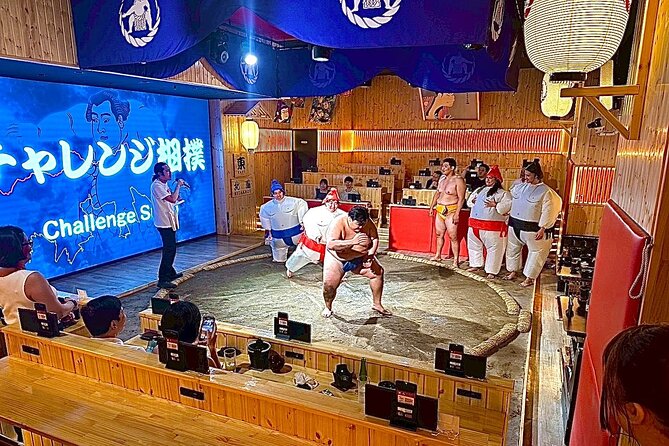
The room is intentionally sized for interaction. With a maximum of 6 people, the show does not feel like a distant theater production where everyone watches from far away. Instead, you’re seated close enough to feel what the demonstrations are doing, and close enough to take photos without turning your camera into a sport.
The schedule runs about two hours. That is a sweet spot in Japan where days move fast, but you still want one focused activity that feels different from temples and shopping streets.
Finally, a quick reality check. This is entertainment run by retired wrestlers, not a formal tournament. That matters because the vibe is playful and instructional, not intense in a competitive sports-fan way.
Entering the Dohyo Zone: Seated View and Atmosphere
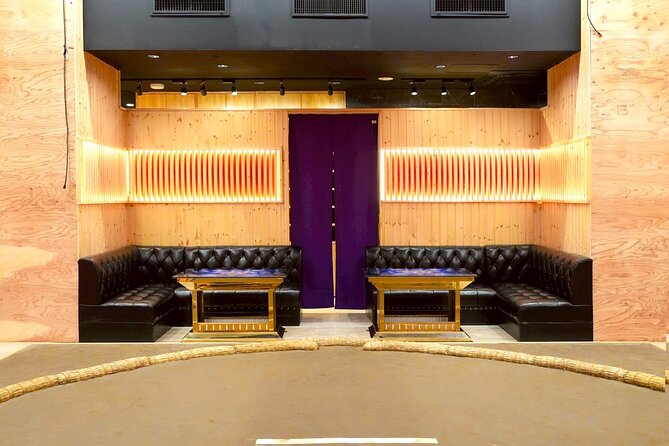
From your seat, you get an intimate view of the dohyo. That is not just marketing language. In practical terms, it means you can watch footwork and grips without squinting, and you can film or photograph without hunting for angles.
If you care about photos, the front-row upgrade is worth thinking about. The experience description is clear that the front row gives the most connection to the action. If your priority is Instagram-ready ring shots, you’ll usually get better composition when the ring takes up more of the frame.
The atmosphere stays friendly. You’re encouraged to participate in parts of the show, and the energy is built around explanations, demonstrations, and then controlled audience challenges. Based on how the show is structured, the staff also seem to manage the pace well, including the host role. One staff member name you may hear during the program is Kitadai-chi, who comes up in feedback as part of the team that keeps things moving.
One more detail that helps your planning: the activity ends back at the meeting point. So you are not stuck figuring out a late-activity transfer across town.
More sumo experiences in Tokyo:
- Sapporo: Sumo Show Experience with Japanese food & Photo
★ 4.9 · 81 reviews - Tokyo: Sumo Show Experience with Chicken Hot Pot and a Photo
★ 4.8 · 6,678 reviews - Tokyo: Sumo Show and Dining Experience
★ 4.8 · 2,742 reviews
The Show Flow: Asa Geiko, Kimarite, and the Best-of-3 Tachiai
The heart of the program is the sequence of sumo segments. It starts with history and how sumo has evolved, then it shifts into what you can recognize even if you know almost nothing about wrestling styles.
First comes morning practice, called asa geiko. This is where the show turns abstract tradition into something you can actually watch. You see what morning exercise looks like in practice, and you get enough context to understand why it matters culturally, not just athletically.
Next is kimarite, the techniques. You do not just hear random terms. You get a guided sense of what techniques are trying to accomplish. That matters because sumo can look like big collisions if you do not know what you are watching for.
Before the main bout, the program also covers the do’s and don’ts of sumo wrestling. Even if you never plan to enter the ring, those rules-based pointers help you interpret what you’re seeing. You’ll catch the difference between good technique and sloppy luck.
Then you reach the best-of-3 competition, a tachiai format, between the wrestlers in the room. This is the moment most people remember. Even with limited space, you can feel the rhythm of the bout sequence, then reset for the next round.
The Audience Challenge: How the Lottery and Ring Time Work
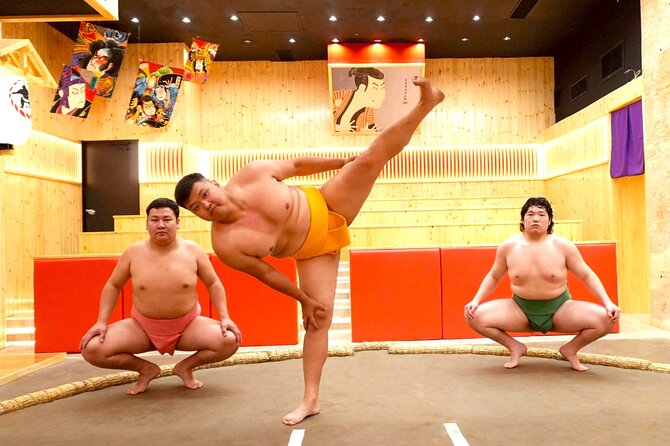
This is the part that turns a cultural show into a personal memory.
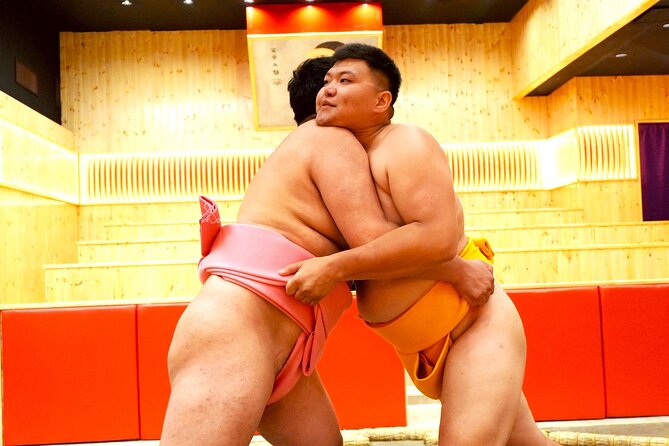
You can experience sumo firsthand by challenging the wrestlers to a match in the ring. The program is designed for interaction, but it is not unlimited. The experience notes that the number of challengers is limited for each show.
If more people apply than the available slots, selection is handled by lottery. That means you should treat ring time as a bonus, not something you can absolutely count on.
So how do you play it smart? Decide in advance if you truly want to be in the ring. If yes, go for it, and mentally prepare for the lottery outcome. If you mainly want the best view and the best photos, you can enjoy the show even if you are not selected.
Also, watch for the boundaries around participation. Because this is entertainment by retired wrestlers, the matches and challenges are framed to keep things safe and fun. The show is not trying to recreate a full league bout. It’s trying to share the moves and the feel of sumo in a way you can understand quickly.
Japanese Food During the Program: Chanko-nabe, Suikiyaki, Tempura, and One Drink
Food is not an afterthought here. It is integrated into the event flow so you can refuel while the show transitions between segments.
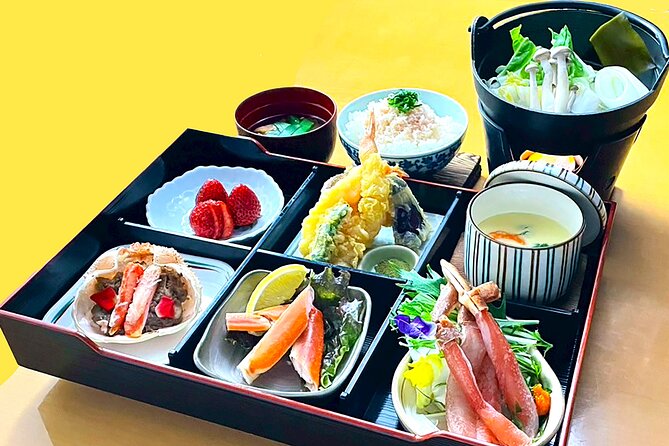
If you book a meal-inclusive plan, the listing says the meal consists of a set Japanese cuisine. It also specifies chanko-nabe and one drink as part of the included package. Separate meal details also list Wagyu beef sukiyaki and tempura as the meal components for inclusive plans.
In other words, plan for a substantial Japanese meal, and confirm your exact menu when you book. That is especially useful if you have dietary needs.
Vegetarian diners should send a message in advance. The experience explicitly invites you to request a vegetarian meal plan ahead of time. Waiting until you arrive might be too late.
Chanko-nabe is the standout word to remember because it connects the food directly to sumo culture. Chanko is the kind of hearty stew associated with training and wrestlers’ diets, so it fits the theme even if you come in for the ring challenge first.
And yes, one drink is included with the set on meal plans. If you want something non-alcoholic, you may need to check what counts as the included drink for your specific booking.
More food tours in Sapporo:
- Sapporo Bar Hopping Food Tour
★ 5.0 · 232 reviews - Tokyo: Shinjuku Food Tour (13 Dishes at 4 Local Eateries)
★ 5.0 · 6,603 reviews - Tokyo Tsukiji Fish Market Food and Culture Walking Tour
★ 5.0 · 3,184 reviews - Osaka: Shinsekai Food Tour with 13-15 Dishes at 5 Eateries
★ 4.8 · 2,204 reviews
Photos, Souvenirs, and the Framed Group Moment
Your souvenir is built around the photo. The show includes a commemorative photo with former rikishi, and it also mentions a framed photo of you and your group with the wrestlers.
That framed format is one of the better souvenirs you can bring home from Japan. Postcards age fast. A photo like this is a practical memory you can keep on a shelf and actually look at.
In addition, you get a gift bag of souvenirs. That helps if you want a tangible takeaway beyond just a few photos on your phone.
For best results, treat photography like part of your plan. Since the view is intimate from all seats, you do not need to constantly stand up. Instead, aim for:
- one wide shot of the dohyo right after the main segments begin
- one closer shot during the technique demonstration
- one group shot around the commemorative photo moment
If you upgrade to front-row seating, your ring shots will usually come out stronger because the ring takes up more of your frame.
Price and Value in Plain Terms for Sapporo
$79.07 per person is not a bargain like a street-food crawl, but it can be good value because you are paying for several things at once.
You get:
- a structured sumo show with multiple segments (practice, techniques, bout)
- the chance to participate in the ring for a limited number of people
- a meal plan option with a full Japanese set and drink
- a commemorative photo plus a framed keepsake
- a small group setting that keeps the experience personal
Compare that to the cost of separate tickets for a show plus a paid meal plus a high-quality souvenir photo. This bundles them into one stop, in about two hours.
The key value driver is the interaction. Even if you do not get selected for the ring, you’re still seeing demonstrations from retired wrestlers and learning how the pieces fit together. For people who like hands-on cultural activities, that is where the money tends to feel justified.
If you are skipping the meal plan, the value shifts. The show still has plenty going on, but you should weigh the price against your priorities: photos, participation, and the full food segment.
Who Should Book This Sumo Show, and Who Might Skip It
This is a strong fit if you:
- want a small-group activity in Sapporo
- like learning through watching, not just reading
- care about Japanese food connected to a cultural theme
- want a photo souvenir that feels earned, not generic
It also works well for mixed ages because the show is built around explanations and participation moments, not just sitting silently for a long time.
You might skip it if:
- you hate lotteries and would feel disappointed not getting into the ring
- you are only interested in watching sports, with no interest in technique or cultural rules
- you want zero audience interaction at all
Finally, it is a good weather-friendly option. Sapporo winters can be intense, and a short indoor program with food makes planning easy.
Should You Book the Sapporo Sumo Show Experience?
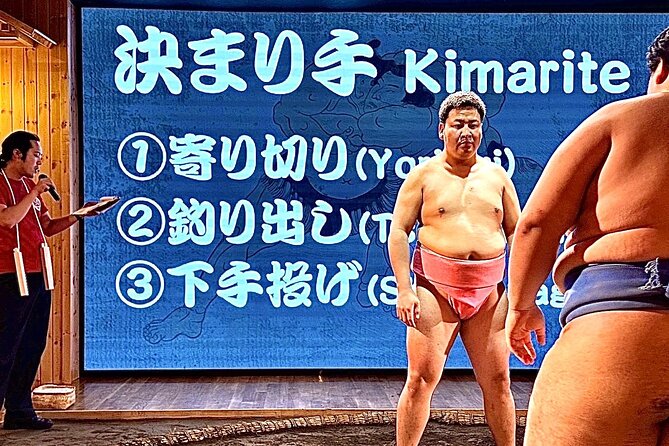
Yes, if you want one activity that combines sumo technique, Japanese food, and a real keepsake photo in a tight two-hour window. The small group size, up-close dohyo view, and the chance to challenge the wrestlers are the big reasons to book.
Book with a practical mindset: ring participation is limited, so enter the program excited to watch and learn first. If you are selected, it becomes the highlight. If not, you still come away with a framed photo moment, a souvenir bag, and a clear understanding of what you saw.
If you have dietary needs, message ahead for vegetarian options. And if photos matter most, consider front-row seating for the strongest view.
FAQ
How long is the Sapporo sumo show experience?
The show runs about 2 hours.
Where do I meet for the experience?
The meeting point is 2-chōme-10-1 Minami 4 Jōnishi, Chuo Ward, Sapporo, Hokkaido 064-0804, Japan. The activity ends back at this same meeting point.
Is a meal included in the ticket price?
A meal is included only if you choose a meal-inclusive plan. The included set includes Japanese cuisine with chanko-nabe and one drink, and the meal plan details also list Wagyu beef sukiyaki and tempura.
Can I request a vegetarian meal?
Yes. If you want a vegetarian meal, message in advance.
Do I get to challenge the wrestlers in the ring?
You can challenge the wrestlers, but participation is limited to a select number of people per show. If there are too many applicants, selection is by lottery.
Is the experience only for experienced sumo fans?
No. Most people can participate, and the show includes explanations of sumo rules and techniques before the main bout.
What kind of photo souvenir do I receive?
You receive a commemorative photo with former rikishi, and the experience includes a framed photo of you and your group with the wrestlers, plus a gift bag of souvenirs.
Can I see the dohyo from my seat?
Yes. The description says you have an intimate view of the dohyo from all seats, and there is a front-row seating upgrade if you want the closest view.
Do they speak English?
The show team uses English and Japanese, based on the information provided.
Fresh options around Sapporo
- Sapporo: Furano Lavender & Biei Blue Pond Tour with Lunch★ 4.6 · 13 reviews
- Authentic Sapporo: Nijo Market Seafood Lunch & Local History Tour★ 5.0 · 13 reviews
- Penguin Fun & Snowmobile : Sapporo Winter (Asahiyama Zoo)★ 4.8 · 14 reviews
- Sapporo Highlights: Golden Route Morning Walking Tour★ 4.5 · 14 reviews
- Hokkaido Asahiyama Zoo Ningle Terrace Day trip★ 5.0 · 14 reviews
- Lake Toya and Noboribatsu Hell Valley Private Day Trip★ 5.0 · 15 reviews
- Snowshoe Hike Tour from Sapporo include hotel p/up & drop off★ 5.0 · 16 reviews
- Nopporo Forest Mountain Bike Tour from Sapporo, presenting a retro Cycle cap★ 5.0 · 16 reviews
Food & Drink, compared.
Shinjuku Food Tour (13 Dishes at 4 Local Eateries)
Read our review →
Tokyo Tsukiji Fish Market Food and Culture Walking Tour
Read our review →
Shinsekai Food Tour with 13-15 Dishes at 5 Eateries
Read our review →
Osaka Food Tour: 13 Dishes at 5 Local Eateries
Read our review →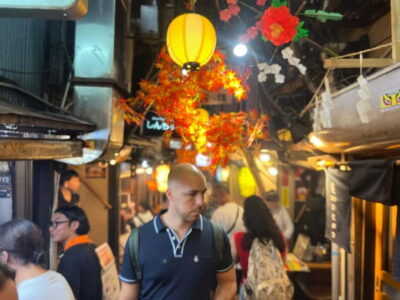
Shinjuku Food Tour (15 Dishes and 4 Eateries)
Read our review →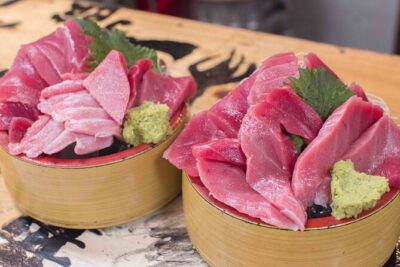
Best of Shinjuku: Izakaya Food Tour (4 Stops, 14+ Tastings)
Read our review →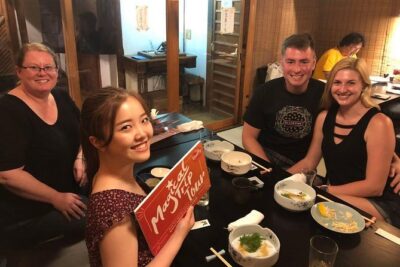
Kyoto Night Foodie Tour in Gion (9+ dishes + 6 Sake tastings)
Read our review →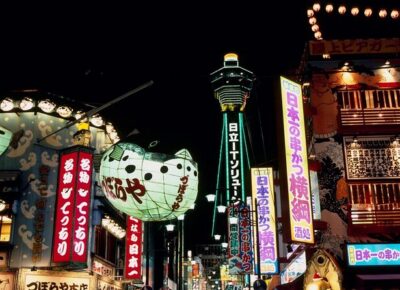
Hungry Osaka Street Food Tour:15 Tastings & 3 Drinks with a Local
Read our review →Browse the lists this tour appears in