
Reviewed · CASTLE TOURS
Okayama Castle Admission Ticket
Okayama Castle is a small-ticket castle-day win. I love the clear story of how the fortress connects Ukita Hideyoshi and Toyotomi Hideyoshi, and I also love the photo-ready look of the black walls and gold leaf roof tiles. One possible drawback: the displays and information are often Japanese-only, so you may need a translation app to get full value.
The big idea here is simple: for a low price, you can walk through a castle that is officially counted among Japan’s top famous castles, then finish your visit with souvenirs and sweets on site. The exhibits focus on the Warring States and Edo-period themes, and they’re arranged so you can move at your own pace in about a day. If you’re hoping for an English-heavy, super interactive museum experience, you might find it calmer and more straightforward than expected.
You’ll also want to be a bit sharp about your ticket. Some people have had trouble at redemption when they only had a code and not the actual ticket in hand, so arrive ready and double-check what you need to show at the entrance.
Key points to know before you go
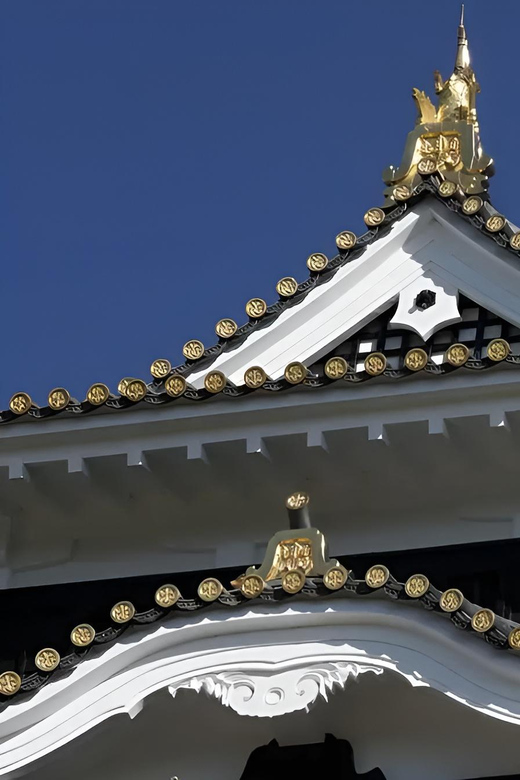
- Crow Castle visuals: black exterior walls and gold leaf roof details that photograph well
- Warring States to Edo flow: exhibits built around major turning points in Japanese history
- On-site extras: original souvenirs plus a castle café for local-style sweets
- Reconstruction context: the tower you see was rebuilt in 1966 after wartime damage
- Plan for Japanese signage: you’ll likely rely on apps or basic reading skills
- Ticket readiness matters: make sure you have the right redemption item before you arrive
Why Okayama Castle feels worth the $2.58 ticket
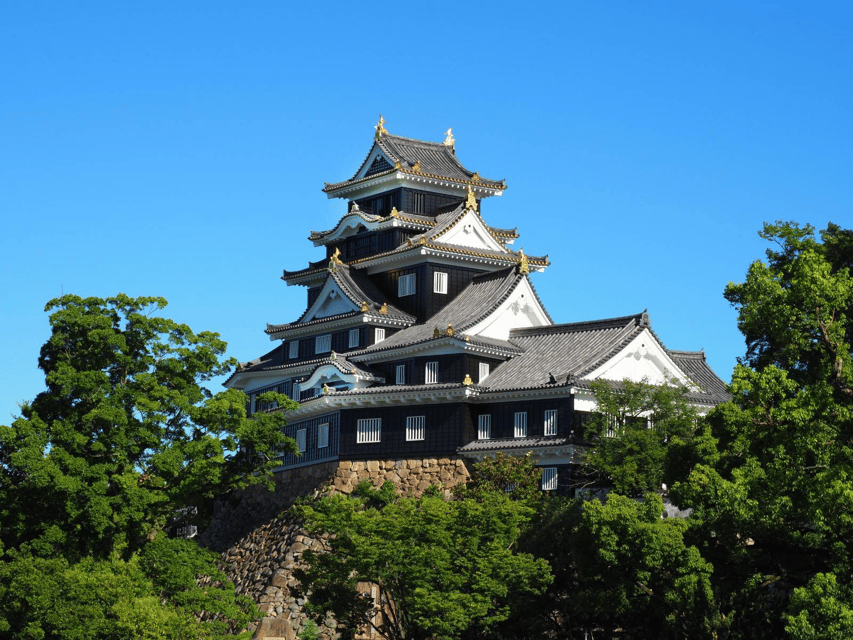
For the money, Okayama Castle is a straightforward value play. You’re paying for standard admission to a site that’s not just a pretty exterior, it’s recognized as one of Japan’s top 100 famous castles and recently reopened to the public in November 2022 after reconstruction work. That reopening date matters for your expectations: the experience is fresh, and the basics should feel maintained.
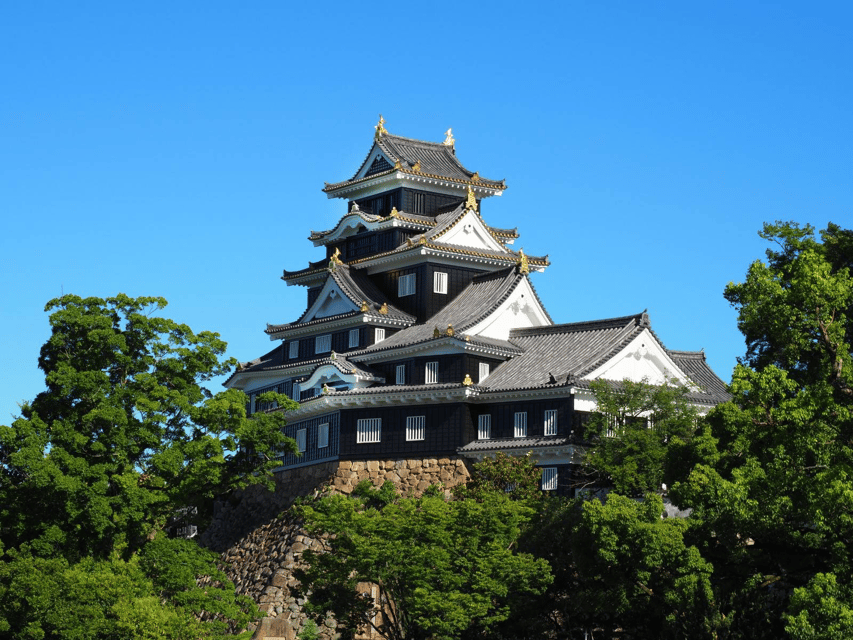
What makes it click is the way the castle connects form and story. The name Crow Castle comes from its black wall look, and Golden Crow Castle comes from those gold leaf roof tiles. Even if you’re not a hardcore history person, the visual identity gives you something immediate to react to, then the exhibits explain how and why the structure ended up like this.
More castle tours near Okayama:
- Osaka Castle: Museum and Tower Entry Ticket
★ 4.5 · 2,380 reviews
Getting there and redeeming at the entrance
This is one of those experiences where logistics are quick, but you still want to be prepared. Your meeting point is simply the entrance, and you redeem directly there on the day of your visit. The coordinates listed for the site are 34.6651878, 133.9360657, which is useful if you want to plug it into your maps app before you step out.
The visit is valid for 1 day, and the schedule is tied to starting times availability. That usually means you should treat it like a same-day entry plan rather than something you can freely wander across multiple days.
One practical tip based on real-world issues people described: do not assume a redemption code will be enough at the gate. If you receive anything as a code, QR, or voucher, make sure you can present the exact item the staff need for entry. Have it saved offline too. You do not want your visit to be delayed by a missing or misunderstood ticket.
First look outside: black walls, gold leaf tiles, and smart photo spots
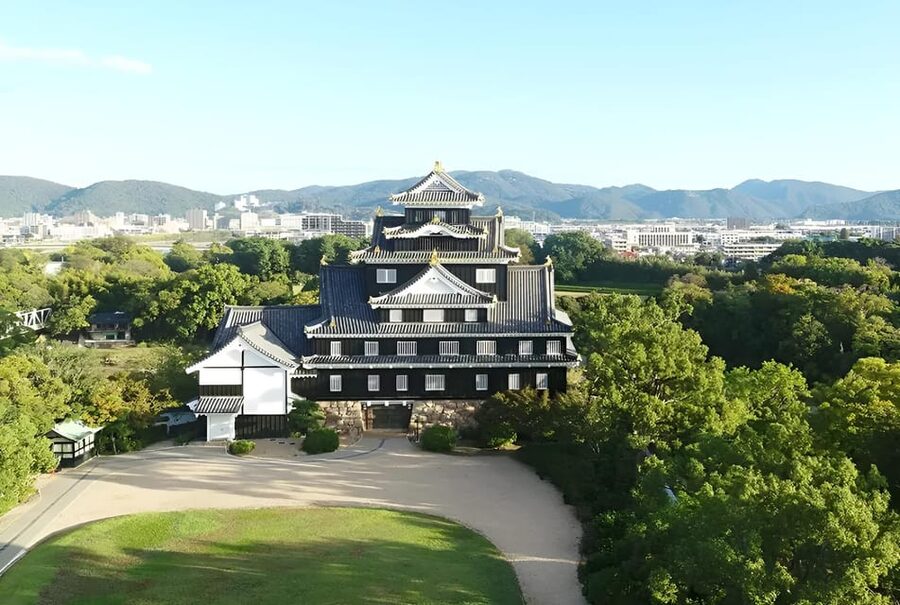
If you only have a little time for photos, focus on the castle’s exterior identity first. Okayama Castle’s black walls are the reason for the Crow Castle nickname, and the gold leaf tile effect is what earns the Golden Crow title. This is the kind of detail that looks great even on an overcast day, because the contrast does the work for you.
I also like that the castle gives you an obvious photo mission without asking you to plan a whole shoot. You can take commemorative pictures while you’re on the way through the grounds, then you can shift your attention indoors for exhibits.
If you’re picky about views from the top, adjust expectations gently. One comment you might relate to is that the viewing experience at the top can feel less open than some other famous Japanese castles. That does not ruin the visit, but it’s worth knowing if high viewpoints are your main goal.
Warring States exhibits: what to expect and what to look for
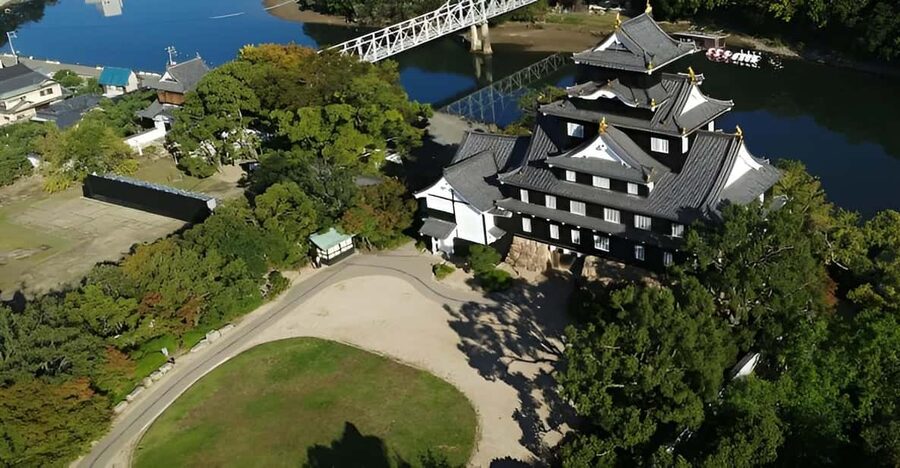
Inside, the exhibits are organized around major eras, with the Warring States period as a core focus. This is a good fit for you if you want the big context behind castle-building in Japan. The castle was originally built by daimyo Ukita Hideyoshi as part of the effort supporting Toyotomi Hideyoshi’s drive to unify Japan. That connection gives the Warring States gallery a practical reason to exist: it’s not just costumes on walls, it’s the backdrop for why castles became so important.
In the Warring States areas, you can expect history-oriented displays and artifacts tied to that time, plus an emphasis on how the castle fits into the broader political picture. If you can read Japanese, you’ll likely get more out of the storyline. If not, you can still get plenty from photos, object displays, and the overall theme structure.
Here’s how I’d maximize your time: take a quick pass first just to understand the timeline, then go back for the details you care about most. Since the information can lean Japanese-only, that second pass is where you can use your translation app to fill in the gaps.
Edo-period artifacts and the calmer side of castle life
After the Warring States section, the exhibits shift toward the Edo period. This is valuable because it changes the mood. The Edo era is usually where people expect to see more order, stability, and everyday rhythms, and you can see that shift in how museums often present artifacts from that time.
You’re likely to encounter Edo-related items and interpretation that helps explain how the castle functioned beyond the chaos. Even if the wording is difficult, you can still learn from the objects and the way the display groups themes together.
Also, one thing I appreciate about this kind of layout is that it works for different travel styles. If you’re the type who likes to move fast and absorb highlights, you can do that. If you like slowing down and reading, you’ll have enough structure to justify it.
The castle tower’s story: rebuilt in 1966 after wartime damage
The tower is part of what you’re buying when you choose this castle. It was damaged during wartime, and the tower you see today was reconstructed in 1966 during the Showa era (Showa 41). That means the castle is both a historic concept and a modern reconstruction.
If you’re the type who hates reconstructions, take note. One review detail you may want to reflect on is that it can feel like a reproduction of the original castle. That doesn’t mean the visit is pointless, but it does explain why the experience can feel more museum-like than you might expect from a surviving medieval structure.
Instead, think of the tower as the visual anchor for the exhibits. You’re not only looking at architecture, you’re also learning about how reconstruction and preservation shape what you experience today. The key is to watch for the exhibit cues about construction and the way the castle was planned.
Souvenirs and café sweets, right where you’re already standing
A castle visit can turn into a photo stop plus a gift shop. Here, you get more than that, because the souvenirs and café sit naturally inside your flow.
The site includes a shop for exclusive, original souvenirs. These tend to be the kind of items you actually use as a travel memory, not generic keychains. If you love practical gifts, aim for small items you can tuck in a suitcase without stress.
Then there’s the castle’s café, where you can enjoy locally-inspired sweets. This is a simple but satisfying way to end a history-forward visit. I like doing it after the exhibits because it gives your brain a reset, and it turns the castle from a walking museum into a complete day stop.
How much time you need for a real, not rushed, 1-day visit
This experience is often a short visit by nature, so plan like you have a half-day to one-day rhythm. With a standard admission ticket, you’re free to move at your own pace through exhibits, photo spots, and the shop and café.
My practical suggestion is to build your day around your energy level:
- If you’re moving quickly, you can do the core exhibits plus photos and still have time for sweets.
- If you want to read more carefully, build in extra time for Japanese-only labels by using translation tools.
The site being reopened in 2022 also makes a difference. You’re less likely to feel like you’re stepping into outdated displays. Still, the overall format is calm and self-guided. You should expect a steady, quiet museum feel rather than a high-energy entertainment package.
What this is best for, and who might want a different castle
This admission ticket is best for you if you want:
- A low-cost way to experience a nationally recognized famous castle site
- A history theme that moves from Warring States into Edo
- A place where photos are easy to grab and souvenirs feel connected to the location
- A day plan that includes a café stop, not just ticketing and walking out
You might think twice if:
- You need lots of English interpretation. With Japanese-heavy information, you may feel limited.
- You expect dramatic top-of-tower views to be the main event. Some people wish the top viewpoint felt easier or more open.
If you’re pairing this with other Okayama-area sights like gardens, museums, or local neighborhoods, it works nicely as the anchor castle stop. It gives your day a clear centerpiece.
Should you book this Okayama Castle admission ticket?
If you want a reliable, budget-friendly way to see Okayama Castle’s Crow and Golden Crow look, learn how it ties back to Ukita Hideyoshi and Toyotomi Hideyoshi, and finish with souvenirs and café sweets, then yes, booking this ticket makes sense. The price is hard to beat for entry to a top famous-castle site with exhibits across major eras.
One final note before you decide: because redemption and ticket handling can be where problems pop up, make sure you have what the entrance staff need to scan or accept. If you arrive with the correct ticket or QR and you’re ready for Japanese signage, you’ll likely leave happy with a compact, satisfying castle day.
FAQ
Where do I redeem my Okayama Castle admission ticket?
You redeem directly at the entrance on the day of your visit.
What is the location of Okayama Castle for navigation?
The provided coordinates are 34.6651878, 133.9360657.
How much does admission cost?
The price is $2.58 per person.
How long is the admission valid?
The ticket is valid for 1 day.
What are the age categories for tickets?
Adult tickets are for ages 15 years old or older, child tickets are for ages 6 to 14, and children below 6 can enter for free.
Is this admission refundable if plans change?
No. This activity is non-refundable.
What languages will I find on site?
The information is presented in Japanese. If you do not read Japanese, plan to use a translation app.
Can I get souvenirs and snacks at the castle?
Yes. There is a shop for original souvenirs and a café where you can enjoy local sweets.
What can I see during my visit?
You can explore exhibits focused on the Warring States and Edo periods, learn about the castle’s construction, take commemorative photos, and visit the shop and café.
Fresh options around Okayama
- [From Okayama] Okayama & Kurashiki Full Day Tour★ 5.0 · 15 reviews
Castle Tours, compared.
Tokyo Castle & Imperial PalaceーShogun Walking Tour
Read our review →
Nijo-jo Castle and Ninomaru Palace Guided Tour
Read our review →
Ultimate Osaka Walking Tour: Castle, Dotonbori & Hidden Gems
Read our review →Tokyo Castle & Imperial PalaceーShogun Walking Tour
Read our review →
Nijo Castle, Kiyomizu & Fushimi Inari Guided Tour
Read our review →
Osaka Castle Walking Tour and Castle Tower Admission
Read our review →
Imperial Palace East Garden and Edo Castle Walking Tour in Tokyo
Read our review →Browse the lists this tour appears in