
Reviewed · OKINAWA & ISLANDS TOURS
Kintsugi Experience in Naha, Okinawa – Art from Broken Pieces!
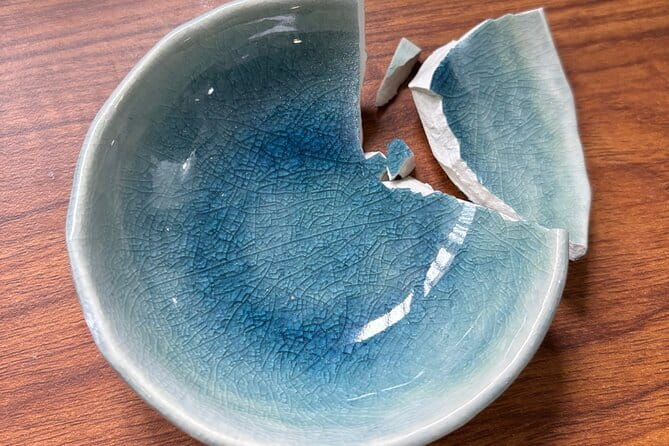
Broken pottery turns into something beautiful. In Naha, this Kintsugi workshop is a hands-on way to learn the philosophy of mending with style, not shame. What I like most is how beginner-friendly it feels, with an instructor guiding you step by step so you are not stuck doing it “by vibes.”
My second favorite part is the mood. The session is slow, calm, and very doable, which makes it a nice break from Okinawa’s heat, plus it stays small enough for real help. You also end up with a piece you can actually show off, not just a quick demo, and that matters when you are paying around $56 for a souvenir.
One consideration: this is a shortened, simplified class. You will learn the core process and finish a decorative item, but it is not built as a deep, hour-by-hour history lecture, and the repaired pottery is not for eating or drinking.
Key things that make this Kintsugi class worth your time
- A small group experience with a maximum of 10 people, so questions do not get swallowed
- Step-by-step guidance for people with zero experience
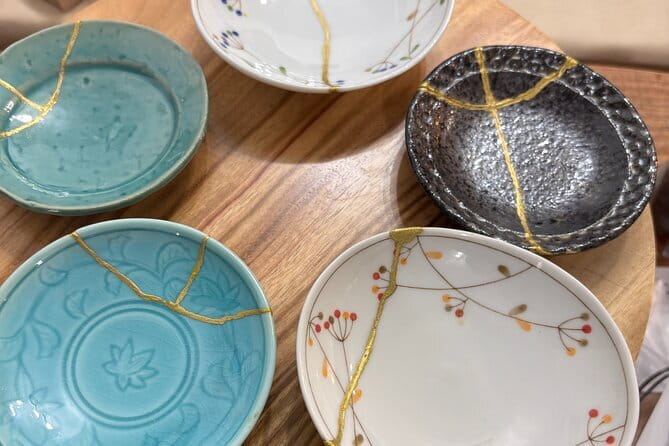
- Gold and silver restoration look, using Kintsugi methods in a simpler format
- A true take-home souvenir, designed by you, for display or as a tray
- Calm, mindful pace that works even if you are traveling with kids or family
- Tea and indoor comfort, which is handy when Naha is hot
First stop, Urushi Studio Kodemari in Naha
This class is based in Naha at 漆工房 小手毬 Urushi Studio Kodemari, 2-chōme-16-6 Maejima. It is in a part of town that is close to public transportation, and there is no car park on site, so plan to walk a bit or use transit to get there.
The workshop runs about 2 hours, and it is structured so you are not racing. That timing is a big deal in Okinawa, where you can easily lose a chunk of your day to heat, traffic, or transfers.
You also get a mobile ticket, which keeps everything simple if you like to travel light.
A few more Naha days worth comparing
- Official Street Go-Kart Tour – Okinawa Shop
★ 5.0 · 699 reviews - Naha: North Okinawa Sightseeing Tour & Churaumi Aquarium
★ 4.4 · 472 reviews - Okinawa: From Naha: Kerama Islands 1-day snorkeling tour
★ 4.4 · 423 reviews
The real purpose of Kintsugi, not just the craft
Kintsugi is a traditional Japanese technique for restoring broken pottery using gold and silver color. The visible repair is the point. Instead of hiding the crack, you highlight it, turning damage into part of the story.
In this class, the instruction focuses on the practical steps, but you still get the meaning. Reviews and the workshop setup both lean toward the mindset side: a slower pace, careful work, and a sense that you are making something new rather than “fixing something ruined.”
You should come in with one expectation: you are making a decorative piece you can enjoy. The workshop uses a simplified Kintsugi version, so the result is not for eating or drinking.
Picking your broken piece and learning the rules
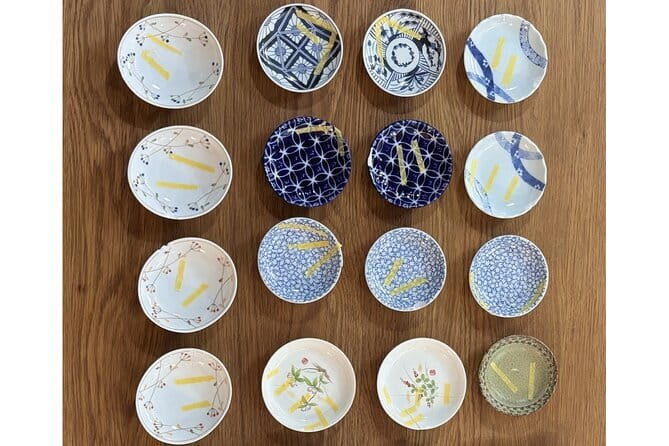
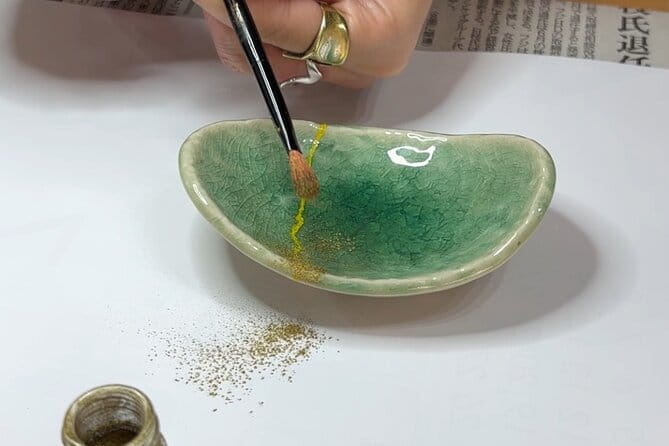
You start by working with a pottery item meant for repair. The studio guides you through what to do, and you follow a process that uses lacquer work and gold or silver coloring effects.
This is not a pottery-making class. You are not throwing clay on a wheel. You are reviving an existing broken piece, which is a very different skill set, and it is exactly why this makes such a memorable souvenir.
Here is the practical rule to keep front of mind: your finished piece is for interior use, like a decoration or an accessory tray. Do not plan on serving food on it later, even if it looks tempting. The class is designed for aesthetics and meaning, not tableware.
Inside the workshop process, step by step

The heart of the experience is the hands-on mending process. The studio teaches the core techniques in a way that works even if you have never touched anything like lacquer work before.
Here is what the experience feels like in practice:
- You get clear explanations of what you will do and why.
- You move through the steps at your own pace, with help available.
- The pace is gentle, not rushed, so you can concentrate instead of panicking.
One review mentioned the history is shared and then offered for you to read on your own at the end. That lines up with how this class is set up: learn the method first, then connect it to the bigger idea behind Kintsugi.
Also, class size is capped at 10. That means you are not standing in a corner trying to guess what you missed. You can ask, get corrected, and keep moving.
Same corner of Japan, a different kind of day:
- From Naha: Tokashiki Island Day Trip by Boat
★ 4.3 · 385 reviews - Naha, Okinawa: Keramas Island Snorkeling Day Trip with Lunch
★ 4.7 · 370 reviews - Naha, Okinawa: Kerama Islands Half-Day Whale Watching Tour
★ 4.4 · 241 reviews - Naha, Okinawa: Kerama Islands Full-Day Intro-Diving Trip
★ 4.6 · 203 reviews
The look of Kintsugi, gold and silver on purpose

Traditional Kintsugi often uses the shine of precious materials to show the repair. This class keeps that spirit, using gold and silver colors as part of the restoration effect.
You will likely notice that the gold or silver accents do more than make things pretty. They visually map the crack lines and change how the whole piece reads from a distance. Even if the piece is small, the effect is the point.
One nice expectation to set for yourself: your end result will look like something made by you. That is the charm. Several people said they loved their finished pieces even when they were not perfect, because the value is in the process and the story, not in producing a museum-grade artifact.
A mindful break from Okinawa heat and travel stress

This experience is frequently described as relaxing and therapeutic. That tracks with the workshop structure, which stays slow and focused on careful steps.
If you are traveling in summer, this matters. You can get out of the heat and do something that does not require a long walk or constant decision-making.
Some people also noted that the studio can be flexible if you arrive early, which is the kind of small kindness you appreciate when your schedule has already been dented by trains and transfers.
At the end, you may also find the studio includes a cup of cold tea. It is a simple touch, but it fits the whole rhythm of the class: work with your hands, cool down, then leave with a piece you made.
Who this Kintsugi experience is best for
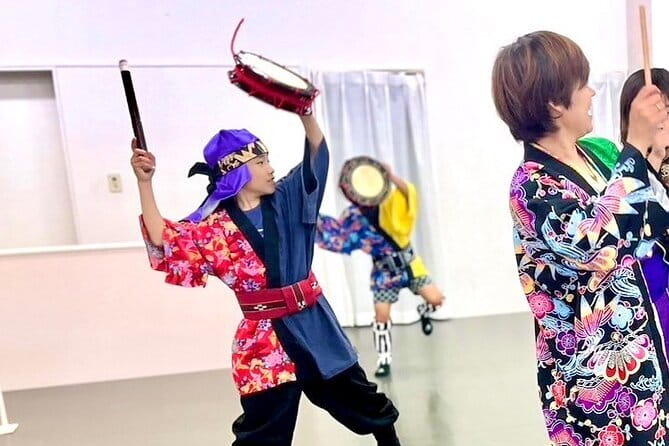
This is a great fit if you want a Japanese cultural activity that is genuinely hands-on, not just a quick photo stop.
It is especially good for:
- Beginners who want clear guidance
- People who want a meaningful souvenir instead of another shop-bought trinket
- Families, including kids who can handle careful craft work, since the environment is friendly and supportive
- Travelers who want a calm activity to balance busier days in Naha
It is less ideal if you want a long, technical workshop, or if your main goal is to learn the deepest theory of Kintsugi. This is a shortened version. You will learn enough to do the repair and understand the meaning, but it is not trying to be a full multi-session master class.
Price and value: does $56.01 make sense?
At $56.01 per person, you are not paying for a lecture or a generic souvenir. You are paying for guided instruction, materials for the simplified repair process, and the finished piece you take home.
In practical value terms, it checks several boxes:
- You create a one-of-a-kind item, even if it is not perfect.
- The class lasts about 2 hours, so it does not eat a full day.
- The small group format means you are more likely to get help when you need it.
- You leave with an item you can display at home, which beats a lot of “made in a factory” shopping.
If you are the type of traveler who likes craft, meaning, and something you can actually remember five years later, this price feels fair.
Logistics that actually matter on the day
You will want to plan around these details:
- The meeting place is Urushi Studio Kodemari at Maejima, Naha.
- It is near public transportation, so you should be able to reach it without a car.
- There is no car park, which makes driving harder.
- You will receive confirmation at booking time.
- It uses a mobile ticket, so have your phone ready.
Also, build in a little buffer time. Even if the studio is supportive, you want enough time to settle in, read the instructions, and start calmly.
Taking your Kintsugi piece home and enjoying it
The class is designed so you can take your repaired pottery home as a decorative object. That means it can live on a shelf, desk, or tabletop as a small art piece with personal meaning.
Because the item is not intended for eating or drinking, treat it like you would other decorative ceramics. Handle it gently, keep it in a safe spot, and enjoy the visible gold or silver repair lines every time you pass by.
Should you book this Kintsugi class in Naha?
Book it if you want a short, meaningful craft experience in Okinawa that is beginner-friendly and focused on calm, hands-on creation. The combination of guided steps, a small group size, and a real take-home souvenir makes it a strong option when your schedule is tight.
Skip it only if you are looking for an advanced technical class, or if you want your repaired piece to function like regular tableware. Here, the goal is beauty in mending, not food use.
If that sounds like you, this is a great way to end a day in Naha with something personal that still feels Japanese long after the trip.
FAQ
How long is the Kintsugi experience in Naha?
It is approximately 2 hours.
What is the price per person?
The price is $56.01 per person.
Do I need any prior experience with Kintsugi?
No experience is needed. The instructor guides you step by step.
Where does the class take place?
The start location is 漆工房 小手毬 Urushi Studio Kodemari, 2-chōme-16-6 Maejima, Naha, Okinawa 900-0016, Japan.
How big is the class?
The experience has a maximum of 10 travelers.
Is the repaired pottery usable for eating or drinking?
No. The finished simplified piece cannot be used for eating or drinking. It is intended for interior display, such as decoration or an accessory tray.
Do I get a mobile ticket?
Yes, the activity includes a mobile ticket.
Can I cancel and get a full refund?
Yes. You can cancel up to 24 hours in advance for a full refund.
Is there parking available?
No car park is available.
Fresh options around Naha
- Okinawa:Kerama Islands experience Diving/Snorkeling/WhaleWatching★ 4.5 · 16 reviews
- Traditional Japanese Costumes “Kimono”, “Yukata”, “Ryuso”, “Photograph Course “Hair Set & Lipstick & Kimono & Photography”★ 5.0 · 17 reviews
- Okinawa Full Tour: Castle, Manza, Kouri, Aquarium & American★ 5.0 · 17 reviews
- Gorilla Kart Tour-Plenty of Time Slots|Many Great Views★ 3.9 · 20 reviews
- Okinawa: Naha: 1 day Kerama Islands diving‣ license required★ 3.9 · 20 reviews
- Gorilla Kart Naha – 90 min of Street Fun! Plenty Of Slots★ 4.5 · 20 reviews
- E-Bike Nature Tour in Shuri★ 5.0 · 25 reviews
- Naha: Full-Day Introductory diving & Snorkeling in the Kerama Islands, Okinawa★ 4.5 · 28 reviews
Okinawa & Islands Tours, compared.


Naha: North Okinawa Sightseeing Tour & Churaumi Aquarium
Read our review →
Okinawa: From Naha: Kerama Islands 1-day snorkeling tour
Read our review →

Naha, Okinawa: Keramas Island Snorkeling Day Trip with Lunch
Read our review →![[Miyako Island/Half Day] Sea Turtle Snorkeling](https://review-japan.com/wp-content/uploads/miyako-island-half-day-sea-turtle-snorkeling-400x267.jpg)


Snorkeling in the Blue Cave area【Okinawa Prefecture: Free feeding & photo images!English and Chinese speaking guide available!
Read our review →Browse the lists this tour appears in