
Reviewed · TEMPLE & SHRINE TOURS IN KYOTO
Kyoto/Osaka: Nara, Fushimi Inari Taisha, Arashiyama Bus Tour
One day, three Kyoto highlights. I love feeding the Nara deer and slipping into the Fushimi Inari torii tunnel before the day gets busy.
This is a packed route, so you’ll do lots of walking and you can’t linger long at every stop. If you want slow, sit-down sightseeing for hours, plan on adding extra solo time later.
Key things you will notice on this tour
- Nara Park deer time you can actually enjoy, including deer crackers and a quick crash course in good etiquette
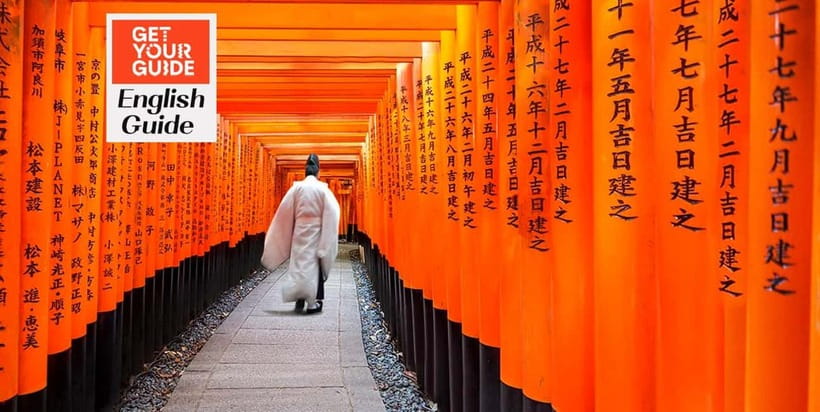
- Fushimi Inari Taisha’s torii-gate atmosphere, famous for its long mountain tunnel and pop-culture appearances
- Arashiyama’s bamboo forest calm, plus nearby highlights clustered so you waste less time traveling
- Heian-period Nonomiya Shrine and the Kuroki Torii, a quieter, more special side stop than the big streets
- Tenryu-ji Temple as an optional add-on, worth it if you like gardens, optional if you want more free wandering
- Practical pacing with “just enough” free time, so you can explore without getting lost on your own
Why this Nara and Arashiyama day tour makes sense
Kyoto and Osaka are great because you can base yourself in one city and day-trip out. This route is designed for that idea. You get three of the biggest “must see” areas, plus the small, meaningful details that make Japan feel different from a standard sightseeing checklist.
I like how the tour mixes big-ticket sights with short, focused moments. Nara Park hits you with the deer experience right away. Fushimi Inari Taisha gives you that famous red-gate walking feeling. Then Arashiyama shifts the pace to something quieter, with bamboo and historic temple space.
The trade-off is time. You’re moving from early morning pickup through a full loop, so you should expect some sections to be more photo-and-stroll than long, slow touring.
More Temple & Shrine Tours in Kyoto
- Kyoto: Fushimi Inari, Kinkakuji, Bamboo Grove 1 Day Bus Tour
★ 4.8 · 4,316 reviews - Kyoto: Tea Ceremony Ju-An at Jotokuji Temple
★ 4.9 · 3,207 reviews - Fushimi Inari Hidden Hiking Tour (Private Option Available)
★ 5.0 · 1,750 reviews
Start smart: Osaka and Kyoto pickup, then you can relax
The day begins early. You depart Osaka at 8:00 AM, and you depart Kyoto at 9:00 AM. There are two starting options, depending on what you book: Harimaya Nippombashi 1-chome or Kyoto Station Hachijo Entrance Square Sunken Garden.
From a practical standpoint, the bus is the real value here. Even if you love trains, figuring out transfers while carrying water, hats, umbrellas, and phone chargers gets old fast. This way, you get an English speaking guide and an air-conditioned vehicle, and you can spend the ride getting your bearings and listening instead of studying station maps.
A small but nice detail from guide feedback is how smoothly they run departures. Guides like Willa and Christine are often described as very organized, with clear timing and the kind of calm coordination that helps a group stay together. Some guides also do a quick heads-up about what to look for at each stop, which helps you make better photos and fewer wrong turns on busy paths.
Tip: arrive at the meeting spot 10 to 15 minutes early. The bus leaves right on time, and you’ll feel much more relaxed if you’re already in place.
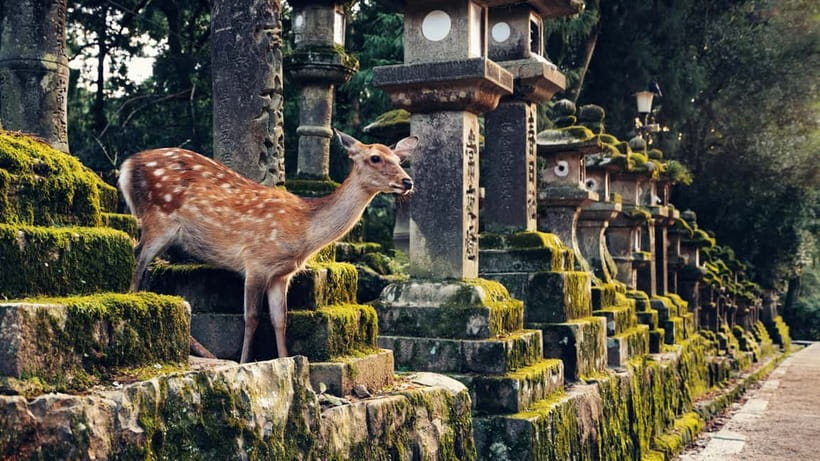
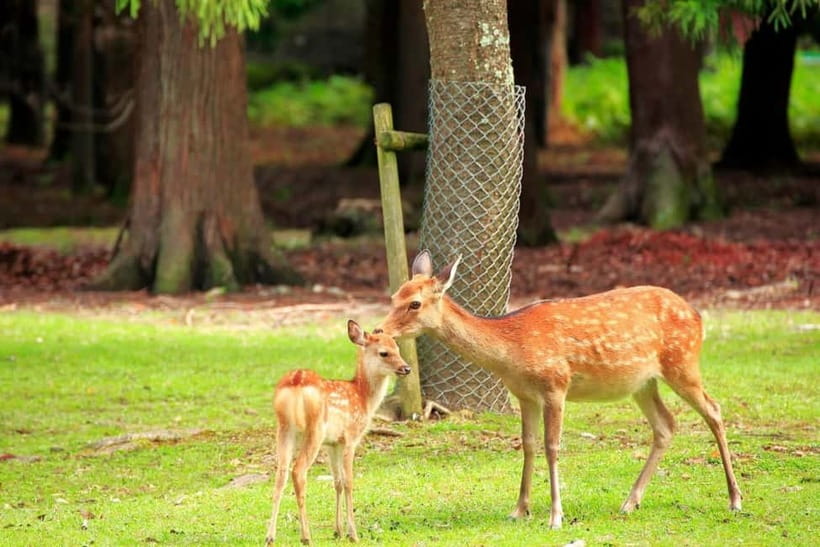
Nara Park deer feeding: cute, chaotic, and oddly memorable
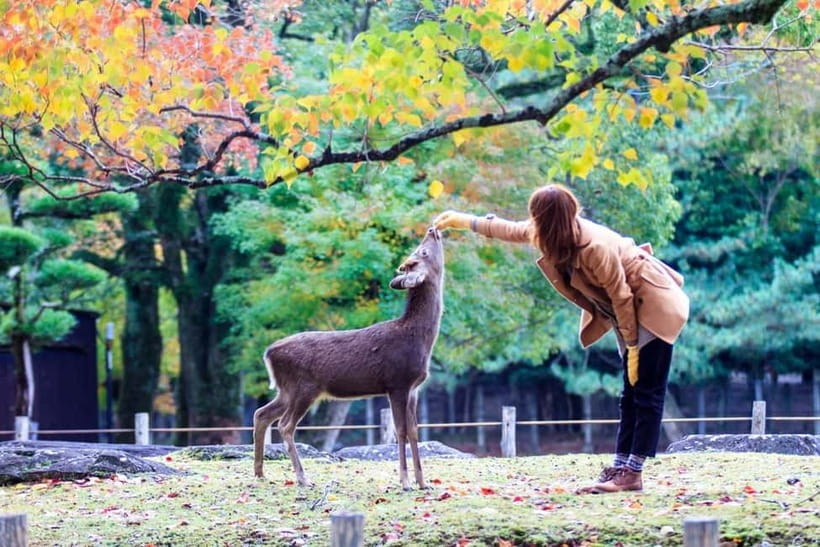
Nara Park is where the day becomes fun fast. You’ll get about 1 hour of time in the park area, which is perfect for the deer part because it’s the main event and it fills quickly.
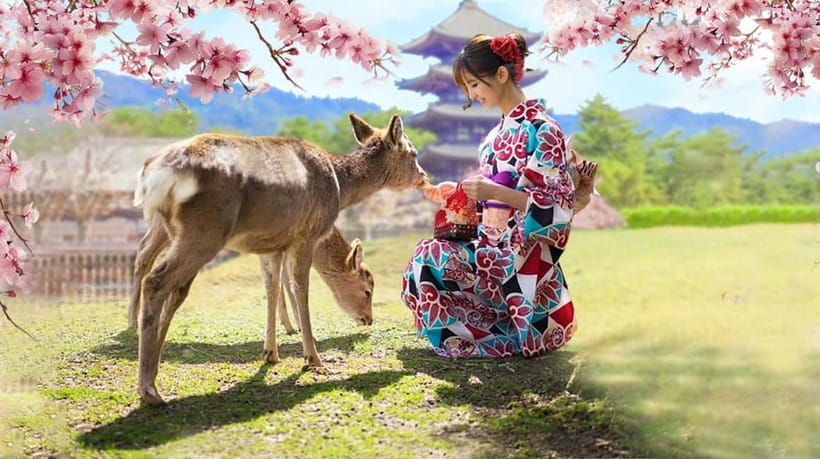
You’ll be surrounded by deer, often close enough that your brain switches from sightseeing mode to “wait, I’m actually feeding this animal.” You’ll get shika senbei (deer crackers), and the experience is meant to be interactive. This is also where good manners matter.
Here’s how to make it pleasant for you and the deer:
- Keep crackers in your hand, don’t wave them around like bait.
- Don’t grab the deer. Let them come to you.
- Be aware of your space. Deer can move fast, and paths get crowded.
I also like that this part is visual and easy for groups. Even if someone in your party isn’t super into shrines or temples, deer time usually works for everyone.
One drawback to consider: it can feel very “everyone is doing the deer thing” at the busiest moments. If you hate crowds, you’ll want to move quickly to your favorite spots for photos and then shift into a short stroll.
Fushimi Inari Taisha’s torii tunnel for prosperity and movie vibes
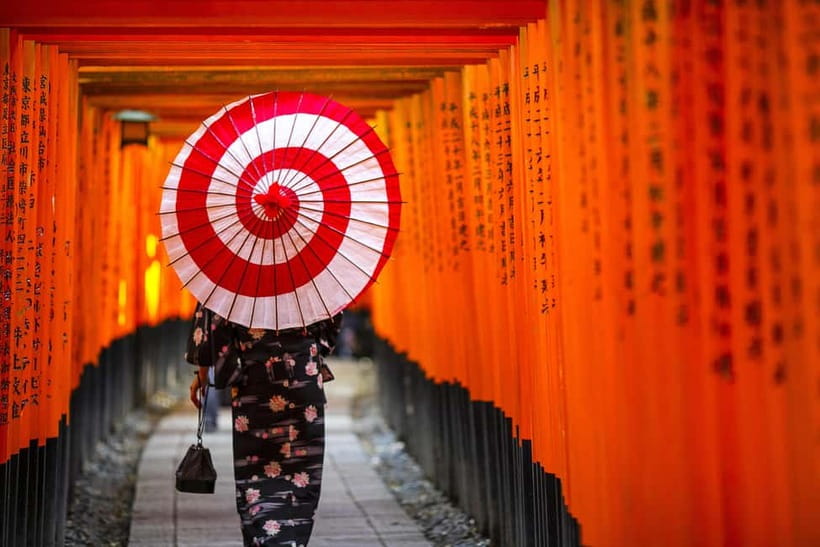
After Nara, you head to Fushimi Inari Taisha for about 70 minutes. This is the part most people came for, and it delivers in a way that photos don’t fully explain.
The shrine is known for its vermilion torii gates stacked into long lines up the mountain. Over 10,000 gates wind through the paths, and the atmosphere changes as you move deeper. The closer you get to the gate tunnel, the more it feels like you’re walking inside a red maze with steady steps and small pauses.
Two practical benefits of a guided visit here:
- You get quick orientation on where to walk so you don’t waste your short time.
- You learn the meaning, not just the photo angle. Fushimi Inari is tied to the god of prosperity, and that matters when you see so many donated gates.
Fun pop-culture detail: Fushimi Inari Taisha has inspired scenes in Memoirs of a Geisha and also Detective Conan. You’ll probably start spotting that cinematic framing as you walk.
Possible consideration: if you want to go very far up the stairs beyond the main gate area, 70 minutes can feel tight. You can still enjoy the torii tunnel experience without reaching every viewpoint, but set your expectation that this is a taste, not a full hike.
More Arashiyama tours:
- Osaka/Kyoto:Kinkakuji,Arashiyama,FushimiInariShrine,NaraPark
★ 4.1 · 1,596 reviews - Kyoto Arashiyama Walking Tour: Bamboo, Monkeys, Gardens & Secrets
★ 5.0 · 1,216 reviews - Arashiyama Bamboo, Temple, Monkeys, or Secret Sake Brewery
★ 4.8 · 886 reviews - Kyoto: Arashiyama Bamboo Forest, Monkeys, Matcha & Temple Tour
★ 5.0 · 759 reviews
Arashiyama bamboo forest, Nonomiya Shrine, Tenryu-ji, and why the order matters
Arashiyama is where the day shifts from “big iconic highlights” to “slow your shoulders.” You’ll have about 2.5 hours in Arashiyama total, including guided arrival and self-guided wandering time.
A good way to think about the timing is this: you get a block of free wandering, then the route hits a few specific highlights close together. That design keeps the day from turning into constant bus rides and reduces the chance you miss the signature views.
Bamboo forest: short walk, big mood change
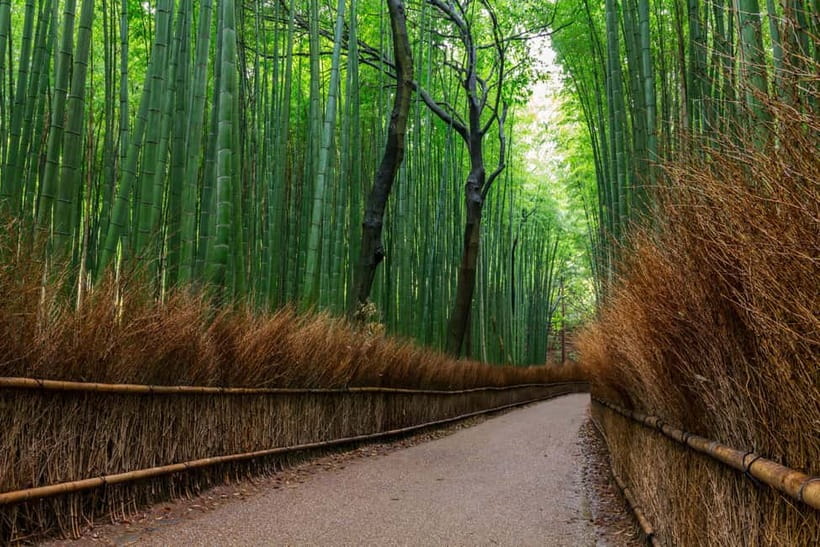
The bamboo forest stop is scheduled as a photo stop of about 15 minutes. Don’t underestimate it. Even at that short duration, the light filtering through tall stalks changes the sound and the energy in your body. It’s one of the few tourist spots where even a quick visit feels calming.
What to do in those minutes:
- Walk slowly, not fast. The forest rewards you for pacing.
- Pause for photos, then keep moving. You want that “empty-ish” feeling even when it’s busy.
- If it’s raining, use your umbrella and keep your phone protected, because wet paths can make people rush.
Nonomiya Shrine: love and academic blessings, plus the Kuroki Torii
Next is Nonomiya Shrine, about 15 minutes. This is a quieter stop with real meaning. It dates back to the Heian Period, and it’s known for love and academic blessings.
The standout detail is the Kuroki Torii, an unpainted gate. Compared to the bright-red torii at Fushimi Inari, this feels more understated, more “small ritual” than “big spectacle.”
If you like stories you can connect to daily life, this is one of the best pauses in the day. It’s also a good reset if your feet are tired.
Tenryu-ji Temple: optional fee, UNESCO garden focus
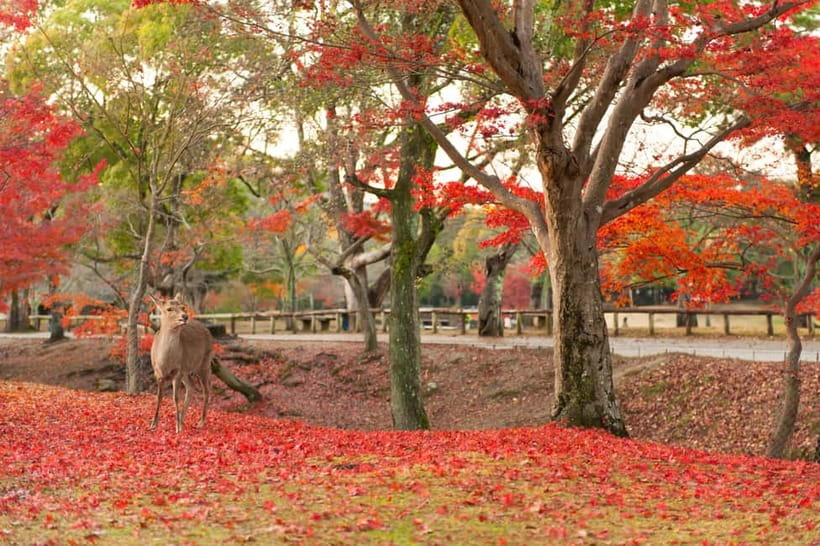
Tenryu-ji Temple is listed as an extra fee option and is a UNESCO World Heritage site. The main reason people remember it is the Sogenchi Garden, known for borrowed scenery and particularly striking seasonal colors, including autumn hues.
The practical advice: if you like gardens, quiet temple atmospheres, and historic layout, this is the place to spend your optional budget. If you’d rather save time for more walking and street food, you can treat it as skippable within your own preferences since the rest of Arashiyama already gives you the “wow” moments.
Togetsukyo Bridge: views that make the effort worth it
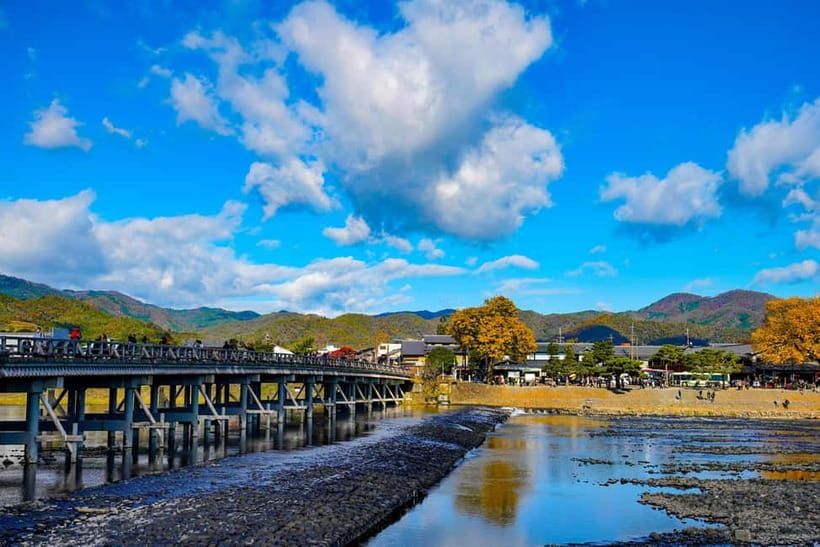
You’ll also stop at Togetsukyo Bridge for about 15 minutes. It’s a quick viewing moment with wide Arashiyama scenes. You may spot passing rickshaws, which adds a little nostalgia, even if you’re just watching while the group regroups.
In short: if Tenryu-ji is the quiet indoor-outdoor garden experience, Togetsukyo is the open-air postcard moment.
Kimono Forest and the Arashiyama footbath: small stops with real payoff
After you’ve seen the big nature and temple highlights, you’ll get a few lighter, fun add-ons.
Kimono Forest: quick photos, easy atmosphere shift
The Kimono Forest is an art installation made of about 600 pillars decorated with Kyoto’s Kyo-Yuzen textile patterns. Your time here is around 15 minutes, mostly for photos and a quick break.
This is where you can swap out “serious sightseeing” for playful shots. Also, if you’re traveling with a friend who cares more about pictures than temple details, this stop usually keeps everyone happy.
Arashiyama Station footbath: a tiny luxury
There’s also time at the Arashiyama Station foot bath. It’s listed as free time, so you can choose whether you want to soak and rest your feet or skip it and keep walking.
Given this day’s walking and steps, the footbath can be a real morale booster. Even a short soak helps when your shoes have been soaked by spring drizzle or summer heat.
Food and shopping: plan for the gaps
Food and beverage are not included, but Arashiyama has plenty of places where you can grab something quick. If you want to eat well, consider using your free time slots intentionally. Don’t wait until the last minute because the bus timing means you’ll have less flexibility.
Time, pace, and the biggest trade-off of a one-day loop
This tour is designed to cover a lot without rushing every second. Still, you are visiting five major themed zones: Nara Park, Fushimi Inari, and Arashiyama highlights including bamboo forest, Nonomiya Shrine, Tenryu-ji, Togetsukyo Bridge, plus the Kimono Forest and footbath.
Your booked time at each major section is short enough that you’ll mostly scratch the surface. That’s not a bad thing if your goal is getting a strong first impression and then returning on another day for deeper exploring.
If your ideal travel style is slow and detailed, do this tour as your introduction. Then come back and spend a whole morning or afternoon on the single place that pulls you in most.
A practical heads-up: the itinerary can change due to weather and traffic, so keep your expectations flexible. Rain in Kyoto and Nara happens. It usually changes comfort more than it changes value.
Price and value: what you get for about $52
At $52 per person for about 9 to 10 hours, the price is mainly buying you three things:
- Transportation across multiple areas without you handling transfers
- An English speaking guide (English and Chinese are mentioned)
- A planned route that reduces “where do we go next” stress
You still pay for food and drink on your own, and Tenryu-ji is an extra fee option. But even with those add-ons, a guided bus day can be cheaper than you think if you’d otherwise pay for multiple tickets, taxis during delays, and the time cost of figuring it out yourself.
Also, the transport gets strong marks. The data notes that about 87% of reviewers gave transport a perfect score. Translation for you: the ride tends to be comfortable and drivers tend to be careful.
If you like independence, you might feel like you’re paying to be told where to stand for pictures. If you like efficiency and peace of mind, you’ll feel the value fast.
What to bring, how to dress, and etiquette that saves hassle
This day is outdoor-heavy with lots of standing and walking. Bring:
- Comfortable shoes
- An umbrella (rain happens)
- Water
- Comfortable clothes
Also, the tour notes that smoking is not allowed.
If you’re traveling with infants, strollers, or large luggage, you should indicate that when you book, because Japanese traffic rules count babies as passengers and the group size needs to stay within vehicle capacity.
For older guests and pregnant passengers, a waiver is requested upon arrival. Plan extra time at the meeting point so you do not feel rushed.
Who this Kyoto and Osaka day trip suits best
You’ll likely enjoy this tour most if:
- You’re visiting Kyoto and Osaka for the first time and want the headline highlights in one day
- You prefer a guide to keep you moving and explain what you’re seeing
- You like mixing nature and culture, deer cuteness and temple calm
- You don’t want to navigate intercity logistics on your own
You might not love it if:
- You need wheelchair access or mobility support, since the tour is noted as not suitable for wheelchair users and mobility impairments
- You want long, quiet time in one place, because several stops are timed
- You dislike crowds. Nara deer and the popular Arashiyama areas can get busy
Should you book this tour?
I’d book it if you want a smart one-day sampler. Nara deer feeding is genuinely fun. Fushimi Inari Taisha gives you a walking experience you can feel even when it’s crowded. Arashiyama then slows everything down with bamboo, shrines, bridge views, and those little extras like Kimono Forest photos and the footbath.
Skip booking only if you know you want to linger for hours at temples or you hate group pacing. In that case, you’ll probably be happier doing separate, slower day plans by train.
If this is your first time in the Kyoto-Osaka area, this tour is a strong way to get your bearings fast and decide what to revisit later.
Fresh options around Kyoto
- Kyoto: Quiet and Graceful Tea Ceremony★ 4.5 · 19 reviews
- Oboro | Mindful Tea Ceremony in a 100-Year-Old Kyoto Teahouse★ 5.0 · 19 reviews
- Ikebana Traditional Japanese Art of Flower Arranging★ 4.5 · 19 reviews
- Kyoto Satoyama Cycling with Lunch and English Guide★ 5.0 · 19 reviews
- Tea Ceremony Experience in Traditional Kyoto Townhouse★ 5.0 · 19 reviews
- Kyoto International Party Solo Friendly Expats and Locals★ 5.0 · 19 reviews
- Kyoto: Amanohashidate Ine Funaya Tour★ 4.4 · 19 reviews
- Kyoto Private Food Tours with a Local Foodie: 100% Personalized★ 4.5 · 19 reviews
Temple & Shrine Tours in Kyoto, compared.
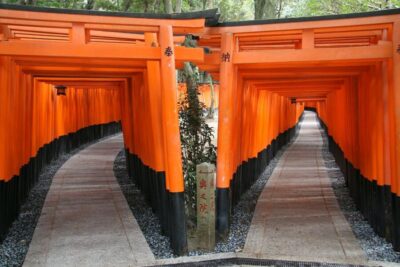
Fushimi Inari, Kinkakuji, Bamboo Grove 1 Day Bus Tour
Read our review →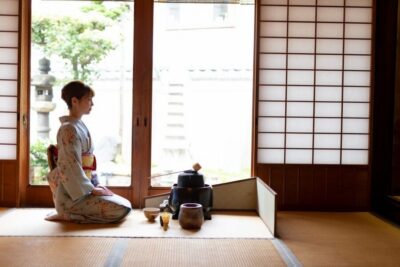
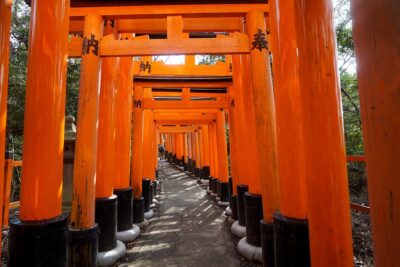
Fushimi Inari Hidden Hiking Tour (Private Option Available)
Read our review →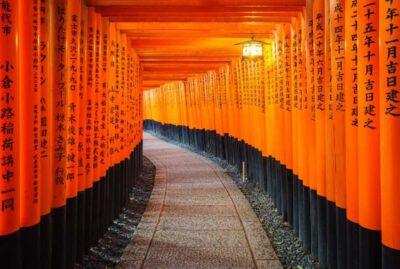
Osaka/Kyoto:Kinkakuji,Arashiyama,FushimiInariShrine,NaraPark
Read our review →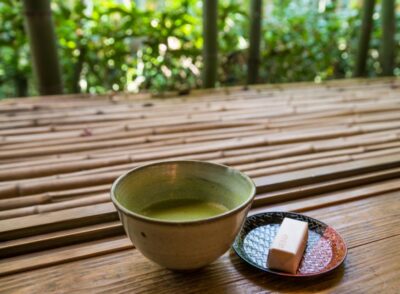
Arashiyama Bamboo, Temple, Monkeys, or Secret Sake Brewery
Read our review →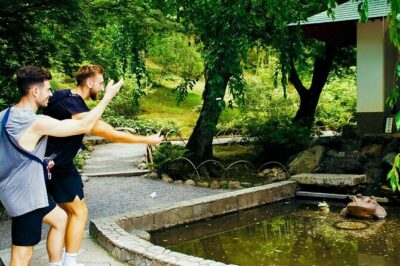
Arashiyama Bamboo Forest, Monkeys, Matcha & Temple Tour
Read our review →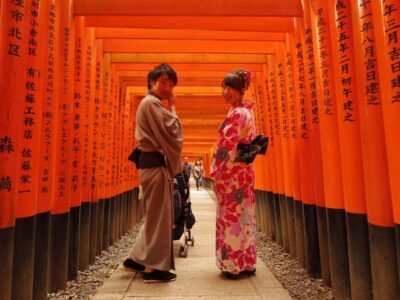
Osaka/Kyoto: Arashiyama, Nara & Fushimi Inari Shrine w/Lunch
Read our review →
Nijo Castle, Kiyomizu & Fushimi Inari Guided Tour
Read our review →Browse the lists this tour appears in