

Reviewed · CASTLE TOURS IN KYOTO
Kyoto: Nijo Castle, Kiyomizu & Fushimi Inari Guided Tour
Kyoto in 11 hours can feel like magic. This guided bus tour strings together the big hits, with early access to Arashiyama Bamboo Grove and a bilingual guide keeping the day understandable and organized.
I love how the pacing mixes guided context with real time to wander on your own, especially at Fushimi Inari and in the temple areas. I also like that you get a practical history thread, not just a checklist of places. The main drawback is simple: it is a long day with walking, and it is not suitable for wheelchair users.
Key things I’d zero in on before you go
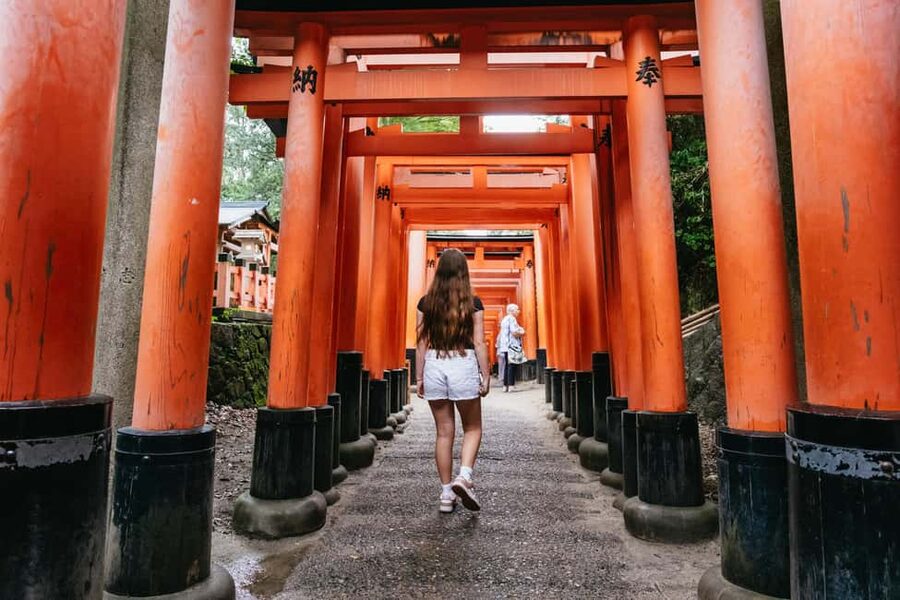
- Early Arashiyama timing to reduce the crush in the bamboo grove
- Ticket options matter for Kinkaku-ji, Nijo Castle, and Kiyomizu-dera access
- Nijo Castle highlights include the gardens and the famous nightingale floors
- Kiyomizu-dera views from the wooden stage area, plus time to stroll the streets
- Free time at Fushimi Inari so you can choose how far up the torii trail you go
- Bilingual guiding (English and Spanish) that helps you connect the sites fast
How the pickup in Kyoto sets up the whole day
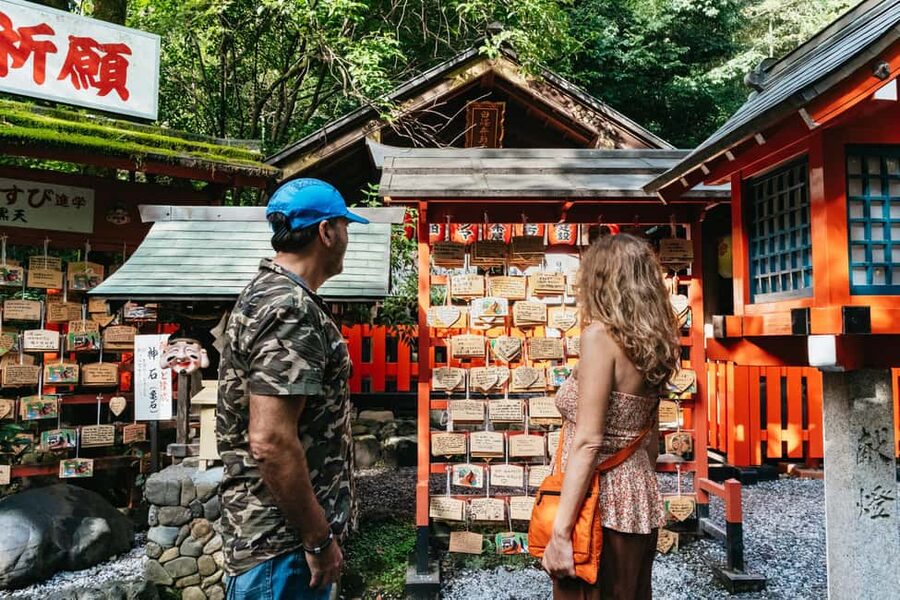
The day starts with pickup right outside Hotel Keihan Kyoto Grande, and the guide is waiting with a sign for Amigo Tours. It is smart to arrive at least 10 minutes early for check-in, because you want to settle in before the first drive starts.
From the beginning, this tour is built around efficient routing. You hop between Kyoto highlights by coach, then do focused time on foot at each stop. That matters because Kyoto’s traffic and visitor patterns can easily turn a self-guided day into a lot of transit time and stress.
You’ll also see one of the big reasons this works well for first-time planning: you get someone else handling the “what comes next” part. Guides like Cesar and Angeles (and several other guides mentioned by guests) are repeatedly praised for keeping the group together and translating the story in a way that is easy to follow.
More Castle Tours in Kyoto
- Kyoto: Nijo-jo Castle and Ninomaru Palace Guided Tour
★ 4.7 · 1,020 reviews - Kyoto: Imperial Palace & Nijo Castle Guided Walking Tour
★ 4.7 · 453 reviews - Kyoto: Nijo Castle World Heritage Guided Tour with Admission
★ 5.0 · 128 reviews
Arashiyama Bamboo Grove before the crowds, and what to look for
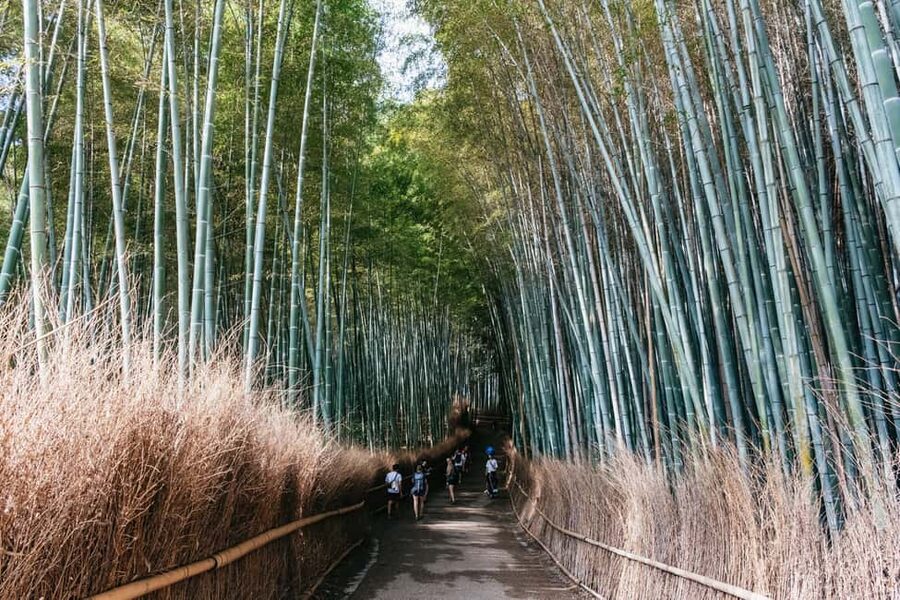
Arashiyama is where this tour earns its early start. You get 70 minutes of free time at the bamboo grove area, timed to help you beat the biggest crowds.
What to do with your time: don’t rush straight to the most photographed section. Walk a bit slower and look for where the bamboo stalks narrow the view, because that’s where the quiet, tunnel-like feeling hits hardest. If you want photos, aim for spots where the light falls between the leaves rather than only shooting from the main paths.
The practical win here is that bamboo photos look better when you are not constantly dodging people. Also, the grove is not just a photo stop. It helps you get into Kyoto’s rhythm: gentle walking, soft sound, and an atmosphere that feels different from the busier city streets.
You’ll be tempted to keep exploring, but remember you have the rest of the day queued up. Use your time window to enjoy the place, not to sprint through it.
Kinkaku-ji Golden Pavilion, and the ticket detail that can trip you up
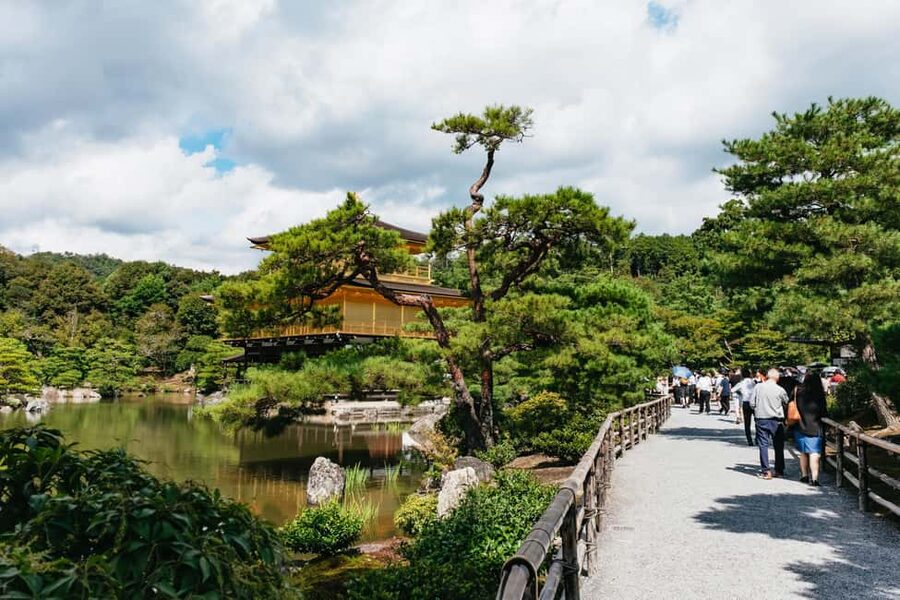
Kinkaku-ji, the Golden Pavilion, is next on the day plan. You typically get about 45 minutes of free time.
Here’s the key planning detail: the Golden Pavilion admission is included only if you bought the ticket in advance. That means your booking choice affects what you actually walk into. If you want this stop to be a guaranteed part of your day, confirm you selected the option that includes the ticketed entry.
Once inside the area, the famous look is all about contrast. The gold-leaf appearance is paired with ponds and garden views, so even short lingering time can feel rewarding. If you are into architecture and symbolism, take a moment to notice how the building and water views are composed to be looked at from multiple angles.
A consideration: Kinkaku-ji is one of Kyoto’s most photographed sites, so expect some crowd flow. Your goal is not to “finish” quickly. Use 45 minutes to see the pavilion from your favorite angle and then step back to reset.
Nijo Castle and the nightingale floors, plus the Sanjusangendo backup
Nijo Castle is where Kyoto’s political past becomes physical. You’ll have 1.5 hours at the site, with gardens and traditional rooms included in your visit.
The star detail is the nightingale floors, an ingenious security feature from the shogun era. If you want the full effect, pay attention when you walk through the tatami rooms. The floor design is meant to alert people to movement, so it is not just a trivia fact. It’s built into the experience.
Another important note: Nijo Castle access can depend on your ticket option. If you purchased the with-tickets version, your visit is included. If Nijo Castle is not accessible due to circumstances beyond the operator’s control, the tour will swap in Sanjusangendo Temple instead.
That swap is not a downgrade by default. Sanjusangendo has its own famous scale and atmosphere. The bigger point for you is peace of mind: you will still get a major temple experience even if Nijo Castle changes.
A practical tip: wear shoes you can stand in for a while. Nijo Castle’s layout rewards slow movement through rooms and grounds, and a good portion of the enjoyment is in moving from one viewpoint to another.
More Temple & Shrine Tours in Kyoto
- Kyoto: Fushimi Inari, Kinkakuji, Bamboo Grove 1 Day Bus Tour
★ 4.8 · 4,316 reviews - Kyoto: Tea Ceremony Ju-An at Jotokuji Temple
★ 4.9 · 3,207 reviews - Fushimi Inari Hidden Hiking Tour (Private Option Available)
★ 5.0 · 1,750 reviews - Osaka/Kyoto:Kinkakuji,Arashiyama,FushimiInariShrine,NaraPark
★ 4.1 · 1,596 reviews
Kiyomizu-dera’s wooden stage views and the streets around it
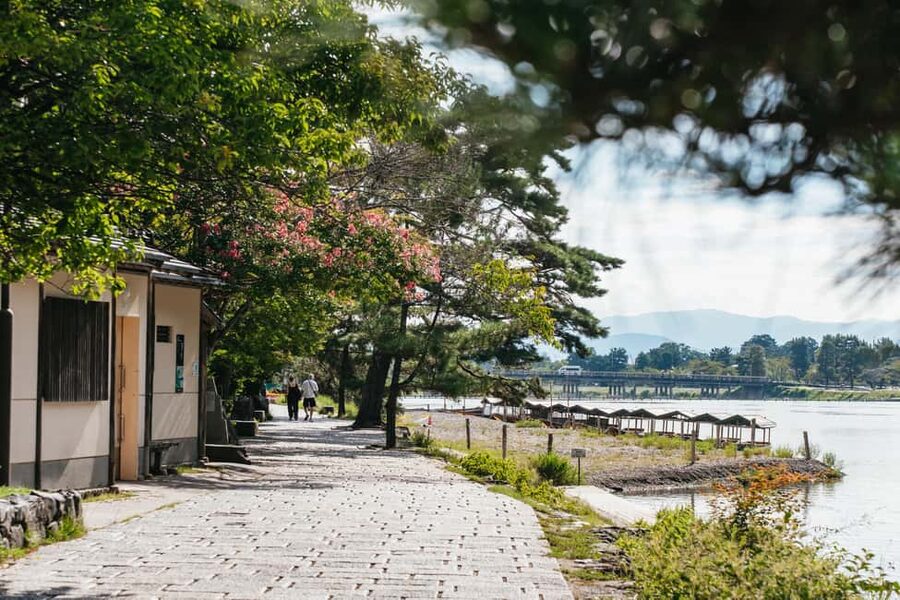
Kiyomizu-dera is one of Kyoto’s most recognizable silhouettes. You’ll have about 2.5 hours here, and the site includes time for visiting and lunch, plus additional free time to stroll.
Again, admission access depends on whether you purchased the ticket in advance. If you did, you get entry. If not, you may not access the main parts you came for, so make sure your booking matches your priorities.
The big draw is the wooden stage area that overlooks the valley. Even if you only take it in from key viewpoints, the scale of the view helps you understand why this temple is so famous. It also makes a good reset moment after busier stops, because you can pause and look out before continuing your walk.
The surrounding neighborhood is part of the charm too. This is where you’ll find traditional sweets and craft shops. Since food and drinks are not included on the tour, treat this as your flexible moment. If you want a snack or two, plan to buy on your own, and keep an eye on timing so you don’t eat up your walking time.
Fushimi Inari Taisha, torii gates, and how to pace 90 minutes
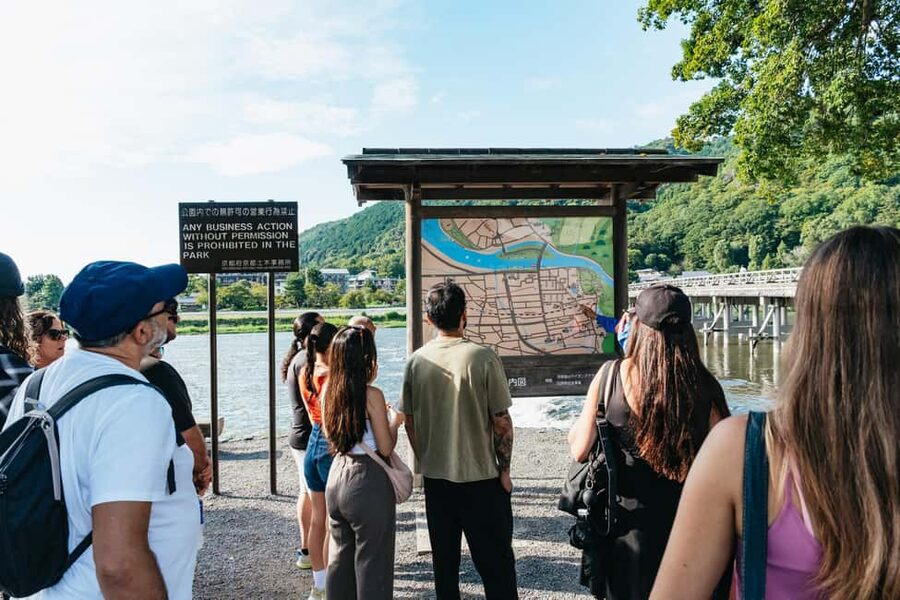
Fushimi Inari is the late-day payoff for many people. You’ll get about 1.5 hours at Fushimi Inari Taisha, with free time to explore.
The layout is simple and powerful: thousands of bright red torii gates winding up the mountainside. The trick is to decide how far you want to climb before you start. If you try to do everything, you can burn your energy and still not enjoy the rhythm.
What I suggest: choose a turnaround point that feels good to you, then spend the remaining time lingering at the gates that match your photo style. Some sections feel more open, others feel more tunnel-like. Moving slowly through the gate lines is where the site becomes more than a photo line.
This is also where a guide’s earlier explanations pay off. When you know what you’re looking at, even a short walk feels more meaningful. Guests repeatedly mention guides using story and context to connect the stops, and Fushimi Inari is the kind of place where that connection lands.
Also plan for daylight and your stamina. The tour runs long, and it is possible the last part of the day gets darker earlier depending on season and timing. Go at a pace that keeps the experience enjoyable, not just finished.
Why the bilingual guides make a real difference on a full-day bus plan
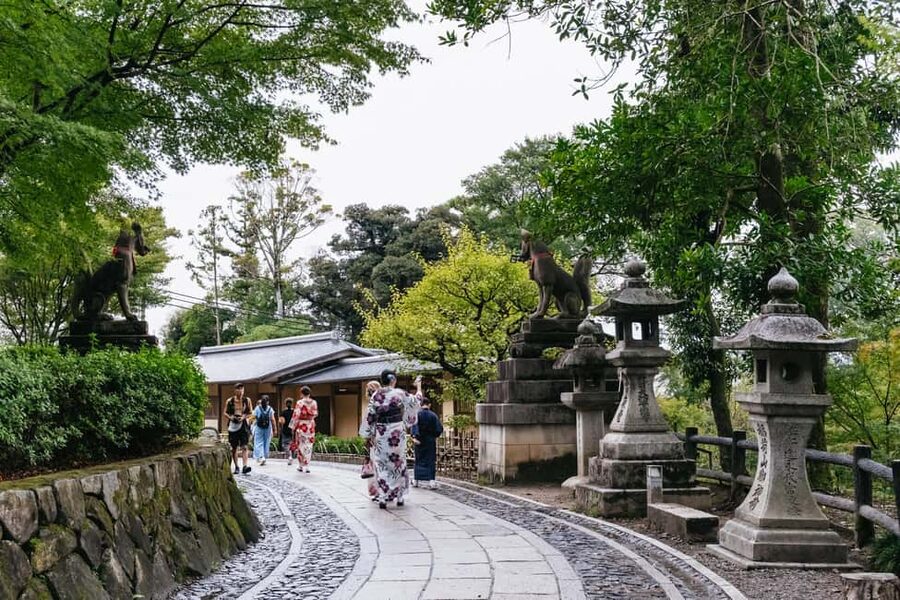
A tour like this lives or dies by communication. The best part, from the pattern of guest feedback, is how guides switch languages with ease and keep the group on track without losing the meaning behind the sights.
Cesar is one name that comes up often, and guests call out how he can move between English and Spanish smoothly. Angeles is another frequently mentioned guide, with praise for caring for the group and making sure everyone gets the same information. The point for you is not who happens to guide your departure. The point is that bilingual guidance helps you understand what you are seeing right as you are looking at it.
That matters when you have limited time. Kyoto’s sites can feel overwhelming if you only have basic facts. With a guide explaining history and culture in clear chunks, you can build a mental map fast. Then your free time is not wasted guessing. You know what to notice.
You’ll also benefit from the guide role in practical moments: meeting points, timing reminders, and photo help. Several guests specifically mention the guide assisting with photos, and that small help can make a difference if your group includes people who need a bit more support.
Price and logistics: is $54 good value for your Kyoto day?
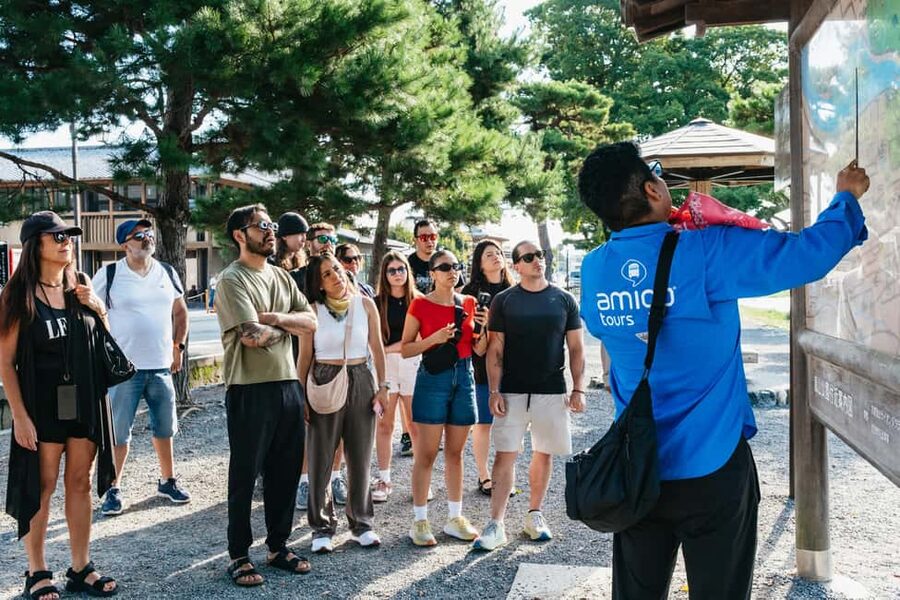
At $54 per person for an 11-hour day, the value is mainly in what’s included: transportation plus admissions to Golden Pavilion, Nijo Castle, and Kiyomizu-dera (when ticket options are selected correctly). Add a bilingual guide and you basically buy time saved.
What you are not buying: meals. Food and drinks are on you. You’ll also do a full day of walking on uneven temple grounds and stairs. This tour is not suitable for people with mobility impairments or wheelchair users, and that’s something to treat seriously rather than as a minor note.
The “value” question also depends on your priorities. If your goal is to see the biggest Kyoto highlights without figuring out bus lines, station changes, and timed entries, this format is a strong match. If you want long, slow soaking time in one or two areas, you might feel rushed by the schedule.
One more logistics reality: even with good timing, some stops are naturally crowded. Arashiyama starts early for a reason, but Kinkaku-ji and Fushimi Inari will still have other people in the mix. The advantage of the tour is that you are not stuck in crowd confusion. You’re guided to the best flow and then given free time to enjoy at your own speed.
What to bring so the day feels comfortable, not exhausting
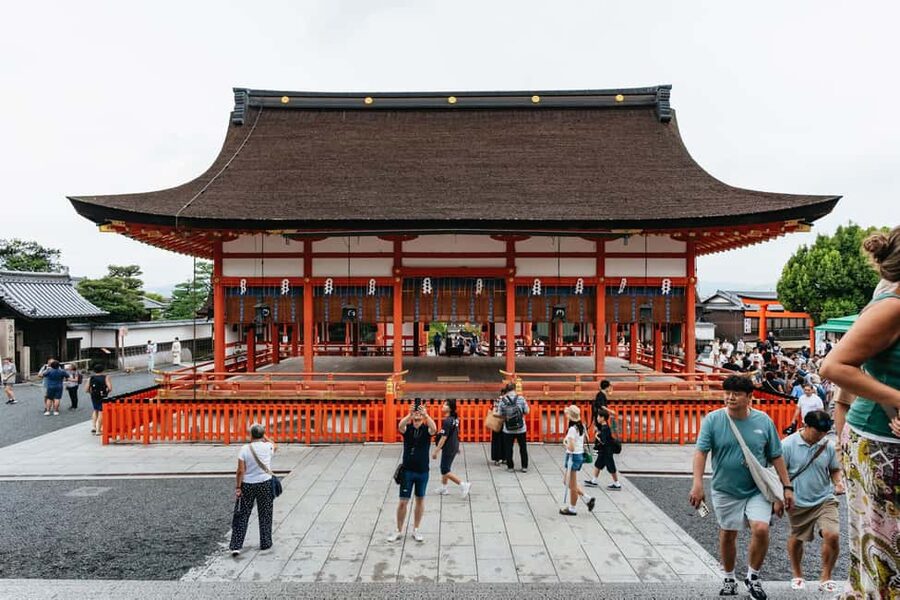
Kyoto in a long single-day loop can test your feet and your water supply. The tour suggests comfortable shoes, a hat, a camera, sunscreen, and water. I’d treat that as a must-do list, not optional.
Also think about sun and weather even if your hotel day feels mild. Temple stairs and open areas can bake you, and you may not want to stop repeatedly to buy supplies. A small bag with water and sun protection pays off.
If you get hot easily, plan your walking pace for the day. Take breaks when you can, especially on and between stops when you are on the coach. Guests mention the bus ride time as a chance to relax a bit between attractions, and that rest is part of making the full-day format work.
Should you book this Kyoto highlights tour?
Book it if you want a structured Kyoto day that hits Arashiyama Bamboo Grove, Kinkaku-ji, Nijo Castle, Kiyomizu-dera, and Fushimi Inari without having to plan every link in the chain. The bilingual guiding, efficient coach transport, and free time at each major stop make it a practical choice for first-timers or anyone with limited time.
Don’t book it if your plan is more about slow wandering in one neighborhood, or if walking and temple stairs are not a good fit for your mobility. Also double-check your ticket selections for Golden Pavilion, Nijo Castle, and Kiyomizu-dera, because access depends on whether you purchased the required entry options in advance.
If you want Kyoto highlights in one day and you’d rather spend energy on sightseeing than logistics, this is an easy “yes” for many visitors.
FAQ
Where is the meeting point for the Kyoto tour?
Meet your guide outside Hotel Keihan Kyoto Grande. The guide will be waiting with a sign for Amigo Tours.
How long is the tour, and what time does it run?
The duration is 11 hours total. The itinerary includes travel between stops and scheduled time at each attraction.
What languages are the guides?
The tour offers live guiding in English and Spanish.
Are temple and castle admissions included?
Admission to the Golden Pavilion, Nijo Castle, and Kiyomizu-dera is included if you choose the right ticket option in advance. If Nijo Castle is not accessible, the tour will include Sanjusangendo Temple instead.
What should I bring for the day?
Bring comfortable shoes, a hat, a camera, sunscreen, and water.
Can I cancel for a refund?
Yes. Free cancellation is available up to 24 hours in advance for a full refund.
More Castle Tours near Kyoto
- Kyoto Imperial Palace & Nijo Castle Guided Walking Tour – 3 Hours
★ 4.5 · 106 reviews - Kyoto: Nijo Castle and Kyoto Imperial Palace Guided Tour
★ 4.6 · 98 reviews - Nijo Castle and Imperial Palace Visit with Guide
★ 5.0 · 53 reviews - Golden Pavilion, Nijo Castle, & Nishiki Market Half day tour
★ 5.0 · 29 reviews
Fresh options around Kyoto
- Kyoto: Quiet and Graceful Tea Ceremony★ 4.5 · 19 reviews
- Oboro | Mindful Tea Ceremony in a 100-Year-Old Kyoto Teahouse★ 5.0 · 19 reviews
- Ikebana Traditional Japanese Art of Flower Arranging★ 4.5 · 19 reviews
- Kyoto Satoyama Cycling with Lunch and English Guide★ 5.0 · 19 reviews
- Tea Ceremony Experience in Traditional Kyoto Townhouse★ 5.0 · 19 reviews
- Kyoto International Party Solo Friendly Expats and Locals★ 5.0 · 19 reviews
- Kyoto: Amanohashidate Ine Funaya Tour★ 4.4 · 19 reviews
- Kyoto Private Food Tours with a Local Foodie: 100% Personalized★ 4.5 · 19 reviews
Castle Tours in Kyoto, compared.
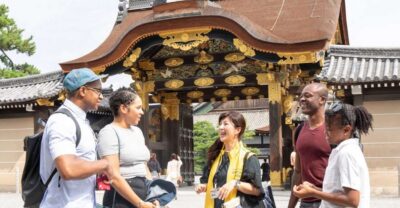
Nijo-jo Castle and Ninomaru Palace Guided Tour
Read our review →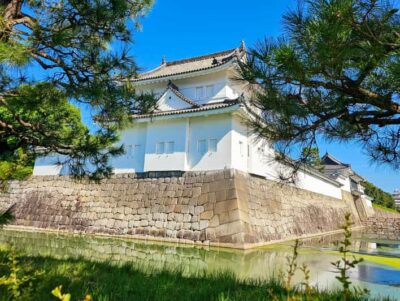
Imperial Palace & Nijo Castle Guided Walking Tour
Read our review →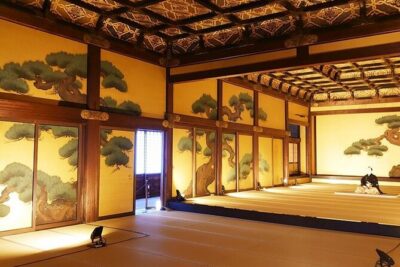
Nijo Castle World Heritage Guided Tour with Admission
Read our review →
Kyoto Imperial Palace & Nijo Castle Guided Walking Tour – 3 Hours
Read our review →
Nijo Castle and Kyoto Imperial Palace Guided Tour
Read our review →
Nijo Castle and Imperial Palace Visit with Guide
Read our review →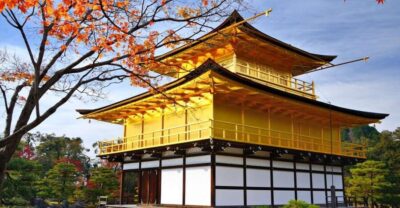
Golden Pavilion, Nijo Castle, & Nishiki Market Half day tour
Read our review →
Himeji Castle and Akashi Kaikyo Bridge Walking Tour from Kyoto
Read our review →Browse the lists this tour appears in