
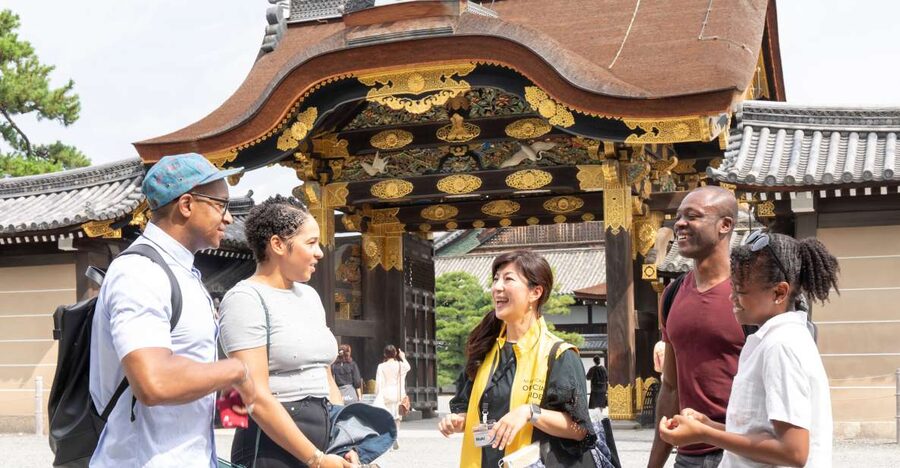
Reviewed · CASTLE TOURS IN KYOTO
Kyoto: Nijo-jo Castle and Ninomaru Palace Guided Tour
A castle with built-in secrets. This 60-minute English guided tour takes you into Nijo-jo Castle, built for Tokugawa Ieyasu, and lines up the best stops in a way most self-guided visits miss.
I especially like the storytelling context around the shogun and the political theater of the Edo period. I also love that the tour route includes Ninomaru-goten Palace and the garden loop, plus access to areas that are usually not open to the general public.
The main drawback to plan for is simple: the guided tour price does not include admission, so you’ll pay the castle entry fee in cash on site.
Key takeaways
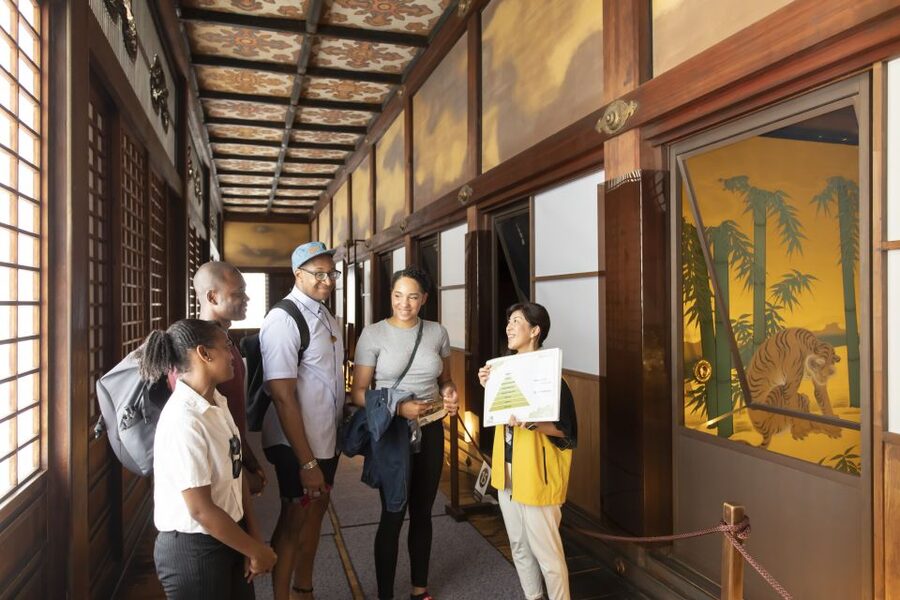
- Tokugawa-era power in architecture: you’re looking at a residence and political seat, not just a fortress.
- Ninomaru is the highlight: the tour focuses on the secondary defense circle and the shogun’s palace complex.
- Tour-only access: you’ll get into parts of the site that aren’t normally available.
- Gates you can’t just skip: expect to pass through key entrances like Higashi Ote-mon and Kara-mon.
- Short and efficient timing: it’s designed to be a 1-hour hit, then you can wander on your own.
- Listen for the details: guides like Ai, Kaoru, Ayu, and Don are praised for making room functions and symbolism click.
Nijo-jo Castle in plain English, and why you should care
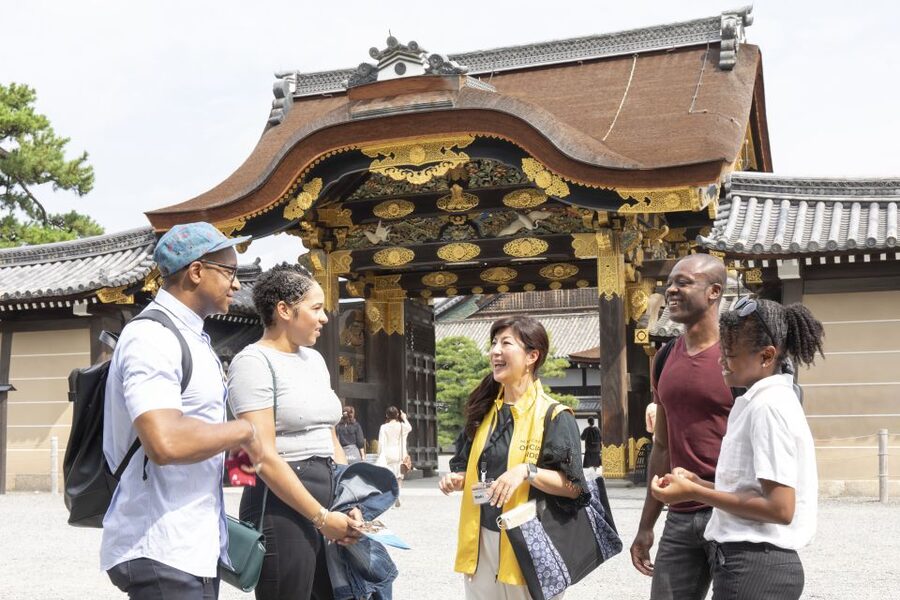
Nijo-jo Castle is one of those Kyoto sites where the buildings make the politics understandable. It was first built in 1603 as the Kyoto residence of Tokugawa Ieyasu, the first shogun of the Edo period. Later, after the Tokugawa shogunate fell in 1867, the site shifted roles, serving as an imperial palace before becoming a public historic attraction.
In 1994, it became a UNESCO World Heritage site, and for good reason: it’s considered one of Japan’s best surviving examples of feudal-era castle architecture. What makes it extra worthwhile is that the castle is designed in circles of security, not random layouts. You’ll hear about three distinct areas: the Honmaru (main defense), the Ninomaru (secondary defense), and the gardens that wrap around both.
This tour leans into the parts that help you understand how power worked. The shogun’s Ninomaru setup was his residence and office when he visited Kyoto, so think “administration and authority,” not “battlefield.” If you like places where you can look at a building and understand what it was meant to do, this one hits.
More Castle Tours in Kyoto
- Kyoto: Nijo Castle, Kiyomizu & Fushimi Inari Guided Tour
★ 4.7 · 700 reviews - Kyoto: Imperial Palace & Nijo Castle Guided Walking Tour
★ 4.7 · 453 reviews - Kyoto: Nijo Castle World Heritage Guided Tour with Admission
★ 5.0 · 128 reviews
Your 60 minutes, from East Main Gate to Ninomaru Palace
This is a 1-hour guided experience with an English live guide. You start at the Nijo Castle tour ticket booth, then you enter through the East Main Gate. From there, gather at the reception area next to the General Reception, on the left side after entering.
If you’ve ever been late to a Japanese group tour, you already know the drill: you want to arrive early and get your bearings fast. The tour won’t wait for you once it begins.
What’s included in the guided portion is very specific, and that’s good. You’ll be guided to:
- Higashi Ote-mon Gate
- Kara-mon Gate
- Ninomaru-goten Palace
- Ninomaru Garden
The route is short, which matters. In a place this big, a guided “highlights” route can save you from wandering in circles while crowds surge around you. And because the guide points out what you’re looking at, you don’t just see rooms, you understand why they’re arranged the way they are.
One more practical note: earphones are provided to paid participants. That helps, especially near gates and inside where it can get noisy. If you’re traveling with kids, plan around earphone rules, since the info says earphones are tied to paid participants.
Higashi Ote-mon and Kara-mon, gates that signal rank
Gates in castle design are not just entrances. They’re transitions. They tell you who this space is for, how movement is controlled, and how visitors are expected to behave.
The tour starts by getting you oriented at Higashi Ote-mon Gate. This is a good warm-up because it sets the “read the architecture” mindset. From there, you move toward the Kara-mon Gate, which is one of the most striking entrances on the property, known for its impressive craftsmanship. Even if you’re not a details person, a good guide makes the gate feel like part of the story, not a photo stop.
This is also where you start hearing how castles like Nijo-jo functioned as political machines. Nijo-jo wasn’t just a pile of walls for war. It was a controlled environment. Visitors and officials moved through spaces that guided attention, timing, and hierarchy.
Guides you might encounter, like Kaoru, Ai, Ayu, Don, and Michiko, are repeatedly praised for explaining room functions and symbolism clearly. That style is a big part of why people rate this tour so highly. You’re not stuck translating on your phone while trying to remember where the “main palace” is.
Inside the Ninomaru Palace, where every room has a job
The centerpiece here is Ninomaru Palace (Ninomaru-goten). It once served as both the shogun’s residence and office during visits to Kyoto, and it remains intact today. That matters because intact spaces let you see the original layout and interpret it in context.
During the tour, you’ll get explanations of what different rooms were used for. That sounds basic, but it changes everything. When you know why a space exists, the architecture stops being decoration and starts being evidence. One common theme in the feedback is that guides take time to walk through what each area was for, so you can picture daily life and official duties in the same building.
You’ll also get insight into the cultural meaning inside. People mention the guide pointing out how art and ornamentation connect to status, safety, and ceremony. Expect explanations of decorative elements like carved or painted motifs, and how those choices fit the castle’s role as a political center. One guide in particular made the carvings and details feel playful and human, with comparisons that help your brain remember what you saw.
Practical reality check: inside the palace, rules and comfort can be a factor. One person noted there is no water available, no photos allowed, and no air-conditioning in the interior. In hot months, that can make the tour feel more like “stand, listen, and focus” than “wander and chill.” If you’re sensitive to heat, wear light layers and plan to cool off outdoors after.
More castle tours near Kyoto:
- Kyoto Imperial Palace & Nijo Castle Guided Walking Tour – 3 Hours
★ 4.5 · 106 reviews - Kyoto: Nijo Castle and Kyoto Imperial Palace Guided Tour
★ 4.6 · 98 reviews - Nijo Castle and Imperial Palace Visit with Guide
★ 5.0 · 53 reviews - Golden Pavilion, Nijo Castle, & Nishiki Market Half day tour
★ 5.0 · 29 reviews
Ninomaru Garden, the reset button after palace rules
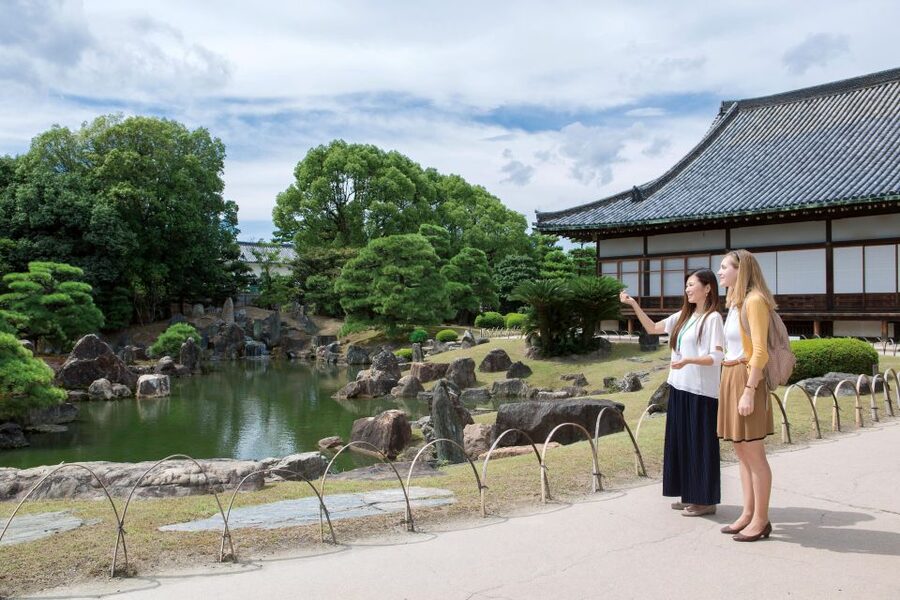
After you’ve walked the palace complex, the Ninomaru Garden gives you a breather. Gardens in Japanese castles are not random landscaping. They create a calm buffer around high-control buildings, and they also shape how you move between zones of power and reflection.
This part of the experience tends to be where people slow down. The garden loop gives you something to do on your own once the guided portion ends, so you’re not locked into listening the whole time. Even if you’re not a garden superfan, it’s a relief to step away from indoor restrictions and look outward.
The garden is also a good spot to reframe what you just learned. When you understand that the palace was designed around ceremony, protocol, and governance, the calm of the garden feels intentional, like part of the experience management. It’s easier to grasp the full “castle as a lived environment” idea.
If you want photos, treat this as your best window. The interiors can have strict rules, but the outdoors garden areas are often more comfortable for quick shots and slow looking.
English-only guides, earphones, and how to get the most out of 1 hour
This tour is conducted only in English, and it’s a live guide. That matters because Nijo-jo can be hard to fully enjoy without context, even if you’ve done other Japanese heritage sites. The guide helps you connect Edo-period politics to physical design, and you’ll hear it explained with a focus on how the space worked.
Earphones are provided only to paid participants. That’s helpful if you’re close to other groups or in spots where voices carry poorly. If you’re bringing children, the info says kids can join free only under the specific policy described, and earphone needs can require adult tickets.
The best advice for maximizing the value is to show up ready to listen. This tour is short by design. You’ll cover major pieces, but it won’t slow down enough for you to stop and research every symbol on the spot. If you’re the kind of person who likes to read every sign, you can do that outside the guided window, but during the tour, let the guide set the pace.
Group size can be small. One person described a group of only four, which likely makes it easier to hear and ask questions. Even in busier conditions, people noted that guides kept the group together and managed crowd pressure well.
Value check: $16 for the tour, plus the entry fee at the gate
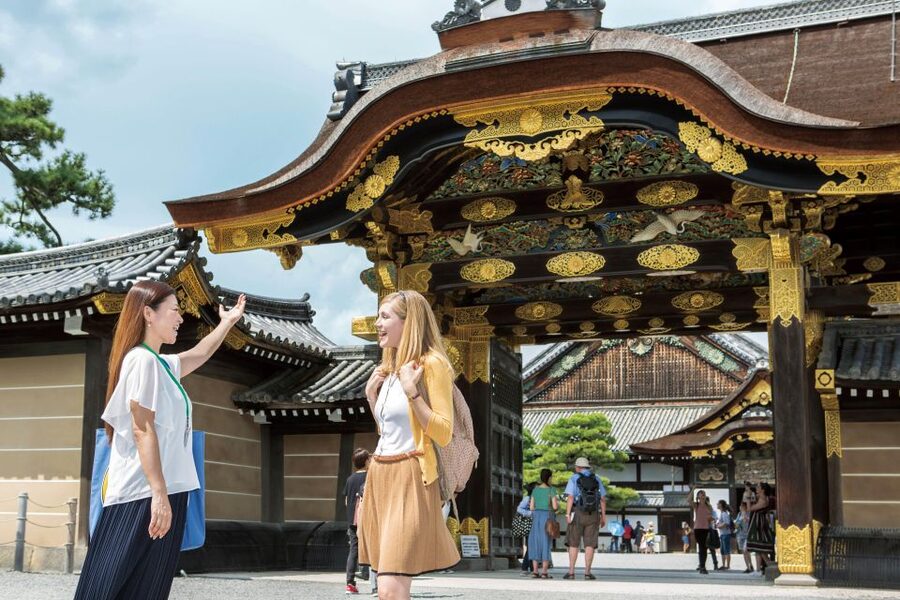
At $16 per person for a 60-minute guided tour, this is usually priced for the guidance and access, not for the basic ticket to the castle grounds. And that’s the catch you should plan for: admission fees are not included.
You’ll need to pay the venue entry fee in cash on site. One review called out about 1300 yen as an extra cost, so budget for that. If you’re comparing options in Kyoto, add the admission fee to the math and treat the tour as what you’re really paying for, guided access and interpretation.
So is it worth it? For many first-time Kyoto visitors, yes, because the tour does two things well:
1) It helps you understand what you’re seeing, especially inside Ninomaru Palace.
2) It includes access to parts that are normally unavailable.
Those two benefits can justify the total price faster than an entry-only pass. If you’re already fluent in Japanese and love self-paced museum-style exploring, you might skip a guide. But if you want the castle to make sense, a guided hour can be a strong value.
Best for first-time Kyoto history lovers, and a heads up for comfort
This tour is a great fit if you want feudal-era architecture with clear explanations of how the shogunate operated from Kyoto. It’s also a good choice if you like symbolic storytelling, because guides commonly explain the meaning behind rooms, decorations, and how the layout supported authority.
It’s especially appealing if you care about the Ninomaru side of the castle rather than just walking through empty hallways. The Ninomaru-goten is the centerpiece, and the guide helps you see it as a working space tied to government, ceremony, and status.
Who might not love it? Two situations:
- If you hate indoor rules and don’t want to be told no about photos, plan accordingly. One person reported no photos inside.
- If you get uncomfortable in heat, the palace interior can be warm since there’s no air-conditioning noted by a visitor.
If you go in summer, bring a practical mindset: wear breathable clothes, accept that you’ll listen for a bit, then recharge outside afterward.
Season and closures, when Ninomaru-goten isn’t operating
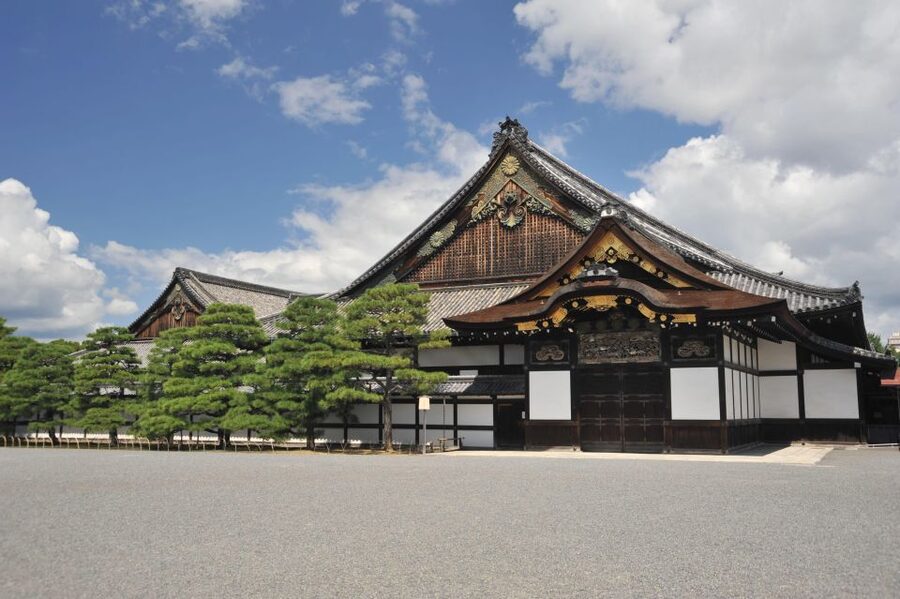
Nijo-jo has closure patterns you should know so you don’t show up to find your main stop closed. The information says it is closed on every Tuesday of July, August, December, and January. It also notes closure from December 26 to January 3 due to the closure of Ninomaru Goten.
Because this tour’s highlight is tied to Ninomaru-goten, check dates carefully. If Ninomaru-goten is closed, the tour experience could be very different than what you expect.
Should you book this Nijo-jo guided tour? My take
If you want Nijo-jo to feel like more than a pretty castle, book it. The guided hour focuses on the parts that help you understand Edo-period power, especially Ninomaru-goten Palace and the Ninomaru Garden. Add the tour-only access to restricted areas, and the value goes beyond simple sightseeing.
I’d book this tour if:
- you’re short on time in Kyoto and want the best route
- you like explanations that connect rooms to real purpose
- you want to feel confident you understood what you saw, not just that you walked through
I might skip it if:
- you’re determined to explore on your own without structure
- you’re traveling at a time when Ninomaru-goten is likely closed
- you strongly prefer photo-heavy wandering inside (since no photos inside was reported)
If you do book, go in with one goal: learn how the architecture controlled people. Once you get that, Nijo-jo stops being a building and starts being a system.
FAQ
How long is the guided tour at Nijo Castle?
The tour runs for 60 minutes (about 1 hour).
Is the Nijo Castle admission fee included in the $16 tour price?
No. Admission fees are not included and must be paid with cash on site.
What areas are included in the 60-minute tour?
The guided portion includes Higashi Ote-mon Gate, Kara-mon Gate, Ninomaru-goten Palace, and Ninomaru Garden.
Is the tour guide available in English?
Yes. The tour is conducted only in English.
Where do I meet for the tour?
Meet at the Nijo Castle Tour Ticket Booth. Enter through the East Main Gate, then gather at the reception area next to the General Reception on the left side after you enter. Coordinates are also provided in the booking details.
Does the tour provide earphones?
Earphones are provided only to paid participants. If earphones are needed for children, you may need to purchase adult tickets based on the tour’s rules.
Can my child join for free?
Each paid participant can bring one child aged 0 to 12 for free, and the child must be accompanied by an adult. If you bring more than one child, each additional child needs an adult ticket.
Fresh options around Kyoto
- Kyoto: Quiet and Graceful Tea Ceremony★ 4.5 · 19 reviews
- Oboro | Mindful Tea Ceremony in a 100-Year-Old Kyoto Teahouse★ 5.0 · 19 reviews
- Ikebana Traditional Japanese Art of Flower Arranging★ 4.5 · 19 reviews
- Kyoto Satoyama Cycling with Lunch and English Guide★ 5.0 · 19 reviews
- Tea Ceremony Experience in Traditional Kyoto Townhouse★ 5.0 · 19 reviews
- Kyoto International Party Solo Friendly Expats and Locals★ 5.0 · 19 reviews
- Kyoto: Amanohashidate Ine Funaya Tour★ 4.4 · 19 reviews
- Kyoto Private Food Tours with a Local Foodie: 100% Personalized★ 4.5 · 19 reviews
Castle Tours in Kyoto, compared.

Nijo Castle, Kiyomizu & Fushimi Inari Guided Tour
Read our review →
Imperial Palace & Nijo Castle Guided Walking Tour
Read our review →
Nijo Castle World Heritage Guided Tour with Admission
Read our review →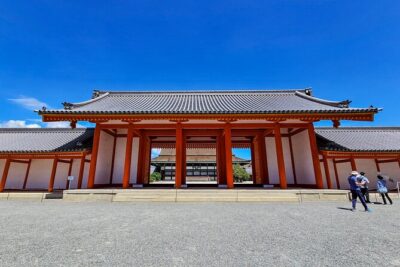
Kyoto Imperial Palace & Nijo Castle Guided Walking Tour – 3 Hours
Read our review →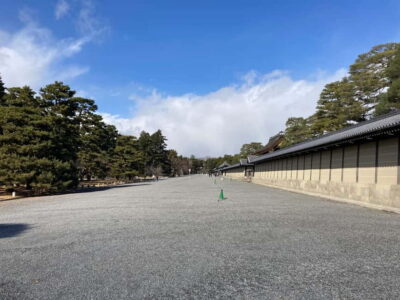
Nijo Castle and Kyoto Imperial Palace Guided Tour
Read our review →
Nijo Castle and Imperial Palace Visit with Guide
Read our review →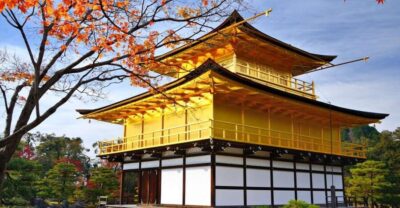
Golden Pavilion, Nijo Castle, & Nishiki Market Half day tour
Read our review →
Himeji Castle and Akashi Kaikyo Bridge Walking Tour from Kyoto
Read our review →Browse the lists this tour appears in