
Reviewed · HIKING & TREKKING
Kyoto: 3-Hour Fushimi Inari Shrine Hidden Hiking Tour
Want torii gates without the mob? This 3-hour Kyoto hike takes you off paved paths into forest trails with a small-group rhythm, starting at Tofukuji and ending at the base of Fushimi Inari.
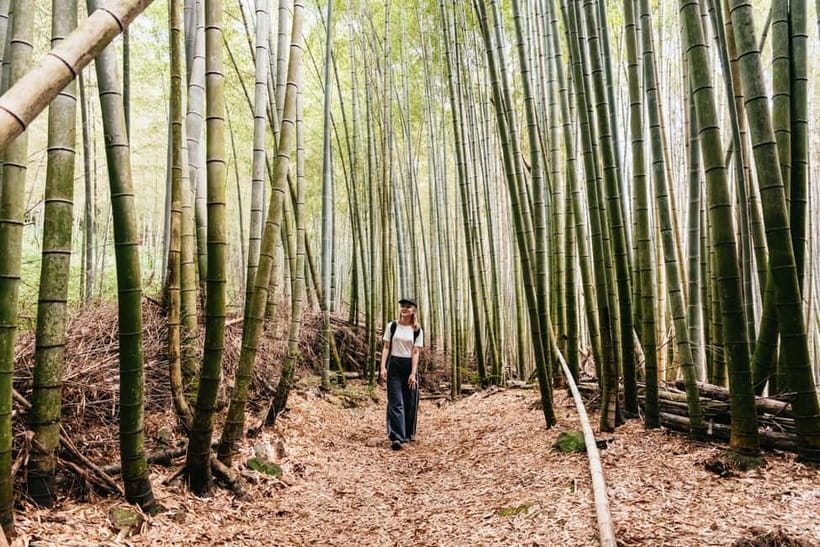
I love two things most: the chance to walk through bamboo groves and side trails where you are not constantly shoulder-to-shoulder, and the smart photo plan that hits both famous torii spots and quieter angles. One caution: it is about a 7 km hike with uneven, sometimes slippery ground and stairs, so it is not a laid-back stroll.
Key things that make this Fushimi Inari tour worth your time
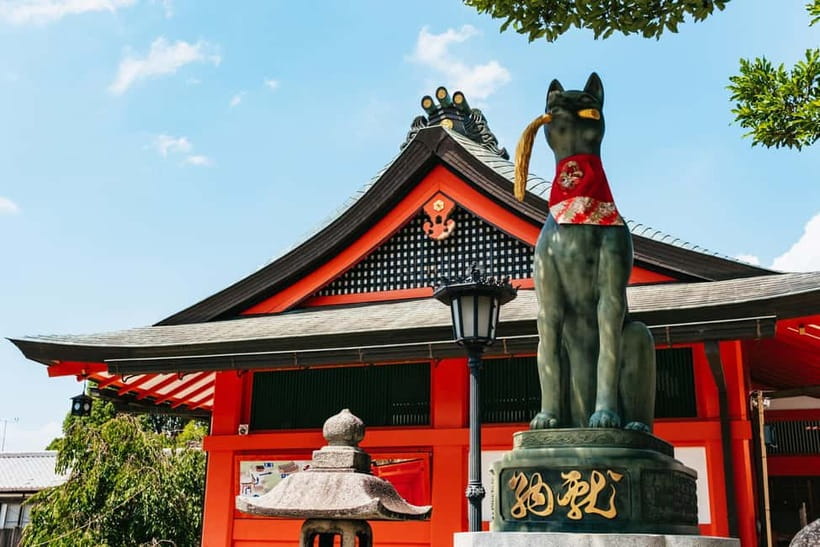
- You hike on actual forest trails for a big chunk of the route, not just along the main crowds.
- Bamboo groves show up early and later, giving you more than one calm, green reset.
- Small groups (up to 9) keep the pace human and the photo stops actually usable.
- Torii etiquette is part of the experience, so you learn what to do at gates and shrines.
- You get guide photo help at scenic points, not just directions.
- About half the walk is in forest shade, which is helpful in warm weather.
Why the back route through Fushimi Inari feels like a different Kyoto
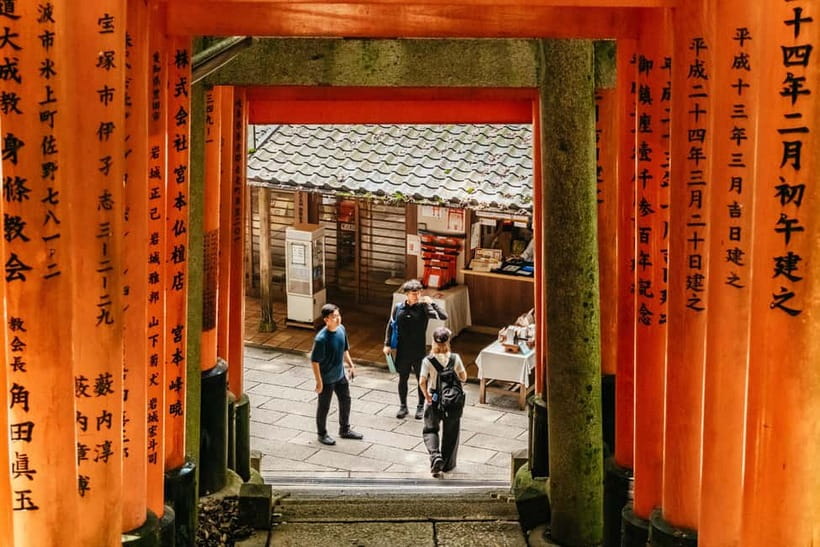
Fushimi Inari is one of those places you plan for carefully, because the main approach can get packed fast. What makes this tour interesting is the way it reshapes your day: you begin on calmer mountain lanes, then you steadily earn your way into the torii world from behind, with time to breathe.
You also get a practical balance between nature and culture. Yes, there are red torii gates and the famous photo angles. But the real payoff is the mountain walking, including shady sections and quieter shrine corners that most people never reach.
More Temple & Shrine Tours in Kyoto
- Kyoto: Fushimi Inari, Kinkakuji, Bamboo Grove 1 Day Bus Tour
★ 4.8 · 4,316 reviews - Kyoto: Tea Ceremony Ju-An at Jotokuji Temple
★ 4.9 · 3,207 reviews - Fushimi Inari Hidden Hiking Tour (Private Option Available)
★ 5.0 · 1,750 reviews
Price and what $72 buys you in the real world
At $72 per person for a 3-hour small-group hike, you are paying for three things you would struggle to replicate on your own: a local guide, a route designed to reduce crowds, and built-in photo help.
If you have ever tried to time Fushimi Inari on your own, you know the problem. The crowd level changes hour by hour, and it is easy to get stuck in the same bottlenecks everyone else is using. Here, the value is that the guide manages the flow for you, so you spend more time walking and less time guessing.
You also get photos during the tour. That sounds simple, but it matters when you want clean shots on steps, under torii rows, and in forest clearings. You are not doing a constant camera shuffle while trying to keep up.
Meeting at FamilyMart Nakai Tofukuji, then easing into the walk
The meeting point is FamilyMart Nakai Tofukuji, outside Tofukuji Station Exit 2. From JR lines, you can use rapid or local trains to reach Tofukuji. If you are coming by Keihan line, use sub-express, semi-express, or local trains, but skip express trains.
Once you meet up, you do not start by jumping straight into torii chaos. The first part of the day is a gentle ramp-up: you visit Tofukuji Temple for about 10 minutes, then you move into a quieter neighborhood route.
This matters because it makes your body ready for hiking. It also gives context. Instead of treating Fushimi Inari as a photo stop only, you are already thinking like a visitor in a shrine-mountain setting.
Tofukuji Temple and the quiet neighborhood shrines
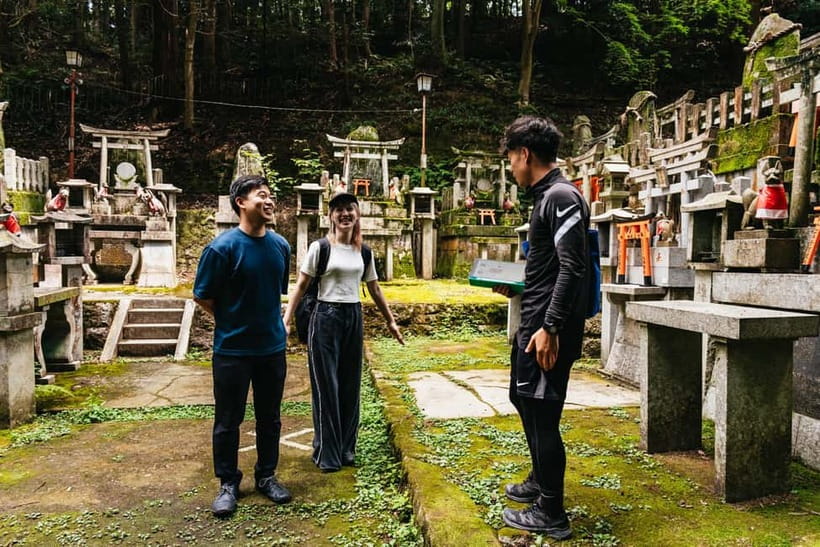
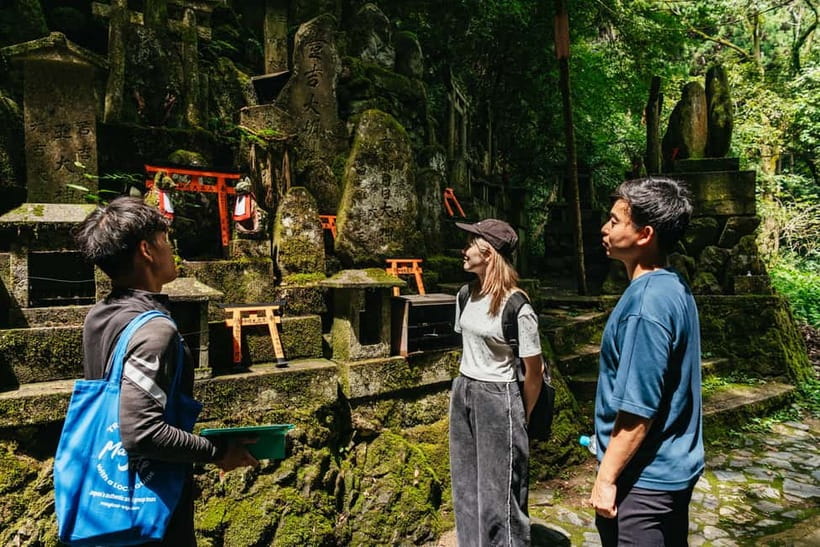
Expect small shrine moments tucked into the neighborhood rhythm. This is where the guide starts setting the tone: what you are seeing, why it matters, and how to move respectfully around shrine spaces.
It is also a useful contrast. Fushimi Inari is famous for torii gates, but Japanese shrine landscapes are wider than that. You learn to notice details beyond the big red signs, like smaller altars and the way routes connect sacred spaces.
If you like learning while you walk, this early segment is a win. You are not stuck in a classroom, and your questions make sense because you are looking at the answers with your own eyes.
More temple and shrine tours in Kyoto:
- Osaka/Kyoto:Kinkakuji,Arashiyama,FushimiInariShrine,NaraPark
★ 4.1 · 1,596 reviews - Kyoto/Osaka: Nara, Fushimi Inari Taisha, Arashiyama Bus Tour
★ 4.7 · 1,275 reviews - Arashiyama Bamboo, Temple, Monkeys, or Secret Sake Brewery
★ 4.8 · 886 reviews - Kyoto: Arashiyama Bamboo Forest, Monkeys, Matcha & Temple Tour
★ 5.0 · 759 reviews
The hidden trail phase: bamboo grove time, off the paved paths
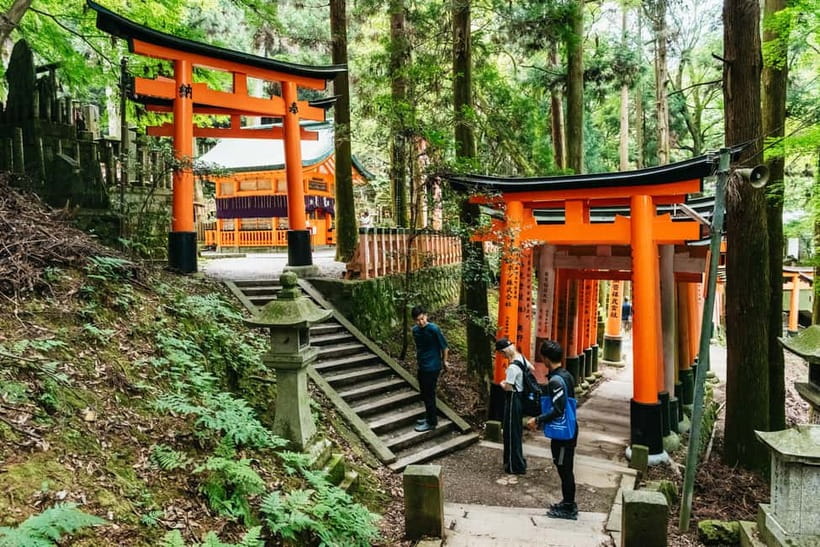
After the initial quiet lanes, the route heads toward a bamboo grove on an actual trail. This is one of the most praised parts of the experience for a reason: bamboo makes everything feel calmer, and the forest path helps you get that walking break from crowds.
From there, you connect to the broader route where the classic vermilion torii gates start appearing. But you are doing it with a different camera mindset. You are not trying to fight for position. You are moving through gates at a walking pace, letting your eyes adapt instead of constantly scanning for where the mass of people will step next.
A practical note: the tour description says about half the walking happens in the forest, so you are often out of direct sun. That is a comfort benefit in Kyoto, especially on warmer days.
Two viewpoint stretches that balance photos and effort
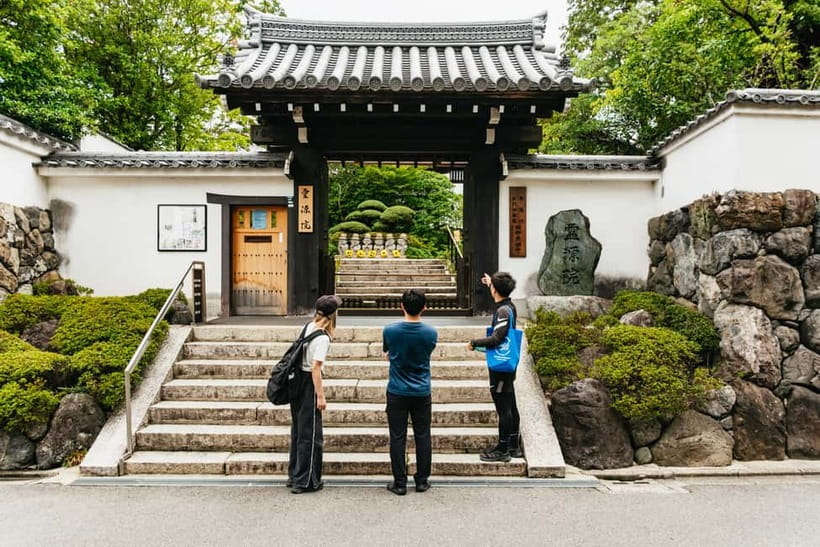
The schedule includes two viewpoint-style stops, with time built in for both scenery and photo moments. Think of these as your breathing points. You get small breaks, and you can adjust your pace without falling behind the group.
The tour builds the hike with regular stops, which helps on stairs and uneven ground. It is not a rugged mountaineering route, but it is also not a simple park walk. You are moving through forest sections, then climbing and descending on mountain paths.
The guide photo support helps here too. One of the recurring themes is that guides take photos for each person at scenic points. That is great if you do not travel with a partner who always wants to be the photographer.
Summit altars and torii etiquette, not just walking through
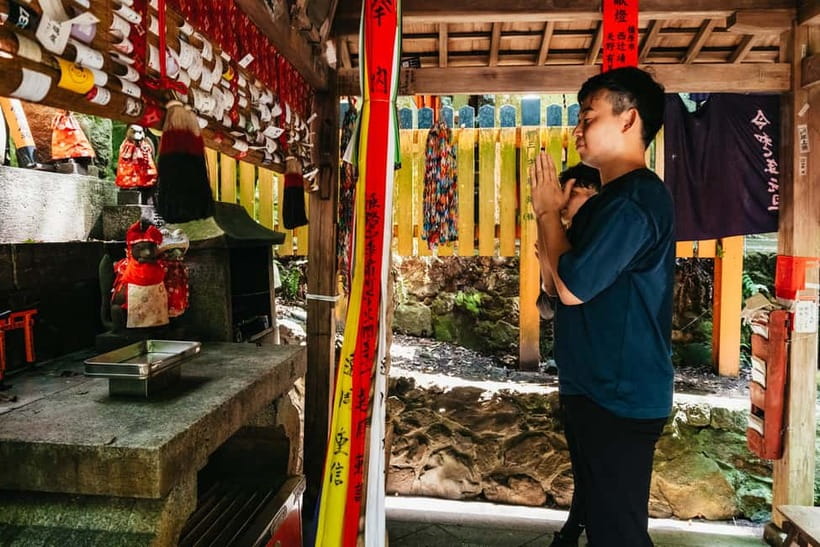
As you climb, you reach the top area covered with shrine altars. This is where the tour shifts from scenery to meaning. You are no longer just collecting views. You are navigating a sacred space where behavior matters.
In particular, multiple guides are praised for teaching respectful entry and how to make offerings and wishes. One guide named Jimmy stands out for this kind of hands-on cultural explanation. You are also likely to hear about amulets and temple customs, since guides like Hina and others are repeatedly noted for answering questions and explaining what you are seeing.
This is one of the biggest reasons I think the tour is worth doing even if you already know Fushimi Inari is famous. The route gets you out of the crowd. The guide helps you understand what you are doing inside the shrine flow.
If you want a more meaningful visit, this is the part to pay attention to. It is also the part where you will feel the difference between fast sightseeing and a guided, respectful approach.
Descending via forest trails and reaching another bamboo grove
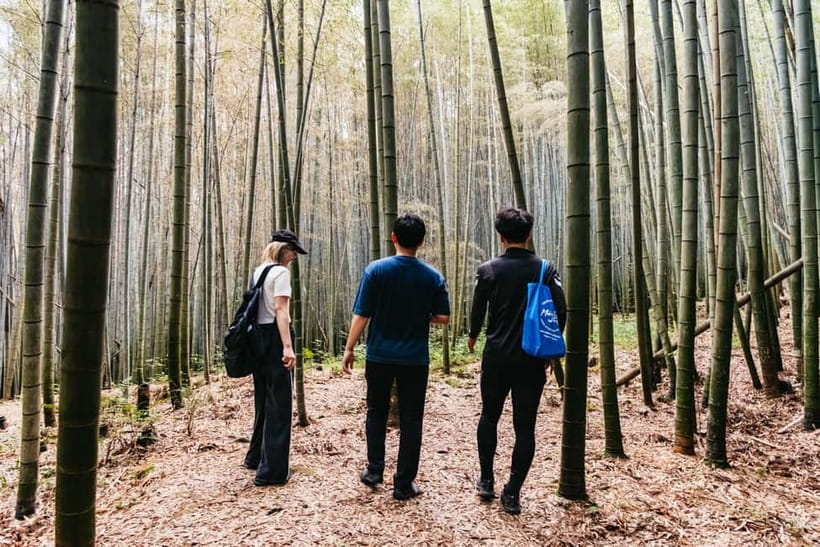
The return route is another highlight. Instead of simply backtracking the same main crowd line, you head down on forested trails and pass smaller shrines along the way.
Then you reach a second bamboo grove. Getting two bamboo experiences on one hike is not an accident. It is a pacing trick. Bamboo gives you that visual reset, and it also helps break up the stairs and footwork with a gentler-feeling environment.
As the descent continues, you eventually link back toward the most famous section of Fushimi Inari. The key is that you are approaching it when you are already warmed up, having seen the quieter parts first. That means the popular torii area feels like a finale, not the whole show.
And yes, the crowd level can increase near the end, because you are entering the main area. Still, you arrive there with context from earlier, so it feels less like a grind and more like the culmination of your walk.
Ending at the main shrine base, plus a practical food reset
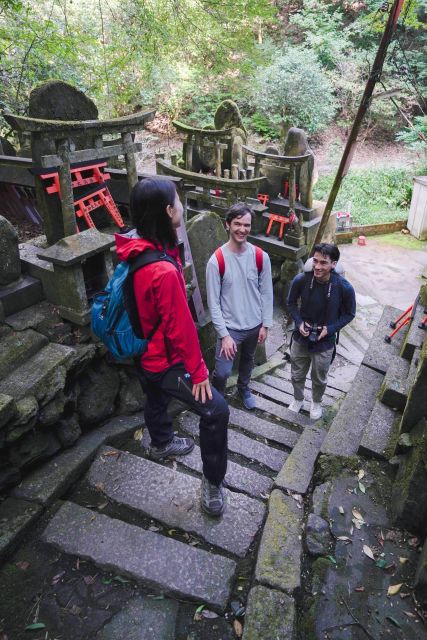
The tour finishes at the main shrine at the base of the mountain. This is a good ending point because you can regroup, take a final look around, and then grab local street food.
Do not underestimate the usefulness of this timing. After about 3 hours of hiking, you are ready for something quick and warm or savory. You also get a natural transition back into Kyoto city life without feeling like you must immediately catch a train while your legs are still processing stairs.
If you are planning other sights later the same day, starting at Tofukuji and finishing at the base is a logical flow. It keeps your day compact and avoids burning energy on aimless wandering.
What to wear and bring so the hike stays fun
Because the hike is in mountain areas, bring long sleeves and long pants. The tour notes that mosquitoes and bugs can be an issue, so cover up.
Comfort-wise, expect uneven, rocky, and stair-heavy sections. A few reviews describe rain or muddy conditions making the ground slick. Even in dry weather, you will want shoes with decent grip.
Also check your bag situation. Luggage or large bags are not allowed. Plan to travel light, and keep your essentials small enough to handle while hiking.
One more practical detail: you might find the walk more like hiking than like casual sightseeing. Regular stops exist, but you still cover about 7 km total and you will be climbing and descending on paths.
How small groups and guide styles change the day
This tour runs with private or small groups, up to 9 people. That size matters at Fushimi Inari. In a large crowd, you spend your time reacting. In a smaller group, you can follow a pace, ask questions, and actually use the photo stops.
Guides also seem to have distinct communication styles. Many guides are praised for friendliness and for taking photos at scenic points. Names like Shun, Josh, Hira, and Naru show up in positive notes for leading quieter routes and making the experience feel personal.
One traveler also mentions very limited English from their guide, with explanations kept brief. That is not something you can fully control. But it is a useful expectation check. If you want deep, constant storytelling, pick a session where you feel comfortable asking follow-up questions, and keep your own curiosity open.
Who should book this Fushimi Inari hidden-trail hike
Book it if:
- You want torii gates plus nature walking, not just a crowded viewpoint.
- You like bamboo groves, forest shade, and side trails.
- You want a guide to explain shrine customs, gate etiquette, and what offerings mean.
- You travel in a small group or prefer not to wait behind slow photo lines.
Skip it if:
- You have limited mobility. The tour is not recommended for people with mobility impairments.
- You are expecting a relaxing, stroller-friendly walk.
- You need an easy, flat route. This hike includes stairs and uneven ground.
It is not recommended for children under 8. Kids younger than 8 require permission of a parent or guardian before booking.
If you are a fairly fit walker, you will probably love it. If your fitness level is average, just take it slow, use the regular stops, and wear proper shoes.
Should you book this tour for your Kyoto trip?
If you are set on seeing Fushimi Inari, I think this is a smart way to do it. The best reason is simple: you get the famous torii setting, but you spend a big part of your time on forest paths where the experience feels quieter and more personal.
You should book if your priority is a calmer route plus good cultural guidance, and you are happy to do about 7 km of hiking with stairs. If you want zero effort and maximum lounging, choose an easier approach instead.
One last tip to help you decide: plan this for a day when you can wear long sleeves and long pants comfortably. If the weather turns extreme, the tour can be canceled. In other rainy conditions, the ground can get muddy, so good shoes and patience make a big difference.
FAQ
Where is the meeting point for this tour?
You meet at FamilyMart Nakai Tofukuji, outside Tofukuji Station Exit 2, next to the Family Mart.
How long is the Kyoto Fushimi Inari hiking tour?
The tour duration is 3 hours.
What is the group size?
It is a small-group experience, with up to 9 people.
What is included in the price?
The price includes a local guide and photos taken during the tour.
What should I bring for the hike?
Wear and bring long-sleeved shirts and long pants. The tour notes mosquitoes and bugs, since you hike in mountain areas.
Is luggage or a large bag allowed?
No. Luggage or large bags are not allowed.
How difficult is the hike?
It is not described as super difficult, but it does take effort. The total distance is about 7 kilometers and it is not a simple walk, with regular stops and some hills and stairs.
Is this tour suitable for people with mobility impairments?
No. It is not recommended for people with limited mobility or mobility impairments.
What language is the guide?
The live tour guide is available in English.
What happens if there is extreme weather?
The tour will be canceled during extreme weather. You can cancel up to 24 hours in advance for a full refund.
More Hiking & Trekking in Kyoto
- Kyoto Hiking Tour: The Nature and Legends of Kurama and Kibune
★ 5.0 · 75 reviews - Kyoto: Hike and Hot Springs in Kurama
★ 5.0 · 49 reviews - Kyoto: Fushimi Inari Hidden Hike (Private)
★ 5.0 · 31 reviews - Kyoto Arashiyama Bamboo Forest Hiking Tour(Hidden Temples)
★ 5.0 · 30 reviews
Fresh options around Kyoto
- Kyoto: Quiet and Graceful Tea Ceremony★ 4.5 · 19 reviews
- Oboro | Mindful Tea Ceremony in a 100-Year-Old Kyoto Teahouse★ 5.0 · 19 reviews
- Ikebana Traditional Japanese Art of Flower Arranging★ 4.5 · 19 reviews
- Kyoto Satoyama Cycling with Lunch and English Guide★ 5.0 · 19 reviews
- Tea Ceremony Experience in Traditional Kyoto Townhouse★ 5.0 · 19 reviews
- Kyoto International Party Solo Friendly Expats and Locals★ 5.0 · 19 reviews
- Kyoto: Amanohashidate Ine Funaya Tour★ 4.4 · 19 reviews
- Kyoto Private Food Tours with a Local Foodie: 100% Personalized★ 4.5 · 19 reviews
Hiking & Trekking, compared.
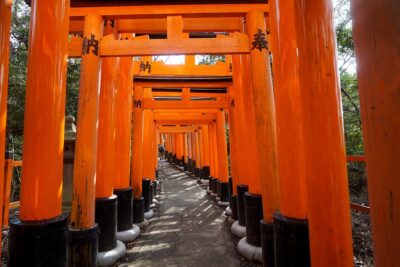
Fushimi Inari Hidden Hiking Tour (Private Option Available)
Read our review →
Hiroshima Local guided Hiking Tour&Open-air Tea Ceremony
Read our review →![Hiking the Historic Nakasendo Trail [1 Day Tour from Nagoya]](https://review-japan.com/wp-content/uploads/hiking-the-historic-nakasendo-trail-1-day-tour-from-nagoya-400x267.jpg)
Hiking the Historic Nakasendo Trail [1 Day Tour from Nagoya]
Read our review →
Kyoto Hiking Tour: The Nature and Legends of Kurama and Kibune
Read our review →
Full Day Hiking Tour at Mt.Takao including Hot Spring
Read our review →

Browse the lists this tour appears in