
Reviewed · KANAZAWA TOURS
Kanazawa: Kenrokuen Tea Ceremony Experience
A tea room with rules, calm, and real matcha. This Kenrokuen tea ceremony at Kenrokutei lets you watch a master, then make your own matcha with clear English guidance. The setting is quieter than the garden paths, and you get wagashi plus time to take photos, so it feels special without being stressful. One thing to plan for: you still must pay the separate Kenrokuen entrance fee (320 yen), and you will not be seeing the garden from inside the tea room.
I like this experience because it gives you both sides of tea culture, the formal choreography and the hands-on part. You are guided on how to act during the ceremony, including when to sit and how to follow instructions, so you can participate without feeling awkward. The only real drawback is timing: you need to be punctual, and if you arrive more than 10 minutes late after the start time, your spot is canceled.
Key points before you go
- Master-led tea procedure in a formal room, not an improvised demo
- Make your own matcha with help, so you leave with a repeatable skill
- Wagashi sweets paired with tea, including treats from well-known confectionery shops
- Kenrokuen setting at Kenrokutei, tied to lord Maeda’s guest entertainment history
- Photo-friendly moment, so you can capture the ritual
- Chair option available if floor sitting is tough
Kenrokuen tea room, why it works as a “slow down” stop
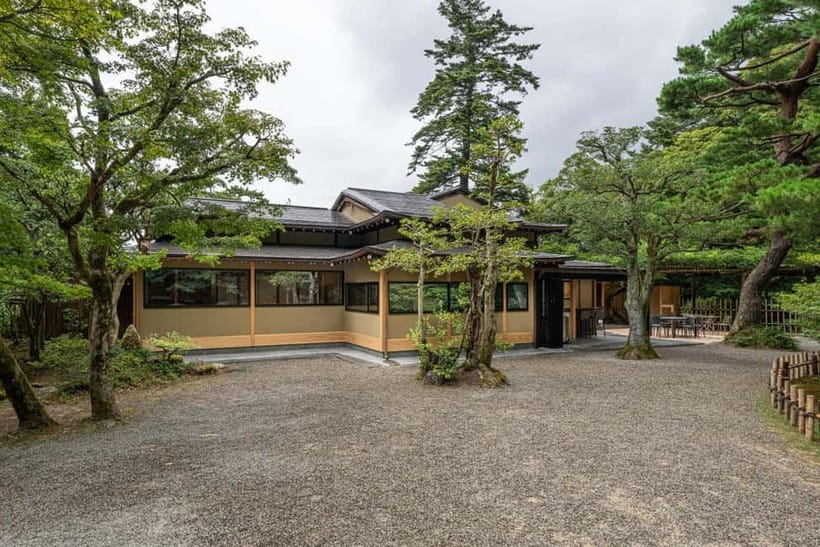
If you are the type who likes travel moments that feel ordered and intentional, this one fits. The ceremony is designed to be formal and quiet inside a dedicated tea space at Kenrokutei. It is not about loud sightseeing. It is about attention, from how the tea tools are handled to the pace of the movements.
Two things I especially like. First, you do not only watch. You get to participate by making matcha yourself at the end, with instructions while you try. Second, the experience includes wagashi sweets, which is the best way to understand how Japanese tea and seasonal sweets are meant to work together. The sweets are also a confidence boost if it is your first time with matcha.
The only practical catch is that the tea room does not offer garden views. You still get the Kenrokuen setting, but you need to treat the garden as a separate, before-or-after component.
More tea ceremonies in Kanazawa:
- Kanazawa: Samurai, Matcha, Gardens and Geisha Full-Day Tour
★ 4.9 · 75 reviews - Full-Day Tour from Kanazawa: Samurai, Matcha, Gardens and Geisha
★ 5.0 · 68 reviews - Kyoto: Tea Ceremony in a Traditional Tea House in Kiyomizu
★ 4.9 · 3,519 reviews
Start at Kenrokutei, in front of the fountain inside the garden
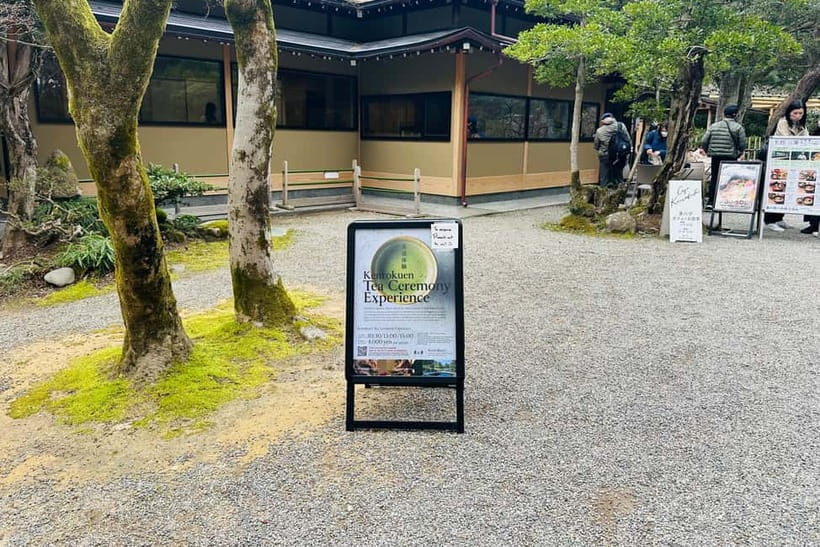
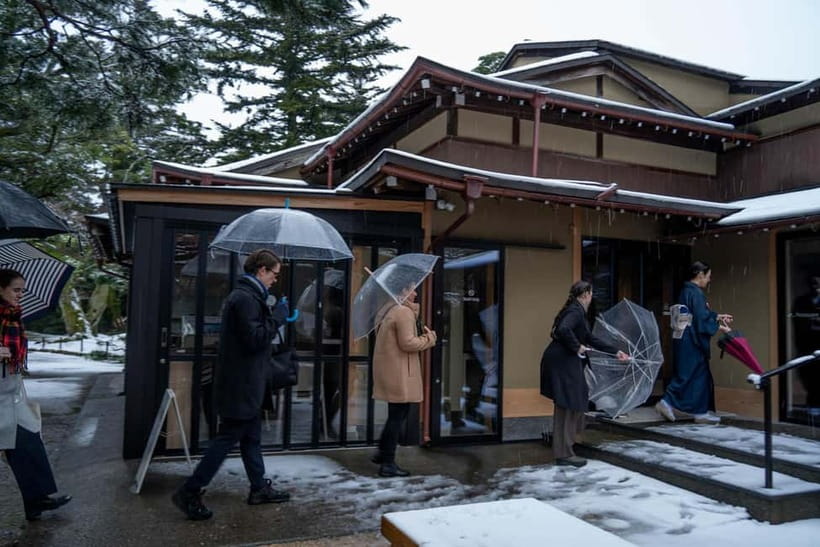
You meet at Kenrokutei, in Kenrokuen Garden, in front of the fountain. That matters because this is not a random storefront meetup. Kenrokutei is historic, the place where important guests were entertained by lord Maeda, and the whole experience leans into that atmosphere.
Before you go inside, read the information on the tea ceremony signboard at the meeting point. It is there for a reason, and it helps you avoid the annoying scramble that happens when people are unsure where to line up.
English instruction is included, so you can expect the ceremony to be explained in a way that makes the ritual feel logical rather than mysterious. If you prefer translation into a language other than English, plan ahead and request a private reservation by email so you do not disrupt other participants.
What you will do in the tea ceremony (and why the sequence matters)
The ceremony starts with a guided explanation of the tea tradition. You get context for what you are about to see and why the gestures matter. This is not just trivia. When you understand the purpose, the whole thing feels calmer, and you are less likely to fumble.
Then comes the core moment, the formal tea procedure performed by a master. You follow along with instructions on behavior and what to do next, which is a big deal for first timers. Tea ceremonies have etiquette details that are easy to miss if you only watch casually. Here, you are told how to act so you can participate properly.
Inside the tea room, you will also hear details as the procedure unfolds. Some of the best moments tend to be the “why this step” explanations, because they connect the movements to mindfulness and respect for the tea, the utensils, and the guests. People who have done this tend to describe the pacing as unhurried and peaceful, with time to ask questions when appropriate.
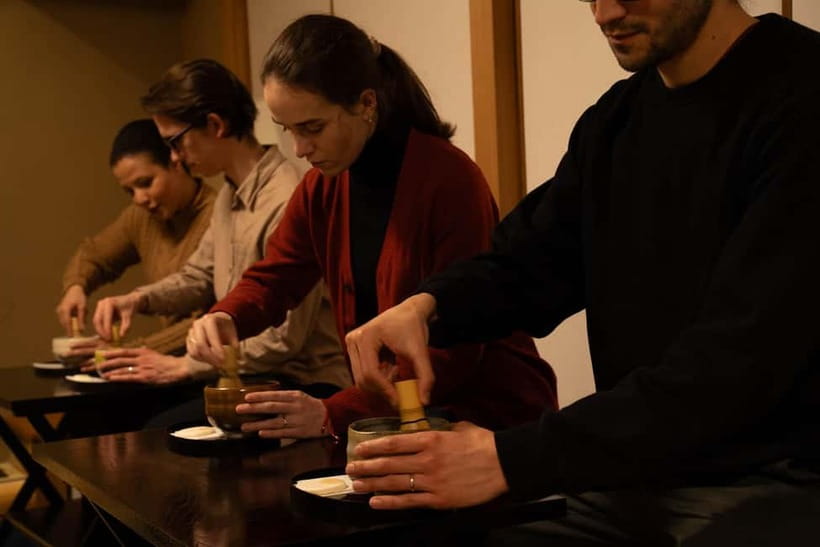
Finally, you make the tea yourself. You still have help, but you do the actions rather than just watching. That is how it stops being a performance and becomes a skill you can carry home.
Making your own matcha: your hands-on payoff
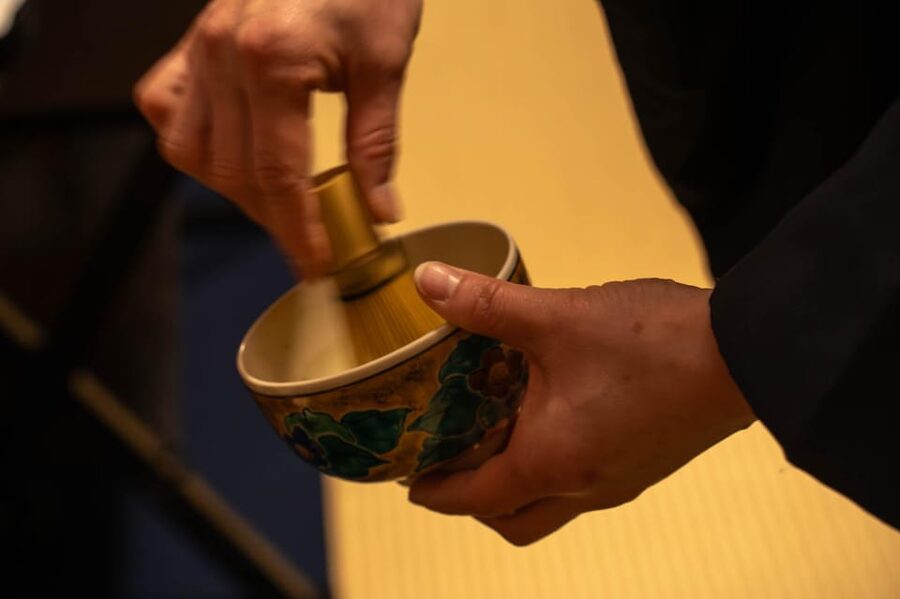
This experience is not only about viewing a tea ceremony. The highlight for many people is the part where you actually whisk matcha and learn how to do it correctly.
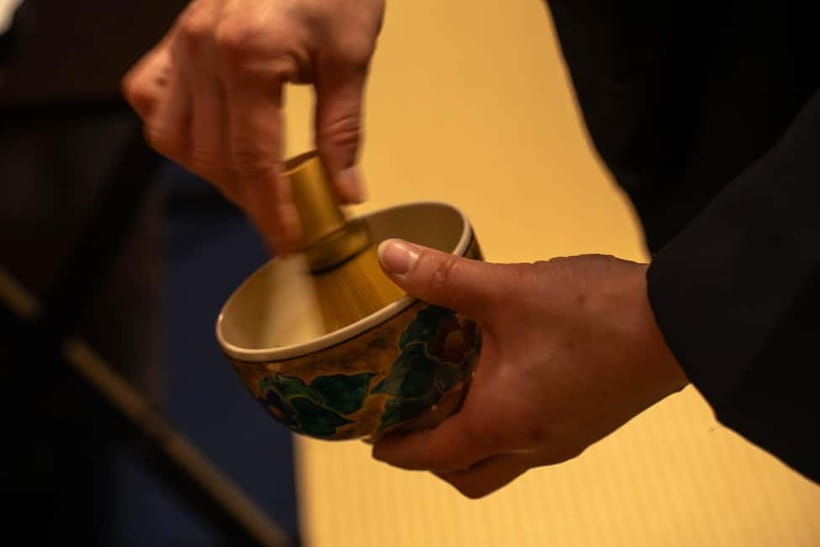
The tea tools and the routine can look simple from the outside, but you learn quickly that matcha is a technique, not just a drink. You will follow the instructor’s guidance step by step, then try for yourself. Expect to focus on steadiness and the rhythm of whisking. If your first try is not perfect, do not panic. The point is that you learn the method and the feel.
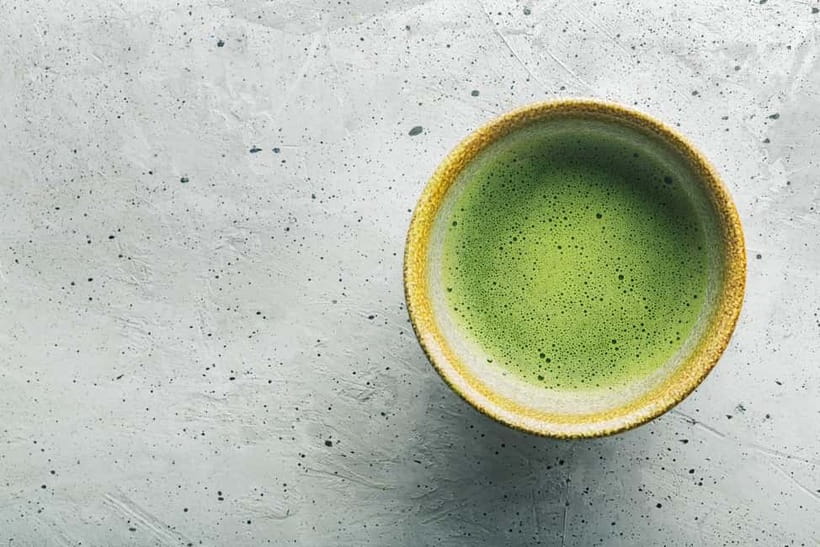
In terms of taste, matcha here often earns standout comments. People describe it as smooth, balanced, and richer than they expected after trying matcha elsewhere. Pairing it with wagashi helps you notice the difference more clearly, since the sweetness and texture pull the flavors into focus.
A few more Kanazawa days worth comparing
- World Heritage Shirakawa-go and Experience Tours from Kanazawa
★ 5.0 · 4,049 reviews - Kanazawa Half Day Tour (Private Guide)
★ 5.0 · 361 reviews - Kanazawa Full Day Tour (Private Guide)
★ 5.0 · 323 reviews - [One-day bus tour departing from Kanazawa Station] Shirakawa-go and Gokayama – Two World Heritage Villages Enjoyable Bus Tour
★ 5.0 · 253 reviews
Wagashi and why sweets belong in the story
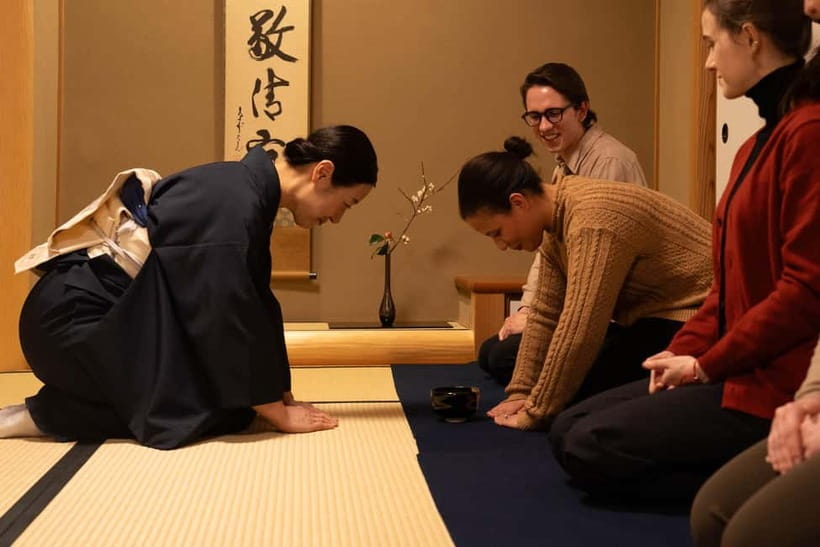
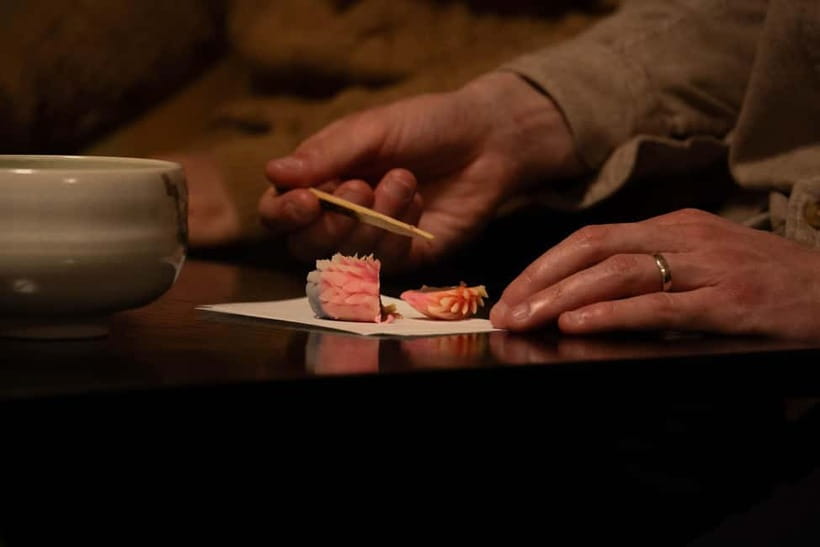
You do not just drink matcha. You taste Japanese wagashi sweets made by a renowned confectioner. This is important because wagashi is not an afterthought. It is part of the tea experience, often used to balance bitterness and to add texture and seasonal character.
You are also given sweets as part of the ceremony flow, which means you do not have to hunt for a snack afterward. The sweets serve as a bridge between the formal ritual and everyday enjoyment. Even if you are new to matcha, the sweet pairing makes the tea feel approachable.
For food lovers, it is also a chance to taste something made for the ceremony context, not just a generic tourist sweet. That difference is subtle, but it changes how the whole hour feels.
Kenrokuen Garden, but plan your visit around the tea room limits
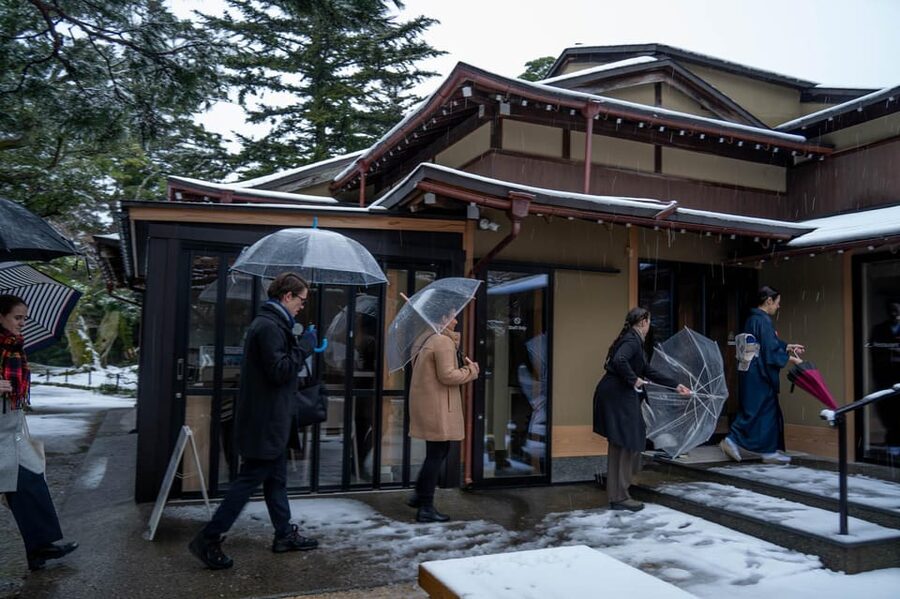
Here is the key planning point: the tea room is not where you see the garden. The garden is part of your day, but it is more of a setting for approach and atmosphere than a view from your seat.
So, treat your schedule like this:
- Before the ceremony: walk Kenrokuen and enjoy the famous garden spaces while you still have energy.
- After the ceremony: use the time to revisit whatever caught your eye, especially if light and season shift the garden mood.
Your entry to the garden is required separately. The tea ceremony ticket does not include Kenrokuen entrance fees. That means you should check your total day cost up front, especially if you are combining this with other Kenrokuen and Kanazawa sights.
Price and value: why $35 often feels fair
At $35 per person for about 1 hour, the pricing makes sense if you value a structured cultural activity. What you get matters:
- The tea ceremony itself
- Wagashi sweets
- Permission to take photographs
- English instruction
- The chance to make matcha yourself with guidance
A lot of cultural activities in Japan either give you a performance only, or they give you a hands-on class without the historical and etiquette coaching. This one combines watching, etiquette, and doing. That is why the hour can feel more useful than longer but looser experiences.
Add the separate Kenrokuen entrance fee, and your total spend becomes slightly higher. Still, you are getting two things at once: a calm indoor ritual and a garden day component. If you were already planning to enter Kenrokuen, the matcha ceremony turns into an excellent add-on.
Practical tips that keep the ceremony smooth
This is the kind of activity where small choices matter.
Be punctual. Your reservation is canceled if you arrive more than 10 minutes late after the starting time. No one wants to rush into a tea room, so give yourself a buffer to find the fountain and Kenrokutei.
Sitting on the floor is part of it, but you can request a chair if you have difficulty sitting. If kneeling or floor sitting is tough for you, ask in advance.
Photos are allowed. You can take pictures, which makes it easier to remember details like utensils, posture, and the sequence of steps.
Keep it quiet. This is a group activity held at the same time as other groups, and it is meant to stay calm. It helps if you treat the experience like a shared whisper, not a talk-show.
Kids note. The ceremony is for age 7 and older, and it is listed as not suitable for children under 8. If you are traveling with younger kids, plan carefully.
Who should book this Kanazawa tea ceremony?
I think this is a strong fit if you want a cultural activity that feels structured, peaceful, and genuinely participatory. It is also a good match if you are a first-time matcha drinker. You will not just taste tea. You will learn how to approach it.
It is also ideal for couples and solo travelers who want a break from fast-moving sightseeing. The ceremony tends to reset your pace. Even if you are not obsessed with tea, you will likely enjoy the etiquette, the careful attention, and the chance to make matcha yourself.
If you are visiting Kenrokuen mostly for photos and want a quick photo stop only, this might feel like more time than you planned, since the tea room experience is its own quiet world. You will want that garden time before or after to fully enjoy the setting.
Should you book Kenrokuen Tea Ceremony Experience at Kenrokutei?
Yes, if you are already planning to enter Kenrokuen and you want a one-hour cultural moment that teaches you something you can repeat at home. The value comes from the combination: watch a proper procedure, follow etiquette guidance, then make matcha yourself, with wagashi included.
I would skip it only if you hate sitting on mats and do not want to handle the floor-sitting portion at all, or if you are the type who needs constant outdoor views during the whole activity. The garden is close, but you will not see it from inside.
If you book, do one simple thing that makes everything better: schedule time for Kenrokuen walking on either side of the ceremony, so you get both the calm tea room and the full garden experience in one smooth Kanazawa day.
FAQ
Where is the meeting point?
You meet at Kenrokutei, located in Kenrokuen Garden, in front of the fountain.
How much does the tea ceremony cost?
The price is listed as $35 per person.
How long is the experience?
The duration is 1 hour.
Is the Kenrokuen Garden entrance fee included?
No. The Kenrokuen entrance fee (320 yen) is required separately, and this activity ticket does not include it.
What is included in the experience?
Included are the tea ceremony, sweets (wagashi), and photography during the experience.
What language is the instructor?
The instructor is listed as English.
Can I take pictures?
Yes, you are allowed to take pictures to keep a memory of the moment.
What if I have trouble sitting on the floor?
You can request a chair for the tea ceremony if you have difficulty sitting on the floor.
What is the minimum age to join?
Participants must be aged 7 years old or older. The experience is also listed as not suitable for children under 8.
Fresh options around Kanazawa
- Kanazawa Like a Local: Private & Personalized Experience 2-3 hrs★ 5.0 · 19 reviews
- Kanazawa Full Day Private Tour to Top Highlights with Local Guide★ 5.0 · 19 reviews
- Kanazawa: Private Custom Tour with Local Guide★ 4.9 · 20 reviews
- Shirakawa-go, Gokayama & Takayama Private Tour From Kanazawa★ 4.7 · 21 reviews
- Kanazawa: Samurai Swordsmanship Lesson at a rented temple★ 5.0 · 21 reviews
- Day Tour from Kanazawa OR Toyama: Snow Wall and Mysterious Valley★ 5.0 · 22 reviews
- Private Ring Craft Experience in Kanazawa★ 5.0 · 22 reviews
- Private Tour of Shirakawago from Kanazawa (Half Day)★ 5.0 · 24 reviews
Kanazawa Tours, compared.
World Heritage Shirakawa-go and Experience Tours from Kanazawa
Read our review →
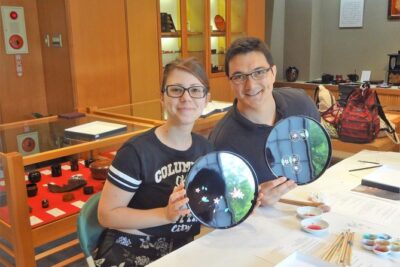
![[One-day bus tour departing from Kanazawa Station] Shirakawa-go and Gokayama – Two World Heritage Villages Enjoyable Bus Tour](https://review-japan.com/wp-content/uploads/one-day-bus-tour-departing-from-kanazawa-station-shirakawa-go-and-gokayama-two-world-heritage-villages-enjoyable-bus-tour-400x267.jpg)
[One-day bus tour departing from Kanazawa Station] Shirakawa-go and Gokayama – Two World Heritage Villages Enjoyable Bus Tour
Read our review →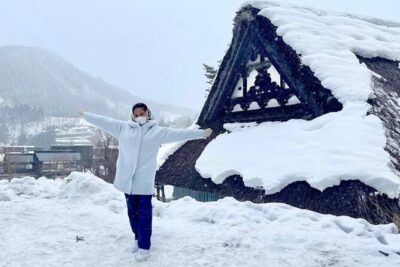
1 Day Private Charter Tour to Shirakawa-go & Takayama
Read our review →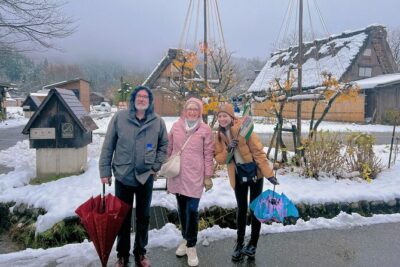
World Heritage Shirakawa-go Perfect Guided Tour from Kanazawa
Read our review →
Kanazawa Night Tour with Local Meal and Drinks
Read our review →Browse the lists this tour appears in