
Reviewed · PRIVATE DRIVERS
Mt Fuji Private Day Trip from Tokyo with English Speaking Driver
Fuji, in one smooth day. This private Mt. Fuji tour from Tokyo saves you from train transfers with a private English-speaking driver and even includes onboard Wi-Fi when available. One thing to plan for: the Kachikachi Ropeway ticket and some paid stops are not included, and the day depends on decent weather.
If you start at 8:00am and keep going for about 10 hours, you’ll see a lot without feeling like you’re constantly checking routes. This small-group format (up to 5 in your vehicle) helps because your schedule is flexible enough for real talking time and photo stops, not just a rush through the highlights.
Key things to know before your Mt Fuji day
- Private group up to 5 means less waiting and more room to move at each stop
- English-speaking driver handles the driving, timing, and on-the-spot explanations
- Wi-Fi hotspot in the vehicle (when available) keeps your plans, maps, and messaging on track
- Multiple Fuji Five Lakes area stops in one run gives you variety even with limited time
- Ropeway and some attractions are extra so budget a little beyond the base price
Why this Mt Fuji private day beats DIY from Tokyo
Here’s the simple truth: getting to Mt. Fuji from Tokyo by public transportation can work, but it can also eat your day. The routes often mean transfers, timing checks, and enough walking that you start thinking about your feet before you even see the mountain.
This private setup is built for the days when you want the payoff fast. You go in an air-conditioned vehicle, with a meet-and-greet, and you stay off the planning treadmill. That matters most if you have one shot at Fuji due to weather or your Tokyo schedule.
The other win is pacing. Instead of sprinting between stations, you can take breaks in the car, ask questions, and get practical context for each place you visit. And when the driver is rolling with real-time conditions like rain or cloud, it changes the whole feel of the day.
More Private Car Days in Tokyo
- Mt Fuji Private Tour with English Speaking Driver
★ 5.0 · 861 reviews - Mt. Fuji & Hakone Private Day Tour with English-Speaking Driver
★ 4.5 · 824 reviews - Haneda Airport (HND) Private Transfer to Central Tokyo
★ 4.5 · 636 reviews
Price and value for a group up to 5
The tour price is $423.90 per group (up to 5 people), for about 10 hours. In other words, if you’re a solo traveler, it’s not the cheapest option. But if you’re traveling as two, three, or four people, the math starts getting friendly quickly.
A useful way to think about value:
- You’re paying to trade time and stress for a timed day with major highlights.
- You’re paying for door-to-meet convenience, plus an English-speaking driver handling logistics.
- You’re not paying for every single ticket. Some entries are free, but the ropeway and certain village attractions are paid separately.
The ropeway ticket is listed at around JPY 1,000 per person, and the Iyashi no Sato Nemba village entry is also not included. There’s also a note about the Mt. Fuji 5th Station fee (JPY 2,100 for the group/vehicle) that is not included. Even if your exact route varies by conditions, you’ll want to keep those add-ons in mind.
Your ride, Wi-Fi, and where you start at 8:00am
You’re scheduled to start at 8:00am, and pickup is offered. The meeting point is near public transportation, which helps if you’re getting to the area yourself first.
Inside the vehicle, you get:
- Air-conditioned vehicle
- Private transportation
- Meet and greet
- Wi-Fi hotspot in the car when available
- Tolls included
That Wi-Fi part sounds small, but it helps more than you’d think. I like having the ability to check the plan, update messaging, or quickly search details while you’re on the move. Just keep your expectations realistic, since the info says Wi-Fi is when available, not guaranteed.
Also, the tour uses a mobile ticket, which keeps the day simpler. Less fumbling, less paper.
Stop 1: Oshino Hakkai for the eight-pond calm
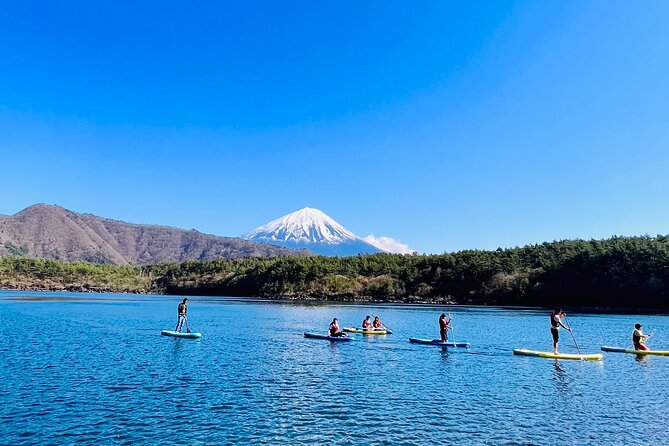
Your morning begins with Oshino Hakkai, a historic village near Mt. Fuji famous for eight clear spring ponds. This is one of the best places to slow your pace right away because it doesn’t feel like a theme park. It feels like a quiet place where Fuji water is the star.
You’ll have about 3 hours, and since admission is listed as free, you can spend time walking, looking closely at the ponds, and taking photos without rushing to beat entry lines.
A practical tip: this is a great stop for getting your Fuji “vocabulary” right. Once you see the ponds and understand how water connects to the mountain, other stops start making more sense.
Downside consideration: three hours is generous, so if you’re the type who needs fast, dramatic views, you may want to keep your walking efficient and plan photo moments early.
More Mt Fuji tours from Tokyo:
- Mt Fuji and Hakone 1-Day Bus Tour Return by Bullet Train
★ 5.0 · 26,383 reviews - Mt Fuji & Hakone Cruise, Drum Show Bullet Train 1 Day from Tokyo
★ 4.0 · 7,413 reviews - Tokyo Mt Fuji 5th St & Hakone Cruise Bus Tour w/Bullet Train
★ 4.4 · 5,024 reviews - From Tokyo: Mount Fuji Full-Day Sightseeing Trip
★ 4.5 · 4,970 reviews
Stop 2: Chureito Pagoda, Fujiyoshida’s postcard view
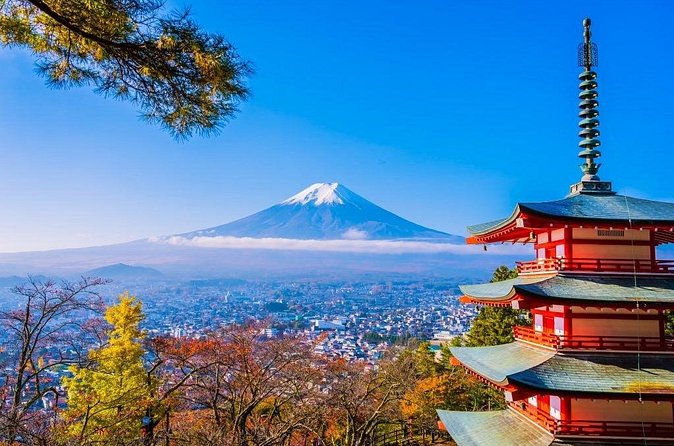
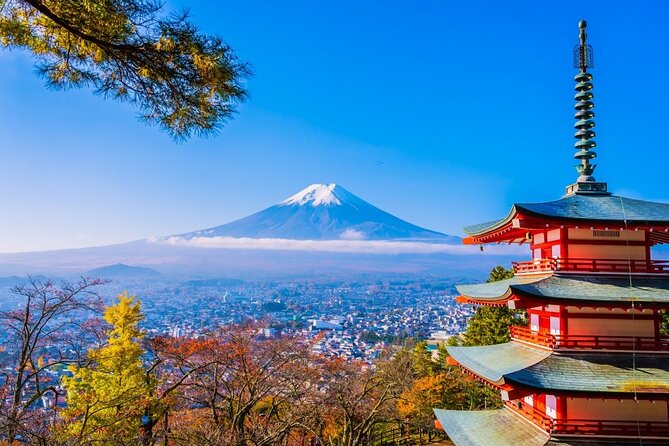
Next up is the Chureito Pagoda, a five-storied pagoda in Arakurayama Sengen Park in Fujiyoshida City. You’ll spend about 1 hour, and admission is free.
This is one of those places where Mt. Fuji turns into a background character. When visibility is good, the view can feel like a classic Japan image you instantly recognize. When clouds roll in, you still get the pagoda and the park atmosphere, just with less mountain drama.
This stop is worth it for two reasons:
- It’s visually iconic, so it’s an efficient photo win.
- It gives you a different angle than the lake-side views that come later.
Stop 3: Lake Kawaguchiko for Fuji reflections and easy strolling
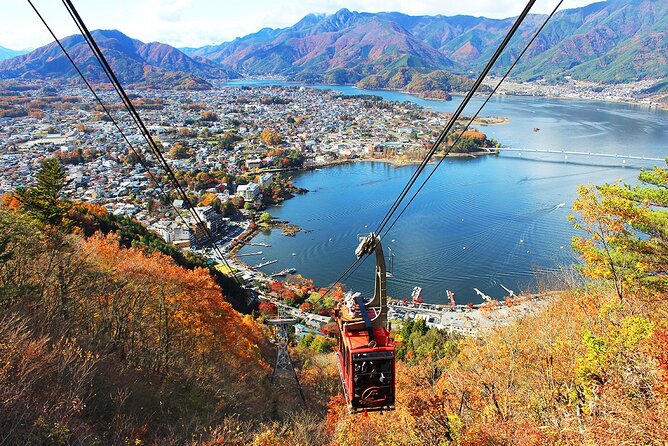
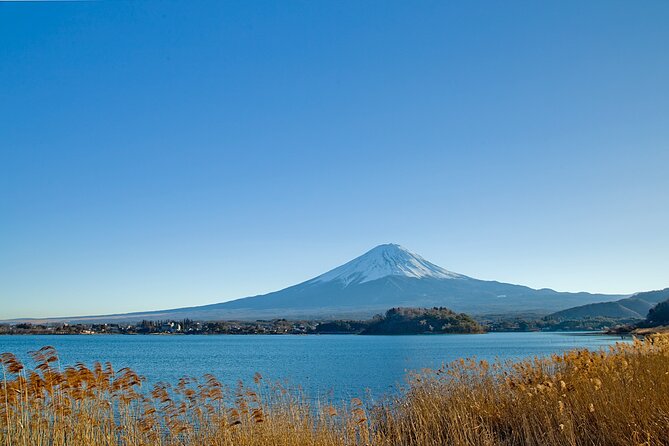
Then you head to Lake Kawaguchiko, the big name in the Fuji Five Lakes region. You’ll have about 1 hour, and admission is free.
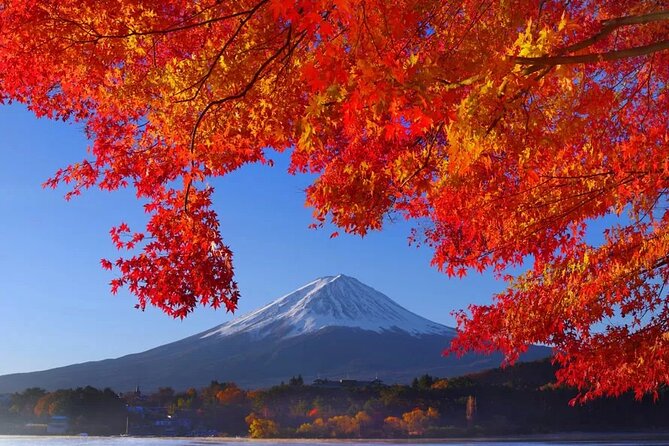
Lake Kawaguchiko is loved for seasonal views, but the main idea is simple: it’s a wide, scenic base for Mt. Fuji watching. Depending on the day, you might catch stronger reflection views, or you might focus more on shoreline scenery and photo viewpoints.
I like that this stop gives you a break after temple and pagoda views. It’s less “sit and observe” and more “walk and look around,” even if your time is limited.
Stop 4: Kachikachi Ropeway for panoramic Mt Fuji views
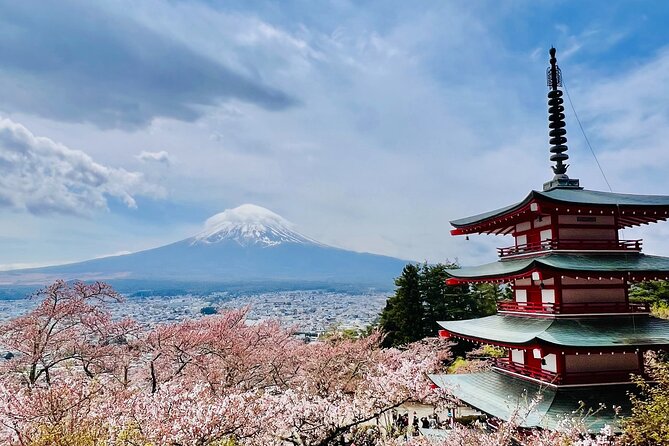
After the lake, the plan includes the Mt. Fuji Panoramic Ropeway, known as the Kachikachi Ropeway near Lake Kawaguchiko. You’ll have about 1 hour for this segment.
Important cost note: the ropeway ticket is not included, and it’s listed around JPY 1,000 per person.
This is your chance for height and a wider visual sweep. Even when the mountain is partially clouded, the ropeway area still tends to feel like you’ve changed the whole scale of the day. You’re not only looking outward from the ground. You’re shifting viewpoint and getting a different sense of where Fuji sits in the region.
If you’re keeping the day efficient, arrive ready to move quickly once you’re at the ropeway area. It’s easy to lose time if you’re also trying to buy tickets, take a long snack break, and line up photos.
Stop 5: Oishi Park for a classic Fuji lake angle
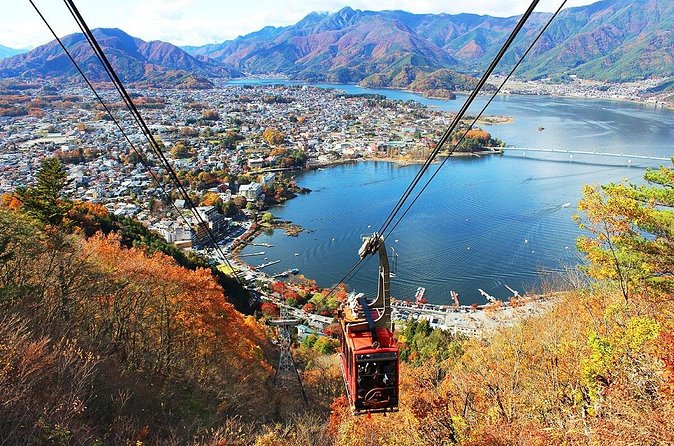
Next is Oishi Park, on the northern shores of Lake Kawaguchiko, with about 1 hour allocated. Admission is listed as free.
This is another strong Fuji viewpoint stop. I use Oishi Park as a second “composition check” after Kawaguchiko itself. If the morning’s visibility was mixed, this is your chance to catch better angles later.
The park format also helps because it’s not just one viewpoint. You can adjust where you stand based on where the mountain looks clearest.
Stop 6: Saiko Lake for quieter Fuji Five Lakes time
You then switch to Saiko Lake, one of the Fuji Five Lakes near Mt. Fuji. You’ll have about 1 hour, and admission is listed as free.
The key difference here is vibe. Saiko is described as relatively smaller compared to some of the other lakes and appreciated for a calmer feel. That makes it a smart choice inside a limited-time day because it breaks the repetition of chasing the same exact waterfront view.
If your goal is photos, this is also a good “change of scenery” moment. It can help you avoid feeling like you’re just repeating the same wide lake angle over and over.
Stop 7: Iyashi no Sato Nemba for a traditional village walk
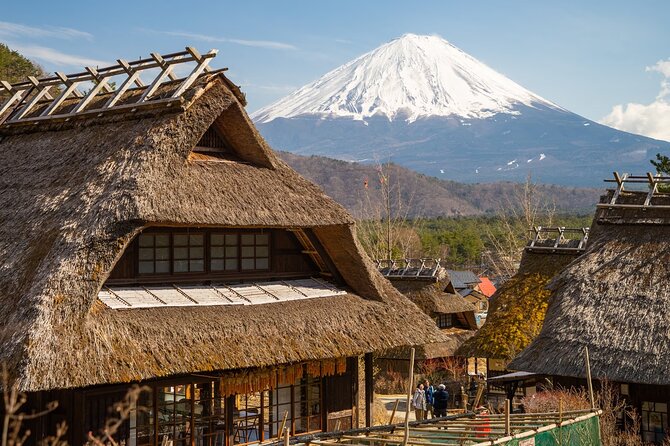
The final named stop is Saiko Iyashi no Sato Nemba (the Healing Village area), near Lake Saiko. You’ll spend about 2 hours here, and admission is not included.
This reconstructed traditional village is different from the lakes and viewpoints. It gives you something to do besides look outward. It’s a slower, more cultural way to end the day, and it often feels like a reset after lots of outdoor photo time.
Because this entry is not included, I recommend you treat it as part of your budget for the day. Two hours is enough time to browse calmly without feeling rushed.
Timing, weather, and how guides handle real conditions
Mt. Fuji days run on visibility and weather. This experience specifically notes that it requires good weather, and if it gets canceled because of poor conditions, you’ll be offered a different date or a full refund.
In practice, that means your day may feel different depending on clouds. When the mountain is clear, your stops can feel like a sequence of obvious “yes” moments. When it’s hazy or rainy, you shift from chasing the perfect peak shot to enjoying the views you can get and the atmosphere of each stop.
The guide style also matters. Several names have shown up in the provider’s guide pool, including Hridoy, Orko, Sham, Sakib, and Haju, and the theme that comes through is practical care. People have specifically called out drivers who are prompt and professional, patient in changing conditions, and helpful with suggestions like lunch recommendations when you need them.
What to pack and how to get the most from 10 hours
You don’t need a long packing list, but you do need to think about movement and weather. Here’s what I’d bring for a day like this:
- Comfortable walking shoes for pond areas and parks
- A light layer, since mountain weather can feel different from Tokyo
- A small umbrella or rain shell if forecasts look iffy
- A bit of cash or a card ready for extra tickets (ropeway, and paid village entry)
Also, since you’re doing multiple scenic stops, decide early what matters most to you: the ropeway viewpoint, the lake reflections, or the traditional village. If Fuji is partially hidden, you may get more satisfaction by picking your “top three” shots and letting the rest be bonus.
Should you book this Mt Fuji private day trip?
I think this is a great choice if:
- You’re short on time in Tokyo and want Fuji highlights without hours of transit planning
- You prefer a private vehicle and a driver who handles timing and logistics
- You’re traveling as a group (up to 5) where the per-person cost makes sense
- You want to hit multiple areas, from Oshino Hakkai to Lake Kawaguchiko, Oishi Park, and Saiko
I would hesitate if:
- You’re traveling solo and only care about the cheapest possible option
- You get nervous about paying separate tickets for paid stops like the ropeway and the village entry
- You want a completely open-ended day, because this is still a structured highlights route
If you want one high-effort day that you can actually enjoy, without the stress of train transfers and re-checking schedules, this private Mt. Fuji trip is one of the cleaner ways to make it happen.
FAQ
How long is the Mt Fuji private day trip from Tokyo?
The tour runs for about 10 hours.
How many people are in a group?
This is a private tour/activity for your group, with a maximum group size of up to 5.
What time does the tour start?
The start time is 8:00am.
Is pickup included?
Pickup is offered, and the meeting point is near public transportation.
What’s included in the price?
The price includes an air-conditioned vehicle, private transportation, meet and greet, patrol/gas, a Wi-Fi hotspot in the vehicle when available, and tolls. A mobile ticket is also included.
Are tickets for the Mt. Fuji Panoramic Ropeway included?
No. Tickets for the Panaromic Ropeway are not included and are listed at around JPY 1000 per person.
Is admission included for all stops?
Not all stops are free. Oshino Hakkai, Chureito Pagoda, Lake Kawaguchiko, Oishi Park, and Saiko Lake are listed as free admission, while the ropeway and Saiko Iyashi no Sato Nemba are not included.
Is there an extra fee for Mt. Fuji 5th Station?
Yes. The Mt. Fuji 5th Station entry fee is listed as not included, at JPY 2,100 for the group or vehicle.
What happens if the weather is poor?
The experience requires good weather. If it’s canceled due to poor weather, you’ll be offered a different date or a full refund.
Fresh options around Tokyo
- Tokyo: Nikko Kegon Falls Lake Chuzenji Toshogu Temple & More★ 4.9 · 12 reviews
- Tokyo: Samurai History Walking Tour★ 5.0 · 12 reviews
- Harajuku: Kawaii Fashion and Pop-Culture Tour★ 4.7 · 12 reviews
- Tokyo: Mt. Fuji & Lake Kawaguchi Instagram Full Day Trip★ 4.1 · 12 reviews
- Shibuya Tokyo: Modern Kintsugi Workshop in Shibuya★ 5.0 · 12 reviews
- Tokyo: GTR Guided Daikoku Experience at Night★ 5.0 · 12 reviews
- Tokyo: Daikoku JDM Car Culture Tour★ 4.6 · 12 reviews
- Mt Fuji Private Day Trip from Tokyo with English speaking driver★ 5.0 · 13 reviews
Private Drivers, compared.
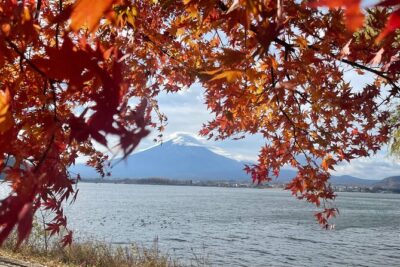
Mt Fuji Private Tour with English Speaking Driver
Read our review →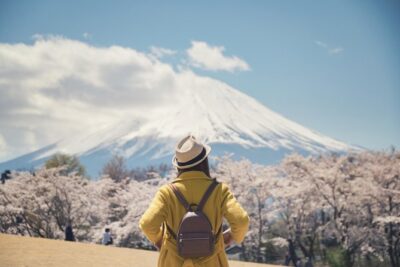
Mt. Fuji & Hakone Private Day Tour with English-Speaking Driver
Read our review →
Haneda Airport (HND) Private Transfer to Central Tokyo
Read our review →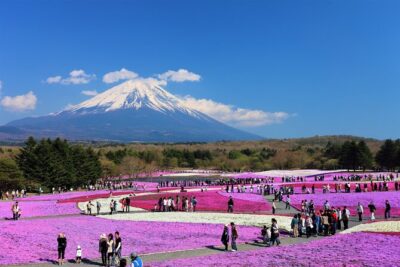
Mt. Fuji, Hakone Full-Day Private Tour with English Driver Guide
Read our review →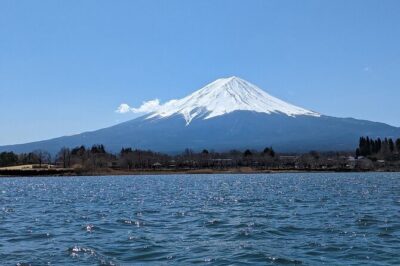
Mt. Fuji Day Trip from Tokyo with English Speaking Driver Guide
Read our review →Mt. Fuji Private Tour with English Speaking Driver
Read our review →
Mt. Fuji & Hakone Private Custom Tour English Driver
Read our review →
Narita Airport (NRT) Private Transfer to Central Tokyo
Read our review →Browse the lists this tour appears in