Reviewed · TOKYO TOURS
Cook Favorite Japanese Dishes with a Tokyo Mom
Want real Tokyo home cooking? Step into a cozy kitchen in Shinjuku and learn washoku the way a Tokyo family cooks it, not as a show. Guided by Aki, a Japanese mom who clearly loves feeding people, the class turns everyday flavors into hands-on skills you can repeat at home.
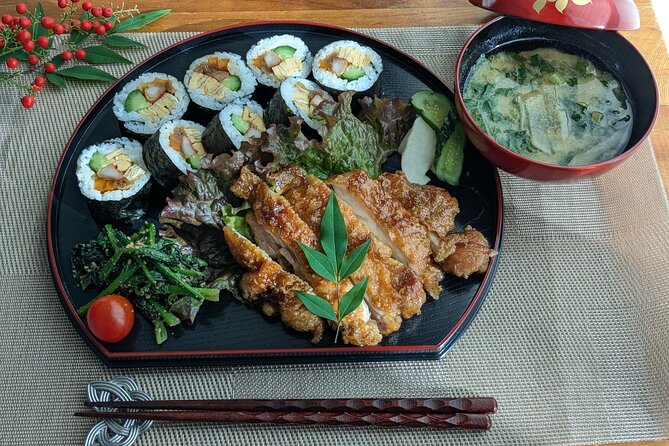
I especially like two things: the focus on making dashi from scratch (no shortcuts, no additives), and the choice to build either norimaki (sushi roll) or onigiri (rice ball) depending on your mood. You also cook a full set, including a seasonal vegetable dish and comforting miso soup, so you leave with a real meal, not just one recipe.
One thing to consider is logistics. Transportation isn’t included, and you’re expected to come directly to the meeting point in Shinjuku, so plan your route before you go.
Key highlights
- Scratch-made dashi with Japanese home-cooking technique at the center of the class
- Norimaki or onigiri so you can match the food to your comfort level
- Pick one main side dish: teriyaki chicken, saikyo yaki, or gyoza
- Seasonal vegetable dish plus miso soup, built from all-from-scratch cooking
- English-speaking host Aki teaching with step-by-step guidance and helpful visuals
- Digital PDF recipes and apron/tools provided, so you can cook again later
A Shinjuku Kitchen, Guided by Aki
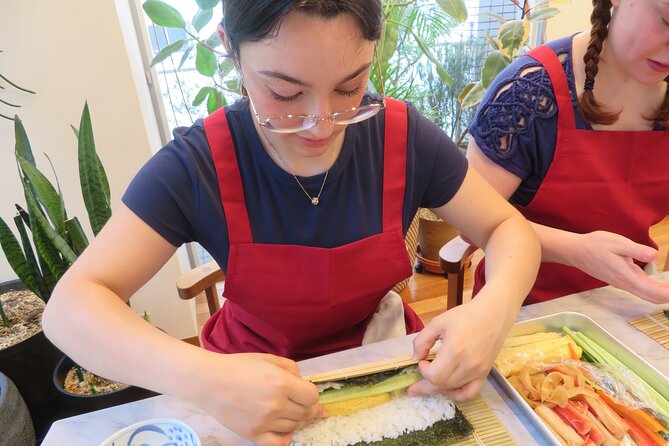
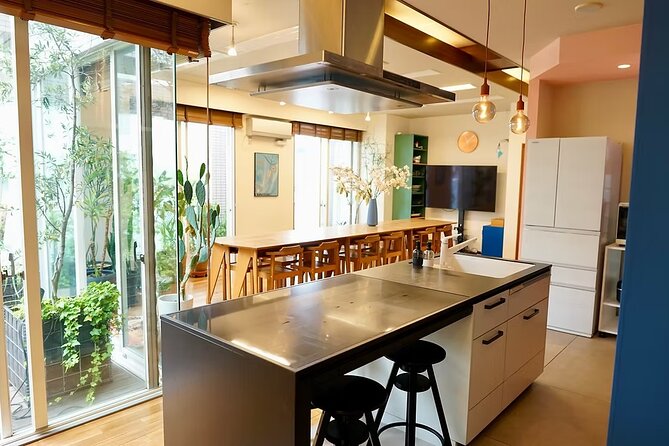
This is the kind of experience that feels quietly personal. You’re not sitting in a studio, you’re working in a real kitchen, learning Japanese home cooking from someone who’s cooked for her own family. That matters because washoku is not just ingredients, it’s balance, timing, and texture, and those are exactly the things a home cook tends to care about.
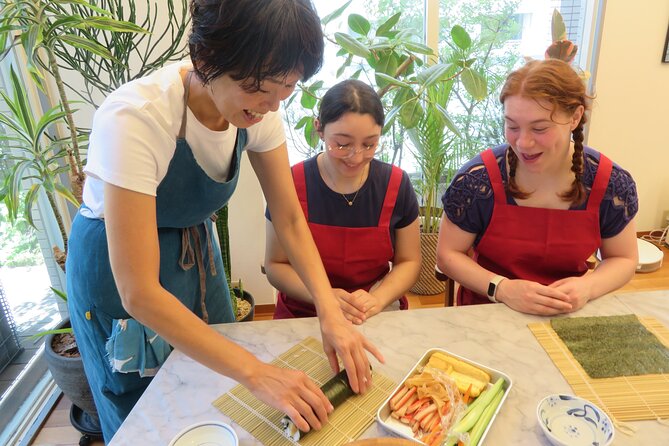
Aki’s teaching style also comes through clearly. She walks you through the steps while keeping the process approachable, even if you’ve never rolled sushi or folded dumplings before. In fact, the class is set up so both novice and experienced cooks can stay engaged, with guidance that focuses on doing it correctly, not just getting it done.
Also, don’t expect a performance. This is practical cooking. You’ll learn techniques you can reuse, and you’ll make enough food that it feels like you actually completed a real Japanese meal.
A few more Tokyo days worth comparing
- Mt Fuji and Hakone 1-Day Bus Tour Return by Bullet Train
★ 5.0 · 26,383 reviews - 1-Day Tokyo Bus Tour
★ 5.0 · 14,250 reviews - Tokyo: TOKYO SKYTREE® Admission ticket
★ 4.5 · 11,192 reviews
How the 2.5-Hour Cooking Session Really Works
The class runs about 2 hours 30 minutes, and it’s a private experience, meaning it’s only your group. That’s a big deal in a cooking class, because you get more attention for questions and adjustments.
You’ll start with the core flavor work: dashi. Then the rest of your menu follows the typical rhythm of a Japanese home meal, where soup anchors the table and the other items bring different textures and tastes. As you cook, the focus stays on fundamentals, like handling seasonings, balancing salty and savory flavors, and keeping your pieces looking neat.
At the end, the experience wraps back at the meeting point, and you’ll have a digital recipe sheet (PDF) to help you recreate what you made later. There’s also an apron rental and full use of kitchen tools, so you can show up and focus on the cooking.
Making Dashi From Scratch: The Skill Behind the Flavor
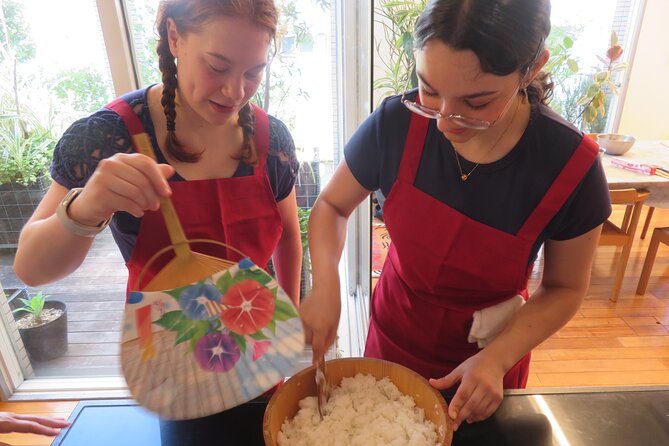
If you take one technique home, make it this. The class starts you on dashi made completely from scratch, with an emphasis on depth of flavor using proper Japanese home-cooking methods. The tour description is explicit about doing it without additives, and that focus is exactly why it matters.
Why you’ll care when you cook later: dashi is the base for a lot of everyday Japanese flavor. Once you understand the logic of building stock, everything tastes more intentional. Even if you never recreate the exact same result, you’ll have a better sense of how to season and how to avoid a flat-tasting broth.
And because you make it in class, you’re not guessing. You’re following steps while you can still ask questions, which is the fastest way to turn a concept like dashi into muscle memory.
Norimaki Sushi Roll (or Onigiri) Without the Stress
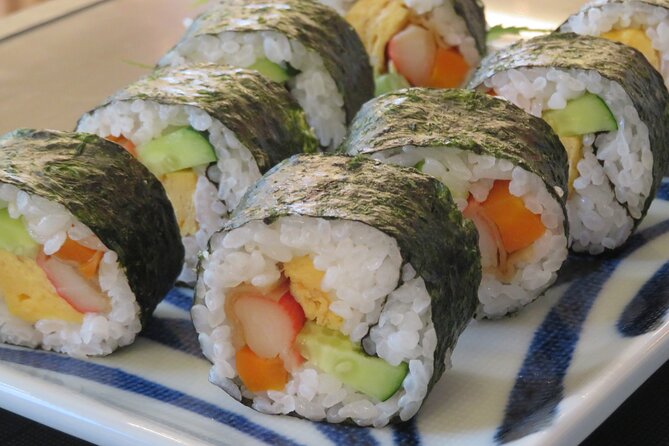
Your menu includes a traditional Japanese norimaki sushi roll, with an option to swap it for onigiri if you prefer. That flexibility is useful because rolling sushi can feel intimidating if you’ve never used nori before, and onigiri is often more forgiving.
Either way, the class structure is designed to keep you moving step by step. Aki’s approach is built around clear instruction and process, and she’s known for keeping the teaching accessible while still insisting on proper technique. In practice, that means you’re not left standing around wondering what comes next.
A couple things I’d plan for mentally:
- Expect hands-on work, not passive watching.
- Aim to take your time with shaping and assembly. The goal is food you can eat confidently, and also food that looks good enough to feel proud of.
Same corner of Japan, a different kind of day:
- Tokyo: teamLab Planets TOKYO Digital Art Museum Entry Ticket
★ 4.6 · 9,779 reviews - Mt Fuji & Hakone Cruise, Drum Show Bullet Train 1 Day from Tokyo
★ 4.0 · 7,413 reviews - Tokyo: Sumo Show Experience with Chicken Hot Pot and a Photo
★ 4.8 · 6,678 reviews - Tokyo: Shinjuku Food Tour (13 Dishes at 4 Local Eateries)
★ 5.0 · 6,603 reviews
Choosing Your Main Side Dish: Teriyaki, Saikyo Yaki, or Gyoza
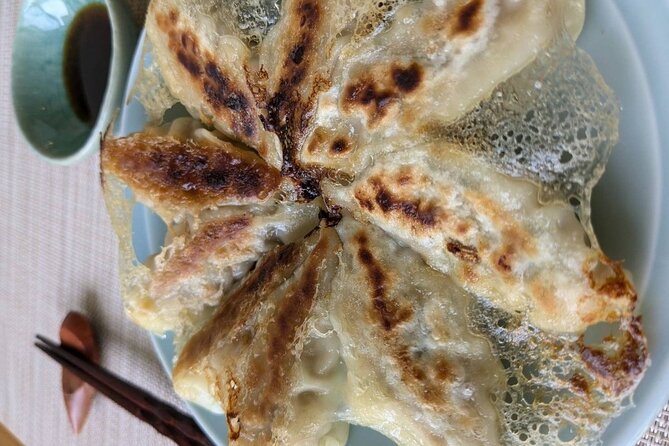
One of the nicest parts of this class is that you get to choose your main side dish. You’ll pick one from:
- Teriyaki Chicken (tender chicken glazed in a sweet and savory soy-based sauce)
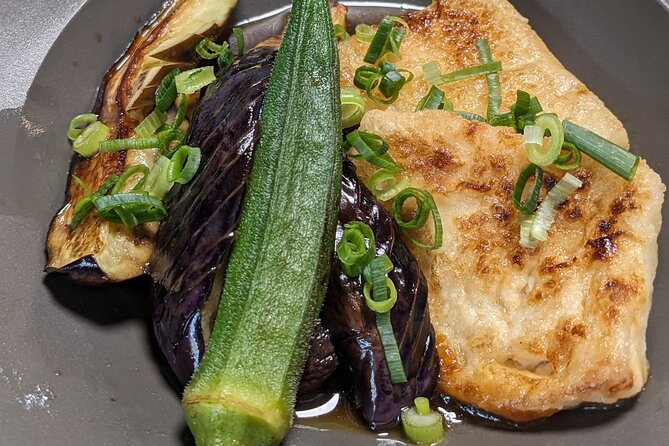
- Saikyo Yaki (miso-marinated fish grilled for delicate richness)
- Gyoza (pan-fried dumplings filled with ground pork and vegetables)
This choice changes the whole texture and flavor profile of your meal, so it’s worth thinking about what you want your hands to do.
If you want comfort and crowd-pleasing flavor, go for teriyaki chicken. You’ll be working with a sauce that balances sweetness and soy, and it’s the kind of dish that teaches you about glazing without drowning the food.
If you want something gentler and more nuanced, saikyo yaki is a great pick. The key idea is the miso marinade and the grilled finish, and you’ll get a feel for how Japanese seasoning can be both savory and subtle.
If you want pure hands-on fun, pick gyoza. Folding and pan-frying teaches you about heat control and texture. And gyoza is also a great dish to bring home in your cooking brain, because you’ll understand what makes the filling tasty and what makes the wrapper pleasant rather than soggy.
A vegetarian option is available upon request. If that matters to you, flag it early so the kitchen can plan accordingly.
Seasonal Vegetable Dish and Miso Soup: The Home-Meal Finish
Besides the roll or onigiri and your chosen side, you’ll also make:
- a seasonal vegetable dish
- miso soup
These two parts are where the class becomes more than a cooking lesson. Japanese meals are built to feel complete, and vegetables and soup are not afterthoughts. They add freshness, balance, and that comforting “home” feeling.
The miso soup also ties back to the dashi lesson. Since dashi is the flavor engine, you’ll see how it makes the miso taste round and satisfying instead of harsh or one-note. When you cook miso soup after making dashi, you understand the relationship between ingredients, not just the final bowl.
The seasonal vegetable dish reinforces washoku’s mindset: use what’s in season, treat vegetables with respect, and cook them in a way that keeps their character. Even if your exact ingredient list differs at home, the technique mindset carries over.
The Teaching Style That Helps You Cook Again at Home
One reason this class gets high marks is the way it’s taught. Aki uses clear guidance, including step-by-step instruction and helpful visuals. You’ll also learn with short background explanations on what you’re making and why, which helps you understand the method instead of memorizing a list.
Another practical benefit: ingredients are set up so you can actually cook, not scramble. You’ll have premium ingredients prepped beforehand, plus full access to tools and a rented apron. That means your time goes to learning technique, not hunting for equipment.
Finally, the digital recipe PDF is the difference between a nice evening and a skill you can rebuild later. You’ll be able to refresh your memory when you’re shopping and cooking at home, especially for details like portioning and timing.
Price and Value: What You’re Paying For at $120
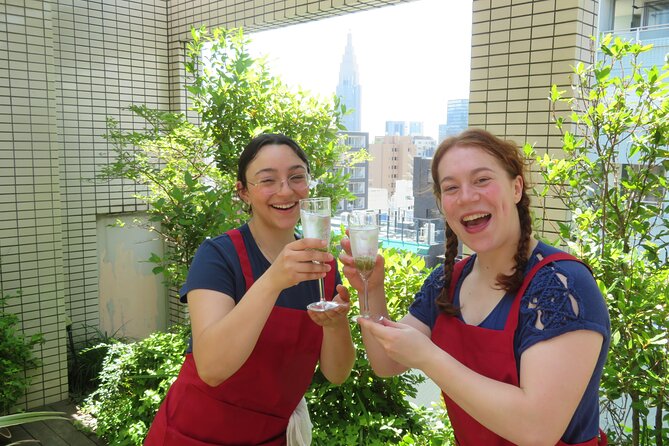
At $120 per person, this isn’t the cheapest activity in Tokyo, but it’s also not just a meal. You’re paying for:
- an English-speaking host who teaches technique
- all ingredients
- full use of kitchen tools
- apron rental
- a structured meal you fully assemble (roll or onigiri, side dish, seasonal vegetable dish, miso soup)
- a recipe PDF you can keep
In other words, you’re buying instruction and a full cooking workflow. For me, the value comes from the scratch cooking focus, especially dashi from scratch, plus the fact that you make multiple items rather than a single dish.
Also, it’s a private experience. That tends to raise the cost compared with group-only classes, but it usually improves the experience, because you can ask questions and get personal help while you cook.
If you compare it to the cost of eating your way through similar dishes at restaurants, you’ll notice you’re not just getting food. You’re getting the ability to recreate key parts of it.
Where You’ll Meet, and Why It Matters
You meet at アイ・ディール株式会社1-chōme-24-7 Shinjuku, Shinjuku City, Tokyo 160-0022, Japan, and it ends back at the same point. It’s near public transportation, but transportation itself is not included, so you’ll want to map your route ahead.
This matters because cooking classes have a timing rhythm. If you show up late, you’ll miss part of the start, and dashi is usually the first thing that sets the pace. Build in a little buffer so you can arrive calm, not rushed.
Who This Class Is Perfect For
This cooking class is a great fit if you want a real Tokyo home-cooking experience with washoku fundamentals you can actually use. It’s especially good for:
- first-time visitors who want something more meaningful than a tasting menu
- people who love learning technique, not just eating
- foodies who want to understand what makes Japanese flavor balanced
- couples or friends who want a private, hands-on evening
It also works if you already cook and want more structure. Aki’s teaching approach is described as able to handle both novice and experienced cooks, and that usually means you’ll still learn something even if you’ve cooked before.
Should You Book Cook Favorite Japanese Dishes With a Tokyo Mom?
I’d book it if you want a practical, warm evening where you leave with more than recipes. You’ll come away with the core skill of scratch-made dashi, plus the confidence to make norimaki or onigiri, a chosen side dish, a seasonal vegetable dish, and miso soup.
Skip it, or at least reconsider, if you hate cooking, hate following instructions, or you’re not willing to handle your own transportation to Shinjuku. Since the class expects you to come directly to the venue, it’s better suited to people who can plan their day around it.
One more tip for planning: it’s commonly booked about 37 days in advance, so if your dates are tight, reserve early when you can.
FAQ
What dishes do we make in the class?
You’ll make norimaki (sushi roll), or you can substitute onigiri (rice ball) if you prefer. You’ll also cook one main side dish you choose, a seasonal vegetable dish, and miso soup. Dashi is also made from scratch.
Can I choose my side dish?
Yes. For the main side dish, you choose from teriyaki chicken, saikyo yaki, or gyoza.
Is there a vegetarian option?
A vegetarian option is available upon request.
Is the class private?
Yes. It’s a private tour or activity, so only your group participates.
How long is the experience?
It runs for about 2 hours 30 minutes.
Is transportation included?
No. Transportation is not included, and you are required to come directly to the venue.
Where is the meeting point?
The start location is アイ・ディール株式会社1-chōme-24-7 Shinjuku, Shinjuku City, Tokyo 160-0022, Japan, and it ends back at the meeting point.
What language is the class taught in?
The host is English-speaking Japanese.
What’s included besides cooking?
All ingredients are included, along with full use of kitchen tools and apron rental, plus a digital recipe sheet (PDF).
What ticket type do I receive?
You’ll receive a mobile ticket.
What if I need to cancel?
You can cancel for free up to 24 hours before the experience starts for a full refund. If you cancel less than 24 hours before, the amount paid is not refunded.
Fresh options around Tokyo
- Tokyo Private SightSeeing Day Tour With Guide★ 5.0 · 16 reviews
- Tuna auction at Toyosu Market with qualified guide and early morning tour of Tsukiji Outer Market★ 5.0 · 16 reviews
- NO DIET CLUB – Unique local food tour in Tokyo !★ 5.0 · 16 reviews
- Embrace the Samurai Way: Iaido Swordsmanship Experience in Tokyo★ 5.0 · 16 reviews
- Tokyo: Sumo Wrestling Show★ 4.9 · 16 reviews
- MT.Fuji: Mount Fuji Private day Tour With Guide★ 5.0 · 16 reviews
- Tokyo: Mount Fuji Private Tour with Scenic Lunch Experience★ 4.5 · 16 reviews
- Mount Fuji Full Day Customizable Private Tour with English Guide★ 4.5 · 16 reviews
Tokyo Tours, compared.

Mt Fuji and Hakone 1-Day Bus Tour Return by Bullet Train
Read our review →


teamLab Planets TOKYO Digital Art Museum Entry Ticket
Read our review →
Mt Fuji & Hakone Cruise, Drum Show Bullet Train 1 Day from Tokyo
Read our review →
Sumo Show Experience with Chicken Hot Pot and a Photo
Read our review →
Shinjuku Food Tour (13 Dishes at 4 Local Eateries)
Read our review →