
Reviewed · FOOD & DRINK
Osaka Food Adventure Tour: Walking with a Local Guide
Osaka food hits different with a local guide. I love the focus on local dishes over random tourist snacks, and I love the small group feel that keeps you moving at a human pace. One drawback to plan for: you’ll walk for about 3 hours with a moderate fitness level, and there’s an extra subway fee on one leg.
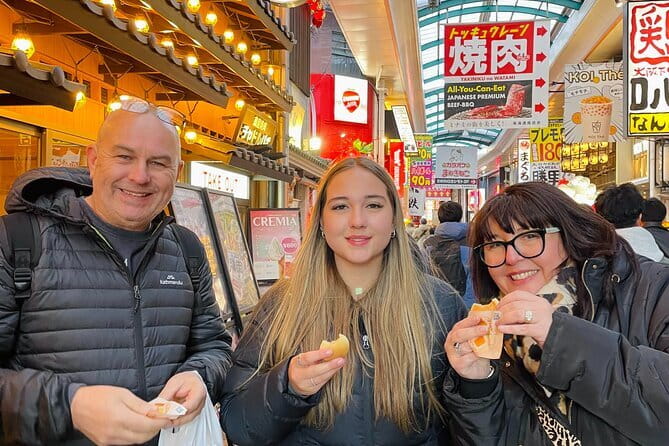
This is built for when you’re actually hungry, not just “seeing places.” You’ll try roughly 6 to 10 stops worth of food, plus one drink (alcoholic or non-alcoholic), with the guide helping you pick what to order and how to navigate the area.
You also get something extra that many food tours skip, guidance on public transportation in Osaka. Expect a mobile ticket and a route that starts near Ebisucho Station and ends at the Glico Sign in Dotonbori.
Key things I’d focus on before you book
- 6 to 10 local dishes with a drink included, so you’re eating more than sampling
- Max 8 travelers, which makes it easier for the guide to adjust to what you like
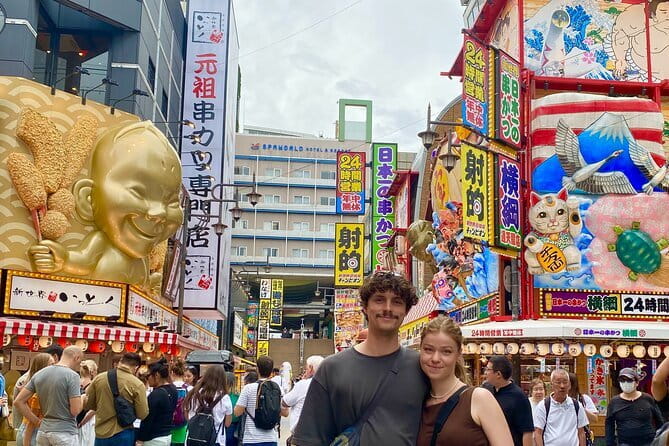
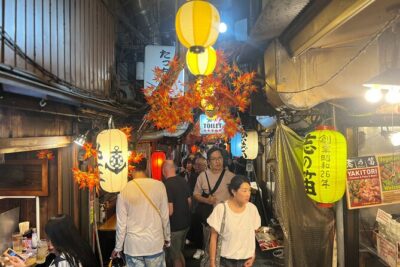
- A real walking loop through Shinsekai, depachika food floors, alley dining, and Dotonbori
- Public transportation help, plus one known extra subway cost from Shinsekai to Namba
- Some admission costs are covered, but Tsutenkaku admission is not included
Why this Osaka food tour feels worth the money
Osaka is famous for street food, but “famous” can also mean crowded lines and generic menus. This tour’s value is that it’s designed around eating local favorites, not collecting photos. You get 6 to 10 dishes and a drink, so the cost lands in the same ballpark as a good sit-down meal plus multiple snack stops, with a guide doing the hard part.
I also like the timing idea baked into the experience: lunch or dinner-time tours tend to mean you eat when your hunger matches the food. That matters in Osaka, because the best bites often come from small shops where you’ll want to walk in ready to order.
The other big win for you is the cap of 8 travelers. In a city like Osaka, that small size helps you move through tight streets without feeling like a moving obstacle course.
More Food Tours in Osaka
- Osaka: Shinsekai Food Tour with 13-15 Dishes at 5 Eateries
★ 4.8 · 2,204 reviews - Osaka Food Tour: 13 Dishes at 5 Local Eateries
★ 5.0 · 2,149 reviews - Hungry Osaka Street Food Tour:15 Tastings & 3 Drinks with a Local
★ 5.0 · 1,727 reviews
What the small group size changes for your day
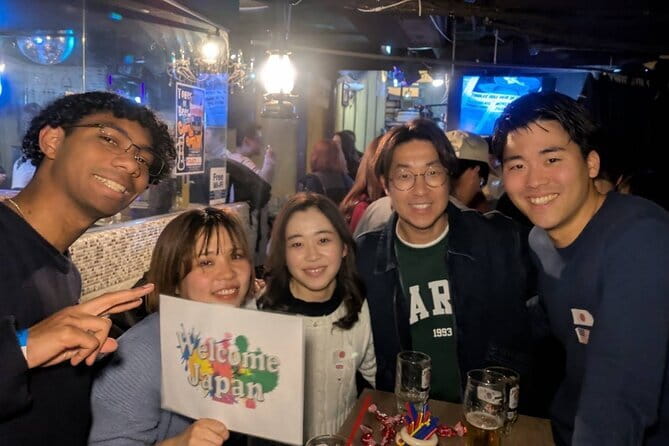
When a tour caps at 8, it changes everything from pacing to ordering. You’re more likely to get a quick feel for what you personally want, and it’s easier for the guide to steer you toward places that match your appetite. It also helps if your group has different comfort levels with trying new foods.
In the experience world, guides like Ayako, Chiyoe, Kaoru, Hiro, Sue, Emi, and Sumiyo show up in the feedback because they don’t just point, they guide. They keep the vibe fun, use humor, and help you get the ordering right so you don’t waste time guessing.
Also, because this is a walking tour, group size affects how often you pause for explanation versus how often you’re stuck in a crowd waiting to move. This one stays in a manageable rhythm.
Your 3-hour route, stop by stop (and what to watch for)
The whole experience runs about 3 hours, with a route that moves through distinct food zones rather than bouncing far across the city. You’ll start by Ebisucho Station and finish at the Glico Sign in Dotonbori, which is a nice closing point because it’s easy to continue your evening after the tour.
Stop 1: Tsutenkaku (about 30 minutes)
You begin in the Tsutenkaku area, anchored by the Tsutenkaku Tower. It’s a city symbol in Osaka, originally built in 1912 and reconstructed in 1956, so it carries real local identity. The key practical note: the tower admission is not included, so if you want the observation deck views, plan for that extra cost.
Why this stop works: you get an immediate sense of the neighborhood before the food starts. It’s also a good way to orient yourself visually before walking deeper into Shinsekai vibes.
Potential drawback: if you’re not into towers or paying extra admissions, you might treat this more as a photo and street-walk stop.
Stop 2: Shinsekai (about 1 hour 30 minutes)
This is the heart of the tour time. Shinsekai literally means New World, and it’s known for retro street energy, neon, and long-standing eateries. This is where you’ll likely find some of Osaka’s classic “order at the counter and start eating” foods.
The tour schedule also lists an admission ticket here as included. That detail matters because Shinsekai is exactly the kind of place where a guide can steer you toward the right lane, so you’re not just walking and hoping for the best.
Why I think you’ll enjoy this: Shinsekai is built for casual bites, so you’re not stuck waiting for courses. You can eat, walk, and keep tasting as the neighborhood shifts around you.
What to consider: this district can feel crowded, so if you’re sensitive to noise or tight spacing, keep that in mind.
Stop 3: Takashimaya Osaka Store food basement (about 15 minutes)
Next you’ll hit depachika, a term locals use for department store food basements. Even if you’ve never heard the word before, you’ll understand it fast once you’re there: it’s where Osaka does food shopping at a high level, with quality items and lots of ready-to-buy bites.
The stop is short, about 15 minutes, and that’s on purpose. You’re meant to sample, not wander for an hour. Also, admission is not included here.
Why this matters to you: depachika is one of the easiest ways to taste multiple styles of Japanese food without hunting. Your guide can point you toward what tastes best, not just what looks best.
Stop 4: Hozenji Yokocho alley (about 10 minutes)
Hozenji Yokocho is a narrow alley near Hozenji Temple, known for its traditional atmosphere and historic-feeling streetscape. The tour keeps this stop brief, which actually helps. It’s a quick change of scenery and a chance to taste food in a smaller, older-feeling setting.
Admission is listed as included for this stop, so you’re not paying extra to enter the experience area. This also makes the stop feel smooth inside the tour time.
Why I like it: you get an Osaka “small lane” moment, which you often miss when you only stick to big streets.
Stop 5: Dotonbori district ending (about 30 minutes)
Dotonbori is the big finale, famous for neon signs, large billboards, and constant street activity along the canal. The tour schedule includes an included admission here, and you’ll wrap up near the Glico Sign at the end point.
This ending works because you’re placed where it’s easy to keep exploring after the tour. You can grab extra non-tour snacks nearby, or simply watch the energy while digesting what you just ate.
Practical note: the canal-side area can be busy, and your guide will likely time the walk so you keep moving without feeling like you’re stuck.
The dishes you can expect to eat (and why variety matters)
The best part of this tour is that it’s not one themed food stop. You’re aiming for roughly 6 to 10 local dishes, and the examples give you a real feel for the range:
- Croquettes from a historic butcher shop
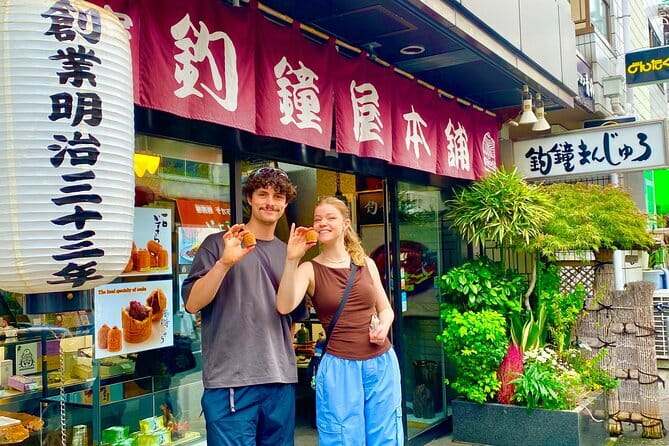
- Traditional wagashi Japanese sweets from a 200-year-old wagashi store
- Kushikatsu deep-fried skewers from the Shinsekai area
- Takoyaki octopus balls from Osaka’s oldest takoyaki shop
- Steamed meat buns butaman loved by locals
Here’s why that variety matters to you: Osaka food isn’t just one flavor. It’s textures, street ordering habits, and different kinds of comfort food. By sampling fried skewers, sweet wagashi, and handheld classics like takoyaki and butaman, you get a fuller sense of what locals actually reach for.
One important note: the tasting selection can vary based on preferences and shop availability. So you may not get the exact same lineup as someone else, but the goal stays the same.
Food allergy and dietary reality check
The tour warns that meals may include ingredients such as meat, seafood, wheat, and dairy. If you have allergies or strict dietary needs, contact the provider in advance to discuss what’s possible.
More Walking Tours in Osaka
- Osaka: Hotspots & Hidden Gems Walking Tour Private or Group
★ 4.9 · 1,300 reviews - Osaka Local Foodie Walking Tour in Dotonbori and Shinsekai
★ 5.0 · 985 reviews - Osaka Bar Hopping Night Walking Tour in Namba (3 bars, 6 tastes)
★ 5.0 · 958 reviews - Osaka: Deep Backstreets Walking Tour with Dinner Option
★ 4.9 · 902 reviews
Public transportation help, plus the one extra fee you must plan for
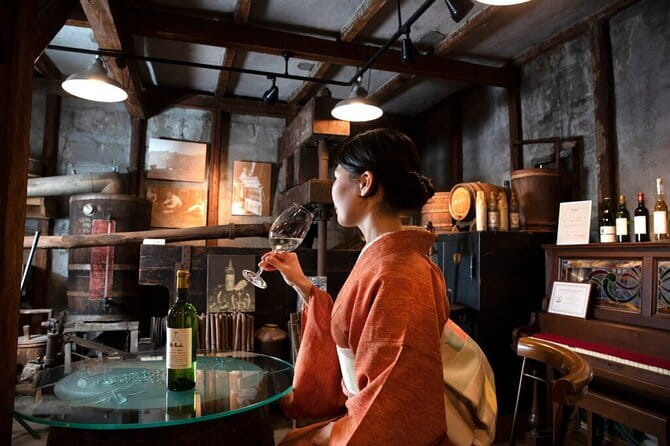
A lot of food tours just walk. This one also helps you understand public transportation in Osaka. That can be a game changer if you’re staying in one area and want to explore more than just the neighborhood you start in.
The key cost detail: the subway fee from the Shinsekai area to Namba is ¥190.00 per person and is not included. The guide’s support still matters, because you’ll learn how to use the route and stations instead of guessing at signage.
Why you should care: getting one or two transit routes down in Osaka makes your remaining days cheaper and calmer. You’ll stop treating every ride like a puzzle.
Price and value: what you get for $79.28
At $79.28 per person, this tour can feel like a lot at first glance. But then you look at what’s included:
- Lunch or dinner experience with 6 to 10 local foods
- 1 drink choice (alcoholic or non-alcoholic)
- Tour guide support in English or Japanese
- Admission ticket inclusion at certain stops (while Tsutenkaku and the depachika stop list admission as not included)
- A small group limit that keeps the experience more personal
In practice, paying for a guide like this often saves time and prevents wrong turns at food alleys and counters where you’d normally wonder what to order. You’re also buying structure, so you don’t lose the middle of the day to decision fatigue.
The only extra costs you should budget for based on the tour info:
- Tsutenkaku admission if you want the tower decks
- Any additional snacks beyond the provided meal tastings
- Tips for the guide (optional but welcome)
- ¥190 subway fare from Shinsekai to Namba
- Any audio guide, since it is not included
What to bring and how to plan your day around it
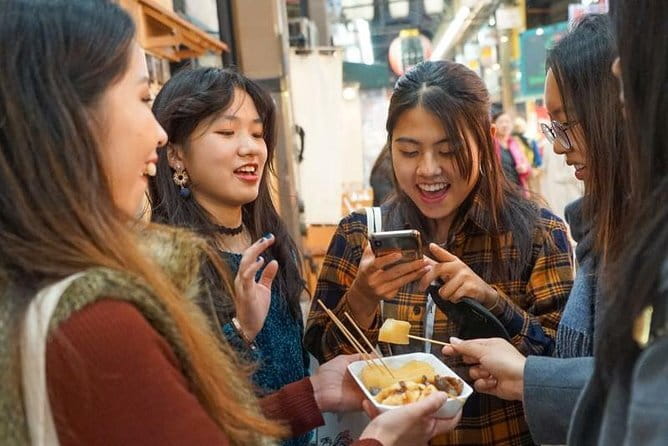
Since this is a walking tour with about 3 hours of movement, plan your shoes like you mean it. You’ll be on foot through several distinct areas, and the route ends in a major entertainment district.
Also think about your hunger level. This is not a “light grazing” experience, it’s structured around 6 to 10 dishes. If you show up too full, you might feel overly stuffed before the tour ends.
If you want to take full advantage of the public transit help, keep your questions ready. If you’re curious about how to get from your hotel area to major food zones, ask. The guide’s goal is to help you use public transportation in Osaka.
Who this tour is perfect for, and who should skip it
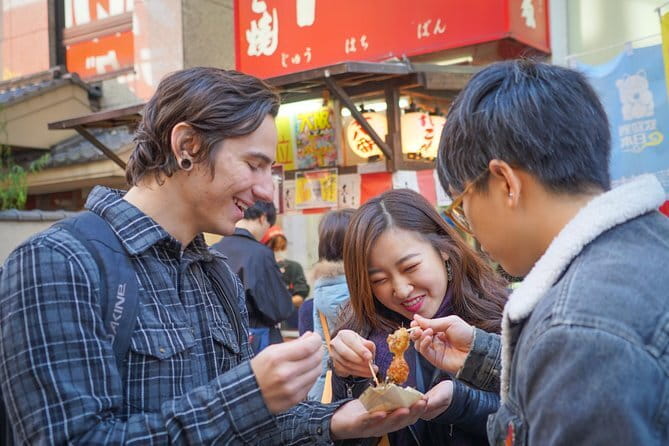
This Osaka Food Adventure Tour is a great fit if:
- You want to taste a range of Osaka classics like kushikatsu, takoyaki, and butaman
- You like ordering at local counters with help so you don’t waste time guessing
- You prefer a small group, max 8 travelers, over a big bus-type format
- You want guidance for getting around Osaka beyond the tour
It might be less ideal if:
- You dislike walking for about 3 hours
- You want a strictly museum-style itinerary, this is a food-first route
- You have complex allergies and haven’t reached out in advance, because the tour notes common ingredients like wheat and dairy may appear
Should you book this Osaka food tour?
Yes, I’d book it if you want an efficient way to eat like a local while also learning Osaka navigation basics. The strongest reason is the mix of 6 to 10 local dishes plus a drink, with a small group that makes it easier to get ordering right and adjust to your preferences. If you’re worried about cost, remember that admission is only partly included, but the included food volume is the main value driver.
If you want one simple rule to decide, use this: if you’d rather spend your Osaka time eating and moving, not hunting for the right place, this tour fits your style.
FAQ
How many dishes will I try?
You’ll try 6 to 10 local foods during the tour, with the exact selection able to vary depending on guest preferences and shop availability.
Is a drink included?
Yes. The tour includes 1 drink, and you can choose either an alcoholic or non-alcoholic option.
How long is the tour?
The tour is approximately 3 hours.
How big is the group?
The maximum group size is 8 travelers.
Where do I meet the guide, and where does the tour end?
You start at Ebisucho Station (5 Chome-13 Nipponbashi, Naniwa Ward, Osaka). The tour ends at the bridge in front of the Glico Sign in Dotonbori (1-chōme-10-4 Dōtonbori, Chuo Ward, Osaka).
Are admission tickets included for all stops?
No. Tsutenkaku admission is not included. Admission is included for the Shinsekai and Hozenji Yokocho stops, and the Dotonbori stop shows admission as included, while Takashimaya’s food basement stop lists admission as not included.
Does the tour include public transportation costs?
The guide helps you use public transportation in Osaka, but the subway fee from the Shinsekai area to Namba is ¥190.00 per person and is not included.
Are there dietary restrictions or allergy warnings?
Yes. Meals may include ingredients such as meat, seafood, wheat, and dairy products. The tour recommends contacting the provider in advance to discuss dietary restrictions or allergies.
What happens if the weather is bad?
This experience requires good weather. If it’s canceled due to poor weather, you’ll be offered a different date or a full refund.
What is the cancellation policy?
You can cancel for a full refund up to 24 hours in advance of the experience start time. Free cancellation is available, but changes within 24 hours of the start time are not accepted.
Fresh options around Osaka
- Osaka Dotonbori Night Photoshoot – Private | Pro Photographer★ 5.0 · 19 reviews
- Osaka: Tennen Onsen Naniwa-no-Yu, the famous hot spring spa★ 4.7 · 19 reviews
- Osaka Private Walking Tour with a Local★ 4.5 · 19 reviews
- Osaka: HEP FIVE Ferris Wheel E-Ticket in Umeda★ 4.7 · 19 reviews
- Kansai/KIX Airport to or from Osaka/Kyoto Private Transfer★ 5.0 · 20 reviews
- Guided Photography Tour in Osaka: Capturing Memories★ 4.5 · 20 reviews
- Osaka: Food Tour at Night with Tastings★ 4.9 · 20 reviews
- Osaka Private Tour with Government-Licensed Guide★ 4.8 · 20 reviews
Food & Drink, compared.
Shinjuku Food Tour (13 Dishes at 4 Local Eateries)
Read our review →
Tokyo Tsukiji Fish Market Food and Culture Walking Tour
Read our review →
Shinsekai Food Tour with 13-15 Dishes at 5 Eateries
Read our review →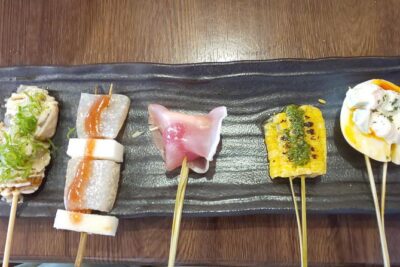
Osaka Food Tour: 13 Dishes at 5 Local Eateries
Read our review →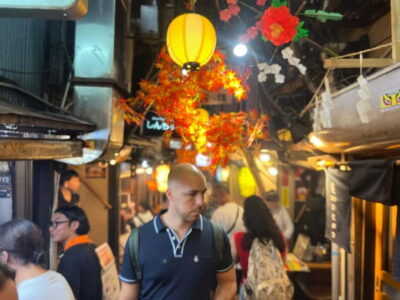
Shinjuku Food Tour (15 Dishes and 4 Eateries)
Read our review →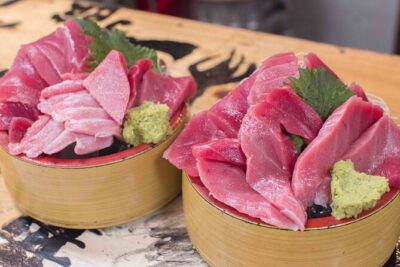
Best of Shinjuku: Izakaya Food Tour (4 Stops, 14+ Tastings)
Read our review →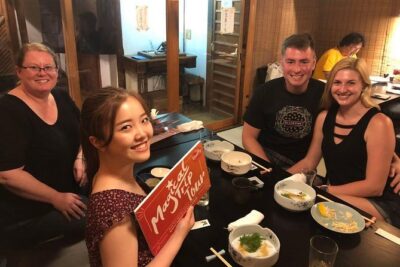
Kyoto Night Foodie Tour in Gion (9+ dishes + 6 Sake tastings)
Read our review →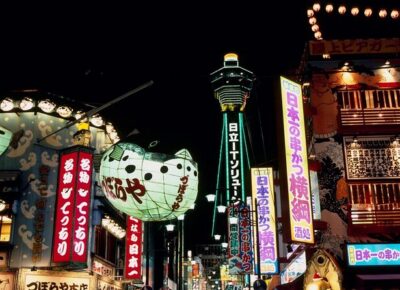
Hungry Osaka Street Food Tour:15 Tastings & 3 Drinks with a Local
Read our review →Browse the lists this tour appears in