
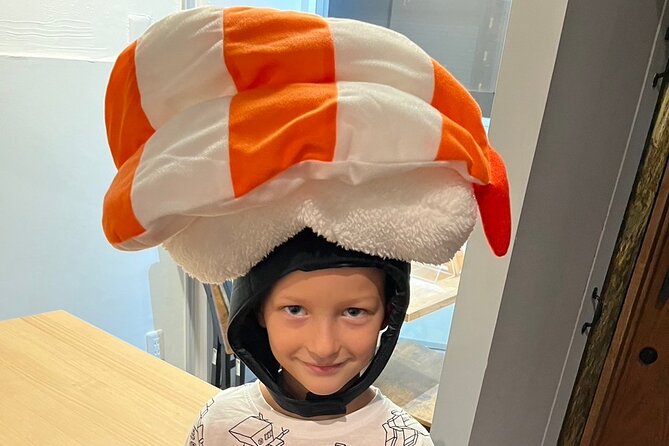
Reviewed · SUSHI MAKING CLASSES IN OSAKA
Osaka Sushi Making Experience
Sushi lessons in Dotonbori, no guesswork. I like that you learn to make 12 pieces at home, including nigiri and gunkan-sushi, and then you get to eat what you make right there. One thing to plan for is that the meeting spot can be a little tricky to find on a first pass, so give yourself a few extra minutes.
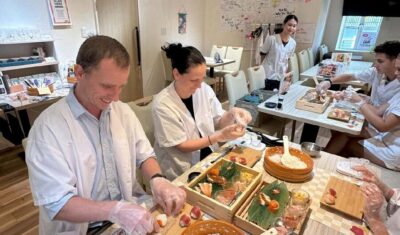
The class runs in a small group, with maximum 16 people, and the guidance is offered in English, Chinese, and Korean. You also get the fun stuff, like a sushi-chef costume, and you may see drinks like sake or beer available, but alcoholic beverages are not included. Overall, it feels like a relaxed, hands-on cooking lesson that teaches technique, not just how to eat sushi.
Key Things I Think You’ll Like
- 12 pieces of sushi to take home on your skills, including nigiri and gunkan
- Small group size (up to 16), so you get real attention while you practice
- Multilingual instruction (English, Chinese, Korean), which makes the steps easier to follow
- Dietary options on request, including vegetarian, vegan, and halal menus
- Sushi-chef costume and a certificate with Kanji name plus a photo, a fun souvenir you can actually use
- A very specific focus on technique, including rolling and shaping tips (and even rice measuring habits mentioned in classes)
Getting to Dotonbori Namba, and What to Do When You Arrive
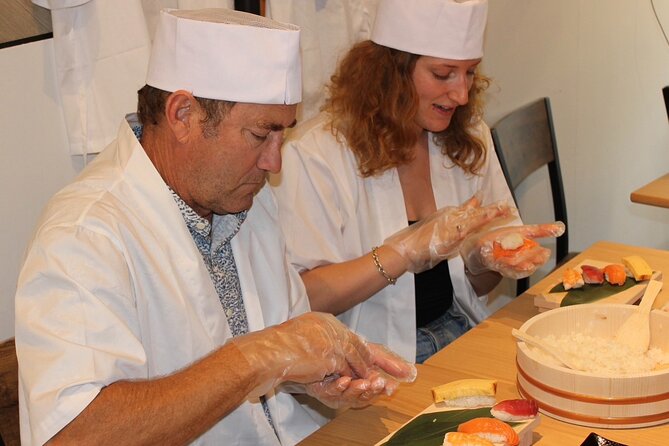
This class is in the Dōtonbori, Osaka area, and that’s exactly why it works for so many trips. You’re not taking a long commute out of the tourist core, so it’s easy to fit into an afternoon or evening plan.
The meeting point is listed as Sushi Making Experience Namba1A, 2丁目-6-11 西心斎橋 中央区 大阪市 大阪府 542-0086, Japan. When you get there, take a minute to compare what you see around you with what you expect, because more than one person has said the location was hard to spot at first. If you’re the type who rushes, you might feel a little stressed. If you arrive early, the stress disappears.
Once you’re inside, expect a cheerful, structured start. Even if you’ve never touched sushi rice before, you’ll be guided through the process and told what you’re making and why.
More Sushi Making Classes in Osaka
- Sushi Making Osaka Roll and Authentic Japanese Sushi Class
★ 5.0 · 1,220 reviews - Osaka Sushi Making Class – Hands-On Nigiri & Rolls (Same-Day OK)
★ 5.0 · 352 reviews - Osaka: Roll and Authentic Sushi Making Class in Dotonbori
★ 4.9 · 239 reviews
The Main Event: Making 12 Sushi Pieces (Nigiri and Gunkan)
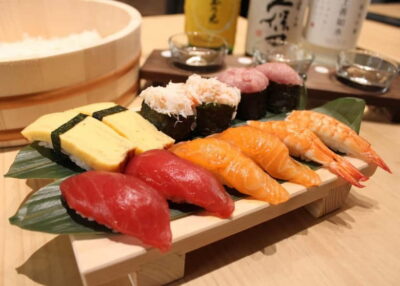
The heart of the experience is simple: you’ll learn how to make 12 pieces of sushi and eat them after. The class specifically includes two styles, nigiri and gunkan-sushi, so you’re not stuck only with one kind of roll.
Here’s what this means in practice for your skill-building. Nigiri teaches you the relationship between rice shape, bite size, and toppings. Gunkan-sushi shifts the focus to keeping fillings contained while maintaining a neat, consistent form. Those are two very different techniques, and that’s a big reason the class feels like more than a single “do this, then that” activity.
You’ll work with the ingredients needed to build those pieces at home. That matters because sushi is not only about taste. It’s about texture and proportions, especially the rice. If you want to improve beyond “it tasted good,” this class aims at the mechanics.
Rice, Ratios, and the Technique Tips That Actually Stick
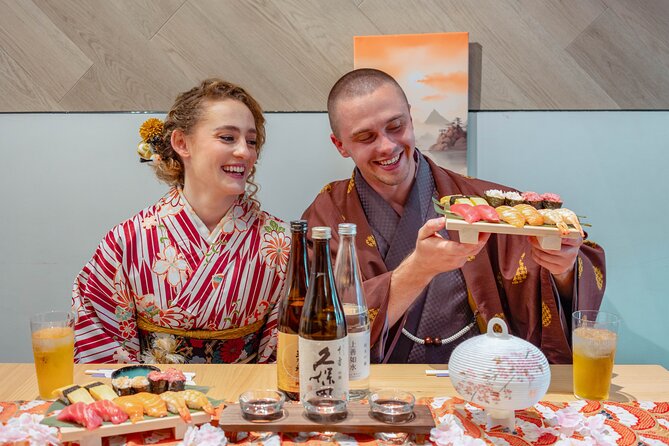
Sushi success is mostly about rice, and you get a lot of hands-on direction here. Some students note very practical instruction like measuring rice by weight to hit the right texture, including a tip around using 10g of rice for the right ratio. Even if you don’t remember every number, you’ll remember the concept: sushi rice needs precision, not vibes.
The class also covers how to roll and shape properly. That’s huge if you’ve ever tried to make sushi at home and ended up with rice falling apart or pieces that look messy even when they taste fine. Learning the step-by-step shaping method is the difference between feeding yourself and making something you’d confidently serve.
If you like learning while doing, this is the right kind of cooking class. You’re not watching someone else work for most of the time.
Where the Fun Shows Up: Chef Costume, Photos, and Real Takeaways
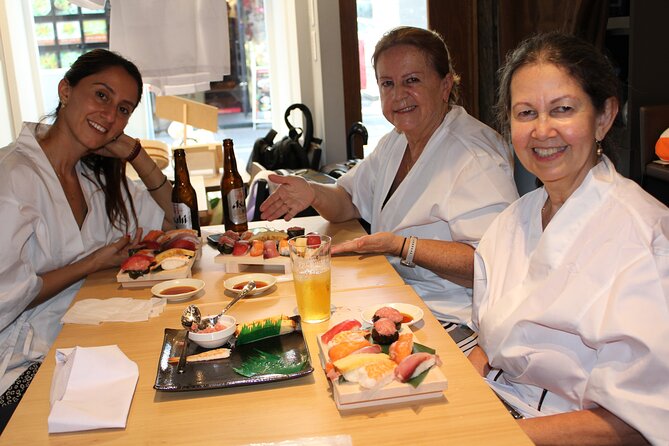
One of the most memorable elements is the atmosphere. The experience includes a sushi-chef costume, which sounds silly until you’re standing there wearing it and realizing how quickly it puts you in the right mood to focus.
You also get a certificate at the end, including your name in Kanji and a photo. It’s not just a generic souvenir. It’s a nice reminder of what you practiced, and it gives you a reason to take a photo in a moment you’d normally rush through.
If you want your trip to produce something concrete, not just photos of streets and food, this class delivers. You’ll walk away with sushi knowledge you can repeat, even if your kitchen setup at home is simpler than what you used in Osaka.
Same corner of Japan, a different kind of day:
- Osaka Go Karting Tour with Funny Costume
★ 5.0 · 2,658 reviews - Osaka Castle: Museum and Tower Entry Ticket
★ 4.5 · 2,380 reviews - Osaka: Shinsekai Food Tour with 13-15 Dishes at 5 Eateries
★ 4.8 · 2,204 reviews - Osaka Food Tour: 13 Dishes at 5 Local Eateries
★ 5.0 · 2,149 reviews
Dietary Options: Vegetarian, Vegan, and Halal Without Changing the Core Format
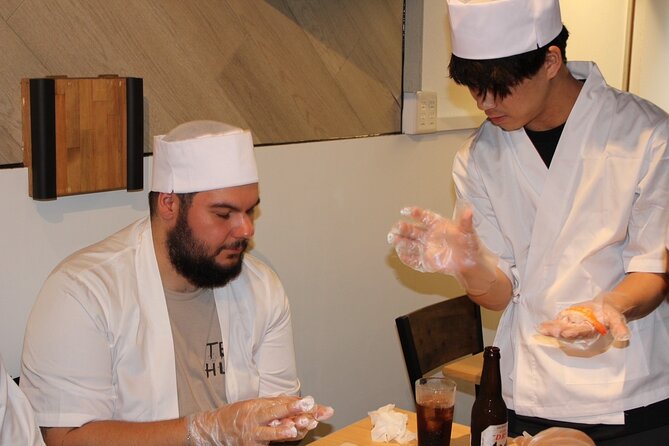
If you eat vegetarian, vegan, or halal, this class is built to handle it. Vegetarian options are provided, and vegetarian, vegan, and halal sushi are available upon request.
That said, there’s a practical consideration. Some vegan-focused feedback suggests the vegan menu may include fewer vegetable components than the meat and seafood menus, so don’t expect the same ingredient abundance across every dietary version. This doesn’t make the class bad, but it does mean you should go in with realistic expectations about variety.
What I like about how the class handles dietary needs is that it doesn’t replace the whole experience. You still get the technique, the rice handling, and the shaping practice. That’s what matters most if you’re trying to make sushi at home later.
Food, Drinks, and the Timing Advantage of Afternoon or Evening
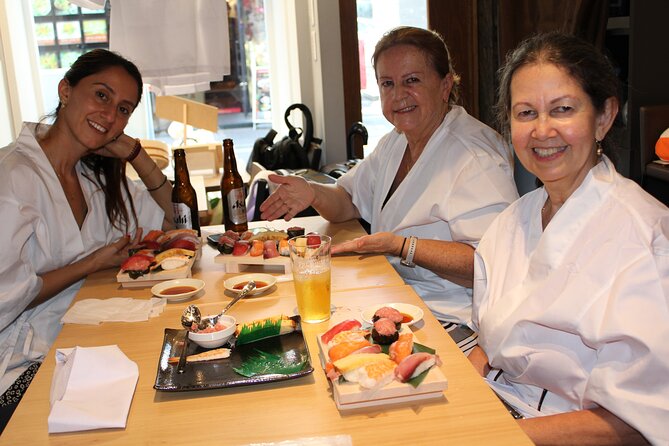
You’ll eat the sushi you make. The included snacks are your 12 pieces of sushi, so you’re not paying for a demo and then getting a tiny “taste.” Because the class is designed around making and eating, you’re likely to leave satisfied, not just curious.
Drinks are handled with a bit of caution. The experience information mentions Japanese sake and beer, but the listed “not included” items say alcoholic beverages are not included. In plain terms: if you want alcohol, plan for an extra cost. If you prefer not to drink, you can still enjoy the meal and the class without it.
One smart perk is the schedule flexibility. There are afternoon and evening class options, so you can match the timing to your appetite and energy level. Cooking classes are easier when you’re not rushing through a long day of sightseeing.
English Instruction in a Small Group, and How That Helps You Improve
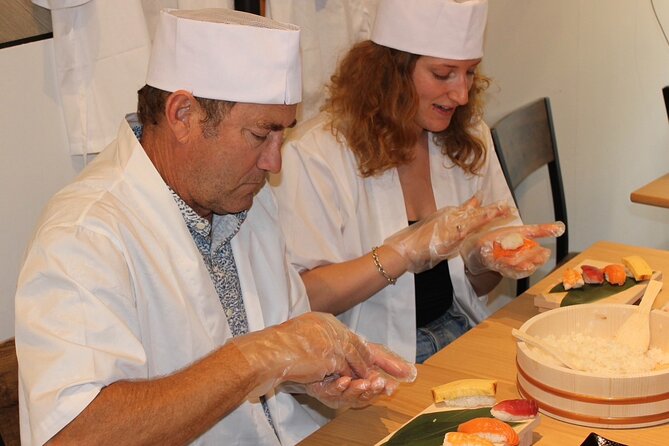
Instruction is offered in English, and also in Chinese and Korean. That multilingual setup is a real quality-of-life feature, especially for first-timers who get stuck on a single word and lose confidence.
The class also limits group size to 16 people. Smaller groups generally mean less time waiting and more time practicing. You’re also more likely to get personal tips while your sushi is still in progress.
From instructor names mentioned in the experience, you might meet teachers such as Mika and Kosei, or other guides like Yui, Mako, Shiori, Toshiki, and Hana. The key point is the teaching style: patient, clear, and focused on helping you get it right enough to enjoy it.
Value for $29.85: Why the Price Makes Sense for What You Get
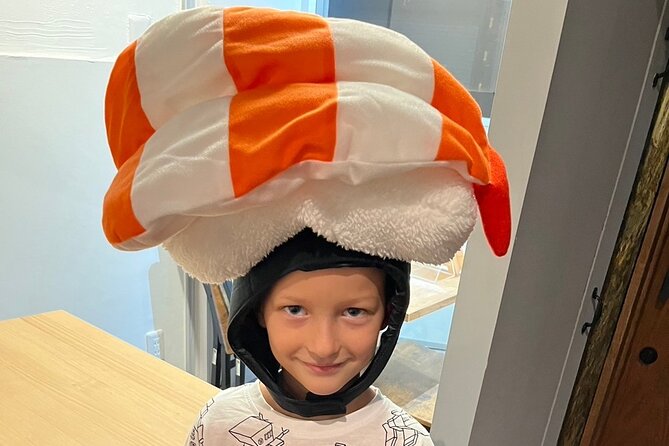
At $29.85 per person for about 1 hour 30 minutes, the value is in the combination. You’re not only learning technique, you’re also producing food and eating it, and you’re taking home a certificate with a Kanji name and a photo.
A common mistake with cooking classes is paying for a lesson that feels like a souvenir shop activity. This one reads more like a proper skills session because the output is specific: 12 pieces, with two distinct sushi types. The instruction also aims at technique, including rice handling and shaping.
If you’re comparing it to eating sushi again and again across Osaka, this is a different kind of “tasting.” You still get real sushi flavor, but you also get the ability to recreate it. For many people, that turns the class into the highlight of a trip.
Should You Book Sushi Making Experience Namba?
Book it if you want a hands-on Osaka activity that fits into a normal day, and you like the idea of learning sushi technique rather than only eating sushi. It’s especially good for beginners, couples, families, and solo travelers, because the format is structured and the class stays small.
I’d skip it only if you hate anything “tour-style.” Some people find the experience a bit commercial, and there can be an energetic, staged vibe. If you’re the type who wants a quiet, no-performance workshop, you might notice that difference.
My recommendation is simple: if you want to leave Osaka feeling confident making at least nigiri and gunkan, this is one of the best ways to do it in 1.5 hours.
FAQ
How long is the Osaka sushi making class?
It’s about 1 hour 30 minutes, approximately.
What sushi will I make during the class?
You’ll make 12 pieces of sushi, including two types: nigiri and gunkan-sushi.
Are vegetarian, vegan, or halal options available?
Yes. Vegetarian, vegan, and halal sushi are available upon request.
Is alcohol included?
No. Alcoholic beverages are not included.
What languages are the guides speaking?
The class guidance is provided in English, Chinese, and Korean.
How big is the group?
The class has a maximum of 16 travelers.
Fresh options around Osaka
- Osaka Dotonbori Night Photoshoot – Private | Pro Photographer★ 5.0 · 19 reviews
- Osaka: Tennen Onsen Naniwa-no-Yu, the famous hot spring spa★ 4.7 · 19 reviews
- Osaka Private Walking Tour with a Local★ 4.5 · 19 reviews
- Osaka: HEP FIVE Ferris Wheel E-Ticket in Umeda★ 4.7 · 19 reviews
- Kansai/KIX Airport to or from Osaka/Kyoto Private Transfer★ 5.0 · 20 reviews
- Guided Photography Tour in Osaka: Capturing Memories★ 4.5 · 20 reviews
- Osaka: Food Tour at Night with Tastings★ 4.9 · 20 reviews
- Osaka Private Tour with Government-Licensed Guide★ 4.8 · 20 reviews
Sushi Making Classes in Osaka, compared.
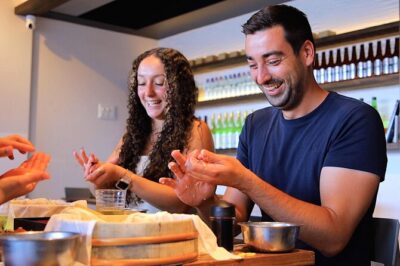
Sushi Making Osaka Roll and Authentic Japanese Sushi Class
Read our review →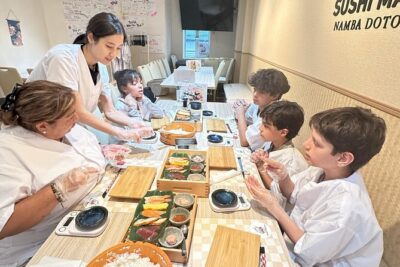
Osaka Sushi Making Class – Hands-On Nigiri & Rolls (Same-Day OK)
Read our review →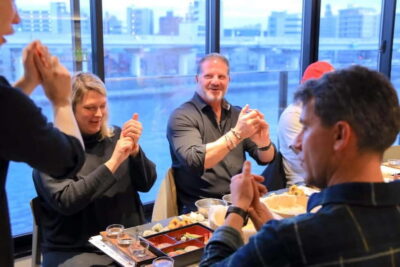
Roll and Authentic Sushi Making Class in Dotonbori
Read our review →


Browse the lists this tour appears in