
Reviewed · NIKKO TOURS
Nikko Full-Day Private Tour with Government-Licensed Guide
Nikko gets easier with a private, licensed guide. This 6 hour Nikko day tour is built around 3 to 4 sights you actually care about, with an English speaking guide who meets you near Nikko Station and helps you avoid the worst crowd crush. I like that it feels intimate, not like cattle herding, and I like the freedom to swap between shrines, temples, waterfalls, and views depending on your mood. The main drawback to plan around is that it is mostly on foot, so you need comfy shoes and you should expect to pay for taxis, buses, and entrances yourself.
What makes this option genuinely practical is how it handles the hardest part of Nikko, logistics. Getting around shrine areas, timing buses, and picking what to skip can turn a fun day into a stressful checklist. You also trade a fixed route for a guide who can adjust for weather and timing, which shows up again and again in how different guides run the day, including guides such as Yumi, Yoko, Yoshii, Ichiro, Hit, and Taka.
Key highlights to look for
- Government licensed local guide who can explain what you are seeing in plain language
- Custom route built around your interests, typically 3 to 4 stops in about 6 hours
- Meet near Nikko Station on foot, then move through the area efficiently
- Flexible pacing that can adapt to weather, traffic, and your curiosity level
- Nature plus sacred sites in one day, from Kegon Falls to Toshogu Shrine
- You bring cash for transit, since transportation and most admission fees are not included
Meeting your guide in Nikko Station, then getting moving
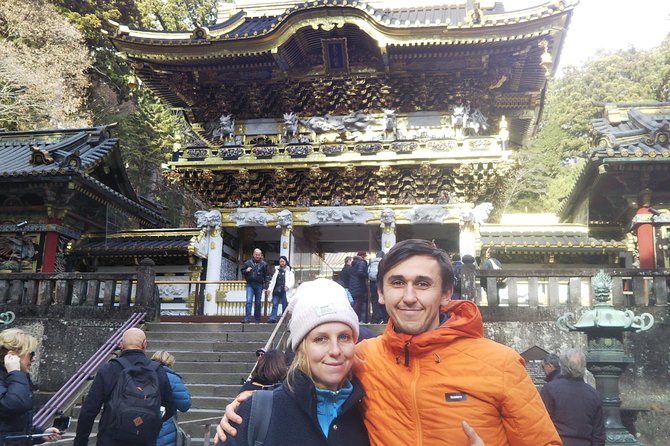
The biggest time saver here is the meeting point. You make your own way to Nikko, then you link up with your guide within a designated area near Nikko Station. From there, you start the day together rather than trying to figure out routes, entrances, and which bus to trust.
This matters because Nikko can feel spread out even when it looks compact on a map. Shrines and temples cluster near the center, but the waterfalls and viewpoints require real transit and timing. Guides in this program often plan around that, and you can benefit from their familiarity with local schedules.
Also note the tour is private, so it is only your group. That gives you a real advantage if you travel with kids, if you want quiet time to look closely, or if you hate being rushed between stops.
A few more Nikko days worth comparing
- Nikko – Beautiful Full-Day Personal and Private Tour
★ 4.9 · 119 reviews - Nikko Heritage & Nature Day Trip from Tokyo
★ 4.8 · 94 reviews - Tokyo: Nikko Private Customize Tour English Driver & Guide
★ 5.0 · 70 reviews
How the 3 to 4 site plan works in real life
This is not a one-size-fits-all itinerary. The tour is designed to let your guide build a route based on what you want, then choose a short list of stops for you to experience in one day.
In practice, that usually means:
- You get to include at least one anchor shrine or temple site.
- You get to add a nature stop like a waterfall, lake, or viewpoint.
- You can fill the remaining time with something lighter, like a garden or a river walk.
You will notice the tour includes a long menu of possible stops, but your guide will pick a manageable mix so the day stays enjoyable rather than frantic. Some common combinations people tend to choose include Toshogu Shrine plus Kegon Falls and Lake Chuzenji, or a more temple and history focused loop that also includes Shinkyo Bridge.
A small but important consideration: since it is mostly on foot, you should expect walking between areas, then short transit hops. If you hate walking, your best strategy is to tell your guide early what pace you want.
Toshogu Shrine and the Tokugawa storyline you can actually follow
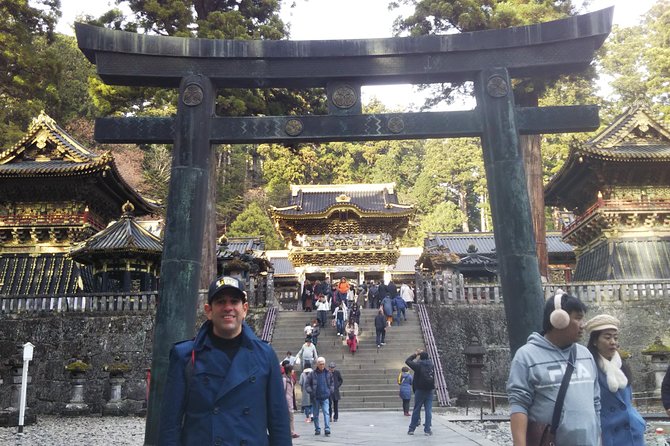
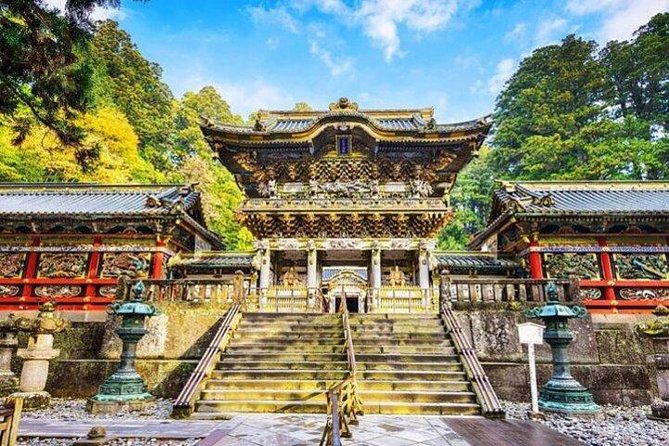
For many visitors, Tosho-gu, often spelled Toshogu, is the must-see. It is the final resting place of Tokugawa Ieyasu, the founder of the Tokugawa Shogunate, and the surrounding complex includes nearby shrines and temples.
Plan on about 30 minutes for this stop when it is one of your chosen sites. Even in half an hour, the experience makes sense because your guide helps you read the details. Nikko’s sacred spaces look dramatic at first glance, but the real payoff comes when someone explains why things are arranged the way they are and how the story connects to the shogunate.
One drawback to keep in mind is that Toshogu can be visually overwhelming if you try to do it alone. The carvings, colors, and layered buildings can blur together. With a licensed guide, you can slow down at the points that matter most to you, then move on without regret.
Kegon Falls and Lake Chuzenji, Nikko’s best nature contrast
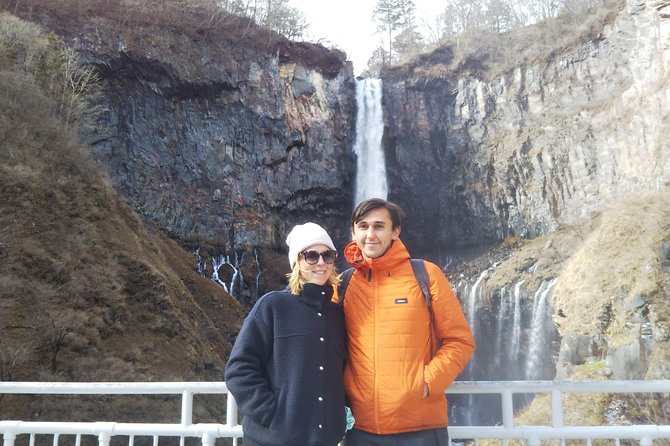
If you want the day to feel like a break from Tokyo or other big cities, Kegon Falls is a great starting point. It is Nikko’s most famous waterfall, with water dropping 97 meters from Lake Chuzenji straight to the rocks below. The view is dramatic, and it tends to feel even more artistic because of the way the fall frames the gorge.
You might have around 15 minutes at the falls. That sounds short, but for many people it is the right amount of time to see the main viewpoints without turning it into an endurance test. Your guide can also help you choose where to stand for photos and how to manage the timing of crowds.
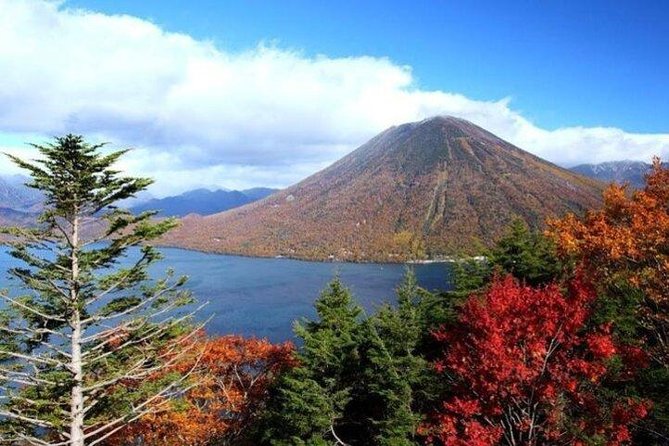
Then you often pair the falls with Lake Chuzenji, where you get a calmer rhythm. Lake Chuzenji is the largest lake in Tochigi and the area is framed by about 25 kilometers of nature. This stop is typically around 15 minutes, and admission is listed as free, which is nice if you are trying to keep costs controlled.
I like this pairing because it gives you two moods fast. A waterfall gives you drama and motion. A lake gives you breathing room, plus a better sense of where the mountains and forests fit into Nikko’s overall layout.
You can also add Kirifuri Waterfall for a different waterfall feel. It is a two-tiered waterfall about 75 meters high, located a few kilometers northeast of the temples and shrines. It is often a shorter stop, roughly 15 minutes.
Same corner of Japan, a different kind of day:
- Nikko: Private Walking Tour with Local Guide
★ 4.8 · 35 reviews - Nikko: Toshogu Shrine Ticket(Exchange at Tobu Nikko Station)
★ 4.4 · 23 reviews
Senjogahara Field and Kanmangafuchi Abyss for legend and a riverside walk
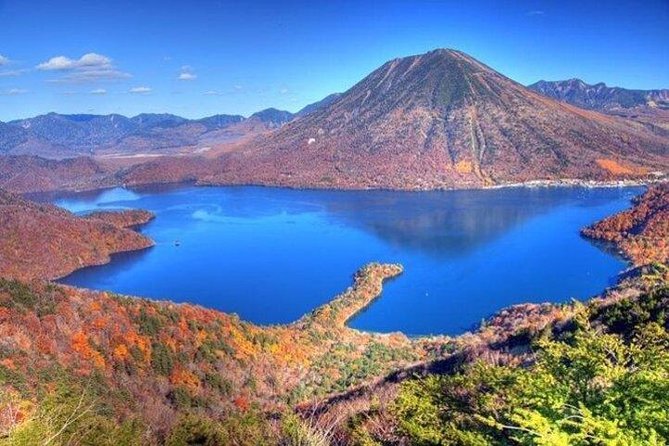
If you want something more off the main rush, Senjogahara Field and Kanmangafuchi Abyss are excellent choices.
Senjogahara translates to battlefield, and the area ties into a myth about gods from Mount Nantai and Mount Akagi fighting over nearby lakes. Your guide can help you understand why a myth became part of the way people talk about the land, which adds meaning beyond what you see with your own eyes. This stop is usually short, around 15 minutes.
Kanmangafuchi Abyss is different. It is a gorge near central Nikko, formed by an eruption from Mount Nantai. The good part for your feet is that it can be enjoyed from a pleasant riverside walking trail. It is typically around 30 minutes if it is part of your selected mix, and admission is free.
The practical tip here is to treat these as a chance to stretch your legs and slow down. If your earlier stops were heavy on stairs and crowded shrines, these feel like a reset.
Rinnoji Temple and Iemitsu’s mausoleum for the quieter sacred side
Toshogu often grabs all the attention, but Nikko also has serious Buddhist sites. Two stops that make this clear are Rinnoji Temple and Taiyuin, the mausoleum of Iemitsu.
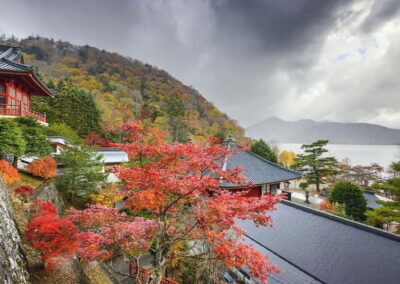
Rinnoji is Nikko’s most important temple and was founded by Shodo Shonin, the monk who introduced Buddhism to Nikko in the 8th century. Plan for around 30 minutes. This is a good point in the day to shift from the glittering Tokugawa focus to something more spiritual and historically grounded.
Taiyuin, also spelled Rinno-ji Taiyu-in, is about Iemitsu, the third Tokugawa shogun and the grandson of Ieyasu. The mausoleum complex resembles Toshogu in layout, but it leans into a lavish feel in its own way. It is commonly around 30 minutes.
A fair drawback: if you pick too many temple and mausoleum stops, your day can feel repetitive. To avoid that, I recommend pairing one Tokugawa era site with one nature stop. That way, the spiritual and scenic parts balance each other.
Shinkyo Bridge and the best viewpoint windows

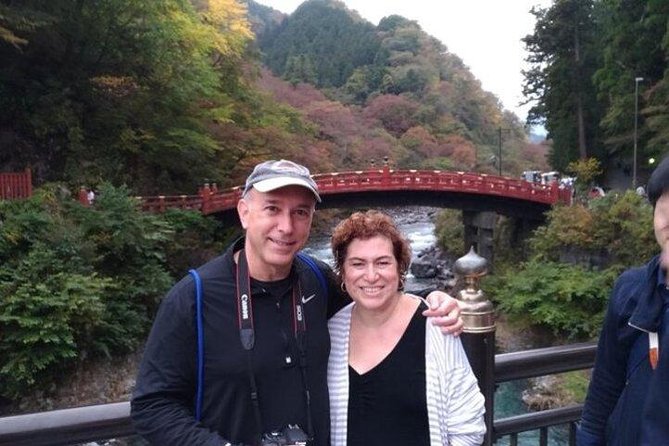
Shinkyo Bridge, which technically belongs to Futarasan Shrine, is ranked as one of Japan’s three finest bridges. It sits at the entrance to Nikko’s shrines and temples, so it is the kind of place you naturally see even if you do not plan it first. This stop is free and typically about 30 minutes.
Even when you only spend a short time there, your guide can help you see what makes it special beyond the postcard look. It is also a great anchor for timing because it is often earlier or mid-day, which helps you manage the flow.
If you want a view that puts the whole area into context, consider Akechidaira Observation Area. It is near the top of Irohazaka Slope and offers sweeping views over a winding road with a dramatic mountain backdrop. The climb is less work than it sounds because the description includes a ropeway to an observation platform. It is a short stop, often around 15 minutes, and it is listed as free.
This is also a good place to think about weather. If the day is clear, your photos will look much better. If it is rainy or foggy, you might still enjoy it, but you will want to adjust your expectations and lean on the indoor or shrine stops instead.
Nikko Tamozawa Imperial Villa and the older Nikko side
Not every Nikko day has to be only shrines and waterfalls. Nikko Tamozawa Imperial Villa Memorial Park adds a different layer, mixing traditional Edo and early Meiji period architecture across a large property with 106 rooms. It is typically about 30 minutes, and admission is listed as not included.
This stop helps you understand that Nikko was not just a spiritual destination. It was also a place where elite visitors stayed, and the architecture reflects that blend of eras.
Another option that feels more local and human is the Kanaya Hotel History House. It is a historical building in Nikko that served as the predecessor of the well-known Kanaya Hotel. It is a shorter stop, around 15 minutes, and admission is listed as not included.
If you like history but do not want another religious complex, these two give you variety without dragging your schedule.
Nikko Botanical Garden for a calm break from crowds
Nikko Botanical Garden is owned and maintained by the University of Tokyo, which makes it feel more research oriented than a typical sightseeing garden. It is typically around 30 minutes, and admission is listed as not included.
I like including a garden stop because it gives your feet and your eyes a break. Also, the garden can work well in different seasons. If the rest of your day becomes too much stone, stairs, and lines, a garden stop can restore a sense of pace.
This is also a good idea if your group includes someone who is less excited about carvings and more excited about plants and quiet walking.
Price and logistics: what your $155.86 really buys
The price is about $155.86 per person for a private, government licensed, English speaking guide, with an approximately 6 hour day. You pay for more than talking. You pay for routing, timing, and decision support so you spend time seeing instead of Googling.
For value, the biggest wins are:
- You avoid crowded group schedules, because the day is built around you.
- You pick the sights, so you are not paying for stops you do not care about.
- You get someone to handle timing, especially when buses or small travel delays show up.
But I also want you to budget realistically. Transportation fees, entrance fees, and lunch are not included. There is also guidance to bring cash for public transportation or taxis, since you may need local transit between stops. One practical tip you will hear from guide experience is to plan for at least 10,000 JPY for buses and entrances, and to use that cash buffer as your safety net.
If you are comparing this to doing everything on your own, the math often flips in your favor when:
- You want multiple sites in one day.
- You are not fluent with the transit system.
- You care about context and story, not just photos.
If you are only interested in one or two attractions and you are comfortable navigating trains and buses, a self-guided day can be cheaper. Still, you lose the flexibility of having someone adjust the route when weather or traffic changes.
What the best guides do for your day
The descriptions here show a consistent theme: guides focus on making the day smooth and comfortable, not just delivering facts.
In the past, guides such as Yumi have helped plan with weather and traffic in mind. Yoko has been described as attentive and flexible. Yoshii has guided a full set of major sights within the 6 hour window while also sharing history through the bus rides. Hit and Ichiro have been praised for detailed explanation and for making the day feel well timed. Taka has even helped get taxis arranged when it rained hard.
A few small details also pop up that can matter more than you expect. One guide brought towels for an onsen style foot bath, and another helped with cooling down with ice packs. Another guide handled ticket purchasing ahead of time to cut down on waiting. These are not guaranteed, but they do reflect the style you can hope for: practical help, calm communication, and small kindnesses that turn stress into ease.
Who should book this private Nikko tour
This tour is a strong fit if you:
- Want World Heritage shrines and temples plus nature in one day.
- Prefer a private plan that adapts rather than a rigid group schedule.
- Travel with kids, teens, or mixed interests, since your guide can shift focus.
- Feel tired of overpacked city sightseeing and want a day that balances story and scenery.
It may not be the best fit if you:
- Want to do everything by yourself and do not want to pay for local guidance.
- Have very limited mobility and need a fully vehicle based route, since the tour is described as mostly walking with on foot pickup.
Should you book this Nikko private guide day?
I think you should book if you want a day that feels well paced and meaningful, without the usual Nikko trap of picking the wrong sights, wasting time, and arriving at the best spots when the crowds are at their peak.
Choose this tour especially if you are deciding between a shrine focused day and a nature focused day. The best part of the format is that your guide can blend both, then help you fit it into around 6 hours.
If you do book, come with one simple priority list. For example, pick your top shrine, pick your top nature scene, then pick one extra stop that matches the energy level of your group. That gives your guide enough direction to build a route that actually works for you.
FAQ
Where do we meet the guide?
You meet your guide on foot within a designated area near Nikko Station. The tour is designed so you handle getting to Nikko, then you connect with the guide at the meeting point.
How many sights will we visit?
The tour is customizable, with a basic plan built around 3 to 4 sites chosen from the available options.
Are entrance fees included?
No. Entrance fees are not included, and many stops list admission as not included.
Do we need cash for this tour?
Yes. The basic tour is on foot, and you should bring cash for public transportation or taxis as needed.
Is lunch included?
No. Lunch is not included.
Can I cancel for a full refund?
Yes. You can cancel for free up to 24 hours in advance for a full refund. Cancellation cut off times are based on local time.
Fresh options around Nikko
- Nikko: Toshogu Shrine Ticket(Exchange at Tobu Nikko Station)★ 4.4 · 23 reviews
- Nikko: Private Walking Tour with Local Guide★ 4.8 · 35 reviews
- Nikko – Beautiful Full-Day Personal and Private Tour★ 4.9 · 119 reviews
- Nikko Heritage & Nature Day Trip from Tokyo★ 4.8 · 94 reviews
- Tokyo: Nikko Private Customize Tour English Driver & Guide★ 5.0 · 70 reviews
Nikko Tours, compared.
Nikko – Beautiful Full-Day Personal and Private Tour
Read our review →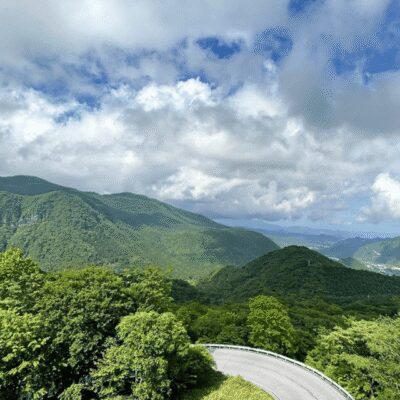
Nikko Heritage & Nature Day Trip from Tokyo
Read our review →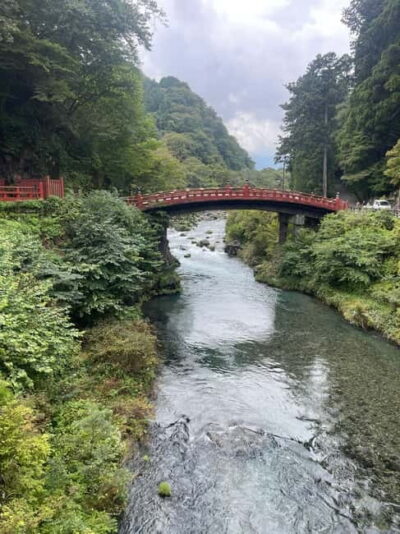
Nikko Private Customize Tour English Driver & Guide
Read our review →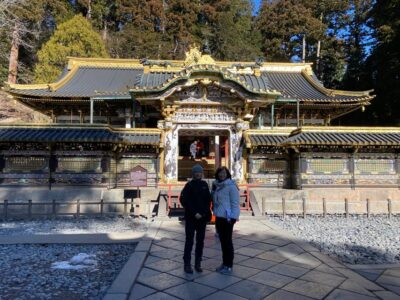
Nikko: Toshogu Shrine Ticket(Exchange at Tobu Nikko Station)
Read our review →Browse the lists this tour appears in