
Toshogu Shrine is Japan’s wow-factor in a forest. You’re going to a UNESCO World Heritage site built as a memorial to Tokugawa Ieyasu, and the place looks designed to impress, from carved beams to gold leaf details that you do not see elsewhere in Japan. I love how fast you can turn your day into a meaningful history stop, and I love walking through the complex’s changing structures instead of just seeing one main hall. The one drawback: this ticket covers admission only, so extra sights and services nearby can add up.
What makes this visit feel worth it is the contrast. Toshogu was expanded into a lavish complex in the early 1600s, and it still feels like a planned visual lesson about power, faith, and legacy. I also like that you’ll notice how Shinto and Buddhist elements sit side by side, even in the shrine’s symbolism. Just consider that hours and closing times can vary by day, so you’ll want to check before you go.
Key highlights at a glance
- Gold-leaf and wood carvings throughout the shrine grounds
- Tokugawa Ieyasu memorial, with the story of how Toshogu expanded in the 1600s
- Shinto and Buddhist mix in the same sacred space
- UNESCO World Heritage setting, calm forest atmosphere
- Simple entry flow if you swap your voucher at the Tobu Nikko Station Tourist Center first
Toshogu Shrine, the gold-leaf forest stop that feels like history turned to art
If you like your sightseeing with a strong sense of place, Toshogu Shrine delivers. It’s not a museum-like stop where you glance and move on. You walk into a complex of more than a dozen buildings set in a forest, and you start noticing how much effort went into details, especially the wood carving work and the use of gold leaf.
The star of the show is the memorial to Tokugawa Ieyasu, the founder of the Tokugawa Shogunate. He ruled Japan for over 250 years, until 1868. That long era matters because Toshogu isn’t just “a shrine you visit.” It’s designed to communicate legacy and authority.
Here’s what I think you’ll appreciate most: this shrine is famously lavish, even compared with other Japanese shrine architecture where simplicity is usually the norm. At Toshogu, the decoration feels deliberate, almost like the buildings are shouting their importance in visual language.
More temple and shrine tours in Nikko:
- Kyoto: Fushimi Inari, Kinkakuji, Bamboo Grove 1 Day Bus Tour
★ 4.8 · 4,316 reviews - Kyoto: Tea Ceremony Ju-An at Jotokuji Temple
★ 4.9 · 3,207 reviews - Tokyo: Meiji Shrine, Asakusa, Skytree Bus Tour and Cruise
★ 4.7 · 1,986 reviews
Ticket swap at Tobu Nikko Station, do this before you head anywhere sacred
This experience is one-day and the price is about $10 per person, but value depends on one practical thing: you must swap your voucher for a physical ticket at the right place.
Your exchange point is the Tobu Nikko Station Tourist Center, open 8:20 AM to 5:00 PM year-round. And yes, the digital ticket instructions are strict. You cannot enter Nikko Toshogu Shrine with the digital ticket by itself. You exchange it for a paper ticket at the tourist center first.
After you exchange your voucher, you’ll need to open the usage screen from the link in your voucher email, press the “Use” button, and show that screen to staff. The rules say screenshots and printed versions do not work, so plan to use your smartphone with a stable network connection.
A smart move for peace of mind: give yourself time at Tobu Nikko Station so you are not rushing right at the closing bell. One small hiccup can cost you time. The negative experience I saw involved someone who couldn’t change their tickets and ended up buying again in Nikko, which is exactly what you want to avoid.
How to get from Tokyo-area rail to the shrine, with a simple bus-to-walk approach
Your route is straightforward and very doable in a day. Take the express train from Tobu Railway Asakusa Station to Tobu Nikko Station (about 2 hours). From there, use the Tobu Bus World Heritage Tour Route to the Omotesando bus stop (about 15 minutes). Then get off and walk about 10 minutes to the shrine area.
This pattern is good for two reasons. First, it keeps the trip from becoming a maze of transfers. Second, that final walk helps you transition from city movement into forest quiet.
If you’re trying to keep the day smooth, aim to travel during daylight hours. Since opening hours vary by day, your best strategy is to arrive early enough that even a small delay won’t force you into a tight schedule.
From mausoleum to a complex you wander for hours, the Toshogu layout
Toshogu began as a relatively simple mausoleum and then grew into the spectacular shrine complex you see today. The expansion is tied to Tokugawa Ieyasu’s grandson Iemitsu, during the first half of the 17th century. That explains why you experience it like a layered story, not like one single building.
You’re looking at a set of buildings with different styles and purposes, all within a single sacred site. The value is in the progression. You don’t just arrive and take one photo. You move through spaces where the decoration becomes part of the atmosphere.
The UNESCO feel here is real, because Toshogu is not only impressive visually, it also communicates a political and spiritual message. This is why the architecture matters so much: it’s a physical record of how the Shogunate wanted to be seen.
One practical downside: because it is so decorative, you can get “photo overload” quickly. You may want to pace yourself so you actually notice the carvings and structural details, not only capture them.
A few more Nikko days worth comparing
- Nikko Full-Day Private Tour with Government-Licensed Guide
★ 5.0 · 259 reviews - Nikko – Beautiful Full-Day Personal and Private Tour
★ 4.9 · 119 reviews - Nikko Heritage & Nature Day Trip from Tokyo
★ 4.8 · 94 reviews
What to look for once you’re inside, wood carvings and gold leaf with meaning
The highlights you should focus on are the countless wood carvings and the large amounts of gold leaf. Those aren’t random decorations. They create visual emphasis and draw your attention to places that likely mattered symbolically.
A key thing I like about Toshogu is that it doesn’t feel like one flat style. As you move between buildings, you start seeing how ornamentation changes, where carvings cluster, and how gold leaf reflects light differently depending on where you stand. That’s why timing matters too. If you’re there when the light hits the carvings and metal surfaces well, the experience improves fast.
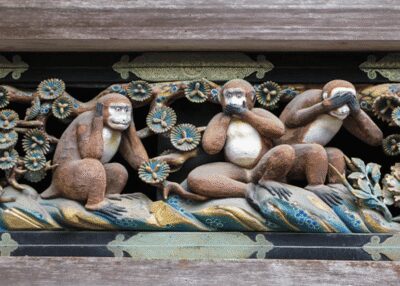
Also, don’t miss the famous “three wise monkeys” motif. The shrine’s carved figures are a standout moment, and if you pause to look properly, you’ll understand why they are such a memorable feature for people.
If you want help understanding what you’re looking at, consider renting an audio guide on site. You can find an audio-guide rental mentioned at 500 yen, and it can help you connect what you see to what the buildings are representing. That’s especially useful at Toshogu because the site blends religious elements, so the symbolism can go over your head if you only rely on your own instincts.
Shinto and Buddhist elements side by side, a mixed spiritual language
Toshogu is a place where you’ll notice Shinto and Buddhist elements intermingled. That mix is part of what makes the shrine historically interesting, because Japanese religious practice has often overlapped rather than neatly separated.
In practical terms, what that means for your visit is you’ll see different kinds of symbols and imagery. You might notice a style that feels more Shinto in spirit alongside elements that feel Buddhist in the way the site’s symbolism is expressed. The experience is not confusing once you slow down a bit. It becomes a clue that this shrine is communicating multiple layers of belief and authority.
The tone of the site is still overwhelmingly “shrines and ceremonies,” but it’s not a single-note religious setting. If you enjoy cultural nuance, Toshogu rewards you.
Time planning for a one-day visit, how not to feel rushed
This activity is built for a 1 day visit. That’s enough time if you have a simple goal: enter, walk the main paths, and stop often enough to see the details.
Here’s how I’d pace it:
- Give yourself extra time for the ticket swap step at Tobu Nikko Station.
- Arrive at the shrine area with a cushion so you’re not sprinting between buildings.
- Plan for short pauses at key decorative areas so you actually read the visual story.
One thing to remember is that opening hours vary by day, and closing times can change depending on the period. The site provides the updated haikan (closing) information on its page, so check that before you go and plan your train and bus timings around it.
Also, don’t assume the day is only shrine time. There are likely other nearby spots you might want to add, but those are not included in this ticket. If you pack too many extras, you may end up feeling time-stressed.
Price and value, what your $10 ticket covers and what it does not
Your $10 per person Toshogu ticket includes admission to Toshogu Shrine. That’s a solid value if your main goal is the UNESCO complex itself.
What is not included is the rest of Nikko. You should expect that other nearby attractions, services, and add-ons cost extra. For example, an audio guide can be rented for a fee, and it can help you understand the buildings better once you are on site.
I think this ticket is best value if you treat Toshogu as the anchor of your Nikko day. If you want a quick check-box day plus several other stops, you may need to budget beyond this ticket so you don’t get surprised.
Rules you’ll actually notice, no flash, no plant touching, and tidy behavior
At Toshogu, you need to follow site rules. Flash photography is not allowed. Littering is not allowed. And importantly, you’re not allowed to touch plants.
These rules are normal for sacred places, but they matter here because Toshogu is so visually intense. You may want to focus on your camera settings and avoid relying on flash, especially in shaded forest areas where you might instinctively try to compensate.
Getting the most out of the visit, practical tips that make the day smoother
Here are a few practical ideas that can make a noticeable difference:
- Start early enough to swap your voucher calmly at the Tobu Nikko Station Tourist Center.
- If your voucher link doesn’t behave, staff can help when you show you are in the app, so don’t panic and don’t wander off.
- Consider an audio guide rental to connect the carvings and structures to the story, especially with the Shinto and Buddhist mix.
- Plan to slow down. Toshogu is one of those places where 10 minutes spent in the right spot beats 20 minutes spent rushing to photos.
One small consideration: wheelchair related info appears inconsistent. The activity notes wheelchair accessibility, but it also says not suitable for wheelchair users. If mobility is an issue for you, it’s worth confirming details with the operator before you book, since how you experience the shrine can depend heavily on your exact needs.
Should you book this Nikko Toshogu Shrine ticket?
You should book if your priority is a clear, straightforward way to enter Toshogu Shrine on a one-day plan and focus your time on the gold-leaf, wood-carved UNESCO complex honoring Tokugawa Ieyasu. The ticket is simple: you exchange your voucher at Tobu Nikko Station, then you’re set.
I’d skip it or rethink it if your main goal is a super-budget day with lots of extra attractions included, because admission here does not automatically cover everything in Nikko. Also, if you hate dealing with smartphone screens and the requirement to show the usage view after exchange, plan extra time so the process feels easy instead of stressful.
If Toshogu is on your Nikko list, this is a good way to make sure you actually see it without turning the day into an admin chore. Just do the station exchange step carefully, check the closing info for your date, and then enjoy the forest shrine that looks like power made visible.
FAQ
Where do I exchange my voucher for the physical ticket?
You exchange the digital voucher at the Tobu Nikko Station Tourist Center. It is open from 8:20 AM to 5:00 PM, year-round.
Can I enter Nikko Toshogu Shrine using the digital ticket without exchanging it?
No. You cannot enter Nikko Toshogu Shrine with the digital ticket. You must exchange it for a physical ticket at Tobu Nikko Station Tourist Center first.
What are the basic directions from Tobu Nikko Station to the shrine?
From Tobu Nikko Station, take the Tobu Bus World Heritage Tour Route to the Omotesando bus stop (about 15 minutes). Walk about 10 minutes from there to reach the shrine area.
What time window is the ticket exchange location open?
The Tobu Nikko Station Tourist Center is open 8:20 AM to 5:00 PM all year round.
What rules should I follow at Toshogu Shrine?
Flash photography is not allowed, littering is not allowed, and you should not touch plants.
Is admission included in this ticket price?
Yes. The ticket includes admission to Toshogu Shrine.
Fresh options around Nikko
- Nikko Private Custom Tour with Local Guide★ 5.0 · 16 reviews
- Nikko: Private Walking Tour with Local Guide★ 4.8 · 35 reviews
- Nikko – Beautiful Full-Day Personal and Private Tour★ 4.9 · 119 reviews
- Nikko Heritage & Nature Day Trip from Tokyo★ 4.8 · 94 reviews
- Tokyo: Nikko Private Customize Tour English Driver & Guide★ 5.0 · 70 reviews
- Nikko Full-Day Private Tour with Government-Licensed Guide★ 5.0 · 259 reviews
Nikko Tours, compared.
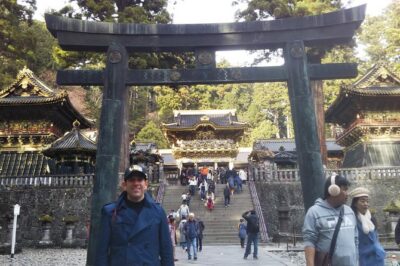
Nikko Full-Day Private Tour with Government-Licensed Guide
Read our review →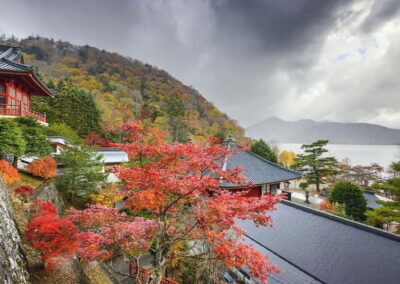
Nikko – Beautiful Full-Day Personal and Private Tour
Read our review →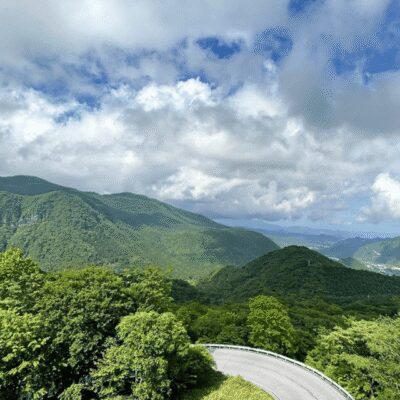
Nikko Heritage & Nature Day Trip from Tokyo
Read our review →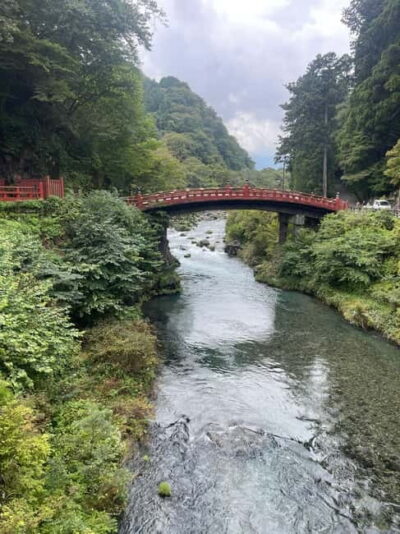
Nikko Private Customize Tour English Driver & Guide
Read our review →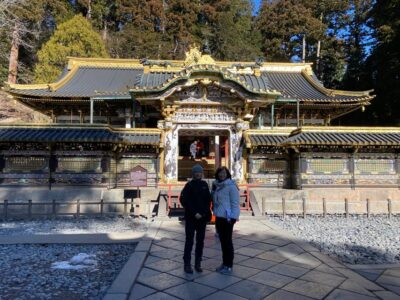
Browse the lists this tour appears in