
Reviewed · NARA TOURS
Nara Private Tour: Flexible Pickup from Kyoto, Osaka, or Nara
Nara is small enough to feel personal. This flexible private tour uses a local guide to route you efficiently through big-name sights like Todai-ji and Kasuga Grand Shrine, while you can also swap in your preferred stops.
I especially love how the guide team shares practical context as you go, and how the day can be paced around your interests. I also like that you can choose 3 to 4 must-see spots, so you do not get stuck doing everything.
One thing to think about: several of the best-known sites have entrance fees that are not included, so your final cost depends on which stops you select, plus any transit you use between locations.
Key points to know before you go
- Private guide, private pacing: your group is the only group, so your guide can slow down for photos or speed up when lines move.
- Pick your 3 to 4 stops: the tour is flexible, which is great in Nara where walking and crowds can swing hour to hour.
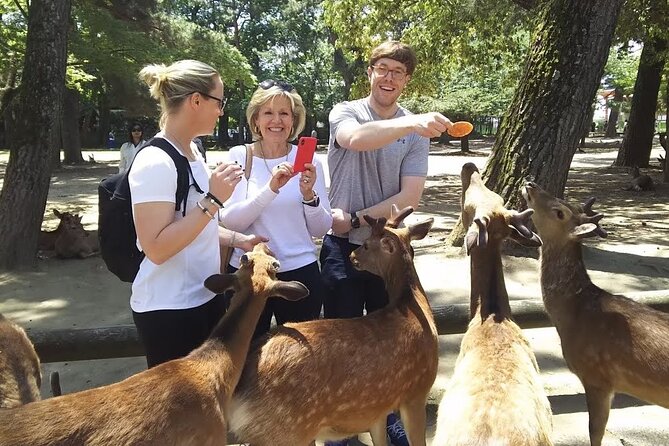
- Iconic Nara Park deer experience: you get the deer encounter tied into the wider Todai-ji and Kasuga area.
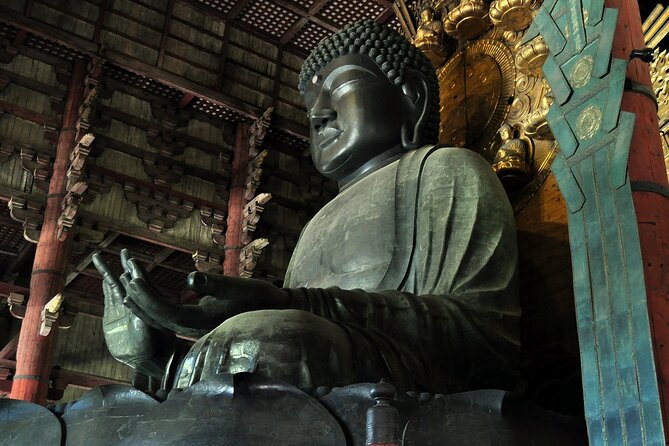
- Todai-ji and Shosoin are a strong one-two: big bronze-atmosphere at Todai-ji, then calm, museum-like imperial artifacts at Shosoin.
- Some versions include nature add-ons: based on past tour experiences, you might also see places like Mt Wakakusa and Isuien Garden if your choices and guide plan them in.
How a private half-day keeps Nara from feeling like a checklist
Nara works best when you do not rush. Even though the city is compact, the sights are spread across neighborhoods and temple complexes. A private format helps you move with less backtracking, and it makes it easier to time the deer park and shrine visits when your energy level is right.
I also like that this tour does not force a single fixed script. You pick 3 to 4 must-see spots, and your guide builds a route around them. That matters because Nara has two speeds. One is the fast, iconic highlights everyone photographs. The other is the slower details, like lanterns at Kasuga or the texture of old town streets.
The tradeoff is simple: flexibility means you should plan thoughtfully. If you pick only major monuments, you may miss the quieter contrast that makes Nara feel special.
A few more Nara days worth comparing
- World Heritage Kyoto & Nara Uji Authentic Matcha Experience
★ 5.0 · 1,573 reviews - Nara Half Day Trip Walking Tour (Private Option Available)
★ 5.0 · 937 reviews - Nara Early Morning Tour (Kyoto or Osaka Departure Available)
★ 5.0 · 676 reviews
Pickup options and the meeting point that anchors your day
You can get pickup offered from Kyoto, Osaka, or Nara, depending on what you select. If you are starting in Nara, the listed meeting point is JR Nara Station, specifically Sanjohonmachi, Nara.
From there, the tour ends back at the same meeting point. That loop is helpful because it removes the guesswork of how you get back after temples and deer have eaten half your afternoon in your head.
One more practical detail: transport costs are not included. The tour notes that public transportation fares for you and your guide are not part of the price, and private transportation is optional with an additional fee. So, budget a bit for getting between areas once your guide starts stringing together the day.
Naramachi old town: the calm, human start
A lot of Nara tours begin with temples and immediately sprint into wow-mode. This one starts you in a well-preserved old town filled with traditional machiya townhouses, boutique shops, and cozy cafés.
This is a smart opening move. Before you hit Todai-ji size, you get street-level context: where merchants lived, how neighborhoods felt, and why Nara’s old core looks the way it does. It also helps you warm up for the day, because you are walking at a casual pace instead of arriving straight into a crowd.
The potential drawback is that it can be easy to under-appreciate this section. If your group is temple-only minded, you might breeze through. I’d treat it like your settling-in moment, not filler.
Nara Park and the deer encounter, plus where to watch the flow
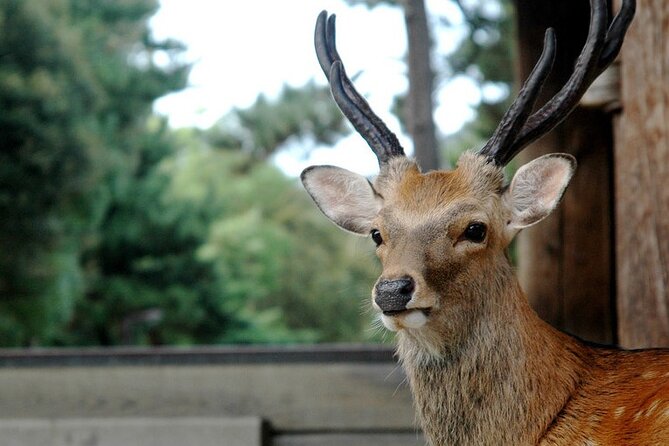
Nara Park is famous for its free-roaming deer, and this tour puts you there early enough to enjoy it without feeling like you have to fight your way through. You get a short visit here, about 15 minutes, and the deer are a major part of the experience.
Here’s how to make it work for you: keep a bit of space. Deer can be bold, and you will have an easier time if you do not act like you are in a wildlife documentary. Also, treat deer interactions as a bonus, not your entire goal. The real value of Nara Park is that it places you right by Todai-ji and Kasuga Taisha, so you can connect the dots quickly.
If you choose to extend your time at the park in your selection, your guide can usually adjust pacing since this is a private setup. But if you keep it at the short slot, you still get the iconic moment.
Same corner of Japan, a different kind of day:
- Osaka: Nara and Uji Day Trip with Deer Park and Hot Spring
★ 4.4 · 302 reviews - Kyoto/Osaka: Kinkakuji, Bamboo Forest, and Nara Deer Park
★ 4.4 · 265 reviews - Nara 6hr Private Tour with Government-Licensed Guide
★ 5.0 · 219 reviews - E-Bike Nara Highlights – Todaiji, Knives, Deer, Shrine
★ 4.8 · 186 reviews
Todai-ji and the Great Buddha: time it right
Todai-ji is one of those places where your brain needs a minute to accept what you are seeing. The Daibutsu and the enormous main hall, Daibutsuden, are the headline. This stop is scheduled for about 1 hour 30 minutes, which is a good length for absorbing the scale and not just taking the photo and moving on.
The key value of a guided visit is interpretation. A local guide can help you understand what you are looking at and why the architecture feels so monumental. It is also easier to navigate the flow of people so you do not get stuck in a bottleneck.
Practical note: Todai-ji is listed with a free admission ticket in the tour outline. Still, some other temple areas you may want to add later can have their own fees, so keep an eye on what is included for the specific sites you select.
Shosoin: the quiet, museum-feeling break
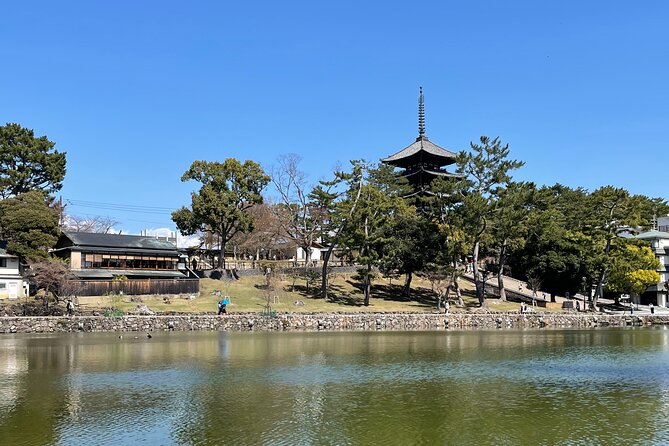
Right after the big spectacle, Shosoin Temple offers a different mood. Shosoin is a historical treasure house preserving imperial artifacts from the Nara period, including items influenced by the Silk Road.
This is scheduled for about 15 minutes. That sounds short, but the point is clarity. Shosoin is less about roaming and more about seeing curated artifacts and grasping the imperial story behind them. If you love cultural objects, textiles, and small details, this brief stop can feel more rewarding than another hour of general sightseeing.
Also, Shosoin is listed with a free admission ticket. That’s a nice bonus when you’re trying to keep total costs under control.
Kasuga Grand Shrine: lanterns, deer, and the forest mood
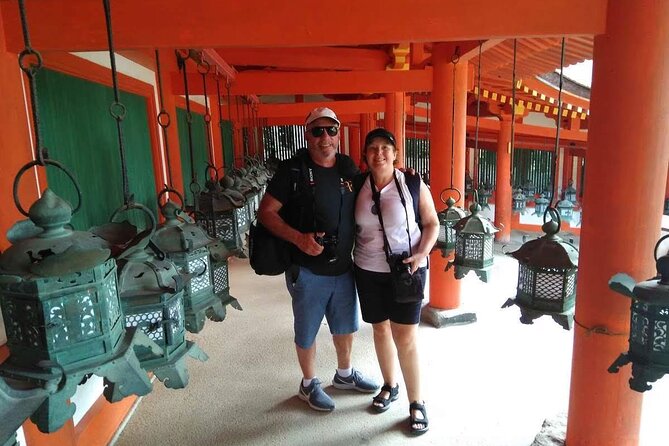
Kasuga Grand Shrine is one of Nara’s most atmospheric stops. You get a 1 hour 30 minutes visit, and the headline feature is the thousands of iconic lanterns, both stone and bronze. Deer are also part of the story here, tied to their role as messengers of the gods.
What I like about a guided visit at Kasuga is the rhythm. The shrine area is more than one spot. A good guide helps you notice how the lanterns are arranged, how the vermilion main hall frames the view, and how the surrounding forest contributes to that hushed feeling.
One caution: the tour lists Kasuga Grand Shrine admission as not included. So plan for an entrance fee on your final day budget. It is still worth it, especially if you care about atmosphere, not just the famous objects.
Heijō Palace site: reconstructions that explain how power worked
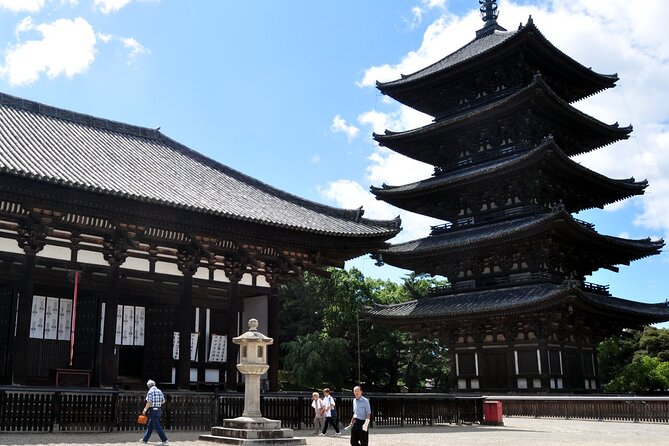
Heijō Palace Site Historical Park is the kind of stop that can feel optional if you only like stand-alone temples. But if you want context for Nara’s identity as the first permanent capital, it’s a powerful switch-up.
This stop is about 1 hour 30 minutes, and it focuses on reconstructions of major palace areas such as the Audience Hall and other structures. Even when things are reconstructed, you get a sense of scale and how court life was organized.
It also helps balance your day. After wandering temple halls and shrine lanterns, palace layouts bring your understanding back to city planning and governance. If your group likes history grounded in physical space, this is a good choice.
Admission for Heijō Palace Site is listed as not included, so budget accordingly.
Yakushi-ji and Horyu-ji: healing vibes and a UNESCO reality check
Yakushi-ji Temple is scheduled for about 30 minutes. It is associated with Yakushi Nyorai, the Buddha of healing, and you get twin pagodas plus beautiful, calm architecture. If you want a breather in the middle of the day, this is a solid pick. It is not just another temple, because the healing theme gives the visit a softer tone than the monument-heavy stops.
Then there is the UNESCO heavy hitter, Horyu-ji Temple. This is scheduled for about 2 hours, which tells you it deserves real time. It is known as home to the world’s oldest wooden buildings, and it is founded by Prince Shotoku. The complex includes a stunning five-story pagoda and the Main Hall.
Admission for both Yakushi-ji and Horyu-ji is listed as not included in the tour outline. Still, if you are the type who likes comparing architecture styles across sites, Horyu-ji is one of the best ways to do that in Nara.
When nature sneaks in: Mt Wakakusa and Isuien Garden as optional flavor
Not every Nara experience is only temples and shrines. Based on past guide-led day plans, some versions of this Nara tour experience add nature options like Mt Wakakusa and Isuien Garden, sometimes with a tea house stop.
If you are choosing your 3 to 4 must-see spots and you want variety, this is how you add it. A mountain viewpoint can reset your perspective quickly, and a garden visit slows everything down so you actually feel you traveled, not just visited.
Because those stops are not guaranteed in every plan, I’d treat them as something to request or ask about when you confirm which locations are in your final selection.
Guides make or break it, and the top names here are a strong signal
The standout praise across guide-led experiences is not just about friendliness. It is about how well the guide adapts and how much cultural context they share.
Names that come up include Toshi, Kiyoto, and Chiko. People highlight that these guides explained Japanese culture and the city thoughtfully, and that they were flexible when priorities changed mid-day. That matters when you have a mix of ages, photo timing needs, or different interest levels in your group.
If you want to maximize value, go in with one or two questions ready, like what you should look for at Todai-ji or why Kasuga lanterns are so central. A strong guide will turn those questions into a smoother route and better interpretation.
One minor warning from feedback: a couple of experiences note that the tour could add another place or felt a little light on information for their taste. If you like deep detail, pick 4 spots instead of 3, and tell your guide you want more explanation, not just movement.
Price and what you truly get for $131.38 per person
At $131.38 per person, this is not the cheapest way to see Nara. But it is also not trying to compete with mass bus tours. You are paying for a local professional guide, flexibility in your stop selection, and a truly private day where your group is the only group.
Your real value calculation depends on two variables:
- Which stops you choose, because some have fees and others list free admission tickets.
- How you handle transit between areas, because public transportation fares are not included and private transport is optional.
A smart strategy is to balance free and paid stops. In the tour outline, Nara Park, Todai-ji, and Shosoin are listed with free admission tickets, while Kasuga Grand Shrine, Heijō Palace, Yakushi-ji, and Horyu-ji are marked as not included. That mix lets you control spend without giving up major highlights.
Also, plan ahead. The average booking time is about 98 days in advance, which hints that popular guide times and prime slots can sell out.
Rain or shine: how to pack for a comfortable temple day
This tour runs rain or shine, and you will do a moderate amount of walking. Comfortable walking shoes are not optional here. Even if your itinerary focuses on famous interiors, you still have outdoor stretches and transitions between areas.
Bring an easy rain setup, like a compact rain layer. Also, keep your day light. Temples and shrine zones can involve stairs and uneven ground, so if you bring heavy bags, you will feel it fast.
If your plan includes deer parks and shrine grounds, go slow. The best experience is when you pause to look, not when you sprint for the next photo.
Who this tour suits best
This private Nara experience is a great fit if you:
- Want a guide to connect the dots between Todai-ji, Kasuga, and the imperial story of the city.
- Like flexibility, since you choose 3 to 4 stops rather than being locked into a full-day template.
- Prefer a private pace, especially if your group includes kids, older adults, or anyone who needs slower transitions.
- Want a balance of temples plus the old town atmosphere of Naramachi.
It may be less ideal if you are on a tight budget and hate entrance fees, because several key stops are not included. But if you are okay managing those fees and you want the value of a guide, this fits well.
Should you book this Nara private tour?
I’d book it if you want a guided, flexible day that hits Nara’s biggest emotional moments, deer park energy included, without turning your visit into a hop-on, hop-off blur.
I’d be a bit cautious if you only want free sites, because Kasuga, Horyu-ji, and Heijō Palace are listed with admission not included. In that case, you can still make it work by picking more free options like Todai-ji and Shosoin, but you will need to adjust expectations.
Finally, if you care about service quality, this one has a strong track record. Guide names like Toshi, Kiyoto, and Chiko show up in positive feedback for flexibility and local insight, which is exactly what you want in a place where the details make the difference.
FAQ
How long is the Nara private tour?
The tour runs about 4 to 8 hours, depending on which stops you choose and how the day is paced.
Where does the tour start and end?
The meeting point listed is JR Nara Station (Sanjohonmachi, Nara). The activity ends back at the meeting point.
Can the guide pick me up from Kyoto, Osaka, or Nara?
Yes, pickup is offered from Kyoto, Osaka, or Nara. The listed meeting point is JR Nara Station for the Nara start.
What stops can I choose from?
You can choose 3 to 4 must-see spots. The tour provides options including Nara Park, Todai-ji, Shosoin, Kasuga Grand Shrine, Heijō Palace Site Historical Park, Yakushi-ji Temple, and Horyu-ji Temple.
Is the entrance fee included?
Entrance fees are not included in general. The tour notes that some sites have free admission tickets in the itinerary, while other sites are marked as admission ticket not included.
Is the tour private?
Yes. It is a private tour, and only your group participates.
Will the tour run in rain?
Yes, the tour takes place rain or shine.
Do I need to bring my own transport?
Public transportation fares are not included. Private transportation is optional with an additional fee if you want it.
What should I wear?
You should wear comfortable walking shoes, since the tour includes a moderate amount of walking.
Can I get a refund if plans change?
Yes, you can cancel up to 24 hours in advance for a full refund. If you cancel less than 24 hours before the start time, the amount paid will not be refunded.
Fresh options around Nara
- Nara World Heritage PRIVATE TOUR★ 4.5 · 15 reviews
- Nara: Todai-ji y parque de Nara (Spanish Guide)★ 5.0 · 16 reviews
- Nara – Heart of Nature Cross Bike Tour★ 5.0 · 19 reviews
- Nara:Tea Tasting&Private Tea Ceremony -Master Matcha Making-★ 5.0 · 19 reviews
- Make Your Own Soy Sauce in Japan’s Old Capital Asuka Nara★ 5.0 · 22 reviews
- Nara: Essential Private Tour with Deer Park and Temples★ 5.0 · 24 reviews
- Nara:5 Type of Tea Tasting & Mindful Tea Ceremony★ 5.0 · 28 reviews
- E-Bike Nara Highlights – Todaiji, Knives, Deer, Shrine, and Gems★ 4.5 · 34 reviews
Nara Tours, compared.
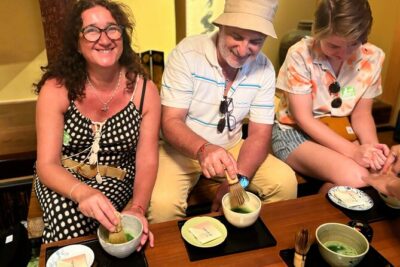
World Heritage Kyoto & Nara Uji Authentic Matcha Experience
Read our review →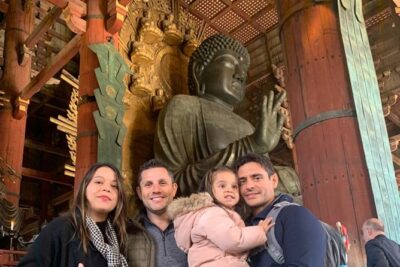
Nara Half Day Trip Walking Tour (Private Option Available)
Read our review →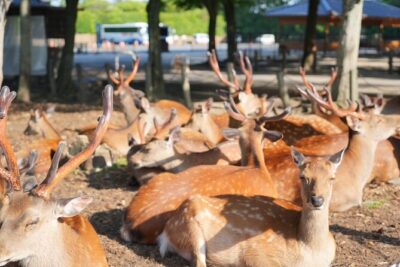
Nara Early Morning Tour (Kyoto or Osaka Departure Available)
Read our review →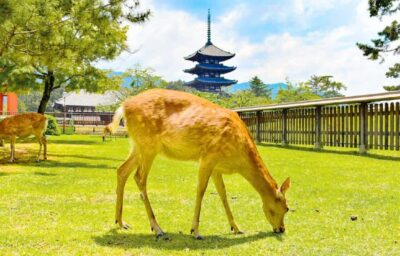
Nara and Uji Day Trip with Deer Park and Hot Spring
Read our review →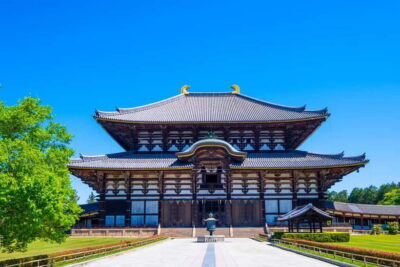
Kyoto/Osaka: Kinkakuji, Bamboo Forest, and Nara Deer Park
Read our review →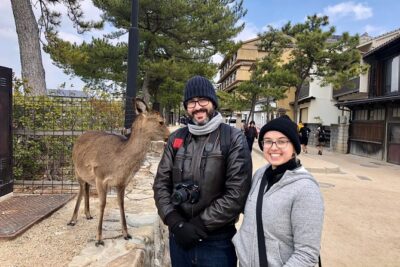
Nara 6hr Private Tour with Government-Licensed Guide
Read our review →
E-Bike Nara Highlights – Todaiji, Knives, Deer, Shrine
Read our review →
Nara Early Bird Tour (Kyoto Departure Option Available)
Read our review →Browse the lists this tour appears in