
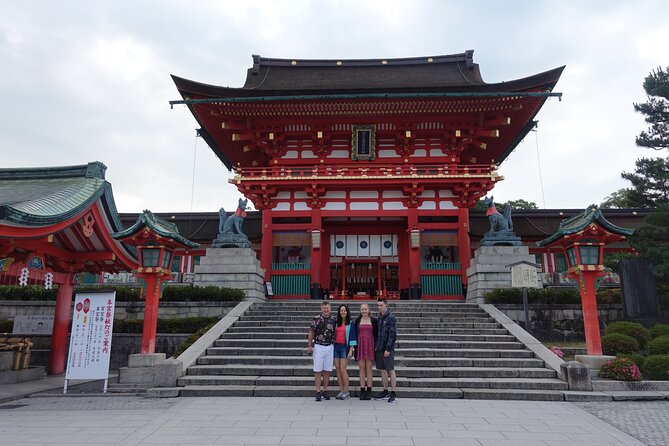
Reviewed · TEMPLE & SHRINE TOURS IN KYOTO
TREASURES of Kyoto: Fushimi Inari, Kiyomizu Temple, and more!
Kyoto gets mobbed, fast, if you arrive late. This small-group morning plan is built to get you into Fushimi Inari and Kiyomizu-dera before the biggest tour waves roll in. It also ties the stops together in a way that feels calm, not rushed, even though you pack in two major icons.
What I really like here is the mix of guided context plus practical help. You get taxi fares included between parts of the route, and that means less time wrestling with transfers and more time looking up at the sights. I also appreciate the small group size (max 12) because you can actually ask questions instead of shouting over other people’s cameras.
The only drawback to consider is value if you are the DIY type. If you are comfortable using public transit and visiting early on your own, you might feel the price is unnecessary, especially since one of the big stops (Fushimi Inari) has free admission.
Key things that make this Kyoto morning work
- Early timing for fewer crowds at Fushimi Inari and Kiyomizu-dera
- Taxi rides included, so you are not stuck spending your limited time commuting
- Small group (max 12) for real interaction with the guide
- Guided history and photo stops, not just a checklist of places
- A preserved district stroll afterward, so you get more than just temples
Early timing in Kyoto: why 7:00 am changes everything
Start time is 7:00 am, and that is not a random number. In Kyoto, mornings can feel like the city is still waking up, while afternoons turn into lines, queues, and packed sidewalks. This tour is designed around that difference, with timings planned to help you avoid the busiest bus crowd moments.
That early start also changes how the temples feel. At Kiyomizu-dera, for example, the experience is described as breathtaking in the early calm of the morning. You get a more peaceful atmosphere, plus the chance to enjoy views without people constantly shoulder-to-shoulder in front of you.
If you hate rushing, this helps. You still cover multiple highlights in about four hours, but the schedule is structured so you are not sprinting from one gate to the next.
More Temple & Shrine Tours in Kyoto
- Kyoto: Fushimi Inari, Kinkakuji, Bamboo Grove 1 Day Bus Tour
★ 4.8 · 4,316 reviews - Kyoto: Tea Ceremony Ju-An at Jotokuji Temple
★ 4.9 · 3,207 reviews - Fushimi Inari Hidden Hiking Tour (Private Option Available)
★ 5.0 · 1,750 reviews
Getting between stops: the underrated value of included taxi fares
One of the most practical parts of this tour is that taxi fares are included during the experience. Kyoto is easy to romanticize, but it can be a little annoying logistically if you are short on time or not feeling like walking uphill and around busy intersections.
With taxis built into the flow, you can keep your energy for the actual sights. It also helps if you arrive in Kyoto without perfect transit knowledge yet, or if you are traveling with luggage or want to avoid complicated transfers.
The other value is pacing. Taxi hops are quick, and they break up the day so you are not spending all four hours transferring between neighborhoods. For first-timers who want the big hits without stress, that is a strong selling point.
Stop 1: Fushimi Inari-taisha’s torii-gate maze and photo rhythm
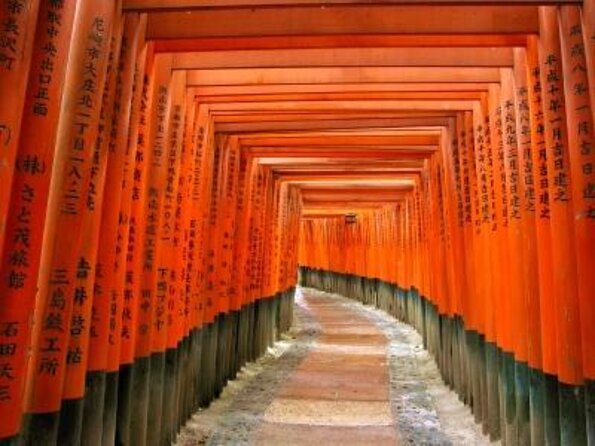
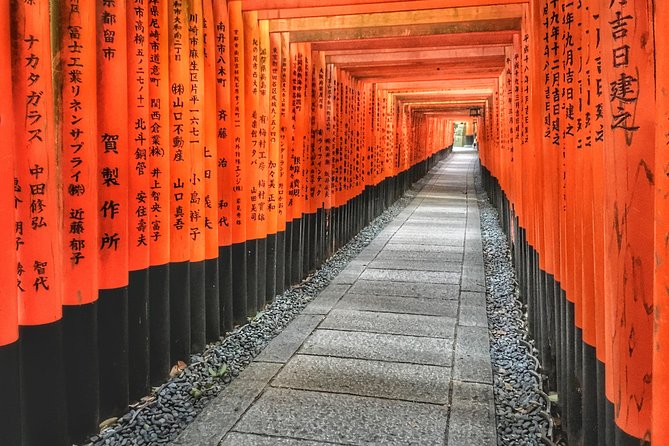
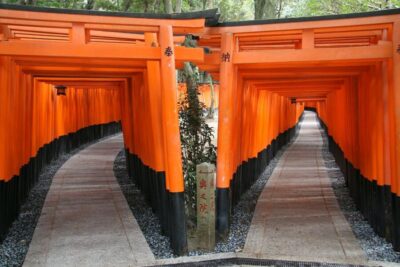
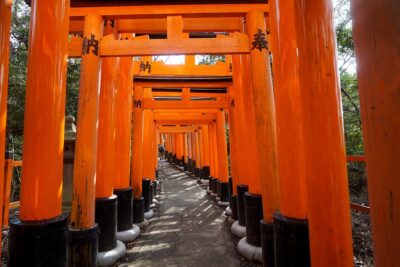
Your first stop is Fushimi Inari-taisha Shrine. This is the famous place where the hillside becomes a corridor of torii gates, lined up in rows like you are walking into a tunnel of orange.
You will spend about 45 minutes here, and the tour takes you through the maze of sacred gates. The guide also stops along the way for epic photo moments and explains the history behind why this place is so special. That matters because without a bit of context, the experience can feel like you are only doing the obvious picture.
A good tip for this stop is to treat it like a slow walk, not a sprint. If you want photos, plan to step aside, wait for a gap, and move again. The gates create instant visual repetition, which is great for photos, but it also means crowded spots can be unavoidable in peak hours. Early timing helps a lot.
Also, remember the vibe here is spiritual and sensory. You are outside in daylight, walking through lots of repeating structures, so wear shoes that are comfortable on uneven ground. If you are not into long climbs, this first segment is still a manageable length for most people.
Stop 2: Kiyomizu-dera, included admission, and morning views
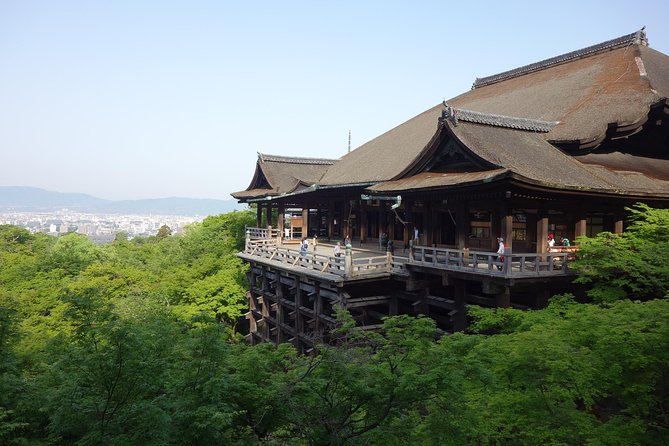
Next up is Kiyomizu-dera, the iconic temple many people associate with Kyoto. Admission is included, and you get about an hour at the site.
This is the part of Kyoto where you feel why people write entire travel essays about it. Kiyomizu-dera is described as the most famous temple in Japan, and the big payoff is the views over the city. The tour specifically calls out how stunning it can be in the early calm of the morning, which is exactly when you want to experience viewpoints before crowds thicken.
What I like about a guided stop here is that you are not just wandering. The tour approach helps you connect what you are seeing with why it matters. Even at places that are famous, a little explanation can turn random sightseeing into understanding.
Practical mindset: go for the viewpoint moments first, then enjoy the pathways and the atmosphere. If you wait too long to chase photos, you can lose time when you hit busier areas. The schedule is set up to reduce that problem, but your own energy still matters.
If you are sensitive to crowds, the morning timing is your friend. You will still see other visitors, but you are going to have a more relaxed experience than later in the day.
More temple and shrine tours in Kyoto:
- Osaka/Kyoto:Kinkakuji,Arashiyama,FushimiInariShrine,NaraPark
★ 4.1 · 1,596 reviews - Kyoto/Osaka: Nara, Fushimi Inari Taisha, Arashiyama Bus Tour
★ 4.7 · 1,275 reviews - Arashiyama Bamboo, Temple, Monkeys, or Secret Sake Brewery
★ 4.8 · 886 reviews - Kyoto: Arashiyama Bamboo Forest, Monkeys, Matcha & Temple Tour
★ 5.0 · 759 reviews
After temples: cobblestoned streets, quaint shops, and townhouses
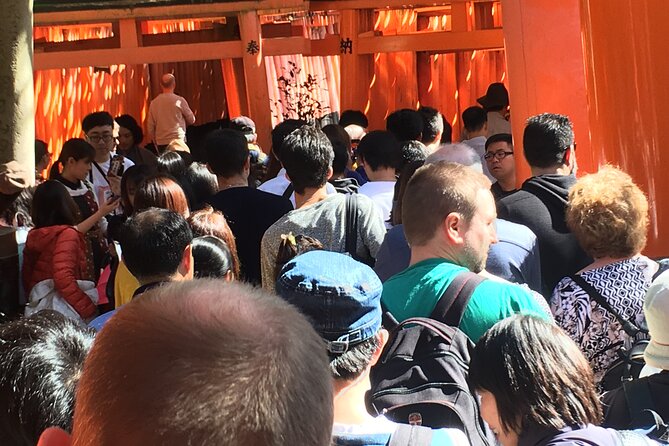
The final part of the tour is a wander through cobblestoned streets in a preserved district with quaint shops and townhouses. This is the fun, slower-moving section where Kyoto looks like the postcards, but you also get to interact with real street life.
Because the time for this segment is not specified, think of it as flexible strolling time. You can use it to shop lightly, grab a drink, and soak in the architecture without needing to rush to the next main landmark.
This portion also makes the tour feel more balanced. Without the street walk, you would get two huge stops and then be done. Here, you get to transition from temple scale and viewpoints to neighborhood scale, which is where you often remember details long after the trip.
If you like small, walkable areas with character, you will enjoy this stretch. Just keep in mind it is still part of a tight four-hour plan, so you will not have half a day to wander freely.
Small-group format: why max 12 is a big deal
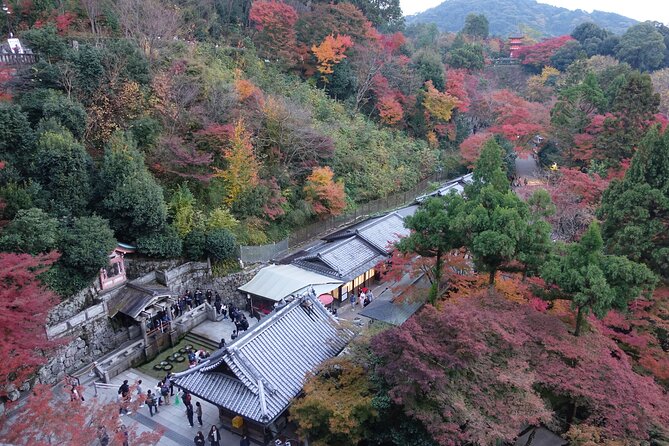
The group is capped at 12 travelers, which is a major quality factor for a tour like this. When a group is smaller, you can hear the guide, ask questions, and move more smoothly through crowded temple areas.
You also get better responsiveness. The tour format is built for questions, and in Kyoto that can matter because there are a lot of small etiquette and meaning cues at shrines and temples. If you have a question about what you are looking at, this is the moment to ask it while the guide can still point to the relevant place.
One review highlight includes the guide and owner, Niall, described as amazing and informative, with a clear love of Japanese culture. That kind of energy tends to show up in how the tour feels. If the guide is excited about what you are seeing, you end up paying more attention, even when the sights are already famous.
If you are the type who likes to understand what you are looking at, the group size makes it easier to connect.
Price and value for two icons plus taxi time
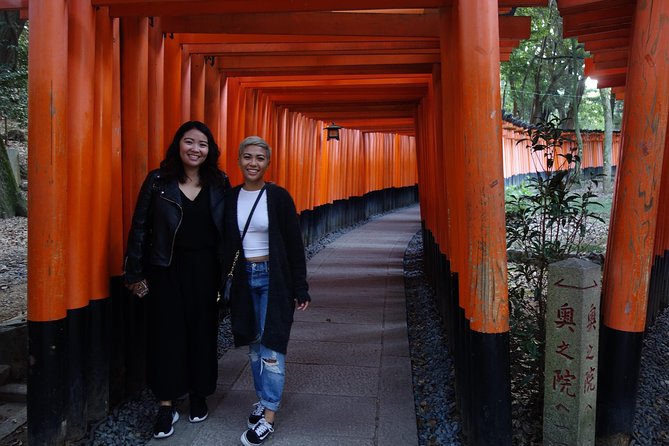
The price is $98.53 per person for about four hours, with taxi fares included and admission to Kiyomizu-dera included as well. Fushimi Inari has free admission, so the cost is mainly paying for guidance, timing, taxi transport, and simplifying logistics.
Is it expensive? It depends on your travel style.
If you are a first-time Kyoto visitor who wants the big highlights with minimal hassle, the taxi piece can be the difference between a smooth morning and a stressful day. Add in guided history so you feel you got more than just photos, and the value makes sense.
If you are comfortable navigating trains and buses, and you are willing to wake up early and do the route yourself, you can often replicate the core experience for less money. In that case, you are paying for convenience and a pre-planned schedule.
My practical advice: decide based on how much you value time and stress reduction. For a short stay, that is often worth it. For a longer trip where you can explore slowly and independently, you might not need this level of structure.
Who should book this early morning Kyoto highlights tour
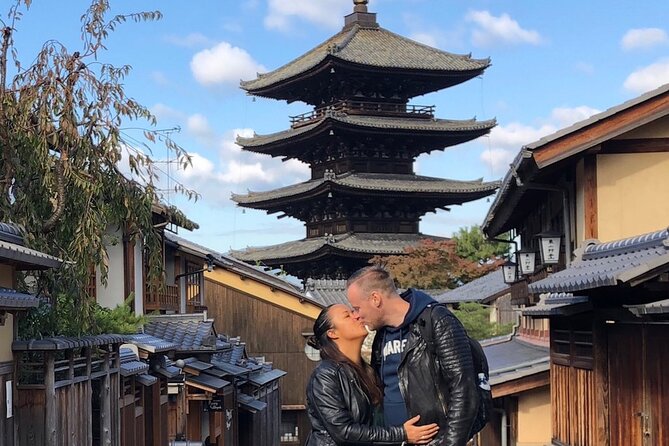
This tour fits best if you want Kyoto highlights without turning your day into a logistics project. It is ideal for time-tight travelers who want to tick off Fushimi Inari and Kiyomizu-dera with help getting between them.
It is also a good choice if you prefer a guided morning. You get history explanations, photo stops, and a small-group setting where questions are easy.
If you dislike paying for guided time and you are happy DIY-ing temples on your own, you might feel the price is not worth it. That is the one scenario where this kind of tour often disappoints people.
Weather matters too. The experience requires good weather, and if it gets canceled for poor conditions, you are offered a different date or a full refund.
A balanced reality check: what to watch for
Even with early timing, these are famous stops in a popular city. You should still expect some visitors, especially at viewpoints and the most photogenic sections.
Also, you are combining two major destinations plus a street stroll in only about four hours. That works when you want focus, not when you want deep, slow exploration. If you get tired easily or want long unstructured time inside temples, you might feel slightly compressed.
Finally, guides can make or break a tour. The overall tone in feedback is very positive, but there has been at least one negative comment about guide helpfulness and value. That is a reminder that while the structure is set, your experience can still depend on the guide and day-of logistics.
Should you book this Kyoto highlights tour?
Book it if you want a smooth, early-morning path through Kyoto’s biggest sights, with taxi help and a small-group guide. The included taxi fares and Kiyomizu-dera admission do real work for the value, and the timing is built to keep you out of the worst crowd peaks.
Skip it or consider DIY if you are price-sensitive and you are happy planning your own route early, using public transit. You could still enjoy these temples with enough time and comfort.
If you are the kind of traveler who wants your morning to feel organized, focused, and efficient, this is a strong fit. You will spend your limited time where Kyoto matters most, and you will walk away with both photo moments and context, not just locations.
FAQ
What time does the tour start?
The tour starts at 7:00 am.
How long is the Kyoto highlights tour?
It runs for about 4 hours.
Where do I meet the guide, and where does the tour end?
You meet at Inari Station (Fukakusa Inarionmaecho, Fushimi Ward, Kyoto). The tour ends at Sanjūsangendō Temple (657 Sanjūsangendōmawari, Higashiyama Ward, Kyoto).
Which major stops are included?
The tour includes Fushimi Inari-taisha Shrine and Kiyomizu-dera Temple, plus a wander through cobblestoned streets in a preserved district.
Is admission included?
Fushimi Inari-taisha Shrine is free. Kiyomizu-dera Temple admission is included.
How big is the group?
The tour is limited to a maximum of 12 travelers.
Is there a mobile ticket?
Yes, this experience uses a mobile ticket.
What if the weather is bad?
The tour requires good weather. If it is canceled due to poor weather, you will be offered a different date or a full refund.
Fresh options around Kyoto
- Sushi or Traditional Japanese Cuisine in a Kyoto Home with Emika★ 5.0 · 20 reviews
- Hammer Pattering Experience of Ring★ 5.0 · 20 reviews
- Kyoto Customized Private Tour: See Top Attractions in 1 Day★ 4.7 · 20 reviews
- Kyoto UNESCO World Heritage Site Private Tour with a Premium Van★ 5.0 · 20 reviews
- Private photo shoot & walk in Kyoto – Professional photo shoot★ 5.0 · 20 reviews
- Kyoto Private Tour Full Day with Local Guide&Nara Option(PerGroup★ 5.0 · 20 reviews
- Let’s make only one original onigawara in the world!!★ 4.9 · 21 reviews
- Uji and Wazuka Matcha Farm Half Day Private Guided Tour★ 5.0 · 21 reviews
Temple & Shrine Tours in Kyoto, compared.
Fushimi Inari, Kinkakuji, Bamboo Grove 1 Day Bus Tour
Read our review →
Fushimi Inari Hidden Hiking Tour (Private Option Available)
Read our review →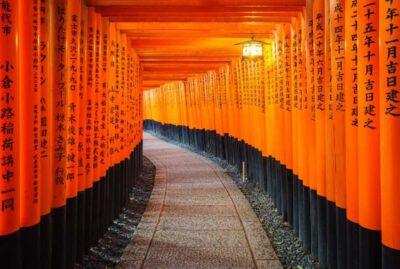
Osaka/Kyoto:Kinkakuji,Arashiyama,FushimiInariShrine,NaraPark
Read our review →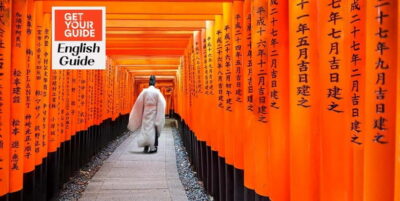
Kyoto/Osaka: Nara, Fushimi Inari Taisha, Arashiyama Bus Tour
Read our review →
Arashiyama Bamboo, Temple, Monkeys, or Secret Sake Brewery
Read our review →
Arashiyama Bamboo Forest, Monkeys, Matcha & Temple Tour
Read our review →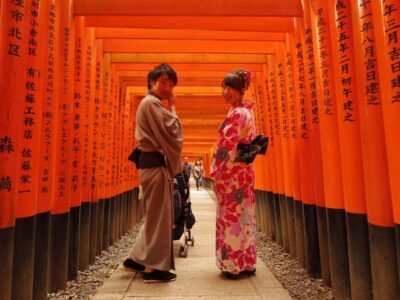
Osaka/Kyoto: Arashiyama, Nara & Fushimi Inari Shrine w/Lunch
Read our review →Browse the lists this tour appears in