
Reviewed · KOBE TOURS
Kobe 4hr Private Tour with Government-Licensed Guide
Kobe is best seen at your own tempo. This private tour gives you private pacing with a government-licensed guide who can explain Kobe in context, not in bullet points, and I like that you can shape the day around your interests. One thing to plan for, it’s a walking tour with pickup on foot and transportation between spots is not included.
You’ll have a few big choices on where to spend your time, from Mt Rokko views and the Shin-Kobe ropeway area to the Port of Kobe Earthquake Memorial Park, Kitano Ijinkan-gai, Harborland, and several sake museum stops in Nada. Many of the listed sights show free admission, so your main costs tend to be getting around and any meals. If you’re the type who hates standing around waiting for a group, this structure is a better fit.
Key Points You’ll Care About
- Government-licensed guidance for clear cultural and historical context
- Choose 2-3 sites from a practical Kobe highlights list
- Walking-first format, with pickup on foot in a designated area
- Lots of free-admission options among the suggested stops
- Strong guide track record, with specific praise for planning and follow-through
Why Kobe Works Best on Foot (And This Tour Makes It Feel Easy)
Kobe is the kind of city where you get more out of slow, on-foot exploring. Neighborhoods like Kitano and the harbor area reward walking because the story changes block by block, and the views are rarely worth rushing. That’s exactly why this works, you’re not stuck in a rigid march.
The private guide part matters too. In reviews, guides like Harumi, Norio, and Yama were praised for turning a short window into a meaningful day, not just a checklist. With a private format, you can ask questions when they come up, take a breather without negotiating with strangers, and generally move at a pace that matches your energy.
The other practical win is that you get local recommendations and tips during the tour. That helps in Kobe, where the easiest-looking plan on paper may not match what you want to photograph, taste, or revisit. Even small choices, like which side of an area to start from, can make the time feel less crowded and more satisfying.
A few more Kobe days worth comparing
- KOBE Sake Tasting Tour at Breweries (tasting fee included)
★ 5.0 · 154 reviews - Kobe Highlights & Hidden Gems: Private & Custom Tour with a Guide
★ 4.5 · 70 reviews - Kobe: Guided Sake Breweries Tour with Tastings
★ 5.0 · 55 reviews
Price and Value: What $108.99 Buys in Real Terms
At $108.99 per person for about 4 hours, the price is easiest to judge by what gets included. You are paying for a licensed local English-speaking guide, plus help building your custom plan of 2-3 sites. You’re also paying for the time cost, since the guide does the routing and pacing decisions for you.
What’s not included is just as important. Transportation fees are not included, and there’s no private vehicle. Entrance fees and lunch also aren’t included. Now, here’s the catch that can make this good value anyway: the specific sights listed in the tour outline show free admission for each stop. So you often avoid major entry fees, leaving your budget mainly for train, taxi, and food.
One more value factor, several reviews mention guides going beyond basic guiding, like helping with transit back, or helping with a reservation. For example, Norio was specifically praised for making sure the group found the correct train back to Osaka. Mizuho helped with a Kobe beef plan after the tour. That kind of real-world help can be worth a lot when you’re short on time.
Building Your 2-3 Stop Day: How the Custom Plan Really Plays Out
This is a private, customizable tour where you pick 2-3 sites from the available list. That choice is the secret sauce. Instead of trying to fit Kobe into one exhausting sweep, you can select a theme.
Here are three practical ways people tend to choose:
- Views and nature first (Mt Rokko and the Shin-Kobe ropeway area)
- Culture and neighborhoods (Port of Kobe Earthquake Memorial Park, Kitano Ijinkan-gai, Chinatown)
- Sake and food culture (one or more Nada sake museums and breweries)
The stop count matters because you get time to actually enjoy places. Mt Rokko and the Rokko mountain cable-ride area can eat up time quickly if you want photos and scenery. Sake museums can also take longer than you expect if you’re interested in production methods, tastings, or guided explanations.
Also, the tour offers morning or afternoon start times. That gives you a chance to align the day with lighting and weather. If you’re planning other activities in Kobe, morning can be good for viewpoints, while afternoon can work better for neighborhoods and museum pacing.
Mt Rokko and the Shin-Kobe Ropeway Area: The Best Choice for Scenery

If your goal is a fast hit of Kobe’s views, Mt Rokko is the anchor. The tour lists Mt Rokko as the highest peak in the Rokko mountain range, with panoramic views over the heavily urbanized Hanshin area. It’s the kind of stop that instantly makes you understand why Kobe gets its postcard reputation.
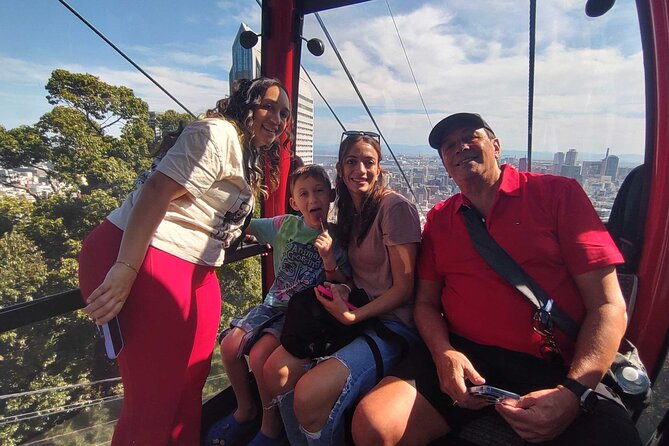
You’ll also see the Shin-Kobe ropeway option in the plan. One review notes a small correction, saying the ride is a cable car style lift rather than what some call a ropeway. Either way, the practical point stays the same: you’re getting a quick vertical jump with big city views below.
Where this works best:
- If you like scenic viewpoints and photo time
- If you want a break from train stations and street navigation
- If you want to mix nature and city in the same half-day
A drawback to keep in mind is energy level. Reviews mention guides walking efficiently, and one guide was described as very spry for older visitors, which can be great, but it also means you should wear comfortable shoes and expect some uphill or stair climbing. If your group has mobility concerns, build your plan around what you can realistically enjoy in 4 hours.
Same corner of Japan, a different kind of day:
- Nijigen No Mori:Naruto & Boruto Theme Park Entry Ticket
★ 4.5 · 53 reviews - Kobe: Port Tower Admission Ticket
★ 4.4 · 52 reviews - Private Home-Style Cooking Class in Osaka with Local Mom Yoshiko
★ 5.0 · 46 reviews - Sake Brewery and Japanese Life Experience Tour in Kobe
★ 5.0 · 39 reviews
Port of Kobe Earthquake Memorial Park: A Stop That Adds Weight to the Trip
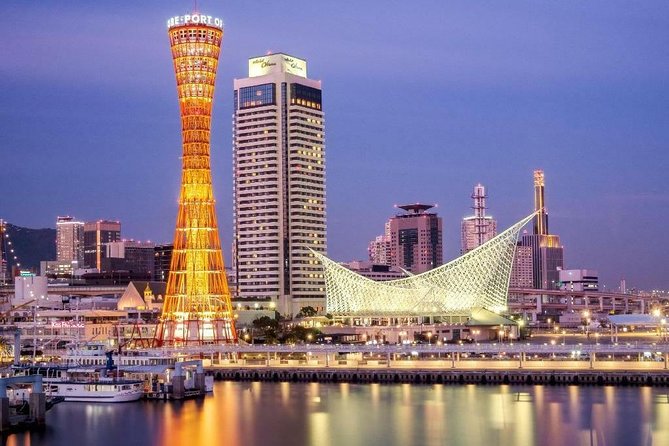
Kobe has a place you should not skip lightly. The tour includes the Port of Kobe Earthquake Memorial Park, tied to the Great Hanshin Awaji Earthquake of January 17, 1995, when the city suffered massive loss of life and destruction.
This stop is valuable because it puts Kobe’s identity into focus. You’re not just touring pretty neighborhoods, you’re understanding why the city remembers and rebuilds with intention. A government-licensed guide can help connect the memorial to broader Japanese historical and cultural context, so the visit feels more grounded.
Practical tip: If your group likes to keep moving, plan enough time here for quiet viewing. This is not a checkbox. Even with a tight schedule, you’ll get more if you pause and let the information land.
Kitano Ijinkan-gai and the Foreign-Trade Side of Kobe
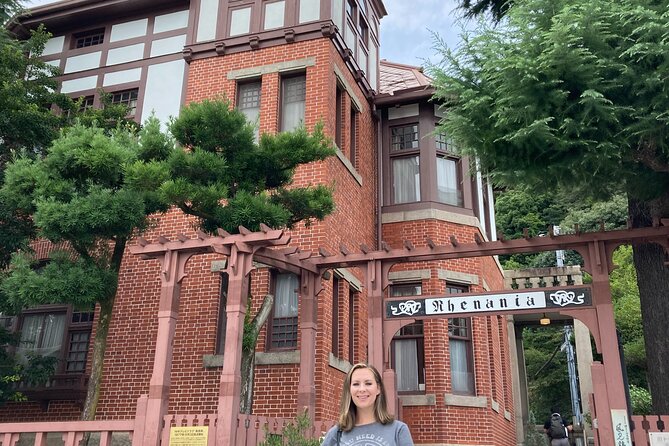
Kitano Ijinkan-gai is the neighborhood stop that usually charms people fast. The tour lists it as an area at the foot of the Rokko mountain range where many foreign merchants and diplomats settled after the Port of Kobe opened to foreign trade.
What you’ll like here is how Kobe shows two faces in one city. Kitano gives you the older international era feel, while nearby areas lean modern and port-driven. A private guide can point out details you might miss on your own, like why certain homes or streets have the character they do and how the neighborhood fits the broader Kobe story.
What to watch out for is the time trade-off. Kitano can be perfect for a short walking loop, but if you add too much else, you might feel rushed. That’s why choosing just 2-3 sites is a big advantage, it keeps your day from turning into a sprint through multiple atmospheres.
Kobe Harborland: Easy Stroll, Good Break Point
Kobe Harborland is the shopping and entertainment district between JR Kobe Station and the waterfront. In a private walking-format tour, this makes sense as a flexible stop, because it’s a natural area to regroup, grab a drink, and browse without needing deep museum time.
If you’re planning a 4-hour day, Harborland can serve as:
- A buffer between viewpoints and museums
- A spot to shop for small souvenirs without leaving the route
- A calm finish near the port vibe
The only caution is that Harborland can also be a place where you end up spending time without realizing it. If your group is appointment-driven, decide in advance whether you want quick browsing or a slower wander.
Nada Sake Museums and Breweries: Picking Your Favorite Flavor of History
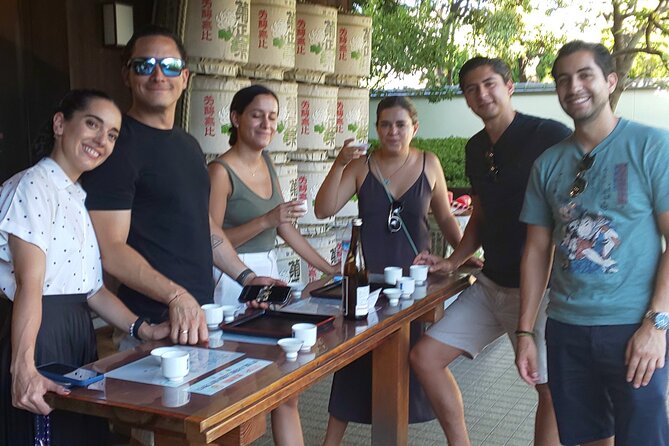
Kobe’s sake world is centered in the Nada district, and this tour gives you multiple stops you can mix and match.
Here’s what the list includes, plus how to think about choosing:
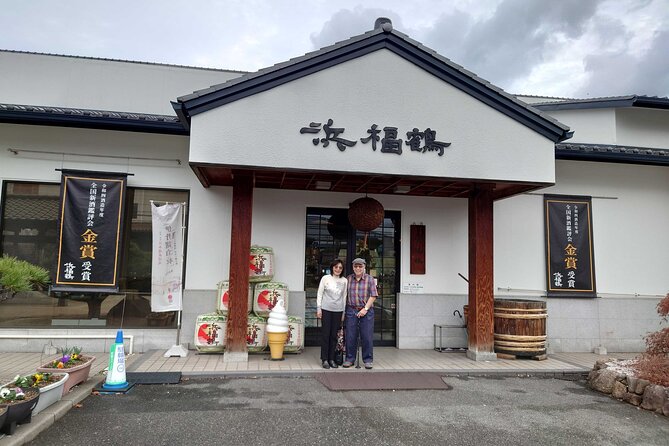
- Hakutsuru Sake Brewery Museum: A museum option tied to Nada’s reputation, with educational displays about sake production.
- Sawanotsuru Museum: Focused on commemorating sake-brewing heritage in Nada and includes the fact it was destroyed in the 1995 earthquake and later restored.
- Sakuramasamune Kinenkan Sakuraen: A smaller exhibition space with tools and simple machines used in the past, plus a video presentation.
- Hamafukutsuru Ginjo Brewery: A stop that explains the process and is tied to ginjo sake, with diagram and written info.
- Kiku-Masamune Shuzo Kinenkan: Presented in a wooden-plaster building, with exhibitions and lighting plus traditional music in the room described.
- Kobe Shushinkan Brewery: Combines a shop with sake-related products and a restaurant, and it mentions free guided tours of the warehouse held once per day.
You might notice a theme, the tour gives you different sizes and styles of “how sake is made.” If you love history, go for the museums with more storytelling and older equipment. If you care about modern brewing techniques, choose the ginjo-focused brewery style stop.
In reviews, guides like Norio and Hiro were praised for packing in thoughtful sake-and-history pacing, with one guide also adding Kobe Nunobiki Herb Garden and a Kobe beef meal plan. That kind of pairing makes sense because sake museums give you background, then you can enjoy food afterward with better context.
One consideration: tasting and shop time can expand quickly. If your goal is to get through two museums without fatigue, tell your guide up front. With private pacing, you can keep it under control.
Chinatown Nankinmachi: A Flavor Detour That Still Fits the Theme
Chinatown (Nankinmachi) is included as a compact Chinese community in central Kobe, tied to Chinese merchants who settled near Kobe Port. In a 4-hour private plan, this works well when you want something lively and easy to walk.
Why it’s a smart add-on:
- It breaks up the museum rhythm with street atmosphere
- It gives you a quick food culture moment that still fits a cultural theme
- It’s flexible for short browsing and snack stops
If you’re sensitive to walking time, treat it as a “short loop” stop. Even with private guidance, you only have 4 hours, and museum stops can take their own time.
Akashi Kaikyo Bridge: When You Want One Big Wow
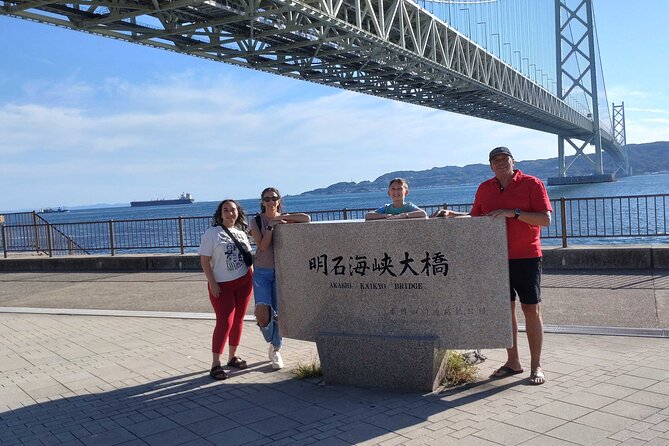
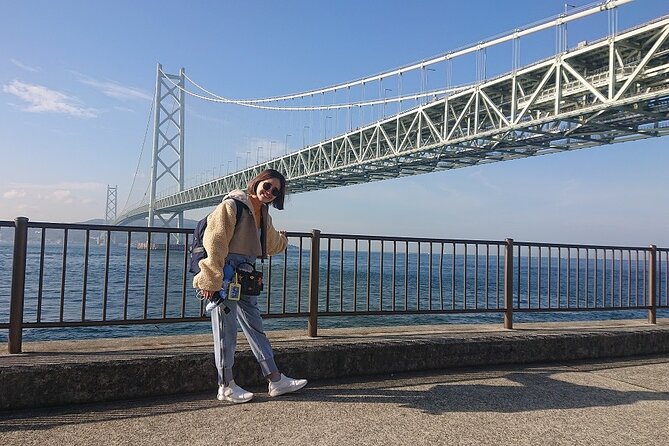
If your list includes Akashi Kaikyo Bridge, you’re adding a major viewpoint and a strong sense of scale. The tour describes it as almost four kilometers long and the world’s longest suspension bridge, spanning the Akashi Strait between Kobe and Awaji Island.
This is a great choice when:
- You want one memorable outside-urban highlight
- You prefer a big-picture experience rather than multiple smaller stops
- Your group can handle the time needed to reach and enjoy the bridge area
The drawback is that it can consume your time budget fast. One review praised a guide who included Akashi Kaikyo Bridge along with sake stops, but the reviewer noted it took longer because the places are spread out. That’s your cue to think carefully about which 2-3 stops you choose.
Communication With Your Guide: What the Reviews Suggest About English Levels
The tour includes a licensed local English-speaking guide, and many reviews praise communication and professionalism. Yama was praised for being very knowledgeable and funny, and Hiro was praised for helping families navigate buses and trains effectively.
Still, one review rated the experience 4 out of 5 because the guide spoke less English than expected, and the group found it harder to understand at times. That’s not unusual in any private-guided setting, so here’s what you can do: send a short message before the tour with your interests, and ask whether you can expect a guide who can handle detail-heavy explanations in English.
If you want more interaction, guides like Harumi, Norio, and Yoshii were specifically noted for explaining history and procedures, which is exactly what makes the time feel worth it.
Also, guides in reviews were described as punctual and proactive. One review credited Yama for pacing and waiting at stairs. Another credited Norio for planning and making sure the route back to Osaka worked.
Walking Logistics: How to Stay Comfortable in 4 Hours
Because this is a walking tour with pickup on foot within a designated area, comfort is your best friend.
Plan for:
- Comfortable shoes for uneven outdoor paths and stair moments
- Layering if you’re doing Rokko mountain area viewpoints, where weather can feel different from the city
- Energy pacing, since some guides are efficient and move quickly
Transportation is not included, but guides may use public transport or taxis depending on your route. That happened in reviews, so don’t assume the tour is fully walk-only end to end. The right move is simple: decide what you prefer, more walking or more transit, and tell your guide during itinerary planning.
If you’re hungry, budget for lunch. Lunch is not included, and you’ll want to choose it based on where you end up near the harbor, Chinatown, or after your sake stop route. In reviews, guides recommended restaurants and even made reservations for Kobe beef when possible.
Should You Book This Kobe 4-Hour Private Tour?
Book it if you want a day that feels flexible and personal. The biggest reason is the structure: choose 2-3 sites, move at your own pace, and get context from a licensed guide. If your top interests are Mt Rokko viewpoints, memorial history, Kitano’s international past, and Kobe’s sake culture in Nada, this is a strong match.
Skip it or rethink your expectations if you hate walking and you expect everything to be included, especially transportation. Also consider the English factor. Most guides are praised for communication, but one review highlighted difficulty when English was limited. If language depth is a priority, message ahead and confirm your guide’s style.
If you like your travel to feel like it was designed for your interests, not for a group, this is the kind of Kobe half-day that can land really well.
FAQ
How long is the Kobe private tour?
It runs for about 4 hours.
What does the tour price include?
It includes a licensed local English-speaking guide, a customizable plan for 2-3 sites from the listed options, and meeting the guide on foot within a designated area.
What is not included in the tour price?
Transportation fees, entrance fees, lunch, and other personal expenses are not included. A private vehicle is also not included.
Can I choose the stops on the tour?
Yes. You can customize your itinerary by selecting 2-3 sites from the list of available highlights.
Is pickup available?
Pickup is offered, but it is on foot, with you meeting the guide within a designated area in Kobe.
Is this a walking tour?
Yes. It is described as a walking tour.
Are there different start times?
Yes. You can choose between morning and afternoon start times.
Is the tour location easy to reach with public transportation?
Yes. It is near public transportation.
What is the cancellation policy?
You can cancel for a full refund if you cancel up to 24 hours in advance of the experience start time. If you cancel less than 24 hours before, the amount paid will not be refunded.
Fresh options around Kobe
- Private Shore Excursion Kobe Port – Best of Kobe with a local★ 5.0 · 19 reviews
- KOBE, SHIOYA, a quaint fishing town walking tour★ 5.0 · 19 reviews
- Kyoto Full Day Tour from Kobe with Licensed Guide and Vehicle★ 4.5 · 19 reviews
- Kobe: Private Walking Shore Excursion- Kyoto/Osaka/Nara/Kobe★ 4.8 · 23 reviews
- Exclusive Sushi Making Experience with a Master Chef – Osaka Area★ 5.0 · 25 reviews
- Kobe: 3-Hour Sake Breweries Tour with Special Tasting★ 4.4 · 25 reviews
- Kobe: Private Tour – Excursion to Osaka / Kyoto possible★ 4.7 · 27 reviews
- Kobe: Kobe City Highlights Guided Tour – Shrine, Port, Tower★ 5.0 · 28 reviews
Kobe Tours, compared.
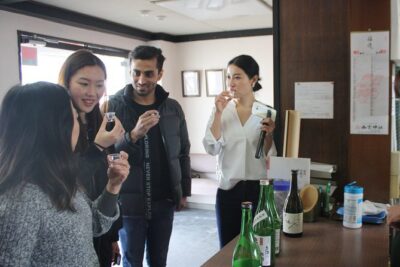
KOBE Sake Tasting Tour at Breweries (tasting fee included)
Read our review →
Kobe Highlights & Hidden Gems: Private & Custom Tour with a Guide
Read our review →
Nijigen No Mori:Naruto & Boruto Theme Park Entry Ticket
Read our review →
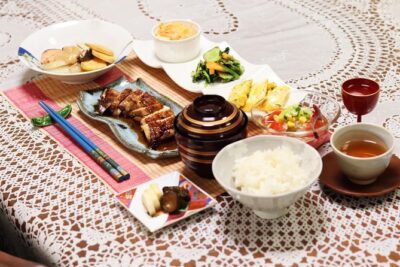
Private Home-Style Cooking Class in Osaka with Local Mom Yoshiko
Read our review →
Sake Brewery and Japanese Life Experience Tour in Kobe
Read our review →
Browse the lists this tour appears in