
Reviewed · SAKE TASTING
KOBE Sake Tasting Tour at Breweries (tasting fee included)
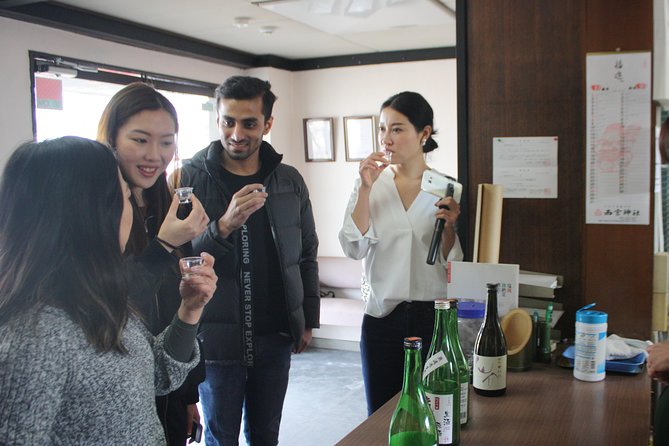
Sake on foot through Kobe’s brewery lanes. This Kobe Nada Gogo walking tasting tour takes you through historic brewery neighborhoods, with guide-led sampling from unfiltered to seasonal styles, plus short breaks so you do not feel like you are stuck in a booze marathon. It runs about 3 hours 30 minutes with an English-speaking guide and a relaxed pace.
I especially like the mix of major breweries and museum-style history, starting with Kobe Shushinkan and ending at Kiku-Masamune. I also love how the tastings come with context, so you learn what to notice, not just what to drink, and the guides are often praised by name, like Hiro, Romi, Aki, and Aya, for clear explanations and friendly hosting.
One thing to consider: you are walking between stops, so wear good shoes and plan for some street time. Also, this tour is not recommended for children aged 19 and under, and it can be hot, so bring water and be ready to cool down during breaks.
Key highlights to expect on this Kobe sake tasting tour
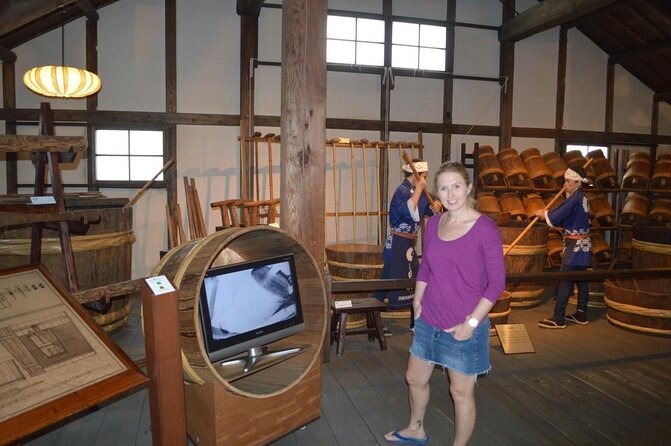
- 4 tasting stops plus a tofu stop, with admission included at each listed stop
- Small group size (max 10), which makes it easier to ask questions and get personal guidance
- Nada Gogo focus, Kobe’s top sake district, so the whole route feels coherent
- Tasting variety, from unfiltered to seasonal specialties, not just one style
- Cooling breaks and street strolls, built into the rhythm of the day
- Guide-led explanations with strong hospitality, often credited to guides like Hiro and Romi
Kobe’s Nada Gogo: Where the water and tradition do the talking
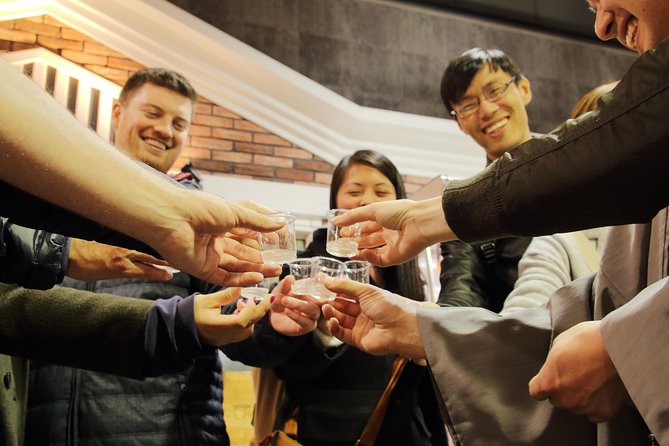
Kobe is not only a port city with good trains. In the Nada area, sake culture is the main event. Nada Gogo is known for its sake brewing heritage, and the region’s water (including Rokko Mountain water, mentioned in guide explanations) is part of why the flavors have a distinct personality. On this tour, you do not just sample sake in a room, you walk through the neighborhood where the craft lives.
That matters because sake tastes like place. Fermentation and ingredients still do the work, but local methods and traditions shape what you end up in your glass. When your guide connects the tasting to what you are seeing at each brewery, the whole experience becomes easier to remember later, even after you go back to sipping your normal supermarket options.
I also like that you get more than one kind of brewery experience. You see historic brewing legacies, you visit a museum space, and you learn how a traditional yeast-making method is applied. It turns into a mini course in real-world sake production, without feeling like school.
More sake tastings in Kobe:
- Kobe: Guided Sake Breweries Tour with Tastings
★ 5.0 · 55 reviews - Sake Brewery and Japanese Life Experience Tour in Kobe
★ 5.0 · 39 reviews - 1-Day Kobe Highlights Tour including Sake Tasting
★ 4.5 · 28 reviews
Price and value: Why $109.01 can make sense for this route
At about $109.01 per person, the price is not low. But this tour includes several things that typically cost extra when you do them solo: tastings (listed as ¥2,000 worth), taxes, fees, a professional guide, and admission tickets for each stop.
For me, the key value is that you are buying convenience and structure. Nada has multiple brewery sites, and a self-guided walk can turn into a scattered experience. Here, the route is planned so you hit the major tasting experiences within a half-day timeframe, and the guide keeps the pacing from dragging.
Small group size also helps justify the price. With a maximum of 10 travelers, you are less likely to get herded and more likely to ask, taste, compare, and understand. Many reviews highlight that guides keep it relaxed, explain patiently, and bring energy that does not feel scripted.
Tour rhythm: How the 3 hours 30 minutes actually feels
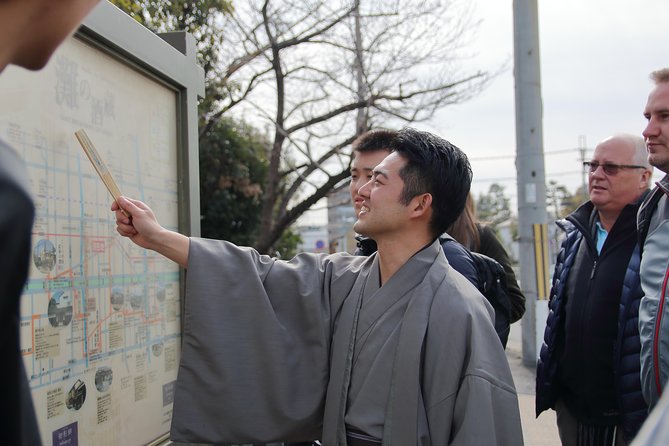
This is built as a walking tour with short stops, not a bus tour. You start at Ishiyagawa Station area (Higashinada Ward) and finish near Hanshin Uozaki Station on the Hanshin line. That end point shift is normal for walking routes in brewery districts, but it also means you should plan your day so you are not rushing to catch something right after.
The total duration is about 3 hours 30 minutes, which is the sweet spot for a first-time sake day in Kobe. You get enough time to do multiple tastings without feeling like the last stop is a blur. You also get cooling breaks between tastings, which matters in summer or any warm weather.
A practical tip from how guides handle hot days: bring a bottle of water and be ready to take advantage of cooling moments. Some reviews mention guides arriving prepared with water, umbrellas, or fans. You should not rely on perfect weather, but it is good to know the hosting is often proactive.
Stop 1: Kobe Shushinkan Brewery and the Fukuju legacy
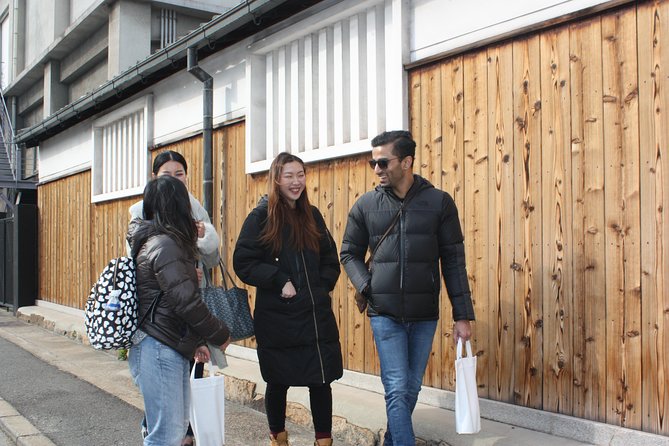
Your first major brewery stop is Kobe Shushinkan Brewery, with history reaching back to 1751. The important detail is that the brewery has maintained the name Fukuju, and it is framed around handcrafted production. That is not just trivia. When you see a long-running brewery approach, it helps you understand why so many sake fans treat Kobe as a serious stop, not a casual tourist detour.
You typically spend around 50 minutes at this stop, and admission is included. That time window is useful. You are not expected to rush through tasting and explanation. You can listen, sample, and still have time to look around without feeling like you missed the best part.
What to watch for in your tasting here: compare what you like first, then pay attention to how your guide labels the differences. On this kind of tour, the goal is for you to start building your own sense of preference: lighter and cleaner, deeper and more structured, or something that changes as it warms slightly in the glass.
One more thing I appreciate about starting at a historic place: it sets the tone. By the time you move to other museums and method-focused sites later, you already understand what you are trying to learn.
More food tours in Kobe:
- Kobe: 3-Hour Sake Breweries Tour with Special Tasting
★ 4.4 · 25 reviews - Exploring Nada Sake Breweries Kobe Private Tour with Government-Licensed Guide
★ 5.0 · 17 reviews - Tokyo: Shinjuku Food Tour (13 Dishes at 4 Local Eateries)
★ 5.0 · 6,603 reviews - Tokyo Tsukiji Fish Market Food and Culture Walking Tour
★ 5.0 · 3,184 reviews
Stop 2: Okage Tofuan, a tofu reset inside the sake district
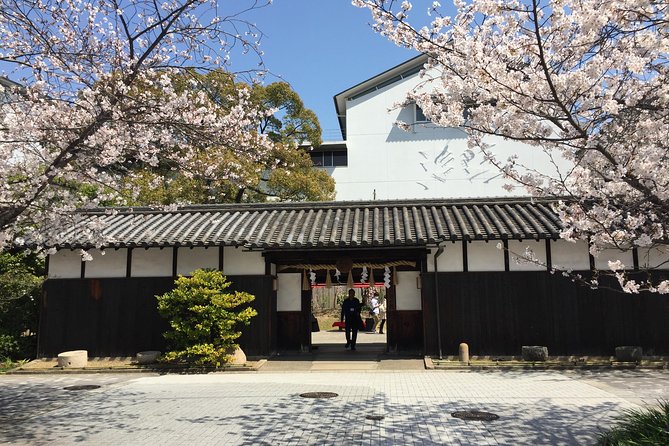
Right after the first brewery, you hit Okage Tofuan, a stop that is short on paper but often memorable in practice. It is positioned as a tofu shop with fresh tofu made every morning, plus it is framed around the idea that sake and tofu both start with pure water.
This is not a random detour. A short tofu break helps reset your palate between tastings. If you are sensitive to alcohol flavors, the food pause can keep everything from blending into one long taste.
This stop is also about local context. The shop sits surrounded by historic sake breweries. That makes the neighborhood feel real, not like a set of isolated buildings for tourists to visit. It is the kind of moment where you realize you are walking inside a living craft zone.
It is only around 10 minutes, and it is admission included in the sense that it is part of the organized schedule. In that time, focus on the pairing feel: how the tofu flavor clears your palate so you can notice differences at the next tasting.
Stop 3: Hakutsuru Sake Brewery Museum and seeing the brewing machine
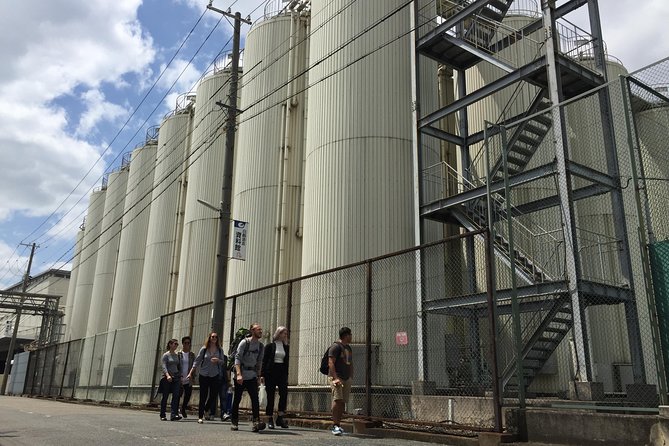
Next up is Hakutsuru Sake Brewery Museum. The tour frames Hakutsuru as Japan’s largest brewery, and the experience includes access to an old sake brewhouse in its original form, now open to the public.
You spend about 50 minutes here. That is important because museum-style stops are different from pure tasting stops. You get a chance to understand the physical reality of brewing, not just the final product. Even if you are not a brewing nerd, the tools and spaces can make the explanations click.
What I like most about a museum stop is how it slows you down. At this point in the tour, your head is full of flavors. The museum brings you back to technique and process, so you understand why the taste you like exists.
If you want one way to get the most out of this stop, it is simple: take one or two notes in your phone about terms your guide uses. Later, when you see the final method-focused brewery stop, you will be able to connect the dots much faster.
Stop 4: Kiku-Masamune and the Kimoto-method tools you can see
The final brewery stop is Kiku-Masamune Shuzo Kinenkan, and it is specifically presented as a place where you can learn about the traditional Kimoto-method yeast style. The itinerary notes that you can see many wooden sake-making tools in the museum and learn about the process.
This stop takes about 30 minutes, which is long enough to focus but short enough to keep the tour from dragging. It is a good closer because it gives you something memorable and specific: kimoto-method and the physical tools tied to that approach.
Here is how to make this stop work for you: when your guide explains the method, try to connect the method to what you think you tasted earlier. Even if you do not become an expert, you can still recognize that certain methods often lead to certain flavor impressions. The point is not perfection. The point is to leave with a framework.
This is also a nice end to the tour because you finish with a sense of ownership over what you learned. Many first-time visitors leave wanting to buy a bottle, then later realize they cannot explain why they bought it. A method-focused ending helps you remember your own reasons.
Tastings you can use at home: from unfiltered to seasonal
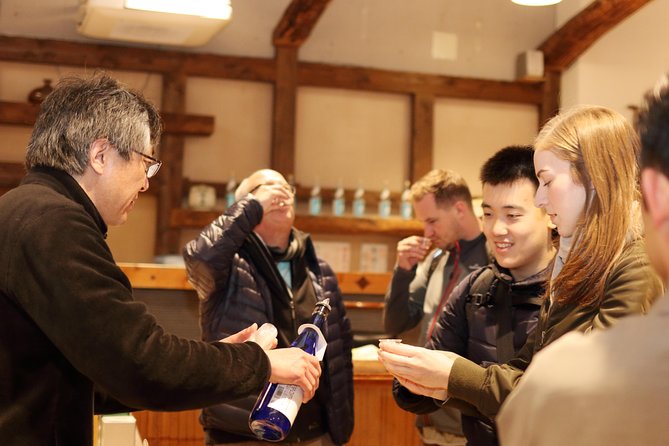
The tour’s tasting promise is not vague. It is aimed at giving you a spread of premium types, including unfiltered and seasonal specialties. That variety is useful because unfiltered sake often feels different in texture and aroma compared to filtered styles. Seasonal offerings can show you how breweries respond to timing and ingredient cycles.
The best learning happens when you compare, then re-compare. On this tour, the structure encourages you to do that: tasting, short walk, new stop, new style, and a new explanation. By the end, you are not just saying, that was good. You are more likely to say, I prefer this style for its dryness, aroma, or how it lingers.
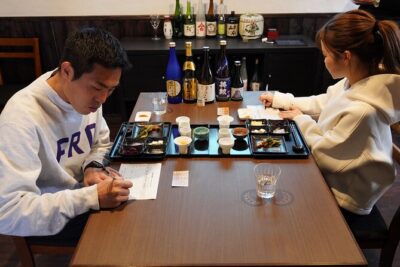
Food matters too. The tofu stop is there for palate reset, and in some parts of Kobe, guides also pair sake with local snacks. One review mentions snack pairings like dried little fish and nuts with warm sake. Even if the exact snack pairing changes, the idea stays: you learn how sake and food can work together, not just how to drink.
If you want to get more out of your tastings, do this: before each sip, ask yourself what you are expecting. Then let the tasting challenge that expectation. That is how flavor learning sticks.
Guides make the difference: why Hiro, Romi, Aki, and Aya get praised
Many tours list English-speaking guides. This one gets credited for guide impact. Names like Hiro and Romi show up in reviews as warm, professional hosts who explain the why behind the process. Other guides like Aki and Aya also get praised for clear sake education and for keeping the day fun, not stiff.
You can feel that difference in the pacing and in how questions get handled. When you visit four brewery-related stops in one afternoon, there will be questions: Why is this style different? What does unfiltered mean in taste? How does kimoto yeast translate into what I taste?
A good guide turns those questions into part of the tour, not a pause that disrupts it. And because this is a small group, you are more likely to get your questions answered directly.
A few reviews also mention guides bringing practical extras on hot days, like water and umbrellas. That does not make the sake taste better, but it keeps you in the right mood to pay attention.
Walking route tips: what to bring so the day feels easy
This tour is not physically extreme, but it does require a walking mindset. My advice is straightforward:
- Wear comfortable walking shoes you trust for street surfaces. Reviews strongly recommend this.
- Bring water, especially in hot weather.
- Plan your afternoon around the walking end point, since the tour ends near Uozaki Station.
Also consider what you like to do while sightseeing. This is a stroll between meaningful stops, not a fast photo sprint. If you prefer slow street time and conversations, you will likely enjoy it more. If you want lots of large landmark time, you might find it more focused than broad-city sightseeing.
One more practical note: if you want to spit during tastings for professional evaluation practices, the tour data says you should contact in advance. It is not a typical tourist behavior, so do not assume it will be handled on the fly.
Souvenirs and shopping time: plan for an extra bag
This tour is not just tasting, it often includes opportunities to buy small brewery items. Some reviews mention takeaway sake cups from the early part of the route. Others mention the fun of wanting to take more home and, in one case, not having suitcase space.
Because bottle shopping can add weight quickly, bring a day bag that can handle purchases. If you are flying, think about what you can pack safely and how you will cushion it.
A useful mindset: treat shopping as part of the learning. If you buy a bottle, try to buy one that matches what you learned to prefer. Otherwise, you end up with souvenirs that are harder to enjoy later.
Who this Kobe sake tasting tour is for
This tour is best for you if:
- you want to understand sake as a craft, not only as a drink
- you are comfortable walking and want a neighborhood experience
- you care about style differences like unfiltered and seasonal
It is also a strong option for small groups. The tour has a max of 10, and reviews describe it as relaxing and social, with guides adjusting to the group energy. If you like asking questions and comparing tastes, this format supports that.
It may be less ideal if:
- you want purely vehicle-based sightseeing
- you are traveling with young children, since it is not recommended for children aged 19 and under
- you dislike any walking in warmer weather
Should you book this Kobe sake tasting tour?
Book it if you want a highly guided, small-group sake afternoon in Nada, with tastings included and history that actually connects to what is in your cup. The price is not a bargain, but the included ¥2,000 worth of tastings, admissions, guide, and the focused route make it feel fair.
Skip it or look for another option if you want a wide, city sightseeing day. This route is focused on brewing culture, and the best part is understanding the craft through the breweries you visit.
If you decide to go, do one thing that makes a big difference: arrive ready to taste and compare. Wear good shoes, bring water, and let your guide do what the reviews rave about, explain, answer, and keep the day fun.
FAQ
What is included in the Kobe sake tasting tour fee?
The tour fee includes sake tasting (¥2,000 worth), all taxes and handling charges, a professional guide, and admission tickets for the listed stops.
How long is the tour in Kobe?
The experience runs for about 3 hours 30 minutes.
Where do I meet and where does the tour end?
You start at the Ishiyagawa Station area in Higashinada Ward, Kobe, and the tour ends near Hanshin Uozaki Station on the Hanshin line.
Is the group size large?
No. This tour has a maximum of 10 travelers.
What if the weather is hot or poor?
The experience requires good weather. If it is canceled due to poor weather, you will be offered a different date or a full refund. In hot weather, plan for cooling breaks and bring water.
Can I spit during the tasting?
If you intend to spit during the tasting for professional evaluation practices, you should contact in advance.
More Drinking Tours in Kobe
- Tokyo Bar Hopping Tour in Shinjuku (All-You-Can-Drink + Dinner)
★ 5.0 · 3,587 reviews - Best of Shinjuku: Izakaya Food Tour (4 Stops, 14+ Tastings)
★ 5.0 · 1,863 reviews - Tokyo: Shinjuku Local Bar and Izakaya Guided Walking Tour
★ 4.9 · 1,794 reviews - Kyoto Night Foodie Tour in Gion (9+ dishes + 6 Sake tastings)
★ 5.0 · 1,762 reviews
Fresh options around Kobe
- Kobe: 1-Day Guided Tour – Enjoy Kobe to the fullest★ 4.9 · 12 reviews
- Cruise Stop-Over: Private Custom Day trip to Kyoto from Kobe Port★ 4.5 · 12 reviews
- Kobe : Private Custom Tour (Excursion to Osaka / Kyoto possible)★ 4.5 · 12 reviews
- Exploring Nada Sake Breweries Kobe Private Tour with Government-Licensed Guide★ 5.0 · 17 reviews
- Kobe Half Day Tour – Private & Personalized with a Local Guide★ 4.5 · 18 reviews
- Private Shore Excursion Kobe Port – Best of Kobe with a local★ 5.0 · 19 reviews
- KOBE, SHIOYA, a quaint fishing town walking tour★ 5.0 · 19 reviews
- Kyoto Full Day Tour from Kobe with Licensed Guide and Vehicle★ 4.5 · 19 reviews
Sake Tasting, compared.
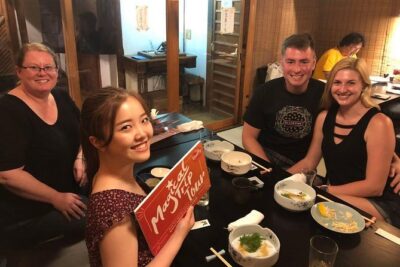
Kyoto Night Foodie Tour in Gion (9+ dishes + 6 Sake tastings)
Read our review →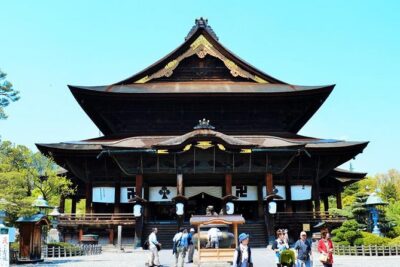
1-Day Snow Monkeys, Zenko-ji Temple & Sake in Nagano
Read our review →
3-Hour Kyoto Insider Sake Brewery Tour with Tastings & Pairings
Read our review →
Arashiyama Bamboo, Temple, Monkeys, or Secret Sake Brewery
Read our review →
Nagano: Snow Monkeys, Zenkoji Temple & Sake Day Trip
Read our review →
Insider Sake Brewery Tour with Sake and Food Pairing
Read our review →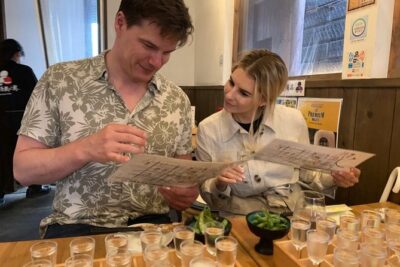
1.5-Hour Kyoto Insider Sake Experience with 7 Tastings & Pairings
Read our review →Browse the lists this tour appears in