
Reviewed · SAKE TASTING
Hiroshima Saijo Sake Tasting Tour with visit to 7 Breweries
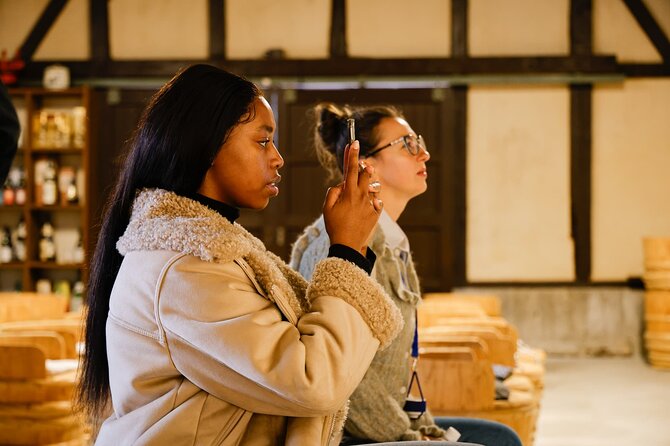
Saijo’s sake street turns a stroll into a class. This small-group tour in Hiroshima’s Saijo area walks you through seven breweries and samples eight different sake styles, from crisp Daiginjo to cloudy Nigori. You get a relaxed pace and an English guide that helps you connect what you taste to what makes each style different.
I especially like the structure here, you hit a lot of producers in a short time without feeling rushed. I also like the variety, because you do not just sample premium labels, you learn how fermentation, rice, and filtration choices change the flavor in your cup. One consideration, it is still a walking tasting, you’ll walk about 1.5 km, so comfy shoes matter.
Key things that make this tour worth your time
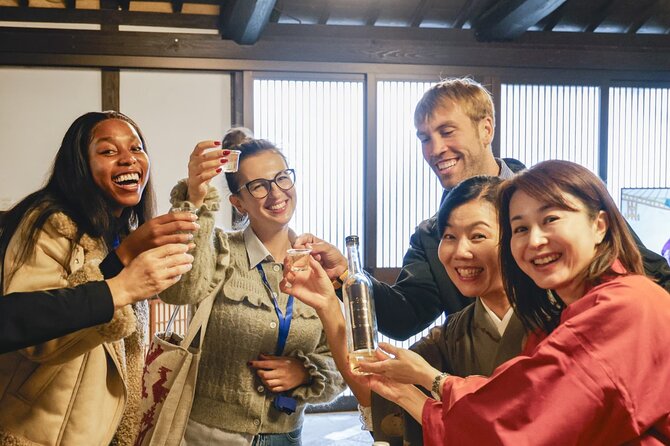
- Seven breweries, eight tastings, so you get real comparison, not just a random sampling
- Saijo Station area meet-up, easy to find, and you can start clean with directions that are simple
- Daiginjo, Junmai, and Nigori-style variety, with explanations that help you order and taste smarter next time
- English guide focus, and the tour is designed to explain what you are tasting as you go
- Short stops (about 10 to 20 minutes each), a good fit if you want a high hit rate without a full day
- Max 10 people, which keeps the vibe laid-back and makes it easier to ask questions
Saijo’s sake street turns tasting into real learning
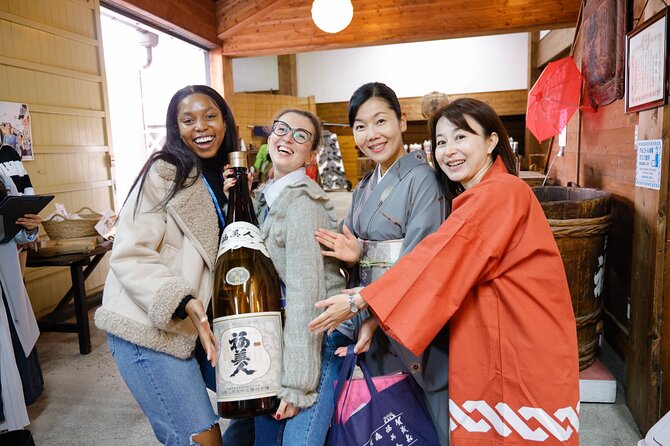
Saijo is one of Japan’s major sake brewing areas, and this tour keeps you close to where the culture actually happens. The experience is built around small steps, you taste a sample, get context, then move on to a different brewery style right away. That means your brain does not have to wait until the end to connect flavors to explanations.
For me, the big win is the contrast. One stop leans into Daiginjo-style elegance, another goes toward pure rice Junmai character, and then you get unfiltered or cloudy styles that can taste totally different. Once you’ve tasted those differences in a short walk, you start understanding why sake labels can feel confusing on restaurant menus.
The other thing I like is how practical it feels. The tour is not just about drinking, it’s also about learning how to handle and appreciate sake like a pro, so you can carry the skill with you after the last cup.
More Food Tours in Hiroshima
- Hiroshima Izakaya Food and Drink Night Tour
★ 5.0 · 297 reviews - Hiroshima: Food and Culture Guided Walking Tour with Dinner
★ 4.9 · 212 reviews - All-inclusive Hiroshima Nighttime Food and Cultural Immersion
★ 4.5 · 60 reviews
Timing, walking distance, and group size that keep it comfortable
This runs about 2 hours and is designed as a walking route visiting seven breweries. You’ll walk roughly 1.5 km while you’re tasting, so I’d treat it like a short neighborhood walk, not a marathon. Comfortable shoes are a smart call, especially if you’re arriving on foot from the station area.
Group size is capped at 10 travelers, which helps keep the pace human. Smaller groups also make it easier for the guide to answer questions while people are tasting, so you get more than one-size-fits-all explanations.
The start time is 1:00 pm. The exact meet point details are given two ways in the tour info: one says Higashihiroshimashi Information Centre, and the route’s first stop says meet in front of the Tourist Information Center at Saijo Station, right outside the ticketing gate. Do yourself a favor and double-check the meeting location shown on your ticket or confirmation, so you do not arrive at the wrong side of town.
Eight tastings from seven breweries, how the value really adds up
At $50.87 per person, you are paying for more than a few sips. The price includes eight different types of sake from seven breweries plus an English guide. Admissions at each stop are listed as free in the itinerary details, so most of what you’re paying for is the guide-led tasting and the routing that makes eight comparisons possible in about two hours.
Another value point is that it’s a focused set of styles. You are not stuck with only one flavor lane, you sample variations that include Daiginjo-type, Junmai styles, warm sake in season, dry-tasting profiles, and unfiltered or cloudy textures. That makes the tour feel like a mini tasting curriculum instead of a “hit each place, grab a sample, move on” circuit.
One practical note: even if you choose not to drink alcohol, the tour fee stays the same. The tour is still structured around tasting, so this is best for people who are comfortable trying at least a bit, even if you go slow.
Stop-by-stop: what you taste at each brewery
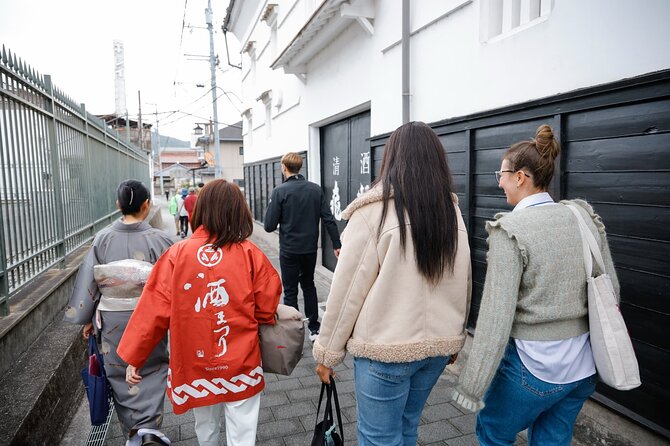
Below is the walking flow you can expect, and what each stop is known for. The order can shift depending on the number of groups, but the set of places stays the same.
More sake tastings in Hiroshima:
- Hiroshima: Saijo Sake Tasting at 7 Breweries Guided Tour
★ 4.8 · 29 reviews - Kyoto Night Foodie Tour in Gion (9+ dishes + 6 Sake tastings)
★ 5.0 · 1,762 reviews - 1-Day Snow Monkeys, Zenko-ji Temple & Sake in Nagano
★ 5.0 · 1,020 reviews - 3-Hour Kyoto Insider Sake Brewery Tour with Tastings & Pairings
★ 5.0 · 917 reviews
Saijo Station area, your orientation moment
You begin at Saijo, meeting in front of the Tourist Information Center at Saijo Station, right outside the ticketing gate. This first stop is short and low-stress, about 15 minutes, and it helps you get your bearings before the tasting begins.
It’s a good place to settle in, confirm your group, and mentally prepare for the style differences you’ll be tasting back-to-back. If you tend to overthink labels, this is the perfect moment to let the guide set the context.
Kamotsuru Sake Brewery, Daiginjo focus and an intro video
At Kamotsuru Sake Brewery, the stop includes a short video about sake making and tasting, with a focus on Daiginjo-type. You also taste Daiginjo Gold Kamotsuru in the visitor room.
Why this matters: Daiginjo-type sake often tastes lighter and more refined than many people expect from sake. Starting here gives you a baseline for what “polished” can mean, so later stops feel easier to compare.
Fukubijin Sake Breweries, Junmai character and possible warm sake
Next is Fukubijin Sake Breweries, a producer connected with the Saijo Brewing School tradition and with many master brewers. You sample Fukubijin Junmai-Shu, and during winter season you can try warm sake.
This stop is ideal if you want to understand how Junmai can taste round, rice-forward, and grounded. Warm sake also adds a texture shift, so you learn that temperature can change how aroma and flavor land in your cup.
Kamoizumi Sake Brewery, pure rice approach
At Kamoizumi, the key detail is that it began brewing Junmai-shu using only rice and koji mold as ingredients. You taste Junmai Ginjoshu 朱泉 Honjikomi here.
This is one of the most “philosophy meets flavor” stops. When a brewery limits ingredients this way, you can often taste more clarity in the rice profile and a cleaner sense of structure. It’s also a useful contrast after Daiginjo-type tasting, because you’ll notice how “rice first” can feel different from “polish first.”
Sakaguradori Tourist Information Center, restroom and local street info
Before the later brewery stops, you get a break at the Saijo Sakaguradori Tourist Information Center. This is about 10 minutes, and it’s stocked with brochures plus info about Sakagura-dori Street.
It’s also your practical restroom moment, and it’s a convenient place to pick up something small for later. One simple win noted with this stop is that you can grab a local lunch here if timing works.
Kirei Sake Brewery, dry taste and a limited monthly blend
At Kirei Sake Brewery, the flavor angle is dry. You taste a limited offering, Yoshidaya’s Sake, blended by the brewery with sake that is ready to drink that month.
Why I like this stop: dry sake teaches you balance. It can feel sharper, more direct, and sometimes more food-friendly, because it does not linger as sweet. The limited monthly blend also means you might not taste the exact same bottle later, so the tour gives you something time-sensitive.
Saijotsuru Brewery, traditional technique and repeatedly awarded Daiginjo
At Saijotsuru Brewery, the focus is on traditional techniques passed down through Hiroshima sake brewers. You taste Junmai Daiginjo Genshu Shinzui, which is noted as repeatedly awarded.
This is a strong “capstone-style” tasting in many itineraries because Daiginjo can show a clean, lifted aroma and a careful balance of sweetness and acidity. The traditional technique note also helps you connect style to method, even though you are not observing the brewing process on this tour.
Hakubotan Brewery, unfiltered Hyoka and the fresh-frozen trick
Next is Hakubotan Brewery, one of the oldest in Hiroshima Prefecture, funded in 1675. You sample Hyoka, an unfiltered sake that is fresh frozen in a special way.
Unfiltered sake can taste fuller, sometimes cloudier, and often more aromatic on the palate. The fresh-frozen approach is exactly the kind of detail that makes the tasting feel educational, because you can start guessing why it tastes the way it does, not just what the label says.
Sanyotsuru Brewery, cloudy sake and sake ware shopping
Your final stop is Sanyotsuru Brewery Inc., the only sake brewery located west of Saijo Station. Here you get to taste cloudy sake, and sake ware is available for sale.
This last stop is the one that can surprise people, because cloudy sake often feels more textured and sometimes more complex than a clear filtered style. It’s also a nice ending because you can finish with something you can actually take home, like sake ware, if it fits your travel plans.
The guide makes the labels make sense, even if you’re new
One reason this tour works so well is that the guide ties each tasting to practical differences in style. You learn how to drink sake like a pro, and you get help understanding the differences between categories such as Daiginjo, Junmai, and cloudy Nigori-style sake.
A name you might see mentioned in the tour experience info is Ione. If Ione is your guide, you can expect explanations that cover both the Saijo area context and the why-behind-the-brewing choices, in a way that keeps the stops moving and the tasting fun.
Also, the tour is in English, so you are not stuck translating label terms while your glass is waiting. That matters when you’re trying to remember what you liked ten minutes ago.
How to taste the sake during the walk without getting overwhelmed
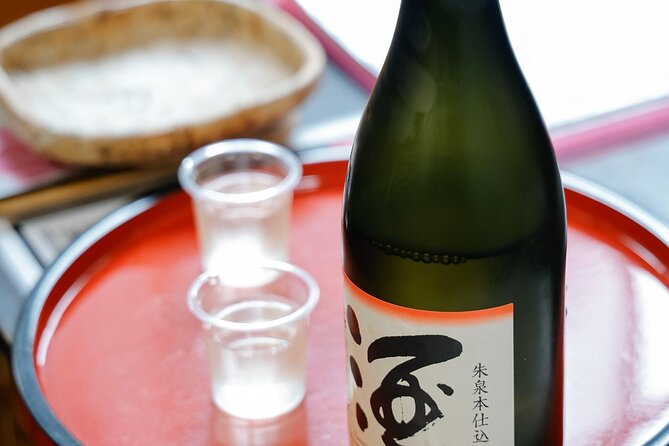
With eight tastings in about two hours, your biggest risk is overthinking. I suggest treating each cup as a quick comparison, not a full evaluation.
Here’s a simple approach that pairs well with this kind of guided route:
- Smell first, then sip once, then decide if it feels dry or rounded
- Ask yourself if it tastes lighter or heavier than the last one
- Pay attention to texture, clear styles often feel cleaner, unfiltered or cloudy styles often feel thicker or more aromatic
The tour’s design is built for pattern recognition. You sample a style, you learn its basics, then you move on before your memory gets fuzzy. That makes it easier to actually learn something, instead of just collecting a bunch of tastes.
What you should know before you go, no brewing process observation
This is a tasting tour, and it’s explicitly not set up for you to observe the sake brewing process. So if you’re hoping for a behind-the-scenes look at tanks, tools, or fermentation steps, you’ll need a different kind of experience.
What you do get is the tasting education side: how styles differ, what to notice, and how to order with confidence later. That’s a fair trade for many people because it keeps the time efficient and keeps you moving between breweries.
Seasonal and style details that can change your experience
Some parts of the tour can vary by season. For example, the Fukubijin stop notes warm sake during winter season, so your tasting might include a warm option depending on when you visit.
You should also expect that the tasting menu is style-driven rather than bottle-only. The itinerary calls out specific items tied to each brewery stop, but the guide may adjust the order and timing based on group counts. The key promise stays the same, eight different types of sake across the listed breweries.
Who this tour suits best
This is a good fit if you want:
- A short, structured way to learn Saijo sake styles
- A high tasting count without spending the whole day in transit
- A small group experience, up to 10 people, so questions are easier
It’s also a great choice if you’re the kind of person who likes to shop with purpose afterward. Because you end at Sanyotsuru, you might find sake ware for sale that you can bring home without guessing what to buy.
If you are extremely sensitive to alcohol, you may want to keep it very small. The tour still runs even if you skip drinking, but it is designed around tastings, so you’ll enjoy it most if you’re comfortable sampling and learning.
Should you book Hiroshima Saijo Sake Tasting Tour with visits to 7 breweries?
I’d book it if you want a focused, efficient way to understand Saijo sake beyond just tasting what’s available at a bar. The combination of seven brewery stops, eight distinct tastings, and an English guide makes the price feel reasonable for what you actually do in two hours.
I would skip it if your top priority is watching brewing hands-on, because this experience does not include observing the brewing process. Also skip it if walking 1.5 km in short segments sounds like a bad fit for your day.
If you’re game for a short stroll, eight small samples, and a real style education, this tour is one of the better ways to learn sake culture in Hiroshima’s Saijo area.
FAQ
How long is the Hiroshima Saijo sake tasting tour?
It runs for about 2 hours.
How many sake tastings are included?
You get 8 different types of sake tasting as part of the tour.
Is there an English guide?
Yes, an English guide is included.
What is the walking distance like?
The tour includes walking about 1.5 km while tasting, so comfortable shoes are recommended.
Will I be able to watch the sake brewing process?
No. This is a tasting tour, and you will not be able to observe the sake brewing process.
What if it rains or the tour is canceled?
If the event is canceled due to bad weather or other reasons, the provider will contact you by 5 pm the day before using your registered email.
More Drinking Tours in Hiroshima
- Tokyo Bar Hopping Tour in Shinjuku (All-You-Can-Drink + Dinner)
★ 5.0 · 3,587 reviews - Best of Shinjuku: Izakaya Food Tour (4 Stops, 14+ Tastings)
★ 5.0 · 1,863 reviews - Tokyo: Shinjuku Local Bar and Izakaya Guided Walking Tour
★ 4.9 · 1,794 reviews - Shibuya Meltdown Nightlife Tour: All-You-Can-Drink Bar Hopping
★ 5.0 · 1,058 reviews
Fresh options around Hiroshima
- Hiroshima and Miyajima Full Day Private Tour★ 4.5 · 19 reviews
- 4 Hour Miyajima PRIVATE Tour★ 5.0 · 19 reviews
- Hiroshima Private Walking Tour with a Local★ 4.5 · 19 reviews
- Hiroshima Scenic Cycling Guided Tour★ 5.0 · 19 reviews
- Miyajima Guided Tour and Fresh Oyster Farm Tour★ 5.0 · 20 reviews
- Hiroshima: Atomic Bomb Dome and Peace Memorial Museum 3 hours★ 5.0 · 20 reviews
- Hiroshima: Tour of Atomic Bomb Dome & Peace Memorial Museum★ 5.0 · 20 reviews
- Hiroshima: City and Miyajima Bike and Boat Tour★ 5.0 · 20 reviews
Sake Tasting, compared.
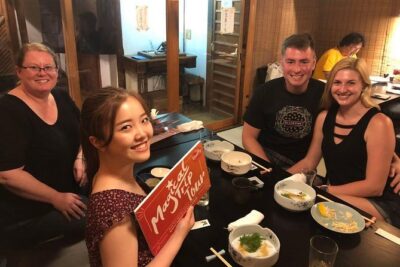
Kyoto Night Foodie Tour in Gion (9+ dishes + 6 Sake tastings)
Read our review →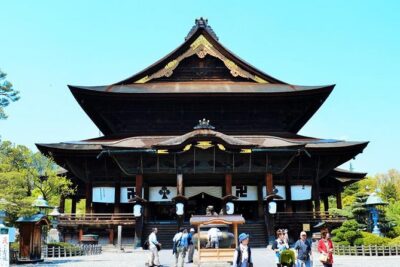
1-Day Snow Monkeys, Zenko-ji Temple & Sake in Nagano
Read our review →
3-Hour Kyoto Insider Sake Brewery Tour with Tastings & Pairings
Read our review →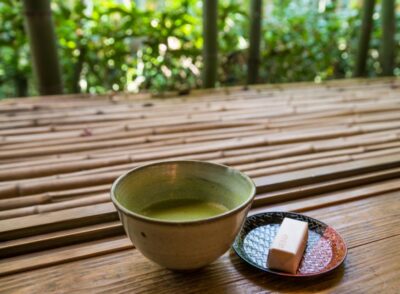
Arashiyama Bamboo, Temple, Monkeys, or Secret Sake Brewery
Read our review →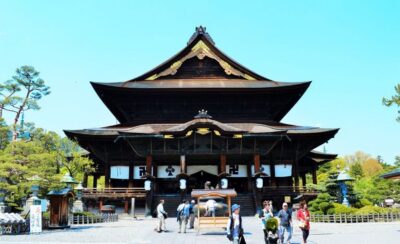
Nagano: Snow Monkeys, Zenkoji Temple & Sake Day Trip
Read our review →
Insider Sake Brewery Tour with Sake and Food Pairing
Read our review →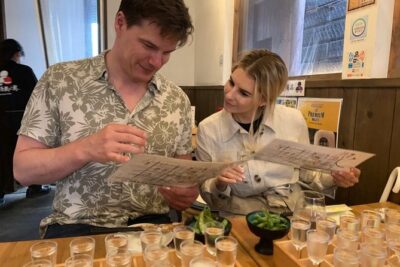
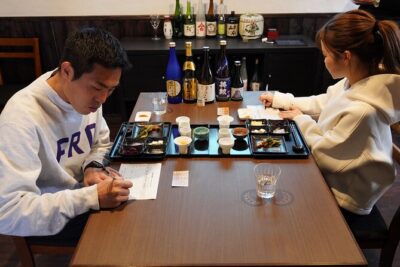
1.5-Hour Kyoto Insider Sake Experience with 7 Tastings & Pairings
Read our review →Browse the lists this tour appears in