
Reviewed · HAKONE TOURS
Private Tour – Hakone Day Trip! A Tour to Explore All Must-Sees!
Hakone is scenery, steam, and shrines on one schedule. This private day trip strings together the classics, with a guide helping you hit the best photo stops, time the boat and ropeway, and chase those Mount Fuji views when the sky cooperates. You’ll see the vermilion Ajisai Bridge, ride toward volcanic Owakudani through Hakone’s transit system, and get sweeping looks over Lake Ashi.
I love that it’s a true private tour for your party, not a shared shuffle. I also like that the day is built around Hakone’s signature spots, so you’re not guessing where to go next once you’re already in motion.
One thing to keep in mind: Hakone is weather-sensitive. If clouds roll in, Mount Fuji may be a no-show, and on busy days you might see shorter stops or route tweaks as transport gets crowded.
Key highlights in quick terms
- Private, flexible pacing for your group, with a guide who can adjust to interests and conditions
- Lake Ashi by pirate ship for real-time views, plus a classic Togendai lunch option
- Owakudani smoke up close via Hakone Ropeway, with dramatic volcanic atmosphere
- Footbath break at cu-mo Hakone (bring your own towel if you want to try it)
- Hydrangea Bridge and lake Torii photos without wasting time figuring out transit connections
Why a private Hakone day works so well
Hakone can eat your time fast. Trains, cable cars, and boats all run on their own rhythm, and the best viewpoints are spread out. This tour is designed to connect the dots in one long day, so you get the variety without spending half your trip planning.
I especially like the payoff for effort. You start with easy, iconic stops near Hakone-Yumoto, then move outward for Lake Ashi, volcano steam, and the viewpoints people come for. Even when the weather shifts, the itinerary still gives you plenty to enjoy.
The “private” part matters too. When you have a guide, you can ask practical questions on the move, get help buying tickets when needed, and adjust the pace for your group size and energy level. It’s the difference between sightseeing and actually managing a route.
More Hakone tours and day trips:
- Hakone 6 hour Private Tour with Government-Licensed Guide
★ 5.0 · 218 reviews - Custom Private Tour in Hakone with a Certified Local Guide
★ 5.0 · 91 reviews - Hakone 8 hour Private Tour with Government-Licensed Guide
★ 5.0 · 63 reviews
Getting oriented at Hakone-Yumoto, then moving efficiently
The day starts and ends at Hakone-Yumoto Station, which keeps things simple. From there, your guide leads the sequence and handles the real work: finding the best connections and keeping you from getting stuck in the wrong line or at the wrong station.
Comfort shoes matter because this is a walking-heavy day. The tour notes that you’ll walk a lot, so I’d plan for some stairs, platform changes, and short walks between transport and viewpoints. If you’re traveling with kids or anyone with mobility limits, this is the kind of itinerary where you’ll want frequent breaks, even if the main stops are time-boxed.
Also, expect “public transport reality.” During congestion and on weekends, waiting times can get long. The tour may shorten stays or skip a spot to keep the day on track. That doesn’t mean it’s chaotic, it means your guide is balancing what’s possible with time, not just checking boxes.
Ajisai Bridge and the lake Torii: easy photos, good context
Your first hit is the Ajisai Bridge, a vermilion bridge near Hakone-Yumoto Station. It’s famous as a photo spot, and the hydrangea link is built in. Even if you’re not in June, the idea is clear: Hakone has a hydrangea reputation, and this bridge is part of that visual identity.
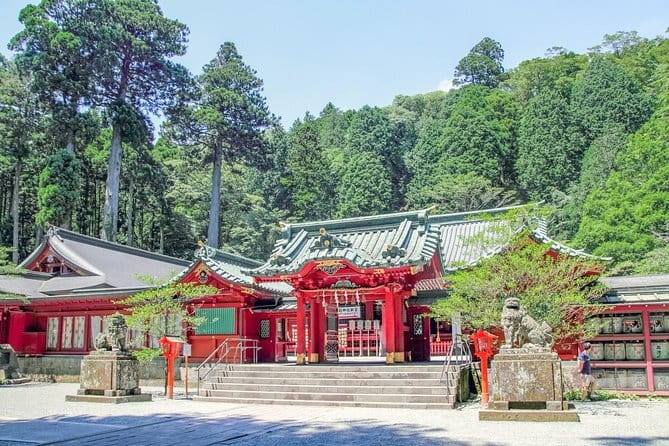
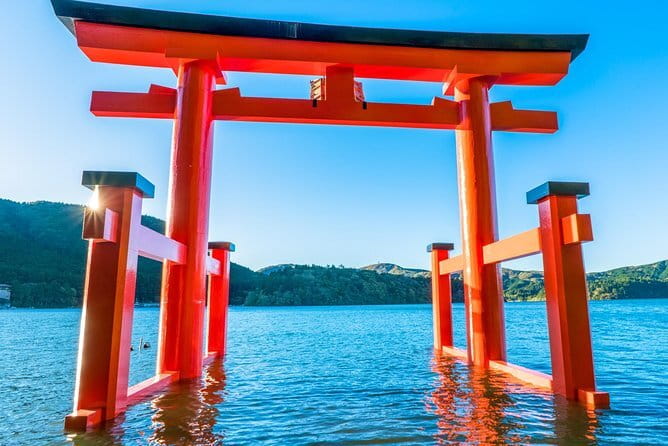
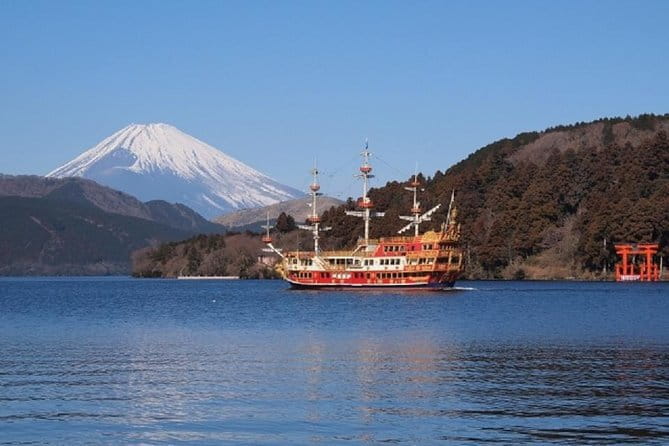
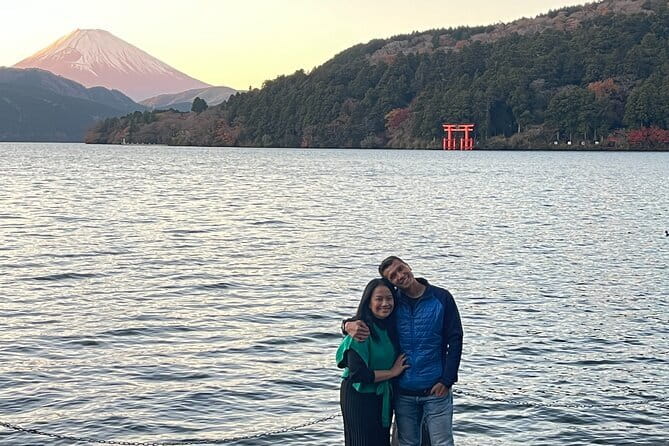
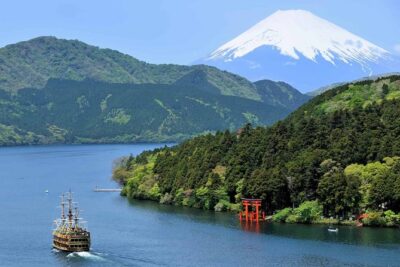
Next comes a shrine stop that’s worth slowing down for. This area includes the Hakone Shrine / Kuzuryu Shrine complex, described as having a history of 1,200 years or more. The highlight here is the vermilion torii (wooden gate) standing on the lake, a popular spot for distinctive photos.
Here’s the practical value: these shrine stops give you a break from transport before the boat and ropeway. They’re also a good moment to set your expectations for the day. Once you see how the lake views frame the torii and bridges, it’s easier to recognize the viewpoints later from Lake Ashi and higher up.
Lake Ashi cruise and Togendai views: the lunch-with-a-view move
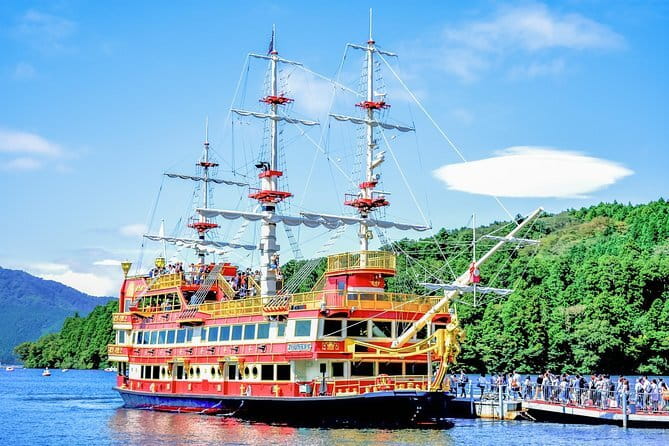
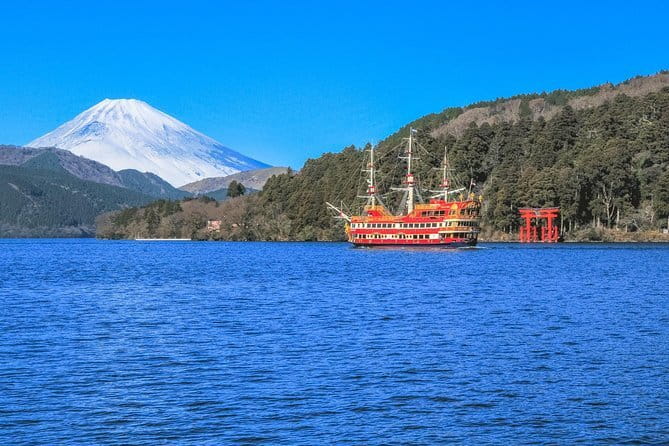
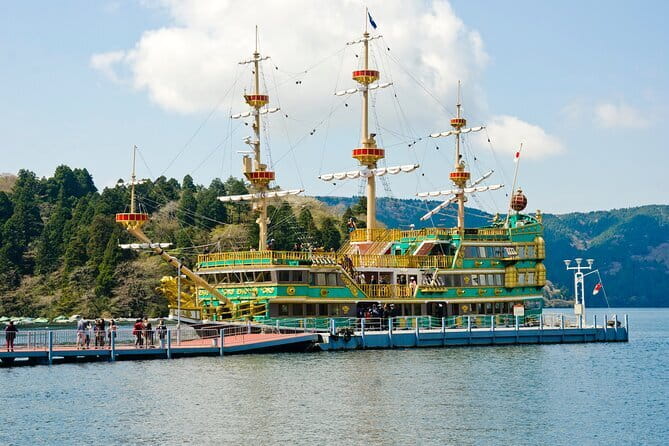
Lake Ashi is where Hakone feels like Hakone. Your day includes a cruise from the Motohakone-ko Pier, aboard the Hakone Pirate Ship. The ride is about 50 minutes, and you’ll be looking out over the water for real scenes, not just from a single overlook.
The ship experience has a fun detail: it’s described as being decorated with model ships from France, Britain, and Sweden. If you enjoy quirky touches like that, you’ll appreciate it, especially since the cruise is also a moving viewpoint.
Then there’s a smart pairing for food. You’ll have time at Togendai View Restaurant inside Togendai Station, where you can eat grilled dishes and local-ingredient meals while looking at Lake Ashi and the pirate ships. Since meals aren’t included in the tour price, this stop is your chance to choose a convenient lunch without having to hunt across Hakone while you’re in transit.
One consideration: this is the type of restaurant stop that can be convenient and scenic, but it won’t be cheap. If you have dietary needs, check before you arrive so you’re not stuck waiting for options.
A few more Hakone days worth comparing
- Private Hakone Half-day Car Tour with Hotel Pickup – Local Guide
★ 5.0 · 48 reviews - Tokyo 6hr Private Tour with Government-Licensed Guide
★ 5.0 · 3,902 reviews - Private Tour to Mt. Fuji and Hakone (Fully Licenced Operator)
★ 5.0 · 1,910 reviews - Fushimi Inari Hidden Hiking Tour (Private Option Available)
★ 5.0 · 1,750 reviews
Hakone Ropeway and Owakudani: the volcano moment
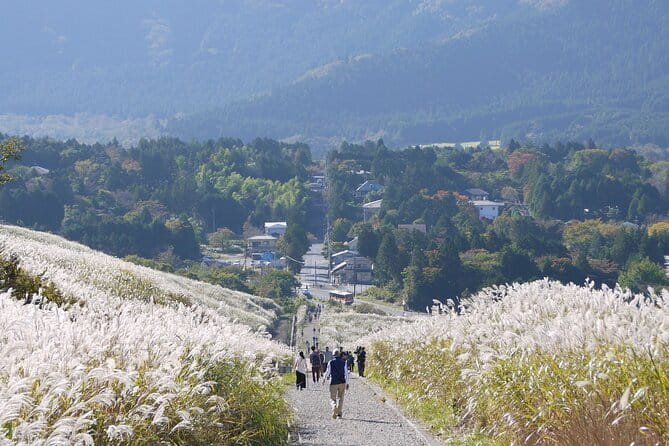
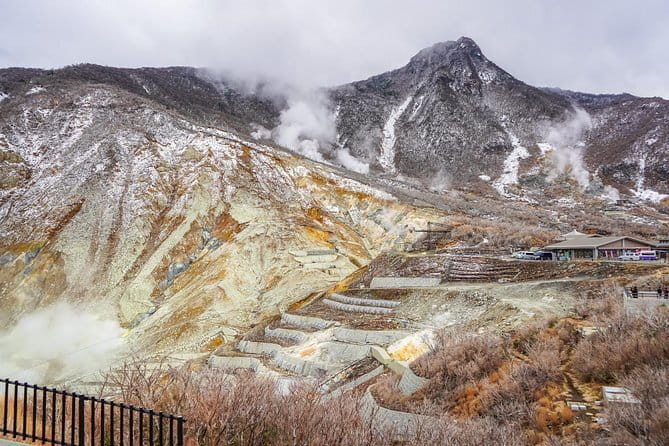
This is the part most people remember. The route takes you to Hakone Ropeway, and the description highlights a very immediate sensory payoff: as you ride, smoke from Owakudani comes into view right before your eyes. On clear days, you may also catch strong views toward Mount Fuji and Lake Ashi from higher points.
The time you’ll spend here is around 50 minutes, and the ropeway itself is part transportation and part spectacle. Even if you’ve seen steam before, this one is dramatic because it’s close and it shapes the whole valley.
After that, you reach Owakudani, a volcanic area formed by Hakone volcano activity thousands of years ago. You’ll see white smoke coming from across the valley, and the setting is different from the greener parts of Hakone. The rock surfaces are exposed, and vegetation is limited compared to other areas.
Practical tip from the shape of this day: if the weather is gray or rainy, don’t skip this segment just because Fuji might be invisible. Owakudani still delivers a strong sense of place, even without the postcard view. Volcano steam can look great in mist too, and you still get that rare “Hakone atmosphere” without relying only on visibility.
The cu-mo Hakone footbath break and the viewpoint reset
Between the heavy-hitter volcano moments, you get a small reset stop: cu-mo Hakone at about 757 meters. It’s described as offering a stunning view of Hakone’s scenery, with the bonus of foot baths. The tour specifically recommends bringing your own towel, so if you want to soak, pack one small towel.
This 20-minute stop is short by design. It gives you a payoff for riding upward and it gives your legs a chance to recover. Think of it as the “pause button” in the middle of a long, connection-heavy day.
If you’re traveling in colder weather, this stop can feel extra nice. Even when you’re not sure you’ll have the best weather, a warm footbath and a viewpoint break make the day feel less rushed.
Adding the Open-Air Museum without losing your timing
Your tour experience is also set up to include the Hakone Open-Air Museum. This matters because it breaks the day into more than just transport and photo spots. It’s a chance to slow down inside a curated setting, and it fits well between higher-energy stretches like the ropeway and volcano walk.
That said, timing can shift when weather changes or congestion adds waiting time. In a private tour, your guide can usually adapt the order or pacing, but you should expect the day to be flexible rather than perfectly fixed minute-by-minute. If the museum is your top priority, mention it early and ask your guide how they plan to protect that time if the weather turns.
Hakone Tozan Cable Car: an old-school ride with a purpose
The itinerary includes the Hakone Tozan Cable Car between Sounzan and Gora. It opened in 1921 and is described as the oldest cable car in the Kanto region. That’s not just trivia. It’s part of what makes this route feel like Hakone, not just a modern sightseeing circuit.
The cable car segment is about 25 minutes, giving you another viewpoint change and a clear transition between areas. If you like “how things work” experiences, cable cars and ropeways are worth paying attention to because they’re part of the local geography and history.
Price and value: what you’re really paying for
The tour price is $181.64 per person. That can feel steep until you separate two things: what’s included versus what isn’t.
Included:
- A tour guide
- The private tour structure
- The necessary expenses for the guide during the tour
Not included:
- Transportation and admission fees
- Meals and drinks
- Optional experience costs
The tour estimates about 6,900 JPY per person for transportation and admissions, plus 1,800 JPY per person for meals. There’s also an optional experience cost of 100 JPY per person.
So is it worth it? For me, it usually comes down to three things:
- How much you value not wrestling with connections for a full day in one of Japan’s most transit-laced areas
- Whether you want a schedule that prioritizes highlights like Lake Ashi, ropeway views, and Owakudani, without you having to research every ticket
- Whether you’re traveling as a group where private pacing is a big comfort upgrade
If you’re a solo traveler with strong route-planning confidence, you might spend less DIY. But if you want a stress-free day built around Hakone’s moving parts, this private structure is often a fair trade for time and clarity.
Mount Fuji expectations: plan for clarity, not guarantees
Hakone is one of those places where the “maybe” matters. The tour notes that weather can affect the experience, including routes and destinations if conditions are poor. Even with great planning, Mount Fuji visibility can be limited by clouds.
Here’s my practical approach: treat Fuji as a bonus, not a foundation. Even in weather where the peak is hidden, you still get:
- Lake Ashi perspectives from cruise and viewpoints
- Volcanic atmosphere at Owakudani
- A different slice of Hakone at cu-mo Hakone and beyond
- Shrine photography spots that work in a range of conditions
Also note that the tour is described as requiring good weather. That doesn’t mean it stops in every cloud. It means expectations and routing might adjust, and clear visibility is what helps you see the big panoramic payoff.
Who should book this private Hakone day trip
This is a strong fit if you:
- Want to see multiple Hakone must-sees in one day
- Prefer a guide who helps with timing, ticketing, and transit flow
- Like switching settings, from lake to volcano to museum-style downtime
- Are traveling with kids, extended family, or a mixed-energy group and want the pace managed for you
It’s less ideal if you:
- Have very flexible time and want to go slow without a schedule
- Plan to spend most of your day just wandering without transport coordination
- Are hoping for a guaranteed Mount Fuji view in all conditions
One more clue from past guide experiences: the day often feels smooth because the guide handles public transportation links and adapts as needed. The product includes multiple guide names in the record, such as Mr Koji, Tatsu, Nanako, Akira, Mike, Hori, and Max. That’s a good sign for service quality and day-to-day flexibility.
Should you book? My call
Yes, I’d book this if you want a day in Hakone that’s built for results. You’re paying for time saved, route management, and a guide who keeps the flow moving through ropeway, cruise, and viewpoint stops. The overall rating is extremely high, so the structure seems to work for most groups.
I’d book with eyes open if you’re traveling in colder or cloudy season, or if your schedule is tight. Since staying times can shorten during congestion and visibility for Mount Fuji isn’t guaranteed, you’ll get the best experience if you’re okay treating Fuji as the bonus view, not the whole reason for the trip.
FAQ
How long is the Hakone day trip?
It runs about 7 hours 30 minutes.
Is this a private tour or a shared group tour?
It’s a private tour with only your group participating.
Where does the tour start and end?
The tour starts at Hakone-Yumoto Station and ends back at the same meeting point.
What’s included in the price?
The price includes a tour guide, the private tour format, and the guide’s necessary tour expenses.
What costs are not included?
Transportation and admission fees, plus meal costs and any optional experience costs. The tour estimates about 6,900 JPY per person for transportation and admissions, and about 1,800 JPY per person for meals.
What should I pack or plan for during the day?
Wear comfortable clothing since you’ll walk a lot. If you plan to use the foot bath at cu-mo Hakone, the tour recommends bringing your own towel.
Fresh options around Hakone
- Hakone Hachiri: Old Tokaido Highway Hiking Tour★ 4.9 · 22 reviews
- Hakone: Day Tour to View Mt Fuji & Wooden Culture Experience★ 5.0 · 23 reviews
- Kowakien Yunessun Hot Springs Entry Ticket★ 4.2 · 23 reviews
- Odawara: Guided Ninja & Samurai Tour of Odawara Castle★ 5.0 · 25 reviews
- Odawara: Odawara Castle Tenshukaku Entrance Ticket★ 4.2 · 30 reviews
- Traverse Outer Rim of Hakone Caldera and Enjoy Onsen Hiking Tour★ 5.0 · 30 reviews
- Hike Japan Heritage Hakone Hachiri with certified mountain guide★ 5.0 · 46 reviews
- Private Hakone Half-day Car Tour with Hotel Pickup – Local Guide★ 5.0 · 48 reviews
Hakone Tours, compared.
Hakone 6 hour Private Tour with Government-Licensed Guide
Read our review →
Custom Private Tour in Hakone with a Certified Local Guide
Read our review →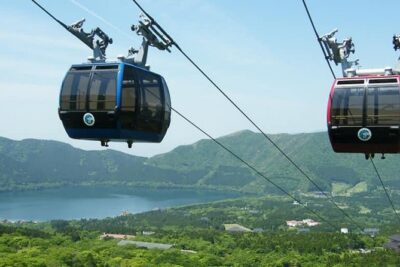
Hakone 8 hour Private Tour with Government-Licensed Guide
Read our review →

Private Hakone Half-day Car Tour with Hotel Pickup – Local Guide
Read our review →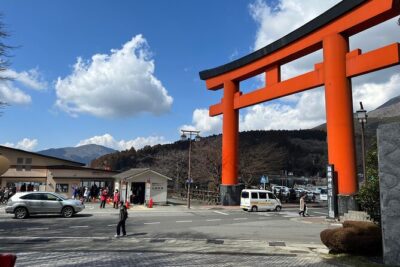
Hike Japan Heritage Hakone Hachiri with certified mountain guide
Read our review →
Traverse Outer Rim of Hakone Caldera and Enjoy Onsen Hiking Tour
Read our review →
Odawara: Odawara Castle Tenshukaku Entrance Ticket
Read our review →Browse the lists this tour appears in