
Reviewed · HAKONE TOURS
Hike Hakone Hachiri
One foot on the Tokaido, one step into the past. This hike links Hakone and Mishima along Japan Heritage route sections, with stops at an amazake tea house, checkpoint history at Hakone Sekisho, and classic cedar shade.
I really liked two things most: first, the warm, hands-on storytelling from guide Tony, including fluent Japanese translation and a sense of humor that keeps the day light even when the trail turns stony. Second, the chance to meet the 13th generation manager of the Amazake Chaya, Mr Yamamoto, and hear how this old-style teahouse survived when so many others disappeared.
The main drawback is timing and weather. The hike needs good weather, and views of Mt Fuji depend on conditions, so you may need to roll with plan B if skies are gray.
Key highlights you will care about
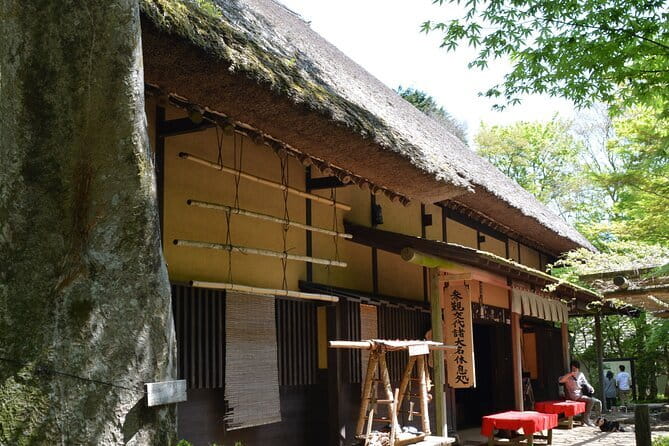
- Meet Mr Yamamoto at Amazake Chaya, run by a 13th generation family, with his direct take on Hakone’s old-route life
- Hakone Sekisho checkpoint stops, including Hakone Sekisho Museum context for how travel was controlled near Edo
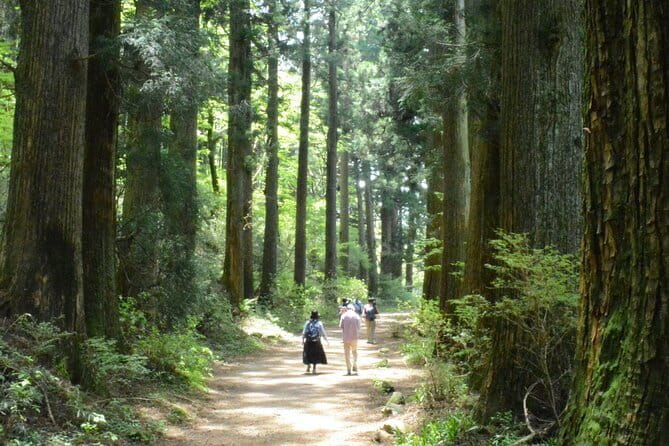
- 400-year-old Cedar Avenue, planted centuries ago to shade Tokaido travelers, with towering sugi on both sides
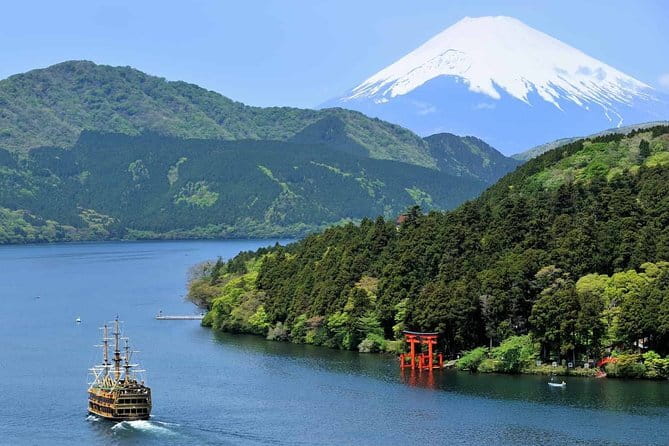
- Lake Ashinoko lunch by the water, set at a deep crater lake with red tori gates out in the lake
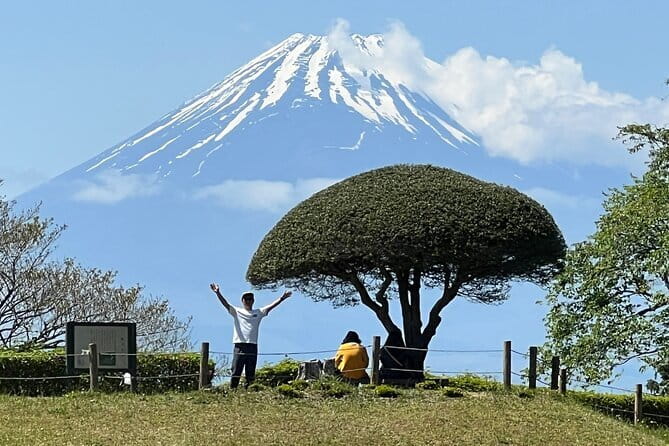
- Mt Fuji views only if weather cooperates, so bring patience and don’t plan a single perfect photo moment
- Private group experience, only your group goes along, so the pace and questions stay personal
Why this Hakone Hachiri hike feels different from a typical tour
The setting is the big draw. You are walking a portion of the ancient Tokaido Highway that once connected Tokyo with Kyoto and Osaka. That alone helps, because you are not just sightseeing, you are following a real travel corridor that shaped daily life for centuries.
What makes it special is how the day is built around real places with real stories. You start at Mishima, then work your way through the Hakone side of the route, hitting the teahouse culture, cedar-lined walking, checkpoint history, and castle ruins before finishing with time around Mishima’s Genbegawa World Water Heritage Area. It is a hike, but it is also a guided walk through how Japan moved people and goods.
This is also one of those tours where the human factor matters. The guide, Tony, comes through in the way he handles history, keeps the group together, and stays flexible when weather changes. That matters on a trail day, because rain and slippery stones can turn a good plan into a frustrating one fast.
A few more Hakone days worth comparing
- Fushimi Inari Hidden Hiking Tour (Private Option Available)
★ 5.0 · 1,750 reviews - Kyoto: 3-Hour Fushimi Inari Shrine Hidden Hiking Tour
★ 4.9 · 270 reviews - Hiroshima Local guided Hiking Tour&Open-air Tea Ceremony
★ 5.0 · 213 reviews
Meeting at Mishima Station and setting expectations for the 9-hour day
The day runs about 9 hours, and you start at 8:30 am at Mishima Station (16-1 Ichibanchō, Mishima, Shizuoka). The tour ends back at the same meeting point, so you avoid the headache of hunting for a different drop-off time.
You should expect a moderate hike level. The route includes walking segments and some stony, uneven sections, so sturdy, comfortable shoes are not optional. One clear tip from the day’s experience: bring real footwear for stones and slick patches, not thin sneakers.
Plan your day around a good warm layer and a simple rain plan. Even though you cannot control the weather, you can control your comfort. The hike requires good weather, but the operator has also shown they can adjust the plan when conditions change, including rainy-day route changes.
Stop 1: Hakone Amazake Tea House and meeting Mr Yamamoto
Your first anchor point is Hakone Amazake Tea House. The star here is Mr Yamamoto, the 13th generation manager of the teahouse. That detail matters because you are not hearing generic heritage talk. You are getting the perspective of someone whose family has managed this kind of stopping place through generations.
You will spend about 1 hour here, and the admission ticket is included. This is the kind of stop that breaks up a long walking day and gives you a sense of how travelers actually recovered on the old road, not just how it looked from a map.
What you can expect: a guided introduction to the teahouse, the meaning of amazake culture in a travel setting, and how this spot fits into the old Tokaido line. It is also a good moment to reset your legs before you head into the longer hiking segments.
Possible drawback: if you prefer purely outdoors time and want minimal indoor stops, the 1 hour tea house portion may feel like a pause. I see it as useful pacing, but it depends on your style.
Stop 2: Lake Ashinoko lunch area, crater lake drama, and red tori gates
After the teahouse, the route brings you to Lake Ashinoko. The tour schedule calls for about 1 hour here, and you get a lunch break by the lake. Lunch is not included in the tour price, but the stop is designed for you to eat near the water without scrambling for a restaurant far away.
Lake Ashinoko is described as a crater lake about 700 meters deep, and you get a strong visual detail: red tori gates sitting out in the lake. That red against mist or sun can completely change the mood of the view, so even if your day is cloudy, it can still feel dramatic.
If you are hoping for Mt Fuji, this is one of the landscapes where it comes up as a possibility. Views are weather permitting, not guaranteed, so think of it as a bonus rather than a promise.
Tip for value: since lunch is on you, decide your lunch style before you arrive. If you like sitting near the shore, you’ll probably want something easy and quick so you do not burn time after eating.
More Hakone tours and day trips:
- Hakone 6 hour Private Tour with Government-Licensed Guide
★ 5.0 · 218 reviews
Stop 3: The cedar-lined Tokaido, Hakone Old Road, and sugi shade
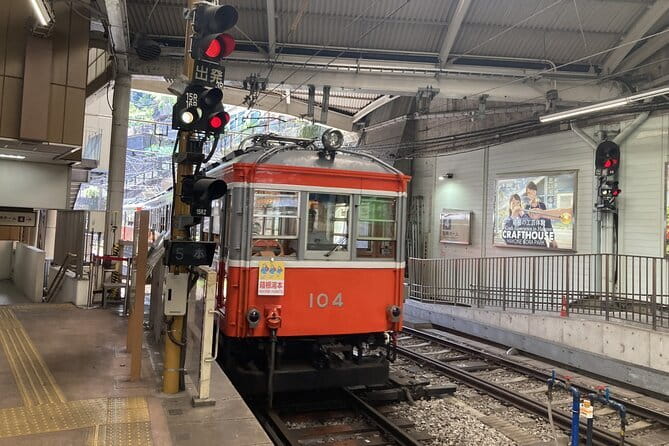
Next you walk the Cedar Trees of Hakone Old Road, often linked with Cedar Avenue. You are told the planting dates back to the Edo period, with the second Edo period Shogun, Tokugawa Hidetada, ordering Japanese cedar (sugi) planted along both sides of the Tokaido to provide shade. The cedar on this route is described as about 400 years old, which is the key reason this stop hits harder than a typical “nice trees” photo moment.
The scheduled time is short at about 30 minutes, and admission is free. In that half hour, you get a feel for how engineered the travel experience once was. Travelers did not just walk into the woods, they traveled through a corridor shaped to make long journeys survivable.
What you should notice while walking: the spacing and the way the canopy changes light. On a hot day, cedar shade can be the difference between enjoying the hike and feeling cooked by noon.
Possible drawback: because the schedule keeps this to 30 minutes, you may want more time if you are the kind of traveler who could walk slowly under trees for an hour. If that’s you, just take extra care with your photos and your pace so you still soak it in.
Stop 4: Hakone Sekisho checkpoint and the Hakone Sekisho Museum
Then comes one of the most history-forward stops of the day: Hakone Sekisho, with the Hakone Sekisho Museum time. Checkpoints like this existed to confirm travelers were legitimate and to protect the shogun in Edo.
Hakone was the closest checkpoint to Edo, which meant it was heavily policed. That detail helps explain why this stop gets treated as serious travel infrastructure rather than a quick tourist site.
You will spend about 30 minutes here, and entry is listed as free for this stop. Even with a short visit window, a good guide makes it click. Tony’s role matters because checkpoint history can turn into names and dates fast. Instead, you want the “why it mattered” angle: why routes were monitored, what that meant for ordinary travelers, and how the old road functioned day to day.
Practical tip: this stop is a good place to ask questions. Checkpoints connect politics, movement, and everyday safety, so if you like learning how systems work, you will get a lot out of this.
Stop 5: Yamanaka Castle Ruins and the idea of a boundary in the mountains

At Yamanaka Castle Ruins, the theme shifts from travel control to territorial defense. The site name is explained as “castle in the middle of the mountain,” and the day’s narrative connects it to Hojo’s western boundary.
The time allocation is about 30 minutes and the stop is free. What you should take away is how geography and defense worked together. When you are standing near earthworks or looking across the terrain, it becomes easier to understand why this location mattered.
Possible drawback: ruins can feel vague if you arrive without context. That is why the guide’s story matters, because you need the “what you are looking at” framing. With that, ruins stop being just piles of history and start feeling like landscape choices made by people with priorities.
Stop 6: The 12 km Old Tokaido Foot Highway between Odawara and Mishima
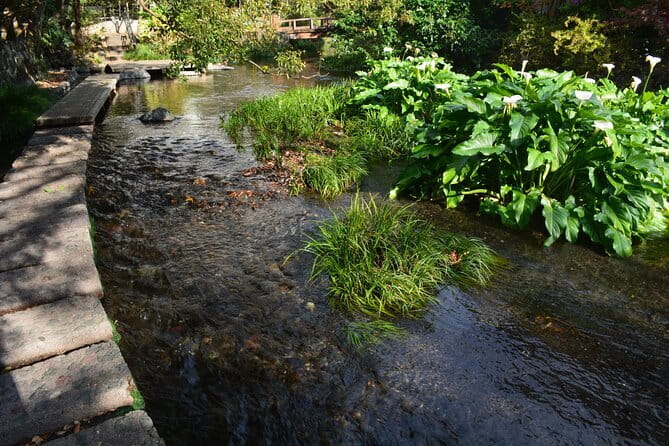
Now you get the real walking payoff. The itinerary includes hiking a 12 km stretch of the Old Tokaido Foot Highway between Odawara and Mishima. This segment is preserved as a Japan Heritage Area, which tells you this is more than a random footpath, it is part of an officially recognized historic route.
The scheduled time is about 5 hours, so treat this as the core of your day. This is the part where you’ll feel the most physical effort and also the most “I am actually on the old road” satisfaction.
What I like about this segment is that it ties the story together. Earlier stops set up how travelers moved and were controlled, but this hike shows the everyday reality: steady walking, changing terrain, and the fact that the old route was meant to be used, not admired from a distance.
What you should bring for this stretch:
- Sturdy shoes for stones and uneven ground
- Water and snacks if you know you get hungry between lunch and late afternoon
- A rain layer, because the schedule can keep moving even when skies are moody
One consideration: because lunch is not included and you have a long hiking block, you will want to manage energy. If you hate carrying food, at least plan to buy something before the long walk starts.
Stop 7: Mishima and Genbegawa World Water Heritage Area
The final stop is in Mishima, focusing on the Genbegawa World Water Heritage Area. You get about 30 minutes here, and it is free.
This is a nice way to end the day because it shifts attention from the human-built travel corridor to water as a shaping force. Even in a short visit, it can help you understand why settlement patterns and routes make sense in the first place.
If you like the “why this landscape works” side of travel, this stop gives you a grounding note to wrap up the day.
Mt Fuji views, weather flexibility, and how to plan for Plan B
The tour description calls out stunning views of Mt Fuji from Yamanaka Castle Ruins when weather permits. That is the kind of detail that makes people book, but it is also the kind of detail that can fail when clouds roll in.
Here is the practical mindset that helps: treat Mt Fuji as a bonus. You can still enjoy the day if you do not see it, because you are walking cedar-lined old road, checkpoint history, and crater lake scenery. The day has enough strong anchors that fog does not erase the experience.
The company also lists that the experience requires good weather. If it gets canceled due to poor weather, you are offered a different date or a full refund. That flexibility helps, but it still means you should keep your schedule flexible when possible.
Price and value: what you get for $231.18 per person
At $231.18 per person for about 9 hours, this is not a budget outing. But when you look at what’s included and what’s not, it starts to make sense.
Included:
- Guide fee
- A mobile ticket
- Admission ticket included at the Hakone Amazake Tea House stop
Not included:
- Lunch
- Coffee and/or tea
- Air-conditioned vehicle
So the value is mainly in the guiding. Tony’s ability to connect the places, handle Japanese translation clearly, and keep the group on track is a big part of what you pay for. This is especially true for a route day where history and walking happen at the same time.
Also, the tour is a private activity, meaning only your group participates. For families and small groups, private pacing can make the day feel less stressful and more personal, which can be worth real money.
If you are traveling solo and price-sensitive, you might compare with other public-group hikes. If you care about context, translation, and a smoother day on uneven terrain, this price can feel fair.
Who this hike is best for
This hike fits you if you want a guided walk through the Tokaido story without being stuck in a bus for the whole day.
You will likely enjoy it most if:
- You like history that connects to real places, not just museum walls
- You want an active day but still want pauses for meaningful stops
- You appreciate a guide who can handle Japanese translation and adapt when rain changes the plan
- You are comfortable with moderate walking and sturdy shoes
It may feel too active if you struggle with stony trails or if you want very easy, flat sightseeing. The cedar corridor is pleasant, but the 12 km segment is the physical core.
A few practical tips before you go
Bring shoes you trust. Stones and wet spots are part of the day’s reality, and one rainy-day version of the hike includes a moderate trek over stones.
Pack for variability. Even in warmer months, shaded cedar can feel cooler than you expect. If you are prone to chills, bring a light layer.
Plan food smartly. Since lunch is not included, look for something convenient at the Lake Ashinoko lunch area, then focus on staying fueled for the longer hike block.
And keep your expectations flexible for Mt Fuji. If it shows up, great. If not, you still have cedar, checkpoint history, lake scenery, and castle ruins.
Should you book Hike Hakone Hachiri?
I’d book this if you want a real hiking day tied to the old Tokaido Highway, with a guide who can turn place names into something you actually understand while you walk. The combination of Mr Yamamoto’s Amazake Chaya, cedar centuries old, checkpoint history at Hakone Sekisho, and the 12 km Old Tokaido segment makes it feel like more than a scenic loop.
Skip or reconsider if you want a lightweight, low-effort day, or if you cannot handle uneven trail sections. Also, if your schedule is locked tight and you hate weather-dependent plans, keep in mind the tour requires good weather and Mt Fuji is only weather permitting.
If you can meet it halfway with good shoes and a weather-ready mindset, you should end the day feeling like you walked a meaningful route, not just visited a list of stops.
FAQ
How long is the Hike Hakone Hachiri experience?
It runs for about 9 hours (approx.).
Where does the tour start and end?
It starts and ends at Mishima Station (16-1 Ichibanchō, Mishima, Shizuoka 411-0036, Japan).
What time does the tour begin?
The start time is 8:30 am.
Is this a private tour?
Yes. It is a private tour/activity, and only your group will participate.
What fitness level do I need?
You should have a moderate physical fitness level.
Is lunch included?
No. Lunch is not included.
Is there a vehicle included or provided?
An air-conditioned vehicle is not included.
What is included in the price?
The included item listed is the guide fee. The tea house stop includes an admission ticket.
Do I need good weather?
Yes. The experience requires good weather. If it is canceled due to poor weather, you are offered a different date or a full refund.
Are tickets included for all stops?
The tea house admission ticket is included. The other listed stops show admission as free.
Fresh options around Hakone
- Hakone 8 hour Private Tour with Government-Licensed Guide★ 5.0 · 63 reviews
- Private Tour – Hakone Day Trip! A Tour to Explore All Must-Sees!★ 5.0 · 58 reviews
- Custom Private Tour in Hakone with a Certified Local Guide★ 5.0 · 91 reviews
- Hakone 6 hour Private Tour with Government-Licensed Guide★ 5.0 · 218 reviews
Hakone Tours, compared.
Hakone 6 hour Private Tour with Government-Licensed Guide
Read our review →
Custom Private Tour in Hakone with a Certified Local Guide
Read our review →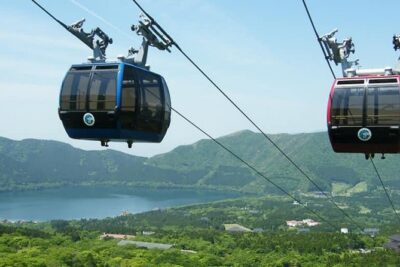
Hakone 8 hour Private Tour with Government-Licensed Guide
Read our review →
Private Tour – Hakone Day Trip! A Tour to Explore All Must-Sees!
Read our review →Browse the lists this tour appears in