
Reviewed · HAKONE TOURS
Hakone 6 hour Private Tour with Government-Licensed Guide
Hakone feels closer when someone plans it. This 6-hour private outing lets you pick 3 to 4 stops from Hakone icons, guided by a government-licensed English speaker, so you skip the usual group-rush and move at your pace.
My favorite part is the calm, efficient feel of having a person who can steer the day. The trade-off is that it is a walking-first experience, and most extra tickets (ropeway, art museums, volcano activities) are not included, plus Hakone weather can force quick changes.
Key highlights at a glance
- Pick 3 to 4 places from a menu, so the day matches your interests (not the other way around)
- Government-licensed, English-speaking guide who can explain what you are seeing and help with timing
- Multiple morning start times for flexibility, plus pacing designed to avoid crowd pressure
- Mix classic Hakone icons with art and nature, from Lake Ashinoko and Owakudani to several museums
- Weather contingency happens in real time, since ropeways and outdoor routes can be disrupted
- Private by default: only your group joins, even though you are using public transport and moving on foot
Hakone in six hours, and why a private guide matters
Hakone is one of Japan’s great “scenic systems,” where views, transport links, and sight timings all matter. A private guide does more than point at famous places. You get someone who can structure your route around the time you have, the kind of day you want, and where crowds will be thickest.
In this format, you choose 3 to 4 stops from a menu of sights. That small number is the whole point. Instead of racing between a long list, you get time to arrive, absorb the scene, and still have room for the human stuff like restroom breaks, photo pauses, and actually reading the signs.
You will also like the tone of the experience. Many guides behind this product are praised for being friendly, organized, and genuinely invested in the day going well. In past tours, guides such as Yumi, Hiro, and Kumiko (also known as Kate) have been singled out for clear explanations and smooth scheduling, which is exactly what you want in a place where transfers can be a hassle.
More Hakone tours and day trips:
- Custom Private Tour in Hakone with a Certified Local Guide
★ 5.0 · 91 reviews - Hakone 8 hour Private Tour with Government-Licensed Guide
★ 5.0 · 63 reviews - Private Tour – Hakone Day Trip! A Tour to Explore All Must-Sees!
★ 5.0 · 58 reviews
Price and value: what $175.76 really buys you
At $175.76 per person for about six hours, you are paying mostly for the guide, the planning, and the time saved. The tour includes a licensed local English-speaking guide and a customizable route built from the specified options.
Here is what you should expect to pay on top:
- Transportation fees are not included.
- Entrance fees are not included.
- Lunch is not included.
- Some stops are free for admission, while others are not included and cost extra.
That means the total value depends on which 3 to 4 stops you choose. If you lean into mostly free admissions, you control costs. If you pick several paid attractions like ropeway rides, open-air art, or volcano-linked activities, the day becomes more expensive, but also more “Hakone in one hit.”
If you are new to the area, this is where the private guide can feel like a deal. Hakone is famous, so directions, queues, and transit timing can eat hours. Paying for a guide is often cheaper than spending a day guessing and losing momentum.
The walking-first rhythm, and why timing can make or break your day
This is not a “chauffeured van all day” setup. Even with pickup offered, the meeting is on foot within a designated area, and the day is designed around walking and moving between connected sightseeing points.
A few practical effects:
- You will likely do more walking than you expect if you choose a stop mix that climbs and descends.
- You will use public transport links between areas, and those can be crowded.
- You will benefit from having a guide who knows when to go, where to line up, and how to sequence stops.
One review note that matters: on some days, Hakone can get knocked off plan by weather. Strong winds have caused ropeways and even boat-style elements to close, and guides have had to pivot quickly, sometimes swapping destinations and managing reroutes efficiently. If you travel in shoulder season or winter storms, keep your schedule mentally flexible.
How your 3 to 4 stop choices shape the entire experience
The “menu” matters. It is not just a list of places. It is basically three different Hakone moods that you can combine:
1) Classic scenery and shrine atmosphere
2) Volcanic drama and geothermal learning
3) Art museums, gardens, and quirky side trips
Below is how the major options feel in real terms, plus a few watch-outs so you can plan a balanced day.
A few more Hakone days worth comparing
- Private Hakone Half-day Car Tour with Hotel Pickup – Local Guide
★ 5.0 · 48 reviews - Tokyo 6hr Private Tour with Government-Licensed Guide
★ 5.0 · 3,902 reviews - Private Tour to Mt. Fuji and Hakone (Fully Licenced Operator)
★ 5.0 · 1,910 reviews - Fushimi Inari Hidden Hiking Tour (Private Option Available)
★ 5.0 · 1,750 reviews
Lake Ashinoko: your easy, iconic first scene
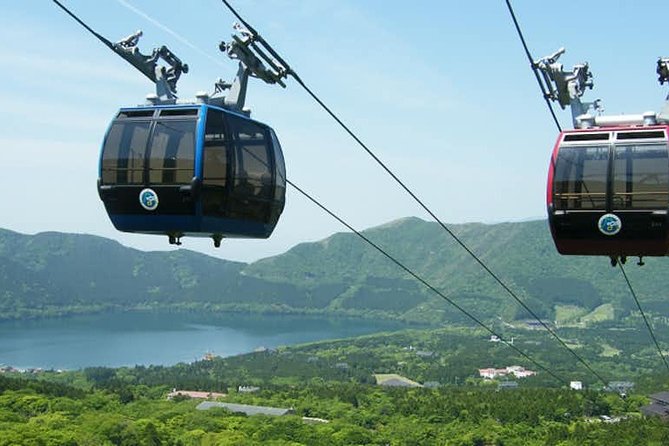
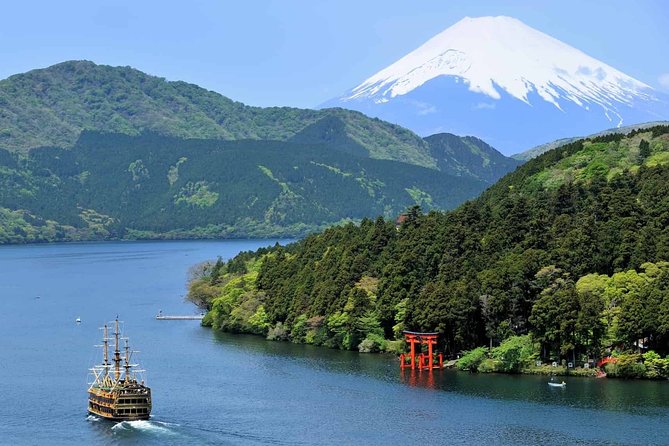
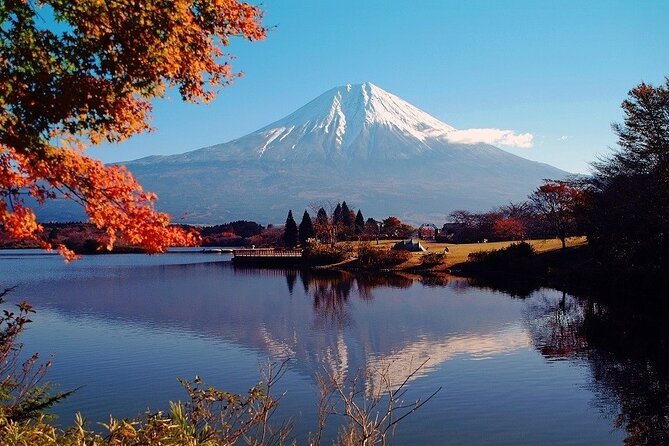
Lake Ashinoko is the go-to opening stop for a reason. It was formed in the caldera of Mount Hakone after the volcano’s last eruption, and it sits in a sweet spot where you can see the lake’s quiet scale with Mount Fuji often in the background.
Admission for this stop is listed as free, and the time allowance is around 30 minutes. That makes it a smart early pick because:
- It is a natural reset after trains and transfers.
- It sets the tone for the rest of Hakone, including the volcanic theme later.
- You can use the time to get your bearings before more structured transport rides.
Drawback: views can shift with weather. You may get a perfect Fuji moment, or you may get clouds doing their own thing. Either way, the lake is still worth time, but plan your expectations.
Hakone Shrine and Choanji Temple: calm places between crowds
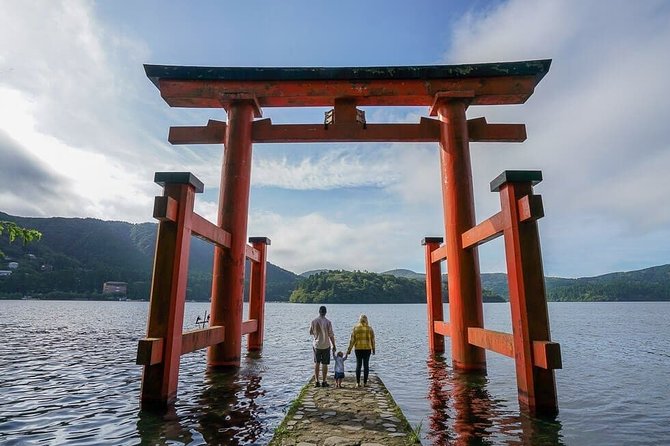
Hakone-jinja Shrine is listed as free admission with about 20 minutes. It is a long-standing worship site with buildings rebuilt over centuries, so it feels grounded rather than “just a photo spot.” The pacing also works because you can slow down and let the day breathe.
Choanji Temple (Soto Zen) is another quiet stop option, also listed as free admission, with about 30 minutes. It has an atmospheric feel and sits in a calmer part of Sengokuhara.
Why these two work in the same tour: they give you contrast. After geothermal sites and ropeway infrastructure, these spaces remind you that Hakone is not only about machinery and steam. It is also about ritual, quiet, and the long human rhythm of the region.
Ropeway and the Hakone Open-Air Museum: the “big wow” combo
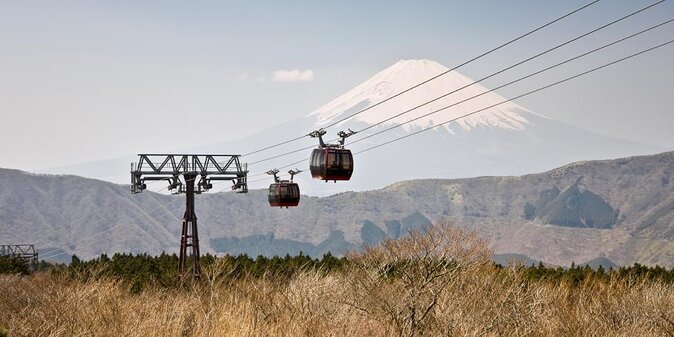
The Hakone Ropeway is an efficient way to move through Hakone’s steep terrain, connecting areas near Sounzan Station and Togendai Station. It is listed as not included for admission, and the time allowance is about 20 minutes.
Pair that with the Hakone Open-Air Museum, also not included, for another roughly 20 minutes. This museum is designed to harmonize art with nature and is spread across a large site. Even if you only have a short time slot, you will likely walk between multiple installations.
What to watch for:
- The ropeway itself can be affected by high winds, and when outdoor systems shut down, your entire route timing changes.
- With a private tour capped at 6 hours and only 3 to 4 stops, these “transport-and-attraction” choices can steal time if you hit delays.
If you want the best “wow per minute,” this pairing is a classic. Just remember to build your day around the fact that ropeway operation depends on conditions.
Owakudani Valley and the Nature Study Path: volcano energy up close
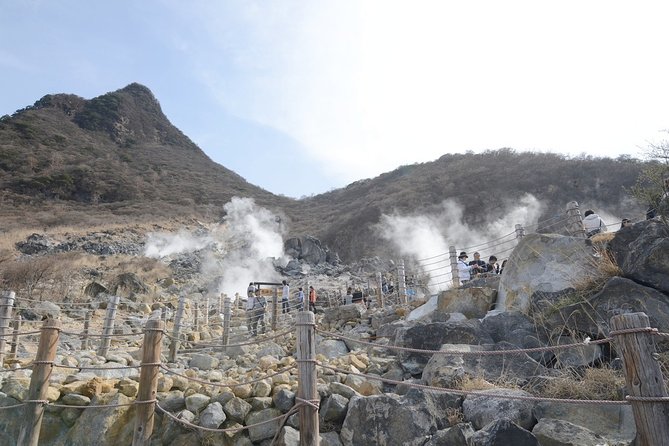
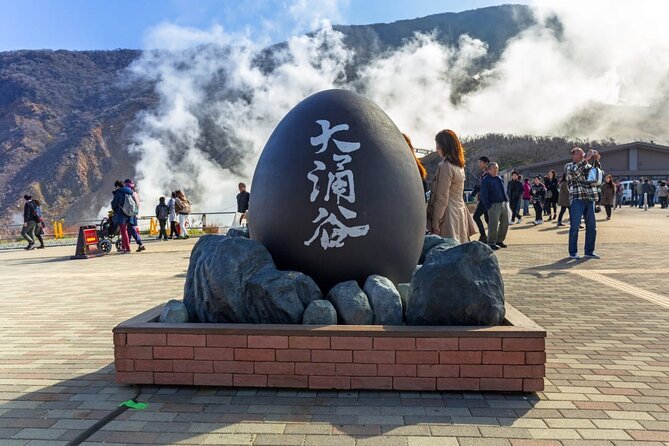
If you want Hakone’s most dramatic side, Owakudani is the headline. Owaku-dani Valley is an active volcano powering the hot springs, and it is set up for learning and viewing.
This stop is listed with about 20 minutes, and admission is not included. It is also strongly associated with trying black boiled eggs, which are often sold around this geothermal area.
There is an even more specific option: Owakudani Nature Research Trail, a walking path through an active volcanic area. This one needs advance reservation and lists an admission fee of 800 yen, with the time allowance around 40 minutes. Because it requires advance planning, it is best to treat it as a “choose it intentionally” stop, not a last-minute add-on.
Value here is simple: you get to understand the geothermal system instead of only seeing steam vents. It turns Hakone’s scenery into a story you can repeat later.
Drawbacks:
- Expect active conditions, so weather matters.
- Reservation requirements can limit spontaneity.
Art museums in Hakone: from major names to small curiosities
Hakone has a surprising number of art stops, and the private guide style is a great match because you can choose what fits your taste rather than forcing the whole museum circuit.
Here are the options listed:
- POLA Museum of Art (not included)
- Okada Museum of Art (not included)
- Hakone Museum of Art (not included)
- Narukawa Art Museum (not included), focused on nihonga
- Hakone Venetian Glass Museum (not included), with Italian-style buildings and a garden canal pond area
- Dollhouse Museum Hakone (not included), with dollhouses from around the world, some reportedly over 200 years old
- Sengokuhara, a Pampas grass slope option (not included), with a note that it is most beautiful in fall
- Hakone Shisseikaen (wetlands botanical garden, not included)
- Gora Park (not included)
How to choose if you are not an art specialist:
- If you want something visual and easy, the open-air and glass-related stops tend to feel accessible even with a short visit.
- If you love specific art types, the museums let you aim your time. Narukawa’s nihonga focus is a clear example.
- If you want a light, quirky pause, the Dollhouse Museum can be a fun change from volcano and infrastructure.
One warning: since your tour only covers 3 to 4 stops, packing in too many museums can make the day blur. I like using art to balance the day, not to repeat the same “indoor building” vibe multiple times.
Getting around: transit cards, public transport, and the freepass reality
Hakone is not hard to navigate, but it is time-consuming if you do it alone. One guide tip that showed up in past tours: Hideaki recommended getting a SUICA or PASMO card/app alongside a JR Pass. That is the kind of practical advice that keeps you from spending the day stuck at ticket machines.
Also, note this clearly: Hakone Freepass is not included. Some guides have advised preparing for it in advance, especially if you plan ropeway-style rides and multiple linked transit segments.
So what should you do?
- If you expect to use several paid routes and you are good at planning, check the Freepass option for your chosen stops.
- If you are selecting only a few paid attractions, you may not need it.
Either way, ask your guide how your exact stop mix changes the smartest transit choice. That question alone can save time.
Weather happens in Hakone, and it changes your day fast
Outdoor transport and volcanic viewpoints can be sensitive to wind and other conditions. In real cases, ropeways and some water-linked travel have been shut down, and guides have handled it by rerouting to alternative areas, managing lines, and shifting the plan without turning it into a panic scramble.
This is where the private format helps most. A guide can re-sequence your 3 to 4 stops to preserve your best priorities.
If you hate surprises, you can still handle it. Just pick stops that make sense together if one element is cancelled. For example, if ropeway timing becomes impossible, a shrine or temple stop still works as a peaceful fallback.
Who this private Hakone tour fits best
This is a strong fit if you:
- Want a controlled, meaningful day rather than a checklist
- Are traveling in a group that would rather not split up in crowds
- Care about pacing, timing, and interpretation, not only getting photos
- Prefer flexibility, since multiple morning start times exist and guides can adjust for conditions
It may not be ideal if you:
- Want a car-driven, low-walking day
- Have very strict budget constraints, since some attractions in your selection will add entrance and ride costs
- Need a fully fixed itinerary no matter the weather
Should you book this private Hakone tour?
Yes, I would book it if your goal is a calmer Hakone day with a plan that fits your interests. The customization of choosing 3 to 4 stops is the big advantage, and the guide factor is what turns a crowded scenic area into a smoother, more understandable day.
I would think twice if you want to do only low-cost sights and you do not mind figuring out transfers yourself. The tour price is paying for time and expertise, and the “extras” add up depending on which paid experiences you pick.
If you do book, set yourself up for success by choosing a stop mix that balances:
- one classic view (Lake Ashinoko),
- one culture or calm moment (Hakone Shrine or Choanji Temple),
- one “Hakone engine” experience (Owakudani or ropeway-linked sites),
- and one art or garden stop that matches your personal taste.
That structure keeps your day feeling intentional, not rushed.
FAQ
What does the tour include?
You get a licensed local English-speaking guide, a meet-up with the guide on foot within the designated Hakone area, and a customizable private walking tour where you choose 3 to 4 sites from the listed options.
Is this tour private?
Yes. It is described as a private tour/activity, meaning only your group will participate.
How long is the tour, and what is the meeting style?
The duration is about 6 hours. Pickup is offered, but the tour is a walking tour, and the guide meet-up is on foot within a designated area.
Can I choose the stops?
Yes. The tour is customizable, and you pick 3 to 4 places from the available list.
Are entrance fees and transportation included?
No. Transportation fees, entrance fees, lunch, and other personal expenses are not included. Some listed stops have free admission, while others are not included.
Is the Hakone Freepass included?
No. Hakone Freepass is not included.
Do I need a reservation for the Owakudani Nature Research Trail?
Yes. The Owakudani Nature Study Path requires advance reservation, and the listed fee is 800 yen (admission not included).
Fresh options around Hakone
- Hakone Hachiri: Old Tokaido Highway Hiking Tour★ 4.9 · 22 reviews
- Hakone: Day Tour to View Mt Fuji & Wooden Culture Experience★ 5.0 · 23 reviews
- Kowakien Yunessun Hot Springs Entry Ticket★ 4.2 · 23 reviews
- Odawara: Guided Ninja & Samurai Tour of Odawara Castle★ 5.0 · 25 reviews
- Odawara: Odawara Castle Tenshukaku Entrance Ticket★ 4.2 · 30 reviews
- Traverse Outer Rim of Hakone Caldera and Enjoy Onsen Hiking Tour★ 5.0 · 30 reviews
- Hike Japan Heritage Hakone Hachiri with certified mountain guide★ 5.0 · 46 reviews
- Private Hakone Half-day Car Tour with Hotel Pickup – Local Guide★ 5.0 · 48 reviews
Hakone Tours, compared.

Custom Private Tour in Hakone with a Certified Local Guide
Read our review →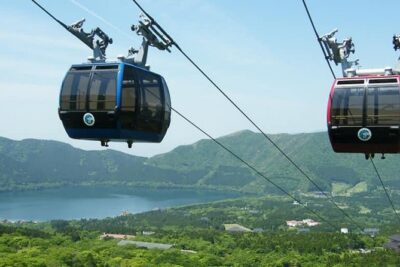
Hakone 8 hour Private Tour with Government-Licensed Guide
Read our review →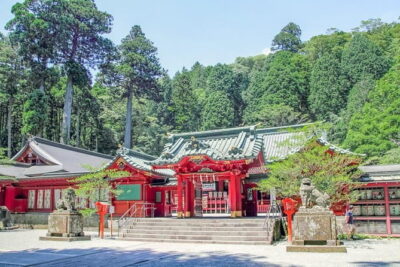
Private Tour – Hakone Day Trip! A Tour to Explore All Must-Sees!
Read our review →

Private Hakone Half-day Car Tour with Hotel Pickup – Local Guide
Read our review →
Hike Japan Heritage Hakone Hachiri with certified mountain guide
Read our review →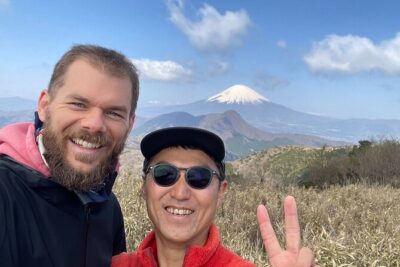
Traverse Outer Rim of Hakone Caldera and Enjoy Onsen Hiking Tour
Read our review →
Odawara: Odawara Castle Tenshukaku Entrance Ticket
Read our review →Browse the lists this tour appears in