
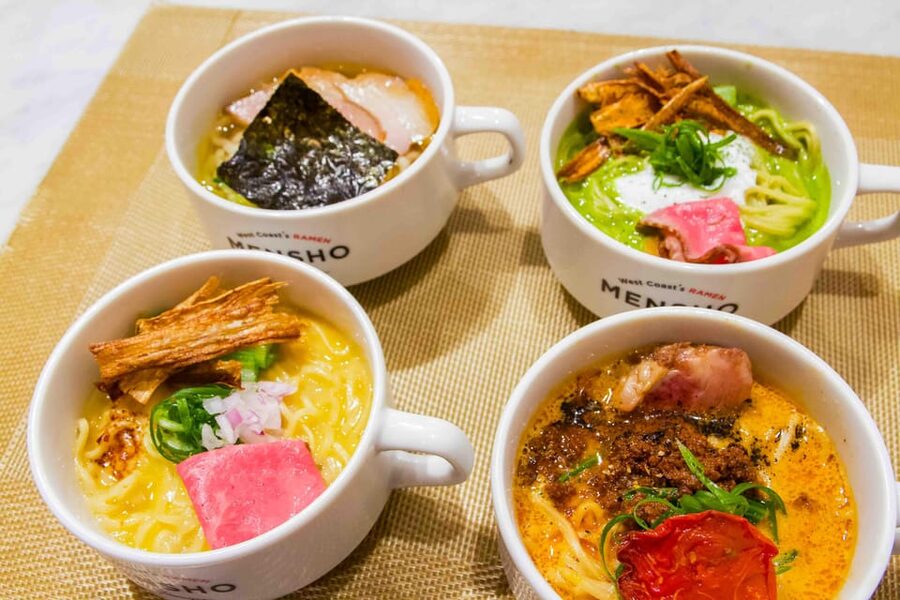
Reviewed · FOOD & DRINK
Tokyo: Ramen Tasting Tour with 6 Mini Bowls of Ramen
Six ramen stops, one smart plan. I like how this tour delivers six 1/4-size bowls picked from 11-12 options, so you sample real variety without a food coma. I also like that English guides like Sahori and Bunga turn ordering and eating into a mini ramen class. The main catch is the walking, about 3 kilometers in 3 hours, so pack comfy shoes if your legs are not huge fans of Tokyo sidewalks.
This is the kind of Tokyo experience that makes ramen feel less like one dish and more like a whole map of regional Japan. You’ll hop between three ramen shops, each known for its own style, and you’ll learn how broth, noodles, and toppings create different personalities in the bowl. If you avoid chicken, pork, or fish, note that all broths used on this tour contain those ingredients, and there’s a separate vegan and vegetarian option.
Key highlights worth your attention
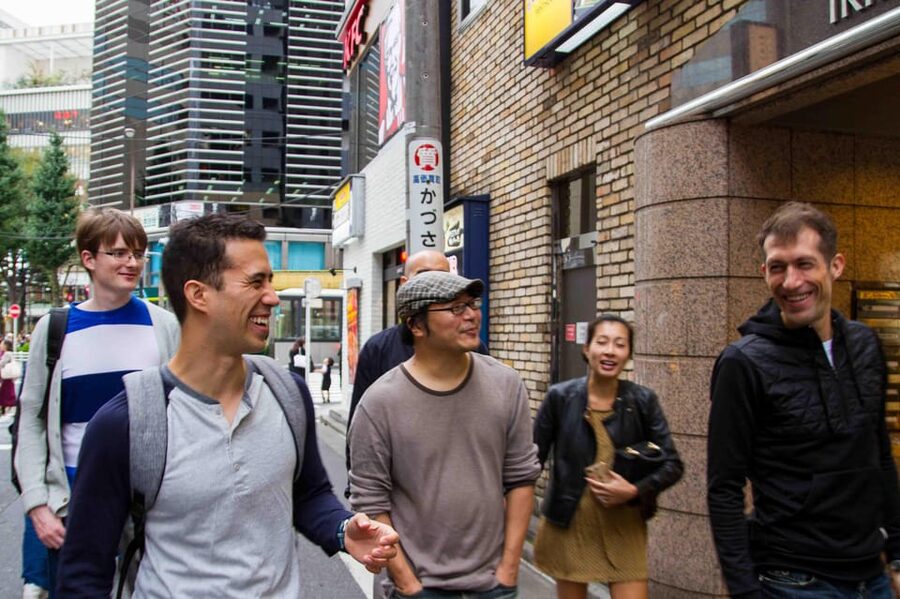
- Six mini bowls (about 1/4 size) lets you taste widely, not just repeat a favorite
- Choose your ramen from 11-12 possibilities before you start, so you control the mix
- Three neighborhoods across Tokyo, usually including Shibuya or Shinjuku, plus another area like Ueno
- Small group size (max 8), which means more time for questions about broth, noodles, and origins
- Guide-led ramen lessons using slides, handouts, and clear explanations, with named guides like Makayla, Daisy, and Manny often praised for it
Tokyo ramen tasting on a mini-bowl mission
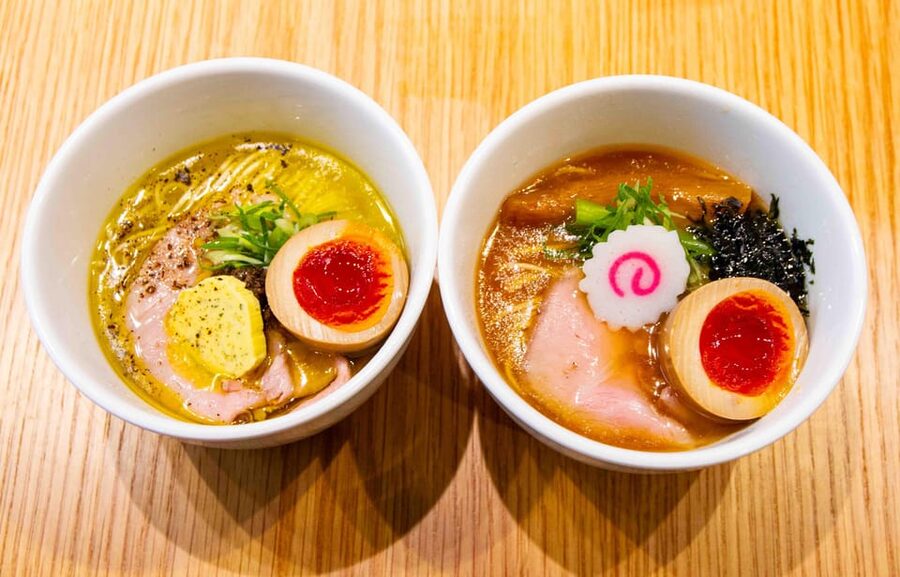
If you love ramen, this tour is built for people like you who want variety fast. Instead of committing to one shop’s style and hoping you guessed right, you get a tasting format that works like a sampler platter, but with real Japanese noodle standards.
The smartest part is the portion size. Each bowl is about one-quarter of a full serving, and those mini bowls are only available on this tour, which keeps the experience from feeling like a basic “eat and leave” meal. It still adds up to plenty of food. Most people finish the final stop full, and more than one guide’s group conversation points the same way: skip lunch, or at least go light beforehand.
The other thing I like is how the guide frames what you’re eating. The tour doesn’t treat ramen like a single category. You learn how ramen’s roots and regional styles shaped today’s favorites, then you connect that story to what you’re slurping right in front of you.
More Food Tours in Tokyo
- Tokyo: Shinjuku Food Tour (13 Dishes at 4 Local Eateries)
★ 5.0 · 6,603 reviews - Tokyo Tsukiji Fish Market Food and Culture Walking Tour
★ 5.0 · 3,184 reviews - Tokyo: Shinjuku Food Tour (15 Dishes and 4 Eateries)
★ 4.9 · 2,033 reviews
Price and value: why $122 can make sense in Tokyo
At $122 per person for a 3-hour guided experience, this is not a cheap dinner. But you are paying for three things that are hard to DIY in Tokyo: access to multiple award-winning shops, a guided explanation that makes the differences click, and a tasting format designed to cover lots of styles in one afternoon.
Here’s what that means for your money. You’re not just buying six bowls. You’re also paying for someone to route you through three ramen shops that each offer a distinct style, and for help choosing from the 11-12 options when that moment arrives. A guide also saves you guesswork about what to order and how to interpret what you taste, which can be the difference between eating ramen and truly understanding ramen.
I’ll also be honest about the value question. If you’re the kind of person who would happily eat one perfect tonkotsu bowl and call it a day, you might feel this costs more than it needs to. If you love comparisons, questions, and learning how broth and noodles change the whole experience, the price tends to feel more fair.
The ramen lineup: six mini bowls, three shops, one choice strategy
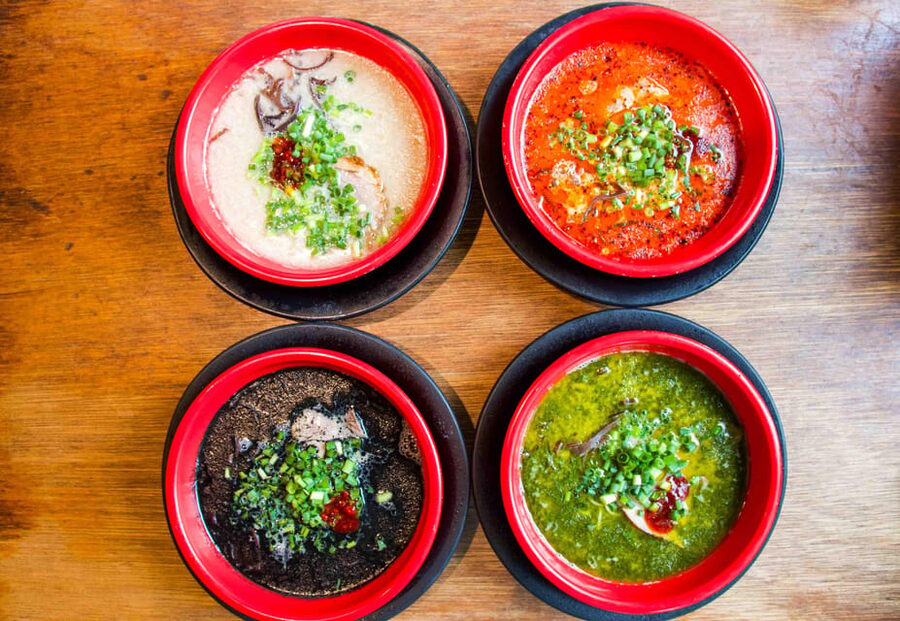
The structure is simple, and it’s effective. At three award-winning ramen shops, you sample six mini bowls that together cover different styles. Before you eat, you’re typically choosing the six ramen from a menu-style selection of about 11-12 choices, and the mini portions let you do this without turning the tour into an all-you-can-eat marathon.
You can expect some consistent learning themes across stops. The guide uses slides and handouts to explain ramen origins, types of broth, and how prep affects flavor. Several groups mention a tablet-style visual presentation too, which helps you remember what each bowl is teaching you.
Also note the flavor reality up front. The tour’s broths contain chicken, pork, and fish. That means it’s not suitable for people who need strict vegan or vegetarian meals. If you’re vegetarian or vegan, you’ll want the separate vegan and vegetarian ramen tasting tour.
The walking reality: what 3 kilometers feels like
Plan around walking. This tour covers about 3 kilometers in roughly 3 hours, moving between neighborhoods and ramen shops. That’s not extreme, but it’s enough that your feet notice it by the second or third stop, especially if it’s hot or rainy.
One detail from real experiences that I think matters: the guides handle weather when they need to. In heavy rain, a guide reportedly arranged a taxi for the last leg for their group. You shouldn’t assume that will happen every time, but it tells you the tour isn’t totally rigid if conditions get miserable.
Practical advice is boring for a reason. Wear comfortable shoes you already trust. If you tend to get cold easily, consider a light layer, because ramen shops can be chilly once the walking starts. Bring an empty stomach in the sense that you should not plan to eat a full lunch beforehand.
More Ramen Tours in Tokyo
- Eat and Drink Like a Local: Tokyo Ueno Food Tour-Taverns&Ramen
★ 5.0 · 957 reviews - Ramen & Gyoza Cooking Class in Tokyo with Local Supermarket Visit
★ 5.0 · 823 reviews - Tokyo: Easy Ramen Cooking Experience in Kabukicho, Shinjuku
★ 4.6 · 321 reviews - Ramen and Sushi Cooking Class with Sake Pairing Set in Tokyo
★ 5.0 · 291 reviews
Shibuya route: Hokkaido classics, fusion tonkotsu, and curry ramen
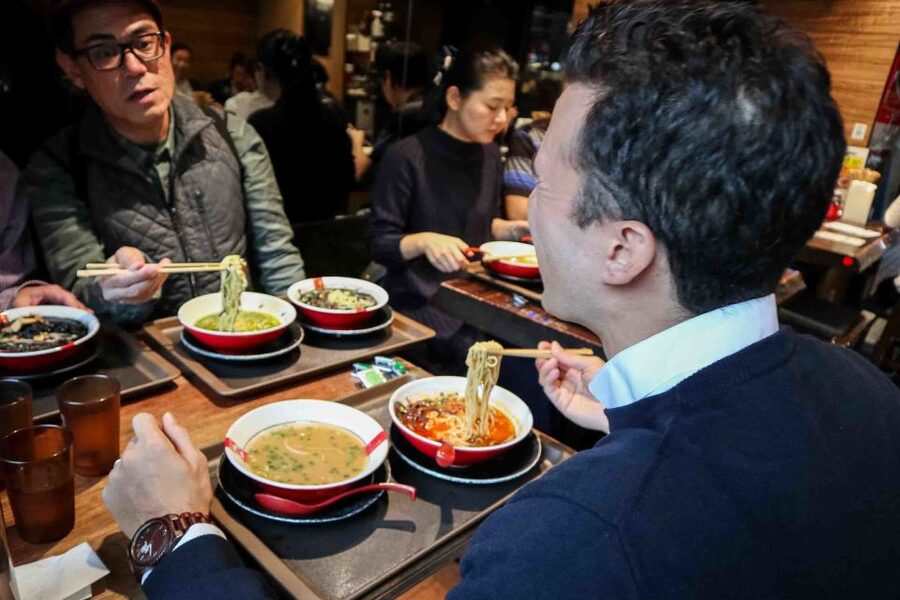
If your day runs the Shibuya route, you’ll start in Shibuya and then work through two more shops that keep the styles changing. The three stops typically look like this:
Shop 1: Classic Hokkaido ramen
This is where the tour often gives you a baseline for a colder-region flavor profile. You’re tasting a classic approach tied to Hokkaido identity, so it’s a useful anchor for the rest of the afternoon.
Shop 2: Fusion tonkotsu (pork bone) ramen
Tonkotsu is famous for its deep, milky broth. The word fusion matters here because it signals the shop is doing its own twist, which gives you something to compare against your assumptions.
Shop 3: Savory curry ramen
This is the curveball that keeps you awake. Curry ramen moves the flavor direction from broth depth to spiced comfort, so you learn how the same noodle framework can still feel totally different.
In terms of pacing, Shibuya-based routes are usually great for people who want Tokyo energy without needing a full-day sightseeing plan. You get the sights and the ramen education at the same time, which is handy if you only have a short window in the city.
Shinjuku route: Tokyo classic, tori paitan, then a luxe chicken or fish bowl
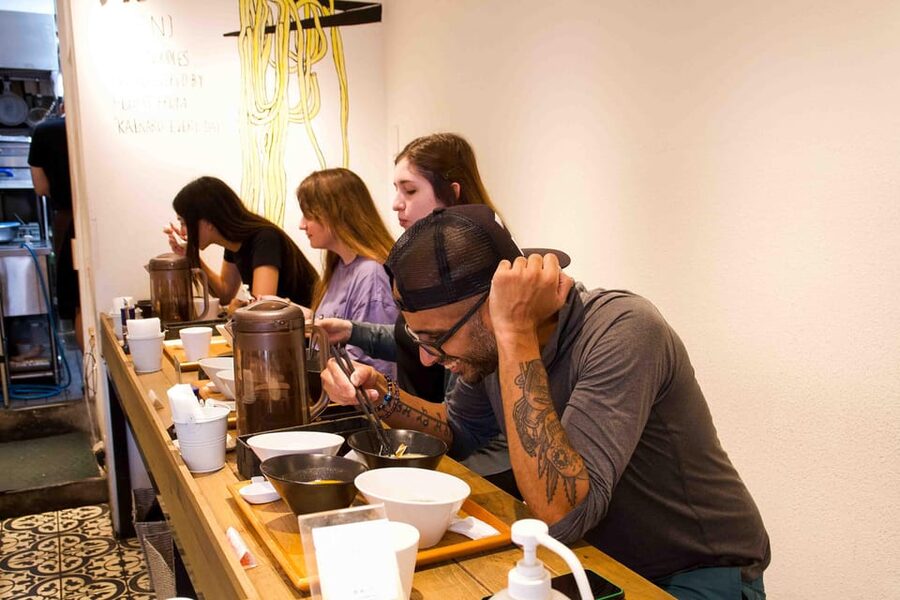
The Shinjuku route also uses three shops, but it leans into different broth styles than the Shibuya version. Your stops are typically:
Shop 1: Classic Tokyo ramen
This is a “close to the center” flavor reference point. It helps you understand what people often mean when they talk about ramen that feels straightforward and familiar in Tokyo terms.
Shop 2: Modern tori paitan (rich chicken ramen)
Tori paitan is where many first-timers get a new favorite. You’re learning that chicken-based broths can be as rich in feel as pork-based styles, just with a different kind of body and flavor behavior.
Shop 3: Luxurious chicken or fish ramen
The final stop is the soft landing, the one that often feels extra satisfying because the shop chooses chicken or fish for a more refined finish.
If you like neighborhoods that feel lively and urban, Shinjuku is a solid choice for the walk-and-eat rhythm. You also get another layer of ramen variety because the route naturally changes the broth story from start to finish.
Ueno route: Kyushu classic, tsukemen, then modern Tokyo style
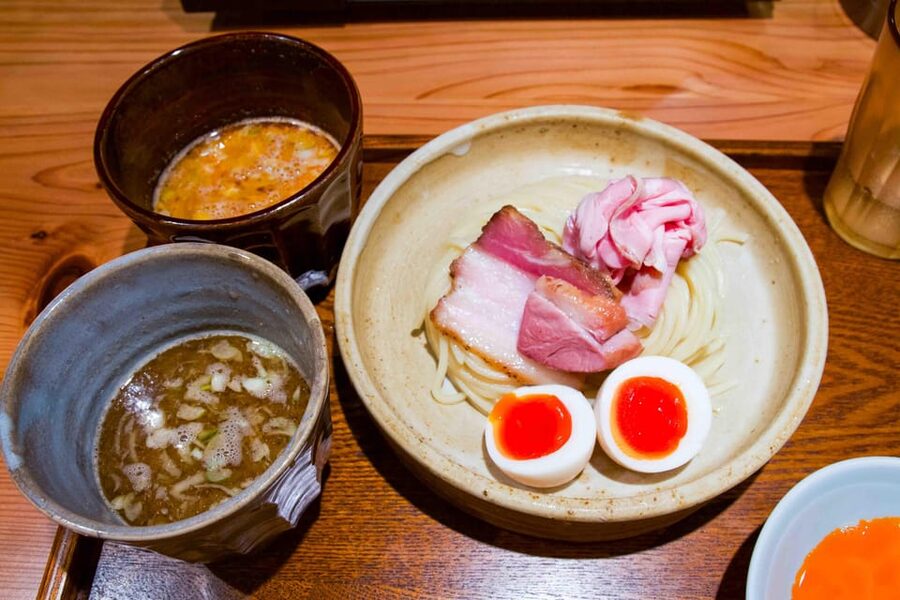
Some days run through Ueno instead of Shibuya or Shinjuku as the main neighborhood. This route is designed to teach you how ramen doesn’t have to be eaten the same way every time.
Shop 1: Classic Kyushu ramen
Kyushu style is often associated with distinct broth choices and a regional attitude. Tasting it in a dedicated shop setting helps you spot what’s different without needing a history lecture first.
Shop 2: Contemporary tsukemen (dipping)
Tsukemen is the big format shift. Instead of a bowl of noodles floating in broth, you dip noodles into a separate sauce-like broth. It changes how you experience saltiness, richness, and noodle texture because you control the contact.
Shop 3: Modern Tokyo ramen
This last stop is a way to compare tradition with today’s Tokyo approach. Modern Tokyo ramen often feels cleaner or more tailored to current preferences, which helps you understand how styles evolve.
Ueno works well if you want a less obvious ramen path than the most central tourist routes. It’s still Tokyo, but it can feel more grounded as you walk between stops.
The ramen class part: what you learn (and how it changes your next meal)
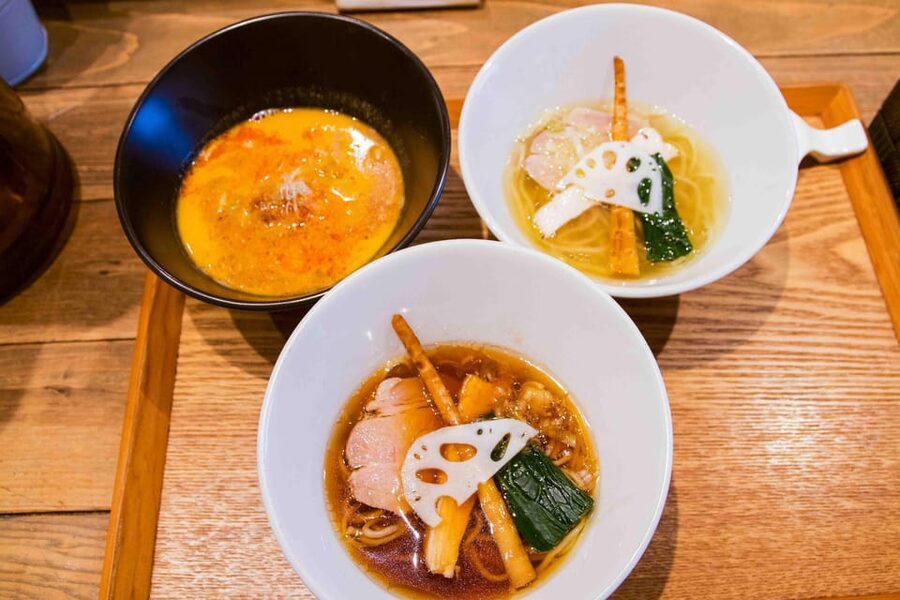
This is where the tour earns its reputation. You’re not just eating six bowls. You’re getting a structured explanation of what you’re tasting, and that makes future ramen in Tokyo more fun.
You learn about ramen origins and the different types of ramen, including what makes specific broth styles different. Multiple groups mention guides using tablets or visual slides, which helps you connect the story to the bowl without relying only on memory.
Here are the practical lessons that stick. When you taste a milky tonkotsu bowl versus a tori paitan, you start noticing the texture and flavor behavior, not just that one tastes “stronger.” When you try curry ramen, you understand that the curry component isn’t just extra flavor, it changes the whole balance of broth and salt perception. And with tsukemen, you learn why dipping changes noodle experience compared with soup immersion.
Once you’ve learned the basics, you’ll also find you’re better at ordering on your own. You know what questions to ask, what to look for on menus, and what type of bowl you want on a given day.
Food strategy: how to avoid regret at the final bowl
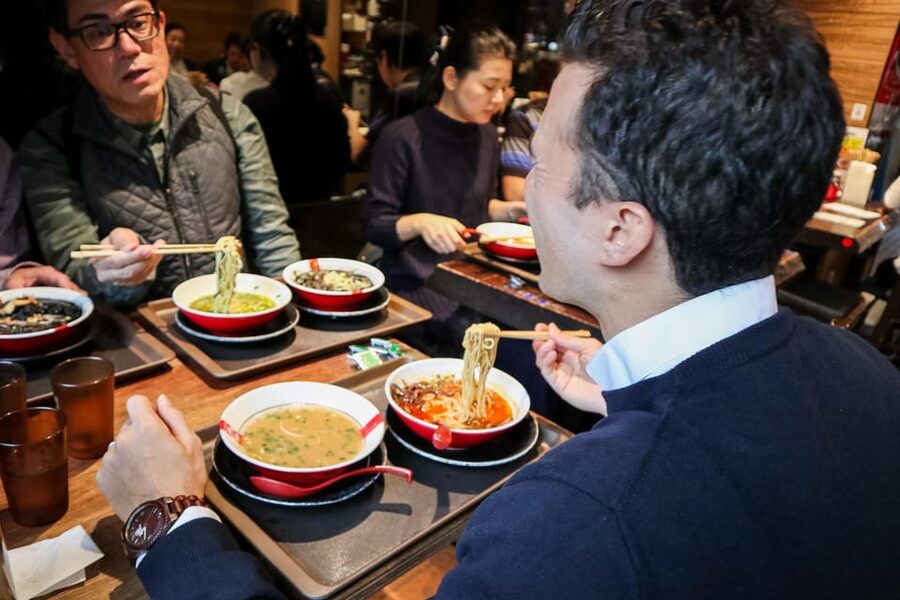
This tour gives you six mini bowls, but don’t mistake mini for light. People end up very full, especially after three shops plus walking time in between.
My advice if you want to enjoy the full experience:
- Eat a light breakfast or skip lunch so you have appetite for all six
- Go slow during each bowl. The mini portion is forgiving, but rushing can make you too full too fast
- Stay hydrated. You get a beverage included, but it helps to drink water too if the weather is hot
If you’re the type who gets stuffed easily, plan to savor more than you chase. The tour is about variety, so take your time, notice the broth differences, and let your body adjust.
Who this tour suits best, and who should skip it
This tour fits you if you want ramen education plus real Tokyo walking. It’s ideal for first-time ramen fans who want to understand categories, and it’s also great for people who already love ramen but want broader variety than a single flavor lane.
It’s also a good fit for groups who like asking questions. The group size is capped at 8, which keeps the experience from feeling like a rushing cattle-line meal.
You should consider skipping or picking a different option if:
- You have a low fitness level. The tour involves about 3 kilometers of walking in 3 hours
- You need fully vegan or fully vegetarian food. The broths used here contain chicken, pork, and fish
For families, it can work, and at least one review notes the tour handled a younger participant well. Still, it remains a walking-and-eating route, so you’ll want to judge based on your child’s stamina.
Final thoughts: should you book this ramen sampler tour?
Book it if you want to feel like a ramen person by the time you finish. The combination of six mini bowls, multiple distinct shops, and structured explanations makes it one of those Tokyo food experiences that gives you more than just a good meal.
Skip it if your ramen style is “one bowl, one flavor, no questions.” This tour is designed for people who like comparisons and want to understand why broths and noodles matter.
If you do book, show up with comfortable shoes, keep meals light beforehand, and expect to end the afternoon with a well-earned ramen buzz. And if your guide is someone like Sahori, Makayla, Daisy, or Bunga, you’re in good hands based on how often clear explanations and lively ramen enthusiasm get mentioned.
FAQ
How many ramen bowls do I taste on this tour?
You taste six mini bowls of ramen, and they are about 1/4 the size of a full bowl. You also get one beverage included.
Can I choose which ramen I get?
Yes. You choose six ramen from a selection of about 11-12 options.
How long is the tour?
The tour runs for about 3 hours.
How much walking is involved?
The tour includes a good amount of walking, about 3 kilometers (around 1.86 miles).
Where does the tour start and end?
The tour starts in Shibuya and ends in Ebisu or Shinjuku, depending on the day. The exact meeting point can vary based on the option booked.
Is this tour vegan or vegetarian friendly?
No. All ramen broths used on this tour contain chicken, pork, and fish. If you want vegan or vegetarian ramen, there is a separate vegan and vegetarian tasting tour.
More Ramen Experiences in Tokyo
- Professional Ramen & Gyoza with Ramen Chef in a restaurant!
★ 5.0 · 223 reviews - Shibuya: Ramen Dojo Tokyo | Make All 3 (Tonkotsu/Shoyu/Miso)
★ 5.0 · 214 reviews - Shibuya: Ramen Dojo Tokyo | Make All 3 (Tonkotsu/Shoyu/Miso)
★ 4.8 · 207 reviews - Ramen Tasting – Mini Bowl Ramen Tour
★ 5.0 · 127 reviews
Fresh options around Tokyo
- Privately visit local home for relax tea ceremony &music, Tokyo★ 5.0 · 14 reviews
- Tokyo: Mt Fuji Lake Kawaguchi & Yamanaka Hot Spring Day Tour★ 4.0 · 14 reviews
- Japanese paper Notebook and Mizuhiki Belt Bookmark Workshop★ 4.9 · 14 reviews
- Tokyo National Museum Private Tour★ 4.5 · 14 reviews
- [Once-in-a-Lifetime Experience]Tokyo City Go-Kart Experience Tour★ 5.0 · 14 reviews
- tokyo city walk tour visit Tokyo in one day★ 5.0 · 14 reviews
- Home made Ramen you made from scratch!!★ 5.0 · 14 reviews
- Tokyo: Shibuya Local Hidden Bar/Izakaya and Karaoke Tour★ 4.7 · 14 reviews
Food & Drink, compared.
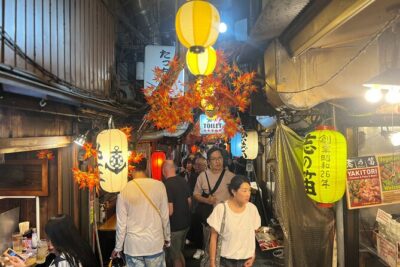
Shinjuku Food Tour (13 Dishes at 4 Local Eateries)
Read our review →
Tokyo Tsukiji Fish Market Food and Culture Walking Tour
Read our review →
Shinsekai Food Tour with 13-15 Dishes at 5 Eateries
Read our review →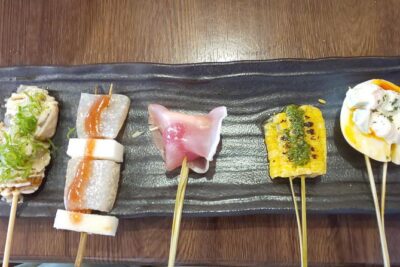
Osaka Food Tour: 13 Dishes at 5 Local Eateries
Read our review →
Shinjuku Food Tour (15 Dishes and 4 Eateries)
Read our review →
Best of Shinjuku: Izakaya Food Tour (4 Stops, 14+ Tastings)
Read our review →
Kyoto Night Foodie Tour in Gion (9+ dishes + 6 Sake tastings)
Read our review →
Hungry Osaka Street Food Tour:15 Tastings & 3 Drinks with a Local
Read our review →Browse the lists this tour appears in