
Reviewed · NAGOYA TOURS
Nagoya: 2026 Hida Takayama Shirakawa-go Light-up Winter Tour
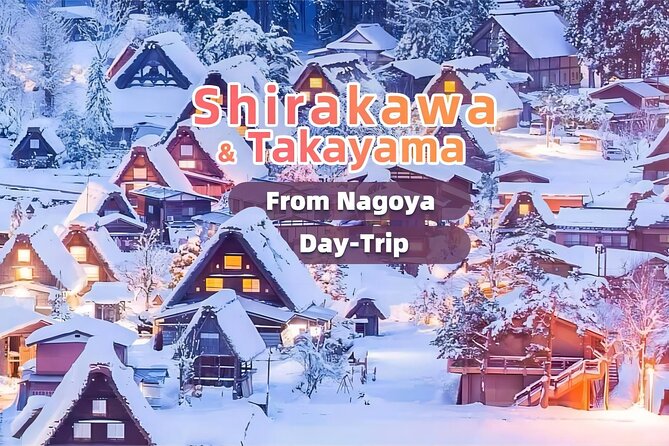
If you love winter photos, this day trip delivers. You’re looking at Hida Takayama old streets, then UNESCO Shirakawa-go gassho-style farmhouses, plus seasonal light-up nights on Jan 25 and Feb 1.
What I like most is the mix of planned stops and real breathing room. You get time in Miyagawa Morning Market to snack and wander, and you also get enough freedom to choose what you do in Takayama and Shirakawa-go at your own pace.
One thing to think about is the weather. If Shirakawa-go is blocked by heavy snow or road closures, the plan switches to Gujo Hachiman, so you should be flexible about your ideal photo targets.
Key things that make this winter tour worth your time
- Two iconic towns plus serious photo time with long windows for self-guided wandering
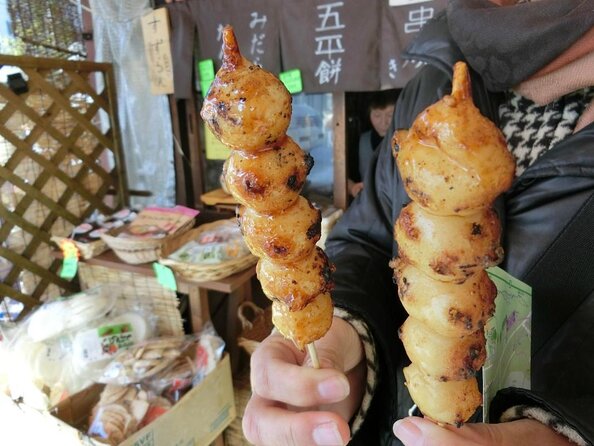
- Miyagawa Morning Market time for easy local snacks and shopping
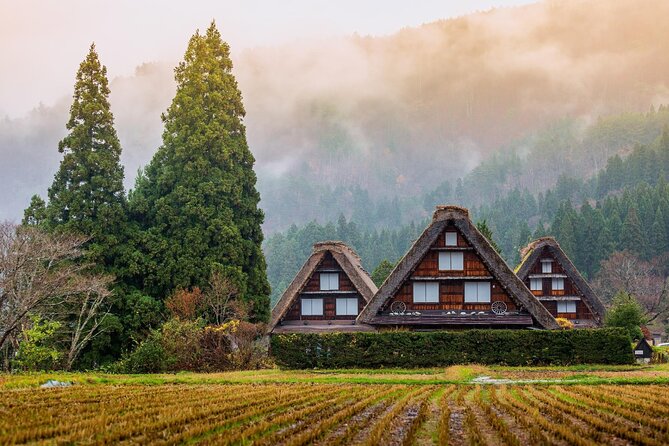
- Shirakawa-go winter atmosphere with gassho-style rooftops and mountain views
- Winter illumination on specific dates (Jan 25 and Feb 1) for magical nighttime photos
- A weather backup plan that swaps to Gujo Hachiman if Shirakawa-go is unreachable
Getting from Nagoya to Hida Takayama without wasting a day
You start at Nagoya Eki Taikodoriguchi, which is the Shinkansen North Exit side of Nagoya Station. Your guide meets you there holding a flag, and you’ll also communicate by WhatsApp, so download it before you go.
The ride to the first region is about 2.5 hours one way. That matters because it keeps the day-trip feel, but it also means you should plan to treat the whole day like one long photo and snack day, not a quick hit and run.
A few more Nagoya days worth comparing
- From Nagoya: Gujo, Hida Takayama, and Shirakawa-go Day Tour
★ 4.4 · 398 reviews - Ghibli Park 1-Day Bus Tour from Nagoya
★ 4.5 · 277 reviews - From Nagoya: Hida Takayama & Shirakawa-go Tour w/Opt. Lunch
★ 4.5 · 256 reviews
Toyama Prefecture stop: a long break for photos and a stretch
After the early bus ride, you’ll have a Toyama Prefecture photo stop and about 2 hours of free time. The program lists photo stop, sightseeing, walk, and self-guided time, so you’re not being rushed through a checklist.
Here’s how I think about it for planning: this is your chance to reset. Grab warm drinks if you can, walk off jet lag or travel stiffness, and take photos without feeling like you’re chasing the group.
Miyagawa Morning Market time, built for snacking and browsing
Next comes Miyagawa Morning Market with about 30 minutes of free time. You can shop and do a self-guided walk, but the real point is the food market vibe, plus the chance to try small bites without committing to a sit-down meal.
In my book, this is one of the best types of time blocks for a one-day itinerary. Half an hour is short enough to keep the schedule, but long enough to buy a snack, taste what you came for, and still see the stalls.
Where to eat in Takayama during your free time
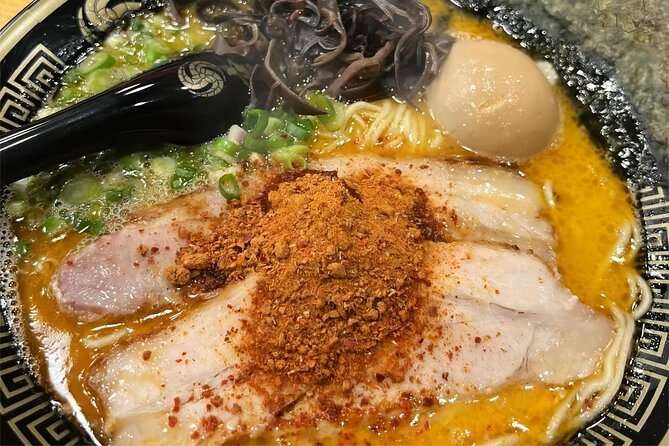
Meals are not included on this tour, so you’ll be paying out of pocket when you choose lunch or snacks. The good news is the day gives you multiple windows where you can do food the way you want.
For self-guided lunch options in Hida Takayama, consider these picks:
- Ajizo Heaven: Hida beef focus. Address: 4-147 Huali, Takayama City
- Maruaki Hida Takayama Store: Hida beef barbecue, known for its melt-in-your-mouth style. Address: 6-8-1, Temma-cho, Takayama City
- Hida こって Beef: beef sushi option. Address: 34 Kamisanomachi
Important detail: the guide does not escort you to these places. You’re free to wander and pick what fits your appetite and pace.
Same corner of Japan, a different kind of day:
- Hiking the Historic Nakasendo Trail [1 Day Tour from Nagoya]
★ 5.0 · 104 reviews - Nagoya Highlight Tour guided by a friendly local
★ 5.0 · 86 reviews - Nagoya: Japanese Traditional Sweets making and Tea Ceremony
★ 4.9 · 76 reviews - Magome-juku, Tsumago-juku & Ena-kyo 1d Bus Tour from Nagoya
★ 4.6 · 75 reviews
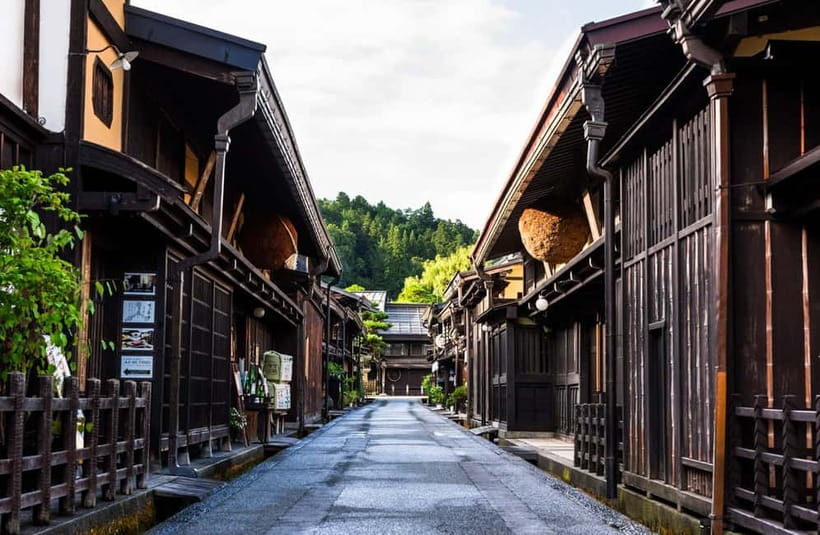
The Edo-period streets of Hida Takayama: your time capsule moment
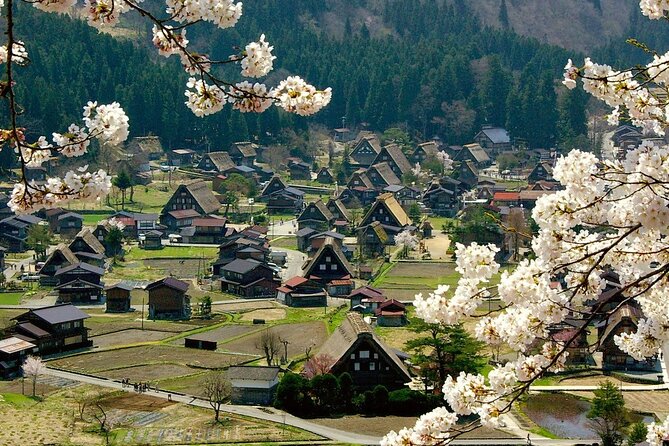
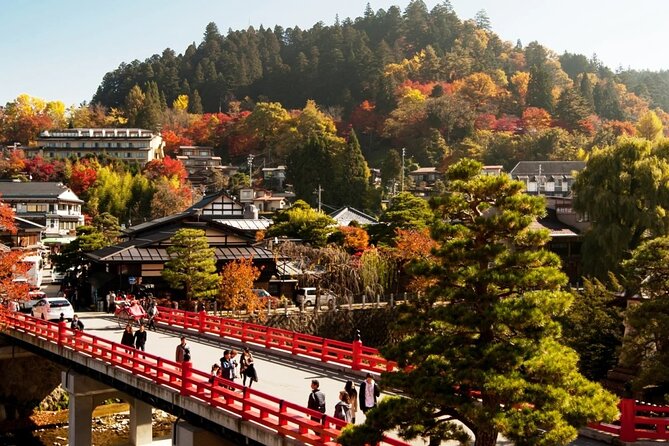
Once you reach Hida Takayama, plan on about 2 hours of time in town. The idea is to walk the preserved Edo-period streets, which is why the area often gets compared to a smaller Kyoto.
This is the type of neighborhood where small details reward slow walking. Traditional wooden houses, old lanes, and seasonal winter scenes are the main draw, and the route works best if you’re okay taking your time with photos.
If you’re hoping for a heavy, technical explanation of how the old buildings were constructed, there’s a small trade-off. One experience I’d keep in mind is that people who want more on house-making details may wish the guide spent more time on that topic.
Regional food stops: planned chances to taste, still on your dime
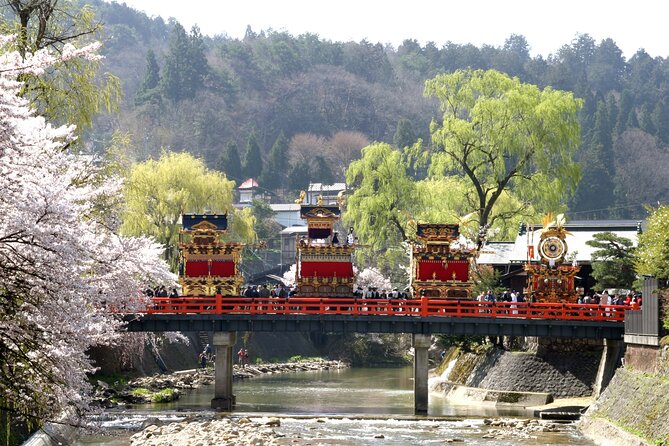
Your schedule includes two separate regional food stops, each listed as 30 minutes. The overall outline shows regional food time blocks rather than a formal included meal, and the tour notes that meals are not included.
So think of these stops as food and snack timing. You can sample, compare options, and keep moving without the pressure of finding a restaurant on your own in a winter schedule.
Shirakawa-go arrives with that postcard feeling
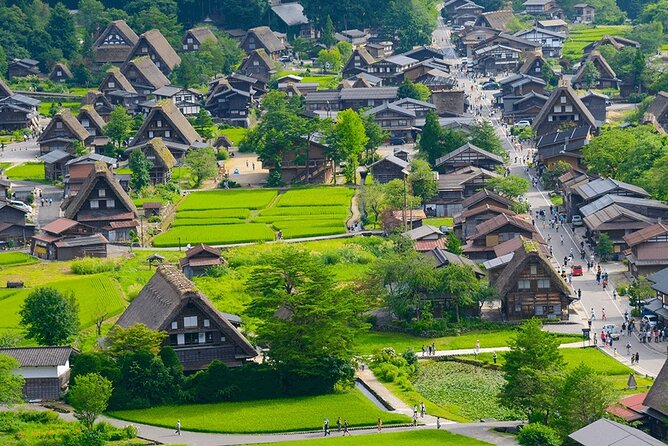
Then you head to Shirakawa-go, and the day shifts into UNESCO World Heritage mode. The main headline is the gassho-style farmhouses, famous for their steep thatched roofs designed for heavy winter snow.
You’ll have about 2 hours total at Shirakawa-go, including a photo stop, free time, and scenic views on the way. That mix is helpful: you get views from different angles, and you’re not limited to only the center of the village.
Shiroyama Observation Deck and the view play
From Shirakawa-go, one of the key photo spots is the Shiroyama Observation Deck. You’ll take in the snowy view with the Hakusan Mountains forming a backdrop, when conditions allow.
One practical note from experience: there may be ticketing involved for observation access, and some people wished there were clearer options to handle those tickets. If you want the deck shot, consider building a little extra attention into your planning once you arrive, so you don’t get stuck wondering how to get in.
Rakuto café for winter warmth and a fun pop-culture detour
For something different, the tour includes a suggested stop at Rakuto, a gassho-style café featured in the manga ONE PIECE. It’s located at 792 Ogimachi, Shirakawa Village.
The signature comfort order is their red bean porridge with dango. This is not just a warm-up stop. It’s a nice reset when winter air has you running on pure photo energy.
Like the other food stops and recommendations, this is self-guided, not escorted. That works in your favor if you want to keep moving, or if you’d rather linger with your drink and thaw your hands.
How the winter illumination changes the vibe
This tour includes seasonal Shirakawa-go Winter Illumination on Jan 25 and Feb 1. If you’re visiting on those dates, the light-up adds a completely different look to the village at night, turning the gassho silhouettes into something more cinematic.
Even if you aren’t obsessed with night photography, illumination tends to make the streets feel slower and more atmospheric. You’ll likely find it easier to take your time, because the lights pull your eyes into the scene.
If you care about illumination photos, dress for cold and plan your pace. Winter evenings move fast, and you do not want to be cold and rushed at the exact moment you want clean shots.
If Shirakawa-go is blocked: Gujo Hachiman takes the place
Here’s the winter reality check. If Shirakawa-go becomes unreachable due to heavy snow or highway closures, the itinerary changes to visit Gujo Hachiman instead.
This matters for expectations. You still get a winter day trip with a change in scenery, but the UNESCO farmhouses are the core promise. Your best strategy is to book if you’re excited about winter Japan generally, not only if you’re planning your entire trip around one single village view.
Timing and what the 10 hours really feels like
The tour is listed as 10 hours total with roundtrip transport from Nagoya. That’s a full day, and the schedule includes multiple stops that are a mix of guided elements and self-guided time.
To make it enjoyable, treat it like a flexible day. You’ll see the big icons, but you’ll also have windows to choose snacks, coffee, and photo moments.
One more practical note: luggage space is limited. Avoid large bags. A smaller daypack makes the day smoother, especially in winter when everyone is trying to keep their coats, gloves, and cameras manageable.
Bus comfort and small rules that matter in winter
The bus is described as clean and comfortable, which is a real deal-breaker in long winter days. Also note the rules: no smoking in the vehicle, and no food and drinks in the vehicle.
For winter travelers, this is why it helps to bring the right clothing and a way to buy warm drinks at stops. You’ll be outside enough for weather to matter, but the schedule still depends on the bus being ready to move on time.
And timing is strict. The bus will depart on time with no exceptions. If you’re late or at the wrong meeting spot, refunds may not be granted, so be there early and double-check you’re at Nagoya Eki Taikodoriguchi.
Who this tour suits best, and who should reconsider
This is a great fit for first-time visitors to Japan’s central region who want the highlights without building train connections. It also suits people who like structure but still want free time to wander, eat, and photograph at their own pace.
It may be less suitable for people over 75, based on the tour’s notes. Also, if you need maximum hand-holding for every single stop, this style of “guided plus self-guided” may feel a little independent.
Price and value: why $67 can work for a one-day hit
At about $67 per person for a 10-hour roundtrip, the price is mainly paying for three things: transportation, the driver and guide, and the time savings of not figuring out a complex day by yourself. Since meals and admission tickets are not included, you should budget extra for lunch, snacks, and any paid viewpoints.
Where it feels like good value is when you use the self-guided windows well. The free time at Takayama, the market snack browsing, the Shirakawa-go photo windows, and the optional café stop give you enough flexibility that you are not locked into a single pace or one expensive meal.
If you’re the type who can handle a day of walking, taking photos, and grabbing food on your own, the cost makes sense. If you prefer fully escorted stop-by-stop, or you expect all entrances and meals covered, you might want to compare other tour styles before committing.
My honest decision guide: should you book this Nagoya winter tour?
I’d book this tour if you want:
- Hida Takayama’s preserved Edo streets and a proper winter feel in one day
- a focused Shirakawa-go visit with gassho farmhouses, plus a strong chance at unforgettable snowy photos
- a date-specific shot at Winter Illumination on Jan 25 or Feb 1
- enough free time to snack, browse, and keep your pace
I’d pause if:
- your whole trip depends on Shirakawa-go being accessible every time, because weather can shift you to Gujo Hachiman
- you need meals and paid entrances included in the price
- you want deeper, step-by-step explanation of house construction rather than the broader touring approach
If you’re realistic about winter conditions and you’re ready for a full day, this is a strong way to experience two of central Japan’s most memorable places without stress.
FAQ
What is the duration of the Nagoya Hida Takayama Shirakawa-go winter tour?
The tour duration is listed as 10 hours.
Where do I meet the guide in Nagoya?
Meet at Nagoya Eki Taikodoriguchi, Shinkansen North Exit, 6 Tsubakichō, Nakamura Ward, Nagoya, Aichi 453-0015, Japan. The guide will be holding a flag for easy recognition.
What languages are available for the live guide?
The tour offers live guiding in English, Chinese, Traditional Chinese, and Japanese.
Are meals included in the price?
No. Meals are not included, and you’ll pay for your own food and drinks during self-guided time.
Is the Shirakawa-go Winter Illumination included year-round?
The winter illumination is included on select dates, specifically Jan 25 and Feb 1.
What happens if Shirakawa-go is unreachable due to weather?
If Shirakawa-go is inaccessible due to heavy snow or road closures, the itinerary will change to a visit to Gujo Hachiman.
Are admission tickets included?
Admission tickets are not included.
Are there any restrictions while riding in the bus?
Smoking is not allowed in the vehicle, and the tour notes that food and drinks are not allowed in the vehicle.
Fresh options around Nagoya
- From Nagoya: Eihoji, Enakyo, Magomejuku & Tsumagojuku Day Tour★ 4.0 · 13 reviews
- From Nagoya: Hida Takayama & Shirakawago Tour (Small Group)★ 5.0 · 13 reviews
- Walking Small-Group Nagoya City Tour★ 5.0 · 13 reviews
- Nagoya Private Tour with a Local: Highlights & Hidden Gems★ 5.0 · 13 reviews
- Nagoya: Traditional Japanese Sweets-Making Workshop★ 4.6 · 14 reviews
- Nagoya Private Custom Tour with Local Guide★ 5.0 · 15 reviews
- Nagoya: Customized Private Tour★ 4.6 · 15 reviews
- Pub Crawl in Nagoya★ 5.0 · 15 reviews
Nagoya Tours, compared.

![Hiking the Historic Nakasendo Trail [1 Day Tour from Nagoya]](https://review-japan.com/wp-content/uploads/hiking-the-historic-nakasendo-trail-1-day-tour-from-nagoya-400x267.jpg)
Hiking the Historic Nakasendo Trail [1 Day Tour from Nagoya]
Read our review →
Nagoya Highlight Tour guided by a friendly local
Read our review →
Japanese Traditional Sweets making and Tea Ceremony
Read our review →
Magome-juku, Tsumago-juku & Ena-kyo 1d Bus Tour from Nagoya
Read our review →
Nagoya Full-day Private Custom Tour with National Licensed Guide
Read our review →Browse the lists this tour appears in