
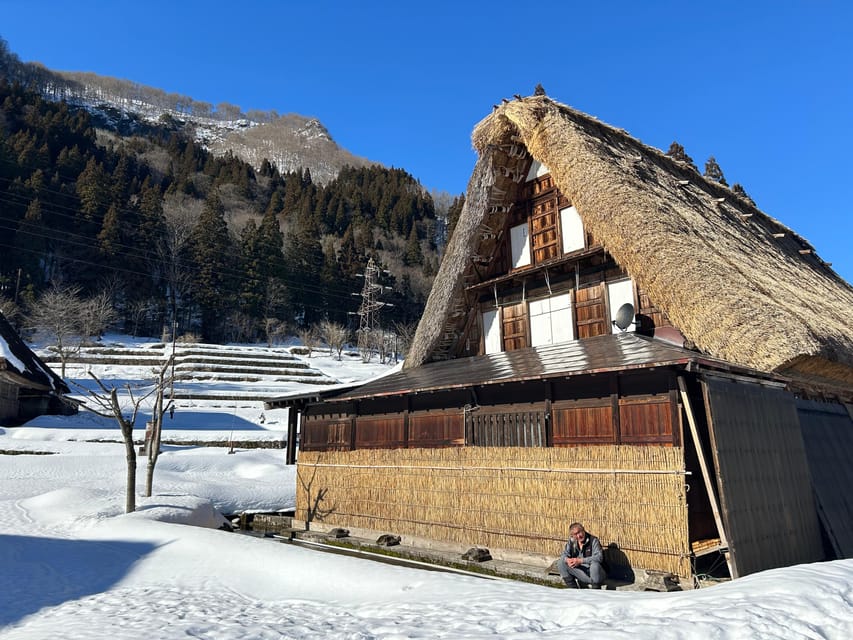
Reviewed · KANAZAWA TOURS
Shirakawa-go, Gokayama & Takayama Private Tour From Kanazawa
Three heritage villages in one day.
This private Kanazawa tour is built around World Heritage sights and a very practical door-to-door setup, taking you from hotel pickup straight into the mountain heart of the Hida region. The big draw is the contrast: Shirakawa-go’s gassho-zukuri houses, Gokayama’s old, tucked-away hamlet, then Takayama’s inland-town culture.
I like two things most about this kind of outing. First, you get a private car and an English host/driver, so you spend less brainpower figuring out trains and buses, more time looking at real places. Second, it is not just sightseeing, it is a story you can walk through, from old farmhouses and silk farming in Shirakawa-go to the Japan Alps gateway feel of Takayama.
The main catch is that three stops in one day can feel tight, especially if weather or road conditions slow the schedule. In that case, you may lose time in one place, and on a tour that costs real money, that can sting, even if the guide is doing their best.
Key points that make this tour worth your attention
- Door-to-door pickup from your Kanazawa hotel lobby in the morning
- Private group service for up to 3 people, with a dedicated driver/guide
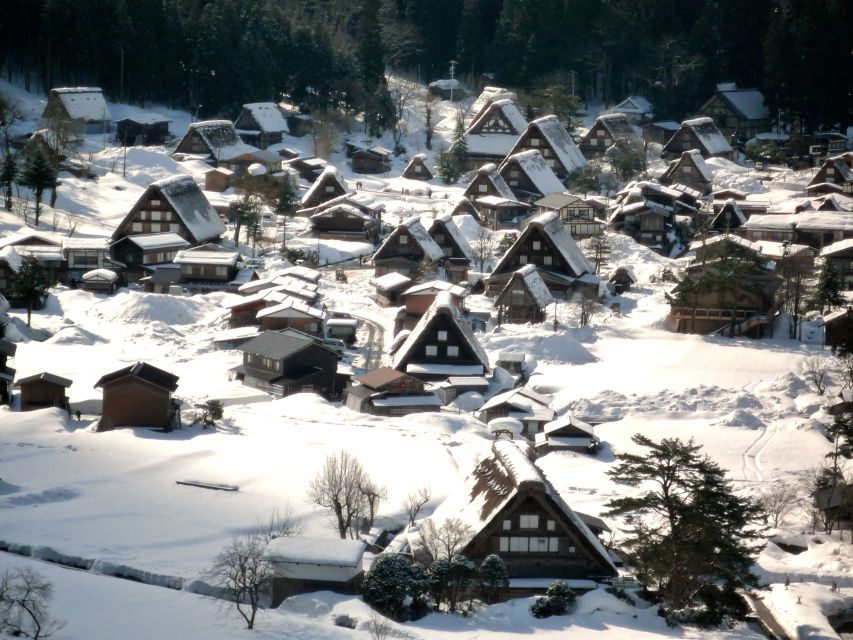
- World Heritage stops in Shirakawa-go and Gokayama, both known for gassho-zukuri thatched roofs
- Takayama as the Japan Alps gateway, with carpentry heritage and Hida food
- English-speaking guidance, with guides who often adjust pacing when conditions change
A day that links three very different parts of Hida
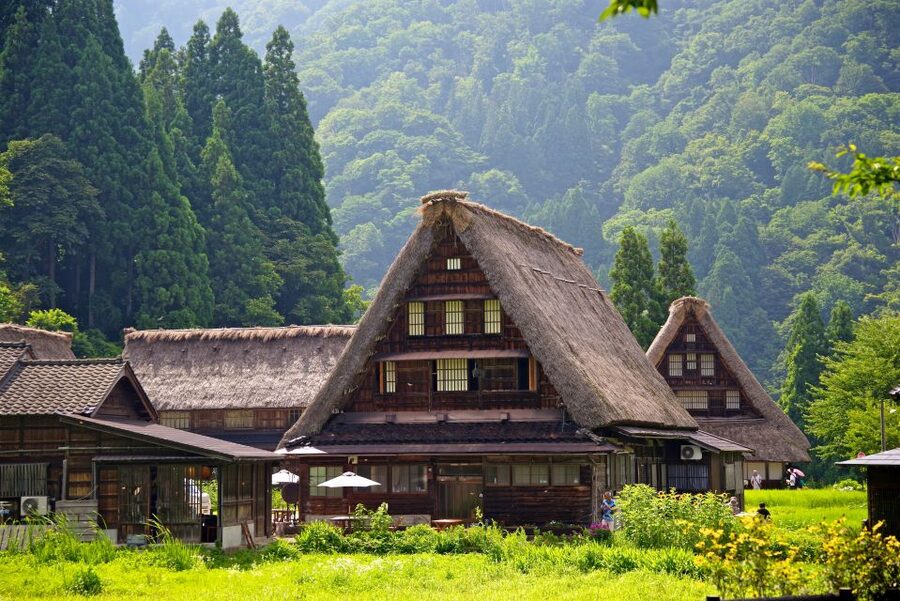
This tour is all about efficiency with flavor. You start in Kanazawa, then move through three mountain-centered towns that grew in relative isolation. That isolation shaped architecture, work, and daily life in ways you can still see today.
Shirakawa-go gives you the dramatic picture, those peaked thatched roofs shaped like hands held in prayer. Gokayama feels even more secluded, a hamlet where many of the wooden and thatch houses are centuries old. Then Takayama brings you back to a living town, famous for carpentry and for feeling like you are stepping into inland Japan rather than just visiting a photo stop.
The result is a single long day that still feels like you are moving through a connected theme: how people built, worked, and survived in central Honshu’s mountain belt.
A few more Kanazawa days worth comparing
- World Heritage Shirakawa-go and Experience Tours from Kanazawa
★ 5.0 · 4,049 reviews - Kanazawa: Kenrokuen Tea Ceremony Experience
★ 4.8 · 1,139 reviews - Kanazawa Half Day Tour (Private Guide)
★ 5.0 · 361 reviews
Price and what $765 buys for a group of up to 3
At $765 per group (up to 3), this is not a budget day trip. You are paying for a private car, a dedicated driver/guide, and door-to-door pickup from Kanazawa.
The value equation is simple. If you are traveling as a small group, you can split the cost and basically buy back time and stress. You do not have to coordinate transfers, and you avoid the most annoying part of long-distance day trips in Japan, getting from one mountain town to another on tight schedules.
That said, the price can feel steep if your day runs short or if weather forces cuts. The takeaway for you: treat this as a convenience-first tour. If you are the type who wants maximum time inside each village, or you are traveling at peak congestion or poor weather, consider whether you are comfortable with a packed one-day format.
Morning pickup in Kanazawa, and why it matters more than you think
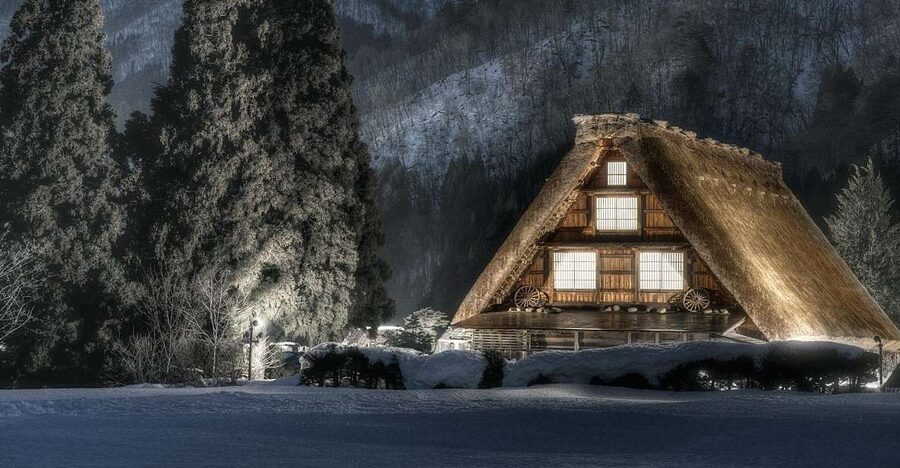
Pickup is from your hotel lobby in Kanazawa on the morning of the tour. That one detail changes the whole feel of the day.
First, you reduce uncertainty. You do not need to hunt down a meeting point or manage luggage while guessing transit times. Second, the driver can start the day with route logic from the very beginning. On a day like this, that matters because travel time between these towns is the invisible third stop.
This is also where the guide quality shows. English-speaking hosts and guides can explain what you are seeing while you are moving, not just when you stop. In practice, that turns transit into learning time instead of dead time.
Shirakawa-go: gassho-zukuri farmhouses and silk-farming upstairs
Shirakawa-go is the headliner for many first-timers, and it earns that status. It is a World Heritage site and part of the Hida region. The signature is gassho-zukuri, with that peaked thatched roof style that looks like hands in prayer.
When you walk around, pay attention to the minka-style origins. These were non-samurai houses, built in a traditional way that matched the region’s needs. The thatch roofs were not just decorative. They were practical, suited to the seasonal reality of a snowy mountain environment, and they became a visual symbol of the village.
One of the most interesting parts of Shirakawa-go is the silk connection. Some of the houses had space on the upper floors for sericulture, including storage for silkworms and mulberry leaves. That tells you something important: these places were not frozen in time as scenery. They were functional workplaces. When you look at the house layout, you can almost imagine the labor rhythms that once filled the rooms.
Same corner of Japan, a different kind of day:
- Kanazawa Full Day Tour (Private Guide)
★ 5.0 · 323 reviews - [One-day bus tour departing from Kanazawa Station] Shirakawa-go and Gokayama – Two World Heritage Villages Enjoyable Bus Tour
★ 5.0 · 253 reviews - 1 Day Private Charter Tour to Shirakawa-go & Takayama
★ 4.5 · 253 reviews - World Heritage Shirakawa-go Perfect Guided Tour from Kanazawa
★ 5.0 · 220 reviews
The practical drawback
Shirakawa-go can be time-sensitive. If it is raining or traffic slows things down, you may need to shorten your time inside the village. I like this tour best when the guide keeps the plan flexible and still helps you see the main features.
Gokayama: a 300- to 400-year-old hamlet off the main flow
Gokayama is where the day turns more intimate. It is also a World Heritage site, located in Nanto, and it is known for a rustic, quieter feel that modern development mostly bypassed. That seclusion is the reason the houses have lasted so long.
Many of the wooden and thatch houses in the gassho hamlet are over 300 years old, with some reportedly around 400 years old. When a place ages this well, it changes what you notice. Details matter more: the way buildings sit, the rooflines, the spacing of structures, and the sense that you are walking through the daily scale of an older world.
A fun detail that sticks with me is how highly this place is valued even by people with a global view. Prince Fumihito (Prince Akishino) has said that one of the three places he likes most in the world is Gokayama. That is not something you hear about every village.
The one thing to watch closely
Because this is a one-day loop with three towns, time at Gokayama depends on conditions. One downside you should plan for mentally: if the schedule gets compressed, you might lose some of the Gokayama experience. If Gokayama is your top priority, ask the guide about how they typically protect that stop on the route, and keep expectations realistic for a full-day, three-stop plan.
Takayama: the inland-town storehouse, plus carpentry you can see
Takayama is the cultural swing back toward daily life. It sits in central Honshu’s mountainous interior and is called the gateway to the Japan Alps. It is also known as the storehouse of Japan’s inland culture.
What makes Takayama feel different is how the town’s background shows up in buildings and trades. Takayama became what it is in the 1500s, and seclusion and high altitude helped shape its own unique culture. The town is famous for traditional carpentry, and local carpenters have worked on major projects like the Kyoto Imperial Palace and other nationally important shrines, temples, and palaces.
So when you walk around Takayama, you are not only looking at streets and old facades. You are looking at the kind of craft that built important structures elsewhere in Japan. Even if you are not a woodworking nerd, you can still feel the difference when a town’s identity is tied to a specific skill.
Food tip that fits this tour
Takayama is the place to go for Hida Beef. Since food on the day is not included, you will choose your own meal. Use your guide’s advice if they offer it, because the goal here is to eat well without wasting time hunting.
How guides keep the day moving, and how names help you spot quality
The tour experience often comes down to your guide and their style of pacing. The route can be long, and the weather can be moody. When the guide handles it well, the day feels smooth.
I’ve seen examples of guides who add value beyond facts. Takeshi-san, for instance, is described as patient with picture time and browsing in stores, even when rain started heavily in the morning and the Shirakawa-go portion was shortened. That kind of adjustment matters because it protects the later stops.
Mai is another guide name tied to strong pacing, splitting time between all three places so the day stays balanced. Yuka has been praised as an English-fluent, light-hearted host who feels like a local friend, plus she helped with restaurant recommendations and made reservations for what came after the tour.
Jorge is described as having strong historical knowledge and being very attentive to needs. Jun is described as offering options and taking pride in showing small villages off the beaten track, plus focusing on old houses and traditional businesses.
Here is my practical advice to you. Before you start, ask your guide how they will handle weather and timing. Then let them steer. In a one-day, three-town plan, the guide’s judgment is part of the product you are buying.
Timing, weather, and why flexibility is not optional on this route
Even on a perfect day, you are doing a lot. On this tour, the travel time between the mountain towns is real, and it adds up. That is why the schedule can feel tight if everything runs on the clock.
Weather is the big wildcard. If it rains early, guides may shorten the Shirakawa-go portion to get you to Takayama when conditions improve. That is a smarter way to spend your time than rushing through every stop equally badly.
I also recommend you bring realistic expectations into the day. You will likely walk, look, and learn, but you will not do a slow, hour-by-hour deep museum experience in each village. Think of it as a well-run sampler with major highlights in each place. If you want more time, consider booking a follow-up day later, especially in Takayama, where staying longer is usually easy.
What to do at each stop so you don’t waste time
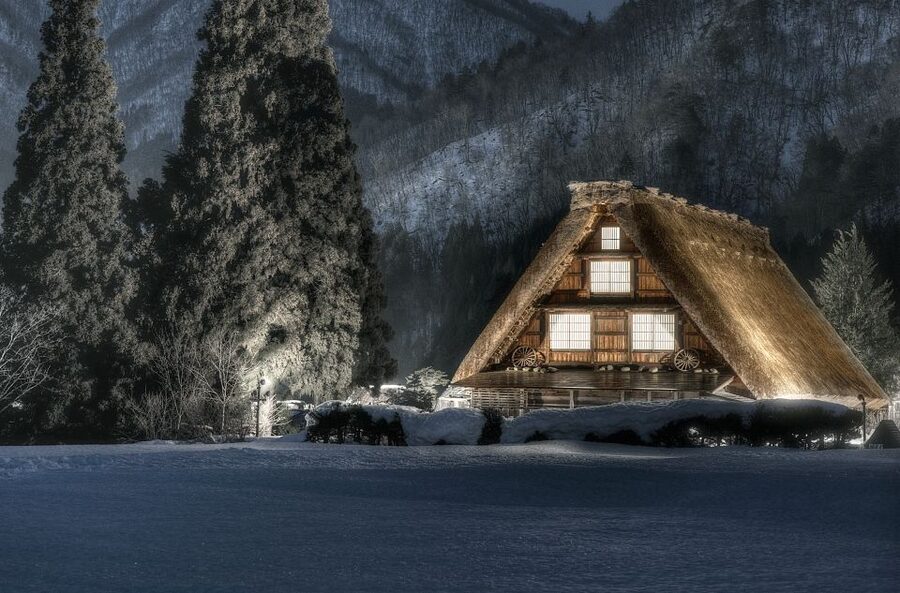
This is a short, one-day route, so your goal is smart browsing. Here’s how I’d approach it.
Shirakawa-go
- Focus on the gassho-zukuri rooflines first, then choose a couple of houses to examine closely.
- Look for the silk farming connection, since that is a key story in this village.
- If it is crowded, keep your route simple: walk the main village area, then go for the best views and the most interesting indoor house interpretation.
Gokayama
- Prioritize atmosphere. This is where the age of the houses does some of the talking for you.
- Walk slower than you think you need to, because the details reward it.
- Use your guide if they can point out what to notice, since you may not see the same value from every angle.
Takayama
- Save energy for streets and craft cues. This is less about one single landmark and more about the feel of a town.
- Make your food plan early. Since food is not included, deciding what you want to eat prevents last-minute stress.
Transportation quality and the comfort factor
One underappreciated part of the tour promise is transport quality. The transport gets very high marks, with 100% of reviewers giving it a perfect score. When you are traveling long stretches in a private car, that matters.
Comfort does not just mean the seats. It also means smooth driving and timing discipline. On a day that includes mountain roads and multiple stops, a safe driver gives you permission to relax and focus on the towns you came for.
Who this private tour is best for
This tour fits best if you want three specific things.
- You want door-to-door convenience in Kanazawa.
- You are traveling as a small group, up to 3 people, and you can split the cost.
- You care about cultural context, not just pictures, and you appreciate guided explanations in English.
It is also ideal if you hate the logistics game. If coordinating transit is your least favorite part of a trip, this route removes that problem.
Less ideal if you are the type who needs long unhurried time in one village, or if you are planning around a weather-sensitive week and you cannot tolerate schedule adjustments.
Should you book? A clear call based on your priorities
Book this tour if you value convenience and a guided day through the Hida region. The World Heritage focus gives you high credibility, and the private setup makes it easier to see Shirakawa-go, Gokayama, and Takayama without turning the day into a transport project.
Skip or reconsider if your top goal is maximum time in just one village. Because the format is one day and includes three stops, you should expect a packed schedule and possible weather-driven trimming.
If you do book, do it with this mindset: you are buying a fast, well-managed route through three heritage settings, powered by an English-speaking guide who can help you connect what you see to how people once lived. That combination is exactly what makes this kind of private tour feel like more than a checklist.
FAQ
Where is pickup for this tour?
Pickup is available from your hotel lobby in Kanazawa on the morning of the tour.
Is this a private tour?
Yes, it is a private group tour.
How many people is the group limited to?
The price is listed per group up to 3.
What stops are included during the day?
The tour includes visits to Shirakawa-go, Gokayama, and Takayama.
Do you get an English-speaking guide?
Yes. The host or greeter is English, and the guide/driver is part of the included service.
Is food included in the price?
No, food on the day is not included.
Is cancellation free?
Free cancellation is available up to 24 hours in advance for a full refund. You can also reserve now and pay later.
Fresh options around Kanazawa
- Kanazawa: Samurai Swordsmanship Lesson at a rented temple★ 5.0 · 21 reviews
- Day Tour from Kanazawa OR Toyama: Snow Wall and Mysterious Valley★ 5.0 · 22 reviews
- Private Ring Craft Experience in Kanazawa★ 5.0 · 22 reviews
- Private Tour of Shirakawago from Kanazawa (Half Day)★ 5.0 · 24 reviews
- Kanazawa: Private Food Tasting Walking Tour★ 4.7 · 25 reviews
- Kanazawa: Half-Day Private Guided Tour★ 4.9 · 26 reviews
- Kanazawa:Traditional Experience -kimono rent at wargo★ 4.7 · 30 reviews
- 1-Day Shirakawago & Takayama Tour (Round Trip from Kanazawa)★ 5.0 · 32 reviews
Kanazawa Tours, compared.
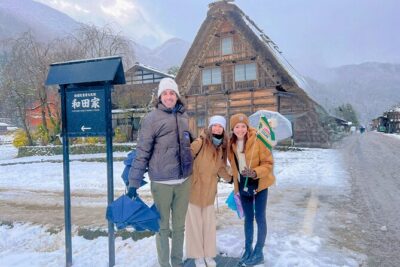
World Heritage Shirakawa-go and Experience Tours from Kanazawa
Read our review →
1 Day Private Charter Tour to Shirakawa-go & Takayama
Read our review →![[One-day bus tour departing from Kanazawa Station] Shirakawa-go and Gokayama – Two World Heritage Villages Enjoyable Bus Tour](https://review-japan.com/wp-content/uploads/one-day-bus-tour-departing-from-kanazawa-station-shirakawa-go-and-gokayama-two-world-heritage-villages-enjoyable-bus-tour-400x267.jpg)
[One-day bus tour departing from Kanazawa Station] Shirakawa-go and Gokayama – Two World Heritage Villages Enjoyable Bus Tour
Read our review →
World Heritage Shirakawa-go Perfect Guided Tour from Kanazawa
Read our review →
Browse the lists this tour appears in