Reviewed · TOKYO TOURS
Shibuya: Pachinko Gaming Experience
Pachinko looks simple, until you try it. This Shibuya pachinko gaming experience turns a confusing wall of flashing machines into a game you can actually follow, with an English guide helping you read the flow of play in real time. You start at Hachiko and end back there, with a short walk that shows how pachinko fits into everyday Shibuya life.
I especially like two things: the clear rules walkthrough before you play, and the small group setup limited to just 3 people. That combo matters. It means you can ask questions as they come up, and you do not get stuck watching from the sidelines while others figure things out.
One drawback to plan for: the pachinko gaming fee is not included. The tour covers the guidance and interpretation, but your total spending will depend on how much you choose to play once you are inside.
Key highlights you will feel fast
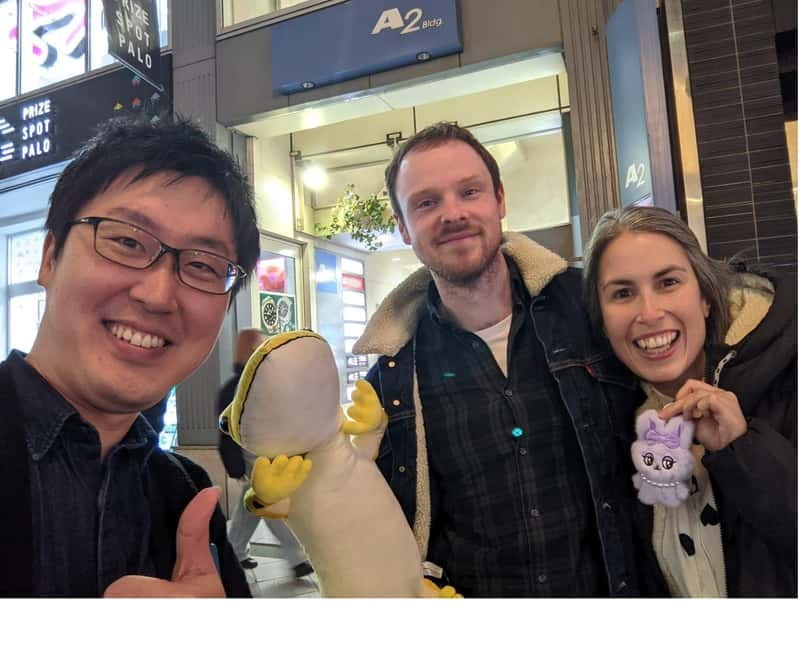
- Meet by Hachiko near the lottery ticket booth, with the guide holding a blue tablet
- English live guide plus translation and interpretation while you learn
- Real parlor practice with tips for using the machines correctly
- Small group of up to 3 so you get time for questions
- You learn why pachinko is a social Shibuya thing, not just arcade noise
Where the tour starts: Hachiko and the easy way to find your guide
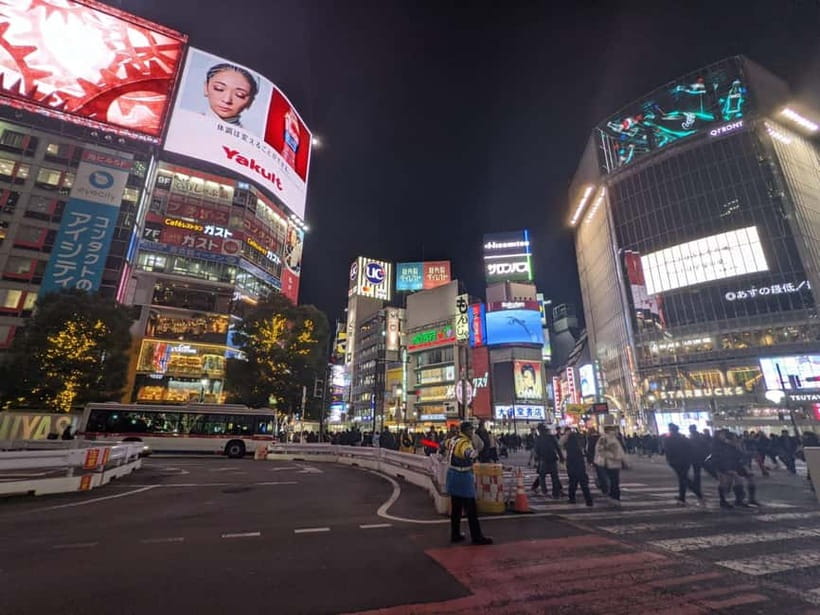
This tour begins at the Hachiko Memorial Statue in Shibuya. If you have ever walked around this area, you know it can feel like a human river. The good news is the meeting point is very specific, right by Hachiko’s statue, on the right side.
Look for the guide near the lottery ticket booth. They will be holding a blue tablet, and that is your visual cue if you are arriving a bit early or a bit late. Try to get there about 5 minutes before the start time. The tour notes say that if the guide does not show up for 20 minutes, it is treated as a no-show, so you are not left guessing forever.
That first moment is more than logistics. It sets the tone. You are not trying to figure out the parlor, the ticket area, and the gaming rules all at once. Someone is meeting you where the day is already moving fast, and then guiding you into the part that feels most foreign.
A few more Tokyo days worth comparing
- Mt Fuji and Hakone 1-Day Bus Tour Return by Bullet Train
★ 5.0 · 26,383 reviews - 1-Day Tokyo Bus Tour
★ 5.0 · 14,250 reviews - Tokyo: TOKYO SKYTREE® Admission ticket
★ 4.5 · 11,192 reviews
Why pachinko belongs in a Shibuya tour, not a history lecture
Pachinko has been around for nearly a century in Japan. The interesting bit is how it evolved. It started in the early 20th century with a mechanical game inspired by Western pinball, then grew into the modern, high-tech experience you still see in Shibuya today.
What you learn from the tour is not just dates and origins. You get a sense of why pachinko parlors became part of Japanese entertainment culture. In Shibuya, the game is not hiding in the background. You see it in the street presence of the parlors and the way people treat it as something they do together, or at least alongside others.
That social side is a big deal for first-timers. If you only think of pachinko as gambling, you might freeze. But when you understand that it is also a long-running public pastime, the whole experience becomes less intimidating. You can relax into the rhythm: balls, machines, sounds, and the little bursts of anticipation each time you try again.
How a 1-hour pachinko lesson actually plays out
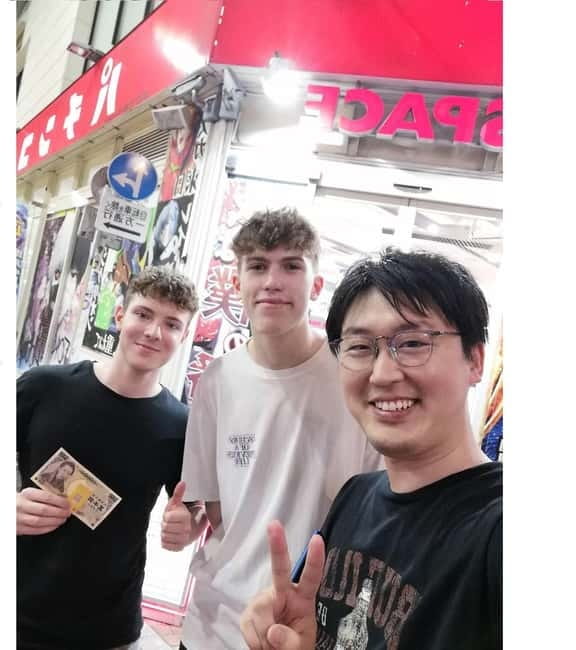
This is a 1-hour tour. That sounds short, but it is the right length for a first exposure because pachinko is hands-on learning. You are not spending hours in theory.
In that hour, you do three practical things:
1) You get a tour introduction with the basics and context for pachinko.
2) You walk through parts of Shibuya where the game is part of the scene, so it feels grounded rather than random.
3) You step into a pachinko parlor, and the guide explains how to play using translation and interpretation as needed.
Because the group is capped at 3 people, you are less likely to get rushed. You can ask what those symbols mean, what you should do first, and how you are supposed to handle your balls. One of the most praised parts of this experience is that the guide explains the game clearly, so you do not feel like you are decoding a machine by trial and error the whole time.
The pace is still real-world pace. You will learn best if you stay mentally in the moment and ask questions quickly rather than saving them for the end. Think of it as a quick “get your bearings” lesson, then you practice while the guide is there.
Inside the parlor: the sound, the lights, and what you need to do
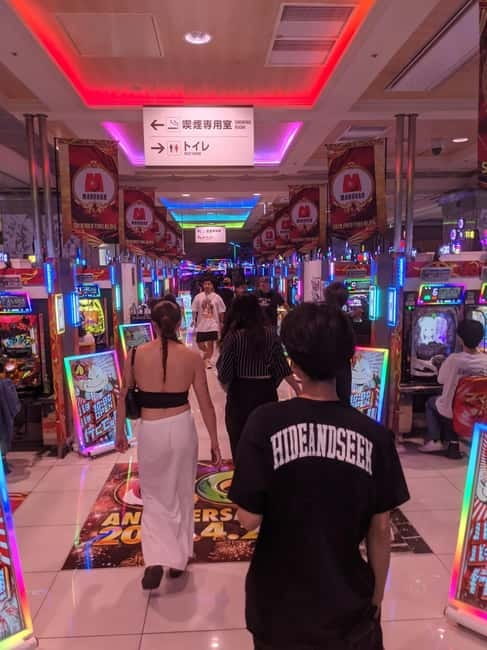
Step into the parlor and you get hit with the sensory stuff immediately. Lights. Buttons. Machine noises. Metal balls moving around. It can feel chaotic if you walk in expecting a quiet, tutorial-friendly room.
This tour is set up to prevent that panic. The guide takes you through the mechanics of the game in a way that makes the next action obvious.
You learn the basics of:
- Purchasing your first set of metal balls
- Mastering how to launch them into the machine
That “launch” part is key. Many first-timers think of pachinko like tossing a ball into a target. In practice, it is more about your timing, your aim, and understanding how the machine responds after the ball enters play. The guide’s job is to help you translate the machine’s behavior into something you can act on.
A major promise of the experience is that you get tips and strategies to aim for the jackpot and to maximize your chances while you are learning. Just keep expectations grounded. A guide can teach technique and help you avoid obvious mistakes, but pachinko is still a game of chance. Your goal for this tour is to leave able to play without embarrassment, not to guarantee winnings.
Same corner of Japan, a different kind of day:
- Tokyo: teamLab Planets TOKYO Digital Art Museum Entry Ticket
★ 4.6 · 9,779 reviews - Mt Fuji & Hakone Cruise, Drum Show Bullet Train 1 Day from Tokyo
★ 4.0 · 7,413 reviews - Tokyo: Sumo Show Experience with Chicken Hot Pot and a Photo
★ 4.8 · 6,678 reviews - Tokyo: Shinjuku Food Tour (13 Dishes at 4 Local Eateries)
★ 5.0 · 6,603 reviews
Tips that keep you from looking lost (and help you enjoy it)
The tour highlights specifically mention helping you not become embarrassing playing pachinko gaming. That is not just humor. In a busy parlor, first-timers often freeze at the exact moment when they should be moving.
Here is what helps in real life, and what the tour is designed to do for you:
- You get the rules explained before you start spending money on play
- You have someone to interpret what you are seeing, especially early on
- You learn the basic flow, like what happens after you buy balls and how you should handle the machine interaction
When you practice, keep these mindsets:
1) Watch the guide once, then do your own turn the moment they tell you it is your move. Waiting too long can lead to second-guessing.
2) Ask before you hit buttons. It is easier to correct confusion early than after you have already committed balls to a machine cycle.
3) Focus on doing the basics consistently. Small improvements matter more than trying to be perfect immediately.
One review praised the guide for being super optimistic when the person started winning. That matters because pachinko can start feeling discouraging if you assume every attempt is a failure. An encouraging, patient guide helps you keep trying the right way instead of spiraling.
What the $19 price really means, and what you should budget
The tour price is listed as $19 per person for 1 hour. For Shibuya, that is a reasonable cost for a live English guide who gets you into a real pachinko parlor environment and translates the rules while you play.
But here is the part you must plan for: the pachinko gaming fee is not included. Drinks are also not included.
So your real budget looks like this:
- $19 for the guided learning and interpretation
- Plus whatever you choose to spend on pachinko gaming inside the parlor
- Plus any drinks you want
That separation is actually not a bad setup. It gives you control. If you want a light introduction, you can limit your spending. If you end up enjoying it and want more attempts, you can allocate more play time. You just need to go in knowing that the machine fee is your variable cost, not the tour price.
In other words, treat $19 as the cost of access plus coaching, not the cost of guaranteed playtime winnings.
Guide quality: what you can expect from Ing and Horizon GK
The experience is provided by Horizon GK. The reviews include strong praise for the guide, named Ing. People liked how Ing explained the game clearly and gave helpful feedback when someone was learning.
That kind of guide skill matters more in pachinko than in many other tours because pachinko is physical. You are not just observing. You are buying balls, operating controls, and responding to what the machine does. If the instructions are vague, you will feel it fast in your frustration.
Other positive comments also mention patient, positive energy and enough time for questions. You see that theme show up as “genug Zeit für alle Fragen,” basically enough time to ask what you need.
There is one negative note in the feedback pattern too. One person reported trouble contacting the provider before the tour because they were lost, and the provider never answered. That is not enough to write off the whole experience, but it is a reminder to have your meeting point plan ready and to keep an eye on where you are.
If you are the kind of traveler who sometimes changes plans on the fly, make sure your arrival time is solid so you do not need last-minute support.
Who should book this pachinko tour, and who should skip it
This tour is not suitable for children under 18. So keep it adults-only.
It is also wheelchair accessible, which is helpful for travelers who need that option. Since the tour is only 1 hour and limited to a small group, it generally fits people who want a focused activity rather than a long multi-stop day.
This is a good fit if:
- You want a structured introduction to pachinko rather than figuring it out alone
- You feel unsure about rules, terminology, or how the machines work
- You like small group tours where you can ask questions without competing for attention
It is a less ideal fit if:
- You hate gambling or games of chance and would rather avoid that tension entirely
- You expect the tour fee to cover the parlor spending. It does not.
For most people, it lands in a sweet spot: you get the cultural context, you get practical instruction, and you walk out feeling like you understand what you saw.
Should you book: my practical take
If you are curious about Shibuya’s pachinko scene and you want a guided first attempt, I think this is a good booking. The biggest value is not the machine itself. The value is the translation, the rule clarity, and the fact that someone helps you operate confidently in a room that can feel intimidating when you start.
Book it if you want to leave knowing how to play, not just knowing what pachinko is. The small group cap, the English live guide, and the emphasis on avoiding newbie mistakes all point toward a confidence-building experience.
Skip it if you are budgeting tightly and cannot handle extra spending beyond the $19 tour fee. Also skip it if you are uncomfortable with chance-based games, since your results will not be fully controllable.
My final advice is simple: treat it like coaching plus a first practice session. Bring your curiosity, keep your expectations realistic about winnings, and you will likely get exactly what you came for.
FAQ
How long is the Shibuya pachinko gaming experience?
The tour duration is 1 hour.
Where do I meet the guide?
Meet near the Hachiko Memorial Statue, on the right side of the statue. The guide waits in front of the lottery ticket booth. The guide will be holding a blue tablet.
Is the pachinko gaming fee included in the $19 price?
No. The pachinko gaming fee is not included.
Are drinks included?
No. Drinks are not included.
Is the tour available in English?
Yes. The live tour guide is English, with translation and interpretation.
How big is the group?
It is a small group limited to 3 participants.
Is this tour suitable for children?
No. It is not suitable for children under 18.
Is the tour wheelchair accessible?
Yes, it is listed as wheelchair accessible.
What is the cancellation policy?
Free cancellation is available up to 24 hours in advance for a full refund.
Fresh options around Tokyo
- Tokyo Dome City Attractions 5-Ride Ticket★ 4.2 · 14 reviews
- Tokyo Morning City Tour with Pick-up Service from 28 Hotels★ 4.5 · 14 reviews
- 100% PRIVATE Anime, Manga, Game & Pop Culture Tour in Akihabara★ 5.0 · 14 reviews
- Tokyo to Kawagoe: Private Historical Day Trip★ 4.5 · 14 reviews
- Mount Fuji Private day tour from Tokyo private & Customized★ 4.5 · 14 reviews
- Tokyo: SEGA Joypolis E-Tickets with Optional Tokyo Metro Pass★ 4.0 · 14 reviews
- Fish Market & Tokyo Skyline Private Walking Tour★ 5.0 · 14 reviews
- Tokyo: Tea Ceremony in Shibuya Tokyo★ 4.9 · 14 reviews
Tokyo Tours, compared.

Mt Fuji and Hakone 1-Day Bus Tour Return by Bullet Train
Read our review →


teamLab Planets TOKYO Digital Art Museum Entry Ticket
Read our review →
Mt Fuji & Hakone Cruise, Drum Show Bullet Train 1 Day from Tokyo
Read our review →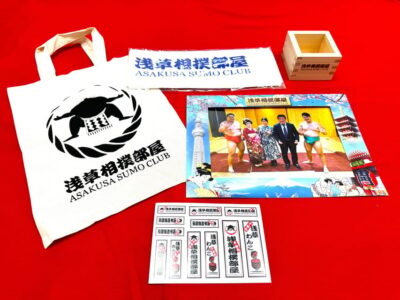
Sumo Show Experience with Chicken Hot Pot and a Photo
Read our review →
Shinjuku Food Tour (13 Dishes at 4 Local Eateries)
Read our review →