
Reviewed · SUSHI MAKING CLASSES IN OSAKA
Osaka Dotonbori: Sushi Making Experience
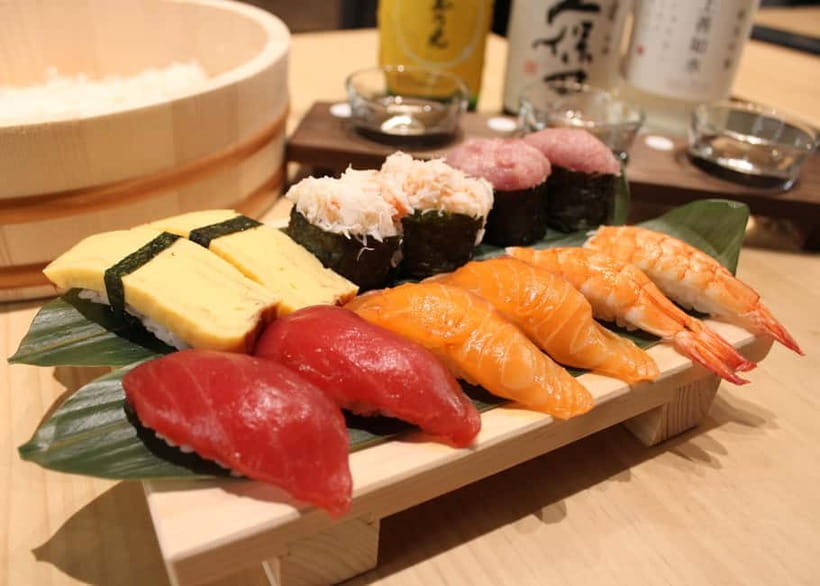
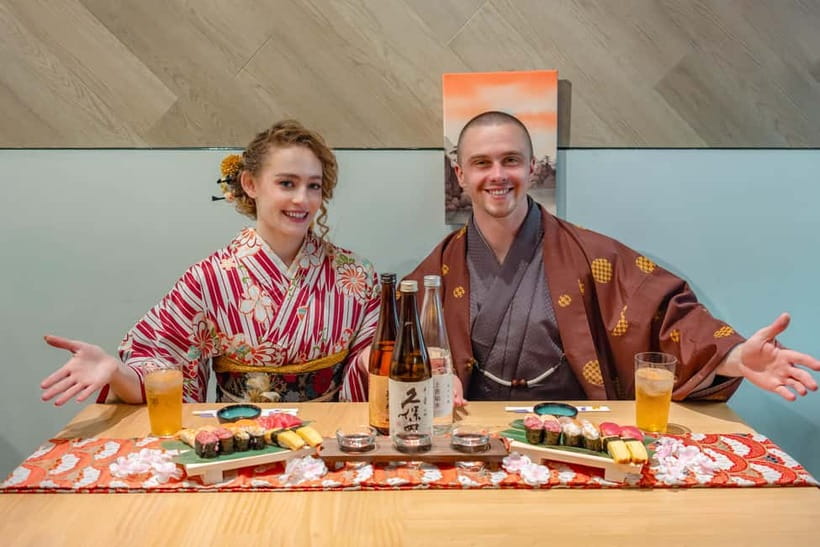
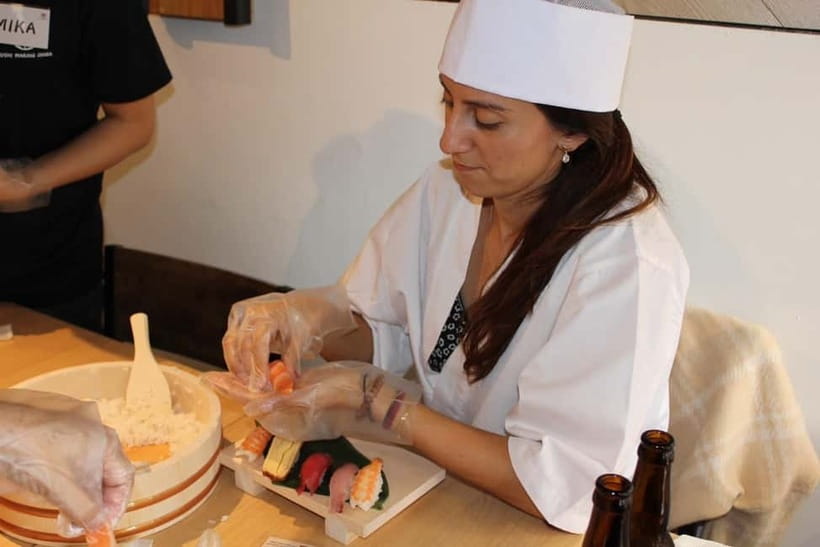
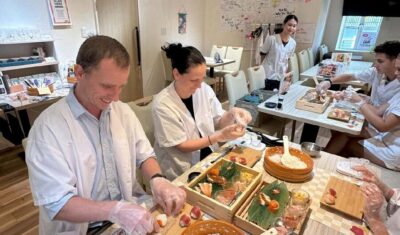
Osaka Dotonbori sushi lessons turn lunch into a show. This is a hands-on class where you learn the steps, make 12 pieces of sushi, and then eat what you shaped, with Japanese sake. In a fun twist you also get sushi cosplay and photos, so the experience feels more like a guided activity than a lecture.
What I like most is the teaching style. In multiple sessions, hosts such as Mako and Saki (plus others like Mika, Kosei, Marko, and Yumiko) keep instructions clear and practical, including how to put the topping together and how to use your hands for shaping.
One thing to consider: one review noted that while the food was still good, the seafood was not extremely fresh for them. If your top priority is only the freshest possible fish, go in with that in mind and focus on the technique and overall experience.
Key things to know before you go
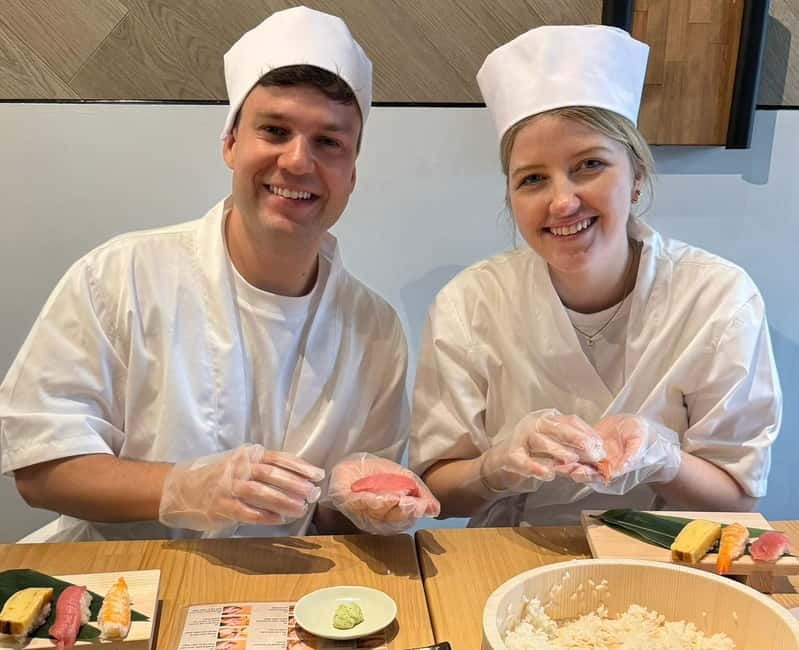
- Make and eat 12 pieces of sushi during a 90-minute class
- Sake tasting is included, paired with the sushi you produce
- Step-by-step technique covers shari (rice), shaping, toppings, and assembly
- Cosplay plus a photo moment adds extra fun to the experience
- Vegan and halal options are available
- Instructors teach in English, with support for beginners
Why this sushi class works in Dotonbori
Dotonbori is famous for neon, food smells, and quick bites, but this activity gives you something different than just walking and snacking. Instead of ordering sushi and hoping you get the technique right in your head, you actually build it. That small shift makes the learning stick.
I like that the class is built around real process, not just serving tips. You start with the shari and move through the same logic sushi makers use at the counter: rice first, topping second, then the final shape. You end the experience with sake and a clear sense that you can replicate the basics later at home.
Price-wise, $45 for 90 minutes is reasonable in Osaka for an experience that includes ingredients, sake, cosplay, a photo moment, and a certificate. If you were otherwise planning to eat a mid-range sushi meal plus do a separate activity, the “two birds” value is real here.
More Sushi Making Classes in Osaka
- Sushi Making Osaka Roll and Authentic Japanese Sushi Class
★ 5.0 · 1,220 reviews - Osaka Sushi Making Experience
★ 5.0 · 400 reviews - Osaka Sushi Making Class – Hands-On Nigiri & Rolls (Same-Day OK)
★ 5.0 · 352 reviews
Your 90-minute flow: from vinegar rice to finished nigiri
The schedule is structured so you are doing something the whole time. Expect a guided walk-through of what sushi is, what ingredients matter, and how each step changes the final bite.
Here is the core sequence you will follow:
1) Make shari (sushi rice) by mixing sushi vinegar into the rice
2) Shape the rice ball using your hands
3) Attach the neta (topping) and add wasabi to the topping before assembly
4) Shape the sushi again so the final form looks and holds together
That four-step order is the heart of why this class feels useful. Most beginner frustrations come from mixing steps, so having the class insist on order helps you avoid that. By the end, you are not just tasting sushi, you are understanding why the rice texture and topping placement matter.
Also, don’t underestimate the timing. With only 90 minutes, the lesson is designed to be repeatable, not overly technical. It is perfect for a first-timer who wants real results without spending your entire afternoon in a kitchen.
The shari part: why sushi rice is the whole game
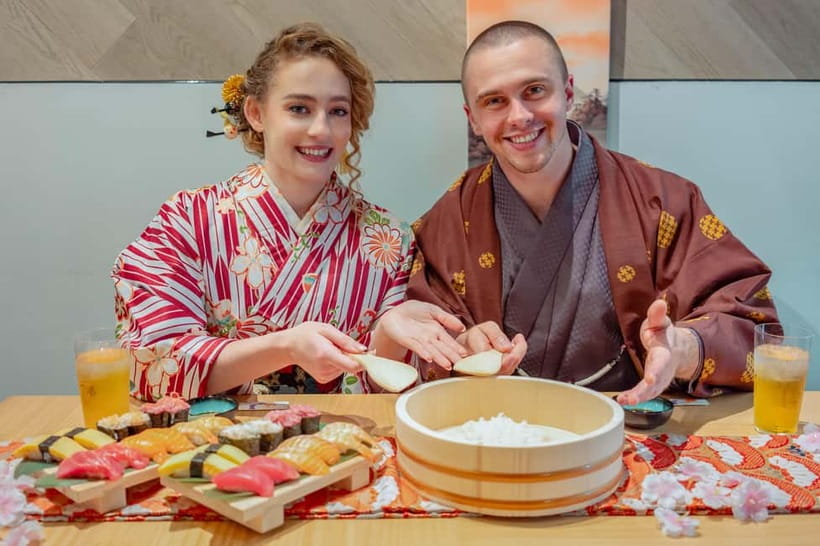
Sushi rice is not just “rice with vinegar.” The class focuses on how vinegar changes the rice so it behaves right for shaping. When you pour the sushi vinegar over the rice and work it into the shari, you get a quick lesson in balance: sticky enough to hold, but not mushy.
Then comes the shaping step. You will form the rice ball and learn a feel for it with your fingers, which is one reason this class is fun even if you do not eat fish. You still practice the method, and that technique is the same foundation used across different toppings.
If you are worried you will mess it up, you probably will at first. That is okay. The instructors tend to correct form and keep you moving, and a couple of reviews specifically call out easy-to-follow instructions and hands-on coaching. You want to focus on consistency, not perfection, because the goal is to finish and eat what you make.
Assembling toppings: neta, wasabi, and the final hold
The neta (topping) step is where sushi becomes sushi, and the class makes sure you understand that. You learn how to put wasabi with the topping and then join it to the shari. That small “where the wasabi goes” detail is often misunderstood when people try sushi at home.
During assembly, you also learn the final shaping. This is where your sushi stops looking like a rice ball with something on top and starts looking like a proper piece. Multiple reviews mention that hosts keep everyone on course and explain techniques clearly enough that novices can produce good-looking sushi.
One review suggested a desire for even more interesting facts during the class. That tells me the lesson may lean heavily on technique and conversation rather than trivia. If you want deep historical detail, you might want to add a separate quick Dotonbori walk for context. If you want hands-on skill, this format is exactly right.
Same corner of Japan, a different kind of day:
- Osaka Go Karting Tour with Funny Costume
★ 5.0 · 2,658 reviews - Osaka Castle: Museum and Tower Entry Ticket
★ 4.5 · 2,380 reviews - Osaka: Shinsekai Food Tour with 13-15 Dishes at 5 Eateries
★ 4.8 · 2,204 reviews - Osaka Food Tour: 13 Dishes at 5 Local Eateries
★ 5.0 · 2,149 reviews
Sake with your sushi: the included pairing moment
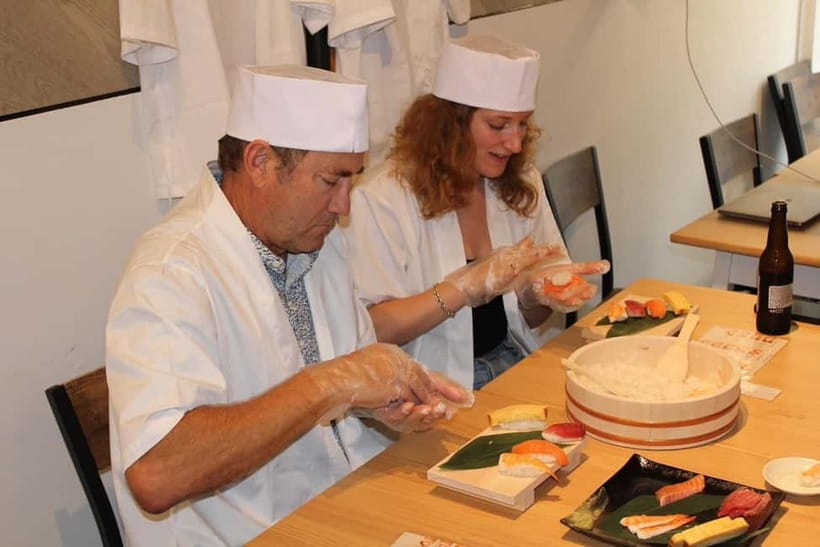
This class includes Japanese sake with your sushi. That turns the end of the session into a real meal, not just a demo where you stand around waiting. It also gives the learning a payoff, because you taste what your work produced.
How much you enjoy it will depend on your comfort with alcohol. If you like sake, you’ll probably appreciate the way the meal feels complete. If you do not drink, you might want to check any handling of non-drinkers directly with the provider, because the information you have here only confirms sake is included.
The bigger point is pacing. After you finish the last piece, you sit down and enjoy. That “create, then eat immediately” structure is why the class lands well for beginners and families alike.
Cosplay, photos, and gifts in a food lesson
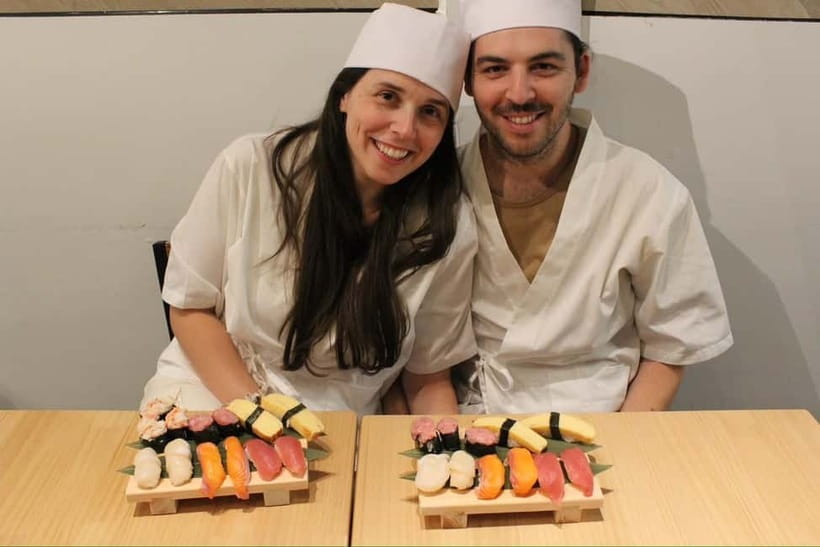
Yes, you will put on sushi cosplay. You will also have a photo session and receive a special gift. This is not just a gimmick, it changes the energy in the room.
Food experiences can sometimes feel stiff, especially when you worry about doing it wrong. Cosplay breaks that tension fast. You focus on having fun while the instructors guide your hands through shaping and assembly.
And the photo moment gives you something tangible to remember besides taste. In places like Dotonbori, where the streets are loud and flashy, a clear photo memory of the activity helps you anchor the day.
If you are the type who likes activities with a “main event” feel, this one has it. If you are very shy about costumes, I still think the experience is worth it because the staff style tends to be friendly and supportive.
Vegan and halal sushi options, and why that matters
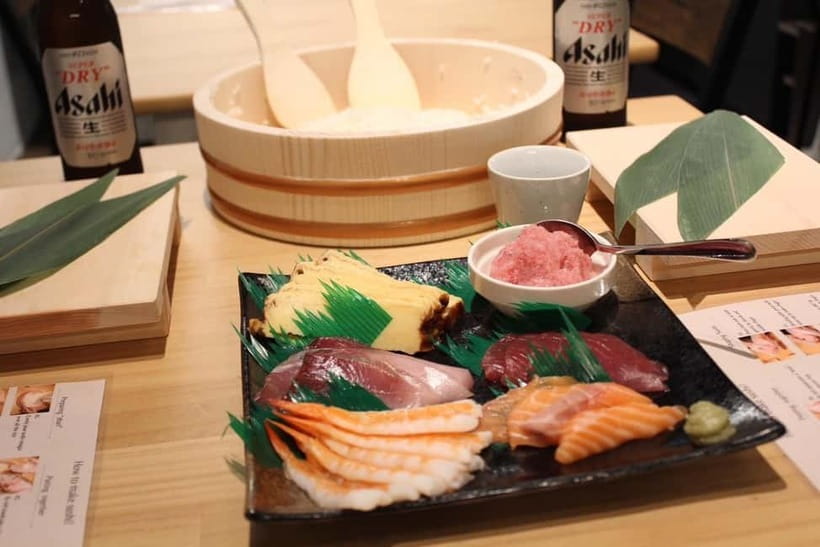
This class offers vegan and halal sushi options. That is important because sushi experiences sometimes force strict eaters into “just watch” mode. Here, you still get to make and eat your own 12 pieces.
What I like about this for your planning is the flexibility. You can go as a mixed group with different dietary needs and still do the same activity together. You are not stuck splitting up or finding a workaround near Dotonbori.
The exact ingredients for the vegan and halal versions are not listed here, so you should ask what goes into the specific topping choices when you arrive or when you book. That way you can match it to your preferences, especially for halal needs.
Price and value in Osaka: is $45 fair?
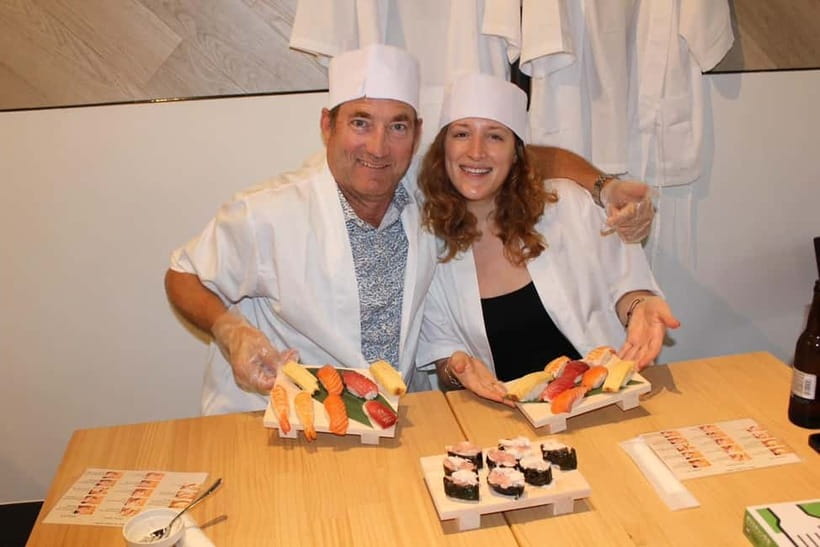
$45 per person for 90 minutes is a solid deal if you look at what is included:
- ingredients for 12 pieces of sushi
- sake
- sushi cosplay and photos
- a certificate of Sushi Master
- instructor-led training in English
- skip the ticket line
If you compare it to buying sushi at a restaurant, you would usually pay for a meal, not for a workshop with ingredients and coaching. And if you compare it to a typical cooking class, $45 is on the lower side for a short, structured session that also includes food and drink.
The value also shows up in the outcome. Several reviews mention that the sushi tasted delicious and that the ingredients were of good quality. One person specifically noted the emphasis on market-sourced ingredients, which fits the idea that you are not working with bland or low-grade products.
The main tradeoff is that you are not taking home fish-cutting skills or advanced knife work, because the class is designed around beginner-friendly technique and speed. If your goal is serious culinary training, you might want a different kind of class. If your goal is a memorable Osaka food activity you can repeat at home, this fits nicely.
Who should book this sushi making experience
This is a great fit if you:
- are a sushi beginner who wants hands-on technique
- want a fun activity in central Osaka with clear steps
- travel as a couple, family, or small group and want everyone eating together
- care about dietary access, since vegan and halal options are available
- like the idea of learning from English-speaking instructors, including named hosts like Mako, Saki, Mika, and Kosei
It is also a good choice if you are the type who remembers lessons best through touch. The shaping steps, finger technique, and rice assembly are physical learning. You do not just watch, you make.
If you are extremely sensitive to food freshness and only want the highest-grade seafood, do keep in mind one review that questioned freshness. The upside is that the class still focuses on technique and the finished sushi still gets strong praise.
Practical tips so your sushi comes out better
You will get the most from the class if you treat it like a skill session, not a tourist show. Pay attention to the order: vinegar rice, shaping, topping with wasabi, then the final form.
A few practical habits help:
- Watch the instructor’s hand placement before you start shaping your own piece
- Keep your pace steady. In a 90-minute class, stopping to overthink makes things harder
- Don’t stress about perfect looks. The goal is correct process and a piece you can eat
Also, ask questions. Reviews mention conversations about Japanese culture and Osaka during the lesson, and instructors seem willing to explain beyond the steps. If you want more facts, you can prompt it directly in English.
Finally, plan for appetite. You are making sushi and then eating it. If you already had a big meal before arriving in Dotonbori, save room so you can taste the full result of your work.
Should you book: my honest take
Yes, I think you should book this if you want a hands-on Osaka food activity that pays off immediately. The combination of 12 pieces of sushi, sake, and cosplay plus photos is unusual. It turns a beginner-friendly class into a complete experience you can actually remember.
I would hold off only if your top priority is ultra-fresh seafood above everything else, or if you hate any kind of playful staging. Otherwise, the format is built for first-timers, and the strong rating is consistent with the way the class teaches: clear steps, supportive hosts, and an end product you get to enjoy.
If you want a quick, fun Osaka highlight that also teaches you a real technique, this sushi making session in Dotonbori is a smart choice.
FAQ
How long is the Osaka Dotonbori sushi making experience?
It lasts 90 minutes.
How much does it cost?
The price is $45 per person.
What will I make in the class?
You will make 12 pieces of sushi, and you eat what you make.
Is sake included?
Yes, Japanese sake is included with the sushi.
Are vegan or halal sushi options available?
Yes, vegan and halal sushi options are available.
Is the class taught in English?
Yes, the instructor speaks English.
Do I get a certificate?
Yes, you receive certification of Sushi Master.
Can I cancel and get a full refund?
You can cancel up to 24 hours in advance for a full refund.
Is the location wheelchair accessible, and can I skip the ticket line?
The activity is wheelchair accessible and you can skip the ticket line.
Fresh options around Osaka
- Osaka Dotonbori Night Photoshoot – Private | Pro Photographer★ 5.0 · 19 reviews
- Osaka: Tennen Onsen Naniwa-no-Yu, the famous hot spring spa★ 4.7 · 19 reviews
- Osaka Private Walking Tour with a Local★ 4.5 · 19 reviews
- Osaka: HEP FIVE Ferris Wheel E-Ticket in Umeda★ 4.7 · 19 reviews
- Kansai/KIX Airport to or from Osaka/Kyoto Private Transfer★ 5.0 · 20 reviews
- Guided Photography Tour in Osaka: Capturing Memories★ 4.5 · 20 reviews
- Osaka: Food Tour at Night with Tastings★ 4.9 · 20 reviews
- Osaka Private Tour with Government-Licensed Guide★ 4.8 · 20 reviews
Sushi Making Classes in Osaka, compared.
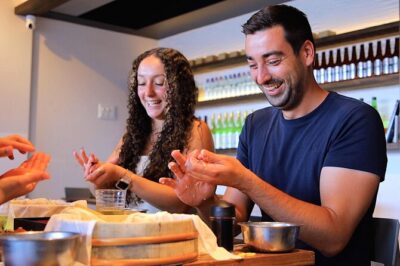
Sushi Making Osaka Roll and Authentic Japanese Sushi Class
Read our review →
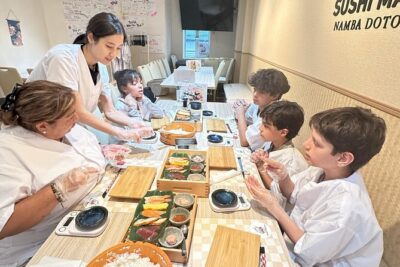
Osaka Sushi Making Class – Hands-On Nigiri & Rolls (Same-Day OK)
Read our review →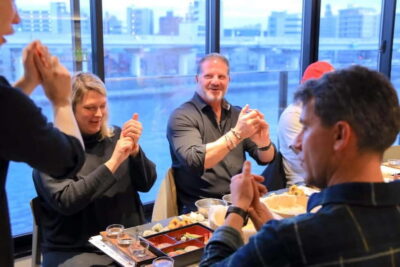
Roll and Authentic Sushi Making Class in Dotonbori
Read our review →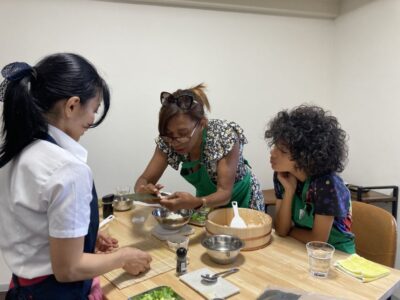


Browse the lists this tour appears in