Reviewed · GUIDED
Naoshima FullDay Private Tour with Government-Licensed Guide
Naoshima art can feel like a puzzle. This government-licensed private tour turns it into a plan you can actually follow, with a day that you shape around what you care about. I especially like two things: you get to choose your 3 to 4 sites, and a guide like Ray or Kaji can slow things down just enough to help you understand what you are seeing without rushing you through it.
One caution: this is a walking day tour with no private vehicle included, so you will want yen ready for taxis or public transit between stops, plus you will budget for entrances and lunch yourself.
Key highlights you can plan around
- Pick 3 to 4 sites: You tell the guide what you want, and they build the day around it.
- Government-licensed English support: Local expertise with clear English explanations.
- Timing and transfers handled: Guides often help with taxi choices and pacing between areas.
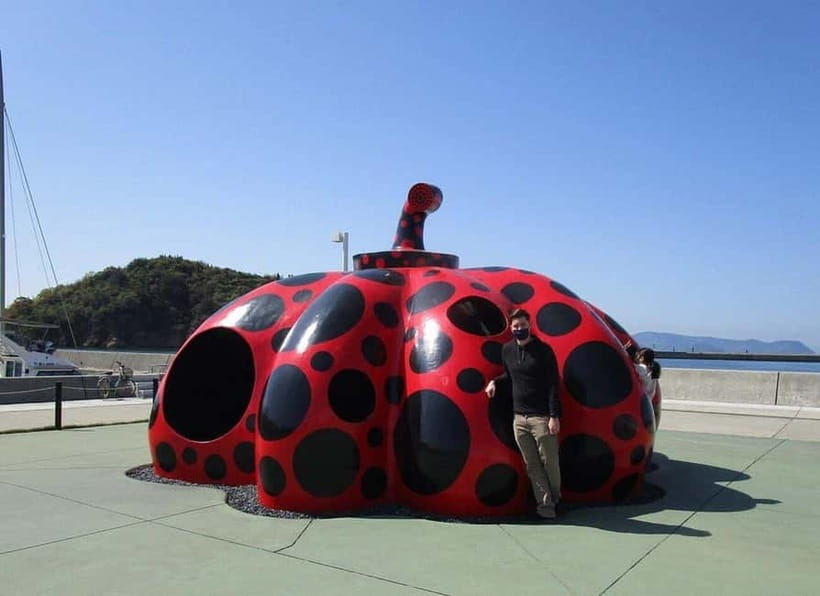
- Architecture and art in context: Expect installations and museums designed to work with their surroundings.
- Workable for focused interests: If you care about Tadao Ando, you can build a route around that style.
- Private means flexible pace: It is your group only, so you are not stuck with a rigid crowd flow.
Why Naoshima is worth the extra planning time
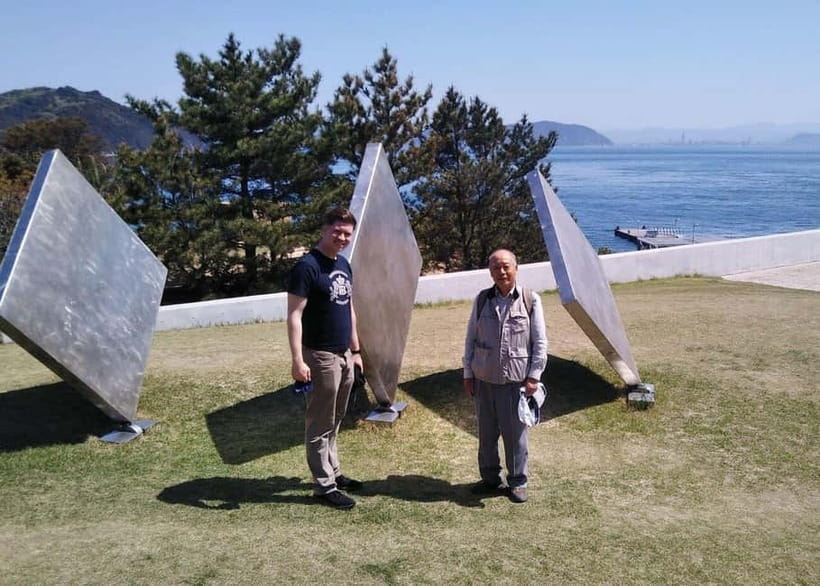
Naoshima did not always feel like a world-class art destination. It was once a rural island edging toward becoming a ghost town, then contemporary art and major architectural projects changed its identity. The result is a place where you do not just look at art, you experience how it sits in the landscape, how it changes your walking route, and how the buildings affect light and movement.
That is exactly why I think this kind of tour is such good value. You are paying for someone who knows how to connect the dots fast: what to see, what to pair together, and how to keep the day from turning into a sprint between locations. When guides like Mari plan a route to fit multiple museums and artworks in a genuine flow, it saves you from the common problem of showing up and realizing too late that you picked the wrong order.
Designing your day around 3 to 4 Naoshima stops
The core promise is simple: you can visit 3 to 4 sites from the available options, and you communicate your preferences with the guide after you reserve. That number matters. Naoshima is not small in a straight-line way, and the art is spread across different areas. Trying to cram in five or six places on your own often leads to wasted time and rushed viewing. Three to four sites gives you enough rhythm to actually notice details.
Here is how I would think about choosing your stops.
If you are here for art-first experiences
Lean toward museum and installation areas where the artwork is meant to be seen in place. Some of the most memorable moments on Naoshima come from installations that you cannot separate from their environment. A guide can also point out the less obvious things that you might otherwise miss, like how a specific structure frames a view or how the space shapes your attention.
If you are here for architecture, especially Ando
You can build a day around Tadao Ando’s architecture. One of the strongest themes in the guide experiences is that people with a deep Ando interest were able to pack multiple Ando buildings into one day by following a smart schedule. The key is not just visiting the buildings, it is how you move between them and how long you allow for each one so the light and space do not become an afterthought.
If you want a balanced mix, not an art marathon
A good “best of” day often includes a museum or two plus an extra stop tied to the island’s modern hospitality and atmosphere, like the bathhouse or boutique hotel areas mentioned in the tour description. This kind of mix helps your brain reset. You still get contemporary art, but you also get a break from strict viewing mode.
How the 8-hour schedule stays realistic on a walking day
This is designed as a full day at about 8 hours, and it is a walking day tour. That can sound simple until you try it. Naoshima is full of little route changes, and each site has its own “time inside” factor, depending on whether you linger, read the explanations, and take photos.
The guides who do this well tend to build your day around two practical ideas:
- Start with the hardest walking direction first. One guide approach described working from the top of the island down, because it makes the overall day easier. Even if you do not copy the exact route, the principle is useful: if you can front-load the tougher walking, you feel better later.
- Use transit intentionally between far-apart areas. The tour is walking-based, but you can use public transportation or local taxis between sites. That is not a failure of planning. It is smart movement, and it keeps your viewing time high.
You should also expect that your guide will manage your pace so you are not constantly checking your watch. In practice, that is where the private part pays off. Guides like Mika or Yoko have been highlighted for planning a full schedule without turning the day into a rush.
Where you will spend your time: museums, art sites, and the bathhouse vibe
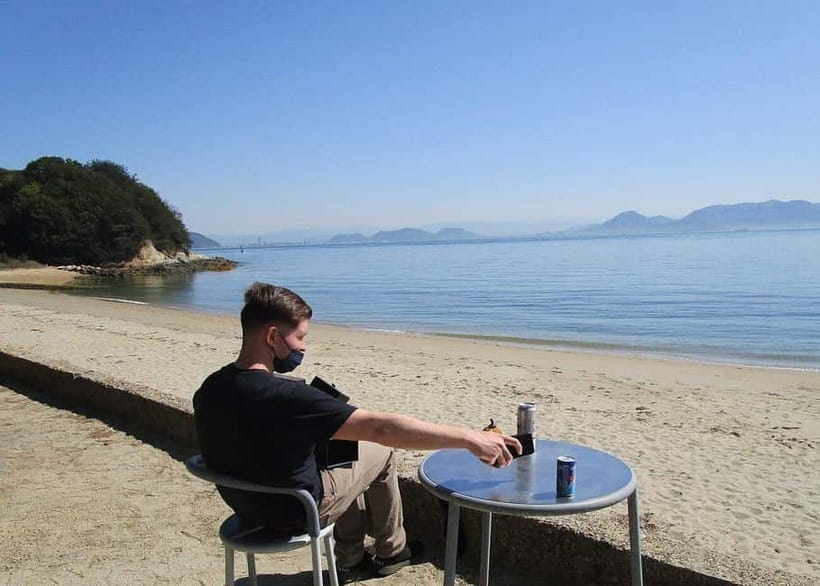
The exact “what to expect/itinerary list” options are not spelled out here, so I cannot promise a specific set of named museums. But the tour description and the art-architecture focus give you a clear picture of the kinds of places you will likely include.
Contemporary art sites that work in the real world
Naoshima’s standout feature is that the art is built to be experienced in its location. That means your route is part of the meaning. Some artworks are designed so there is no practical way to separate them from the space around them, which is why a guide can make a big difference. When you have context, you notice what the artist and the architects are doing with light, sight lines, and your movement.
A good guide also helps you adjust your expectations. Instead of thinking of each stop as a quick photo opportunity, you start to view them as a sequence that changes how you see the next place.
Museums tied to major architecture
The island became a global art center largely through contributions from top Japanese architects, and Tadao Ando is one of the big names tied to the experience. If your schedule includes multiple Ando buildings, your guide will likely plan the order and time so you can actually experience each site’s lighting and layout.
This is not the kind of architecture you want to sprint through. The best results come when you pause long enough to notice how the space guides you, then move to the next place with your eyes adjusted.
The bathhouse and hotel areas for a softer pace
The tour description mentions a bathhouse and a boutique hotel as part of the architecture and art scene. Even if your main goal is serious art viewing, I like having at least one “reset” style stop. These areas help you break the day into chapters, and that makes the museum time feel more satisfying, not exhausting.
Guide quality is the real value, not just the license
A licensed English-speaking guide is included, and in real terms, that means your day gets shaped by someone who can interpret what you are seeing. The language piece matters on Naoshima because so much of the experience is subtle: how a space changes the way you read an artwork, why certain design choices were made, and what to notice in the room.
I also think you should care about how your guide handles logistics. In the praised guide examples, support often goes beyond pointing out artworks. Ray is noted for assisting with transportation, bookings, and timing. Mari is praised for building a program that combines museums and artworks in a genuine manner, including booking a taxi to facilitate transfers. Kaji and Kanji are both described as organizing thoughtful schedules that keep the day full without feeling rushed.
One more practical thing: some guides also help with planning the next step. Mika, for example, was described as helping plan a trip to Teshima the following day. Even if you are not doing that, the broader point is that a good guide thinks like a route planner, not just a talker.
Price and logistics: what you pay for, what you still need to budget
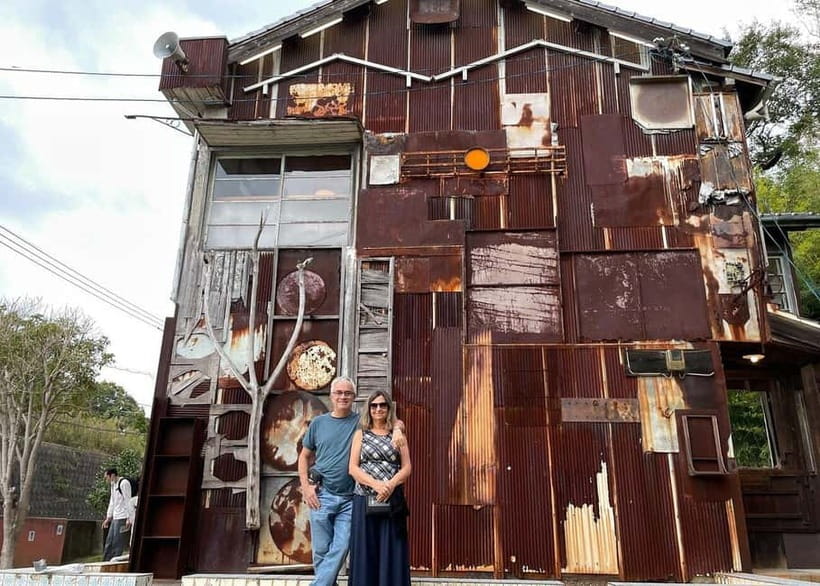
The price is $196 per person for an 8-hour private tour. On paper, that can sound pricey until you separate what is included from what is not.
Included:
- A licensed local English-speaking guide
- A customizable tour where you pick 3 to 4 sites
- Meet up in the designated area of Naoshima and nearby port, with pickup coordination described in the activity details
- Private group
Not included:
- Transportation fees between sites
- Entrance fees
- Lunch
- Personal expenses
- Private vehicle
So the value question becomes: are you buying enough local know-how to save time and reduce confusion? For Naoshima, I think the answer is usually yes, especially if you have specific interests like Ando architecture or if you want a smooth day with minimal stress. The private format also helps if you are easily tired by constant navigation and changing plans.
One cost-saving mindset that helps: choose fewer sites but make them the right ones. Your 3 to 4 stop limit is not a downside. It is the thing that keeps you from overspending energy and money on places that do not match your tastes.
Getting around: walking rules, taxis, and having yen ready
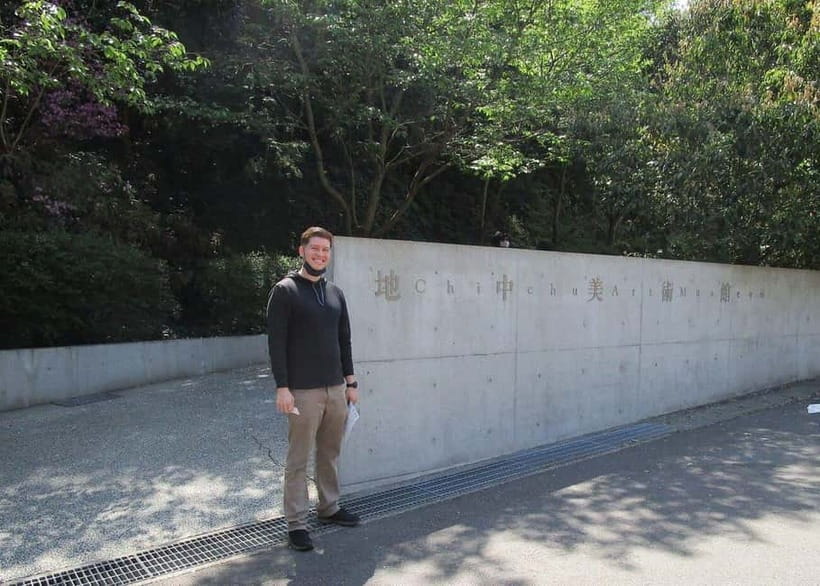
Because a private vehicle is not included, you will rely on walking plus public transport or local taxis between areas. The activity notes are clear that exact transportation costs can be discussed with your guide after a reservation is finalized. That is a helpful flexibility point.
You should also plan to have Japanese yen on hand. That way, you are not stuck at the wrong time when a taxi or small transit option is needed.
This is also where your route planning choice matters. If you pick sites that cluster well, you will spend less on transit and more time inside the places that matter. A good guide can steer you toward logical grouping, which is why the “order of stops” is part of the quality of the tour, not a small detail.
Who this private Naoshima tour suits best
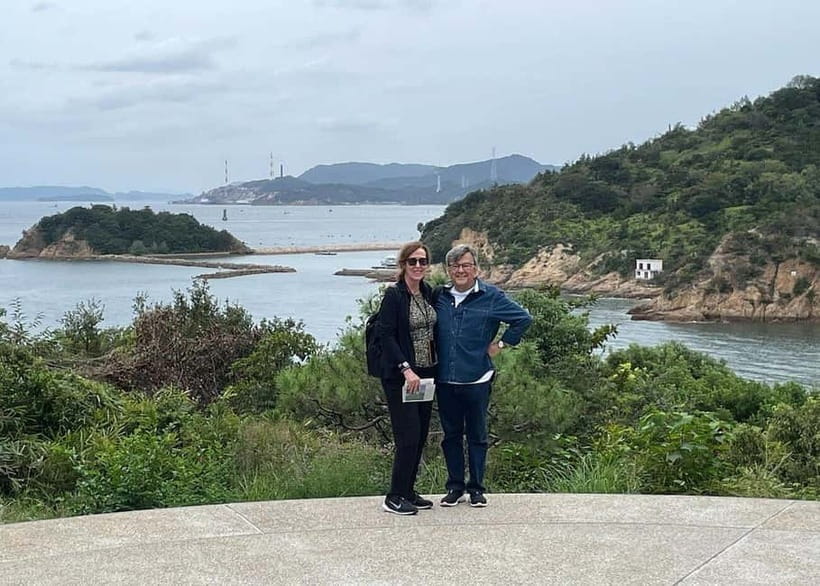
This tour is a strong fit if you want:
- A private experience with a licensed guide in English
- Control over what you see, by choosing 3 to 4 sites
- A day that balances art time with movement time
- Help with timing and transfers so you do not lose half the day figuring things out
I would especially recommend it if you have a focused interest, like Tadao Ando architecture. One of the most detailed schedule descriptions for this tour style was for an Ando-centered day, with multiple buildings visited in a single day through expert planning.
It may be less ideal if you want total independence and you are comfortable building a route yourself from scratch, including deciding when to take taxis and how long to spend at each place. But if your goal is a smooth, meaningful art day with minimal friction, this is designed for you.
Practical tips before you go to Naoshima
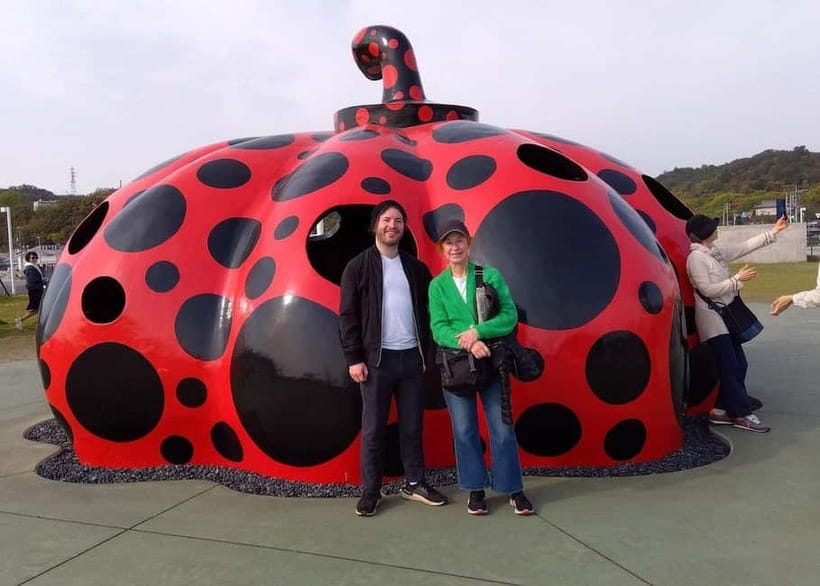
Here are a few things I would do to make your day feel effortless.
- Communicate your site preferences soon after booking. The tour is customizable, and your input helps the guide build a clean route.
- Wear shoes you can walk in all day. Since it is a walking day, comfort matters more than style.
- Plan your lunch expectation. Lunch is not included, so decide how you want to handle it and let your guide know your preferences if you have them.
- Bring yen for transfers. If taxis or transit become the smart option between sites, you will be ready.
Also keep in mind that the guide will confirm your tour after contacting you. Most guides contact you within 7 days, and if a guide is unavailable the provider will reach out.
Should you book this Naoshima full-day private tour?
If you want a Naoshima day that feels curated by real local logic, not guesswork, I think you should book this tour. The big strengths are the licensed English guide, the ability to select 3 to 4 sites, and the way guides handle pacing and transfers so you can actually enjoy each place instead of managing logistics.
I would hesitate only if you are determined to do everything with no guide, or if you are on a tight budget that cannot stretch to entrances and lunch, since those are not included. Otherwise, for $196 per person, you are paying for a smoother day, better time management, and an explanation of what you are looking at while you are looking at it.
FAQ
How many places can I visit during the tour?
You can visit 3 to 4 sites. You will communicate your preferred sights to the guide after you reserve.
Is this a private tour or a group tour?
This is a private group experience, so it is just your group with the guide.
Do I need to pay for entrances and lunch?
Yes. Entrance fees and lunch are not included, along with other personal expenses.
Is a private vehicle included?
No. This is a walking day tour and a private vehicle is not included. Public transportation or local taxis may be used between sites.
Where do we meet the guide?
You meet up within the designated area of Naoshima and nearby port. The activity details also note that pickup is included, with the guide waiting in the hotel lobby or train station that you request about 10 minutes before your scheduled pickup time.
What languages will the guide speak?
The tour includes a live guide in English and Japanese.
Is the tour wheelchair accessible?
Yes, the tour is wheelchair accessible.
What should I bring for transportation between stops?
The activity notes say to have Japanese yen on hand for transportation costs.
Is the tour free to cancel, and when do I need to cancel?
Free cancellation is available up to 24 hours in advance for a full refund.
Guided, compared.
Tokyo 6hr Private Tour with Government-Licensed Guide
Read our review →
Shinjuku Local Bar and Izakaya Guided Walking Tour
Read our review →
Private City Highlights Tour with Local Guide
Read our review →
Kyoto Early Morning Tour with English-Speaking Guide
Read our review →
Tokyo 4hr Private Tour with Government-Licensed Guide
Read our review →
Kyoto 6hr Private Tour with Government-Licensed Guide
Read our review →