
Reviewed · FOOD & DRINK
Tsukiji Food and Toyosu Market with Government-Licensed Guide
Tokyo’s fish market chaos gets organized fast. This private tour pairs Toyosu and Tsukiji with a licensed English-speaking guide so you can focus on what matters, not where to stand. I love the way the guide helps you navigate the seafood maze, and I like the extra cultural stops at Namiyoke Inari Shrine and Tsukiji Hongwanji Temple. One drawback to note: it is a walking tour, and food, transport, and Toyosu admission are not included.
You’re also not stuck waiting for the one famous moment like a tuna auction. This plan is built for tasting, shopping, and understanding the market system at a human pace, in about a half day. If you want the tuna auction specifically, you’ll need a different tour that starts around 5:30am.
Key Highlights You Should Actually Care About
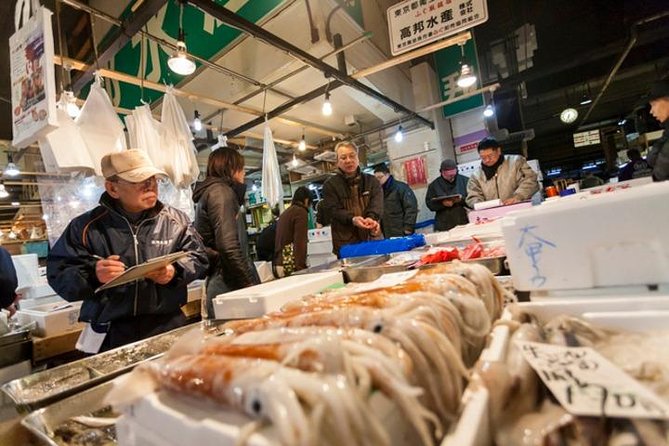
- Licensed local English-speaking guide to help you find the good stalls and make sense of what you’re seeing
- Two market styles in one morning: Toyosu’s newer, cleaner wholesale setup plus Tsukiji’s older, denser atmosphere
- Cultural detours that make the area make sense at Namiyoke Inari Shrine and Tsukiji Hongwanji Temple
- Private tour for your group only, with a flexible vibe that feels calmer than joining a big crowd
- Cash-friendly, food-forward route, with time to keep eating after the tour if you want
Why Toyosu and Tsukiji Together Works
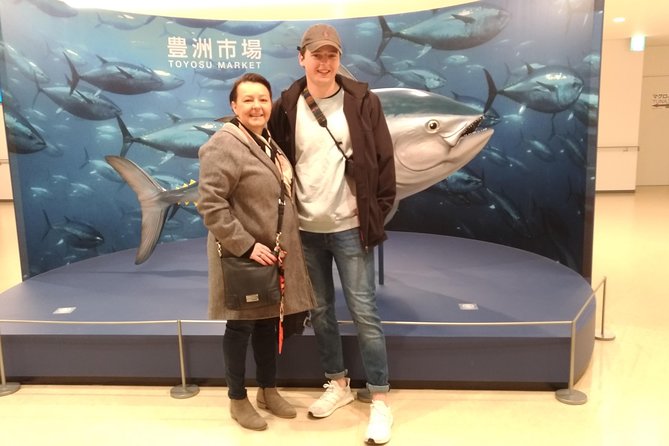
Toyosu and Tsukiji are linked by purpose, but they feel totally different in real life. Toyosu took over the wholesale function from Tsukiji, and it opened in 2018 on a man-made island in Tokyo Bay. That newer setting usually means a more structured layout, more space to walk, and easier viewing of how goods move in the supply chain.
Tsukiji is the older story. It’s where the world associates Tokyo with seafood theater, and it still packs a crowd. Even without the auction moment, you’ll see the layers of the market world: wholesalers, workers, shopfronts, and the outer market culture where people come to eat and buy.
Putting them together is valuable because the guide can show you the same supply chain from two angles. You’re not just collecting photos, you’re learning what changed and why. The best part is that the tour keeps momentum so you’re not spending your trip hunting for entrances and figuring out crowds on your own.
More Food Tours in Tokyo
- Tokyo: Shinjuku Food Tour (13 Dishes at 4 Local Eateries)
★ 5.0 · 6,603 reviews - Tokyo Tsukiji Fish Market Food and Culture Walking Tour
★ 5.0 · 3,184 reviews - Tokyo: Shinjuku Food Tour (15 Dishes and 4 Eateries)
★ 4.9 · 2,033 reviews
Timing, Meet-Up, and The Walking Reality
This is a four-hour walking tour with pickup and drop-off on foot. You meet your guide within a designated Tokyo area, and the tour ends near the Tsukiji Outer Market area. Because it’s on foot, comfortable shoes matter more than you might expect. The markets are compact, people move fast, and you’ll be stopping often.
The plan starts in the morning, and the tour includes time for both markets plus two shrine or temple stops. Tsukiji’s market time is longer on paper, and you’ll also spend short chunks at Namiyoke Inari Shrine and Tsukiji Hongwanji Temple. The order is built to keep you from feeling like you’re zig-zagging across Tokyo all day, even though you do travel between Toyosu and Tsukiji using public transport organized by your guide.
One more practical point: the tour offers a mobile ticket. That helps, but it doesn’t replace smart planning. Bring water, plan for lines, and expect that you might not find every stall open at every hour.
Toyosu Market: Newer Layout, Clearer System
Toyosu Market is your first stop on this itinerary, and you get about an hour there. Admission is not included for Toyosu, so budget for that separately. The payoff is that Toyosu is set up to show how wholesale work operates, and many visitors find it easier to understand because the layout is more straightforward than older market streets.
In reviews and guide tips, people often highlight that Toyosu is a great place to learn what’s going on behind the scenes, even when you are not doing the full tuna auction experience. In other words, you can still understand the rhythm of the market: how products move, where people are stationed, and how the working market connects to food on plates later.
If you’re a first-time market visitor, I think Toyosu works as the “orientation chapter.” You arrive, you get the big picture, and then Tsukiji feels like the human, sensory side of the same story.
Possible consideration: since Toyosu admission is extra, your total cost will be higher than the base price. Also, this tour specifically is not the tuna auction tour, so if that is your main reason for going, you’ll want a different option.
Tsukiji Fish Market and the Outer Market Time You’ll Remember
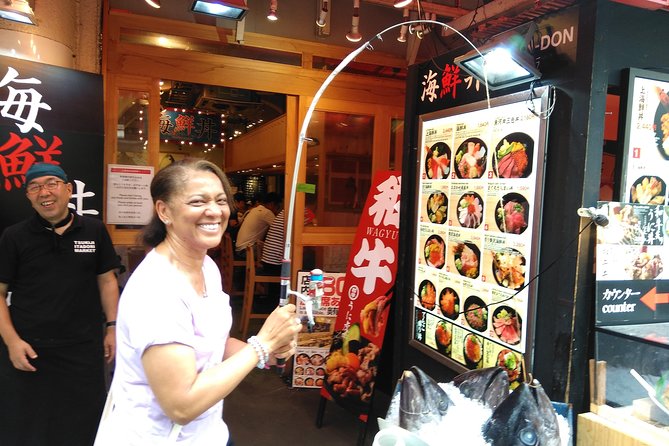
Tsukiji Fish Market is where the world-famous energy lives. You’ll spend about two hours here, and the admission ticket for Tsukiji is free. That makes your time count, because more of your budget can go toward food, snacks, and shopping instead of entry fees.
The meeting point in Tsukiji is described near Tsukiji Honganji Temple, just outside the market’s main gate. That location matters because it helps you avoid the most common first-morning problem: wandering around, losing time, and getting mixed into the wrong lanes. With a guide, you’re more likely to move efficiently and see key areas without feeling frantic.
You’ll also get that useful contrast between the working inner layers and the consumer-facing outer scene. Some guides focus on helping you try different foods and find places that feel less like tourist shopping and more like the everyday market route. You’ll likely spend time both looking and tasting, and you should expect it to be crowded. That crowd is part of the experience, but the guide helps you walk through it calmly.
One practical tip from market culture: you will not have endless time to eat. The tour is built as a morning-and-midday experience, so if you want a full breakfast or lunch afterward, plan to extend your day on your own with extra time for a sit-down meal.
More Market Tours in Tokyo
- Tokyo: Tsukiji Fish Market Food and Walking tour
★ 5.0 · 1,724 reviews - Tokyo: Tsukiji Fish Market Guided Walking Tour
★ 4.9 · 1,397 reviews - Tokyo Sushi Making Class in Tsukiji with Professional Chef
★ 5.0 · 1,177 reviews - Tsukiji Fish Market Guided Tour and Sushi Making with Pro Chef
★ 5.0 · 775 reviews
Namiyoke Inari Shrine: A Quick Stop With Real Meaning
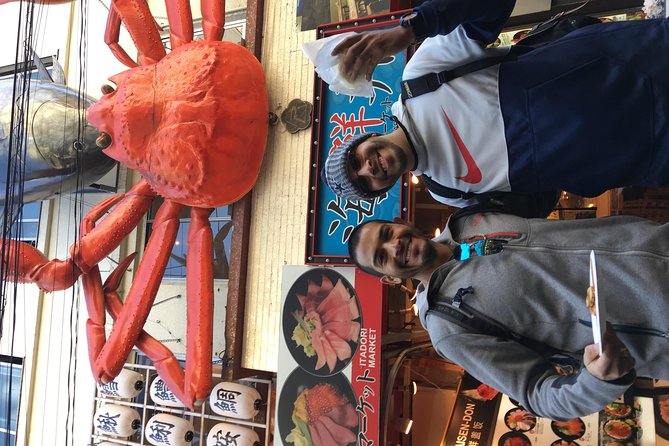
This tour doesn’t treat the shrines like filler. Namiyoke Inari Shrine is included for about 15 minutes, and admission is free. The shrine is meant to keep away the waves from this reclaimed land.
That is a neat context clue for Toyosu and Tsukiji, especially because Toyosu exists on a man-made island and the broader area has a strong relationship to water, land reclamation, and risk. Even a short visit helps you feel why people built spiritual protection into daily life, not just into special occasions.
Because the stop is short, it works well even if you’re tired or snack-hungry. You’ll be in and out quickly, and it gives your brain a reset before you move to the temple side of the Tsukiji story.
Tsukiji Hongwanji Temple: Buddhism Close-Up in 30 Minutes
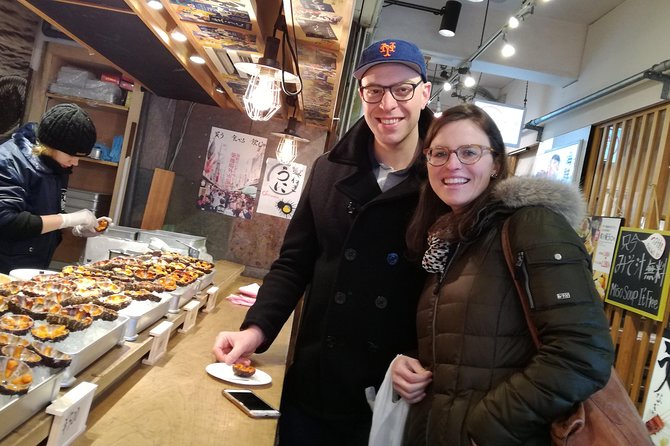
After the market energy, Tsukiji Hongwanji Temple (included for about 30 minutes) brings you into the Buddhist side of the neighborhood. Admission is free here too. The temple is known for its unique construction, and the stop is a chance to learn about Japanese Buddhism in a compact, accessible way.
I like this pairing because markets and temples are often connected in Japan, not separated into tourist-only boxes. Even if you’re not a religion-focused traveler, you can still appreciate how buildings, rituals, and community shape the mood of a place. It adds perspective to the seafood world you just walked through.
This stop is also a good moment to slow your pace. You’ve done lots of moving, lots of looking, and lots of sensory input. A calmer place like this helps you remember what you saw instead of feeling like you speed-ran the whole area.
Food, Shopping, and How to Spend Smart
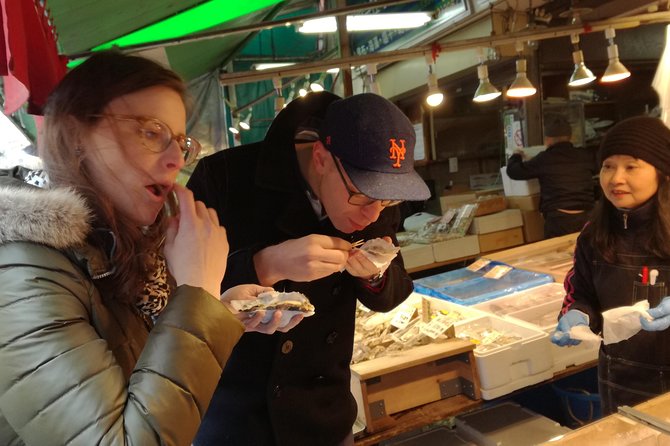
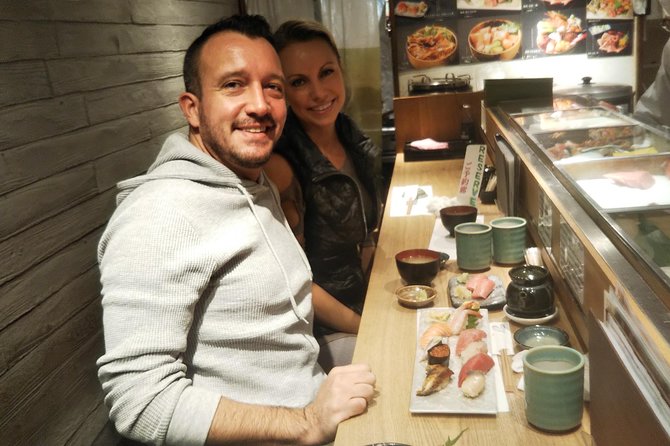
Food and drink are not included, but the tour is clearly designed around tasting and grazing. The best value play here is to treat food stops like part of your learning. The guide helps you know what to look for, how to order, and where it makes sense to spend time.
Cash is often useful in markets. Some guides have helped visitors handle everyday logistics like getting IC cards ready for transit, but you should not assume everything runs smoothly without cash or without working payment systems. If you’re planning to try multiple items, bring enough money to avoid the awkward moment where you have to skip your favorite stall.
Shopping can be fun too, but keep your priorities straight. In this kind of dense market setting, it’s easy to buy souvenirs that you can get elsewhere. With a guide, you’re more likely to focus on foods or items that fit the local market vibe.
If you want a bigger meal, the tour leaves room for you to stay after and eat breakfast or lunch if you want. That’s a smart design choice because the markets can be too intense to do a long sit-down meal right in the middle.
Tuna Auction Note, and Why This Tour Is Not It
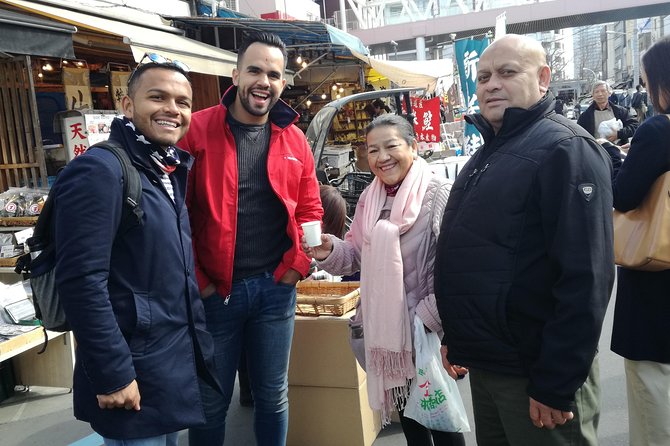
This is not the tuna auction version of the experience. The tour explicitly says it is not for the tuna auction, and it points you to a different option if that is your goal.
Here’s the practical takeaway: the tuna auction starts around 5:30am according to guide guidance in the available info, and you would need to request ahead if you want to see it. If tuna auction viewing is your top priority, this tour can still teach you a lot about seafood and market culture, but it will not satisfy the auction-only goal.
On the other hand, if you want a more relaxed market morning where you can eat, walk, and understand what you’re seeing, this one makes sense. You can still experience the market atmosphere without waking up as early as the auction plans require.
Price and Logistics: Is It Worth $109.01?
At $109.01 per person for about four hours, the core value is the licensed guide and private group format. You are paying for coordination, translation, navigation, and someone who can explain what the market is doing as you walk through it.
What you should budget separately is the stuff that changes your total quickly: transportation fees, entrance fees, food and drink, and personal expenses. Toyosu admission is listed as not included, while Tsukiji market admission is free. That means your biggest unavoidable add-on can be Toyosu entry and whatever you decide to eat.
So, is it worth it? For me, it’s a strong value when:
- You are short on time and want both markets without spending your morning figuring everything out
- You want cultural context, not just photo stops
- You prefer a calmer pace than a large group tour
If you are comfortable wandering independently and you already know where you want to go, you might feel you could do it cheaper on your own. But the guide payoff is real in crowded places like Tsukiji, where getting lost costs time and energy.
Who This Tour Suits Best
This tour is a good fit if you want the best Tokyo market highlights in a half-day window. It’s also a great option for families, since it’s private, you can stay together, and you’re not locked into a very early auction schedule.
It’s especially helpful if you feel daunted by the market layout. Multiple guides in the available information have emphasized that having someone point you toward the right stalls and the right areas makes the experience smoother and more rewarding.
A quick suitability check:
- Great for first-timers who want a guide to orient you
- Good for food-focused travelers who want tasting and shopping time
- Better for people who are okay with walking and crowds
If you want a guaranteed auction viewing plan, choose the dedicated tuna auction tour instead.
Should You Book This Market Tour?
Book it if you want a licensed-guide market morning that combines Toyosu and Tsukiji, plus meaningful stops at Namiyoke Inari Shrine and Tsukiji Hongwanji Temple. You’ll leave with a clearer picture of how Tokyo seafood moves from wholesale systems to everyday eating, and you’ll spend your time wisely instead of looping around entrances.
Skip it or look for a different option if tuna auction viewing is your main mission. This one is built for the market experience itself, not the auction moment.
If you do book, go prepared: wear comfortable shoes, bring cash for snacks, and plan for Toyosu admission and your own food costs. With that mindset, this tour is one of the most efficient ways to understand two sides of Tokyo’s food world in one go.
FAQ
How long is the tour?
The tour lasts about 4 hours.
Is this a private tour?
Yes. It is a private tour/activity, and only your group participates.
Do I need to buy tickets or pay admission fees?
Toyosu Market has an admission ticket that is not included. Tsukiji Fish Market has admission listed as free. Namiyoke Inari Shrine and Tsukiji Hongwanji Temple are listed with free admission.
Is transportation included between Toyosu and Tsukiji?
Travel between markets on public transport is organized by your guide, but transportation fees are not included.
Is tuna auction viewing included?
No. This is not the tour for the tuna auction. The information also notes a separate tuna auction tour that starts around 5:30am.
What is the meeting point and where does the tour end?
You meet your guide on foot within a designated area in Tokyo, with Tsukiji Honganji Temple mentioned as the meet point near the market’s main gate. The tour ends at the Fish Market Tsukiji Outer Market area.
Can I cancel for a full refund?
Yes, you can cancel up to 24 hours in advance for a full refund. If you cancel less than 24 hours before the start time, the amount paid is not refunded.
More Shopping Tours in Tokyo
- Tokyo Food Tour Taste Fresh Delights at Tsukiji Market
★ 5.0 · 429 reviews - Tokyo Tsukiji Fish Market Tour and Sushi Making Lesson
★ 5.0 · 390 reviews - Tsukiji Fish Market: Street Food & Culture Walking Tour
★ 4.8 · 259 reviews - Tokyo Washoku 4-hour Cooking Class: From Market to Table
★ 5.0 · 253 reviews
More Markets in Tokyo
- Tokyo: Tsukiji Fish Market Food and Culture Walking Tour
★ 4.7 · 757 reviews - Tsukiji Fish Market: Street Food & Culture Walking Tour
★ 5.0 · 669 reviews - Tsukiji Fish Market Small-Group Food Walking Tour
★ 5.0 · 621 reviews - Tokyo: Tsukiji Fish Market Sushi Making Class with Pro Chef
★ 4.9 · 506 reviews
Fresh options around Tokyo
- Tokyo: Nikko Kegon Falls Lake Chuzenji Toshogu Temple & More★ 4.9 · 12 reviews
- Tokyo: Samurai History Walking Tour★ 5.0 · 12 reviews
- Harajuku: Kawaii Fashion and Pop-Culture Tour★ 4.7 · 12 reviews
- Tokyo: Mt. Fuji & Lake Kawaguchi Instagram Full Day Trip★ 4.1 · 12 reviews
- Shibuya Tokyo: Modern Kintsugi Workshop in Shibuya★ 5.0 · 12 reviews
- Tokyo: GTR Guided Daikoku Experience at Night★ 5.0 · 12 reviews
- Tokyo: Daikoku JDM Car Culture Tour★ 4.6 · 12 reviews
- Mt Fuji Private Day Trip from Tokyo with English speaking driver★ 5.0 · 13 reviews
Food & Drink, compared.
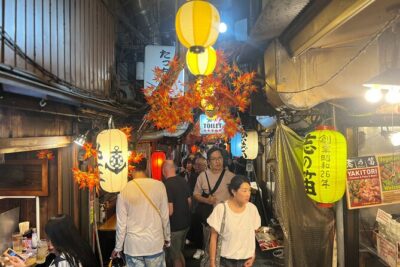
Shinjuku Food Tour (13 Dishes at 4 Local Eateries)
Read our review →
Tokyo Tsukiji Fish Market Food and Culture Walking Tour
Read our review →
Shinsekai Food Tour with 13-15 Dishes at 5 Eateries
Read our review →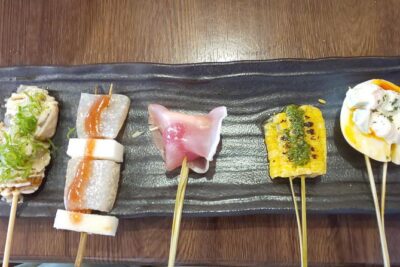
Osaka Food Tour: 13 Dishes at 5 Local Eateries
Read our review →
Shinjuku Food Tour (15 Dishes and 4 Eateries)
Read our review →
Best of Shinjuku: Izakaya Food Tour (4 Stops, 14+ Tastings)
Read our review →
Kyoto Night Foodie Tour in Gion (9+ dishes + 6 Sake tastings)
Read our review →
Hungry Osaka Street Food Tour:15 Tastings & 3 Drinks with a Local
Read our review →Browse the lists this tour appears in