Reviewed · SHOW
Traditional Japanese Music ZAKURO SHOW in Tokyo
If you like music, this show makes you listen differently. In Tokyo’s Omotesando, the ZAKURO Show pairs live traditional Japanese instruments with clear English dialogue so you understand what you’re hearing. I especially love how the musicians explain the craft between pieces, and how close the performance feels. One possible drawback is that 1 hour can feel short if you want a long, slow deep dive.
This is the kind of evening that works even if your Japanese is limited. The program moves from older classical sounds to more modern twists, and you’ll even hear a cover of a Western hit. Just plan your timing so you can show up rested, because the show is tightly paced.
Key things to know before you go

- Omotesando setting: A cozy venue in a central Tokyo neighborhood with easy access.
- Wagakki, up close: You’ll see instruments like koto, shamisen, shakuhachi flute, and taiko drums right in front of you.
- English explanations that connect the dots: Live commentary during the show helps you follow history and technique.
- More than background music: The program links each tune to what makes it special.
- A short, focused evening: At about 1 hour, it fits cleanly into most itineraries.
Why Omotesando works so well for a traditional music show
Omotesando is a smart choice for this kind of cultural stop. It’s central, and it’s the sort of area where you can combine the concert with a normal evening out without feeling like you’re crossing Tokyo on hard mode.
The venue is described as beautiful and cozy, which matters more than you might think. Traditional music often benefits from quiet attention, and a smaller, calmer room helps you hear the details, not just the overall sound.
You’ll also like that it’s near public transportation. That means you can plan around it without building your whole schedule like a logistics puzzle.
A few more Tokyo days worth comparing
- Mt Fuji and Hakone 1-Day Bus Tour Return by Bullet Train
★ 5.0 · 26,383 reviews - 1-Day Tokyo Bus Tour
★ 5.0 · 14,250 reviews - Tokyo: TOKYO SKYTREE® Admission ticket
★ 4.5 · 11,192 reviews
Inside the Zakuro Show: koto, shamisen, shakuhachi, taiko right in front of you

The core of the experience is a live ensemble performing wagakki, traditional Japanese instruments. You’ll see a mix that typically includes the koto (the long, zither-like instrument), the shamisen (three-stringed instrument), the shakuhachi (bamboo flute), and taiko drums.
What makes this more than a “watch and clap” event is the staging. The musicians and their instruments are set up so they’re right in front of you, which helps you track how each instrument produces sound. You notice the differences faster, for example how the koto’s tones can sound airy and layered, or how taiko delivers impact without needing volume theatrics.
They also come out wearing colorful kimono. That’s not just for looks. It reinforces that this is performance craft as well as music, and it fits the show’s focus on technique and tradition.
The live host and English translations that actually help
Here’s one of the biggest reasons this show earns such strong ratings: the commentary is part of the performance, not an afterthought. Between musical numbers, the performers share explanations about the secrets of their craft, plus historical context.
The English translation is clearly a priority. The show uses live dialogue during the concert, so you’re not stuck reading a booklet while the music moves on. That difference is huge if you’re not already familiar with how Japanese traditional music is structured.
I also like that the explanations are tied to what you’re about to hear. When the host sets up the purpose of a tune, you can listen with a goal, not just vibes. It turns into a quick lesson where the music is the main event.
How the program moves from ancient to modern, plus a Western cover

The show’s flow is built for understanding. The program uses carefully selected pieces that include both ancient and more modern traditional Japanese music. So you’re not only hearing “old sounds,” you’re seeing how the tradition can adapt.
There’s also a Western hit cover included in the program. One review notes a Nirvana song in the mix, which tells you the show isn’t afraid to connect familiar pop references to Japanese instruments. If that appeals to you, it’s a clever way to show that these instruments can handle different emotional styles.
Still, keep expectations realistic. A cover is a highlight moment, not a full tribute concert. If you came only for strict, traditional repertoire with no modern comparisons, you might spend most of the night appreciating the original instrument voices rather than the cross-over sections.
Same corner of Japan, a different kind of day:
- Tokyo: teamLab Planets TOKYO Digital Art Museum Entry Ticket
★ 4.6 · 9,779 reviews - Mt Fuji & Hakone Cruise, Drum Show Bullet Train 1 Day from Tokyo
★ 4.0 · 7,413 reviews - Tokyo: Sumo Show Experience with Chicken Hot Pot and a Photo
★ 4.8 · 6,678 reviews - Tokyo: Shinjuku Food Tour (13 Dishes at 4 Local Eateries)
★ 5.0 · 6,603 reviews
Your 1-hour itinerary: what happens and how to get the most out of it

This experience is a single stop, and the show itself runs about 1 hour. That makes planning easy, but it also means you’ll want to arrive on time so you can settle in without rushing.
Once seated, you’ll hear a sequence of performances with explanations woven in between. The musicians talk about their instruments and share what makes each craft distinctive. That includes how the sound is shaped, what to listen for technically, and how the piece fits into Japan’s musical development.
From a pacing standpoint, the show is structured like a guided listening session. Each piece has a reason. Then the next instrument comes in with its own personality, so you’re constantly learning without feeling like you’re in a lecture.
One drawback is also obvious: people often wish it was longer. If you love music and want every instrument to get a deeper technical breakdown, this runtime might leave you wanting more.
But for most itineraries, the trade-off is worth it. You get a concentrated, high-quality snapshot of traditional Japanese performance in a manageable time block.
Price and value: is $39.64 a good deal?

At about $39.64 per person, the ticket price sits in the “worth it if you’ll pay attention” category. You’re not paying for a big ticketed theater spectacle. You’re paying for a live ensemble plus on-stage English explanations plus the intimacy of being close to the musicians.
What makes it good value is how much of the experience is active, not passive. You’re guided through instruments you may not know well, and the show doesn’t treat language as a barrier. That’s a big reason it rates extremely well.
It also helps that the performance is about 1 hour. You’re getting a complete, satisfying evening stop that doesn’t steal half your day. If you’re budget-minded, this can be a better choice than long, expensive tours that only skim cultural basics.
One more practical point: it’s often booked ahead, with an average booking window of 33 days. That’s a hint to plan earlier rather than assume you can always walk up.
Who should book this show, and who might skip it

This is a great match if you:
- want a culture stop that is easy to understand, even with limited Japanese
- love live music and want to learn what to listen for
- prefer smaller, calmer experiences over huge crowds
You’ll also like it if you’re the type who buys a CD after a great concert. The show even gives you a clear souvenir angle, and at least one review mentions buying the CD at the end because the experience hooked them.
You might skip it if:
- you only want long performances and don’t like time-limited shows
- you strongly dislike the idea of a Western cover being part of the program
If you’re traveling solo, this is also a solid pick. The host explanation style makes it easy to follow, and the format feels social without requiring you to participate constantly.
Practical tips so the concert feels effortless

Because the show is only 1 hour, small mistakes get amplified. You’ll enjoy it more if you plan to arrive a few minutes early, get settled, and then let the program take over.
Wear something comfortable. You’re watching from inside a cozy room, so you don’t want to spend the show adjusting clothing or thinking about discomfort.
If you’re pairing it with other Omotesando plans, treat it like a timed event. It’s not a drop-in museum situation. Show up when you should, and you’ll feel like you got a complete evening, not a half-finished one.
Also, go in with the right mindset. Instead of trying to memorize Japanese instrument names, focus on listening. The host explanation helps you connect the names to sound.
Should you book the Traditional Japanese Music ZAKURO SHOW?
I think you should book it if you want a smart, accessible introduction to traditional Japanese music. The strongest part is the combination of live wagakki instruments and on-stage English explanations that make the music easier to follow right away.
It’s also a good value for the time. You get a full performance plus context without needing a long evening or complex planning.
If you’re the type who hates guided talk during concerts, this may not be your cup of tea. But if you enjoy learning while listening, this show is one of the cleaner ways to do it in Tokyo.
FAQ
How long is the ZAKURO Show?
The performance lasts about 1 hour.
Where is the ZAKURO Show located in Tokyo?
It takes place in Omotesando, Tokyo, in a beautiful and cozy setting, and it is near public transportation.
Is the show translated into English?
Yes. The performers provide live commentary with English translation, making it tourist-friendly.
What instruments will I see during the show?
You can expect traditional Japanese instruments such as taiko drums, koto harp, shamisen, and shakuhachi flute.
Is the ticket mobile?
Yes, the experience uses a mobile ticket.
How far in advance should I book?
On average, this experience is booked about 33 days in advance.
Can I get a refund if my plans change?
Yes, there is free cancellation. You can cancel up to 24 hours in advance for a full refund.
Fresh options around Tokyo
- Tokyo: Nikko Kegon Falls Lake Chuzenji Toshogu Temple & More★ 4.9 · 12 reviews
- Tokyo: Samurai History Walking Tour★ 5.0 · 12 reviews
- Harajuku: Kawaii Fashion and Pop-Culture Tour★ 4.7 · 12 reviews
- Tokyo: Mt. Fuji & Lake Kawaguchi Instagram Full Day Trip★ 4.1 · 12 reviews
- Shibuya Tokyo: Modern Kintsugi Workshop in Shibuya★ 5.0 · 12 reviews
- Tokyo: GTR Guided Daikoku Experience at Night★ 5.0 · 12 reviews
- Tokyo: Daikoku JDM Car Culture Tour★ 4.6 · 12 reviews
- Mt Fuji Private Day Trip from Tokyo with English speaking driver★ 5.0 · 13 reviews
Show, compared.

Mt Fuji & Hakone Cruise, Drum Show Bullet Train 1 Day from Tokyo
Read our review →
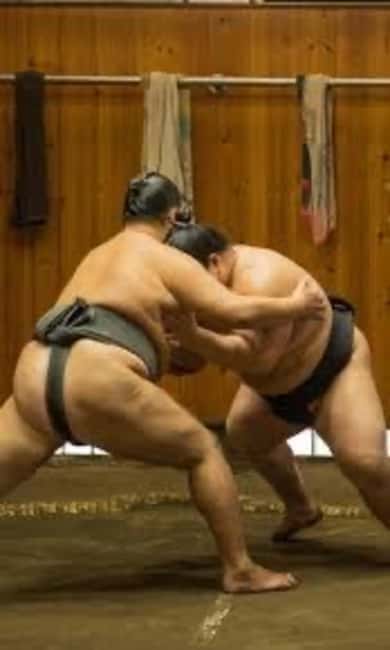
Sumo Show Experience with Chicken Hot Pot and a Photo
Read our review →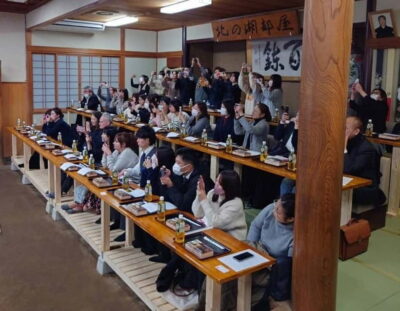

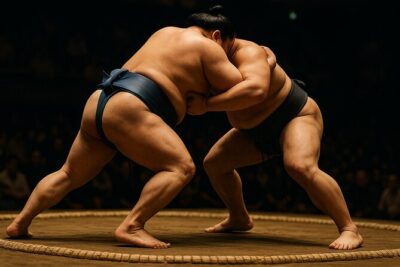
Tokyo Shinjuku Sumo Show & Experience with Photo
Read our review →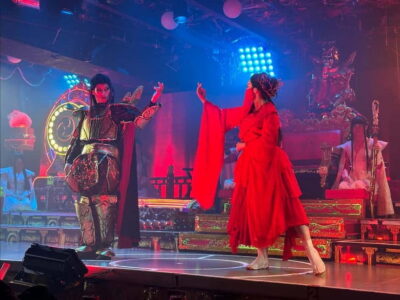

Mt Fuji & Hakone Cruise, Drum Show Bus 1 Day from Tokyo
Read our review →