
Reviewed · SAMURAI & NINJA EXPERIENCES
Tokyo: Samurai Kendo Practice Experience
Kendo in Tokyo is not about watching, it is about doing, with full practice armor and real instruction from a sensei. This 2-hour session at 誠道館 mixes etiquette, footwork, and bamboo-style strikes so you can understand Japanese swordsmanship in a way movies never do.
What I like most is how quickly you get moving. You learn core strikes like men, kote, and do and then apply them in controlled practice and light sparring. I also like that the class stays beginner-friendly, even while it feels authentic and properly disciplined under strict instruction.
One thing to think about: wearing the armor is physical and rules are real. If you wear glasses, the tour notes it is not advisable due to head protector fit and risk to spectacles, so plan accordingly and bring contact lenses if possible.
Key Highlights I’d Prioritize
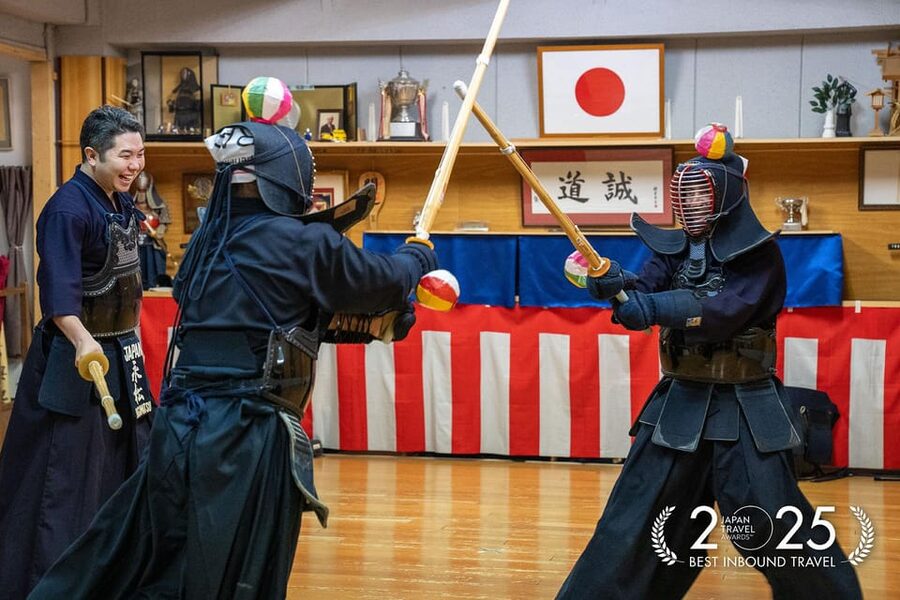
- Small group of up to 6 means you actually get corrected, not just watched from the corner
- Full kendo armor + equipment rental lets you train safely without tracking down gear
- Beginner-friendly basics like men, kote, do so you leave with something practical you can repeat
- Playful practice and light sparring keeps the energy up while staying controlled
- English and Japanese instruction so you can follow along even if your Japanese is basic
- A strict but patient sensei style is part of the authenticity, including instructors named Nagamatsu-sensei and Kenshi-San
Where the Practice Really Happens at Seidokan (誠道館)
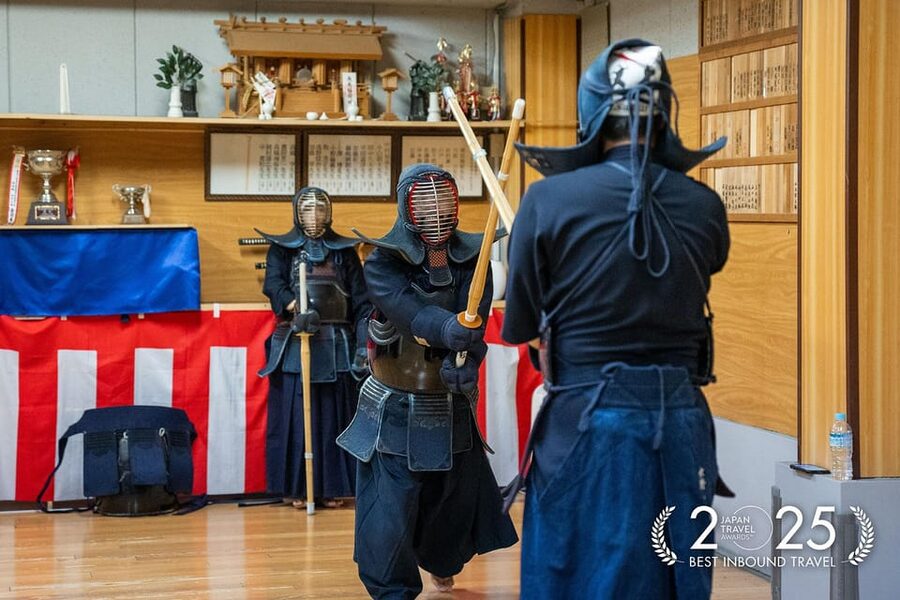
This experience takes place near JR Uguisudani station, about 10 to 12 minutes on foot from the north exit. The address is 4-7-2, Higashinippori, Arakawa-ku, Tokyo (誠道館). In real life, dojos can feel like they are tucked away, and one practical note from experience is that the location can be a bit tricky to spot at first since it runs out of a house. Give yourself a little extra time so you can walk in calm, not rushed.
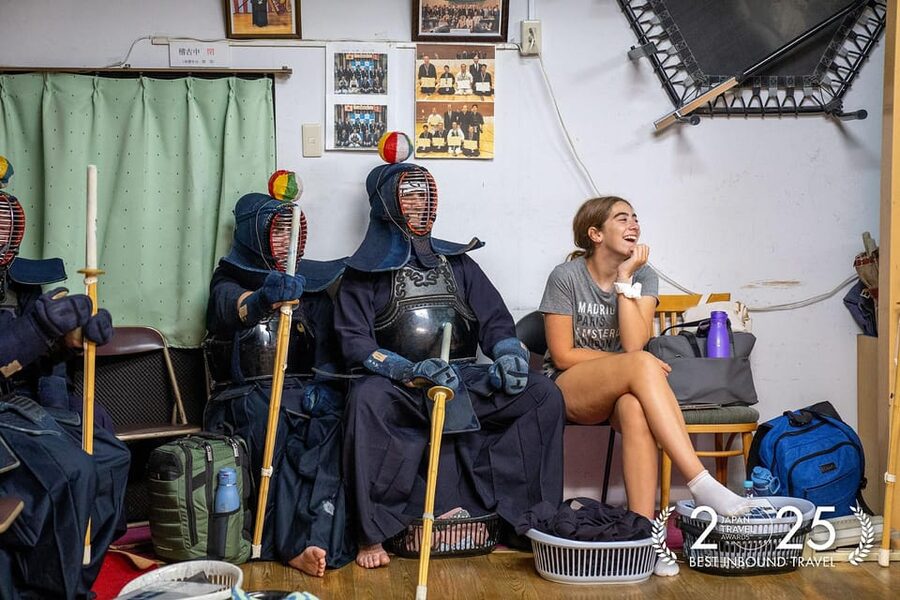
The vibe matters here. The setting is a dojo, so expect quiet focus, clear rules, and respect for space. That tone is not decorative. It is part of how kendo training stays safe and effective. You are learning timing and distance, and you need everyone on the same page with etiquette and movement.
Also, the group stays small, capped at 6 participants. That changes everything. In a bigger class, you get one generic demonstration and then practice. In a six-person group, you are more likely to get quick corrections about stance, angle, and follow-through.
More Samurai & Ninja Experiences in Tokyo
- Tokyo: Samurai Restaurant Show Ticket with 2 Drinks
★ 4.5 · 1,307 reviews - Tokyo: Samurai Ninja Museum Guided tour and Experience
★ 4.6 · 1,010 reviews - Tokyo: Samurai Sword & Archery Class from Samurai Descendant
★ 5.0 · 603 reviews
The 2-Hour Flow: What Your Training Time Looks Like
This is a 2-hour kendo practice session. That number is an estimate, and the actual schedule can run a little shorter or longer depending on how things go. Still, you should think of the session as a focused arc: gear up, learn the basics, then practice with increasing realism.
Gear Up First: Armor Rental and Fitting
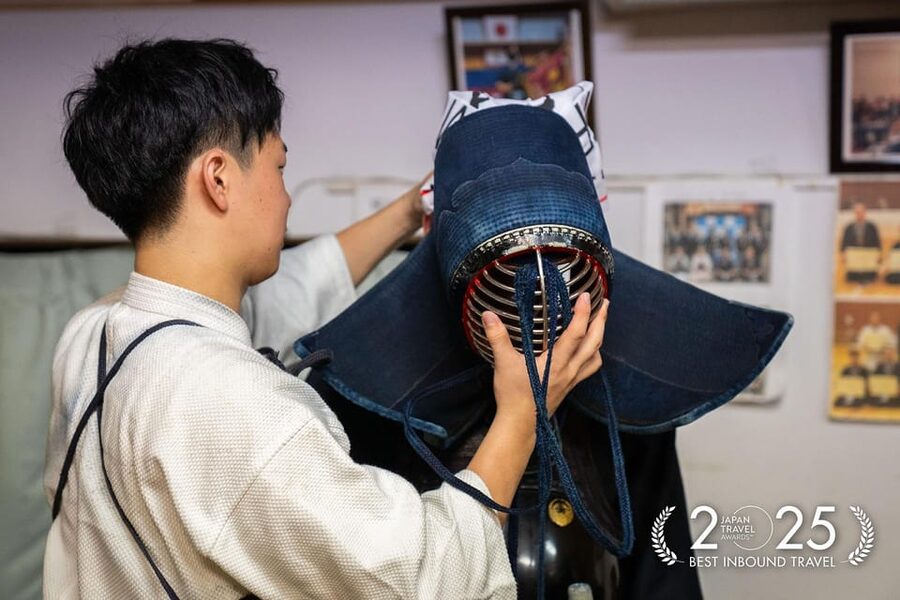
You start with rental of kendo armor and equipment. That usually means the full set used for safe training, including the head and body protective elements and the gloves. Since you are a beginner, you do not need to know any gear names ahead of time. The instructor team handles the setup.
Bring the right clothing mindset. The tour asks you to wear or bring loose fitted exercise clothing if you can. The reason is simple: there may be no perfect size match for everyone in the rental inventory. If there is not enough clothing, you might be asked to practice using your own clothes. Loose, comfortable layers make it easier to move and easier for the staff to adjust the fit.
If you wear glasses, take the precaution seriously. The tour specifically says it is not advisable to wear spectacles during the head protector part due to fit difficulty and possible damage. If you need vision correction, contact lenses are the safer option.
Warm-up and Etiquette: Why the Rules Matter
Kendo is a contact sport with strong culture. Even at beginner level, you should expect that etiquette is taught early and practiced often. Think bowing, listening without drifting, and moving only when cued. It is not just politeness. It keeps the group synchronized for safe striking.
You will also learn mindset and basic coordination, like staying balanced and controlling your distance rather than swinging wildly. Several class comments point out that the sensei can be strict while still playful. That strictness is how beginners learn to move correctly under pressure.
More samurai and ninja experiences in Tokyo:
- Best Samurai Experience in Tokyo
★ 5.0 · 458 reviews - Ninja Experience (Family Friendly) at Samurai Ninja Museum TOKYO
★ 5.0 · 441 reviews - Tokyo: Samurai Entertainment Night Show in Kanda Shrine
★ 4.6 · 417 reviews - Tokyo Sword Experience – includes Museum Ticket/Ninja Experience
★ 5.0 · 314 reviews
Learn the Core Strikes: Men, Kote, Do
This is where the class becomes useful. You work on basic striking techniques and apply them repeatedly. The techniques mentioned include:
- Men (head target area through the protective helmet)
- Kote (glove target)
- Do (chest target)
One reason these basics are such good value is that they are the foundation for almost everything later in kendo. Even if you never continue the sport, you will understand the logic of kendo footwork, timing, and controlled power.
You may also learn a few counter ideas. Some reports describe counter techniques and structured practice that feels like learning both offense and response, not just how to swing once.
From Drills to Action: Light Sparring and Game Play
The most exciting part is moving from solo forms into interaction. Many participants describe getting to spar lightly or participate in playful games where you practice distance and timing with other students and instructors.
Some sessions include training with items that feel closer to real combat. One report says the experience includes wielding a training katana and also getting a chance to handle a real sword. Another report mentions holding a real katana. I would treat that as something you should ask about or pay attention to on the day, because kendo training can vary by safety setup. Either way, the key is the progression stays controlled and instructor-led.
If you want proof this is not just a lecture, look at the pattern in participant comments: you get to practice, you get feedback, and you get enough time to feel the workout.
The Sensei Factor: Patience, Discipline, and Real Technique
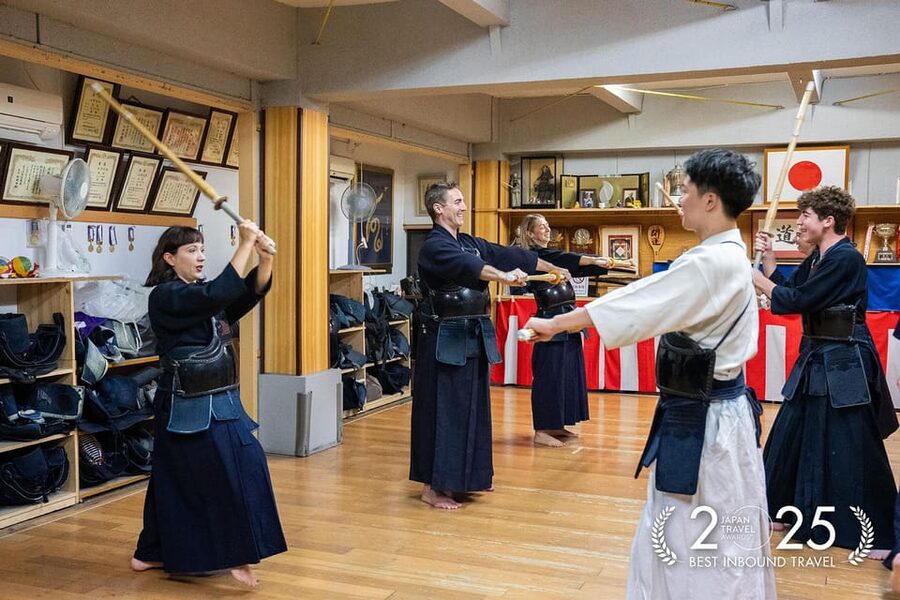
This class is taught by professional instructors, and the names show up in the feedback. In particular, Nagamatsu-sensei is mentioned for welcoming patience. Kenshi-San is also referenced as a helpful instructor who keeps students disciplined while keeping the mood fun.
That balance is rare. You want structure, but you also want a teacher who can slow down when you are new. The best parts of kendo training for beginners are:
- clear demonstrations you can copy
- corrections that focus on safer form
- encouragement that does not make you feel clumsy
In other words, you are not just told what to do, you are guided through it. Multiple accounts mention how instructors are friendly step-by-step, even with first-timers. One person also notes the instructor can speak quickly during explanations and might feel rushed, which is a good heads-up if you prefer extra time to process instructions. For you, the fix is simple: listen for the demonstration and focus on the physical cues, because that part is often clearer than the words.
Workout Meets Culture: What You Actually Learn Beyond Swinging
Kendo is physical, but it is also cultural education. You will learn the rules and the feel of how kendo works as a sport built on etiquette, discipline, and controlled aggression.
Here are the kinds of learning outcomes you should expect:
- How a proper strike is built from stance, balance, and timing, not just arm strength
- How footwork drives the action, because your body position decides distance
- How the instructor communicates safety, like what not to do and how to respond when corrected
- Why etiquette matters even in sparring
Some participants specifically call out respect for kendo after training. That makes sense. When you experience the speed and accuracy of a skilled sensei, you quickly realize how hard the technique is, even when the moves look simple on video.
And yes, you get time to talk and take pictures. At least some sessions include that social moment, so you can ask questions and see what the other students are learning too.
Price and Value: Is $116 Worth a Real Session?
At $116 per person for 2 hours, the price is not cheap, but it also is not vague. You are paying for more than a lesson. The inclusions are clear:
- Professional guide/instructor
- Rental of kendo armor and equipment
- Free mineral water
- Free Japanese hand towel
What you are really buying is access. You are buying the chance to train in a real dojo with real supervision, and you do not have to worry about sourcing armor, figuring out sizes, or understanding safety standards yourself. That is the difference between an “experience” and an actual training session.
The things not included are straightforward: no food and no hotel pickup. If you plan your day, you can keep this easy. Eat beforehand, then head over on foot from Uguisudani. After training, you can grab a meal nearby without waiting around.
Also, the small group size is part of the value. Less time waiting for instruction means more time practicing, and more time practicing means your money turns into real skill, not just observation.
Who This Kendo Class Is For (and Who Should Rethink It)
This is a great fit if you:
- want a hands-on Japanese activity beyond temples and food
- like learning something with rules and structure
- enjoy physical challenges you can follow step-by-step
- want a respectful, safety-first form of combat training
It also fits families in some cases. One report says the experience was enjoyed by pre-teens along with an adult, which suggests the atmosphere can be family-friendly. Still, you should be ready for sweat, protective gear, and disciplined coaching.
Consider rethinking or preparing extra if you:
- have concerns about wearing protective head gear
- rely on glasses for vision (contact lenses are recommended by the tour info)
- have difficulty with armor-based movement or feel uncomfortable with strict instruction
One more note from experience: the class may be physically demanding. It is more action than you might expect, and adapting quickly helps, especially with footwork.
Practical Tips So You Have a Smooth First Session
A few prep steps will make this feel easy instead of stressful:
- Wear or pack loose exercise clothes in case rental clothing is limited by size.
- If you need vision correction, plan for contact lenses rather than spectacles.
- Bring water sense even though mineral water is included. Practice is intense, so you may still want to hydrate before and after.
- Arrive early enough to find 誠道館 without panic.
- Bring a phone for photos, since some sessions include time to take pictures, and you may want to capture your moment in armor.
And mentally, shift expectations. Kendo is not a movie duel. You are learning why controlled strikes, timing, and etiquette produce real skill. That is exactly what makes it worth doing.
Book It or Skip It: My Decision Rule
I’d book this if you want a real, guided introduction to kendo with hands-on armor, small group attention, and enough practice to feel the sport’s rhythm. If you are excited by structured movement, disciplined culture, and learning strikes like men, kote, do, the value makes sense at $116 for 2 hours.
I would hesitate only if you are strongly uncomfortable with protective head gear, you rely on glasses and cannot use contacts, or you want a purely calm, sightseeing-style activity with no physical component. Otherwise, this is one of those Tokyo experiences that teaches respect through action, not just explanation.
FAQ
Where is the meeting point?
You meet at 4-7-2, Higashinippori, Arakawa-ku, Tokyo at 誠道館. It is about 10 to 12 minutes from JR Uguisudani station north exit.
How long is the experience?
The experience is listed as 2 hours. The timing is approximate and the program may take a little more or less time.
What is included in the price?
Included items are a professional instructor/guide, rental of kendo armor and equipment, free mineral water, and a free Japanese hand towel.
Is food or hotel pickup included?
No. Food is not included, and hotel pickup is not included.
Is the class only for people who know kendo already?
No. It is designed to guide beginners through safe practice, including basic strikes and beginner training.
How big is the group?
It is a small group limited to 6 participants.
Can I wear glasses during the training?
The tour notes that it is not advisable to wear spectacles with the head protector due to difficulty fitting and the possibility of damage. Contact lenses are recommended, and you should bring them if you use them.
Fresh options around Tokyo
- Tokyo: Nikko Kegon Falls Lake Chuzenji Toshogu Temple & More★ 4.9 · 12 reviews
- Tokyo: Samurai History Walking Tour★ 5.0 · 12 reviews
- Harajuku: Kawaii Fashion and Pop-Culture Tour★ 4.7 · 12 reviews
- Tokyo: Mt. Fuji & Lake Kawaguchi Instagram Full Day Trip★ 4.1 · 12 reviews
- Shibuya Tokyo: Modern Kintsugi Workshop in Shibuya★ 5.0 · 12 reviews
- Tokyo: GTR Guided Daikoku Experience at Night★ 5.0 · 12 reviews
- Tokyo: Daikoku JDM Car Culture Tour★ 4.6 · 12 reviews
- Mt Fuji Private Day Trip from Tokyo with English speaking driver★ 5.0 · 13 reviews
Samurai & Ninja Experiences, compared.
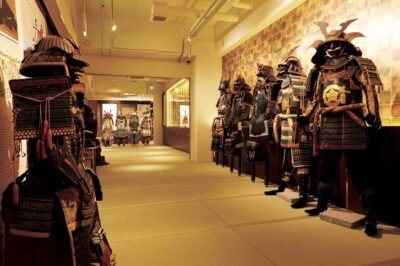
Samurai Ninja Museum Guided tour and Experience
Read our review →
Kendo and Samurai Experience with Uniform and Gear
Read our review →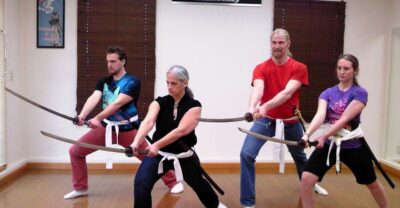
Samurai Sword Class by Experts in Traditional Arts
Read our review →
Skip the lines Basic Ticket at SAMURAI NINJA MUSEUM KYOTO
Read our review →
Samurai Sword & Archery Class from Samurai Descendant
Read our review →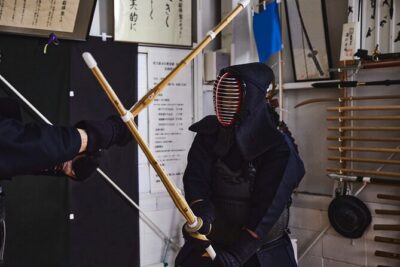
Browse the lists this tour appears in