
Reviewed · FOOD & DRINK
Small Town in the Big City: Tasting Tokyo’s Kichijoji
Kichijoji is Tokyo, minus the chaos. This 6-hour neighborhood food tour in Musashino feels like a small town you can actually learn, with stops built around depachika department-store food halls, classic yakitori, and family-run flavors. You hop from shopping street to local counters, guided with enough context to make each bite make sense.
I love the way it mixes big, modern Tokyo with the everyday stuff people line up for. The tastings are anchored by a sushi stop among local favorites, plus a hands-on-feeling senbei moment with three generations of an artisanal maker. I also really like the human touch, because guide Phoebe brings patience and real enthusiasm for the foods she’s sharing, which makes the whole walk feel personal even with a group.
One consideration is the format: you are doing this as a walking food experience with no private transportation included. If your day is tight, or your knees are temperamental, you’ll want to plan for time on your feet and count on public transit.
Key Highlights You Should Know Before You Go
- Small group size (max 6) keeps the pace friendly and questions easy.
- Depachika first move means you start with Tokyo’s department-store food culture, then build outward.
- Local sushi stop focuses on what people actually choose, not what a brochure would pick.
- Shotengai street snacks bring everyday hits like yakitori skewers and octopus balls.
- Three generations of senbei making is a standout food story, not just another tasting.
- Lunch plus drinks included so you are not constantly checking prices as you go.
Why Kichijoji Feels Like a Small Town in Tokyo
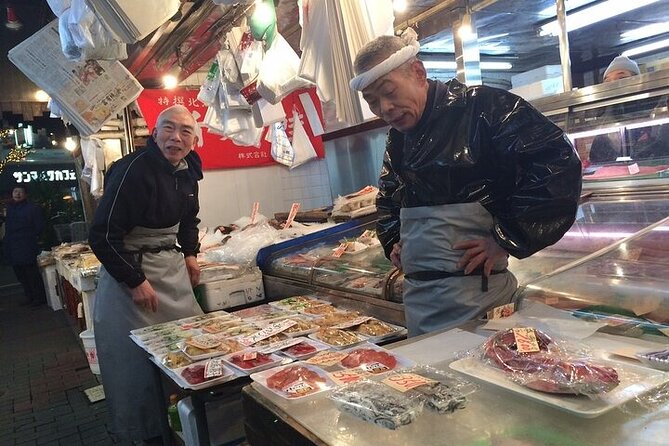
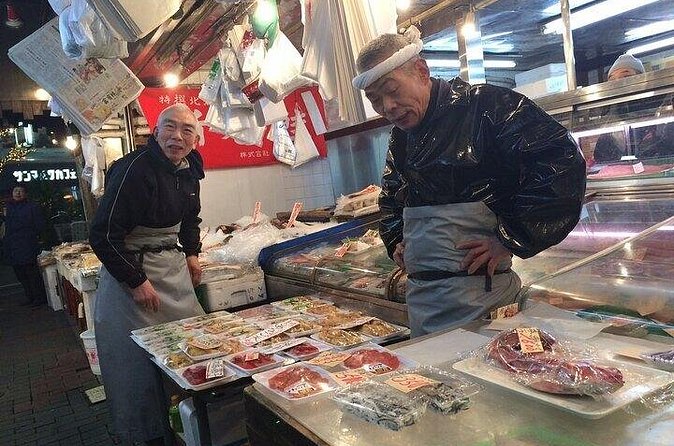
Kichijoji is one of those Tokyo neighborhoods that makes the city feel manageable. Instead of trying to cram in a bunch of famous sights, this tour zooms in on one area and lets the food show you how daily life works there. You get that steady rhythm that locals understand: eat something quick, browse for what you need, and keep moving.
The tour also has a nice balance between polish and street level. You spend time in a department store food hall, where flavors are arranged like a show, then you shift to the neighborhood shopping street where the energy is practical and immediate. That contrast is exactly why the experience works: it is Tokyo, but filtered through one community.
More Food Tours in Tokyo
- Tokyo: Shinjuku Food Tour (13 Dishes at 4 Local Eateries)
★ 5.0 · 6,603 reviews - Tokyo Tsukiji Fish Market Food and Culture Walking Tour
★ 5.0 · 3,184 reviews - Tokyo: Shinjuku Food Tour (15 Dishes and 4 Eateries)
★ 4.9 · 2,033 reviews
Getting Oriented at Kichijōji Station and Staying on Track
You start at Kichijōji Station, and the tour loops back to the same meeting point when you are done. That matters more than it sounds. In Tokyo, it is easy to wander away from your route, then lose time backtracking. Having the tour anchored at the station helps you keep your bearings fast.
Because the group is capped at six, you should expect a pace that is not like being herded. You will be walking between stops, but you are not sprinting. That helps you taste properly too. If you are hungry, you want time between bites to reset your palate and actually notice the differences.
Tip for your day: build in a little buffer before and after. A 6-hour food tour is long enough that you should treat it like the main event, not a side quest.
Depachika Tastes: Department Store Food Halls and Local Sushi
A big part of the appeal here is the depachika start. Department-store food halls in Japan are their own culture. Even if you are not a shopper, you will notice how carefully everything is arranged, labeled, and presented, and how seriously people take everyday food.
The tour walks you through a few themed zones that are instantly recognizable once you see them: treasured pickles, fruit that looks like it belongs in a gift set, and an aisle of Japanese snack favorites that lean more playful than fancy. It is a smart way to get grounded. You see the range of tastes Tokyo offers in one place, then the tour guides you toward what to try next.
Then comes the sushi stop, chosen from among a bar that is a local preference. The value of this moment is not just the sushi itself. It is the lesson in how locals decide where to eat. You are watching food culture operate in real time, and your guide helps you connect the dots so it feels less like random sampling and more like understanding.
If you love sushi but feel overwhelmed by the options in Tokyo, this structure is a relief. You get the comfort of a well-known style, with local-level guidance on what is worth your attention.
Shotengai Bites: Yakitori Skewers and Octopus Balls
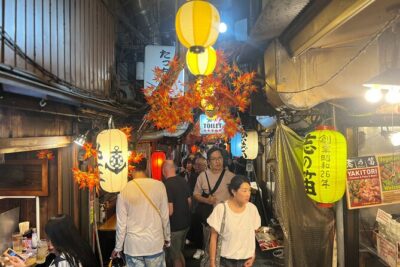
After the department-store start, you move onto the Kichijoji shotengai, the neighborhood shopping street where you see daily life unfold. This is where the tour really earns the small-town feeling. You are not just eating, you are watching people shop for the same kinds of needs you have, which makes the food feel anchored to real routines.
On this stretch, the tastings lean toward street-friendly, grab-and-go flavors. You should expect classic items like yakitori skewers, and octopus balls that get handed out street-side. These are exactly the types of foods that work well for a group because they are fast, easy to share, and fun to compare bite to bite.
What I like about this part is how it teaches you to read the food. Yakitori is not one single thing. It is technique, season, and even how the skewer is handled. Octopus balls are similar: the fun is in noticing texture and how the outside holds up versus what is inside.
Also, walking along a shotengai changes your sense of Tokyo. Instead of chasing landmarks, you start noticing signage, storefront rhythms, and how people move through the area. That is the kind of memory that lasts longer than a photo.
Same corner of Japan, a different kind of day:
- Mt Fuji and Hakone 1-Day Bus Tour Return by Bullet Train
★ 5.0 · 26,383 reviews - 1-Day Tokyo Bus Tour
★ 5.0 · 14,250 reviews - Tokyo: TOKYO SKYTREE® Admission ticket
★ 4.5 · 11,192 reviews - Tokyo: teamLab Planets TOKYO Digital Art Museum Entry Ticket
★ 4.6 · 9,779 reviews
Inokashira Onshi Park Area, Shopping Rhythms, and the Break in the Day
The tour is tied to the Inokashira Onshi Park area, and that location helps explain the neighborhood mood. Even if you are focused on food, parks nearby change how an area breathes. You are more likely to notice families, casual strolling, and a general sense that this is not only a commuter zone.
Practically, this also gives you a good rhythm. Department-store food halls can feel intense because everything is tightly curated. Then you shift to the shopping street and the park area vibe, and suddenly the day feels like a proper outing instead of just a sequence of stops.
If you get tired easily while on tours, this pacing helps. A food walk that stays concentrated in one zone can feel smooth, and here you are not constantly hopping neighborhoods by train.
The Senbei Moment with a Three-Generation Maker
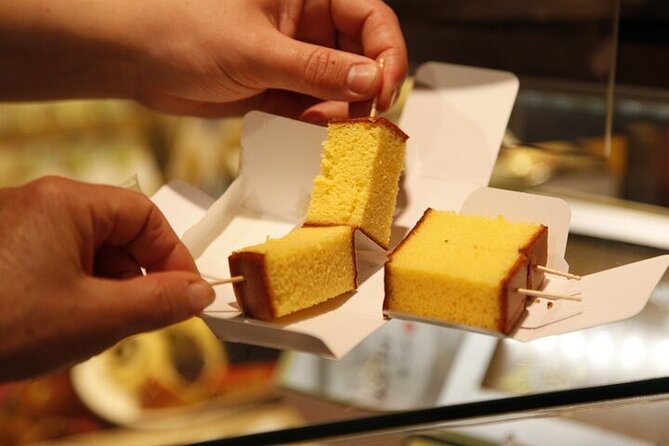
One of the most memorable parts of the experience is the meeting with a three-generation artisanal senbei maker. This is not just a tasting location. It is a food story you can stand next to while it happens.
Senbei is one of those foods that looks simple until you pay attention. When you meet the people behind it, you start to see how a small sheet of rice cracker becomes something with texture, flavor focus, and a very deliberate craft process. And because it is a family business with multiple generations, you understand that this is not a one-off recipe. It is a tradition that keeps getting refined.
From what I’ve seen praised most, this is the kind of stop that turns the tour from enjoyable to memorable. Getting a delightfully original rice cracker, then learning why it tastes the way it does, creates a personal connection you just do not get from eating something and moving on.
If you want at least one food souvenir that actually feels like part of the place, this is the stop to remember.
Guide Phoebe and Why the Tour Feels Personal
The guide matters a lot on a tasting tour, and here that factor shows up clearly. Phoebe is described as patient, enthusiastic, and genuinely invested in the foods she loves. That kind of energy does more than make the tour pleasant. It helps you understand what you are eating and why it belongs in that neighborhood.
It also changes the group dynamic. When the guide is calm and upbeat, you are less likely to feel rushed or confused when there are lots of tastes in a row. In a small group of up to six, that personal attention is a big part of why people call this a highlight of their Tokyo visit.
If you tend to learn best through food stories and simple explanations, you will probably click with this approach. It is not lecturing. It is guiding you through choices.
Price and Value: Is $195 Worth It for 6 Hours?
At $195 per person for about 6 hours, this is not a budget snack crawl. But the value logic is pretty clear.
You are getting guided tastings plus lunch, with coffee and/or tea, snacks, and bottled water included. You are also paying for a tight neighborhood focus, plus the structure of meaningful stops like depachika browsing, a sushi counter, street-side bites, and the three-generation senbei meeting.
If you try to do this on your own, you would still spend time getting from place to place, figuring out what to order, and taking chances on restaurants that may or may not match local preferences. This tour reduces that uncertainty. You show up, taste, and get helpful context so the day feels purposeful.
The biggest cost-related question for you is simple: do you want a guided food education, or do you prefer to wander independently? If you like the idea of eating with a plan, this price starts to make sense fast.
What to Wear and How to Get the Most From a Walking Food Tour
This is a walking-focused experience, and comfortable shoes are not optional. You will be moving between food counters and neighborhood streets, and you want your feet to feel good enough to enjoy the day rather than power through it.
Also, plan your hunger level. Since lunch and multiple tastings are included, you should not arrive after a tiny breakfast and then wonder why everything feels intense. Think of it as a full meal day, not a light tasting session.
Finally, bring your curiosity. The fun of a neighborhood food tour is noticing the small differences in flavor style, preparation, and texture. If you go in expecting only famous foods, you might miss why locals choose certain snacks and sweets.
Who This Tour Is Best For (And Who Might Skip It)
This tour is a great fit if you want to see a Tokyo neighborhood the practical way. You do not need to know anything in advance, and the small group size helps if you are traveling solo or just want more attention from a guide.
I’d also recommend it if you love Japanese comfort foods and want variety without planning your own route. Yakitori, octopus balls, sushi, and senbei create a tasty spread across different styles and settings.
If you dislike walking, or if you absolutely need private transportation, you may find the format frustrating. Because private transportation is not included, your day will rely on public transit and walking time.
Should You Book Small Town in the Big City: Tasting Tokyo’s Kichijoji?
If you want a Tokyo food day that feels human and local, I think it is an easy yes. The biggest reasons to book are the small-group format, the mix of depachika culture with shotengai street bites, and the standout senbei moment with a three-generation maker. Add Phoebe’s patient, enthusiastic guidance, and you have a tour that feels more like a guided local outing than a generic tasting list.
I’d skip it only if walking or the price is a hard no for you. Otherwise, this is the kind of experience that gives you a real neighborhood memory, not just a checklist.
FAQ
How long is the tour?
The tour runs for about 6 hours.
How much does the tour cost?
The price is $195.00 per person.
Where does the tour start and end?
The tour starts at Kichijōji Station (2 Chome-1 Kichijiōji Minamicho, Musashino, Tokyo 180-0003, Japan) and ends back at the meeting point.
Is there a mobile ticket?
Yes, you receive a mobile ticket.
What’s included in the price?
Coffee and/or tea, snacks, bottled water, and lunch are included.
What is not included?
Private transportation is not included.
How large is the group?
The maximum group size is 6 travelers.
Do I need good weather for this tour?
Yes. The experience requires good weather. If it is canceled due to poor weather, you are offered a different date or a full refund.
Can I cancel for free?
Yes. You can cancel up to 24 hours in advance for a full refund.
Fresh options around Tokyo
- Tokyo: Nikko Kegon Falls Lake Chuzenji Toshogu Temple & More★ 4.9 · 12 reviews
- Tokyo: Samurai History Walking Tour★ 5.0 · 12 reviews
- Harajuku: Kawaii Fashion and Pop-Culture Tour★ 4.7 · 12 reviews
- Tokyo: Mt. Fuji & Lake Kawaguchi Instagram Full Day Trip★ 4.1 · 12 reviews
- Shibuya Tokyo: Modern Kintsugi Workshop in Shibuya★ 5.0 · 12 reviews
- Tokyo: GTR Guided Daikoku Experience at Night★ 5.0 · 12 reviews
- Tokyo: Daikoku JDM Car Culture Tour★ 4.6 · 12 reviews
- Mt Fuji Private Day Trip from Tokyo with English speaking driver★ 5.0 · 13 reviews
Food & Drink, compared.
Shinjuku Food Tour (13 Dishes at 4 Local Eateries)
Read our review →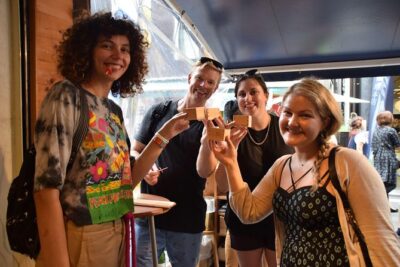
Tokyo Tsukiji Fish Market Food and Culture Walking Tour
Read our review →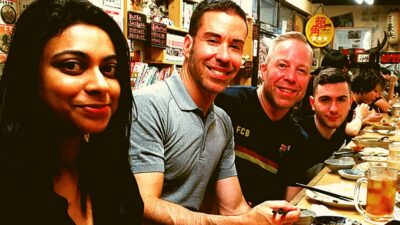
Shinsekai Food Tour with 13-15 Dishes at 5 Eateries
Read our review →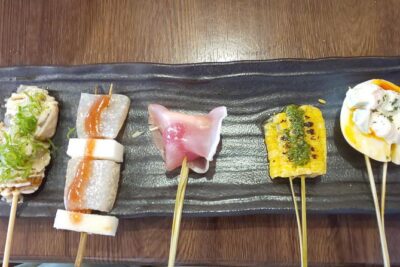
Osaka Food Tour: 13 Dishes at 5 Local Eateries
Read our review →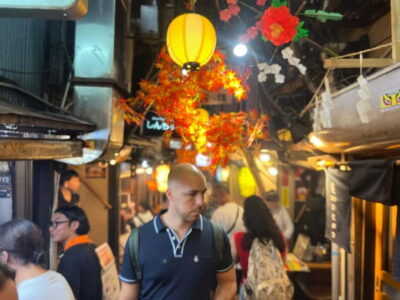
Shinjuku Food Tour (15 Dishes and 4 Eateries)
Read our review →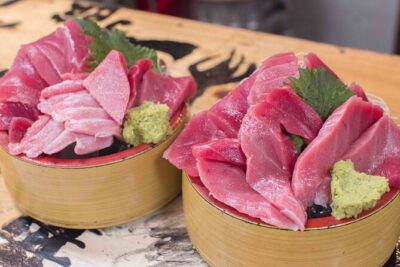
Best of Shinjuku: Izakaya Food Tour (4 Stops, 14+ Tastings)
Read our review →
Kyoto Night Foodie Tour in Gion (9+ dishes + 6 Sake tastings)
Read our review →
Hungry Osaka Street Food Tour:15 Tastings & 3 Drinks with a Local
Read our review →Browse the lists this tour appears in