Reviewed · FULL-DAY
Sendai / Matsushima Full-Day Private Tour with Government-Licensed Guide
Sunset starts with sea views and temples.
This private, 6-hour route is a smart mix of Sendai history and the scenery of Matsushima Bay, guided by a multilingual professional who can explain what you’re actually looking at. I like the flexibility to customize your day by choosing your must-see spots, and I like that it’s structured enough to keep you moving without turning the whole trip into a race.
The biggest reason I’d pick this is the use of a government-licensed guide who can connect culture, art, and place names so the day feels coherent. The one drawback to plan around is that entrance fees, lunch, and most transportation costs are not included, so you should expect to budget a bit extra depending on which sites you select.
Key Highlights You’ll Care About
- Government-licensed multilingual guide interpreter means you get context, not just directions.
- Choose 3 to 4 sites from the options, so you control the pace and theme (history, temples, islands, food).
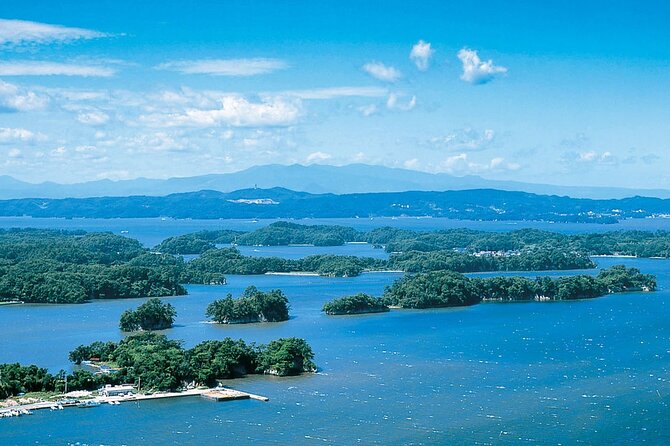
- Matsushima Bay plus nearby islands like Oshima and Fukuura Island, for classic views and short walks.
- Nikka Miyagikyo Distillery stop with a free walkthrough that typically runs around 45 minutes.
- Shiogama add-on options like the fish market and shrine, a great change of scenery from temples.
- Private format means no merging into other groups, and your day stays your day.
Sendai and Matsushima in One Day: Why This Combination Works
Sendai sits close to Japan’s wilder edges, so your day trip can feel like a mini tour of contrasts. You get city-side culture and viewpoints first, then you shift to Matsushima’s famous bay dotted with pine-covered islets. It’s a format that helps your brain stop comparing everything to Tokyo and start noticing what makes Tohoku different.
On a day like this, pacing matters. Instead of scattering you across the prefecture, this tour is built around a tight time window (about six hours) and a short list of selectable stops. That’s good for value because you spend your energy on fewer places, and those places actually make sense together.
A few more Sendai days worth comparing
- Sendai Private Izakaya and Bar Tour
★ 5.0 · 25 reviews - Sendai / Matsushima Half-Day Private Tour with Government-Licensed Guide
★ 5.0 · 20 reviews
Price and Value for a Private, Licensed Guide
At $154.37 per person, the price isn’t the cheapest way to see Matsushima. But you’re paying for a few things that add up quickly in Japan: a government-licensed interpreter, a private experience that stays focused on your choices, and someone to handle the “why” behind each site.
Where this becomes good value is when you would otherwise be stuck with a self-guided plan that’s heavy on transit and light on meaning. Here, you get a day designed around cultural context, plus you can pick what matters most to you: mausoleums and feudal-era ties in Sendai, Zen temple architecture in Matsushima, or a detour to Shiogama for local life.
Just be realistic about the extras. Entrance fees, lunch, and transportation are not included, and the tour is not set up as private transportation. So if you’re comparing total cost, add those items based on your selected stops.
Getting Oriented: Pickup, Walking Pace, and Timing
This is a walking tour, with pickup offered on foot within a designated area of Sendai. That matters because it changes the feel of the day. You’re not hopping around in a private car that can drop you at the exact doorway of every site. The upside is it tends to be more flexible on the ground, and you’ll often get short strolls between sights.
What you need to watch: the schedule is built for about six hours, and you’re choosing only 3 to 4 sites from the list of options. So you should choose fewer stops than your brain wants at first. If you try to see everything, you’ll end up rushing. If you pick what you truly want, the day stays smooth.
Also, because the tour includes multiple areas, you should expect to pay for transportation between places yourself. The good news is that there’s a mobile ticket option, which can make coordination easier once you’re out and moving.
Choosing Your 3 to 4 Stops: How to Pick Without Regretting It
Your best move is to decide your theme first. Here are a few smart ways to “stack” the list so your day feels like a journey, not a checklist.
History and feudal roots (Sendai side first):
- Zuihoden (Date Masamune’s mausoleum)
- Sendai Castle Ruins area and interpretive context
- Optional museum or viewpoint stop
Zen and temple architecture (Matsushima side):
- Zuiganji
- Entsu-in
- Kanrantei (tea house setting over the bay)
- Godaido (tiny hall on an islet by the pier)
Nature and island viewpoints (Matsushima bay core):
- Matsushima Bay viewpoints
- Oshima (short walk via bridge)
- Fukuuurajima (accessible by bridge)
Food and local culture (Shiogama add-on):
- Shiogama Fish Wholesale Market
- Shiogama shrine
- Then back to bayside temples or a Sendai stop
If you’re unsure, pick one “anchor.” For most people, that anchor is Matsushima Bay. Then add one temple stop and one city-side stop, and you’ll have a satisfying balance.
Sendai Must-Sees: Zuihoden, Castle Ruins, SS30, and the Forest Museum
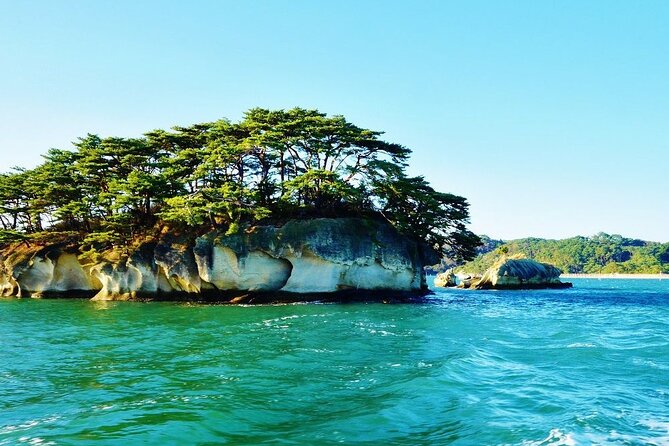
This is the part of the day that gives you your bearings.
Zuihoden
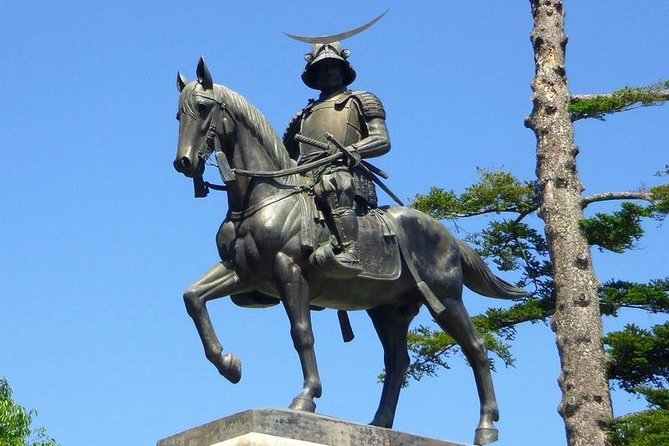
Zuihoden is also known as the Mausoleum of Date Masamune, the first lord of the Sendai Domain. The value here is not only the site itself, but what it teaches you about how power, design, and cultural identity were expressed in architecture. Admission is not included, so budget for tickets if you select this stop.
Sendai Castle Ruins Guidance House
The castle ruins connect to a famous poem about the moon over a desolate castle. You’re seeing what remains now, and that contrast can be meaningful if your guide explains the historical framing. Admission is not included, so consider whether you want this as your history anchor or as a quick contextual stop.
SS30 Observation Lounge
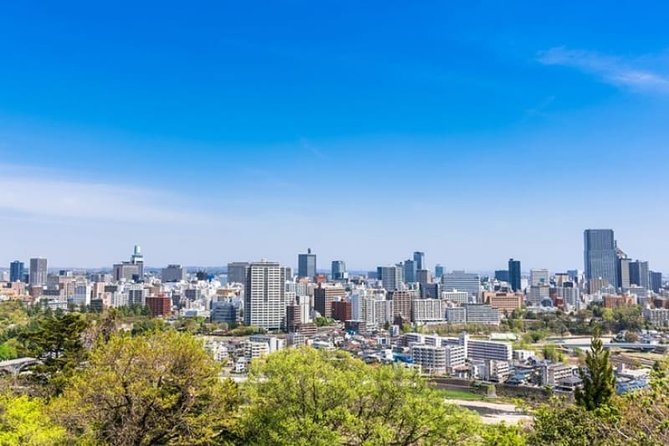
If you want an easy win for views, SS30 is your vertical shortcut. It’s an office building with observation decks and good sightlines over the city. Admission is not included, so treat it as your optional “wow” moment rather than a must if you’re more into temples than panoramas.
Chiteinomori Museum (Forest of the Depths of the Earth)
This one is a curveball in the best way. The Museum of the Forest of Depths of the Earth focuses on Japan’s stone age story, including what the Saki Stone Age may have looked like. If you like science, artifacts, and time depth, this adds variety. Admission is not included.
Nikka Miyagikyo: The Whisky Distillery Stop That Actually Fits a Sightseeing Day
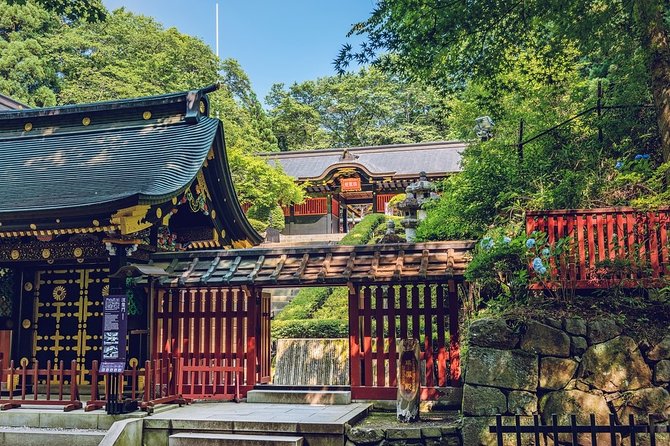
A distillery visit can sound like an awkward detour in a cultural day trip. Here, it tends to work because the tour is short and structured. The free tour typically walks you through different stages of production and the relevant buildings, and it’s described as around 45 minutes.
Admission is listed as not included, so don’t assume everything is free. But the key point is timing: it doesn’t swallow your day. You get a real behind-the-scenes look, and you can still spend the rest of your time where the visuals are strongest, meaning Matsushima and its temples.
Matsushima Bay Core: Zuiganji, Entsu-in, Kanrantei, and Godaido
Once you’re at Matsushima, the bay becomes the organizing theme. Your job is to slow down enough to notice how each temple and hall relates to the water.
Zuiganji
Zuiganji is one of the most prominent Zen temples in the Tohoku region. It’s especially known for beautifully painted sliding doors (fusuma). If you care about art and craftsmanship, this is a strong stop. Admission is not included, so decide if you want to spend ticket money here or allocate it to another temple.
Entsu-in Temple
Entsu-in was built in 1647 next to Zuiganji to house the mausoleum of Date Mitsumune, the son of Date Terumune. The strength of this stop is the family and lineage connection. It’s also a good way to extend your understanding of how these figures were memorialized.
Kanrantei
Kanrantei is a Momoyama-style tea house originally built in Kyoto and eventually moved to its current location overlooking the bay. This is the moment where you feel the setting. You’re not only looking at a building, you’re seeing why tea culture and viewing culture overlap here.
Admission is not included, so treat it as a choose-it-if-you-like-it stop rather than something to force.
Godaido
Godaido is a small temple hall on an islet by the pier. Due to the location, it has become a symbol of Matsushima. It’s one of those places where even a quick visit can hit hard because the sightlines are so clear. Admission is not included, but it’s visually efficient.
Oshima and Fukuuurajima: Islands That Add Variety Without Stealing Your Time
This is where you get those famous pines-on-islets visuals in a more personal way.
Oshima
Oshima is a small pine-covered island near the pier of Matsushima. It’s accessible by a short bridge and is free of charge. This is a great stop when you want a light walk and a change of angle on the bay.
Admission is listed as free, so it’s a low-risk addition if you’re trying to keep spending down.
Fukuuurajima
Fukuuurajima is one of the few pine-covered islands in the bay accessible to the public, reached by a 252-meter red-painted bridge. The bridge costs 200 yen. The entrance itself is not included per the listing, so factor in the bridge cost plus any additional fees if needed.
This is a good pick if you want your bay photos to look more like you were actually part of the scene rather than just looking from the pier.
Shiogama Shrine and the Fish Market: A Real Slice of Local Life
Shiogama is about 16 km from Sendai and sits close to a scenic bay area. If Sendai’s history and Matsushima’s temples start to blur together, Shiogama gives you everyday texture.
Shiogama Jinja
Shiogama Jinja is a Shinto shrine with buildings designated as Important Cultural Properties. Fifteen of its buildings have that designation. If you’re interested in heritage status and architectural preservation, this stop is an easy add. Admission is free.
Shiogama Fish Wholesale Market
This market is established in its current location in 1965, with a 50-year history. It’s described as having over 10 … (the text cuts off), but the point is that it’s a big, wholesale-scale facility. Admission is free.
Practical tip: even if you do not buy anything, the market can be worth it for sensory variety. It’s also a nice contrast to the quiet feel of temples.
Shiogama
The city itself is part of the decision. One of the listed highlights is its closeness to Chiganoura (Shiogama Bay). Admission is free.
Extra Stops You Can Use to Shape Your Day
Not every stop will fit every person, but the options are useful because you can tune the trip.
Osaki Hachiman Shrine
Osaki Hachiman-gu is connected to Date Masamune’s legacy, with Momoyama-style architecture and intricate wood carvings. It’s described as a National Treasure in Sendai. Admission is free, so it can be a strong pick if you want another architecture-focused site.
Mitakisan Fudoin
Mitakisan Fudoin was founded in 1865 by nun Kato Tane to pray for healing eye diseases. It enshrines Fudo Myo-o, a deity believed to protect eyesight. Admission is free. This is a meaningful stop if you want something more personal than political history.
Tohoku History Museum (Tagajō City)
The Tohoku History Museum offers a big-picture overview of the region from the Paleolithic era to modern times. Admission is not included. If you pick it, I’d treat it as your “context stop” to make the temple and castle sites feel less random.
Sendai Castle Ruins, SS30, and the Museum Options
You can use these to anchor either history (Zuihoden and castle-related context) or view time (SS30). The forest museum option is a wildcard for people who like prehistory and artifacts.
Matsushima Temple Cluster Options
Depending on how you choose, your Matsushima day can include Zuiganji, Entsu-in, Kanrantei, and Godaido. The value is that you can keep the theme consistent while swapping between mausoleum ties, Zen architecture, and tea house viewing culture.
What to Pack and How to Keep the Day Comfortable
Since this is a walking tour with limited time, I’d plan for comfort like you would for a full day outdoors.
- Comfortable shoes you trust on uneven or temple-path ground
- A light layer for wind off the bay
- Water and a snack plan, since lunch is not included
- A small umbrella, because coastal weather loves changing its mind
- Cash for the bridge fee at Fukuuurajima (200 yen) and any tickets you choose
Also, build your expectations. Some sites involve ticketed entry, and some are free. If you pick the right mix, you can still keep the day feeling light on extra costs.
Should You Book This Private Sendai and Matsushima Tour?
Book it if you want a government-licensed guide and you like the idea of choosing your own mix of history, temples, and bay scenery within about six hours. This is especially good value when you do not want to spend your precious day figuring out timing, explanations, and how each stop connects.
I would skip or rethink it if your goal is pure free roaming with zero added planning, or if you hate walking and would rather pay for private transport. Because it’s a walking tour with pickup on foot and transportation fees are not included, you’ll need to stay on top of the logistics.
My simple rule: if Matsushima Bay is on your list and you also want real cultural context for what you’re seeing, this is a strong way to turn a day trip into something that feels worth the trip across time and terrain.
Fresh options around Sendai
- Sendai / Matsushima Half-Day Private Tour with Government-Licensed Guide★ 5.0 · 20 reviews
- Sendai Private Izakaya and Bar Tour★ 5.0 · 25 reviews
Full-Day, compared.
Mount Fuji Full-Day Private Tour from Tokyo (Customizable)
Read our review →
Hiroshima / Miyajima Full-day Private Tour with Government Licensed Guide
Read our review →
Tokyo Private Full-Day Tour by Car or Van
Read our review →

5 Top Highlights of Kyoto Full Day Bike Tour (E-bike option)
Read our review →
Full Day Biking Tour Exploring the Best of Kyoto
Read our review →