
Reviewed · SAMURAI & NINJA EXPERIENCES
Samurai Experience Mugai Ryu Iaido in Tokyo
A lesson in the sword arts is usually a spectator sport. Here, you get hands-on Mugai-ryū iaido training in a small group, with English guidance and plenty of photo chances in central Tokyo. You’ll even meet Master Takeda Hougyoku, head of the International Iaido Organization Hougyoku-kai, during a 60-minute session that aims to show you the discipline behind the technique.
I especially like how much attention Master Takeda and the instructors give you. With a maximum of 8 people, you can actually ask questions while you learn basic handling, drawing, and sheathing with rental gear. I also like that the experience includes the “why” behind the movements, not just the moves themselves, plus a chance to watch real kata up close at the end.
One thing to think about: this is practical martial arts training, so you will change clothes into a hakama and spend the hour focused on technique and safety. If you want a purely casual, sightseeing-only activity, this may feel more intense than expected.
Key Things You’ll Remember From This Iaido Lesson
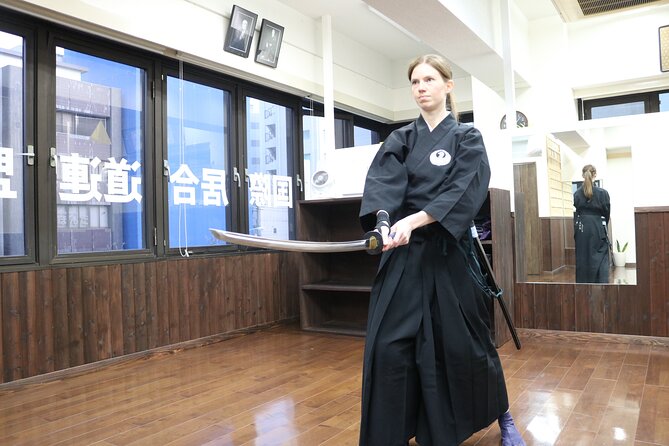
- Master Takeda Hougyoku in a small group setting, so the teaching feels direct and personal
- Hakama and sword rental included, so you can show up light and ready
- Mock katana safety for training, even though you’ll learn serious sword handling
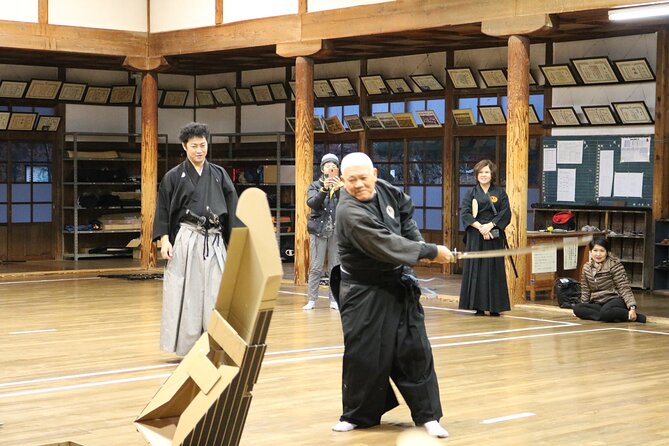
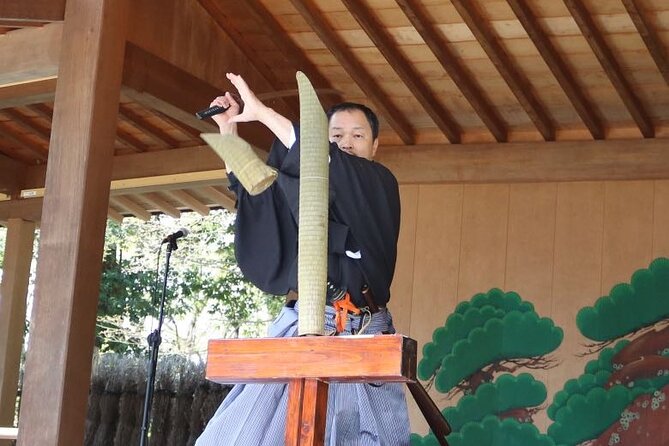
- Tameshigiri practice, where the class uses cutting practice as part of the lesson
- Mugai-ryū kata demonstration at the end, so you see how patterns look when done by a master
- Plenty of photo opportunities during the session, without turning it into a stiff performance
Where Kuramae Turns Into a Dojo for One Hour
The activity starts and ends back at the meeting point in Kuramae, Taito City: 4-chōme-20-10 Kuramae. I like this kind of city-based training because you are not stuck traveling forever just to reach a venue. You stay in Tokyo, you learn in Tokyo, and you can return to your day with minimal disruption.
Expect a tight schedule for a short session. The lesson runs about 1 hour, and the flow is built around changing clothes, safety and technique basics, practice, then a kata look at the end. Because it is in a fixed meeting location and you finish there too, you do not need complicated logistics like hotel pickup or guided car transfers.
This is also a mobile ticket experience, which usually means fewer back-and-forth messages. And it helps that the group size is capped at 8 travelers, so the instruction stays practical and not rushed.
More Samurai & Ninja Experiences in Tokyo
- Tokyo: Samurai Restaurant Show Ticket with 2 Drinks
★ 4.5 · 1,307 reviews - Tokyo: Samurai Ninja Museum Guided tour and Experience
★ 4.6 · 1,010 reviews - Tokyo: Samurai Sword & Archery Class from Samurai Descendant
★ 5.0 · 603 reviews
The 60-Minute Flow, Step by Step (What You’ll Actually Do)
This lesson is structured so you experience the full arc of iaido training, from outfit to first movements to real kata viewing. Here’s the sequence you can expect, translated into plain language:
1) Change Clothes Into Hakama
You’ll start by changing clothes into the rental samurai-style uniform: the hakama. You’re not doing it for a costume photo, either. In Japanese sword arts, the clothing matters because it affects movement and posture.
Practical tip from me: wear clothing that is easy to change quickly. Keep footwear simple, since you’ll be focused on getting dressed correctly and settling in.
2) Learn What Iaido Means in Mugai-ryū Terms
Next comes explanations of what Iaido is, led by Master Takeda and the English-speaking instructor. This part matters because iaido is not just about swinging a sword. It’s about controlled motion, timing, and discipline: how you draw, how you hold, and how the movement ends cleanly.
If you’ve only seen sword scenes in films, this explanation can help you separate performance from practice.
More samurai and ninja experiences in Tokyo:
- Best Samurai Experience in Tokyo
★ 5.0 · 458 reviews - Ninja Experience (Family Friendly) at Samurai Ninja Museum TOKYO
★ 5.0 · 441 reviews - Tokyo: Samurai Entertainment Night Show in Kanda Shrine
★ 4.6 · 417 reviews - Tokyo Sword Experience – includes Museum Ticket/Ninja Experience
★ 5.0 · 314 reviews
3) Safety and Sword Handling With Imitation Blades
Then you’ll get an overview of the experience flow and, crucially, how to handle the weapon safely. The swords used are imitation of the katana. The training is designed to let you learn the mechanics without putting people at risk.
If you’re worried about being near blades, this is the big reassurance. In a tight group setting, everyone needs clear, simple safety rules. Here, the class is built around that reality.
4) Draw, Sheath, Hold, and Learn Basic Patterns
You’ll cover basics that form the backbone of iaido practice: how to draw and sheath properly, how to hold the sword correctly, and how to follow basic patterns in a controlled way.
This is where the session becomes useful for most visitors. You are not expected to be a martial artist before you show up. You’re learning the foundations under guidance, and the limited time means the class stays focused.
5) Tameshigiri Cutting Practice
Then comes tameshigiri. In simple terms, tameshigiri is cutting practice where the samurai tradition used sword technique against prepared material. Here, it’s included as a key part of the lesson.
Even if you’ve never cut anything before, expect the class to guide you through the mechanics so you understand the purpose behind the action. The value is not “did you cut perfectly.” The value is what the cut teaches you about posture, timing, and control.
6) See Mugai-ryū Iaido Kata Done for Real
After your practice, you’ll watch a demonstration of Iaido kata by the master. Kata are predetermined patterns of attack and response, and Mugai-ryū is known to be practical martial art training.
This ending matters because it changes your perspective. You get a feel for what your instructor wants you to do, then you see how it looks when done with expertise and calm control.
And yes, you’ll have Master Takeda Hougyoku present during the experience, which is a rare moment. You’re not just taking a class from staff. You’re learning in the presence of the head of the International Iaido Organization Hougyoku-kai.
The Safety Angle: Mock Katana Training That Still Feels Serious
I like that this is built around mock katanas. It means you can focus on learning the movement details rather than worrying about injuries. For a first-timer, that’s huge.
At the same time, don’t mistake “mock” for “casual.” The class still spends time on sword handling, drawing, sheathing, and controlled patterns. That’s the core of iaido. The weapon is the medium, but your discipline is the lesson.
If you are bringing a friend who is nervous, this setup is exactly what you want. A safe environment lowers stress, and lower stress makes learning faster.
Why Tameshigiri Is the Most Memorable Part
A lot of travel activities teach you a story. This one teaches you a skill, and tameshigiri is the skill moment people remember later. The reason is simple: cutting practice turns technique into something concrete.
Even if you do not walk away thinking you’re the next samurai movie hero, you’ll leave understanding how sword work depends on your body alignment and your follow-through. You also get to see how the tradition treats cutting practice as part of training, not just a spectacle.
One more practical thought: because this is only about 1 hour, tameshigiri is likely the high-focus segment. You’ll want your mind on the instructions for that part.
Photos, Focus, and the Reality of a Small Group Lesson
One of the clearer benefits here is the chance for photos. In many “culture” classes, photography becomes a distraction. In this format, the class is structured so you get moments to capture the experience without turning the whole thing into a photo shoot.
The reason it works is the small size, max 8 travelers, and the presence of highly involved instructors. You’re not waiting in line for your turn or standing awkwardly on the edge. You’re learning, then you’re watching, then you’re practicing again in a calm rhythm.
If you are a frequent Tokyo visitor, this kind of close-up training can be a refreshing change from shrine and street-walk tourism. If you’re on your first trip, it’s also a smart way to understand something Japanese without relying only on museums and guidebooks.
Value for Money: What $151.92 Buys (and What It Doesn’t)
Let’s talk price honestly. At $151.92 per person for an approximate 1-hour experience, you’re paying for several things at once:
- A small-group setting with a master-level instructor present
- Hands-on training with basic handling and patterns
- The chance to do tameshigiri as part of the lesson
- Rentals included: hakama and the Japanese sword rental
- English-speaking instruction and structured safety guidance
What you are not paying for is transportation. There’s no pickup or drop-off at hotels or tourist attractions. That means the value depends on how easily you can reach Kuramae yourself. Good news: the meeting point is described as near public transportation.
If you already plan to spend time in eastern Tokyo, the pricing starts to make more sense. You’re buying a direct, guided “do it yourself” cultural experience, not just entry into a building.
Who This Iaido Experience Suits Best
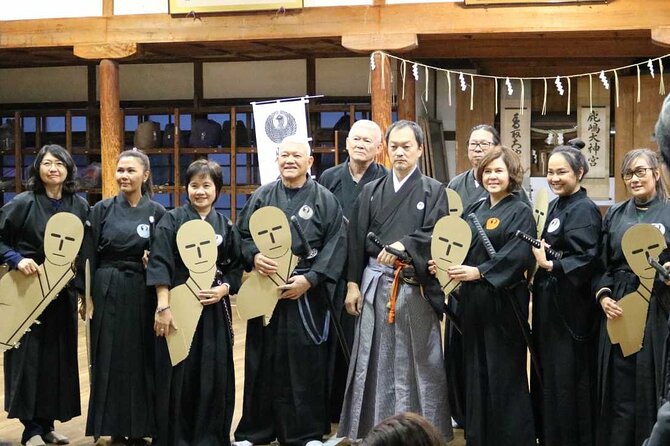
This is a great fit if you want something more interactive than a typical Tokyo show. It is also a strong choice if you appreciate discipline and technique, even if you are new to the subject.
I think it’s especially suitable for:
- First-time visitors who want a deeper look at Japanese martial culture beyond history facts
- Frequent Tokyo travelers who want a break from the usual route
- People who like hands-on learning with clear instruction and safety rules
- Anyone excited to see real iaido kata up close, not just read about it
If your ideal activity is slow, scenic, and purely observational, you might prefer a quieter cultural class. But if you’re curious about how sword arts actually teach control and form, this one has a strong “try it” factor.
A Few Practical Tips So You Get the Most Out of Your Hour
You’ll get the rental gear, but you still control how prepared you feel. Here’s what I’d do if I were planning this:
- Plan your day so you arrive with a calm head. This lesson is short and structured.
- Wear easy clothing to change quickly into the hakama.
- Be ready to follow safety instructions closely. The experience uses imitation blades, but the class still takes safe handling seriously.
- If photos matter to you, be present during the demonstrations. The kata viewing is one of the best photo and learning windows.
Also, since it ends back at the meeting point, you can pair it with other nearby Kuramae or Asakusa-area plans without scrambling across town.
Should You Book Samurai Experience Mugai Ryu Iaido in Tokyo?
I’d book it if you want a real practice-style cultural experience in Tokyo. The big selling point is the combination of small-group instruction, a master-level presence with Master Takeda Hougyoku, and the fact that you do more than watch. You change into a hakama, learn the basics of handling and patterns, and you get to try tameshigiri before seeing Mugai-ryū kata in a demonstration.
I would hesitate only if you hate structured activities or you’re very uncomfortable with changing clothes and focusing on technique for a full hour. There’s also a small logistics catch: there is no pickup, so you need to get yourself to Kuramae.
If you fall between those extremes, this is one of the more valuable “Tokyo cultural” choices because it gives you a skill you can feel in your body, not just pictures to post later.
FAQ
What is the duration of the Samurai Experience Mugai Ryu Iaido lesson?
The experience lasts about 1 hour.
How big is the group for this iaido training?
The group is limited to a maximum of 8 travelers.
Are real swords used during the lesson?
No. The training uses mock/imitated katana for safety.
What is included in the price?
Rental hakama (samurai clothing), an English-speaking instructor, and Japanese sword rental are included.
Where do I meet for the activity?
The meeting point is 4-chōme-20-10 Kuramae, Taito City, Tokyo 111-0051, Japan, and the activity ends back at the meeting point.
What is the cancellation policy?
You can cancel for a full refund if you cancel at least 24 hours before the experience start time. Free cancellation is available, and changes made less than 24 hours before the start time are not accepted.
Fresh options around Tokyo
- Tokyo: Nikko Kegon Falls Lake Chuzenji Toshogu Temple & More★ 4.9 · 12 reviews
- Tokyo: Samurai History Walking Tour★ 5.0 · 12 reviews
- Harajuku: Kawaii Fashion and Pop-Culture Tour★ 4.7 · 12 reviews
- Tokyo: Mt. Fuji & Lake Kawaguchi Instagram Full Day Trip★ 4.1 · 12 reviews
- Shibuya Tokyo: Modern Kintsugi Workshop in Shibuya★ 5.0 · 12 reviews
- Tokyo: GTR Guided Daikoku Experience at Night★ 5.0 · 12 reviews
- Tokyo: Daikoku JDM Car Culture Tour★ 4.6 · 12 reviews
- Mt Fuji Private Day Trip from Tokyo with English speaking driver★ 5.0 · 13 reviews
Samurai & Ninja Experiences, compared.
Samurai Ninja Museum Guided tour and Experience
Read our review →
Kendo and Samurai Experience with Uniform and Gear
Read our review →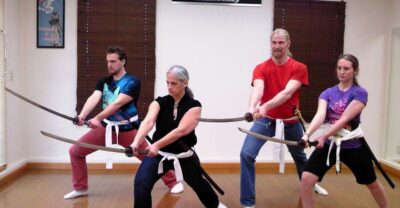
Samurai Sword Class by Experts in Traditional Arts
Read our review →
Skip the lines Basic Ticket at SAMURAI NINJA MUSEUM KYOTO
Read our review →
Samurai Sword & Archery Class from Samurai Descendant
Read our review →
Browse the lists this tour appears in