
Reviewed · WALKING TOURS
Osaka: Main Sights and Hidden Spots Guided Walking Tour
Osaka reads better on foot. This 4-hour guided route mixes Osaka Castle Park history with modern street life, including Dotonbori and Kuromon Ichiba, plus side districts many first-timers skip. The best part is the storytelling, with guides like Ferdinand, Kevin, and Oisin using history to explain why Osaka feels different from Tokyo.
I especially like the way you get both scales: big landmarks plus smaller alleys where the city’s personality shows. I also like that the tour touches the food world in multiple forms, from a department-store underground food hall to Osaka’s kitchen tools district. One consideration: it is a lot of walking and transit in 4 hours, with no dedicated food stop, so plan on buying snacks here and there and keeping your energy up.
Key highlights I’d prioritize
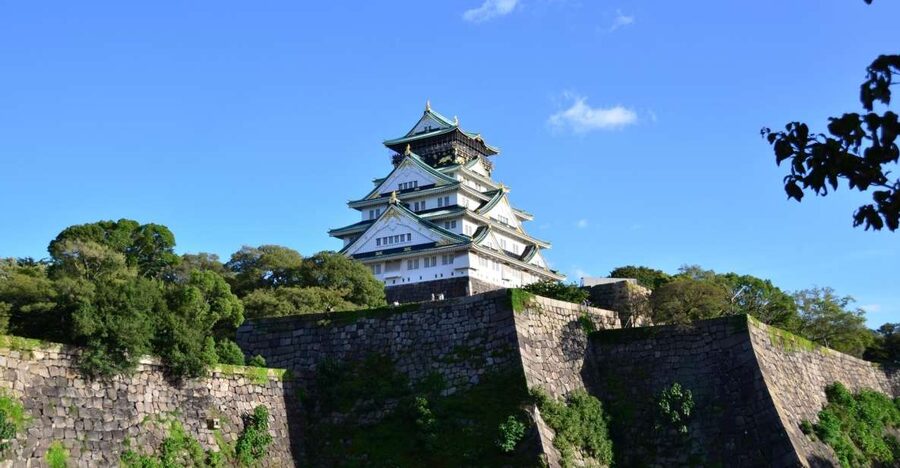
- Osaka Castle Park without the castle interior, but with the dramatic backstory
- Tsuruhashi Korea Town street maze, a pre-war commercial feel
- Harukas 300 viewpoint plus the underground food hall, where you can see premium products
- Shinsekai’s retro, slightly worn look, like time slowed down
- Dotonbori and Namba for shopping, neon energy, and classic photo angles
- Kuromon Ichiba and Doguyasuji, market history followed by wax food models and kitchen culture
Getting to the start at Tanimachiyonchome Exit 2
The tour meets above ground at Tanimachiyonchome Station, Exit 2. If you come by taxi, the driver will likely understand the intersection name Tanimachi 3-chome (谷3交差点), so you can avoid any last-minute confusion.
You’ll be using public transport during the tour, and the simple rule is this: buy a subway day pass and use it to reach the meeting point and get around while you’re on the walk. I like this setup because it removes guesswork. You are not hunting tickets every time you switch lines.
Tip: give yourself a little buffer to get oriented at the station exit. Osaka stations can be a fun maze, and arriving calm beats arriving rushed.
More Walking Tours in Osaka
- Osaka: Hotspots & Hidden Gems Walking Tour Private or Group
★ 4.9 · 1,300 reviews - Osaka Local Foodie Walking Tour in Dotonbori and Shinsekai
★ 5.0 · 985 reviews - Osaka Bar Hopping Night Walking Tour in Namba (3 bars, 6 tastes)
★ 5.0 · 958 reviews
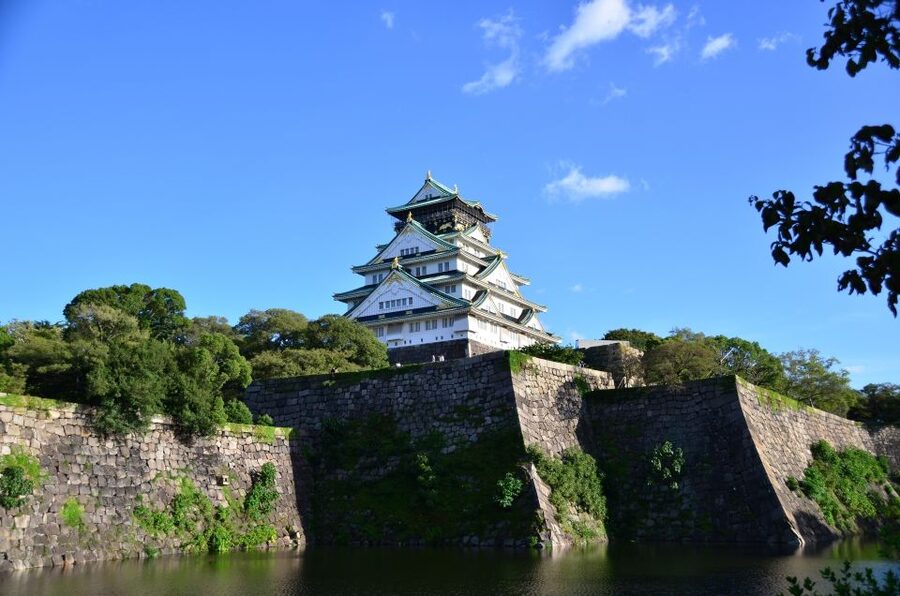
Osaka Castle Park: grand exterior views and the 400-year story
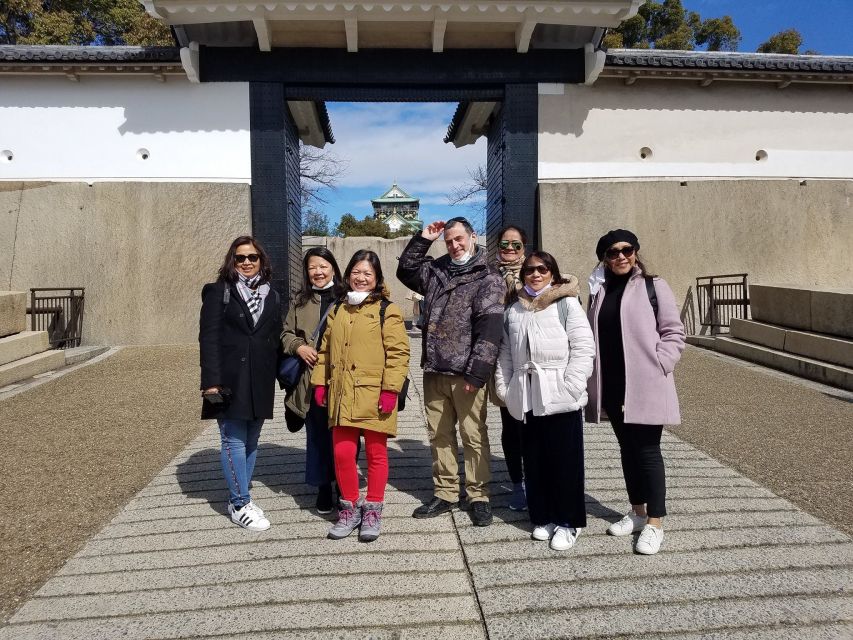
You spend about 75 minutes at Osaka Castle Park. The tour does not go inside the castle, but you still get the main event: the impressive exterior and the surrounding grounds. For me, this is a smart choice. You get the sight, the setting, and the sense of place, without sacrificing time for long lines or museum detours.
Your guide explains Osaka Castle’s history, including how it was almost robbed around 400 years ago. That kind of detail matters because it turns the castle from a postcard into a clue. You start to see why Osaka has always been a city of trade, power, and practical survival, not just tourism.
Practical note: bring comfortable shoes. Castle Park is scenic, but you will still be walking on uneven paths and around open areas where there’s less shade.
What you might enjoy most here is photo timing. Early on, you usually have better odds for clean angles with fewer crowds. Ask your guide where the best exterior viewpoints are as you go.
Tsuruhashi Korea Town: pre-war alleys with modern flavor
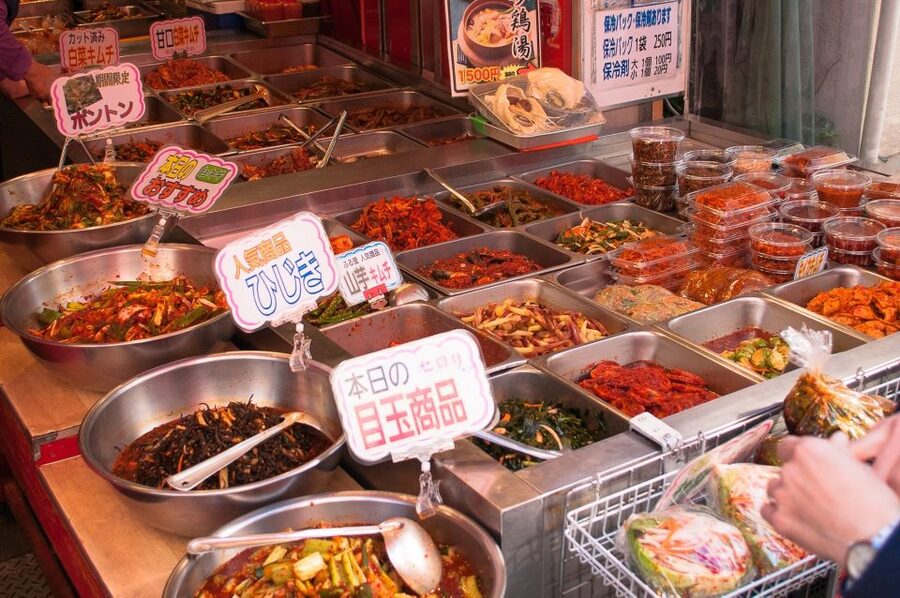
Next comes Tsuruhashi, about 45 minutes. This is the part of Osaka that feels like a real neighborhood, not a staged attraction. You explore a maze of Korea Town streets and narrow alleys, with a pre-war commercial district vibe.
This stop works well for two reasons. First, the streets are walkable in short segments, so the guide can point things out without you losing the plot. Second, you can feel the mix of old commercial Osaka and ongoing international influence, which is a big part of why Osaka can feel quirky and human.
There’s also snack flexibility. The tour has no formal food stop, but you get chances to buy snacks if you’re hungry. If you like people-watching, this is an excellent place to slow down for a minute, look at storefront signs, and notice how the street layout shapes what you experience.
If your Japanese is basic, don’t stress. You’re there with a guide who can help you understand what you’re looking at and where to stand for better views down the alleys.
Abeno Harukas 300: city views and the underground department store food hall
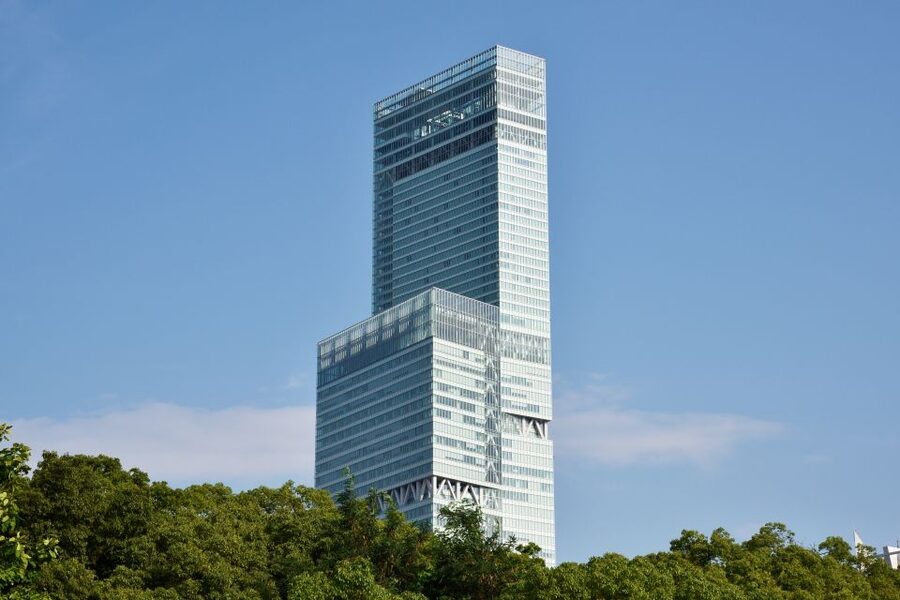
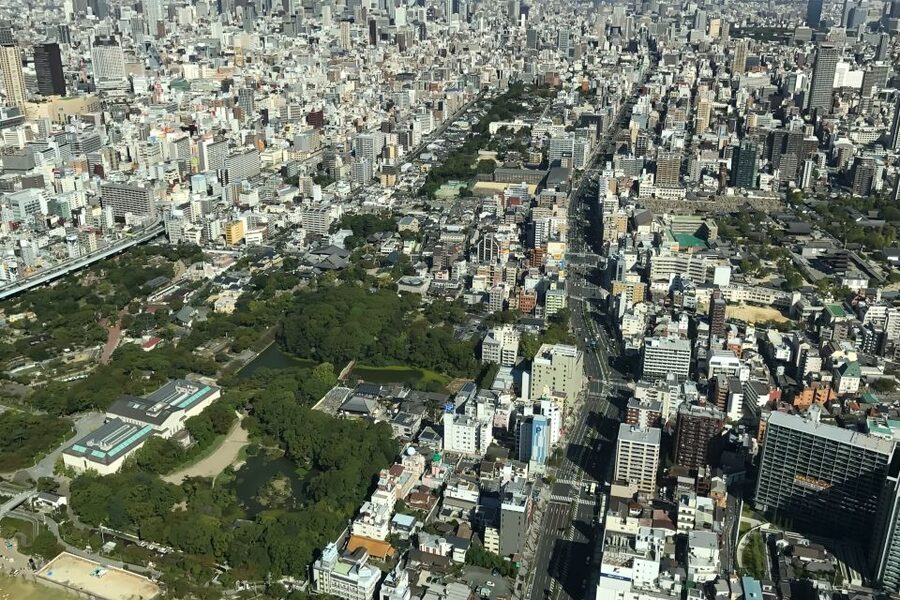
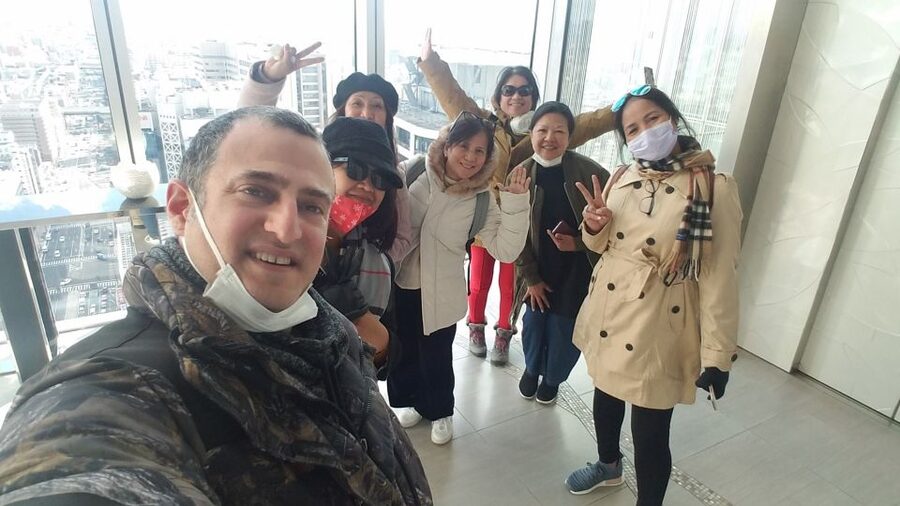
Then the tour shifts up. You head to Abeno Harukas 300, with about 30 minutes here. You’ll get time for a high-floor city view, and it’s the kind of perspective that helps you connect the neighborhoods you’re about to see. Osaka can look like a patchwork until you see how it all stacks vertically and why certain areas feel like hubs.
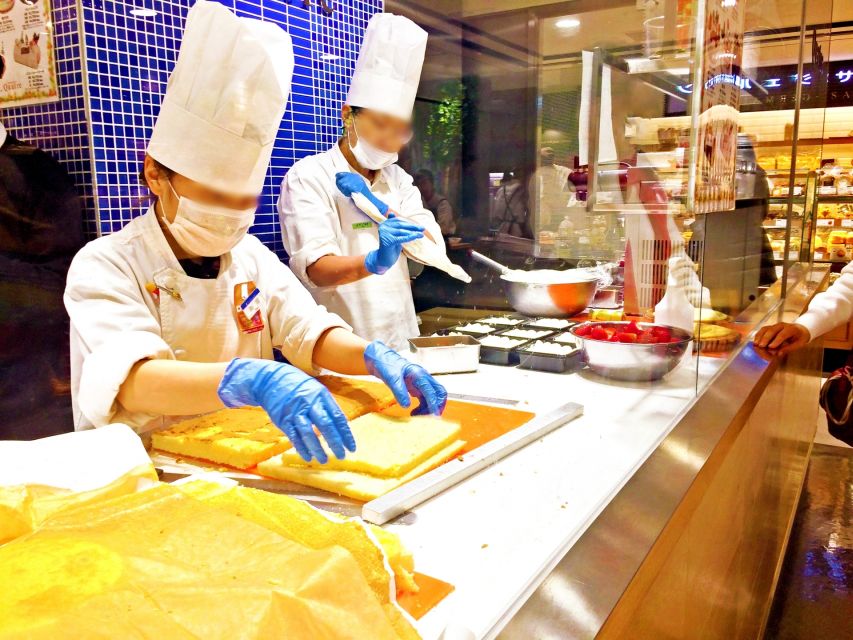
After the viewpoint, you head underground to explore the department store food hall. This is where the tour’s food angle becomes very visual. You can see premium items for sale, including high-end seafood and cuts like killer puffer fish and Kobe beef.
This stop is valuable even if you’re not planning to buy anything. Looking at what sells in a polished underground food hall teaches you about Osaka’s spending power and its serious relationship with food quality. It also gives you a break from street-level walking, which matters when you’re stacking multiple districts into one afternoon.
Same corner of Japan, a different kind of day:
- Osaka Go Karting Tour with Funny Costume
★ 5.0 · 2,658 reviews - Osaka Castle: Museum and Tower Entry Ticket
★ 4.5 · 2,380 reviews - Osaka: Shinsekai Food Tour with 13-15 Dishes at 5 Eateries
★ 4.8 · 2,204 reviews - Osaka Food Tour: 13 Dishes at 5 Local Eateries
★ 5.0 · 2,149 reviews
Shinsekai: retro Osaka in a slightly worn frame
After Harukas, you go to Shinsekai, about 30 minutes. This area has a reputation for being a snapshot district, with a slightly crumbling feel that makes it feel frozen in time. That matters because Osaka’s modern skyline gets so much attention that it can overshadow the older urban textures.
Shinsekai is also a good palate cleanser between big commercial zones. After shopping energy and neon streets, Shinsekai feels more grounded. You can slow your pace, take photos, and pay attention to the street details your brain usually skips when you’re in a hurry.
One thing I like about this stop is that it keeps the tour from turning into a list of famous names. You’re not just checking boxes, you’re seeing Osaka’s different moods.
Namba to Dotonbori: shopping focus, neon theater, and photo angles
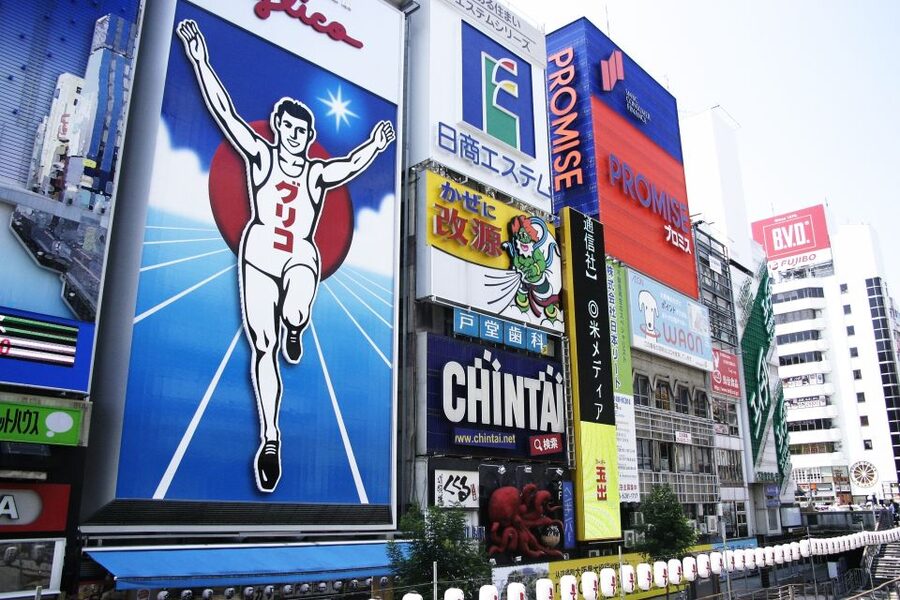
You’ll reach Namba, about 30 minutes, and then continue through Dotonbori for guided sightseeing. Namba is the center of today’s shopping, dining, and entertainment. Dotonbori is Osaka’s answer to a big city show, with the famous energy you’ve probably seen on screens, and the back streets that feel more local than you expect.
The tour’s value here is guidance. Dotonbori is easy to wander on your own, but it’s easy to wander in the wrong direction too. A guide helps you spot the small streets that branch off from the main corridor. Those side lanes are where you often find the quirks: different signage styles, tighter alleys, and storefronts that feel built for locals first.
I’d also listen closely for photo suggestions. In this kind of street district, the “best shot” is usually about where you stand, what angle you choose, and how you time pedestrian flow. Guides like Kevin and Ferdinand are often praised for photo-focused stops and practical tips, which is exactly what you want when you want images you’ll actually like later.
If you’re tempted to snack constantly, pace yourself. This portion is all atmosphere, so give yourself a moment to just watch. Osaka teaches through motion.
Kuromon Ichiba and Doguyasuji: market history to kitchen culture
Near the end, you visit Kuromon Ichiba, a fresh fish market with a role in Osaka food culture for more than 150 years. This stop is short enough to keep things moving, but it’s timed so you still get the context. Markets are more than shopping. They show how a city organizes food, labor, and daily life.
You’ll also notice the market rhythm. It’s the kind of place where the guide can point out what’s going on and how to read the stalls quickly without feeling overwhelmed.
After Kuromon, the tour heads to Doguyasuji, Osaka’s kitchen and cooking district. This is one of my favorite concepts in the whole route because it’s specific. You’re not just eating, you’re seeing the tools and visual language that surround cooking. Look for wax food models, Japanese noren curtains hanging at kitchen entrances, and even large pottery pieces used for culinary life.
This is also where the tour’s “hidden spots” promise feels real. Even if you’ve seen photos of big Osaka icons, Doguyasuji gives you a different kind of memory, one tied to craftsmanship and daily habits.
Pace, rain-or-shine reality, and what to bring
This tour runs 4 hours and happens rain or shine. That’s good and bad. Good because you’re not waiting out weather. Bad because you still need to be ready to walk.
Wear shoes you trust. I can’t stress this enough. Castle Park, Dotonbori side streets, and the market areas are not where you want brand-new sneakers with surprise blisters.
Plan for a snack strategy instead of a sit-down meal. There are no food stop reservations, but you can buy snacks if you’re hungry. If you usually get hangry when you’re walking, bring a small backup snack with you.
One more practical note: the tour description says wheelchair accessible, but it also states it is not suitable for people with mobility impairments. If that applies to you, I’d contact the operator before booking and ask what sidewalks, transfers, and walking segments look like on a normal day. Don’t assume the routes will be fully step-free.
Price and value: is $59 worth it
At $59 per person for a 4-hour English-guided walking route, the value comes from concentration. You’re paying for someone to connect the dots between Osaka’s major districts and the less obvious neighborhoods that explain how the city works. Without a guide, you can visit these areas, but you may miss why they matter.
Just factor in what isn’t included. Transportation and food are not included, so budget for your subway day pass and any snacks you choose to buy. That said, the tour is still good value because the itinerary uses public transit rides that make sense for chaining neighborhoods together in one afternoon.
If you want pickup, it costs extra: 5000 yen, paid in cash to the guide on the day of the tour or through a secure payment link. That fee is for central Osaka hotel pickup and also port pickup at Tempozan Ferris wheel. If you’re staying outside central areas, this can be worth it. If you’re already near the subway network, you might save money by meeting at the station.
For solo travelers, there’s a possible 4000 yen solo supplement if a minimum group number is not met, or an alternate date or full refund option. Even then, the core price still feels fair for what you get: multiple districts, a real guide narrative, and a route that keeps you from wasting time.
Who this tour suits best
I’d point you toward this tour if you want:
- A first-time Osaka overview that covers castle, markets, and city districts in one half day
- A guide-led way to understand Osaka history and culture, not just see famous corners
- A walking approach that mixes big sights with side streets like Tsuruhashi and Doguyasuji
- An English, French, or Spanish guide who can answer questions as you go
I’d think twice if you hate walking or if mobility is limited, since the route is described as not suitable for mobility impairments. Also consider it if you need long sit-down breaks, because it is built for moving.
Should you book this Osaka Castle, Korea Town, and Dotonbori walk?
Yes, if you want a sharp introduction to Osaka that goes beyond the obvious. This tour earns its value by doing two hard things at once: it gives you big-name landmarks like the Harukas viewpoint and Dotonbori, and it adds structure so the story of merchant Osaka and street culture actually makes sense.
Book it especially if you’ll benefit from photo help, local food context, and a guide who tells the “why” behind what you see. The overall feeling from the experience is a relaxed, well-paced walk with strong history and culture notes, plus enough street time to feel you really lived the city.
Skip it if you’re looking for a slow, low-walking food tour or if mobility needs require a fully accessible route. In that case, ask detailed questions first, then choose something that matches your pace.
FAQ
Where is the meeting point for the tour?
Please meet above ground at Tanimachiyonchome Station Exit 2.
Does the tour go inside Osaka Castle?
No. You admire the exterior and stroll around Osaka Castle Park, but you do not go inside the castle.
How long is the walking tour?
The duration is 4 hours.
Is there a food stop included?
There are no food stops, but you’ll have chances to buy snacks if you get hungry.
What subway pass should I buy?
The tour recommends that you buy a subway day pass and use it to get to the meeting point and while you are on the tour.
What languages are available for the live guide?
The live tour guide is available in English, French, and Spanish.
What is the weather plan?
The tour takes place rain or shine.
Is hotel pickup included?
Hotel pickup is not included. Pickup is available as an additional option for 5000 yen, payable in cash to the guide on the day of the tour or via a secure payment link.
Is this tour suitable for people with mobility impairments?
The activity details include a note that it is wheelchair accessible, but it also states it is not suitable for people with mobility impairments. If mobility is a concern, check directly what the walking and transfers involve.
What happens if I book as a solo traveler?
The tour aims not to charge extra for solo travelers. If a minimum of 2 guests is not met, you are offered one of these options: attend on an alternate date, pay a 4000 yen solo supplement, or receive a full refund.
Can I cancel or change plans?
Cancellation is free up to 24 hours in advance for a full refund, and you can reserve now and pay later to keep plans flexible.
Fresh options around Osaka
- Osaka Winery Tour with Wine Tasting & Vineyard Walk★ 4.9 · 12 reviews
- Osaka: Early Morning Osaka Castle Guided Tour, Avoid Crowds★ 4.9 · 12 reviews
- Kyoto Day Trip from Osaka Port – Private Shore Excursion★ 5.0 · 13 reviews
- Osaka Private Pop Culture Tour: Historic Tenma to Dotonbori★ 4.5 · 13 reviews
- Osaka Castle Admission Ticket★ 4.0 · 13 reviews
- Hidden Osaka Foodie Tour: Nishinari Backstreets & Local Dining★ 5.0 · 13 reviews
- Discover Real Osaka: A Cultural Walk with Food & Drink★ 5.0 · 13 reviews
- Nara private tour (Shore excursion available from Osaka or Kobe port)★ 5.0 · 13 reviews
Walking Tours, compared.
Kyoto Geisha Walking Tour: Gion District & Hidden Gems
Read our review →
Tokyo Tsukiji Fish Market Food and Culture Walking Tour
Read our review →
Gion Magical Night Walking Tour with Geisha Trivia
Read our review →
Imperial Palace and Shogun Historical Walking Tour
Read our review →
Gion Geisha District Walking Tour – Stories of Geisha
Read our review →
Shinjuku Local Bar and Izakaya Guided Walking Tour
Read our review →
Browse the lists this tour appears in