
Reviewed · NARA TOURS
Nara: Private Tour with Private Guide
Nara hits you fast. In one half day, you get major UNESCO temples, plus the deer park tradition that feels instantly memorable. What makes this experience especially good is the private format, so you can move at your pace and shape the route to your interests.
I especially like two things: the chance to see the big Nara landmarks without having to plan a route on the fly, and the way a licensed local guide can explain what you are actually looking at. One thing to keep in mind: this is a walking day, so comfortable shoes matter, and entrance fees are not included.
Key things to know before you go
- Private, customizable route that you can shape around your interests, not just a fixed checklist
- Licensed local guide who speaks English and Japanese
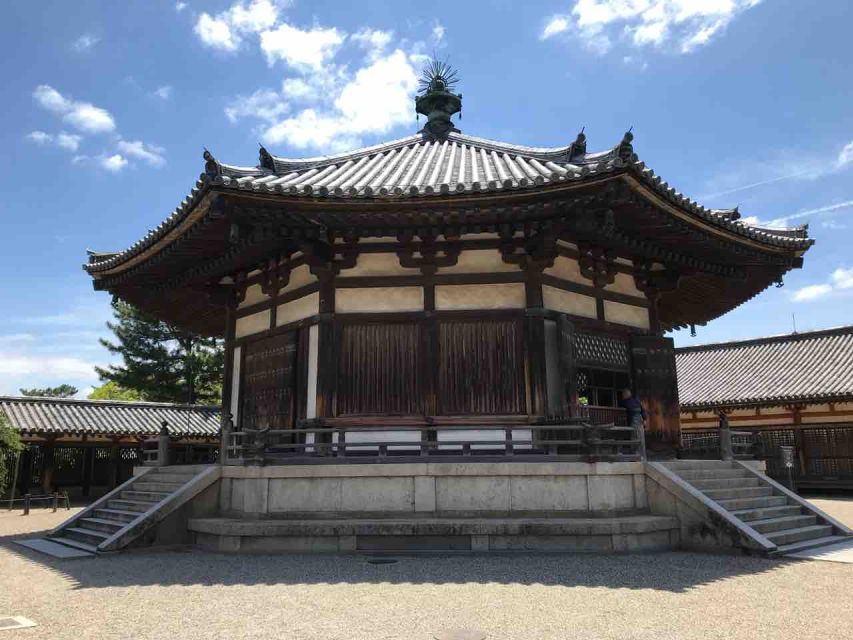
- UNESCO temple highlights including Kofuku Ji, Todai Ji, and Kasuga Taisha
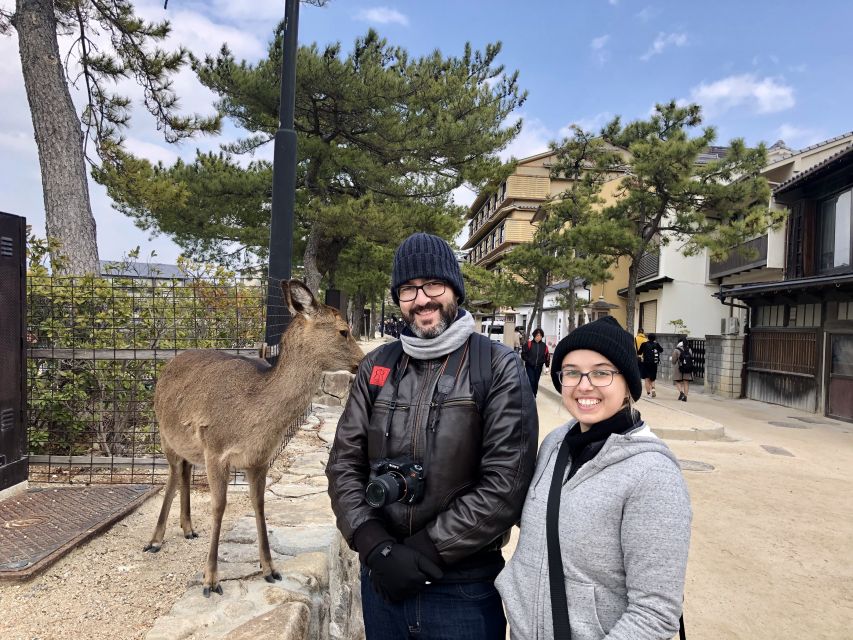
- Nara Park deer time with feeding built into the experience
- Flexible pacing with a 4 or 6 hour option, plus taxi or public transport if you want it
- Rain or shine so you will still get the day you planned
How this private Nara tour works, from your hotel to a tight route
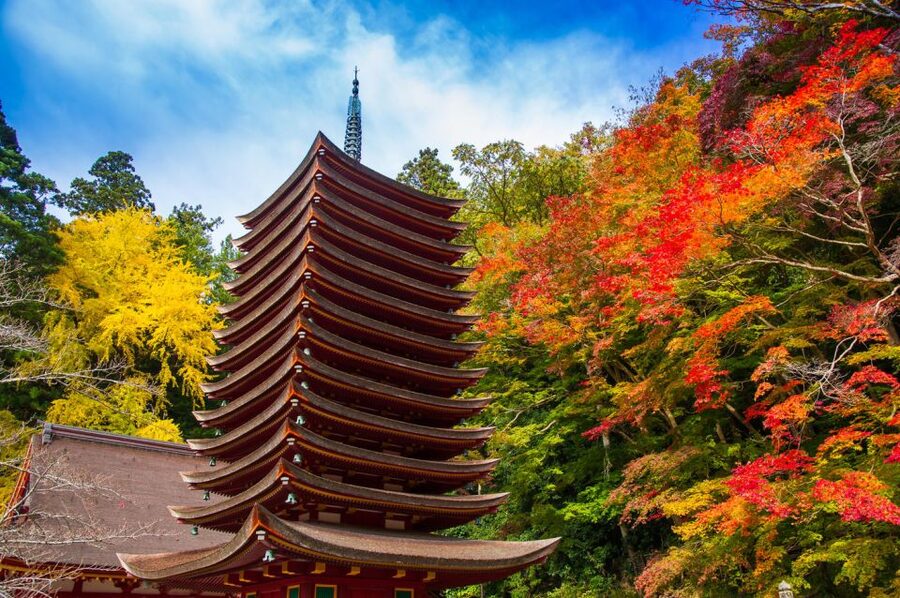
This tour is built for a smart half day. You meet your guide at your chosen location, and then you spend your time where it counts, Kofuku Ji, Todai Ji, Nara Park, and Kasuga Taisha are the core anchors. The big advantage of private is that you do not need to fight for your place on a crowded group walk, and you can ask questions in the moment.
If you are staying in Kyoto or Osaka, Nara is close enough that a day trip makes sense. The tour format also helps you avoid a common problem in Japan: you know the names of the temples, but you still need a thread to connect them. Your guide provides that thread, from religion and imperial ties to the meaning of statues and sacred buildings.
Practical note: the tour is walking focused. Pickup is included if you are within a reasonable walking distance, and otherwise your guide can use public transportation or a taxi if you prefer. That choice matters, because temple areas can be spread out, and shaving off time helps you actually enjoy the sites instead of just rushing between them.
A few more Nara days worth comparing
- World Heritage Kyoto & Nara Uji Authentic Matcha Experience
★ 5.0 · 1,573 reviews - Nara Half Day Trip Walking Tour (Private Option Available)
★ 5.0 · 937 reviews - Nara Early Morning Tour (Kyoto or Osaka Departure Available)
★ 5.0 · 676 reviews
Kofuku Ji Temple: UNESCO weight and the Ashura sculpture moment
Kofuku Ji is a strong first stop because it sets context right away. This temple is a UNESCO World Heritage site, and it is one of the key places to understand Nara Buddhism as more than scenery. You are not just admiring old buildings, you are stepping into a collection of sacred objects and historic artistry.
Inside the experience, you will see National Treasure highlights, including the Statue of Ashura. That statue detail is a good example of why a guide adds value. Without explanation, a dramatic figure can be impressive but vague. With a guide, you get a sense of why this imagery mattered, how it fits into Buddhist visual culture, and why specific treasures survived and were preserved.
What I like about starting here is that Kofuku Ji gives you a “why” before the “wow.” Later stops have famous icons, but the art and symbolism at Kofuku Ji help those icons land with more meaning.
Possible drawback: if you are chasing only the most famous photo ops, you may want to spend a little more time on the art moments and a little less time on the surrounding halls. Ask your guide to prioritize the treasures that match your taste, sculpture, architecture, or general temple atmosphere.
Todai Ji and Nandaimon Gate: Kongo Rikishi and the Great Buddha scale
Todai Ji is the Nara landmark most people come for, and the tour does not waste time getting you there. Todai Ji is also a UNESCO World Heritage site, and the centerpiece is the Great Buddha. Seeing it in person is one of those “how big is that really” moments. Even if you have seen pictures before, scale hits differently at the temple.
Before you even reach the main hall area, you pass through the Nandaimon Gate, where the Kongo Rikishi statues stand guard. These statues are often described as fierce, and they are meant to create presence. Your guide’s job here is to connect the dramatic imagery to what the gate signified and why guardian figures were so common around sacred complexes.
A helpful way to experience Todai Ji is to do it in layers. First, take in the gate and the overall approach. Then focus on the statues and the main hall setting. Finally, step back and let the space sink in. With a private guide, you can do this without feeling like you are slowing the whole group down.
One consideration: Todai Ji is popular, and crowds can change by season and day. The best solution is flexibility. If your guide notices the flow getting tight, you can often adjust your pace, spend a moment longer inside the quieter areas, and still keep the day’s rhythm.
Nara Park deer feeding: the tradition, the timing, and the crowd reality
Nara Park is the part of Nara that feels like a living tradition. The tour includes a stop for deer feeding, and that matters because it turns the deer from a background feature into an activity. You get to see the wild deer up close, including the young ones, and the setting makes it feel like nature and culture share the same stage.
This is also where you should manage expectations. The deer are animals, not props. They can be bold, and their behavior changes depending on food availability and how quickly people react. Having a guide helps because they can nudge you through the safe, respectful way to do the feeding, so it stays fun instead of stressful.
If you care about comfort, this is also a good moment to use your guide’s flexibility. On a hot or humid day, you will appreciate a pace that includes breaks. In past experiences with guides, people have praised pacing adjustments, extra water, and not rushing just to hit every photo.
Practical tip: bring a small water bottle and keep your hands calm. When the deer start clustering, quick movement is the easiest way to create chaos. A guide can coach you on how to stand, when to step aside, and when to move on to keep the moment enjoyable.
Same corner of Japan, a different kind of day:
- Osaka: Nara and Uji Day Trip with Deer Park and Hot Spring
★ 4.4 · 302 reviews - Kyoto/Osaka: Kinkakuji, Bamboo Forest, and Nara Deer Park
★ 4.4 · 265 reviews - Nara 6hr Private Tour with Government-Licensed Guide
★ 5.0 · 219 reviews - E-Bike Nara Highlights – Todaiji, Knives, Deer, Shrine
★ 4.8 · 186 reviews
Kasuga Taisha and the National Treasure Hall: red shrine drama and Buddhist art
Kasuga Taisha brings a different mood. If Todai Ji is about scale, Kasuga Taisha leans into atmosphere and sacred detail. This is another UNESCO World Heritage site, and the main shrine is famous for its red presence. Walking through the area, you feel the shift from major temple icon to long standing shrine tradition.
A key part of this tour is Kasuga Taisha National Treasure Hall, where you can see valuable Buddhist art. For many people, this is the payoff after temple stops outdoors. The hall can help you connect the visible religious symbols outside with the objects and artistry preserved indoors.
What makes this segment work well on a half day tour is that it slows you down just enough. You are not running from one famous structure to the next. You are getting a calmer, more interpretive experience, with your guide helping you understand what the treasures represent.
One thing to consider: halls and indoor displays may have their own rules about photography or quietness. If you prefer a low pressure experience, tell your guide early. They can help you avoid awkward moments and keep your visit smooth.
Your guide is the difference, from Junichi to Ken and Kazuo Sumi san
This tour lives or dies on the human factor, because Nara is not just temples, it is meaning. In the feedback, specific guides stand out for style and organization. You might meet Junichi, often noted for constant engagement, organized pacing, and genuine friendliness. Or you could have Ken, praised for creating an itinerary that fit a family’s needs, including time around deer sightings.
Some guides also bring a teacher energy. People have described Jose’s guide time as generous and instructive, like a lesson. Others, like Kazuo Sumi-san, have been called punctual and patient, especially when touring with kids. When the tour gets customized, guides like Rie or Haru are highlighted for adjusting plans and managing the day without stress.
You might also notice that some guides help with logistics in a way that is easy to miss when you plan yourself. For example, one guide described as extremely organized helped people get back to their train on time with the right tickets and even the right train deck. That kind of careful thinking matters if you are tight on time between Kyoto and Nara.
How to get the best guide experience: tell your guide two things at the start. Your top must see items and one thing you want to avoid, crowds, long museum time, or fast walking. Then let them build the rest around that. This is exactly the kind of private format that makes those requests count.
4 or 6 hours: how much Nara you can realistically absorb
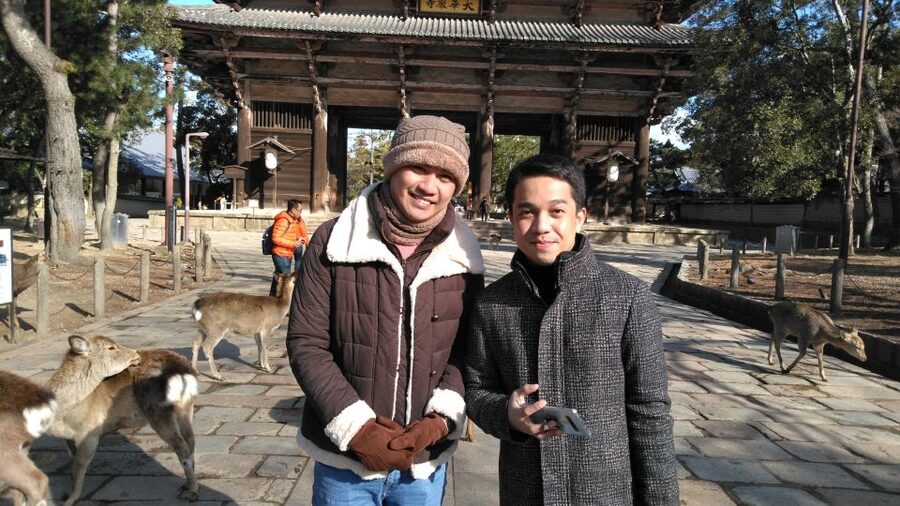
The duration choice is the biggest decision you will make after choosing private. A 6 hour tour gives you time to see the major highlights in a comfortable flow, including deer feeding and Kasuga Taisha’s shrine and treasure hall. It is a full half day where you are not constantly checking your phone for transit times.
A 4 hour option can work if you are temple focused and willing to reduce the amount of deer park time or shorten the museum portion. It can also work if you are already comfortable with Japanese temple basics and want the highlights with minimal background.
A useful way to think about it: a private guide compresses planning stress, but it cannot create extra hours. The right duration depends on your walking comfort and how much you like museum style stops. If you love art and Buddhist objects, 6 hours usually feels better.
Weather is part of the equation too. The tour runs rain or shine. That means you should pack for slippery paths and bring a small umbrella or light rain gear. The upside is that a private guide can often tweak the route slightly to keep the experience pleasant.
Price and value: what $151 per person really buys
At $151 per person for a 6 hour private guide, the value comes from three places: private time, licensed guidance, and route flexibility. If you were trying to replicate this without a guide, you would spend more time building a workable route, figuring out transit and walking connections, and then still end up asking basic questions while you are standing in front of important objects.
With a guide, you get answers at the right moment. You also get a plan that can adapt. That adaptability is not just comfort. It changes what you notice. Instead of treating statues and shrine buildings like postcard objects, you learn what they were meant to communicate and why specific treasures are singled out.
There are tradeoffs. Entrance fees are not included, and food and drinks are on you. Also, you still pay attention to how you travel during the day, public transport or taxi if you want it. But for a structured Nara day without the planning headache, $151 can feel fair, especially if you are comparing it to the cost of multiple public transport day tickets plus your time.
Who gets the best value: couples, families, and small groups who want a tailored day rather than a quick hit. Also, if you are traveling with kids, the private format makes it easier to slow down and keep everyone engaged.
Food, breaks, and where your guide can save you time
Food is not included, but the guide can help in a way that matters: reducing decision fatigue. In past customized days, guides have helped people find great lunch options and even adjust for dietary needs like gluten free, dairy free, and nut free. You can also expect practical suggestions for snack timing around the deer park, so you do not end up hunting for food while everyone is tired.
What you should do before the day: mention any dietary needs, plus whether you prefer sit down meals or quick bites. Then let your guide plug in a stop that fits between the temple anchors.
Breaks matter in Nara because you are mixing walking, crowds, and time in both outdoor and indoor spaces. When your guide has a good pacing approach, it feels like a calm day, not a schedule drill.
Should you book this private Nara tour
Book it if you want a strong Nara day without playing travel planner all morning. If Kofuku Ji, Todai Ji, and Kasuga Taisha are on your list, this itinerary style is efficient and satisfying, and the deer feeding adds a distinctly Nara moment.
Skip it or consider a shorter duration if you hate walking, you want only quick photo stops, or you are comfortable figuring out temple context yourself. Also, if your trip budget is extremely tight, remember that entrances are not included and you will add food and drinks.
My quick decision rule: if you value understanding what you are seeing and you like the idea of customizing the pace, this private tour is a smart way to experience Nara in one pass.
Fresh options around Nara
- Nara World Heritage PRIVATE TOUR★ 4.5 · 15 reviews
- Nara: Todai-ji y parque de Nara (Spanish Guide)★ 5.0 · 16 reviews
- Nara Private Tour: Flexible Pickup from Kyoto, Osaka, or Nara★ 5.0 · 17 reviews
- Nara – Heart of Nature Cross Bike Tour★ 5.0 · 19 reviews
- Nara:Tea Tasting&Private Tea Ceremony -Master Matcha Making-★ 5.0 · 19 reviews
- Make Your Own Soy Sauce in Japan’s Old Capital Asuka Nara★ 5.0 · 22 reviews
- Nara: Essential Private Tour with Deer Park and Temples★ 5.0 · 24 reviews
- Nara:5 Type of Tea Tasting & Mindful Tea Ceremony★ 5.0 · 28 reviews
Nara Tours, compared.
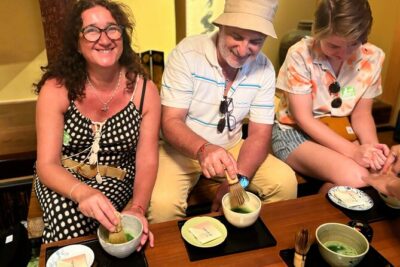
World Heritage Kyoto & Nara Uji Authentic Matcha Experience
Read our review →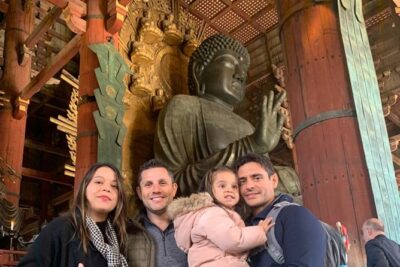
Nara Half Day Trip Walking Tour (Private Option Available)
Read our review →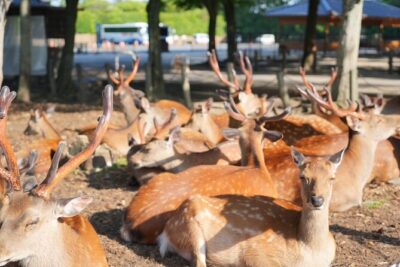
Nara Early Morning Tour (Kyoto or Osaka Departure Available)
Read our review →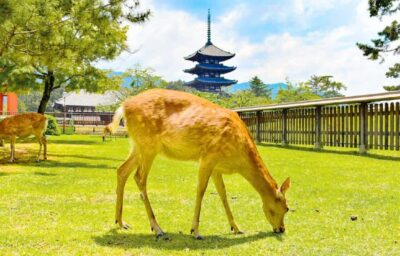
Nara and Uji Day Trip with Deer Park and Hot Spring
Read our review →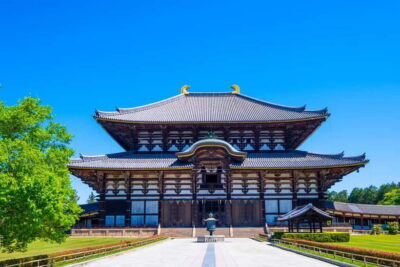
Kyoto/Osaka: Kinkakuji, Bamboo Forest, and Nara Deer Park
Read our review →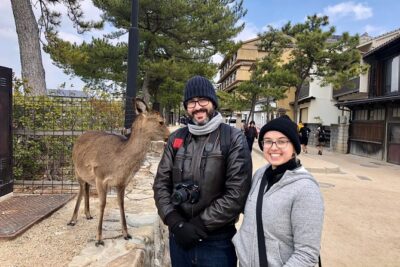
Nara 6hr Private Tour with Government-Licensed Guide
Read our review →
E-Bike Nara Highlights – Todaiji, Knives, Deer, Shrine
Read our review →
Nara Early Bird Tour (Kyoto Departure Option Available)
Read our review →Browse the lists this tour appears in