
Reviewed · TEMPLE & SHRINE TOURS IN KYOTO
Kyoto: Zen Experience in a Hidden Temple
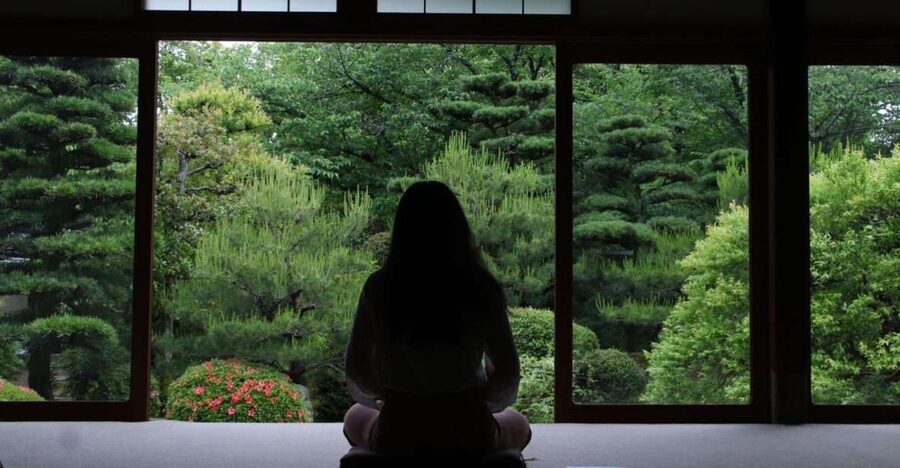
Kyoto can be loud and crowded. This 2-hour Zen experience at Jusho-in Temple gives you a calm lane into Rinzai Zen practice, with zazen guided by Eitetsu Nishida and a matcha moment that ties the whole day together.
What I like most is how structured the meditation time feels, you get two focused 20-minute sessions with guidance and support. I also really like the tea portion, where matcha is explained in context and served with traditional seasonal sweets in the garden.
One drawback to consider: you sit close to the ground for zazen etiquette, so if you expect effortless comfort, plan for that. Chairs are available, but it’s still a meditative posture practice, not a casual sit-and-watch.
Key things that make this experience special
- Zazen with Eitetsu Nishida at Jusho-in, the 16th generation abbot
- Two 20-minute meditation rounds designed for beginners and regular meditators alike
- Matcha instruction plus seasonal sweets, not just tea served and forgotten
- A garden attributed to Kano Eitoku, unchanged since its creation, with seasonal scenes
- A photo keepsake shot during your experience with DSLR equipment
- Small-group tone, where questions feel welcome and the pace stays gentle
Zen Practice at Jusho-in: Why this Kyoto stop feels focused
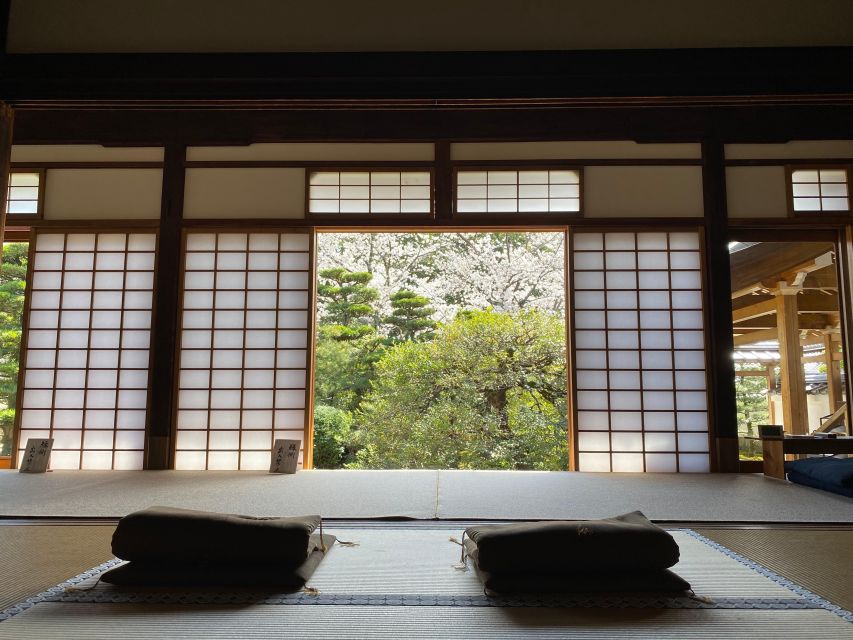
This is one of those Kyoto experiences that doesn’t try to cram a schedule into your day. Instead, it gives you a clean block of time where the goal is attention, not sightseeing. You start with zazen, then you move into matcha, and both parts are explained as living practice, not museum content.
Jusho-in sits inside the Myoshin-ji complex. That matters, because you’re not just visiting a single building, you’re stepping into a much larger network of Zen practice. Jusho-in itself traces back to 1599, and it’s one of 46 sub-temples connected to Myoshin-ji, Japan’s largest Zen temple. So even if the session is short, you’re in a place with deep continuity.
The tone here is very “do it with us.” Two rounds of seated meditation, paced by temple guidance, help you settle in fast. Then the tea is served with explanations from the chief priest (Eitetsu Nishida), making the matcha feel like part of the same philosophy: careful attention, simple ritual, and quiet focus.
If you want Kyoto without the constant push to look at something, this is a smart choice.
More Temple & Shrine Tours in Kyoto
- Kyoto: Fushimi Inari, Kinkakuji, Bamboo Grove 1 Day Bus Tour
★ 4.8 · 4,316 reviews - Kyoto: Tea Ceremony Ju-An at Jotokuji Temple
★ 4.9 · 3,207 reviews - Fushimi Inari Hidden Hiking Tour (Private Option Available)
★ 5.0 · 1,750 reviews
Finding the north gate of Myoshin-ji and walking to Jusho-in
You meet at the north gate of Myoshin-ji Temple, and your meeting point can be one of two options, including 18 Taniguchisonomachi (北総門). From there, you walk with a guide to Jusho-in. That short walk is not filler. It helps you transition from street energy into temple calm.
This “walk in together” setup also makes the arrival smoother. You’re not trying to figure out where to line up, you’re guided into the right space and rhythm. In Kyoto, that practical help matters, because temples can feel like a maze, especially if you’re trying to arrive a few minutes early.
The session runs rain or shine. So go with layers that work when you’re standing, then sitting still. There’s no requirement to wear a kimono, and you actually might want to skip rented kimono for this one. If you wear a rental kimono, it can be difficult to sit and meditate comfortably.
Tip that will save you stress: wear clothes that let you move into a stable seated posture. If you need it, chairs are available for those who require assistance during zazen.
Two rounds of zazen: what the 20-minute blocks really teach
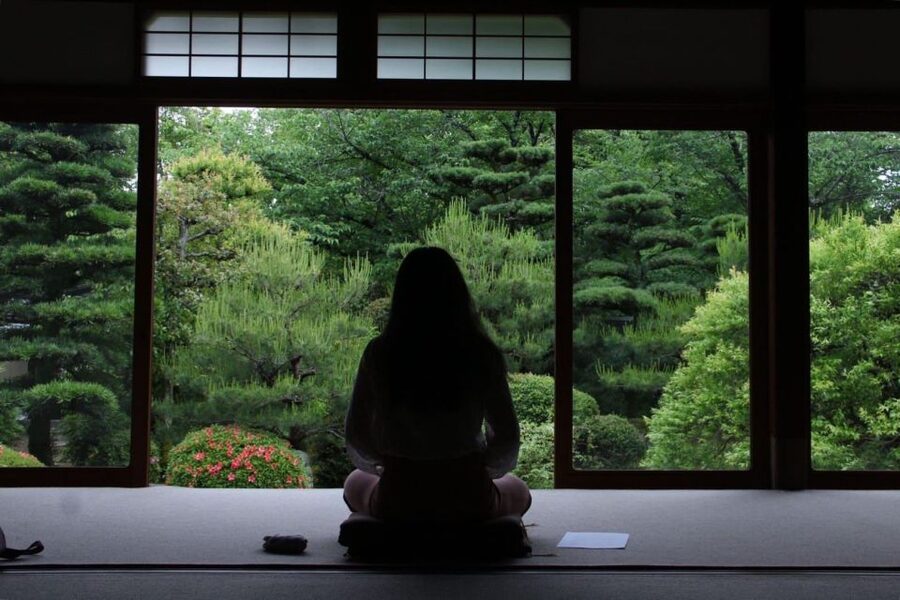
The core of the experience is meditation instruction and practice. You do two sets of 20-minute zazen sessions, with structure around how to sit and how to handle the inevitable mind chatter.
It sounds simple, and it is simple. The hard part is the doing. In zazen, you’re not trying to force blankness. You’re learning to notice what the mind does and return to the practice. Even if you’ve tried meditation before, the instruction from the temple matters, because posture, attention, and etiquette all shape the experience.
A big reason this works for beginners is pacing. Two shorter sessions are more digestible than one long stretch. You get a chance to reset, then go again with slightly better awareness. That rhythm helps you learn without turning the session into endurance training.
You also have a guide and translation support in English. The chief priest’s guidance is the centerpiece, and the team helps bridge communication so the meaning doesn’t get lost. In the feedback, people repeatedly mention how kind and patient the staff are, and how Q and A time feels genuinely welcomed.
Practical detail: seating is assigned in the order of reservations. If you care about where you sit, book early. Once you’re in the room, follow the lead and don’t improvise your own interpretation of posture.
Eitetsu Nishida and Rinzai Zen in plain, usable terms
Eitetsu Nishida is the 16th generation abbot of Jusho-in. He’s not just a figurehead. He’s trained through rigorous temple practice, including a three-and-a-half-year training period, and he worked as a national public servant for 10 years before becoming a monk. That mix of life experience and monastic discipline shows up in how he teaches.
He’s also described as cheerful and animal-loving, which matters more than you might expect. A calm teacher changes how safe you feel in a formal setting. People report feeling at ease and helped into the practice, not managed like a group assignment.
The Zen context here is Rinzai Buddhism. Rinzai Zen, introduced to Japan in the 12th century, is known for emphasizing satori, often described as sudden awakening, through intense practice. But you don’t need to study doctrine to benefit. The experience is built around direct practice: zazen first, philosophy second, tea and etiquette woven throughout.
One of the most valuable parts of a session like this is hearing Zen concepts framed from someone who actually lives the practice. You’re not getting abstract talk. You’re getting guidance you can use in the next quiet moment you have at home.
More temple and shrine tours in Kyoto:
- Osaka/Kyoto:Kinkakuji,Arashiyama,FushimiInariShrine,NaraPark
★ 4.1 · 1,596 reviews - Kyoto/Osaka: Nara, Fushimi Inari Taisha, Arashiyama Bus Tour
★ 4.7 · 1,275 reviews - Arashiyama Bamboo, Temple, Monkeys, or Secret Sake Brewery
★ 4.8 · 886 reviews - Kyoto: Arashiyama Bamboo Forest, Monkeys, Matcha & Temple Tour
★ 5.0 · 759 reviews
The matcha and sweets part: where Zen becomes a taste and a pace
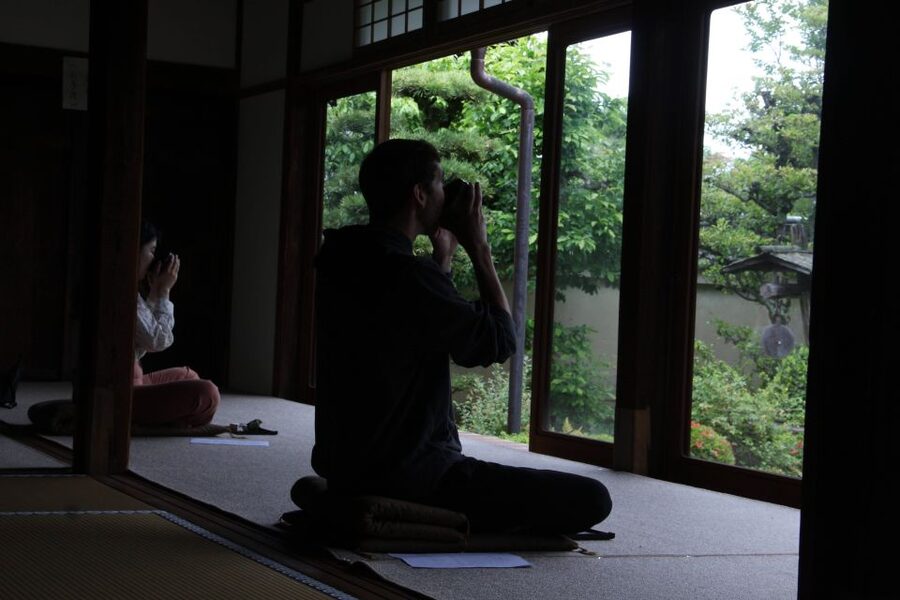
After the meditation rounds, you learn about matcha and its history, guided by Eitetsu Nishida. Then you drink matcha with traditional seasonal sweets.
This tea segment is more than a snack break. It teaches a kind of attention that mirrors meditation. Matcha is preparation, temperature, timing, and mindful drinking. When you understand the background and purpose, the act becomes a mini-practice rather than a reward you forget once you leave the temple.
You’ll also get served Japanese sweets designed for the season. The placement matters too, because you’re in a garden setting while you eat. Even people who are not big tea drinkers tend to leave remembering the pairing, the gentle ritual of receiving the tea, and how the taste connects to the theme of present-moment focus.
If you’re the type who likes to bring home something practical, this portion gives you that. You may not replicate a full ceremony the same way, but you can bring the mindset: slow down, observe, taste intentionally, and treat simple things with respect.
If you’re worried about language, English live guidance is provided. The tea explanation is part of that support, so you can follow what matters without getting stuck on vocabulary.
Jusho-in garden with Kano Eitoku: a place that changes how you breathe
The garden is attributed to Kano Eitoku, a 16th-century painter, and it remains unchanged since its creation. That’s not a throwaway brag. When a garden stays consistent, it gives you a steady “frame” for your attention during the session.
The garden also changes with the seasons, with cherry blossoms in spring, fresh greenery in summer, autumn leaves, and snow in winter. Even in a short visit, the season matters because it affects your mood, your light, and the feeling of time slowing down.
During meditation and tea, you’re not staring at screens or chasing photos. You’re watching subtle movement: light across stone, changes in foliage, and the calm order of the space. That’s why this experience works well as a counterweight to the typical Kyoto schedule.
If you’re a photographer, bring your eyes first. During the experience, you get a photographer who captures moments and later sends you the photo data. That means you can focus on sitting and listening instead of constantly stopping to shoot. People also say the photos turn out nicely, which is helpful if you want proof you attended without breaking the quiet rhythm.
Etiquette, comfort, and the small rules that make the day smoother
Temple experiences are formal by nature, but this one is still approachable. The team is set up to guide you through what to do and how to do it. That’s a key part of the value.
You should know the “don’t bring” list. Weapons or sharp objects are not allowed. Also, no alcohol and drugs. Simple, but it reduces confusion when you’re traveling.
Comfort is the other big factor. Don’t plan to wear a rental kimono if you want easy sitting. It can be hard to meditate comfortably in that outfit. Chairs are available, and they make this more realistic if you need them.
Also expect assigned seating based on reservation order. If your group has a mix of comfort levels, ask yourself ahead of time whether you want a chair immediately or wait. In practice, the staff will help you feel settled, but it’s better to decide what works for your body rather than reacting once you’re already seated.
Bathroom availability is reported in the experience feedback, so you’re not caught in a long stretch without facilities.
And yes, it runs rain or shine. Bring a small umbrella or rain layer even if Kyoto looks clear in the morning. Then just focus on the practice once you arrive.
Price and value at about $109 for 2 hours
At around $109 per person for a 2-hour experience, you should judge it by what you get, not by comparison to a generic walking tour. Here, the cost supports a real, guided practice with a chief abbot level host, plus dedicated tea instruction and sweets, plus a photographer and photo delivery.
You’re paying for three rare things that are hard to replicate on your own:
1) Guided zazen with correct posture and structured timing
2) Tea instruction tied to Zen, including matcha history and seasonal sweets
3) A photo keepsake taken during the session so you can participate fully
The session is also close to an ideal format for visitors. It’s not half a day. It’s not a multi-hour culture class. You get enough time to actually settle, then enough tea and conversation to carry meaning out of the temple.
If you’re in Kyoto for a week and want one calm “real practice” moment, this price feels fair. If you’re on a strict budget, you might decide to prioritize bigger temple sights and skip this. But if your goal is meaning and quiet, the value is strong.
Where this fits best: people who want depth, not just photos. People who meditate sometimes and want a fresh, disciplined practice. People who want a break from the busiest parts of Kyoto without giving up a cultural anchor.
Who should book this, and who might prefer something else
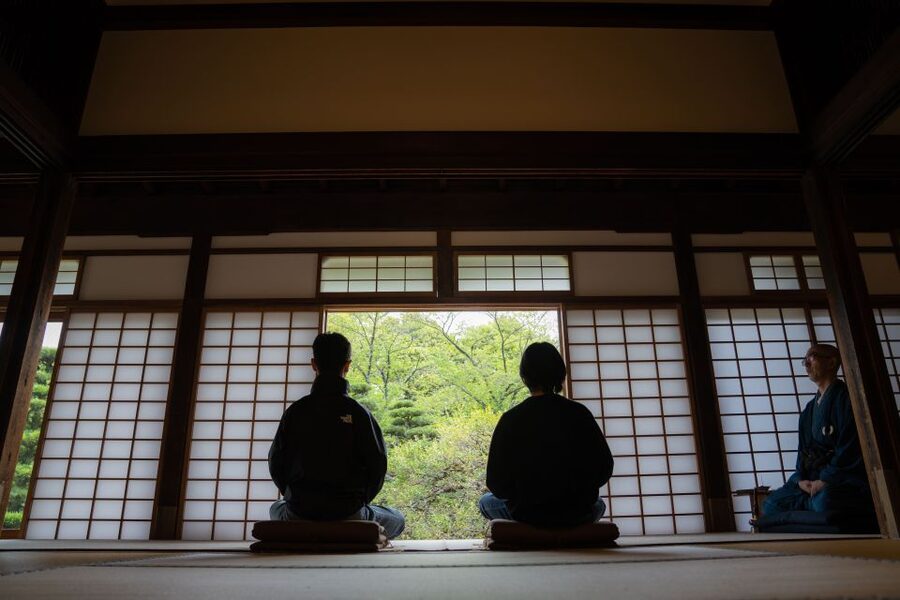
You should book this if you:
- Want a calm, structured morning near Kyoto’s Zen world
- Plan to ask questions and learn how practice works, not just watch
- Appreciate tea culture and want matcha explained in a way that connects to attention
- Like smaller group experiences where you can actually settle in
You might rethink if you:
- Need an experience with minimal sitting posture demands, even with chairs available
- Want lots of walking and sightseeing during the same time block
- Expect a casual, self-guided temple visit where you can leave and return freely
For many visitors, this becomes the antidote to Kyoto chaos. It’s also a meaningful choice if you want something your memory will still feel months later, not just something you can describe with a couple of photos.
Should you book this Jusho-in Zen and matcha session?
My call: if you’re looking for one experience in Kyoto that feels quiet, guided, and genuinely focused, you should book it. The biggest strength is the combination, zazen practice plus matcha and sweets, taught by Eitetsu Nishida in a temple setting with the garden atmosphere of Kano Eitoku.
If you book, do it with a simple mindset: show up ready to sit, listen, and return your attention again and again. You don’t have to be experienced. The format is designed to help you get started.
One last practical thought: after your session, if you still want a bit more of Myoshin-ji, you can sometimes explore the larger complex. Just note that some indoor areas may restrict photography, and there may be an entry fee for parts of the main complex.
FAQ
Is this experience beginner-friendly?
Yes. The meditation time is broken into two 20-minute zazen sessions, and the staff guide you through posture and practice. Chairs are available if you need assistance during zazen.
How long is the tour, and what’s included?
The experience lasts about 2 hours. You get a temple entry ticket, a chief priest sermon, guided zazen, a matcha and sweets tea experience, and a photo keepsake taken by a photographer during the session.
Where do I meet and how do I get to Jusho-in?
You meet at the north gate of Myoshin-ji Temple, with starting options that include 18 Taniguchisonomachi (北総門). From there, you walk to Jusho-in with a guide.
What should I wear or bring?
No special requirements are listed, but avoid rented kimono if you want easier sitting. Wear comfortable clothing for meditation. Rain or shine, so bring a rain layer.
Can I cancel, and what happens if it rains?
The tour runs rain or shine. Full refunds are available if you cancel up to 24 hours in advance.
Are there any restrictions during the experience?
Alcohol and drugs are not allowed. Weapons or sharp objects are also not allowed. Seating is assigned by reservation order, so booking earlier can help if you care about where you sit.
Fresh options around Kyoto
- Kyoto Aquarium Admission Ticket★ 4.7 · 12 reviews
- Kyoto Gion Photoshoot – Private Session | Pro Photographer★ 5.0 · 12 reviews
- Gyoza Cooking Class in Kyoto: Traditional Japanese Dumplings★ 5.0 · 12 reviews
- Kyoto: Guided Food Tour with 12 Dishes & 3 Drinks★ 5.0 · 12 reviews
- Kyoto: Avoid the Crowds at the Hidden Gems of Arashiyama★ 4.9 · 13 reviews
- Kyoto Early Bird English Tour: Gion & Higashiyama(Private opt)★ 5.0 · 13 reviews
- Otsu-e Folk Art Workshop & Local Culture Walk Near Kyoto★ 5.0 · 13 reviews
- Kyoto, Osaka, Nara Full Day tour by Car English speaking Driver★ 3.5 · 13 reviews
Temple & Shrine Tours in Kyoto, compared.
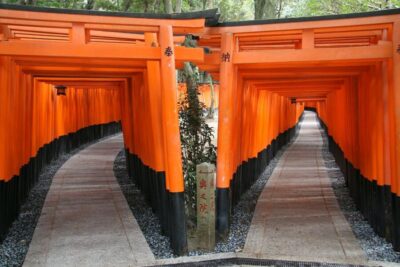
Fushimi Inari, Kinkakuji, Bamboo Grove 1 Day Bus Tour
Read our review →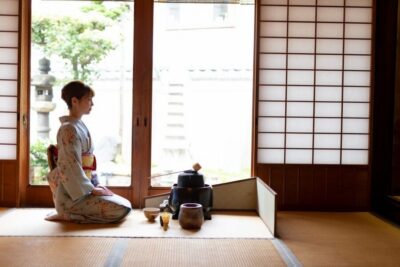
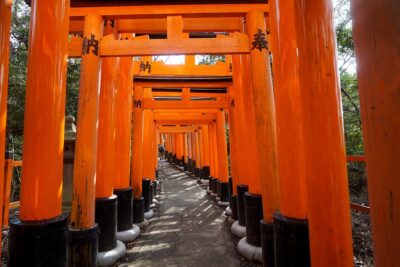
Fushimi Inari Hidden Hiking Tour (Private Option Available)
Read our review →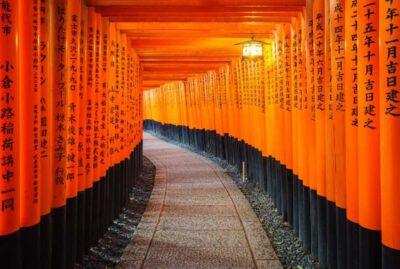
Osaka/Kyoto:Kinkakuji,Arashiyama,FushimiInariShrine,NaraPark
Read our review →
Kyoto/Osaka: Nara, Fushimi Inari Taisha, Arashiyama Bus Tour
Read our review →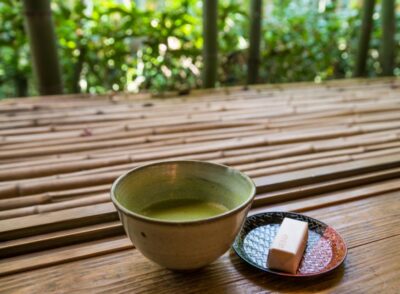
Arashiyama Bamboo, Temple, Monkeys, or Secret Sake Brewery
Read our review →
Arashiyama Bamboo Forest, Monkeys, Matcha & Temple Tour
Read our review →
Osaka/Kyoto: Arashiyama, Nara & Fushimi Inari Shrine w/Lunch
Read our review →Browse the lists this tour appears in