
Reviewed · FOOD & DRINK
Kyoto Nishiki Market & Depachika: 2-hours Food Tour with a Local
Kyoto’s best snacks come with a plan. This 2-hour food tour ties together Nishiki Market and a department-store Depachika, then adds a quiet Shinto pause at Nishiki Tenmangu Shrine. You get a local guide, a set of tastings, and clear routing so you do not spend your time second-guessing stalls and queues.
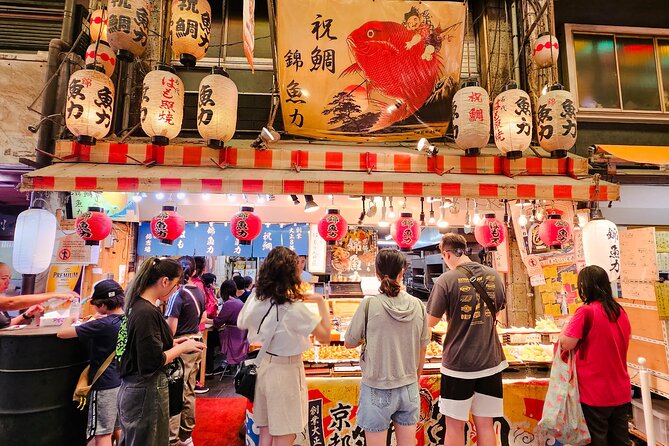
I especially like the way the itinerary mixes old-school street food with modern, easy-to-shop food halls. You start at Daimaru Kyoto’s basement Depachika, then shift into Nishiki Market, often called Kyoto’s kitchen, where you can spot everything from seasonal items to Kyoto specialties and even cookware.
One drawback to keep in mind: for $48, you are paying for guided tasting and navigation more than a long food feast. Also, story depth can vary by guide, so if you care a lot about market history, ask questions early.
Key things to know before you go
- A small group (max 9) makes it easier to keep moving and actually get answers.
- Depachika at Daimaru Kyoto is where you get a modern intro to Kyoto snacking.
- Nishiki Market tastings include yuba and soy milk donut, gyoza, and tempura so you try multiple styles.
- Nishiki Tenmangu Shrine adds a calmer reset after the market crowd.
- Mobile ticket and group discounts can make planning simpler, especially if you are traveling with others.
Nishiki Market and Depachika: Kyoto’s two-part food route
Kyoto food can feel like a lot at once. Nishiki Market alone is packed with stalls and choices that all look good. This tour handles that problem by splitting your time into two clear food zones, each with a different vibe and shopping style.
First you visit the Depachika side at Daimaru Kyoto. Depachika just means the basement food floors in Japanese department stores. They are built for tasting and takeaway. You get a smoother start, and you can sample without getting fully buried in the crush.
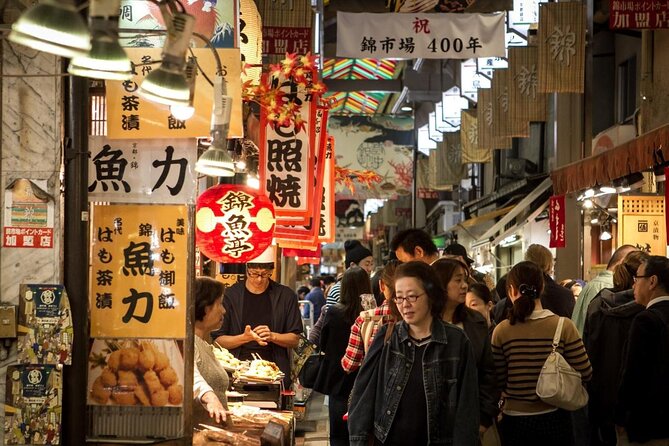
Then you move into Nishiki Market itself. Think of it as Kyoto’s kitchen, an indoor market where locals hunt for ingredients, seasonal treats, and Kyoto staples. It is not just food, either. You can also find produce and specialty goods, plus things like knives and cookware if you want to bring a souvenir that actually gets used.
The best part for me is that you do not just walk through. You have a guide to point out what is worth trying and why, so you can make better choices on the stalls after the tour too.
More Food Tours in Kyoto
- Kyoto Night Foodie Tour in Gion (9+ dishes + 6 Sake tastings)
★ 5.0 · 1,762 reviews - 3-Hour Kyoto Insider Sake Brewery Tour with Tastings & Pairings
★ 5.0 · 917 reviews - Arashiyama Bamboo, Temple, Monkeys, or Secret Sake Brewery
★ 4.8 · 886 reviews
Daimaru Kyoto’s Depachika stop: tastings with an easy entry point
At Daimaru Kyoto, the focus is on the basement food hall experience. The tour stop is about 30 minutes, and the admission ticket for this part is listed as free. That matters, because you are not paying extra to access the food hall environment.
Here is what you can expect to taste as part of the included food-tasting items:
- Yuba sashimi (tofu skin)
- Soy milk donut
- Plus additional tastings later tied to the market
Why those items work for a first stop: they are recognizable enough to be approachable, but still feel distinctively Kyoto and tofu-based. Yuba is all about texture, smooth yet delicate, and it can be served in a way that feels lighter than many fried or seafood-heavy snacks. The soy milk donut is sweet but not just candy-sweet. You get a sense of how Japanese breakfasts and snack culture can lean toward soy flavors and gentle sweetness.
Also, guides tend to do well here because Depachika counters are designed for ordering. Even if your Japanese is basic, you can watch what people choose, ask questions, and get pointers on how to pick what you like.
A small practical note: because this is a department-store basement, it can be busy. The tour structure helps you stay oriented, rather than aimlessly circling the aisles.
Nishiki Market Shopping District: Kyoto’s snack buffet, but with a filter
The main market portion runs about an hour. This is where Nishiki Market earns its reputation. You walk through an indoor corridor of stalls selling seasonal foods, Kyoto specialties, and the kind of ingredients that sound like a cookbook.
The guide’s job here is not just to name items. It is to help you choose efficiently and taste across categories. You are sampling foods tied to Kyoto-style flavors rather than only grabbing whatever looks closest.
Your included tastings during this market time include:
- Nishiki Gyoza
- Uoriki tempura
Gyoza and tempura give you two useful comparisons. Gyoza is savory, usually with a focused, dumpling-style bite. Tempura is about batter and crispness, and it can shift depending on the seafood or ingredient used. Uoriki is part of the tasting list, and the tour gives you a chance to try this style without you having to research a specific shop on your first pass.
This is also where the group size helps. The tour caps at 9 travelers. That is small enough that you are less likely to get separated or left behind when someone asks a question. It also keeps your pace human, even in a dense market.
If you are thinking of returning to Nishiki Market later, this stop is valuable because you learn how to shop there. You will notice which stalls specialize in certain products and which ones feel best for gifts versus quick bites. Afterward, you can go back with a shopping plan instead of browsing until your feet feel like noodles.
Nishiki Tenmangu Shrine: a calm, respectful breath after the food stops
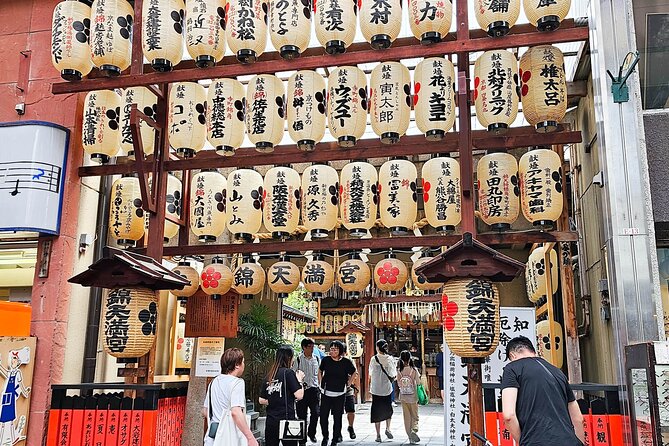
After the market, the tour adds a short visit to Nishiki Tenmangu Shrine, listed at about 15 minutes. Admission is also listed as free.
This is a smart move for two reasons. First, it gives your stomach a short break from constant sampling. Second, it gives you a cultural anchor. Nishiki Market can feel like all energy and food signage. A shrine stop is a different lens, and it helps you slow down.
Nishiki Tenmangu is dedicated to a deity of learning. In practical terms, you are stepping into a quieter space with a different purpose than eating and shopping. Even if you are not a shrine scholar, it is an easy way to feel the rhythm of Kyoto, not just the flavor.
For anyone traveling with kids or teens, this stop also balances the tour. It turns the experience into something more than snacks on repeat.
More Market Tours in Kyoto
- Nishiki Market Brunch Walking Tour (7 Tastings + Brunch)
★ 5.0 · 1,355 reviews - Kimono Tea Ceremony at Kyoto Maikoya, NISHIKI
★ 5.0 · 911 reviews - Kyoto Nishiki Market Food and Culture Walking Tour
★ 5.0 · 412 reviews - Kyoto: Nishiki Market Tea Ceremony with Koto Performance
★ 4.8 · 294 reviews
Meeting point and end location: get your bearings fast
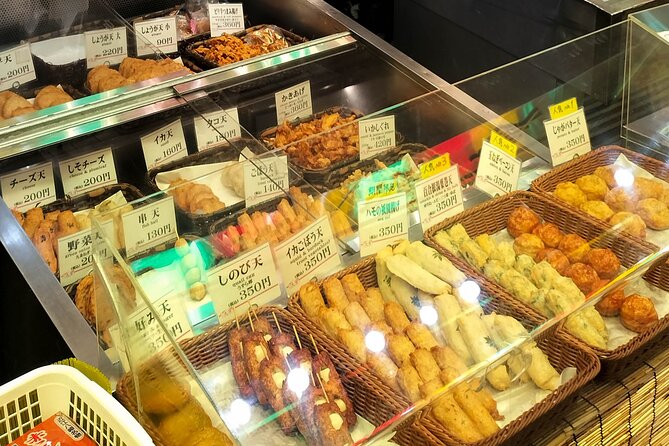
You meet at Apple Kyoto, address 83-1 Tachiuri Nakanochō, Shimogyo Ward, Kyoto, 600-8006. The tour ends at Kyoto-Kawaramachi Station, Kyoto, 600-8001, Shimogyo Ward, Otabichō, 河原町西入真町52. Your guide helps with your next destination, which is helpful when you are trying to connect to buses, subways, or your next neighborhood.
One more practical thing: the tour is near public transportation, which matters in Kyoto. If your schedule is tight, easy access reduces friction and stress.
If you are the type who hates scrambling at the start, arrive a few minutes early. The meeting point is clearly identified, but Kyoto foot traffic can still be chaotic.
What’s included in the $48 price, and why it can be good value
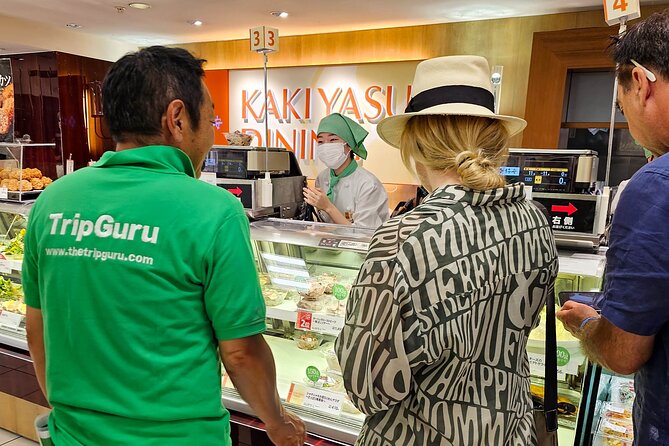
At $48 per person for about 2 hours, you are paying for four things:
- A local guide in your selected language
- Guided food-tasting items
- A structured route through market and Depachika
- Small-group management (maximum 9)
Let’s put value in real terms. The included tastings you are guaranteed include yuba sashimi plus soy milk donut, plus Nishiki gyoza and Uoriki tempura. That is a concrete, predictable outcome. You are not relying on guesswork or spending the whole time deciding what to buy.
You also get the guide’s shortcut to better choices. That can be worth a lot in Nishiki Market, where everything is tempting and some stalls are better than others depending on what you want to carry home.
There is also the sanity factor. A market tour is not only about food. It is about learning how to navigate and shop. If you plan to return to Nishiki Market later, your guided first pass can pay off quickly.
That said, do not expect an all-you-can-eat style. One of the key critiques in the feedback is that some people wanted more food for eating. This tour still includes set tastings, so you know what you will get. But if your main goal is to leave full, you might want to plan an extra meal or an additional stop after the tour.
Group size, pacing, and how flexible the experience can feel
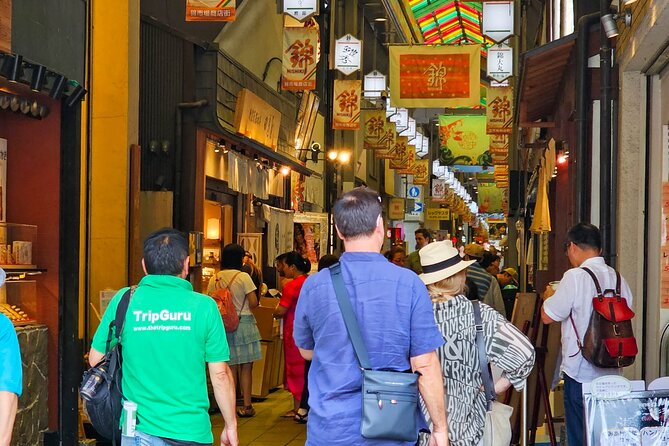
This is a maximum 9 traveler group. In practice, that usually means you keep a steady flow without long waits at every stall. The itinerary has three clear segments, roughly 30 minutes, 1 hour, and 15 minutes, totaling about 2 hours.
Flexibility shows up in how the guide steers you. Several guides are described as patient and willing to help guests choose based on taste. That is useful because not everyone wants the same intensity. Some people like adventurous flavors; others want safe savory bites. Having a guide who can adjust your tastings and pacing, while still keeping you on schedule, is a real advantage.
If you are traveling with teenagers, this structure tends to work well. One family-friendly note in the feedback is that it was a good length for younger groups. A two-hour window is often the sweet spot in Kyoto food experiences, long enough to learn, short enough to keep energy up.
Which guide style will match you best?
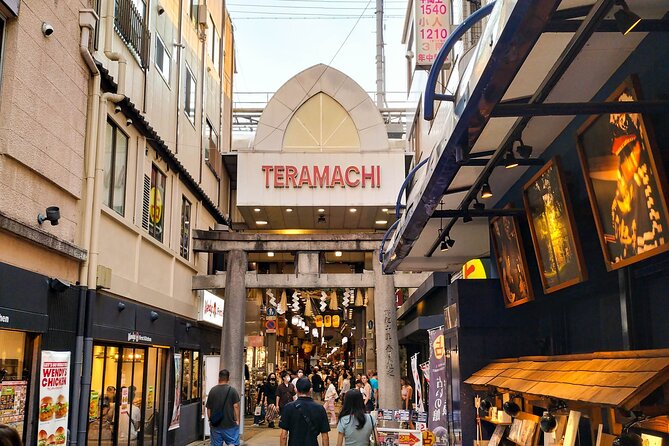
The guide names mentioned across feedback include Jasmine, Boris, Mao, Alex, Brooke, Kats, Ai, and others. You may not get the exact same guide every time, but the pattern tells you something important about fit.
Highly praised guide traits include:
- Clear, accurate directions to the meeting point
- Patient explanations of dishes and how to interpret what you are seeing
- Help choosing items based on your tastes
- Showing both food and customs, not only listing what to eat
There is also one fair concern that came up: some guides may not spend as much time explaining market history or differences between foods. If you care about context, ask early for a bit more story and comparisons. A quick question like what makes Kyoto versions different from Osaka or Tokyo helps your guide aim their explanations.
Think of it like this: you are buying taste plus guidance. Most guides do both well, but you should still speak up if you want deeper history.
Handy post-tour plan: how to use what you learn
When the tour ends at Kyoto-Kawaramachi Station, you are well placed to continue exploring. More importantly, you now know where to spend time if you return to Nishiki Market.
Use this tour as your shopping map:
- Identify a few stalls that feel right for gift purchases versus quick snacks.
- Remember the flavor types you liked best on the tastings. If you loved tempura crunch, go back for variations. If gyoza was your favorite, look for sauces and similar formats.
- If you are tempted to buy cookware or knives, use your guide’s pointers during the market hour so you do not overspend on something you did not need.
Kyoto markets reward focused browsing. Now you will browse with purpose.
Should you book this Nishiki Market and Depachika food tour?
Book it if you want a guided, time-efficient way to try Kyoto food without getting overwhelmed. The included tastings (yuba sashimi, soy milk donut, Nishiki gyoza, Uoriki tempura) are a strong start, and the pacing makes it manageable even in a busy market.
Skip it or consider pairing it with extra food if:
- Your main priority is eating lots of food, not guided discovery. This tour is better for tasting and learning than for leaving stuffed.
- You want heavy historical storytelling. If that is your top goal, ask your guide for more context right away.
If you are on a first trip to Kyoto or you want an easy “food orientation” experience, this is a very solid choice. You get the two most useful food settings in one go, plus a calm shrine stop to reset your brain between snacks.
FAQ
Where is the meeting point for the tour?
You meet at Apple Kyoto, 83-1 Tachiuri Nakanochō, Shimogyo Ward, Kyoto, 600-8006.
Where does the tour end?
The tour ends at Kyoto-Kawaramachi Station.
How long is the Kyoto Nishiki Market and Depachika tour?
It runs about 2 hours.
What food-tasting items are included?
The included tastings are yuba sashimi (tofu skin) and soy milk donut, plus Nishiki gyoza and Uoriki tempura.
Are tastings included in the price?
Yes. Food-tasting items are included as part of the tour.
Is hotel pickup or drop-off included?
No, hotel pickup and drop-off are not included.
How large is the group?
The tour has a maximum of 9 travelers.
Is the tour guided in different languages?
Yes. You get a tour guide of your selected language.
Can I cancel for a full refund?
Yes. You can cancel up to 24 hours in advance for a full refund. Canceling less than 24 hours before start time is not refunded.
More Shopping Tours in Kyoto
- Nishiki Market Lunch Tour
★ 5.0 · 47 reviews - Nishiki Market Food Tour with Cooking Class
★ 4.9 · 42 reviews - Kyoto Nishiki Market Tour
★ 5.0 · 32 reviews - Golden Pavilion, Nijo Castle, & Nishiki Market Half day tour
★ 5.0 · 29 reviews
More Markets in Kyoto
- Kyoto: Nishiki Market Brunch Walking Tour-7 Tastings+Brunch
★ 4.8 · 197 reviews - Kyoto: Local Food Tasting Tour at the Nishiki Market
★ 4.7 · 135 reviews - Kyoto: Nishiki Market and Depachika Food Tour with a Local
★ 4.7 · 76 reviews - Kyoto: Nishiki Market Tour with a Local Foodie & Tastings
★ 4.5 · 67 reviews
Fresh options around Kyoto
- Kyoto Gion Photoshoot – Private Session | Pro Photographer★ 5.0 · 12 reviews
- Kyoto Aquarium Admission Ticket★ 4.7 · 12 reviews
- Gyoza Cooking Class in Kyoto: Traditional Japanese Dumplings★ 5.0 · 12 reviews
- Kyoto: Guided Food Tour with 12 Dishes & 3 Drinks★ 5.0 · 12 reviews
- Kyoto: Avoid the Crowds at the Hidden Gems of Arashiyama★ 4.9 · 13 reviews
- Kyoto Early Bird English Tour: Gion & Higashiyama(Private opt)★ 5.0 · 13 reviews
- Otsu-e Folk Art Workshop & Local Culture Walk Near Kyoto★ 5.0 · 13 reviews
- Kyoto, Osaka, Nara Full Day tour by Car English speaking Driver★ 3.5 · 13 reviews
Food & Drink, compared.
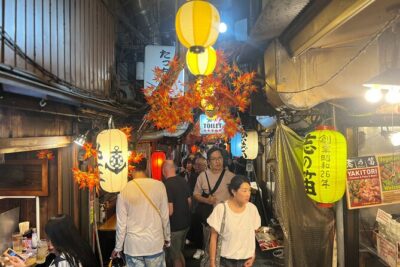
Shinjuku Food Tour (13 Dishes at 4 Local Eateries)
Read our review →
Tokyo Tsukiji Fish Market Food and Culture Walking Tour
Read our review →
Shinsekai Food Tour with 13-15 Dishes at 5 Eateries
Read our review →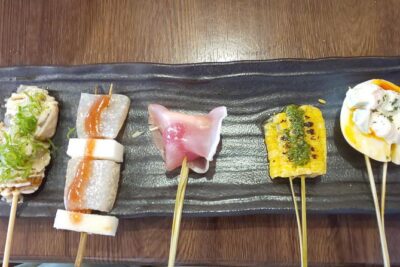
Osaka Food Tour: 13 Dishes at 5 Local Eateries
Read our review →
Shinjuku Food Tour (15 Dishes and 4 Eateries)
Read our review →
Best of Shinjuku: Izakaya Food Tour (4 Stops, 14+ Tastings)
Read our review →
Kyoto Night Foodie Tour in Gion (9+ dishes + 6 Sake tastings)
Read our review →
Hungry Osaka Street Food Tour:15 Tastings & 3 Drinks with a Local
Read our review →Browse the lists this tour appears in