
Reviewed · COOKING CLASSES
Kyoto: Morning Japanese Bento Cooking Class
Kyoto wakes up fast, and so does your appetite. This hands-on morning Japanese bento cooking class is interesting because you cook a real set of dishes into one tidy lunch box, not just learn a recipe you never touch. I especially love the focused English instruction and the way the chefs walk you through the tricks for shaping and finishing bento food. One thing to plan for, though, is that there is no hotel pickup, so you’ll want to be ready to get yourself to Cooking Sun on time.
What makes it feel truly “Kyoto” is that the class treats bento like culture, not a food gimmick. You learn what bento is, where it comes from, and why Japanese lunches often look so neat and deliberate. I also like that the class is built for results in a short window, since you’re making multiple dishes and eating them right after.
Key Points To Know Before You Go
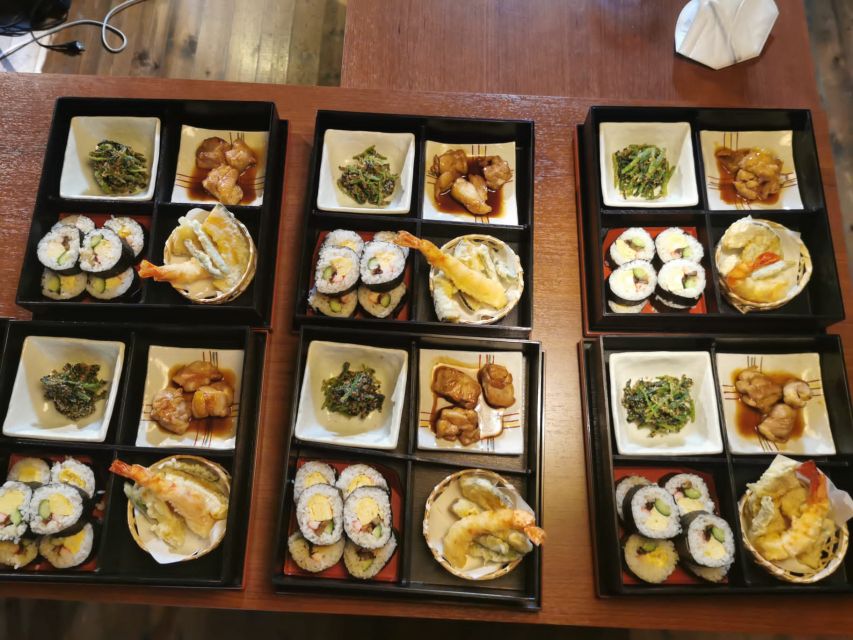
- Bento box cooking with real dishes like sushi, tempura, teriyaki chicken, and miso soup
- English-speaking chefs who explain steps clearly and keep the pace friendly
- Small-group energy that makes it easier to ask questions and learn techniques
- Ingredients and tools provided, plus apron and utensils, so you can travel light
- Dietary swaps are possible when you tell the team your needs in advance
- You eat what you cook, turning “lesson time” into a satisfying lunch
A Bento Box Morning in Kyoto That Feels Like Skill, Not Stunt
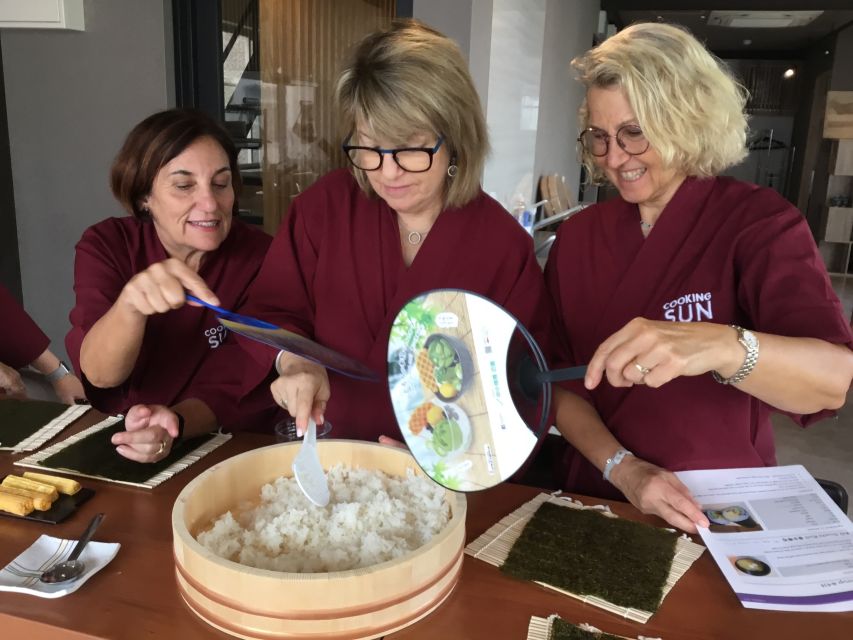
A good cooking class makes you better, not just full. In Kyoto, this morning bento experience hits that sweet spot because it’s hands-on and structured, with you actually assembling a lunch that looks like it belongs on a Japanese train platform or office desk.
I like that the focus isn’t on fancy chef theater. It’s on practical technique: how sauces come together, how ingredients get portioned, and how cooked items get arranged for that classic bento look. Reviews also point out something important for real life: a lot of the food prep is already handled for you, so it’s not a knife-skills class where you spend the whole time fumbling with equipment you don’t own.
If you want a food activity that feels authentic and useful after your trip, this is the kind of class that gives you more than photos. It gives you a repeatable meal.
More Cooking Classes in Kyoto
- Ramen Cooking Class at Ramen Factory in Kyoto
★ 5.0 · 1,937 reviews - Kyoto: Ramen Cooking Class at a Ramen Factory with Souvenir
★ 4.9 · 532 reviews - Kyoto: Ramen, Gyoza, and Onigiri Cooking Class
★ 5.0 · 445 reviews
Cooking Sun Meeting Point: Plan Your Arrival Like a Chef
You meet at Cooking Sun, Funayacho, Shimogyo Ward, Kyoto 600-8466. There’s no hotel pickup or drop-off, so you’ll want to schedule this like an appointment. If you’re staying near central Kyoto, it’s usually easiest to go straight to the address and build in a little buffer for getting your bearings.
Also, this is a morning class, so think of it as part of your daily rhythm. You’ll likely want breakfast timing that keeps you comfortable while you cook, but you also won’t be hungry at the end because lunch is included.
What I find helpful is that the class starts with getting you set up: you collect ingredients, apron, and utensils when you arrive. That means you avoid the awkward, late-start feeling you sometimes get in activities where everyone is still finding the kitchen at the last minute.
What You Cook: Sushi, Tempura, Teriyaki Chicken, and Miso Soup
The headline dishes are clear: sushi, tempura, teriyaki chicken, and miso soup. That’s a strong mix because it covers different Japanese flavors and textures in one bento box meal.
Here’s why that matters. When you learn just one dish, you only gain one skill. But with this combination, you learn how to balance:
- Something vinegary and fresh (sushi)
- Something crisp (tempura)
- Something sweet-salty and comforting (teriyaki chicken)
- Something soothing and savory (miso soup)
Based on how classes are described, you may also make additional bento components or variations so your box feels complete. The key idea stays the same: you’re not just cooking random items. You’re building a bento lunch where each element fits together.
And tempura and sushi both have reputations. So even if you’ve eaten them in Kyoto a dozen times, making them yourself gives you a different appreciation for how much technique is actually in that “simple” bite.
How the Class Works in 3 Hours: Demo, Then You Make It
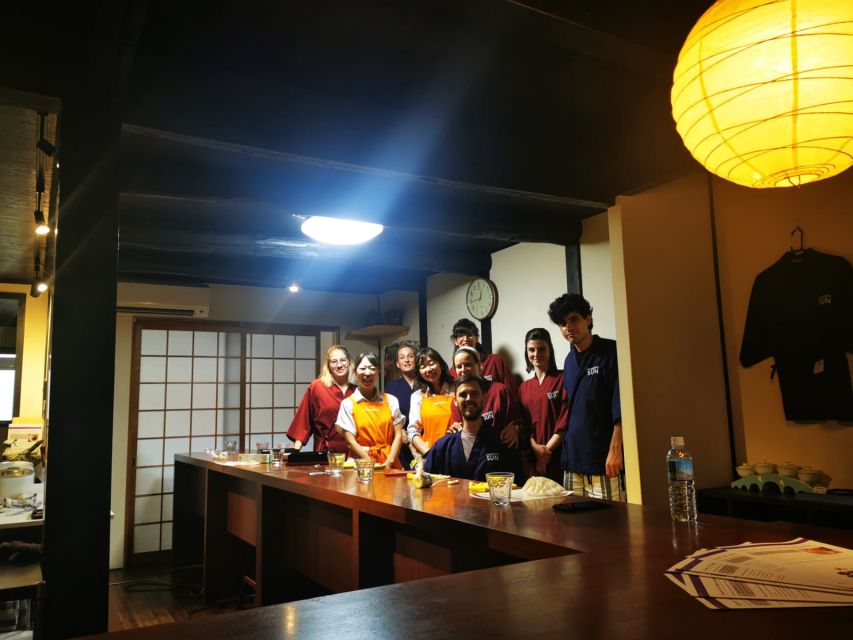
This is a 2.5 to 3 hour class, depending on the session, and the structure is designed to keep momentum. Most people love it because you don’t spend the whole time watching. You watch, you practice, you assemble.
You’ll follow the chef demonstrations and get explanations of the “bento tricks” that make the food look right and taste right. Expect guidance that covers:
- Handling and finishing ingredients so they hold up for the lunch format
- Timing so dishes don’t all finish at once, leaving you waiting
- Practical steps to assemble a box so it looks neat when it’s done
A useful detail from prior participants is that ingredients are often already prepped. That’s great news if you’re traveling and don’t want to treat the class like a full-on home-cooking boot camp. The point here is learning technique and decision-making, not chopping everything from scratch.
Pacing also seems to be a strength. Multiple instructors are part of the setup in many sessions, and that helps when you need reassurance. People have said directions are clear in English and that the chefs are patient, including when teaching teenagers and kids.
Same corner of Japan, a different kind of day:
- PERFECT KYOTO 1-Day Bus Tour
★ 5.0 · 13,518 reviews - Kyoto: Fushimi Inari, Kinkakuji, Bamboo Grove 1 Day Bus Tour
★ 4.8 · 4,316 reviews - Kyoto: Tea Ceremony in a Traditional Tea House in Kiyomizu
★ 4.9 · 3,519 reviews - Kyoto Geisha Walking Tour: Gion District & Hidden Gems
★ 4.7 · 3,273 reviews
Learning the Bento Story While You Cook
Bento isn’t just food in a container. In Japan, it’s a daily habit with cultural meaning: convenience, care, and presentation. This class explains bento’s background, tracing it back to the late Kamakura period (1185 to 1333). You don’t need to know history to enjoy the class, but it helps the meal feel more intentional once you’re building your own box.
You also learn why bento boxes tend to include multiple flavors and textures. It’s not random variety. It’s a way of creating a balanced meal that stays satisfying, even when eaten away from home.
That cultural framing changes how you cook. Instead of treating dishes separately, you start thinking like a bento maker: how each piece fits into the whole and how the lunch looks as a finished product.
Lunch You Can Actually Eat: Bento Box Results, Not Just Theory
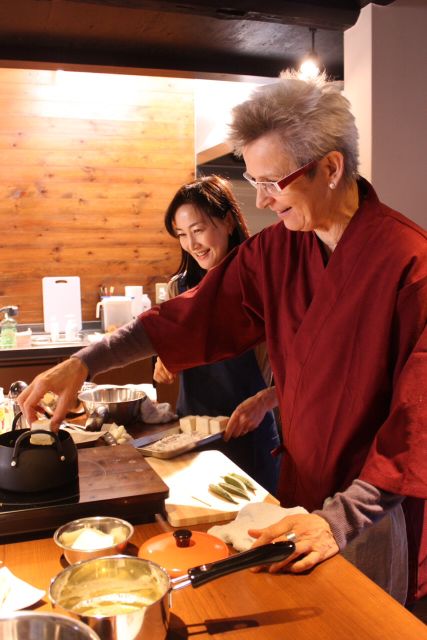
The best part of any cooking class is the part after you cook. Here, you tuck into your bento lunch right after finishing.
Because you’re making a full set of items, lunch feels like a complete meal, not a snack. Reviews specifically call out that the resulting lunch is excellent, with people describing it as delicious and satisfying. Another strong point is that the class accommodates dietary needs when you share them ahead of time. People have reported no-shellfish options and vegetarian versions, which matters if your choices are limited.
There’s also a nice “human” touch that comes through in feedback. Chefs sometimes take photos or videos during the cooking process without making you ask for it. That’s handy in a class where your hands are busy, and you don’t want to turn it into a self-filming project.
You’ll leave with a bento meal you understand. And when you’re full, learning sticks better.
Price and Value: Why $67 Can Make Sense for Kyoto
At $67 per person for about three hours, this class isn’t trying to be the cheapest thing on your Kyoto list. It is, however, priced like an experience that includes real materials and a real meal.
What you get included is the big value story:
- Cooking class instruction
- Ingredients
- Apron and utensils
- Lunch
If you’ve done other food activities, you know how often you pay for a tasting that barely covers one small dish. Here, your lunch is the output. You’re also learning multiple techniques, not just sampling. That makes it easier to justify the cost if you want something you can recreate at home.
A bonus value angle is that many people leave with written recipes. That turns today’s lunch into future meals, assuming you can find similar ingredients. Prior participants even mention tips for sourcing ingredients when you’re back in your own kitchen.
Bottom line: if you like cooking, this price is easier to swallow. If you mostly want wandering and eating, it might feel more structured than you want.
English Instruction and Small Groups: What That Means for You
This class is taught in English. In practice, that means you can actually follow what matters: why a step happens, not just the step itself. People repeatedly mention the clarity of the instructors and the helpful pacing.
Group size also seems intentionally small. Feedback includes groups around 4 to 8 people, and sometimes fewer. That matters because you’re not waiting your turn forever or repeating questions to a silent room. Smaller groups also support hands-on coaching, especially for students who are not confident in the kitchen.
If you’re traveling with family, this kind of format can work well. Reviews mention that instructors were patient with teenagers and that kids participated and enjoyed the cooking. So even if your cooking skills are basic, you’re not walking into a competitive environment.
One small consideration: a person did mention they wanted more individual interaction. If you’re the type who learns best through one-on-one feedback, you may want to go with the expectation that group dynamics can limit deep personal coaching. Still, English explanations and multiple instructors often help close that gap.
Dietary Needs, Ingredients, and Home-Cooking Reality
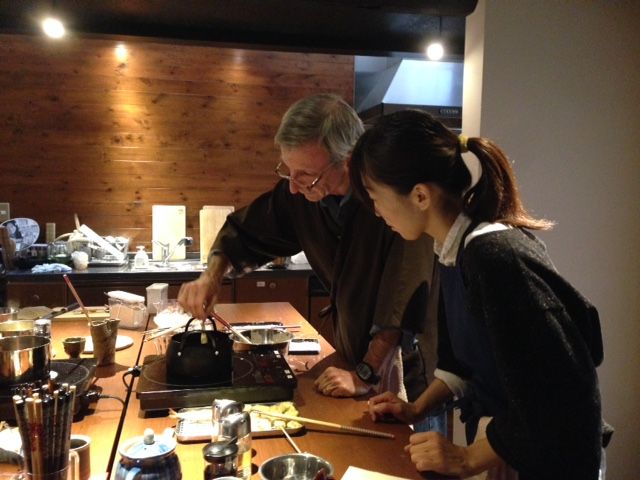
You can and should advise dietary requirements when booking. That’s not just a checkbox. It shapes what ends up in your bento box, and past participants have reported adjustments like no-shellfish meals and vegetarian options.
What I like about the class setup is that it removes friction. You’re provided with the apron and utensils, and ingredients are handled in a way that supports a smooth class. That helps if you don’t want to haul kitchen gear through Kyoto.
Also, don’t expect this to be “knife skills first.” Ingredients are often already prepped, so you focus on cooking technique and assembly. For many visitors, that’s the right trade. You spend less time struggling with prep and more time learning decisions that you can repeat later.
When you go home, you’ll likely need to adapt to what you can find locally, but the written recipes and the sourcing advice (mentioned in feedback) make that process less mysterious.
Who Should Book This Kyoto Bento Class
This experience is a great fit if you want:
- A hands-on Kyoto activity with tangible results
- Cooking practice that’s doable after the trip
- A meal that includes multiple Japanese flavors in one box
- English instruction and a friendly class pace
It’s also ideal for couples, solo travelers, and small families who prefer structured experiences. If you hate long museum days but still want something authentic, this hits that middle ground.
I’d be slightly more cautious if you want a mostly observational experience. This is cooking. You’ll be working. And if you’re extremely sensitive to timing or multitasking in the kitchen, you may want to mentally prepare for steady activity for about three hours.
Should You Book This Kyoto Morning Bento Class?
If you like food enough to learn it, yes, book it. The combination of sushi, tempura, teriyaki chicken, and miso soup, plus lunch that you make yourself, is a strong value play. I’d especially recommend it if you want something practical from Kyoto, not just a one-time taste.
Two final decision helpers:
- If you can see yourself cooking at home, written recipes and ingredient tips are a big payoff.
- If you’re traveling as a group and want everyone to participate, small-group instruction and hands-on cooking make it feel inclusive.
FAQ
How long is the Kyoto Morning Japanese Bento Cooking Class?
The class lasts about 3 hours.
What dishes will I learn to make?
You will learn how to make sushi, tempura, teriyaki chicken, and miso soup.
Is lunch included?
Yes. Lunch is included, and you eat the bento box you make.
Is hotel pickup provided?
No. You get to the meeting point on your own.
Is the instructor English-speaking?
Yes, the instructor is English-speaking.
Are ingredients and cooking tools included?
Yes. Ingredients are included, along with an apron and utensils.
Can the class accommodate dietary requirements?
You can advise dietary requirements when booking. There are reports of no-shellfish versions and vegetarian options.
Do I get recipes to take home?
Yes. Participants mention that written recipes are provided.
Is the class wheelchair accessible?
Yes, it is wheelchair accessible.
Fresh options around Kyoto
- Kyoto Aquarium Admission Ticket★ 4.7 · 12 reviews
- Kyoto Gion Photoshoot – Private Session | Pro Photographer★ 5.0 · 12 reviews
- Gyoza Cooking Class in Kyoto: Traditional Japanese Dumplings★ 5.0 · 12 reviews
- Kyoto: Guided Food Tour with 12 Dishes & 3 Drinks★ 5.0 · 12 reviews
- Kyoto: Avoid the Crowds at the Hidden Gems of Arashiyama★ 4.9 · 13 reviews
- Kyoto Early Bird English Tour: Gion & Higashiyama(Private opt)★ 5.0 · 13 reviews
- Otsu-e Folk Art Workshop & Local Culture Walk Near Kyoto★ 5.0 · 13 reviews
- Kyoto, Osaka, Nara Full Day tour by Car English speaking Driver★ 3.5 · 13 reviews
Cooking Classes, compared.
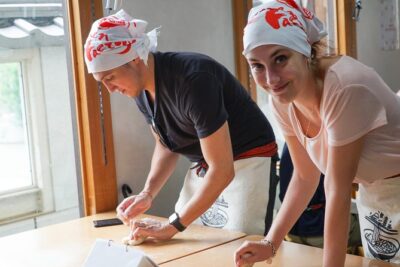
Ramen Cooking Class at Ramen Factory in Kyoto
Read our review →
Ramen & Gyoza Cooking Class in Tokyo with Local Supermarket Visit
Read our review →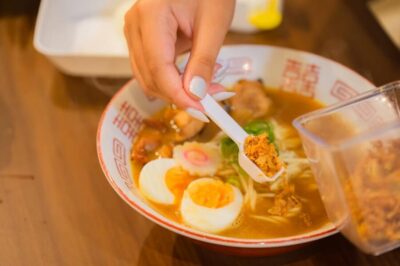
Ramen Cooking Class at a Ramen Factory with Souvenir
Read our review →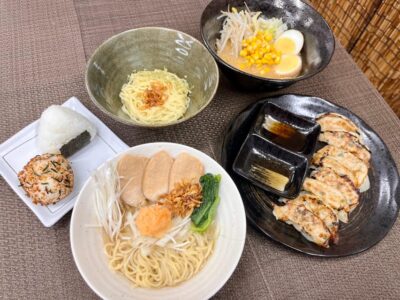
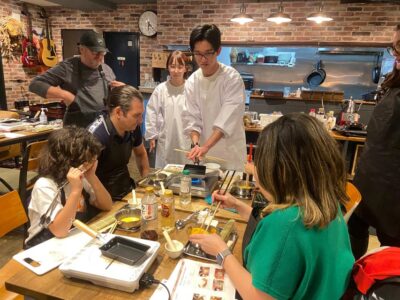
Japanese Washoku Bento Small Group Cooking Class
Read our review →
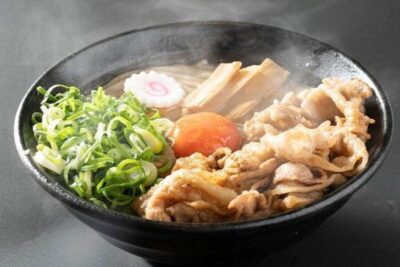
Easy Ramen Cooking Experience in Kabukicho, Shinjuku
Read our review →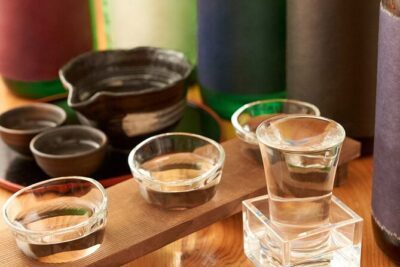
Ramen and Sushi Cooking Class with Sake Pairing Set in Tokyo
Read our review →Browse the lists this tour appears in