
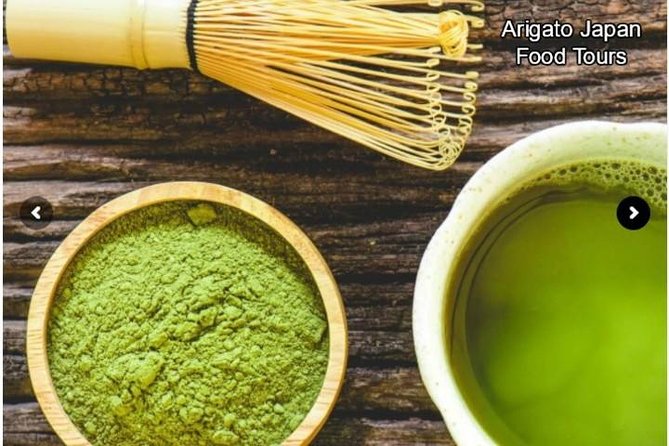
Reviewed · TEA CEREMONIES IN KYOTO
Kyoto Matcha Green Tea Tour
Uji is Kyoto’s matcha shortcut. This 3-hour tour in Honshu pairs world-famous tea culture with real street-level exploring, guided by English narration and hands-on tastings. I like that you get multiple food stops plus matcha-making (not just sipping), and I especially like the way Uji’s landmarks and tea shops connect to everyday rituals. One thing to consider: the pace is organized and structured, so if you want lots of free roaming from the start, you may feel a bit guided rather than spontaneous.
You’ll meet at Keihan Uji Station, not JR Uji Station, and the tour departs right after a tight check-in window. Because there’s no hotel pickup and transportation costs are on you, plan your arrival early and keep your route simple. The upside is that this keeps the group efficient and lets the experience pack a lot of Uji into 3 hours.
Key Highlights I’d Pencil In
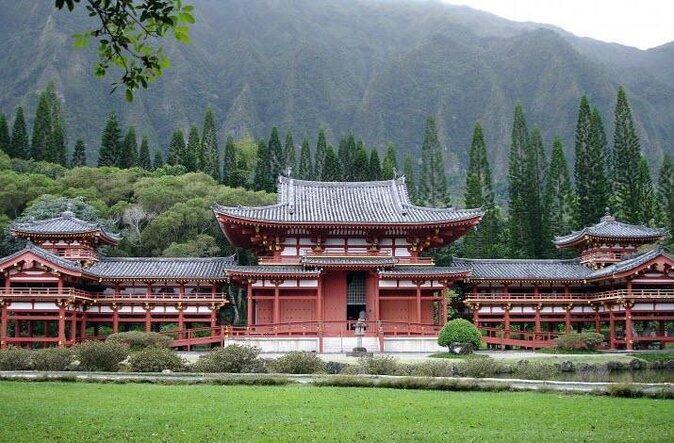
- Uji, matcha’s home base, with temple and shrine stops in the tea district
- Matcha making and tasting, plus the moment where it clicks in your mouth
- Wagashi sweets and matcha ice cream, so you get the flavor story in multiple forms
- Food stops that go beyond desserts, including a soba lunch by the river area
- Small group size (max 8), which means more questions for guides like Karim, Miki, and Raquel
- Shopping time at the end, so you can bring matcha and treats home
Entering Uji’s Matcha Country in Just 3 Hours
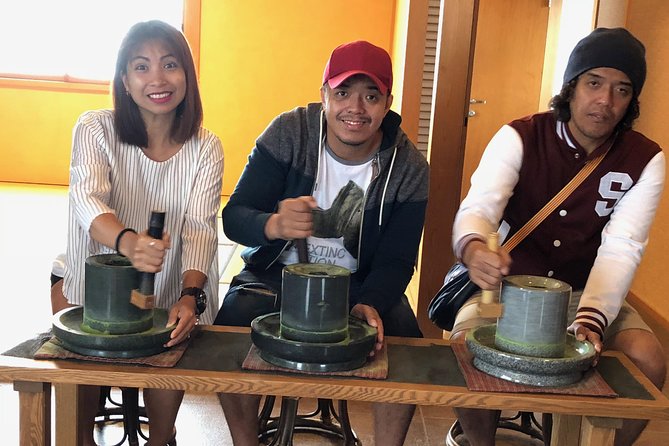
Uji is not Kyoto, but it feels like it should be. It’s quieter, more local, and it actually makes sense when you learn how matcha goes from tea leaf to cup. In a short 3-hour window, this tour focuses on the essentials that explain why matcha matters here, not just what it tastes like.
What I like is the balance between walking and doing. You’re not only looking at sights, you’re also eating and participating. The experience is built around Uji’s tea identity, with temple and shrine areas plus tea shops and tasting moments that turn matcha from an ingredient into a ritual.
More Tea Ceremonies in Kyoto
- Kyoto: Tea Ceremony in a Traditional Tea House in Kiyomizu
★ 4.9 · 3,519 reviews - Kyoto: Tea Ceremony Ju-An at Jotokuji Temple
★ 4.9 · 3,207 reviews - Kyoto: 45-Minute Tea Ceremony Lesson Experience
★ 4.3 · 2,378 reviews
Meeting at Keihan Uji Station, and Why That Matters
Logistics can make or break a short tour, and this one is tightly run. You’ll meet at the entrance of Keihan Uji station (宇治駅), and the big detail is that it is not JR Uji station. It’s located at Otsukata Uji, Kyoto 611-0021.
A practical heads up: your guide will be holding a sign, and they can only wait an additional five minutes after the starting time. After that, the tour departs. Once the tour begins, they cannot provide directions or be contacted by phone. So you want to arrive early, confirm the station name, and get your bearings fast before you meet the group.
This also means you should plan your own way to Uji. Uji is about 40 minutes from Kyoto City, but transportation costs and hotel pickup are not included. If you’re staying in Kyoto, give yourself extra time for trains and transfers so you’re not sprinting at check-in.
Uji World Heritage Walks: Temples, Shrines, and Tea Town Streets
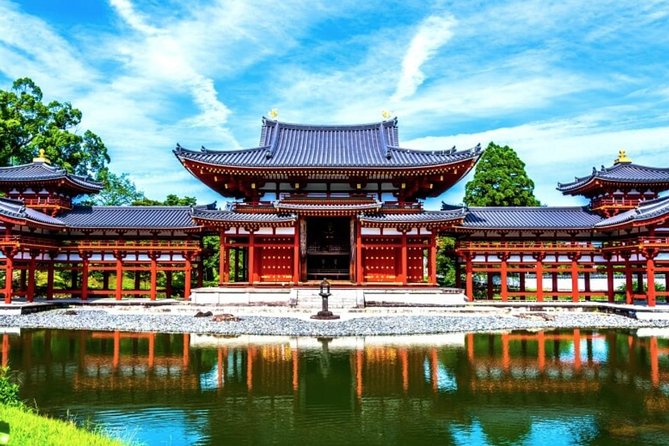
The walking portion is where Uji starts to feel real. The tour is designed around Uji’s World Heritage sites and the surrounding tea district, not just random photo stops. You’ll hear stories about Uji’s past and the characters who shaped it, then connect those stories to what you see today in streets and shops.
One stop that shows up clearly in the experience is Byodoin Temple, often described as beautiful. Another is a shrine that some guests found especially meaningful and historical, with a practical note that you may get help with shrine etiquette. In one case, a guide even supported a guest who wanted to pick up a goshuin stamp, which is a nice reminder that you’re not just passing through, you’re visiting.
Because the group size is limited to 8, the walk does not feel like you’re being pushed through a crowd. Instead, you can ask what a landmark means or how people typically participate. If you care about the “why” behind the scenery, this kind of guided context is a big part of the value.
The Food Stops That Make Matcha Click
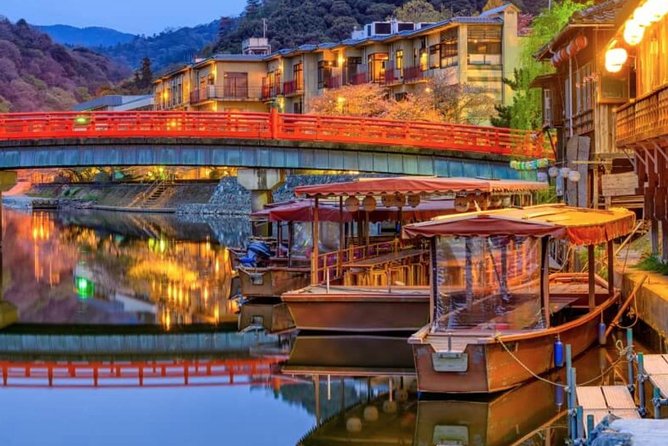
This tour doesn’t treat food as an add-on. You get a variety of dishes at multiple food stops, and matcha shows up in more than one form. That’s important, because matcha can taste very different depending on how it’s prepared and paired.
A standout for many people is a soba lunch, including versions that feel tied to the river area atmosphere. The tour also includes local treats alongside the tea experience, so you’re not stuck with only one flavor profile for the whole half-day.
The best part is that your meal and your tea education reinforce each other. When you taste matcha in different formats during the walk, you start to notice texture and intensity, not just sweetness. And then, when you make your own matcha, it stops being mysterious.
Same corner of Japan, a different kind of day:
- PERFECT KYOTO 1-Day Bus Tour
★ 5.0 · 13,518 reviews - Kyoto: Fushimi Inari, Kinkakuji, Bamboo Grove 1 Day Bus Tour
★ 4.8 · 4,316 reviews - Kyoto Geisha Walking Tour: Gion District & Hidden Gems
★ 4.7 · 3,273 reviews - Kyoto: Gion Magical Night Walking Tour with Geisha Trivia
★ 4.9 · 2,393 reviews
Matcha Making Class: What You Actually Learn
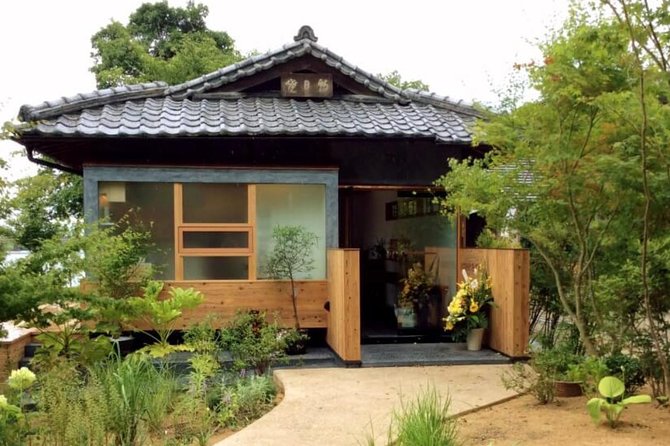
Hands-on matcha making is the core payoff. This isn’t just watching someone whisk. You’re given a real matcha experience with matcha making featured as part of the tour, and the goal is that you understand what makes a good cup and why technique matters.
From the way guests talk about it, the “click moment” is the transition from plain tea leaf knowledge to tasting and texture. Matcha can feel thick and velvety when it’s prepared well. During the class and tasting, that texture becomes part of how you judge quality, not just how it tastes.
You also get to connect practical steps to the culture. Guests highlight that guides explain how teas differ and how to approach shrine visits respectfully. Even small details like how to participate at a shrine become part of the overall learning, because Uji is a place where daily habits and traditions share space with major landmarks.
Wagashi Sweets and Matcha Ice Cream Stops
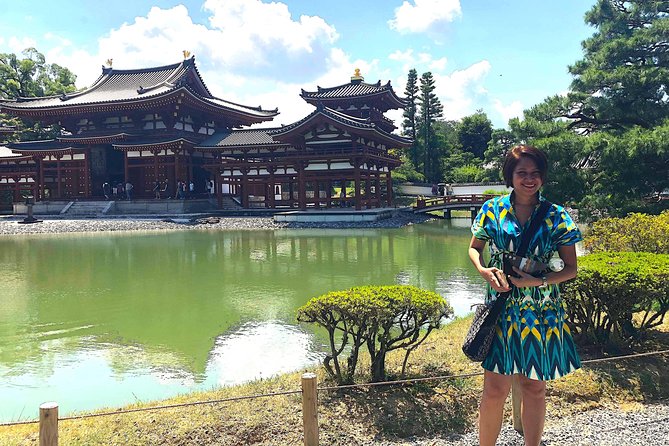
If matcha is your main character, wagashi and matcha ice cream are the supporting cast that keeps it fun. The tour includes wagashi sweets and matcha ice cream, both specifically called out as featured.
Why this matters: it gives you contrast. Some sweets emphasize balance and subtlety, while ice cream pushes matcha into a creamy, dessert-friendly direction. When you try them within the same tour experience, you stop thinking of matcha as only one flavor. You start understanding it as a versatile ingredient that can be light, strong, or softly rounded depending on preparation.
It also breaks up the schedule nicely. After walking through temples and tea shops, the sweetness and cold treat give your taste buds a reset. That way the final tea tasting feels like a finish, not a repeat.
Your Guide Makes the Difference: Karim, Miki, Raquel, and Jamelah
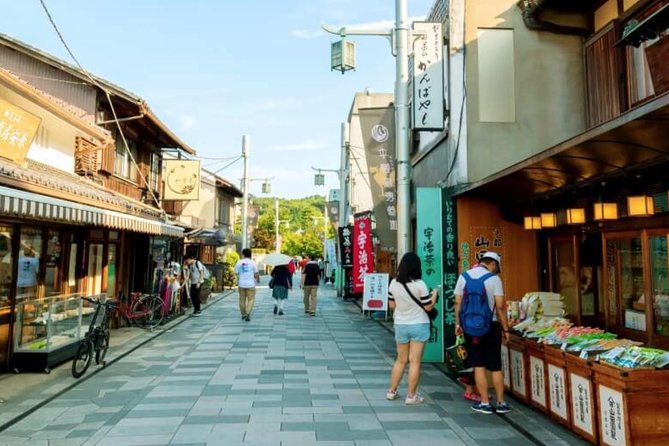
Small-group tours live or die by the guide. Here, the guide team is clearly a strength, and you’ll hear English narration that helps you follow the stories behind Uji’s landmarks.
From the names that come up often, you might be guided by people like Karim, Miki, Raquel, Jamelah, or Thomas. While every guide has their own style, the pattern is consistent: they explain what you’re seeing, answer questions, and keep things moving at a relaxed pace.
A few concrete examples from the experience descriptions:
- Guides adjust based on interests, so if you ask questions, you tend to get more meaningful answers.
- Guides can help with language support, including multilingual abilities in some cases.
- Guests appreciated that guides made sure they were fed properly, with stops that felt planned rather than rushed.
If you like tours where you can talk back, this one is set up for it. With a max group of 8, you’re less likely to feel invisible.
Shopping Time: Buying Matcha Without Overthinking It

At the end, there’s shopping time. This is a practical finish because you’ll leave knowing what you like, not just what you think you should buy.
Since the tour includes matcha tasting and matcha making, you’re in a better position to choose what to take home. Look for matcha products that match what you enjoyed during tasting, and don’t be shy about asking how it’s different when you’re standing in a tea shop.
Also, shopping time at the end helps you avoid the common problem of losing your place during earlier stops. You get to walk, eat, learn, then buy at a sensible time.
Drinking Age Note and What It Means for Planning
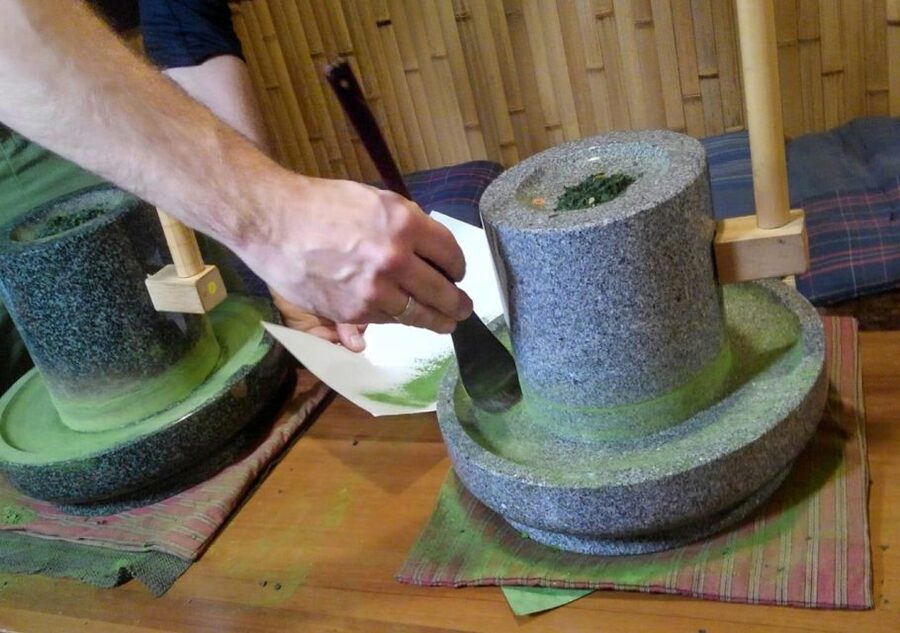
The tour lists a minimum drinking age of 21 years. The tour is centered on matcha tasting and tea culture, but since the info explicitly states an age rule, it’s safest to assume any adult beverages tied to the program follow that requirement.
If you’re traveling with a younger group member, also note that unaccompanied minors are not allowed. Children must be accompanied by an adult. So plan your party accordingly.
Who This Tour Fits Best
This is a great fit if you want more than a photo walk. You’ll like it if:
- You care about how traditions work, not only what buildings look like
- You want to taste matcha in multiple forms, then make it yourself
- You prefer small groups and English guidance
- You’re staying in Kyoto and want an efficient half-day plan in Uji
It may be less ideal if you want an entirely self-guided day. This tour has structure and multiple stops, and the check-in window is strict. You’ll get some free time to roam at the end, but the earlier portion is planned for a reason.
Price and Value: Is $173 Worth It?
At $173 per person, this isn’t the cheapest thing you can do around Kyoto. But in a 3-hour period, the included items are doing real work: variety of dishes at multiple food stops, matcha tasting, matcha making, wagashi sweets, and matcha ice cream, plus shopping time.
Here’s the value logic I use for a tour like this:
- If you were to buy matcha tastings and take a class independently, the cost often stacks up fast.
- Add in temple and shrine access experience, guided narration in English, and food stops, and the price starts to look more reasonable.
- Small group size helps too, because it’s not just “a class,” it’s a guided food and culture circuit.
You also avoid some hassles. Hotel pickup and transportation aren’t included, but the meeting plan is straightforward once you arrive at the right station entrance. If you can get to Uji easily, you’re not paying for logistics you would otherwise handle yourself.
Should You Book This Kyoto Matcha Green Tea Tour?
I’d book it if your goal is to understand matcha as culture, taste, and craft in one compact outing. The combination of Uji landmark walks plus matcha making, wagashi, and matcha ice cream is the kind of “all the pieces fit” plan that saves you time and gives you a real takeaway.
Skip it only if you hate structured tours, or if you need hotel pickup and want everything handled for you. Also, if your schedule is tight, protect your check-in time at Keihan Uji Station, because the five-minute grace window is real.
If you’re curious and you like learning by doing, this is the kind of half-day that can become a highlight fast.
FAQ
Where is the meeting point?
You meet at the entrance of Keihan Uji station (宇治駅), specifically not JR Uji station. The location listed is Otsukata Uji, Kyoto 611-0021.
How long is the Kyoto Matcha Green Tea Tour?
The duration is 3 hours.
Is the tour in English?
Yes, it includes a live tour guide in English.
How big is the group?
The tour is a small group limited to 8 participants.
What’s included in the price?
Included items are a variety of dishes at multiple food stops, matcha tasting, matcha making, wagashi sweets, and matcha ice cream, plus shopping time.
Is hotel pick-up included?
No, hotel pick-up is not included.
Are unaccompanied minors allowed?
No, unaccompanied minors are not allowed. Children must be accompanied by an adult.
Can I cancel, and can I pay later?
There is free cancellation up to 24 hours in advance for a full refund. You can also reserve now and pay later.
Fresh options around Kyoto
- Kyoto Aquarium Admission Ticket★ 4.7 · 12 reviews
- Kyoto Gion Photoshoot – Private Session | Pro Photographer★ 5.0 · 12 reviews
- Gyoza Cooking Class in Kyoto: Traditional Japanese Dumplings★ 5.0 · 12 reviews
- Kyoto: Guided Food Tour with 12 Dishes & 3 Drinks★ 5.0 · 12 reviews
- Kyoto: Avoid the Crowds at the Hidden Gems of Arashiyama★ 4.9 · 13 reviews
- Kyoto Early Bird English Tour: Gion & Higashiyama(Private opt)★ 5.0 · 13 reviews
- Otsu-e Folk Art Workshop & Local Culture Walk Near Kyoto★ 5.0 · 13 reviews
- Kyoto, Osaka, Nara Full Day tour by Car English speaking Driver★ 3.5 · 13 reviews
Tea Ceremonies in Kyoto, compared.
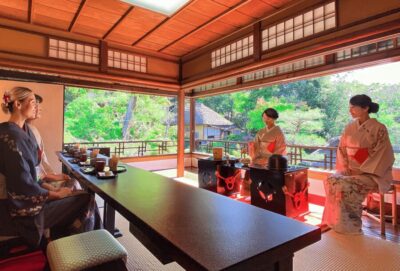
Tea Ceremony in a Traditional Tea House in Kiyomizu
Read our review →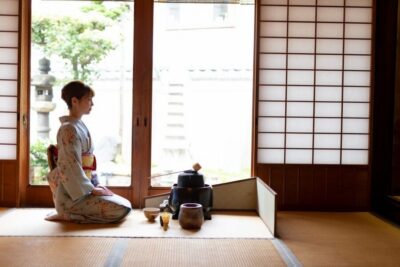
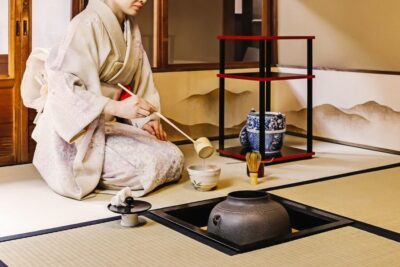
Arashiyama Bamboo Forest, Monkeys, Matcha & Temple Tour
Read our review →
Tea Museum Tickets and Matcha Grinding Experience
Read our review →
Browse the lists this tour appears in