

Reviewed · HISTORICAL TOURS
Kyoto: Historic Higashiyama Walking Tour
Kyoto changes when you walk, not ride. This Higashiyama circuit strings together Kyoto’s most famous sights at the mountain foothills, with a guide keeping the story clear as the streets get charming and crowded. You start in the shrine hills, then move into Gion and the temple views, all in one focused half day.
I love two things here. First, the guiding style, from Damian’s history talk to Lito and Ferdinand sharing small off-the-path stops and practical local tips. Second, the “big wow” moments are built in, like the torii maze at Fushimi Inari Taisha and the waterfall views at Kiyomizu-dera, with admission handled for Kodaiji and Kiyomizu-dera.
One potential drawback: there’s some uphill walking, and it is not suitable for people with mobility impairments. Also, you cannot bring luggage or large bags, so pack light.
Key highlights that make this tour worth your time

- Fushimi Inari Taisha first, so you get your bearings before Kyoto gets busy
- Gion with context, including what this entertainment district means in modern-day Kyoto
- Kodaiji Temple admission included, with gardens and a bamboo grove for calm breaks
- Sannenzaka backstreets, good for a snack stop and small souvenirs
- Kiyomizu-dera with the Otowa Waterfall ritual, plus sweeping city views
Higashiyama is best as a guided loop, not a random wander

Higashiyama is the part of Kyoto people dream about. Sloping lanes. Old-school temple grounds. Dramatic views that make you stop every few minutes, even if you swear you are going straight to the next stop.
The value of this tour is that it organizes the chaos. In about 4 hours, you cover the heavy hitters you would normally spread across two days. You do Fushimi Inari for the shrine atmosphere, then link into Gion, and finish with two temple experiences that feel totally different from each other. That rhythm matters, especially if it is your first time in Kyoto or your time in the city is short.
You also get a guide who can connect the dots fast. Instead of just pointing, they explain what you are seeing and why it matters, whether you care about religion, history, or just how Kyoto became Kyoto.
More Walking Tours in Kyoto
- Kyoto Geisha Walking Tour: Gion District & Hidden Gems
★ 4.7 · 3,273 reviews - Kyoto: Gion Magical Night Walking Tour with Geisha Trivia
★ 4.9 · 2,393 reviews - Kyoto: Gion Geisha District Walking Tour – Stories of Geisha
★ 4.7 · 2,187 reviews
Starting at JR Inari Station, where the tour begins and why it matters
You meet just outside the fare gates of JR Inari Station. That sounds small, but it is actually a big deal. Kyoto transit can be confusing, and getting the start right keeps your whole walk stress-free.
If you are arriving from another part of Kyoto, you might prefer the Keihan train line and walk a few minutes to JR Inari. The tour is designed for a smooth handoff from transit to your first stop, so you spend less time guessing and more time walking.
Because it is a small group limited to 10 participants, the start point also helps. It is easier to regroup, and your guide can check in with everyone before the path starts trending upward.
Fushimi Inari Taisha and the Senbontorii, more than red gates

Fushimi Inari Taisha is the first major anchor of the day, and it is a smart choice to do it early. The shrine sits at the southern side of the Higashiyama mountain area, and the approach through the vermilion torii gates feels like you are walking into a story.
This part is guided for about an hour, with time to move through the Senbontorii area. Your guide frames what you are seeing as Shinto history and culture, not just a photo spot. That context changes the way you notice details, like why the gates repeat and what the shrine experience is designed to feel like.
One thing I particularly like about this tour format is that the guidance can stretch beyond the main route. In real-world execution, guides like Damian and Ferdinand are known for pointing out smaller shrines you might otherwise miss because they are slightly off the obvious path. That makes your walk feel more like Kyoto is showing you secrets, not just selling you landmarks.
The short train ride to Gion, plus the stories that make it click

After Fushimi Inari, you take a short train ride to Gion. This break helps you keep energy for the temple portion later, and it also turns travel time into part of the tour experience.
In Gion, you get guided time of about 30 minutes, which is not enough to see everything, but it is perfect for orientation. The key is the storytelling. Your guide explains Gion as a long-running entertainment quarter and how it functions as part of modern-day Kyoto, not a dead museum set.
I like this stop because it adds variety. Fushimi Inari is about shrine space and mountain mood. Gion shifts you into street-level Kyoto culture. The atmosphere changes, and you start to feel the emotional range of the city in just a few hours.
If you care about photos, this schedule also helps. The smaller-group feel and the timing can reduce the worst crush moments, so you have a better chance at getting clean shots through side streets.
Same corner of Japan, a different kind of day:
- PERFECT KYOTO 1-Day Bus Tour
★ 5.0 · 13,518 reviews - Kyoto: Fushimi Inari, Kinkakuji, Bamboo Grove 1 Day Bus Tour
★ 4.8 · 4,316 reviews - Kyoto: Tea Ceremony in a Traditional Tea House in Kiyomizu
★ 4.9 · 3,519 reviews - Kyoto: Tea Ceremony Ju-An at Jotokuji Temple
★ 4.9 · 3,207 reviews
Kodaiji Temple gardens and bamboo grove, where the pace slows

Then comes a different kind of Kyoto. Kodaiji Temple is your calm reset, with admission included. The temple complex dates back to the early 17th century, and it shows in the way the grounds are laid out for quiet movement, not quick sightseeing.
This is about serenity. You are guided through the temple experience, including the gardens and a bamboo grove that creates that classic “wait, I need a minute” feeling. It is the kind of spot where you stop without realizing you stopped.
Why this works in a walking tour: it prevents the day from becoming a checklist. If you cram Kyoto temples back-to-back with no pause, you tend to forget what each place felt like. Here, Kodaiji gives you that breathing room, and then you are ready for Kiyomizu-dera’s big visual payoff.
Sannenzaka backstreets, snack-and-souvenir time that still feels local

Between temples, you walk through Sannenzaka and other Higashiyama backstreets. This is where Kyoto feels like Kyoto in a human way. Narrow lanes. Traditional streetscapes. Little shops and food moments you can choose to act on or ignore.
The tour gives you time to take snacks or pick up souvenirs here. That is useful because food is not included, so you need to plan for your own breaks. If you want something small and practical, this is the best time window to do it.
Also, these lanes help you experience Higashiyama beyond the big-name buildings. Your guide keeps you moving, but you still get moments to slow down, look in shop windows, and watch how daily life fits into the tourist path.
Kiyomizudera, Otowa Waterfall, and Kyoto’s famous view

Kiyomizu-dera is the finale, and it is a strong one because it blends drama, ritual, and scenery. Admission is included, and you spend about 30 minutes guided at the temple.
Kiyomizu-dera is famous for the clear water that flows from the mountains into the Otowa Waterfall. If you take part, you are choosing between three streams said to bring different kinds of luck, often described as health, wealth, or happiness. The tour experience also includes the warning about greed, which is part of the tradition behind the ritual. Even if you do not follow the superstition, it is a meaningful cultural moment to witness.
Then there is the view. Reaching the viewpoint area gives you that classic Kyoto perspective, where the hills and rooftops feel layered instead of flat. This is one of those places where you feel why people photograph Kyoto from slightly raised angles.
Your tour ends after Kiyomizudera together, and you can linger on your own after the structured part is done. That last freedom is underrated. You can stay if you want more photos, or step away if the crowd level changes.
The guides make the difference, from Hugo to Lito to Damian

A good tour is not just stops. It is how the guide handles questions, pacing, and group energy. The reviews and guide experiences attached to this tour point to a few consistent strengths.
You are likely to encounter guides like Hugo, who has been flexible when someone arrives late and helps the group adapt. Damian is highlighted for teaching Japanese history and customs in a way that sticks. Lito is known for engaging stories, and even for involving kids with temple rituals and luck-based traditions. Ferdinand is also praised for being friendly, active, and quick with answers.
I also like that guides can adjust for conditions. One review notes how the guide adapted when it was hot and humid and someone needed a slower pace from the steps and hills. That kind of flexibility matters on temple days, because Kyoto weather can be a surprise.
Price and logistics for a $106, 4-hour Higashiyama walk

At $106 per person for a 4-hour small-group tour, the real question is what you get for your money. The big value points are these:
- You cover multiple top Kyoto sights in one organized loop: Fushimi Inari Taisha, Gion, Kodaiji Temple, Sannenzaka, and Kiyomizudera
- Admission is included for Kodaiji and Kiyomizudera
- You also get the train ticket from Fushimi Inari to Gion
- You have a live guide for the walking and explanations
The money is also going toward reducing friction. Instead of spending your limited time in Kyoto reading signs and figuring out routes, you get a guided plan that connects the cultural logic of each stop.
What is not included is straightforward: food and drinks. So treat the day like this, you handle your snacks and hydration, and the tour handles the entry fees and transit piece.
Logistics are simple, but there are two practical constraints. Wear comfortable shoes, because there are steps and some uphill. And remember, luggage or large bags are not allowed, so pack light. If you are rolling with a big suitcase, this tour will not be your friend.
What the walking feels like, and who should pass on it
This tour includes some uphill walking. It is described as not exceptionally steep or demanding, but you should still expect it to feel like walking in Kyoto, which often means stairs and uneven stone paths.
It is also explicitly not suitable for people with mobility impairments. So if anyone in your group needs step-free access or a stroller-friendly route, you will want a different plan.
This said, the tour can be a great fit for many people who can handle normal sightseeing legs. It works well for first-timers who want the big sights grouped sensibly. It also works for families, since at least one guide style has been described as engaging for kids aged 11 and 18 by making rituals and stories fun and interactive.
If you hate structure, this might feel a bit paced. But if you like having someone set the route and explain what you are seeing, you will probably enjoy it.
Should you book this Historic Higashiyama Walking Tour?
If you want a focused introduction to Higashiyama without planning five different tickets and train hops, I think this is a strong yes. The $106 price starts to make sense because admission is included for two major temples and you are not paying extra for the Fushimi Inari to Gion transit leg. You also get a guide who can add meaning, not just directions.
Book it if:
- You have only half a day and you want the core Kyoto highlights lined up
- You like learning as you walk, especially about Shinto culture and temple traditions
- You appreciate a small group pace, not a cattle-herd tour
Skip or reconsider if:
- Mobility support is needed, since it is not suitable for people with mobility impairments
- You have heavy luggage, since large bags are not allowed
- You want a mostly free, unstructured walk with zero steps
FAQ
Where do I meet for the Kyoto: Historic Higashiyama Walking Tour?
You meet just outside the fare gates of JR Inari Station.
How long is the tour?
The tour lasts about 4 hours.
How much does the tour cost?
The price is listed as $106 per person.
What’s included in the price?
Entry fees for Kodaiji Temple and Kiyomizu-dera are included, and there is also a train ticket from Fushimi Inari to Gion included.
Are food and drinks included?
No, food and drinks are not included.
What languages can the live guide speak?
The guide is available in French, Hebrew, Spanish, and English.
What is the group size?
The group is small, limited to 10 participants.
Is there a lot of walking or uphill climbing?
There is some uphill walking, but it is described as not exceptionally steep or demanding.
Is luggage allowed, and is the tour suitable for mobility impairments?
Luggage or large bags are not allowed. The tour is not suitable for people with mobility impairments.
More Historical Tours in Kyoto
- Kyoto Gion: 2-Hour Geisha Culture & History Walking Tour
★ 5.0 · 1,186 reviews - Kyoto Gion Historical Walking Tour
★ 5.0 · 188 reviews - Historical Kyoto E-Bike Tour
★ 5.0 · 181 reviews - Kyoto: Nijo Castle World Heritage Guided Tour with Admission
★ 5.0 · 128 reviews
Fresh options around Kyoto
- Kyoto Aquarium Admission Ticket★ 4.7 · 12 reviews
- Kyoto Gion Photoshoot – Private Session | Pro Photographer★ 5.0 · 12 reviews
- Gyoza Cooking Class in Kyoto: Traditional Japanese Dumplings★ 5.0 · 12 reviews
- Kyoto: Guided Food Tour with 12 Dishes & 3 Drinks★ 5.0 · 12 reviews
- Kyoto: Avoid the Crowds at the Hidden Gems of Arashiyama★ 4.9 · 13 reviews
- Kyoto Early Bird English Tour: Gion & Higashiyama(Private opt)★ 5.0 · 13 reviews
- Otsu-e Folk Art Workshop & Local Culture Walk Near Kyoto★ 5.0 · 13 reviews
- Kyoto, Osaka, Nara Full Day tour by Car English speaking Driver★ 3.5 · 13 reviews
Historical Tours, compared.
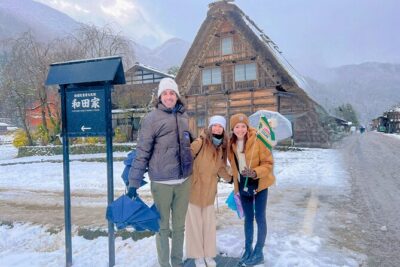
World Heritage Shirakawa-go and Experience Tours from Kanazawa
Read our review →
Imperial Palace and Shogun Historical Walking Tour
Read our review →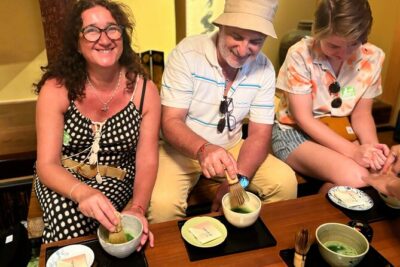
World Heritage Kyoto & Nara Uji Authentic Matcha Experience
Read our review →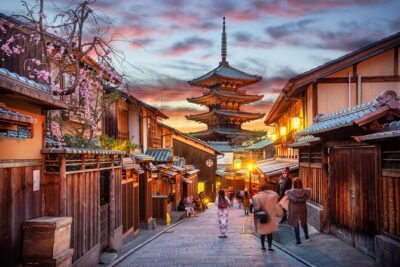
Kyoto Gion: 2-Hour Geisha Culture & History Walking Tour
Read our review →
World Heritage Shirakawa-go Morning Guided Tour
Read our review →
Hiroshima Historical Walking Tour – Why A-Bomb was Dropped
Read our review →
Hiroshima Peace (Heiwa) Walking Tour at World Heritage Sites
Read our review →Browse the lists this tour appears in