
Reviewed · TEA CEREMONIES IN KYOTO
Kyoto Fushimiinari:Wagashi Making & Small Group Tea Ceremony
A quiet tea lesson in a real Kyoto house. I love the hands-on Wagashi work and the calming matcha ritual, and you’ll also get a real sense of Japanese home hospitality. The one thing to consider is that the session takes place on the tatami, so plan for socked feet and kneeling or sitting low.
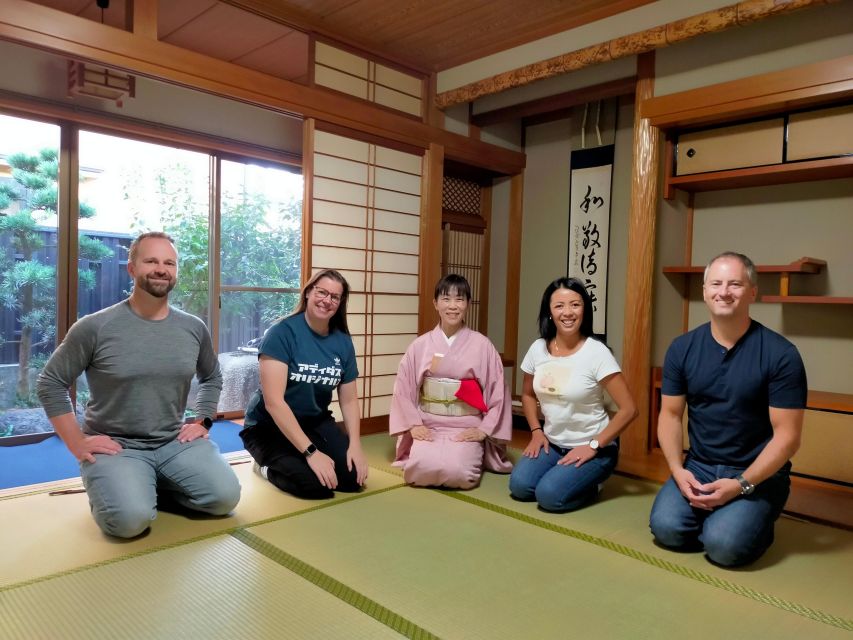
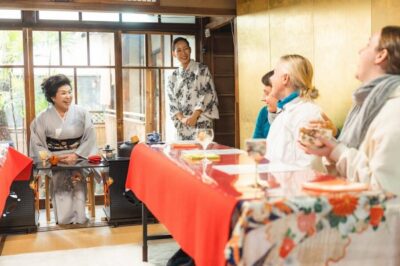
I also like that this is a true small-group format, limited to 6 participants, so questions do not get lost. English-speaking, licensed guide interpreters help you follow everything clearly, including tea manners and the meaning of what hangs in the alcove.
There is a tiny garden moment too, plus a chance to learn how to make and properly serve matcha yourself. And yes, Kyoto sweets can change by season, so your finished wagashi may look different than photos you’ve seen.
Key Highlights You Should Know Before You Go
- Hands-on Wagashi making at a local-style home kitchen, not a spectator demo
- Learn matcha the right way, including how to whisk and how to take the first steps in the tea ritual
- A calm tea-room break with a garden view and tatami seating, far from the crowds
- Tea ceremony explained clearly, including etiquette and the meaning of the hanging scroll
- Small group pacing (max 6), which keeps it relaxed and makes questions easy
From Fushimiinari to a Quiet House: What the Start Feels Like
This experience is set in a local house-style space in Kyoto’s Fushimiinari area, where the goal is simple, calm, and hands-on. When you arrive, your English-speaking host welcomes you and walks you to the kitchen. You’re not just watching. You’re doing.
That first shift, from street noise to quiet rooms, matters more than you might think. Tea culture is built around controlled attention, and the format helps you slow down quickly. The small group size also helps. With a maximum of 6 participants, you’re more likely to get personal help if you’re unsure about a step or how to hold something.
One practical detail: you’ll be asked to wear socks. Bare feet are not allowed, and some people choose to bring a fresh pair just to feel comfortable right away. If you have trouble sitting on the floor, chairs and tables are available, but you need to let them know in advance.
More Tea Ceremonies in Kyoto
- Kyoto: Tea Ceremony in a Traditional Tea House in Kiyomizu
★ 4.9 · 3,519 reviews - Kyoto: Tea Ceremony Ju-An at Jotokuji Temple
★ 4.9 · 3,207 reviews - Kyoto: 45-Minute Tea Ceremony Lesson Experience
★ 4.3 · 2,378 reviews
The Wagashi Class: You Make the Sweet, Then You Eat It
The wagashi part is the big reason to book. You learn how to make one kind of Wagashi through a hands-on class. This is not a quick tasting, and it’s not a show where everyone watches one person work.
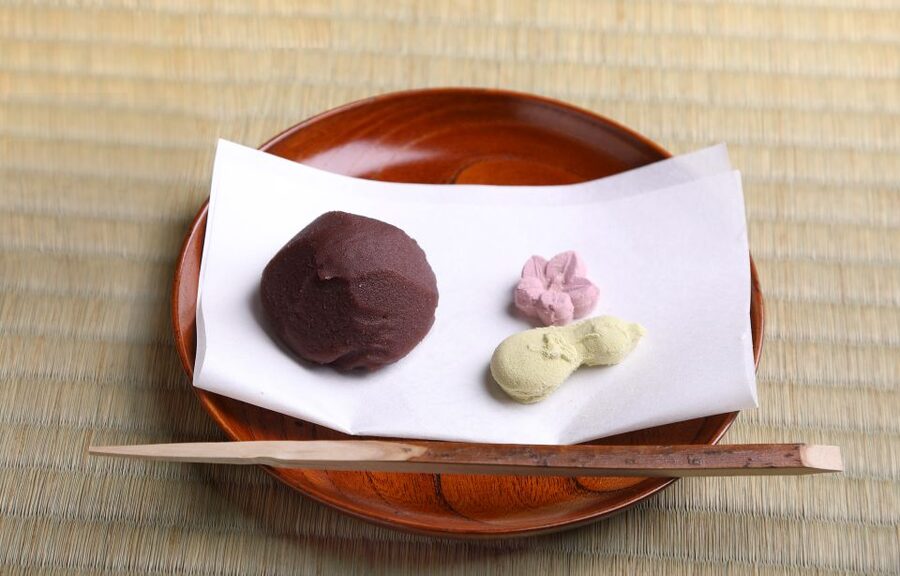
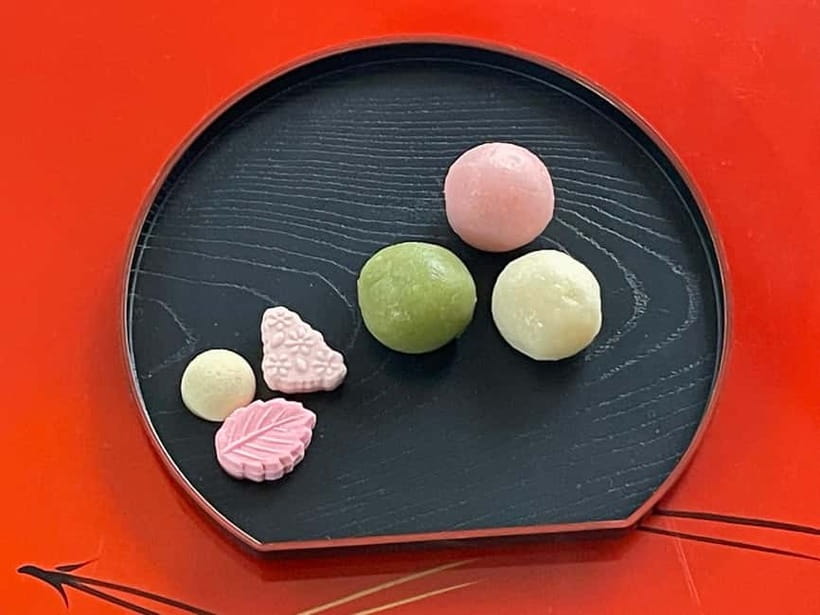
In other sessions, the class has included making mochi with red bean paste and white bean paste, which gives you a sense of what kind of sweets you might encounter. Still, wagashi can differ by season, so do not expect the exact same look every time. Think of it as learning the method and getting practical practice, while the specific sweet can shift.
During this time, your instructor guides you through the process and explains what you’re doing as you do it. That matters because wagashi is not only about taste. It is presentation, texture, and seasonal meaning. Even if you do not memorize every term, you’ll walk away knowing how the sweet is shaped and why it is served the way it is.
Another nice touch: you’ll get the explanation of how to eat sweets and how to handle what comes next, so you’re not entering the tea ceremony halfway confused.
Tea Ceremony in Tatami Rooms: Etiquette Without the Intimidation
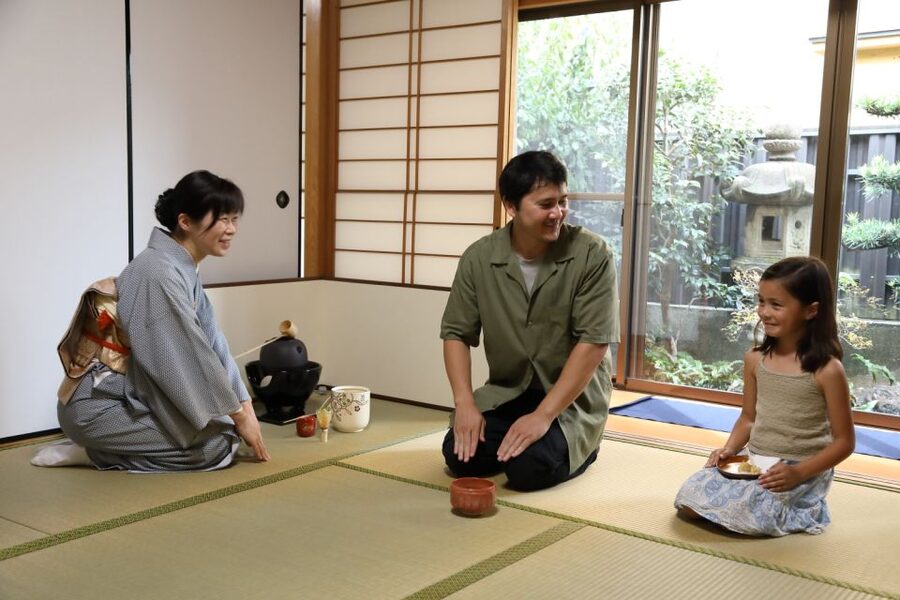
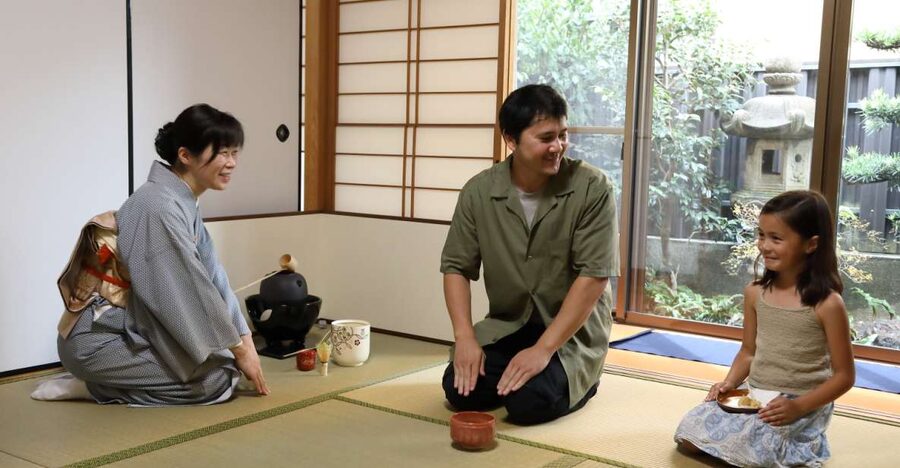
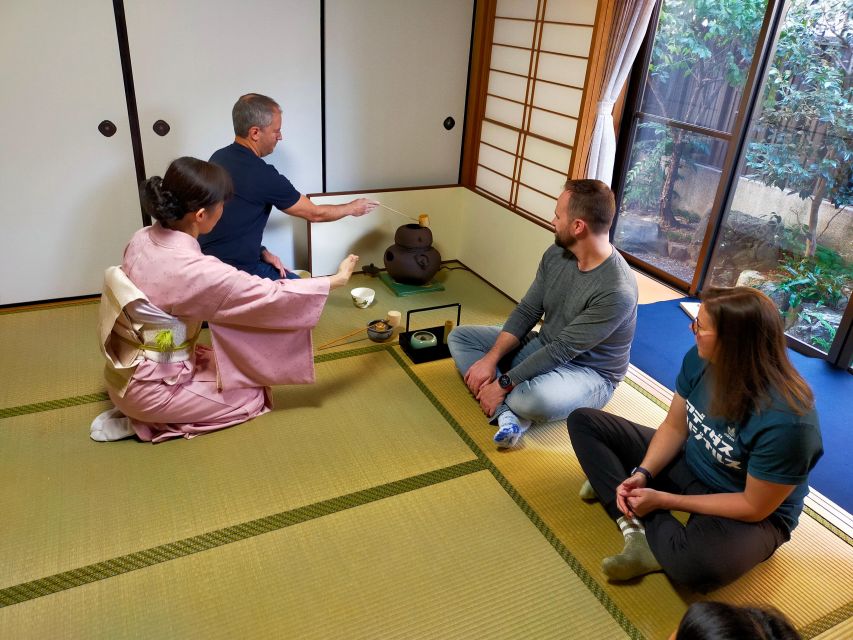
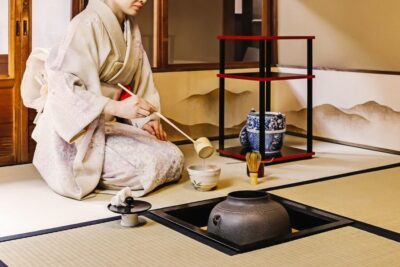
After wagashi comes the tea ceremony, and the pacing is designed so you can follow along. First, your host explains how to attend the ceremony and the manners in the Japanese room during the session. That pre-brief is useful because it turns what could feel strict into something you can actually participate in.
Then there is a short walk outside through a tiny garden. If it is not raining, you’ll step into that garden space, which is a calming bridge between the kitchen energy and the quiet tatami room. From there, you’ll enter an authentic Japanese-style room.
Once seated on the tatami floor, the instructor explains several layers:
- the history of tea and the basic idea behind the ceremony
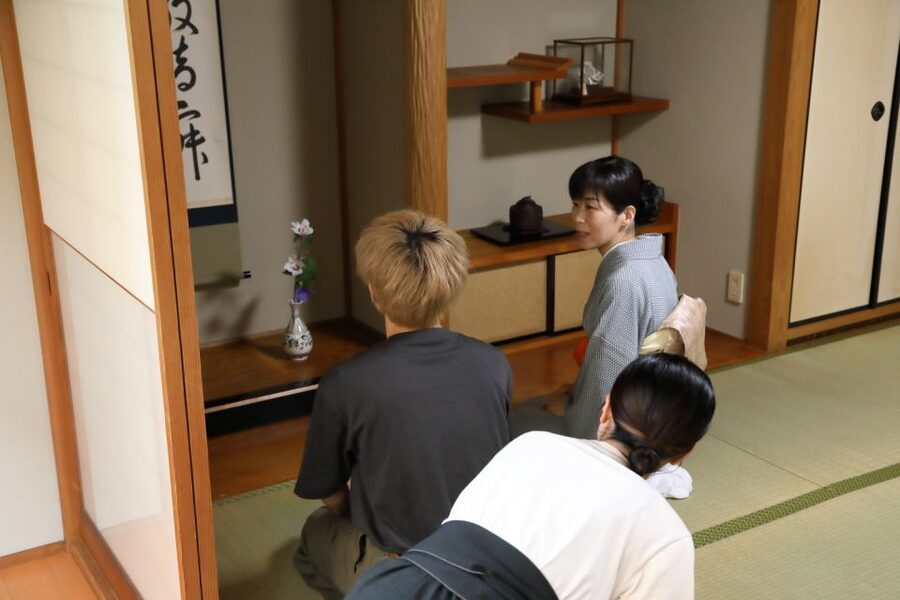
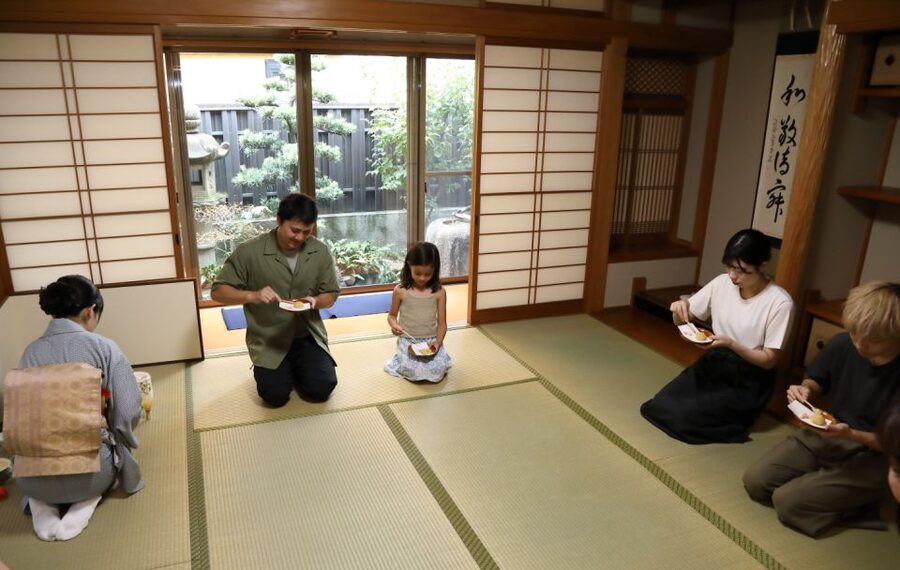
- the meaning of the hanging scroll in the alcove
- how the room layout connects to etiquette
The hanging scroll detail is a great example of what makes this more than a drink-and-snack stop. It helps you understand why people treat the ceremony as something more intentional than just serving green tea.
And if you’re worried about feeling boxed in, the tone here is generally welcoming. The ceremony is explained step-by-step, at a pace where everyone can take part without feeling rushed or embarrassed.
Matcha Tasting and Learning the Ritual Flow
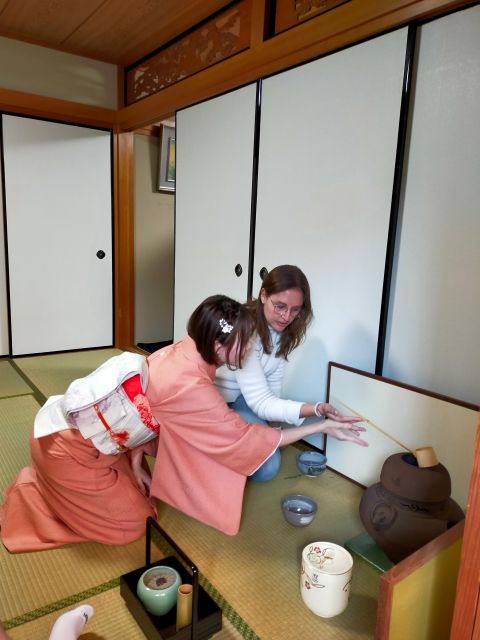
You’ll taste the Japanese sweets you made alongside a matcha service. Your instructor demonstrates how to drink a bowl of matcha, so you understand the rhythm of the experience: enjoy the sweets, watch the demonstration, then practice.
From there, you get a second stage of matcha instruction, including ceremonial preparation. Your host then demonstrates how matcha is prepared in a ceremonial way. This is where you see the process as a sequence, not random steps.
One of the most practical parts is that the class includes 2 bowls of matcha total. One bowl is prepared by the instructor as part of the ceremony flow, and you’ll prepare another yourself. That hands-on bowl is the difference between learning theory and actually feeling comfortable doing it later.
Also, note what’s included: you’re not just served tea. You’re taught how to make and serve it correctly. That turns this into a souvenir you can use at home.
Same corner of Japan, a different kind of day:
- PERFECT KYOTO 1-Day Bus Tour
★ 5.0 · 13,518 reviews - Kyoto: Fushimi Inari, Kinkakuji, Bamboo Grove 1 Day Bus Tour
★ 4.8 · 4,316 reviews - Kyoto Geisha Walking Tour: Gion District & Hidden Gems
★ 4.7 · 3,273 reviews - Kyoto: Gion Magical Night Walking Tour with Geisha Trivia
★ 4.9 · 2,393 reviews
Your Hands-On Skill Upgrade: Whisking Matcha Yourself
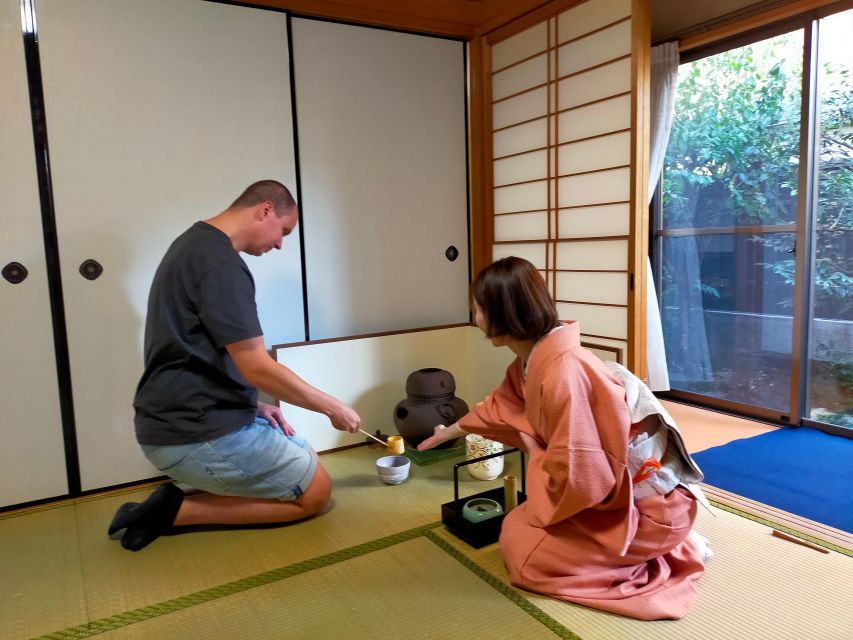
This experience gives you a real take-home skill. After the demonstration, the host shows you how to make one bowl of matcha. Then you get the chance to do it yourself using a bamboo tea whisk.
If you have ever tried making matcha at home and ended up with a flat, uneven surface, this part is why the class is worth it. The ceremony details reinforce technique, especially how you mix. You’re learning a method you can repeat, not just copying a single moment.
And the payoff goes beyond the drink. You’ll learn the right way to serve matcha to friends or family, including what to pay attention to so the serving feels respectful and not like a casual coffee replacement.
If you like practical cultural activities, this is one of those experiences where the learning has a clear finish line. By the end, you can explain what you did and why it was done that way.
The Value Equation: Is $55 for 75 Minutes Worth It?
Let’s talk value without hand-waving. At $55 per person for 75 minutes, you’re paying for:
- hands-on wagashi making
- a structured tea ceremony with instruction
- 2 bowls of matcha, with one bowl prepared by you
- English-speaking guidance with licensed guide interpreters
- explanations of etiquette and how to eat and drink properly
You could spend money in Kyoto on a simple matcha tasting and still not leave with a skill. Here, at least half the value is the fact that you do both cooking and tea steps yourself.
Also, your time is tight but not rushed. Seventy-five minutes is long enough to make something, understand the ceremony flow, and get practice with the whisk. It’s short enough that you can fit it into a day that already includes temples and shrines.
If you’re the type who wants something more meaningful than a photo stop, this class usually earns its price.
Logistics That Matter in Real Life: Timing, Comfort, and Photos
This is a small group class with limited space, so you’ll want to choose your starting time carefully if you have a packed Kyoto schedule. Hotel pickup and drop-off are not included, so you’ll plan your own way to the house and back.
A few comfort points:
- The experience uses tatami seating, so socked comfort matters.
- Chairs and tables exist for guests who find floor sitting difficult, but you have to request it in advance.
- Wheelchair users are not suitable for this activity.
- Children under 8 are not suitable.
Photo rules are strict enough that you should read them before you show up. Flash photography is not allowed, and video recording is not allowed. You may also be asked not to take photos during some parts of the session so everyone can experience the moment.
That’s not a vibe-killer. It usually helps the room stay focused, and it protects the calm you came for.
Who This Experience Fits Best (And Who Might Want Something Different)
I’d steer you toward this workshop if you want a cultural activity that is:
- hands-on, with real practice
- guided in clear English
- calm and structured, not chaotic
- something you can repeat at home, especially matcha whisking
It’s also great if you love Japan through the lens of daily life. Tea ceremony is not only for visitors. Learning it inside a house-style room helps you see it as something lived, not staged.
You might look for a different activity if you cannot sit on the floor comfortably or if the sock-only, no-bare-feet requirement is a challenge. Likewise, if you’re traveling with young kids under 8, this one is not designed for them.
Should You Book Kyoto Fushimiinari Wagashi Making and Tea?
If you want one Kyoto experience that mixes skill, quiet culture, and a meal-like pairing of sweets plus matcha, I think you’ll like this. The biggest draw is that it’s not passive. You’ll make wagashi, learn etiquette, and whisk your own bowl.
Here’s the decision rule I use:
- Book it if you want do-it-yourself matcha and hands-on wagashi in a small group.
- Skip it if you’re mainly after shrine views and photos, or if floor seating is a deal-breaker.
For most people, this is a high-value cultural stop, especially if you’re tired of being herded. In a place like Kyoto, slowing down for a real ritual, in a real room, can be the best hour of your day.
FAQ
Do I need to wear socks?
Yes. Socks are required, and bare feet are not allowed.
How long is the experience?
It lasts about 75 minutes.
How many people are in the group?
It is a small group limited to 6 participants.
What does the tea ceremony include?
You’ll receive explanations of tea and tea ceremony manners, taste Japanese sweets, enjoy matcha, and then prepare a bowl of matcha yourself. The class includes 2 bowls of matcha total.
Are photos and videos allowed?
Flash photography is not allowed, and video recording is not allowed. You may also be asked not to take photos during some parts of the session.
What if I cannot sit on the floor?
Chairs and tables are available for guests who find it difficult to sit on the floor. Let the provider know in advance.
Is the price all-inclusive?
The price includes an English-speaking instructor, 2 bowls of matcha, instruction on making wagashi, explanations of how to make tea and eat sweets, and all fees and taxes. Hotel pickup, taxi help, and gratuity are not included.
Fresh options around Kyoto
- Kyoto: The Geisha Districts of Kyoto Walking Tour★ 4.9 · 14 reviews
- Kyoto Lazy Bird Walking Tour★ 5.0 · 14 reviews
- Kyoto: 1 Day:Traditional Japanese Kimono Rental Experience★ 4.9 · 14 reviews
- Katana Shopping with Professional Guidance in Kyoto★ 5.0 · 14 reviews
- Kyoto near Fushimiinari Wagashi making&Small Group Tea Ceremony★ 5.0 · 14 reviews
- Kyoto: Early Bird E-Bike Tour with Lunch★ 5.0 · 14 reviews
- Private Kyoto Tour: Explore the Most Iconic Sights★ 4.0 · 14 reviews
- Kyoto 1 Day Golden Route Bus Tour★ 5.0 · 15 reviews
Tea Ceremonies in Kyoto, compared.
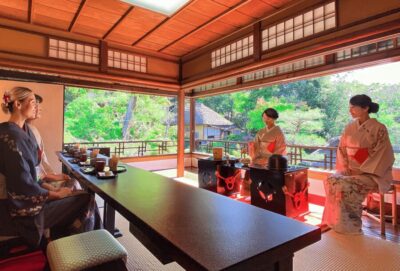
Tea Ceremony in a Traditional Tea House in Kiyomizu
Read our review →
Arashiyama Bamboo Forest, Monkeys, Matcha & Temple Tour
Read our review →
Tea Museum Tickets and Matcha Grinding Experience
Read our review →
Browse the lists this tour appears in