Reviewed · SHOW
Japanese Traditional Music Show in Tokyo
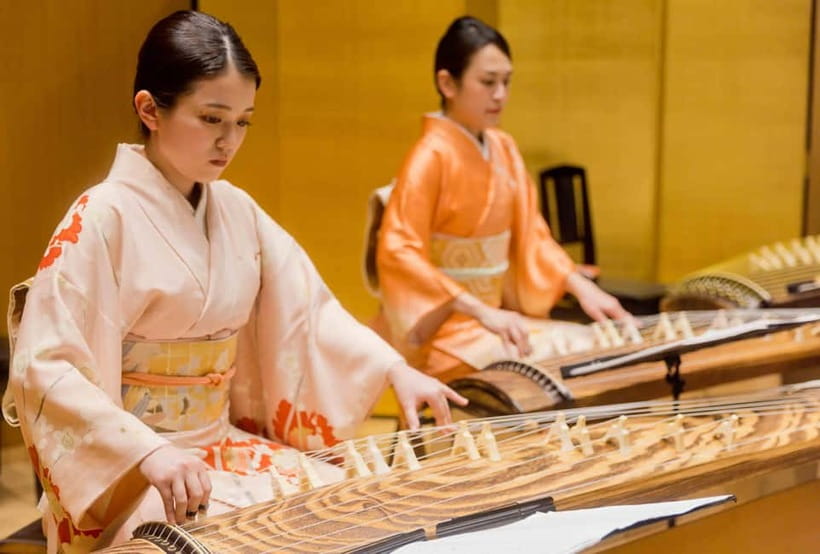
Four ancient sounds, one small room in Tokyo. ZAKURO SHOW is a small, reserved-seat wagakki concert where the musicians in kimono play right in front of you, and the host helps you follow what you are hearing. It runs about one hour, and you get a clear sense of how each instrument and piece fits into Japanese musical life.
What I like most is the way the program teaches as it performs, with history and context woven between the songs instead of tacked on at the end. I also love the range, from core traditional instruments to a surprising western pop cover that shows off how these sounds can still travel. If you hate explanations and just want background music, you might find the learning part a bit focused for your taste.
The one potential drawback is practical: the room is limited to a small numbered audience, so seats matter. If you show up late, you will miss the start, and there is not much extra space to shuffle around. Still, for $38, the intimacy and hands-on feel make a strong case.
Key reasons this Tokyo concert works
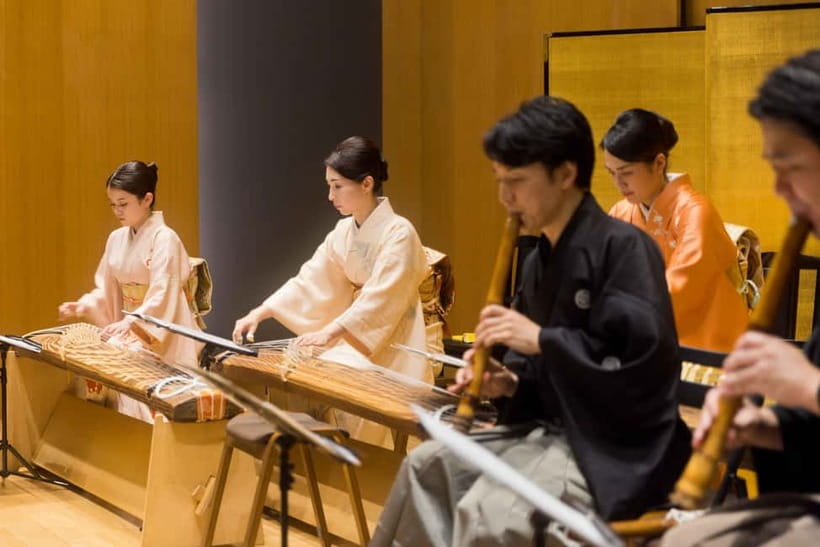
- Up-close wagakki in a small numbered audience so you can actually see hands, reeds, and strings
- Instrument history built into the show, not dumped in a lecture
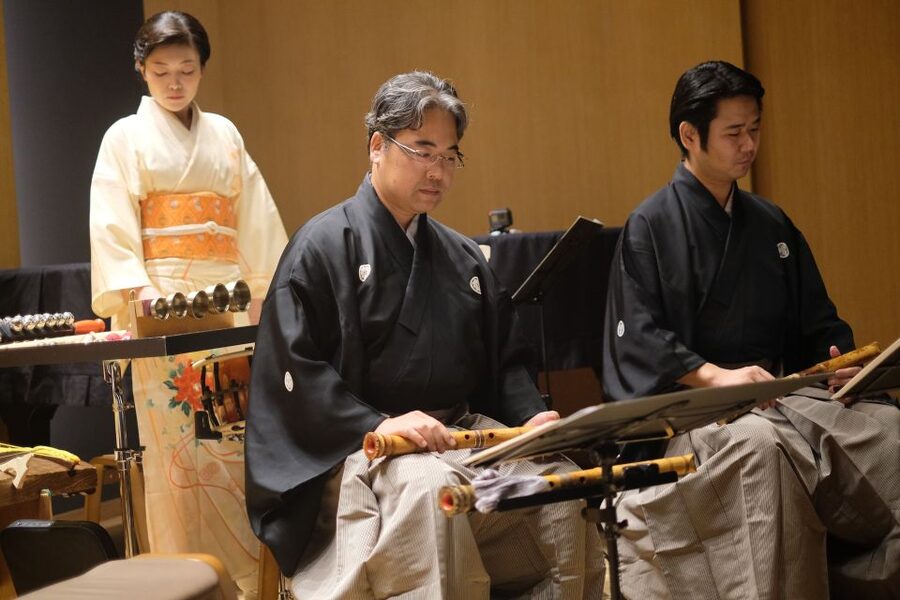
- Koto, shamisen, shakuhachi, and taiko all in one program, with explanations of how each works
- English and Japanese hosting so you can follow the pieces even with limited Japanese
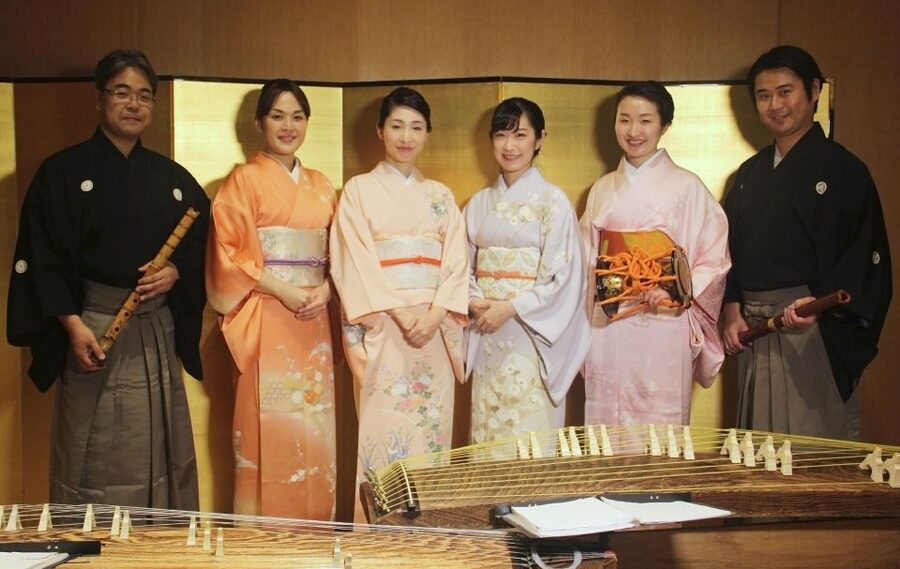
- Video and photo time during the show, plus pictures with the musicians afterward
- Old and modern pieces, plus a western hit cover for contrast
A one-hour wagakki show with musicians right in front
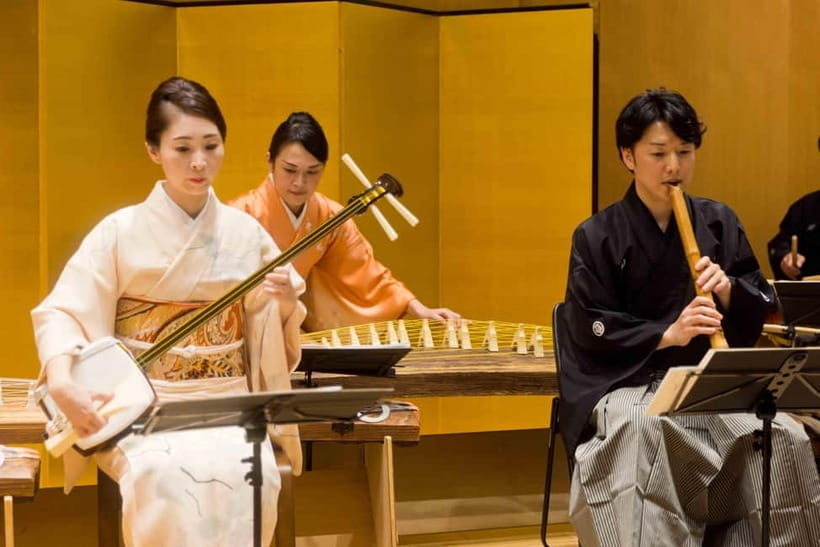
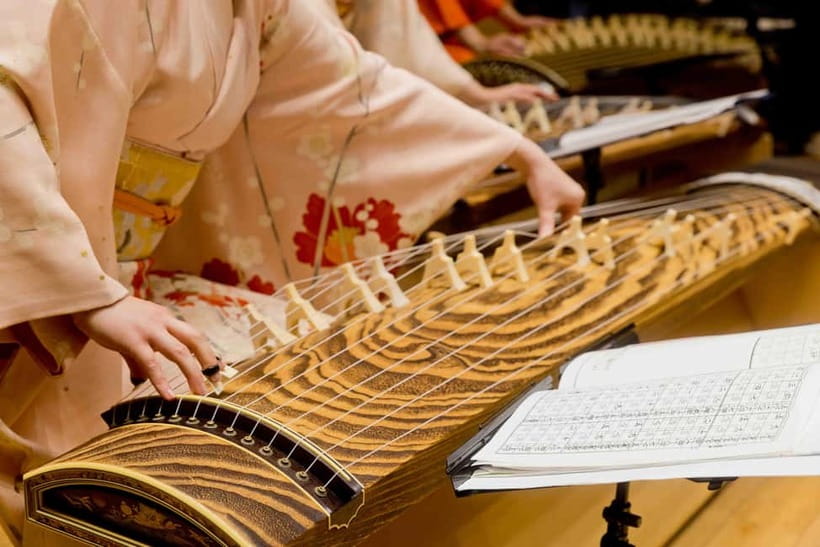
ZAKURO SHOW is designed for people who want more than just a performance photo. You sit close enough that you can track what the players are doing, and the musicians are not hiding behind a stage curtain. The “small room” format matters because Japanese traditional music is all about detail, like breath control on the shakuhachi or the crisp timing of taiko hits.
The show lasts about an hour, which is a sweet spot in Tokyo. Long concerts are wonderful, but they are harder to fit into a day that already includes trains, museums, and food stops. Here, you get a compact program that still feels structured and meaningful.
If you are worried about language, don’t overthink it. The experience runs in English and Japanese, with a host explaining what is happening so you know why a piece is being played, not just that it is being played.
A few more Tokyo days worth comparing
- Mt Fuji and Hakone 1-Day Bus Tour Return by Bullet Train
★ 5.0 · 26,383 reviews - 1-Day Tokyo Bus Tour
★ 5.0 · 14,250 reviews - Tokyo: TOKYO SKYTREE® Admission ticket
★ 4.5 · 11,192 reviews
What you hear: koto, shamisen, shakuhachi, and taiko
You are not limited to one instrument style. The program includes multiple wagakki sounds, and that variety is part of the point. When you hear them back to back, you start to understand how each instrument creates its own “voice” inside Japanese music.
Here is the core lineup you should expect:
- Japanese harp (koto): a plucked, resonant sound with a character that can feel both gentle and exact
- Shamisen: a string instrument that can sound sharp, rhythmic, or surprisingly lyrical depending on how it is played
- Shakuhachi: a flute that relies on breath, producing a more airy and expressive tone than you might expect from a flute
- Taiko drums: powerful rhythm that can shift the mood fast, from calm to dramatic
The show also ties the instruments to what you are listening to. That means you are not just collecting sounds like trading cards. Instead, you learn how these instruments have been used, and why certain pieces fit their instruments.
One extra nice touch is that the program includes both older and newer traditional selections. So you do not end up with a museum exhibit that sounds the same for a whole hour. You hear the tradition, then you hear how it keeps moving.
How the show teaches the music without killing the vibe
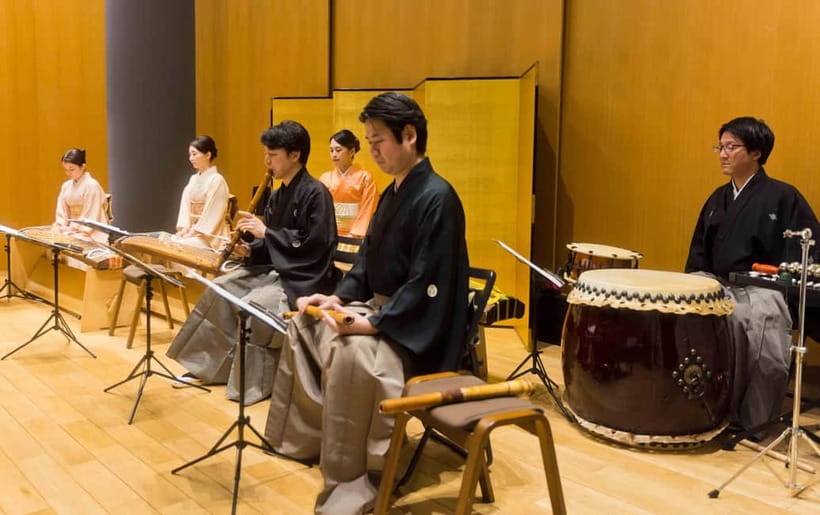
A lot of cultural performances either go full “concert” or full “class.” This one tries to do both, and the flow is built around the music. The host and musicians explain the instruments and the pieces, and the explanations are placed between tunes, so you stay in listening mode.
What makes this especially useful is the focus on history and context. You learn where the instruments come from and how the performed pieces connect to Japanese musical traditions. That matters because wagakki music often rewards attention, and context helps your ears catch what you might otherwise miss.
There is also a western hit cover in the program. That is not there to replace the tradition, it is there to highlight the sound palette of these instruments. You hear how familiar melodies can transform when played through different timbres, like a pop song reimagined with Japanese tonal colors.
If you like music for its storytelling, this format fits you well. The show is basically saying: here is the instrument, here is the tradition behind it, now listen to the music with that background in mind.
English hosting that actually keeps things clear
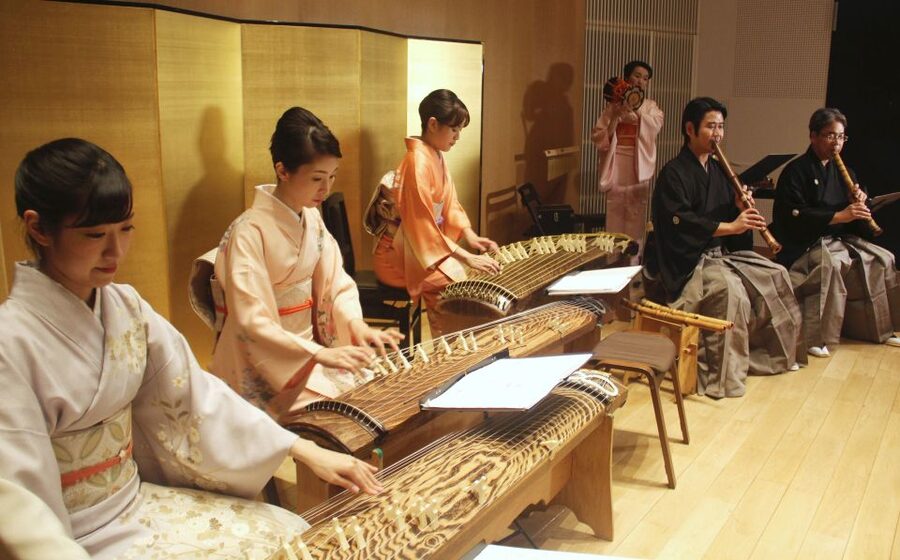
In a small room, the host has a job that is harder than it sounds. You cannot hide behind big audio systems or long intros. With ZAKURO SHOW, the hosting is part of the experience, and the explanations are available in English and Japanese.
Why this matters to you: it turns the show from something you watch into something you understand. Instead of guessing which instrument is doing the main line, you get a quick explanation as you go. That makes it easier to follow even if you do not speak Japanese.
The host also guides the pacing, so the history and instrument talk does not drag. You are not stuck in a long lecture while the musicians wait off to the side. The concert stays musical, and the information shows up exactly when you need it.
If you are bringing teenagers or a first-time Japan visitor, this is a strong point. People who like to record video often get a better experience when they know what they are filming.
Same corner of Japan, a different kind of day:
- Tokyo: teamLab Planets TOKYO Digital Art Museum Entry Ticket
★ 4.6 · 9,779 reviews - Mt Fuji & Hakone Cruise, Drum Show Bullet Train 1 Day from Tokyo
★ 4.0 · 7,413 reviews - Tokyo: Sumo Show Experience with Chicken Hot Pot and a Photo
★ 4.8 · 6,678 reviews - Tokyo: Shinjuku Food Tour (13 Dishes at 4 Local Eateries)
★ 5.0 · 6,603 reviews
Photos, videos, and meeting the musicians after
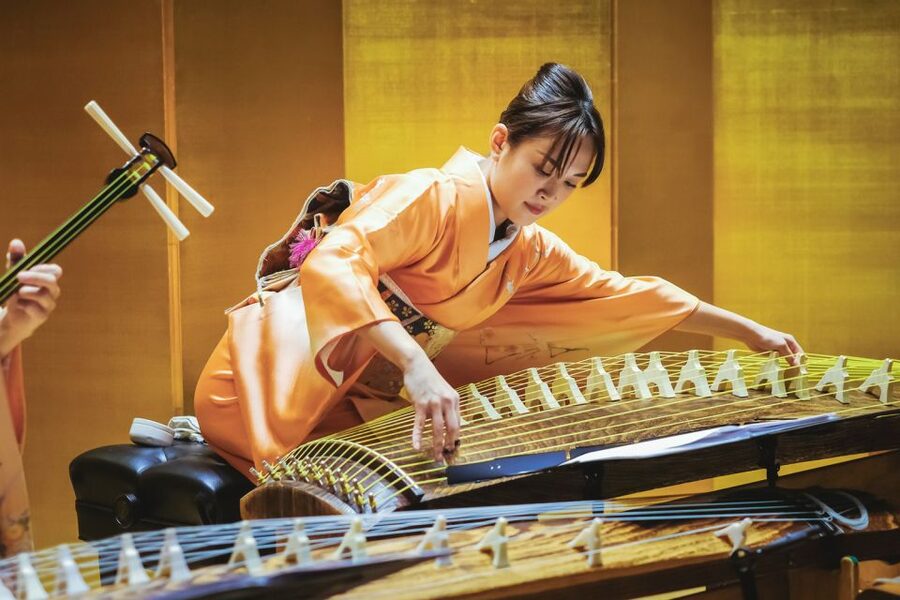
You are allowed to take photos and videos during the show. That is a big deal, because it lets you capture the hands-on detail that you naturally want when you are this close to the instruments. The musicians are in kimono, the instruments are right there, and your phone camera can actually do the moment justice.
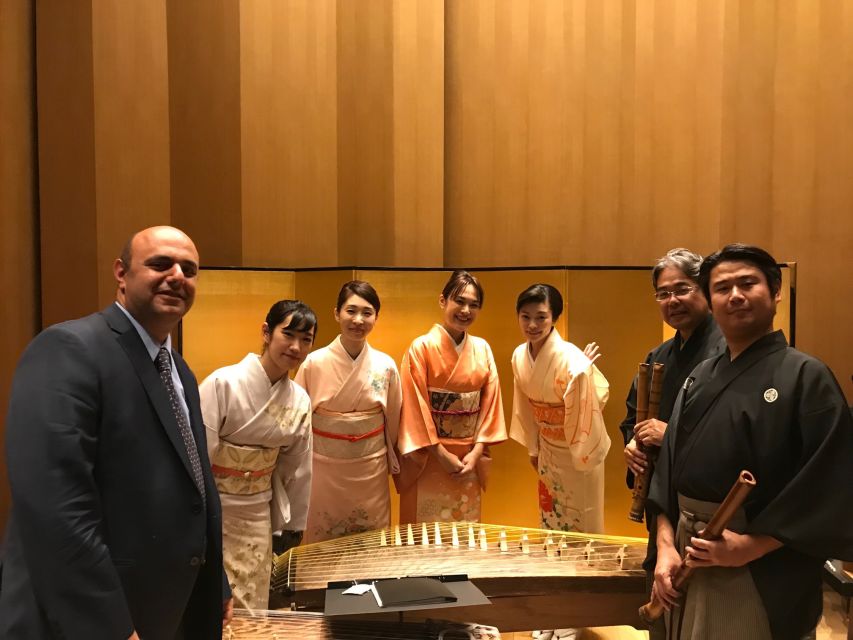
Then there is the after-show interaction. You can take photos together with the musicians afterward, which adds a human finish to a cultural performance. It also changes the feel of the evening. You leave not only with memories of sound, but with a face-to-face moment with the people playing it.
A quick practical tip: keep your phone ready for the after-photo moment, but don’t try to rush the show itself. Use the during-show photos to set your memory, then use the after moment for one or two nice shots.
Where to go near Harajuku and Meiji-Jingumae, plus arrival timing
The meeting point is Hall 60. Go to Meiji-Jingumae Station (Exit 7) and you are looking at about a 1-minute walk. Or use JR Harajuku Station (Omotesando Exit) for roughly a 5-minute walk.
This is a convenient location if your day is already in the Harajuku and Omotesando area. Tokyo neighborhoods can eat time, so a short walk from two stations is a real advantage. It also means you can pair the show with dinner nearby without building in a huge buffer.
Timing tip: aim to arrive early enough to settle in before the performance starts. The audience is limited, seats are reserved, and once the show begins, it is all about listening.
Price and value: $38 for an intimate, explained concert
At $38 per person for a one-hour program with reserved seating, the value is strong. You are paying for two things that are hard to replicate at random: a close-up multi-instrument performance and structured interpretation in English.
If you compare this to the cost of a guided cultural experience plus a regular ticketed concert, the price-to-attention ratio looks good. You are not just buying a seat. You are getting the instrument history, the piece context, and the chance to photograph the musicians too.
You should also think about what “intimate” means in practice. A small audience makes the show feel personal. It also helps the host guide explanations effectively, because they are not speaking to a wall of strangers.
Add in the mix of instruments and the western cover surprise, and you get a program that stays varied through the hour. For many visitors, that variety is what turns a nice show into a memorable one.
Who should book this (and who might want to pick something else)
This experience is ideal if you:
- want a first serious taste of Japanese traditional music without needing a background course
- like listening to multiple instruments and comparing how they create tone
- enjoy when a host helps you follow the meaning of pieces
- want a show that works for both adults and younger visitors
It may be less ideal if you:
- hate structured explanations and want only performance
- are the type who needs lots of room to move around (the audience area is intentionally limited)
- plan a tight schedule where you might arrive late
In short, if you enjoy music plus context, you will likely feel like you got your money’s worth fast. If you want pure noise-free background entertainment, this is probably too instructional.
Should you book ZAKURO SHOW in Tokyo?
Yes, I think you should book it if you want a compact, close-up wagakki experience near Harajuku that teaches as it performs. For $38, you get a rare mix of instruments, clear English support, and photo opportunities that go beyond a typical show setting.
Book it sooner if you know your dates. The audience is limited, and reserved seats matter more than in large venues. Also, set your expectations for a one-hour format. This is not an all-night event, but it is a focused musical lesson you can fit into a day.
If your trip includes a lot of temples, shopping streets, and food stops, this is a smart contrast. It gives you a Tokyo memory that is cultural, sensory, and personal, not just another postcard.
FAQ
How long is the Japanese Traditional Music Show in Tokyo?
The concert program lasts about 1 hour.
How much does the ticket cost?
The price is $38 per person.
What instruments will I see and hear?
The show features traditional Japanese instruments including the Japanese harp (koto), shamisen, shakuhachi flute, and taiko drums.
Is the show offered in English?
Yes. The host or greeter provides explanations in English and Japanese.
Can I take photos or videos during the show?
Yes. You can take photos and videos during the show, and you can also take photos with the musicians afterward.
Where do I meet for Hall 60?
Meet at Hall 60 near Meiji-Jingumae Station Exit 7 (about a 1-minute walk) or JR Harajuku Station Omotesando Exit (about a 5-minute walk).
Fresh options around Tokyo
- Tokyo: Nikko Kegon Falls Lake Chuzenji Toshogu Temple & More★ 4.9 · 12 reviews
- Tokyo: Samurai History Walking Tour★ 5.0 · 12 reviews
- Harajuku: Kawaii Fashion and Pop-Culture Tour★ 4.7 · 12 reviews
- Tokyo: Mt. Fuji & Lake Kawaguchi Instagram Full Day Trip★ 4.1 · 12 reviews
- Shibuya Tokyo: Modern Kintsugi Workshop in Shibuya★ 5.0 · 12 reviews
- Tokyo: GTR Guided Daikoku Experience at Night★ 5.0 · 12 reviews
- Tokyo: Daikoku JDM Car Culture Tour★ 4.6 · 12 reviews
- Mt Fuji Private Day Trip from Tokyo with English speaking driver★ 5.0 · 13 reviews
Show, compared.

Mt Fuji & Hakone Cruise, Drum Show Bullet Train 1 Day from Tokyo
Read our review →
Sumo Show Experience with Chicken Hot Pot and a Photo
Read our review →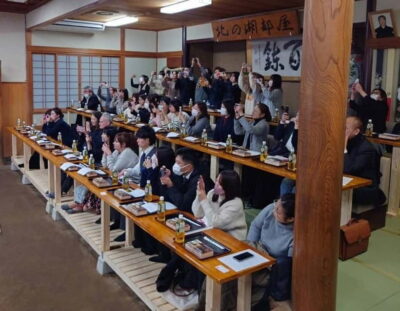

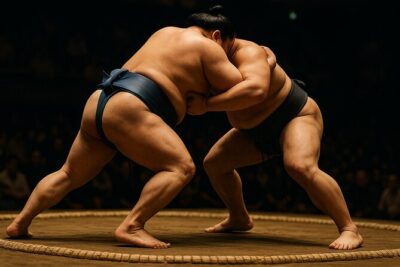
Tokyo Shinjuku Sumo Show & Experience with Photo
Read our review →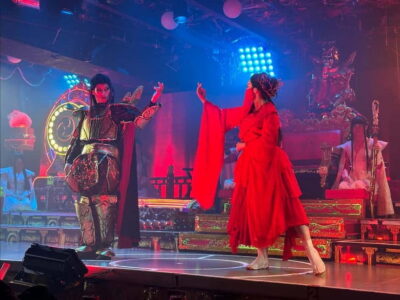

Mt Fuji & Hakone Cruise, Drum Show Bus 1 Day from Tokyo
Read our review →