
Reviewed · HALF-DAY
Ise Jingu(Ise Grand Shrine) Half-Day Private Tour with Government-Licensed Guide
Ise Jingu deserves slower eyes. This half-day private tour is built for that, with a government-licensed English-speaking guide who helps you read the sacred signs at Naiku and Geku, then flexes to your pace with 2 to 3 chosen stops. I especially like how the tour turns architecture and rituals into something you can actually picture, and how the guide can steer you around time limits. The only real catch is that entrance fees and transport costs are not included, so you’ll want to budget for them.
Because it’s private, you also get the kind of small planning help that makes a 4-hour visit work. One guide noted how short the day can feel on busy days and suggested taxi timing to avoid rushing between Naiku and Geku. Still, if you expect the tour to include everything start to finish, it may feel a bit “add-on heavy,” since you handle admissions and local transportation yourself.
Quick hits: what makes this Ise tour work
- Government-licensed English-speaking guide who explains Shinto practice and shrine details as you walk.
- Customizable 2-3 stops from Naiku, Geku, Isuzugawa River area, Okage Yokocho, and Meoto Iwa views.
- Private, just your group, so you can ask questions and move at a sensible pace.
- Mobile ticket, which helps keep the day smooth when you’re moving between sites.
- Optional pickup plus meet-up by foot/public transport, so you’re not stuck waiting in a parking lot.
- Strong cultural pacing, including shrine compounds and time for the Edo-to-Meiji themed shopping street.
Why Ise Jingu feels different once you have a guide
Ise Jingu is not a quick photo stop. It’s a set of sacred spaces with rules, rhythms, and meanings that only start to click once someone explains what you’re looking at.
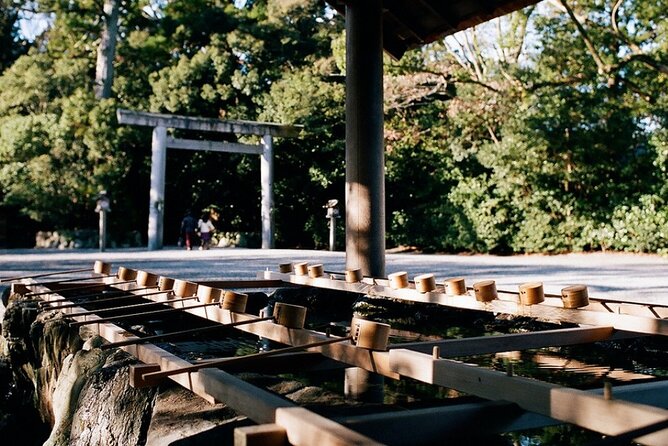
A guide adds two things that are hard to get on your own. First, you’ll understand what the shrine is honoring, including the sun goddess Amaterasu Omikami, and why you move the way you do through the precincts. Second, you’ll get practical context for the experience itself, like what parts are about worship, what parts are about purification, and what the local street culture is doing right outside the gates.
More temple and shrine tours in Mie Prefecture:
Price and logistics: what you pay for, and what you should plan to cover
At $108.38 per person for about 4 hours, this tour sits in the “private guide” range, not the “budget group bus” range. For the money, you’re buying two valuable things: a licensed guide with English commentary, and the flexibility to tailor your stops to your group.
Here’s what’s not included, so there are no surprises:
- Entrance fees (for stops where tickets apply, like Naiku and Geku and the shopping streets areas listed)
- Transportation fees and private transportation
- Lunch and personal expenses
Also note the tour meet-up style. Pickup is offered, and the meeting point is within a designated area you reach by foot or public transport. That means you should be comfortable using buses or trains in Ise, or quick enough to add a taxi if your timing gets tight.
A four-hour half-day plan that actually fits Ise
The template itinerary includes key areas at Naiku, Geku, the Isuzugawa area, Okage Yokocho, and the Meoto Iwa area. But you choose 2-3 sites from the available stops, which is the smart way to do Ise in limited time.
Why that matters: Ise takes time even when you’re moving briskly. Shrine grounds are spacious, and you’ll want to pause. With a guide, those pauses turn into understanding, not dead time.
If you’re visiting on a busy day, I recommend leaning on the guide’s practical experience. One guide emphasized that on Sunday-style crowds, using a taxi can save minutes that you’ll otherwise lose between the two main shrine complexes.
Entering Naiku: what you’re looking at and why it matters
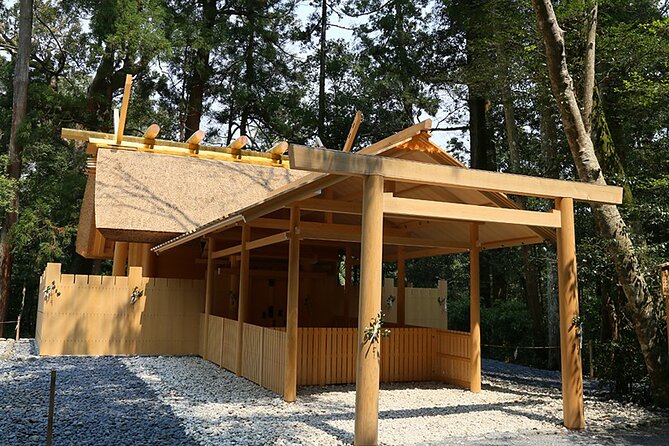
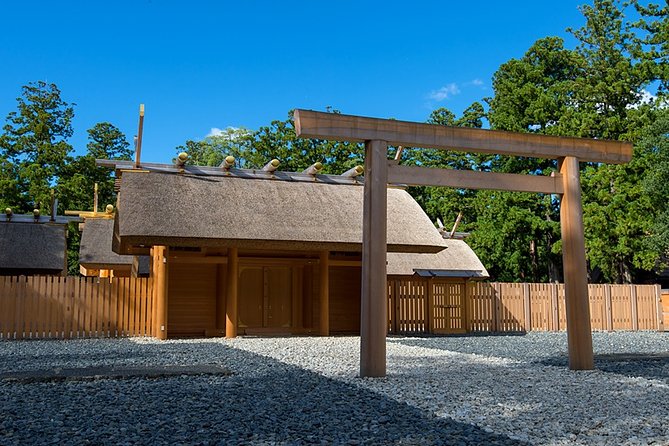
Naiku is the heart of Ise Jingu experience, and your guide will set the context fast. Expect roughly an hour here, with time to walk through the approach and understand what makes the precinct feel so ceremonial.
You’re paying attention to more than buildings. You’ll learn the purpose of worship at the shrine dedicated to Amaterasu Omikami, and you’ll understand why certain steps, orientations, and pauses matter. This is where a guide helps you avoid doing the common thing, which is treating the place like a museum yard.
A practical point: entrance tickets for Naiku are not included. Build that into your mental budget so the day stays smooth.
Geku right after: how the day flows from shrine to shrine
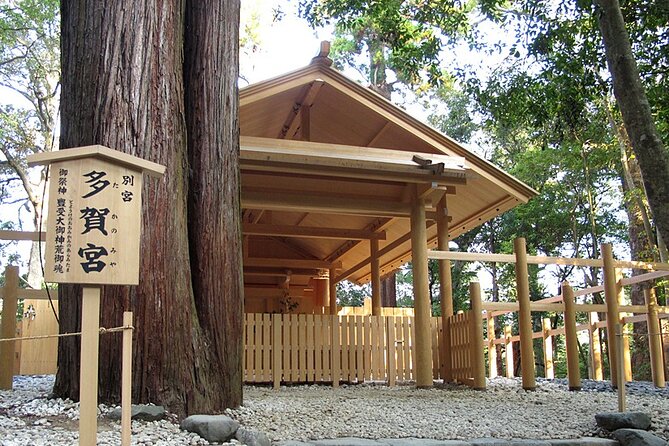
Geku is the sister complex to Naiku in the broader Ise shrine system, and your guide will help you see the connection without turning it into a lecture. You’ll also get around an hour, typically with commentary that ties the two sites together in a way that feels logical.
This stop is valuable for two reasons. First, it gives balance to the day, so you’re not rushing from one “big moment” to the next. Second, it helps you notice the shared themes of Shinto shrine design and the differences in atmosphere between precincts.
Again, plan for entrance fees since tickets are not included at this stop.
Isuzugawa River area: purification plus nature time
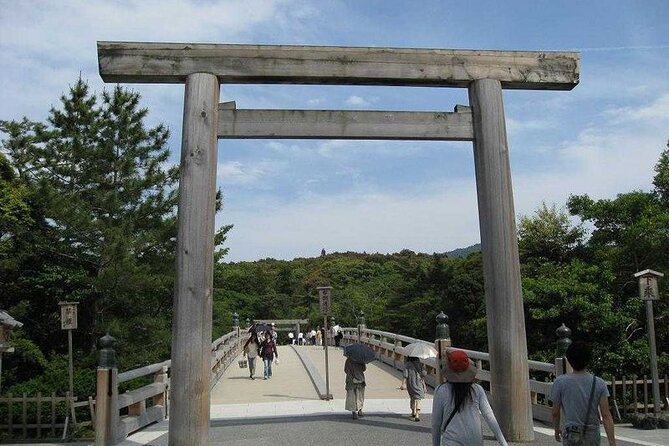
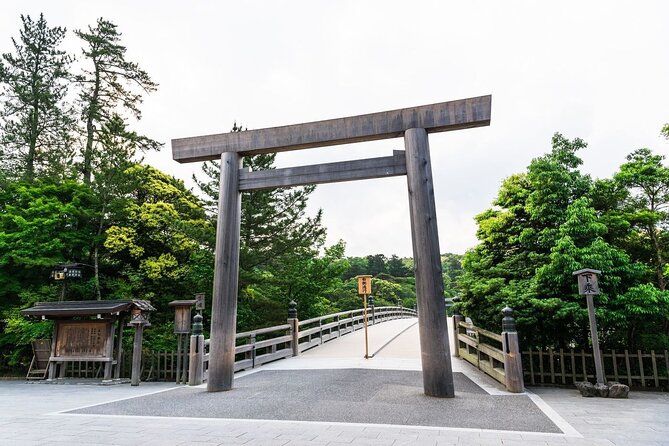
The Isuzugawa River area runs along the Naiku grounds, and it’s one of the most calming parts of the day. You can expect it as a longer reset between heavier shrine walking.
The tour framing here matters: this isn’t just a scenery break. The river area connects to ideas of purification and nature within the broader Shinto setting. Since the stop is listed with free admission, it also gives you one part of the itinerary that doesn’t add ticket cost on top.
If you have the option, this is the stop I’d most often choose as one of your 2 to 3 sites, because it changes the pace without feeling like a detour.
Okage Yokocho: a themed street that still tells you something real
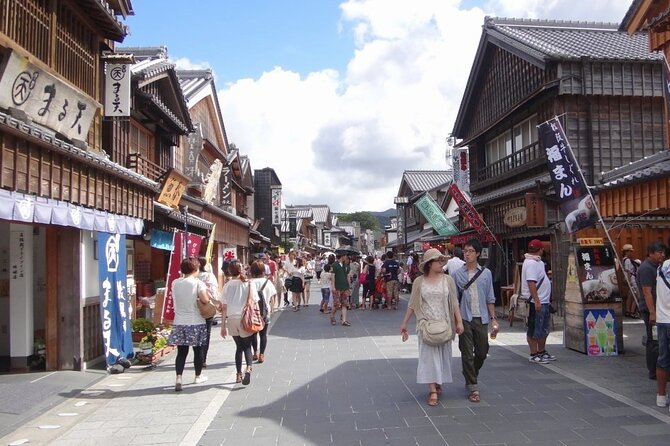
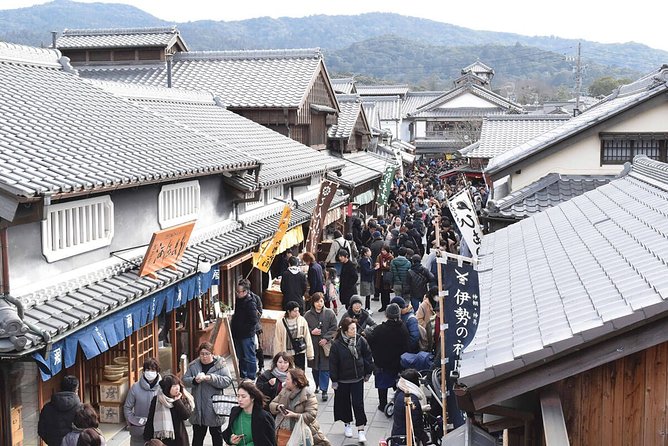
Okage Yokocho is the shopping alley by the Naiku gate. It’s described as a street built in 1993 that relocated the townscape feel from the Edo to Meiji periods, so it has a strong “time capsule” vibe.
What you get from having a guide here is interpretation. You’re not just browsing shops. You’ll understand how this kind of street exists as part of the shrine approach, where visitors come before and after the worship spaces.
Your itinerary timing here is usually about an hour, and tickets are not included as listed. If you tend to snack and browse, this is the stop where you can use extra minutes well without losing the soul of the day.
Meoto Iwa and Futami: the wedded rocks viewpoint
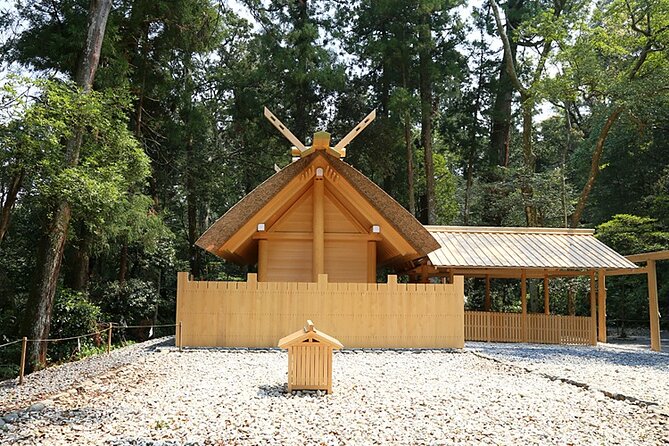
Meoto Iwa refers to the sacred “wedded rocks” visible from the ocean area near Futami. This is the stop that turns your Ise day outward, away from the shrine compounds and toward the coastline.
The tour plans about an hour for this area, and it’s listed with admission not included. The views are the point, but the guide’s role is helping you understand why people treat these rocks as sacred, not just dramatic scenery.
If your group likes photos, this is where you’ll want to slow down. If you’re not a photo person, you’ll still appreciate the meaning behind why the viewpoint is treated with reverence.
Guide quality is the whole game here
What consistently makes people rate this tour highly is the guide, and you can see that in the examples of different guide styles in the comments.
Some guides, like Tetsuya Tanahashi and Testuya, are described as prepared and thoughtful with pacing, including advice on how to use taxis when the day is crowded. Others, like Yoshi, focus heavily on Shinto practice, such as how people pray and the idea that some pathways used by the emperor are reserved and not accessible to everyone.
And then there’s Nishio, who’s described as working with you on what to ask and where to go, including routes using public bus time between outer and inner shrine areas. That kind of guidance is what saves time and keeps you from feeling lost while you’re trying to be respectful.
Bottom line: if you care about getting the “why” behind what you see, this tour’s structure is built for that.
Who this tour is best for
This is a strong fit if you:
- want a private experience and don’t want to manage shrine navigation while also trying to understand Shinto
- have limited time in Ise and want 2 to 3 stops done well
- prefer public transport walking logistics, since the meet-up is designed around getting you to the starting area
- like asking questions and getting clear answers about ritual and shrine design
It may be less ideal if you:
- want a fully guided day where everything, including admissions and transportation, is bundled
- plan to spend most of the half-day shopping, since the tour time is designed around specific shrine-related highlights
How to choose your 2 to 3 stops
Since you customize, choose based on what you want the day to feel like.
If you want the core sacred experience:
- Naiku + Geku + Isuzugawa River area
This gives you the full shrine feel plus a breath of nature and purification.
If you want shrine plus local atmosphere:
- Naiku + Geku + Okage Yokocho
This leans into the Edo-to-Meiji themed street energy after the worship spaces.
If you want an outdoor, scenery finish:
- Naiku + Isuzugawa River area + Meoto Iwa
This is a great choice if you like views and symbolism tied to place.
If you’re unsure, your guide can help you make the call based on your group pace.
Should you book this Ise Jingu private tour
I’d book this if you want more than a checkmark visit. The combination of a licensed English guide, shrine explanations, and the ability to shape your 2 to 3 stops is exactly what turns Ise into a memorable cultural experience instead of a rushed itinerary.
Skip it or reconsider if your priority is only seeing the sites quickly and you’re comfortable reading everything on your own. Also, if you’re trying to keep the entire day at a strict all-in budget, remember that entrance fees and transportation are separate.
For most people doing Ise for the first time, this is a smart way to spend a half-day: focused, respectful, and paced so you can actually understand what you’re seeing.
FAQ
What’s included in the Ise Jingu half-day private tour?
You get a licensed local English-speaking guide, a customizable plan choosing 2-3 sites, and a meet-up with the guide on foot within a designated area of Ise. A mobile ticket is also part of the experience. Entrance fees, transportation, lunch, and personal expenses are not included.
Are entrance fees covered for the shrines and other stops?
No. Entrance tickets are listed as not included for Naiku, Geku, and the listed street and viewing areas. The Isuzugawa stop is listed as free.
How long is the tour?
The tour is listed at about 4 hours.
Is pickup available?
Pickup is offered, and the meet-up for this tour is described as happening by foot and/or public transport within a designated area.
Is this tour private or shared with other groups?
This is a private tour/activity. Only your group participates.
Can I cancel for a full refund?
Yes. You can cancel up to 24 hours in advance for a full refund, as long as you cancel at least 24 hours before the experience’s start time (local time).
Fresh options around Mie Prefecture
Half-Day, compared.
Kyoto Arashiyama Bamboo forest & Garden Half-Day Walking Tour
Read our review →
Miyajima Half-day Trip Historical Walking Tour
Read our review →
Naha, Okinawa: Kerama Islands Half-Day Whale Watching Tour
Read our review →
Himeji Half-Day Private Tour with Government-Licensed Guide
Read our review →

Miyajima Half-day Private Tour with Government Licensed Guide
Read our review →Browse the lists this tour appears in