
Reviewed · FOOD & DRINK
Flavors of Japan Food Tour in Tokyo
Sweets, tea, and street-level Tokyo food draw you in fast. I love the wagashi tastings and seeing how sweets are made, plus the dashi and ingredient explanations that turn menu guessing into real confidence. One possible drawback: it is a walking food tour with multiple stops, so comfortable shoes matter more than you think.
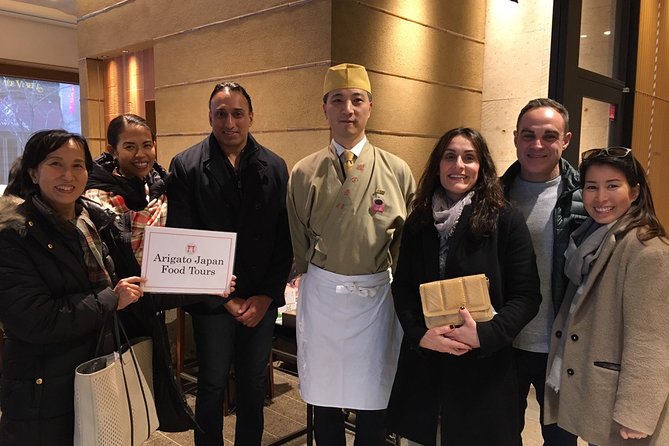
The route is set in and around Nihonbashi, with big names and landmarks like the bridge area, plus shrine visits that break up the eating. I also like that the group stays small, capped at 10 travelers, so you actually get answers as you go.
By the time lunch rolls around, you are not just fed, you are educated. The Washoku meal comes with real choice, like soba, tempura, and sashimi sets, plus grilled fish, chicken, or sukiyaki, and then you head to the Depachika underground market for snack hunting.
Key Things To Know Before You Go
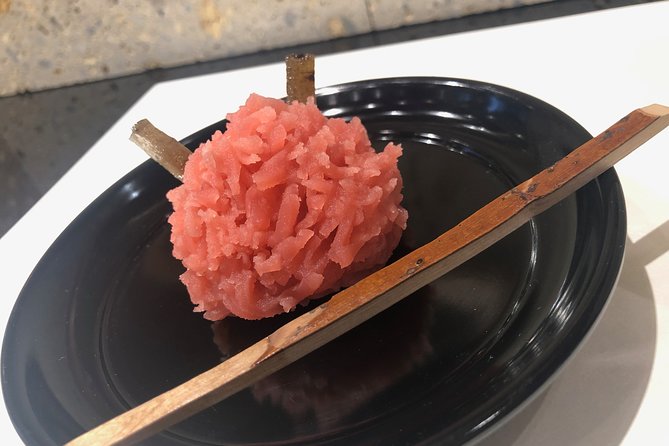
- Wagashi making focus: you learn the art of Japanese sweets and sample artistic desserts.
- Regional tastings add up: multiple food stops cover different flavors and traditions, not just one style of cooking.
- Hands-on Japanese menu confidence: you get tastings that map to common words and dishes.
- Washoku lunch with options: choose from soba, tempura, sashimi sets, grilled fish, chicken, or sukiyaki.
- Depachika snack strategy: your guide helps you find after-lunch bites in the underground market.
- Small group pacing: maximum of 10 people for a calmer walk and better Q and A.
Tokyo’s Nihonbashi Food Walk, Wagashi First
This tour is built like a guided food crash course. You start in the Nihonbashi area and spend about 3 hours moving between shops and landmarks, with tastings that explain what you are eating and why Japanese cuisine works so well. The big hook is the wagashi component, because it is not just sweet samples. You also see how those sweets are made and how ingredients, shape, and texture matter.
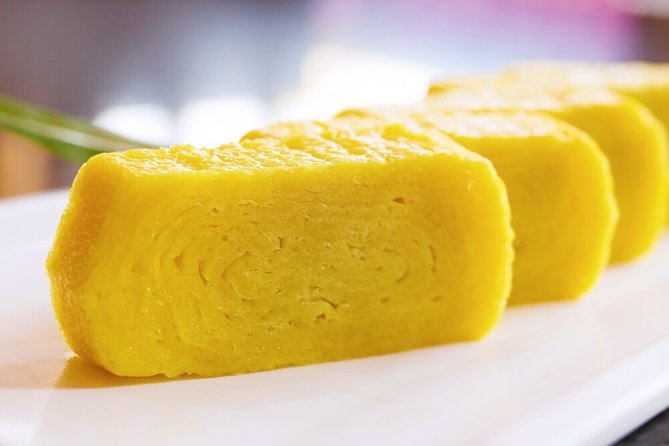
Two more things make this tour practical for first-timers. First, it trains your eye for the patterns on Japanese menus, since you are tasting dishes that you will actually see again later in restaurants. Second, it is designed to leave you feeling ready to order with less guesswork, especially for items like dashi-based soups, pickles, and egg-based dishes such as tamagoyaki.
There is also a realistic tradeoff. You are walking and sampling across multiple stops, so you will not want to treat this like a sit-and-sip museum tour. Plan for a steady pace and eat light before you arrive.
More Food Tours in Tokyo
- Tokyo: Shinjuku Food Tour (13 Dishes at 4 Local Eateries)
★ 5.0 · 6,603 reviews - Tokyo Tsukiji Fish Market Food and Culture Walking Tour
★ 5.0 · 3,184 reviews - Tokyo: Shinjuku Food Tour (15 Dishes and 4 Eateries)
★ 4.9 · 2,033 reviews
Where You Meet, Where You End, and How the Timing Feels
You meet at Starbucks Coffee – Nihombashi Suruga Building at the listed 10:30am start time. From there, the tour heads into the Coredo Muromachi area around the shops and corridors near Coredo Muromachi 1 and 2, and then your guide leads the walking route.
The tour ends in the Nihonbashi area. That matters because you will still be in a convenient neighborhood for grabbing a late lunch bite or shopping after the guided portion ends. You also get a mobile ticket, which makes the logistics smoother in a city where you will likely be using transit apps anyway.
One timing note that affects your experience: the tastings build through the morning, and lunch lands as a main part of the Washoku portion. If you tend to get full quickly, save your biggest cravings for the lunch choice and the Depachika after-lunch snacks, since both are part of what makes the tour feel complete.
The Nine Shop Stops That Teach Regional Japanese Flavors
You are guided through a walking route that visits nine shops. The tour also targets tastings across about seven food stops, plus a full lunch. The intent is simple: you taste, then you learn how the flavors connect to regions, traditions, and building-block ingredients.
Here is what you can expect to sample across those stops, based on the tour details:
- Wagashi (Japanese sweets), including artistic desserts
- Satsuma imo (fried sweet potatoes)
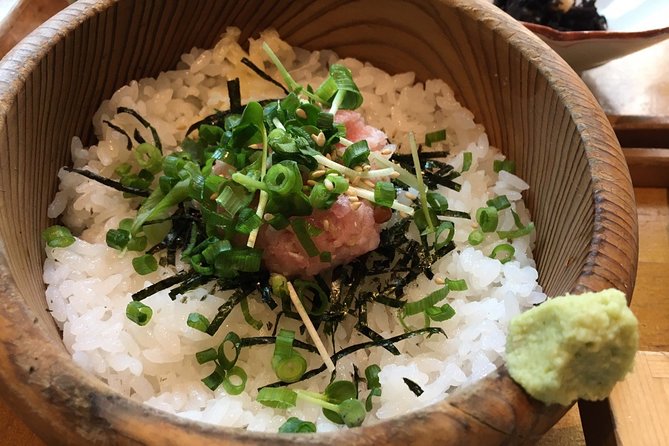
- Tsukemono (pickled vegetables)
- Dashi (soup stock)
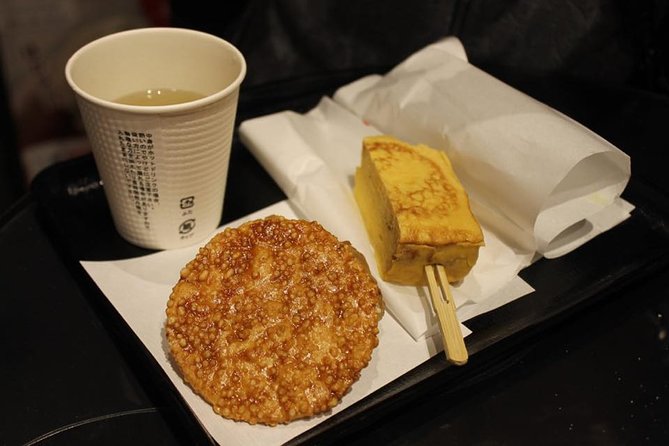
- Tamagoyaki (Japanese egg roll)
- Regional snacks and small bites tied to different food traditions
- Fish-focused items like fish cakes from Kagoshima and eel sushi
- Green teas
These items are not random. You get a mix of sweet and savory, plus fermented and pickled elements, plus a stock-based base (dashi) that shows up across lots of Japanese meals. That makes the tour feel like learning a language, not just eating random samples.
A practical advantage: you will likely recognize several of these foods later in Japan. Dashi, tempura-style frying, pickles, sweet potato snacks, and wagashi are common references in menus and department store food halls, so the “vocabulary” you pick up here sticks.
Wagashi: Sweets as Craft, Not Just Dessert
Wagashi is the star, and this tour treats it that way. You learn the art of making wagashi, then you taste it in forms that feel like they belong to seasons and craftsmanship traditions. Even if you are not a huge sweets person, wagashi can be a revelation because it is often designed around texture and subtle flavor rather than heavy sweetness.
You also sample artistic wagashi desserts, which is a hint at what makes wagashi special. It is not always about cake-like sweetness. It can be about ingredients arranged with intention, and about balancing sweetness with tea-friendly flavors.
What I like for you here is the educational angle. Instead of just tasting, you get context for the building-block flavors and ingredients that make traditional Japanese cuisine famous. That context is what turns wagashi from, sure, pretty dessert into a dish you understand well enough to look for again.
Same corner of Japan, a different kind of day:
- Mt Fuji and Hakone 1-Day Bus Tour Return by Bullet Train
★ 5.0 · 26,383 reviews - 1-Day Tokyo Bus Tour
★ 5.0 · 14,250 reviews - Tokyo: TOKYO SKYTREE® Admission ticket
★ 4.5 · 11,192 reviews - Tokyo: teamLab Planets TOKYO Digital Art Museum Entry Ticket
★ 4.6 · 9,779 reviews
The Shops Behind the Sweets: Fruit, Knives, and Tea
Along the walk, the tour includes stops that feel like old Tokyo meets modern food culture. Your itinerary includes a visit to Japan’s oldest fruit shop, a 300-year-old knife shop, and a unique tea shop.
Even without a long lecture, these types of stops matter for your food understanding. A knife shop signals craftsmanship behind the prep, and tea connects directly to how Japanese sweets and snack flavors are meant to be tasted. The fruit stop adds a seasonal ingredient reality check, because Japanese fruit and produce are often chosen for ripeness, fragrance, and texture, not just sweetness.
If you love food as a system, not just dishes, this part is worth paying attention to. It is a nice contrast to the tastings, because you see tools, sourcing, and beverages as part of the bigger picture.
Landmarks and Temples Keep the Tour From Feeling Like a Food Conveyor Belt
Not every stop is food-only. The walk includes key landmarks such as Fukutoku Shrine and Suitengu Shrine, plus time by the Nihonbashi bridge area. There is also coverage through places like Nihonbashi Takashimaya and the Coredo Muromachi sections.
Why this matters: it gives you breaks between tastings and helps the food story feel tied to place, not just a line of shops. You also get a chance to slow down, look around, and reset your palate between savory bites and sweets.
It also tends to make the whole experience feel more grounded for people who worry they will spend three hours only standing. With shrine stops and bridge area views, you are moving through real neighborhoods and not just hopping between indoor counters.
Lunch at the End: Washoku Sets and Real Menu Choice
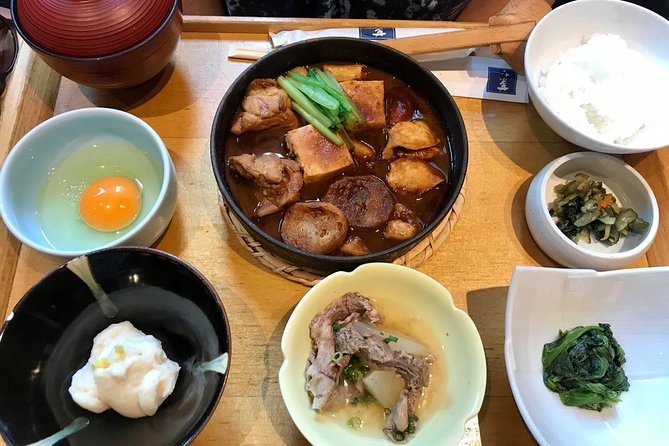
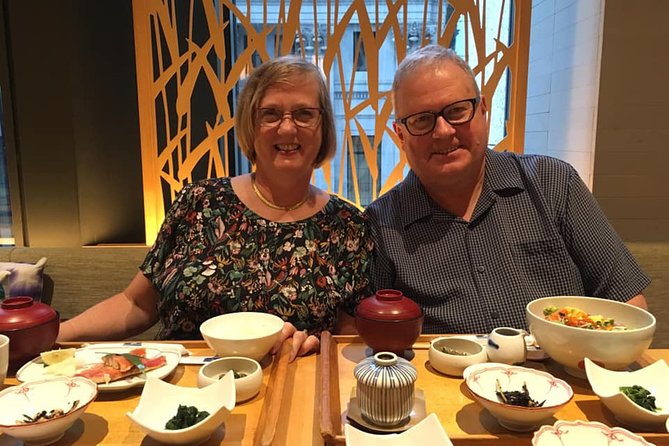
Lunch is one of the best value points in this experience. You get a full Washoku meal with options you can choose when booking. Depending on your selection, you may get:
- Soba, tempura, and sashimi sets
- Grilled fish
- Chicken
- Sukiyaki
This is not just a standard add-on. It is where the tour ties the tastings together. By the time you sit down, you have already sampled dashi, pickles, wagashi, and multiple regional snacks. So lunch becomes the lesson in action.
If you are trying to decide what to pick, think about what will help you learn the most for later. Soba and tempura sets are great if you want broad familiarity. Suikiyaki is a strong, comforting choice if you want something sauce-forward. Sashimi makes the lunch feel extra clean and showcases seafood freshness, which also pairs nicely with earlier fish-focused tastings like eel sushi and Kagoshima fish cakes.
One more practical note: the lunch portion includes guided discussion during the meal, so it is not just eat and go. You should feel like you can ask questions while everything is fresh.
Depachika After Lunch: How to Get the Best Snack Hunt
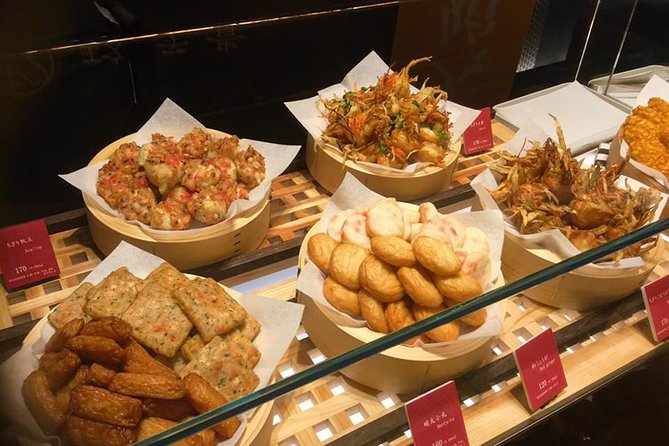
After lunch, you head into the Depachika, the underground market setup you see inside many large department stores. Your guide helps by pointing you toward the right places for the best after-lunch snacks.
This is a smart feature for two reasons. First, Depachika can be overwhelming. There are so many counters and packaging styles that you might waste time wandering. Second, you are already in a mindset shaped by your tastings, so you can make better choices quickly.
Your best strategy here is to keep it simple: choose one sweet and one savory, or one snack item and one drink, instead of trying to sample everything. The tour is already giving you a lot. Depachika is for topping off what you want to remember, not for replacing a meal.
What’s Included, and What You’ll Pay Extra For
This tour includes:
- One drink included
- Regional food tastings at multiple stops
- Local guide
- Local Japanese lunch
It also includes the tastings you see in the details, including dashi, regional snacks, tamagoyaki, fish cakes from Kagoshima, eel sushi, wagashi desserts, and green teas.
What is not included is just as important. Transportation costs and any additional drinks or food beyond what is included are on you. That means you should budget a little for extra snacks if Depachika tempts you, which it probably will.
Also, the minimum drinking age is listed as 21 years, so if alcohol-style drinks are on offer at a counter, double-check what your included drink actually is and what is available to you.
Price and Value: Is $209 Worth It?
At $209.00 per person for about 3 hours, this tour is priced like a guided, curated food experience with real meals and multiple tastings. On paper, that is more than you might pay if you ate independently. But the value comes from the structure:
- You get multiple regional tastings plus a full Washoku lunch
- You get a local guide, not just a self-guided checklist
- You get interpretation of ingredients, dishes, and how wagashi fits into the food world
- You get help navigating Depachika, which is hard to do well without guidance
When a food tour works, it is because you stop wasting time and start ordering with confidence. This tour is designed for that, especially with the wagashi and dashi emphasis plus the shrine and landmark route that keeps the day from feeling repetitive.
As a bonus, it is booked about 29 days in advance on average. If you want a smoother planning timeline, book early rather than waiting for last-minute schedule matching.
Who This Tour Suits Best, and Who Might Skip It
This fits well if you:
- Want a crash course in Japanese cuisine built around what you can actually order later
- Love food structure, where tastings teach ingredients and regional variation
- Appreciate wagashi and tea, and want a guided look at how sweets are made
- Prefer a smaller group experience, since the cap is 10 travelers
- Need options, since it is listed as pescetarian, vegan, and vegetarian friendly
It might be less ideal if you:
- Want a slow, sightseeing-first pace with minimal walking
- Are the type who dislikes structured meals and tastings, since this is built around eating at multiple stops
- Are extremely sensitive to food volume, since the tour includes multiple tastings and then lunch
Rain, Small Groups, and Comfort Tips That Actually Help
The tour is listed as good for rainy days, which is a relief in Tokyo. Still, you will be walking between shops and through indoor corridors, so bring a compact umbrella or rain layer you can manage in crowds.
Because you are sampling a lot of small items, it is also smart to dress for comfort. Think breathable layers. You will likely be moving between outdoor bridge areas and indoor retail spaces.
And because you will be tasting sweets and savory items, you will probably want water between stops even though only one drink is included. If you plan to do extra Depachika snacking, bring a little extra cash or plan for the payment methods at department stores.
Should You Book Flavors of Japan Food Tour in Tokyo?
If you are visiting Tokyo and you want your first taste of Japanese food to come with context, this tour is a strong bet. The wagashi focus, plus the dashi and regional snack education, gives you more than a snack parade. The Washoku lunch choice turns the experience into a real meal, and the Depachika guidance helps you keep exploring afterward without feeling lost.
The main reason to hesitate is the walking pace. If you want maximum sitting and minimum motion, you might prefer a tour that is more transport-driven. But if you like eating as you learn, this is the kind of food tour that can make your next restaurant order feel easy.
It also has an excellent track record with a 4.8 rating and 92% recommending it, which is consistent with what a well-paced guide-focused tour should deliver.
FAQ
What is the price for this Tokyo food tour?
The price is $209.00 per person.
How long is the tour?
The duration is about 3 hours.
Where do I meet the guide?
You meet at Starbucks Coffee – Nihombashi Suruga Building in the Nihonbashi area.
What time does the tour start?
The start time is listed as 10:30am.
What does the tour include?
It includes one drink, regional food tastings, a local guide, and a local Japanese lunch.
What lunch options are available?
Lunch choices listed for booking include soba, tempura, and sashimi sets, plus grilled fish, chicken, or sukiyaki.
Is the tour family-friendly?
Yes, it is family-friendly and children must be accompanied by an adult. Passport information copy is required for kids 10 and above.
Is it suitable for vegetarian or vegan diets?
Yes, it is listed as pescetarian, vegan, and vegetarian friendly.
Will I go to Depachika after lunch?
Yes. After lunch, you continue into the Depachika underground market, and your guide points you in the right direction for after-lunch snacks.
What is the cancellation policy?
Cancellation is free if you cancel up to 24 hours in advance of the experience start time. If you cancel less than 24 hours before, it is not refunded.
Fresh options around Tokyo
- Tokyo: Nikko Kegon Falls Lake Chuzenji Toshogu Temple & More★ 4.9 · 12 reviews
- Tokyo: Samurai History Walking Tour★ 5.0 · 12 reviews
- Harajuku: Kawaii Fashion and Pop-Culture Tour★ 4.7 · 12 reviews
- Tokyo: Mt. Fuji & Lake Kawaguchi Instagram Full Day Trip★ 4.1 · 12 reviews
- Shibuya Tokyo: Modern Kintsugi Workshop in Shibuya★ 5.0 · 12 reviews
- Tokyo: GTR Guided Daikoku Experience at Night★ 5.0 · 12 reviews
- Tokyo: Daikoku JDM Car Culture Tour★ 4.6 · 12 reviews
- Mt Fuji Private Day Trip from Tokyo with English speaking driver★ 5.0 · 13 reviews
Food & Drink, compared.
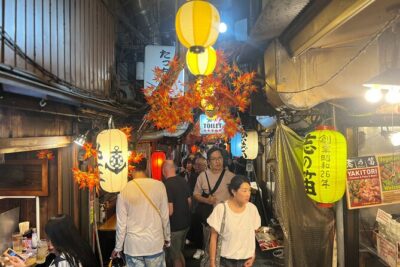
Shinjuku Food Tour (13 Dishes at 4 Local Eateries)
Read our review →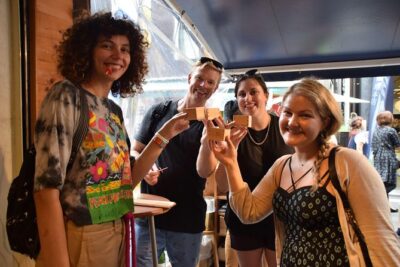
Tokyo Tsukiji Fish Market Food and Culture Walking Tour
Read our review →
Shinsekai Food Tour with 13-15 Dishes at 5 Eateries
Read our review →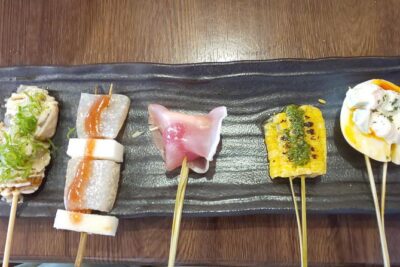
Osaka Food Tour: 13 Dishes at 5 Local Eateries
Read our review →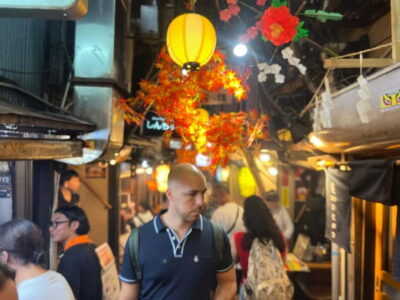
Shinjuku Food Tour (15 Dishes and 4 Eateries)
Read our review →
Best of Shinjuku: Izakaya Food Tour (4 Stops, 14+ Tastings)
Read our review →
Kyoto Night Foodie Tour in Gion (9+ dishes + 6 Sake tastings)
Read our review →
Hungry Osaka Street Food Tour:15 Tastings & 3 Drinks with a Local
Read our review →Browse the lists this tour appears in