
Reviewed · COOKING CLASSES
Bento Box Cooking Class
A bento box is a whole meal puzzle. In Kyoto, this class at Cooking Sun turns that puzzle into real food, with chef-led technique and a finish of lunch made by you.
What I like most is the hands-on structure paired with personal help. You work in a small group, get English-speaking instruction, and leave with written recipes you can actually follow at home.
One thing to consider: the class is compact, and some prep can be done ahead to keep the workflow moving. Also, since you eat your lunch at the end, you will want breakfast or a light snack before you arrive.
Key things to know before you go
- Small group size (up to 8) means more time for questions and feedback.
- Hands-on cooking plus a chef demo, so you watch technique and then try it yourself.
- Seasonal menu changes every three months, so it stays fresh through the year.
- Your bento lunch is included, and you also get recipe copies to recreate it at home.
- Dietary needs can be discussed at booking, and the staff is allergy-aware.
Kyoto Cooking Sun and the 9:30 AM Rhythm
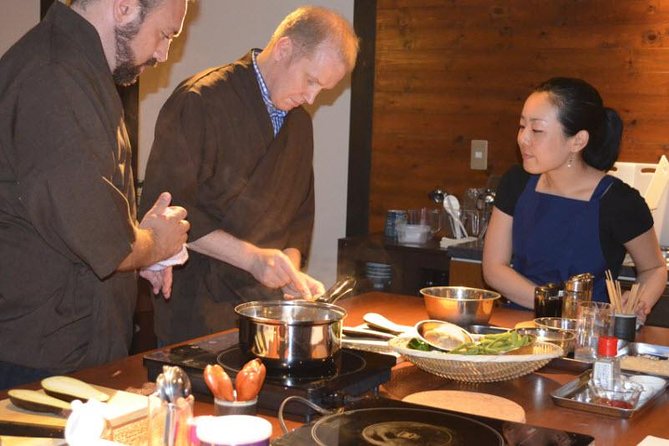
This is a morning-focused class that typically starts at 9:30 am at Cooking Sun in Shimogyo Ward. The studio setup is made for a smooth flow, where you learn the ideas behind Japanese bento culture and then immediately translate that into knife skills, stovetop work, and plating.
You can think of the timing as part of the experience. You learn first, cook second, then you finally sit down together to eat. That pacing is great if you enjoy process, but it also means you should not skip breakfast. I’d treat this like a real cooking workout: show up hungry, but not so hungry you feel lightheaded.
The class runs about 3 to 3.5 hours, so it fits nicely into a Kyoto sightseeing day. You’ll be done before the late-day crowds set in, and you’ll also have something practical to take home: recipe sheets, plus the confidence to pack a simple bento-style meal later.
What You Learn Before You Cook: Bento Origins and Bento Logic
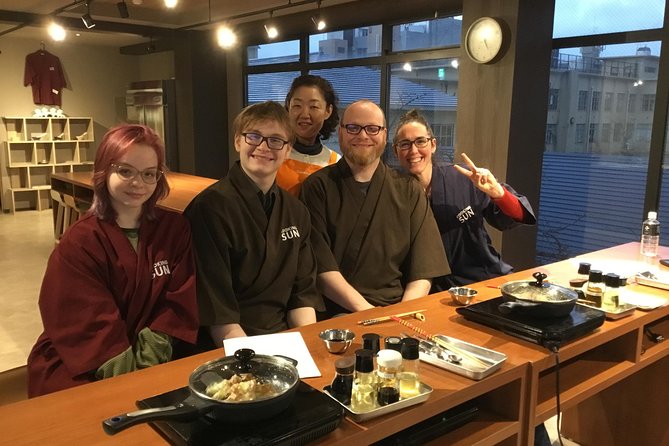
Before you start cooking, you get background on what a bento is and why it matters in everyday Japan. The class connects bento culture to history, pointing to early roots that date back to the 13th century. You’ll also hear that the term bento was used during earlier periods in relation to convenience food, which helps you understand why bento became so tied to busy routines.
That history is not just trivia. It gives you the logic behind the food choices. Bento is about balance, practicality, and presentation, often built around foods that hold well and travel well. When you understand that, your bento stops being a random assortment of snacks and starts looking like an intentional little meal.
Even better, you’ll learn how techniques support that logic. For example, you’ll hear practical guidance on building flavor foundations like dashi and how to use different soy sauce types with purpose. A few small technique notes can make your home cooking taste more like Japanese home meals, not just Asian-inspired dishes.
More Cooking Classes in Kyoto
- Ramen Cooking Class at Ramen Factory in Kyoto
★ 5.0 · 1,937 reviews - Kyoto: Ramen Cooking Class at a Ramen Factory with Souvenir
★ 4.9 · 532 reviews - Kyoto: Ramen, Gyoza, and Onigiri Cooking Class
★ 5.0 · 445 reviews
The Bento Box Build: Dishes You May Make
A bento box is famous for variety, and this class leans into that. Your menu can shift depending on the season, since it’s adjusted every three months based on the best available seasonal ingredients. So think of this as a “bento skill builder,” not a fixed recipe list you can memorize.
From the cooking elements described, you may encounter a mix of Japanese staples such as:
- Miso soup basics
- Tempura vegetables (and in some sessions, tempura-style items like shrimp)
- Egg rolls (including a layered rolled-egg approach)
- Teriyaki-style components
- Seasonal sides such as sesame-based or spinach-based salads
- Sushi rolling practice, including making a sushi roll and working with rolling technique
Even when the exact lineup varies, the takeaway is consistent: you learn how Japanese cooks combine flavors and textures into bite-sized portions. You also learn how to manage timing when multiple components are happening in parallel, which is the difference between a bento that looks good and one that tastes coherent.
Hands-On Cooking With Chef Guidance (And Real Q&A Time)
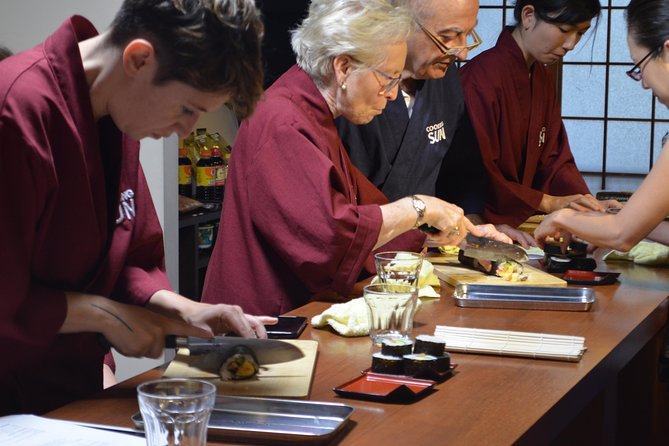
The best part of this class is how it balances show-and-tell with doing. A master chef or class leader demonstrates key techniques first, then you step in with your own tools and start cooking.
The small group size is a big reason this works. With a maximum of 8 people per booking, you are not watching from the sidelines. You can ask questions when something is confusing, like how thick to roll an egg, how to manage batter for tempura, or how to keep a sushi roll neat.
You’ll also get guidance on the little details that matter in Japanese cooking. The reviews highlight practical tips like:
- how to work with dashi (the base flavor)
- how to recognize when to use different color soy sauces
These are the kinds of details that are hard to guess from a generic online recipe. When someone explains the why, you can repeat the dish later without relying on luck.
And yes, you will work. Expect an active session that goes beyond “chef does it all.” The experience is built around you building portions for your box, not just assembling pre-made items.
Lunch in Your Own Bento Box: Tasty, Practical, and Photo-Worthy
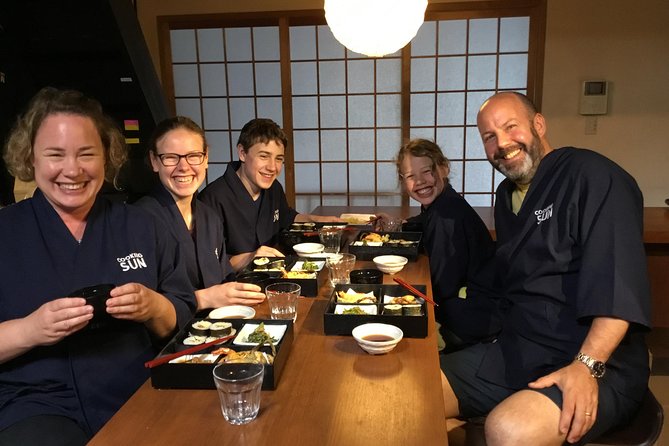
At the end, you sit down to enjoy your handmade bento with the other class participants. This is not a buffet meal where your bento is sitting finished somewhere else. Your box is the point, and the lunch is served after the cooking wraps up.
This matters more than it sounds. When you cook it yourself, you taste with a better understanding. You notice how tempura texture changes, how miso soup tastes right after cooking, and how sauce choices affect balance across different components. It also makes the meal feel like a reward, not just fuel.
You also get something you can use right away after your trip: copies of the session recipes. That takes the class from “fun in Kyoto” to “useful when you get home.” If you’ve ever tried to repeat a dish later and realized you forgot one key step, this is the fix.
Same corner of Japan, a different kind of day:
- PERFECT KYOTO 1-Day Bus Tour
★ 5.0 · 13,518 reviews - Kyoto: Fushimi Inari, Kinkakuji, Bamboo Grove 1 Day Bus Tour
★ 4.8 · 4,316 reviews - Kyoto: Tea Ceremony in a Traditional Tea House in Kiyomizu
★ 4.9 · 3,519 reviews - Kyoto Geisha Walking Tour: Gion District & Hidden Gems
★ 4.7 · 3,273 reviews
Seasonal Menu Changes: Why It Keeps the Class Worth It
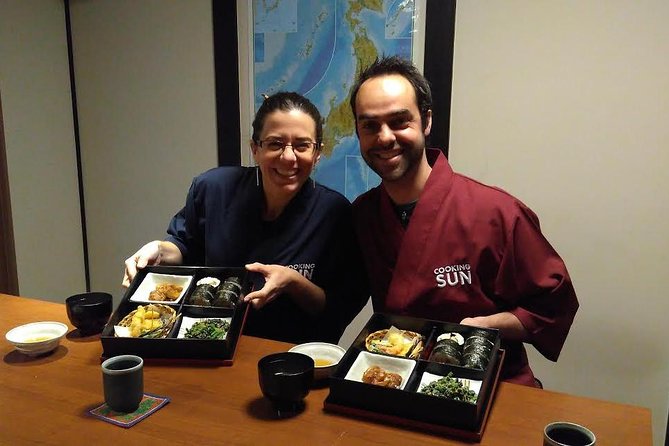
One detail that helps this class stay interesting is that the menu is adjusted every three months. That means you are more likely to encounter fresh seasonal ingredients instead of the same rotation of dishes year-round.
For first-timers, that keeps the experience from feeling like a standard tourist cooking demo. For repeat visitors, it can make this kind of class feel less like a repeat lesson.
For you, it also means flexibility. If you’re hoping to learn a particular dish, check what’s scheduled for your timeframe. The safest approach is to come for the full bento skill set: the methods, timing, and flavor logic that apply no matter which exact items you cook.
Price and Value: Is $71.35 Worth It?
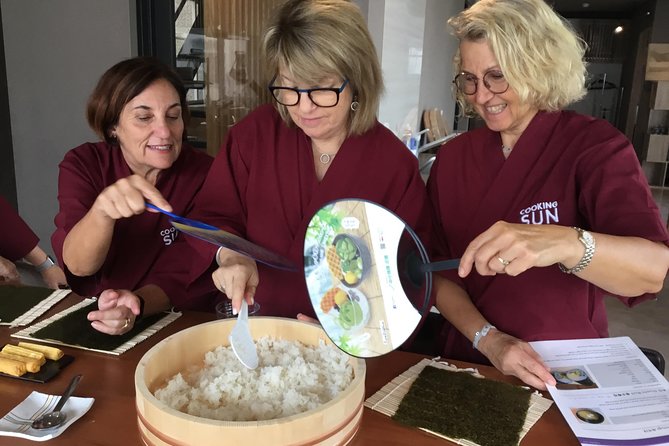
The price is $71.35 per person, and the session includes lunch, all cooking ingredients, an English-speaking instructor, and an apron. You also take home recipe copies.
For Kyoto, this is the kind of value that usually works best when you count what you actually receive. Many cooking experiences either sell the class content but make you buy ingredients and lunch separately, or they give you a light taste with minimal instruction. Here, you get both the teaching and the meal as part of the package, which makes the time feel more “complete.”
Also, you are paying for small-group teaching, not just a generic class atmosphere. With up to 8 travelers, your questions do not get lost, and your technique feedback is more likely to land in real-time while you can still fix it.
If you are on a tight schedule, this also fits well since it is only around a half-day. You’re not spending your whole Kyoto trip stuck indoors or commuting all afternoon.
Who This Class Suits Best (And Who Might Want Something Else)
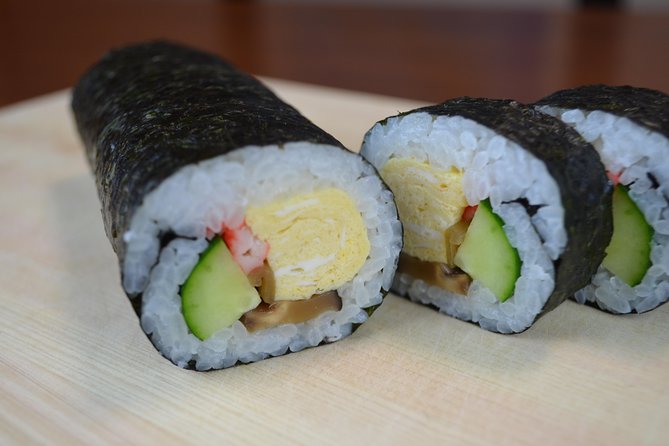
This is a great match if you want a practical, repeatable cooking experience. If you like learning how Japanese food is built, not just eating it, you’ll likely enjoy the focus on technique and on bento logic.
It also fits couples and families because the group stays small and the pacing is structured. Many people find that cooking together is more memorable than sitting through yet another walking tour.
If you are looking for a class that is purely about deep knife work from scratch, you should mentally adjust. Some prep may happen in advance so the class can move at a good pace, and you spend more time learning the core techniques than doing every single step from raw ingredients.
Finally, if you have allergies or dietary restrictions, this is worth considering because the staff is reported to be careful and helpful. You should still share your needs when booking so they can plan accordingly.
Making the Most of Your Bento Class in Kyoto
Here are the practical moves I’d suggest before you show up.
Eat beforehand. Even though lunch is included at the end, you’ll be cooking for a while. If you arrive hungry, you’ll feel it when you cannot taste your work until the last stretch.
Ask questions as soon as you hit a sticking point. With a maximum of 8 people, timing matters. The kitchen rhythm is faster than a classroom, so it’s smart to speak up early rather than waiting until you’re done.
Take the recipe copies seriously when you get home. If you treat them like real instructions and not souvenirs, you’ll actually use what you learned. Bento cooking works best when you understand the method, then adapt it to your own pantry.
Should You Book This Bento Box Cooking Class?
Book it if you want a small-group Kyoto cooking experience with hands-on instruction, a real end product you can eat, and recipe sheets you can follow later. The combo of bento culture, technique work, and included lunch is hard to beat for a half-day plan.
Consider it carefully if you want a very hands-on “from scratch” prep day with zero advance work. This class is designed for momentum and clarity, so your experience may be more about technique and assembly than doing every task solo.
If you like Japanese convenience foods, enjoy learning why things are done a certain way, and want a meal you can recreate without guesswork, this one makes sense.
FAQ
How long is the Bento Box Cooking Class?
It runs about 3 hours (approximately 3 to 3.5 hours).
Where does the class meet in Kyoto?
The class starts at Cooking Sun, 679 Funayachō, Shimogyo Ward, Kyoto, 600-8466, Japan.
What time does it start?
The listed start time is 9:30 am.
What is included in the price?
Lunch is included, along with all ingredients for cooking, an English-speaking cooking instructor, and an apron.
Are drinks included with lunch?
Food and drinks are not included unless specified.
How big is the group?
There is a maximum of 8 people per booking, and the activity has a maximum of 8 travelers.
Can the class accommodate allergies or dietary requirements?
You should advise any specific dietary requirements at time of booking so the team can plan for you.
Does the menu stay the same?
The menu can differ by season, and it is adjusted every three months to include the best available seasonal ingredients.
Is hotel pickup or drop-off included?
No, hotel pickup and drop-off are not included.
Is there free cancellation?
Yes. You can cancel for a full refund up to 24 hours in advance of the experience start time.
Fresh options around Kyoto
- Kyoto Aquarium Admission Ticket★ 4.7 · 12 reviews
- Kyoto Gion Photoshoot – Private Session | Pro Photographer★ 5.0 · 12 reviews
- Gyoza Cooking Class in Kyoto: Traditional Japanese Dumplings★ 5.0 · 12 reviews
- Kyoto: Guided Food Tour with 12 Dishes & 3 Drinks★ 5.0 · 12 reviews
- Kyoto: Avoid the Crowds at the Hidden Gems of Arashiyama★ 4.9 · 13 reviews
- Kyoto Early Bird English Tour: Gion & Higashiyama(Private opt)★ 5.0 · 13 reviews
- Otsu-e Folk Art Workshop & Local Culture Walk Near Kyoto★ 5.0 · 13 reviews
- Kyoto, Osaka, Nara Full Day tour by Car English speaking Driver★ 3.5 · 13 reviews
Cooking Classes, compared.
Ramen Cooking Class at Ramen Factory in Kyoto
Read our review →
Ramen & Gyoza Cooking Class in Tokyo with Local Supermarket Visit
Read our review →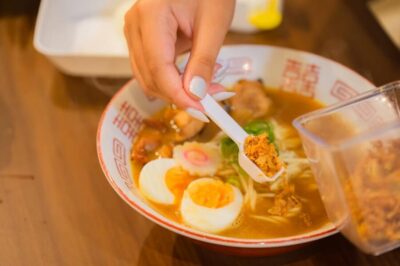
Ramen Cooking Class at a Ramen Factory with Souvenir
Read our review →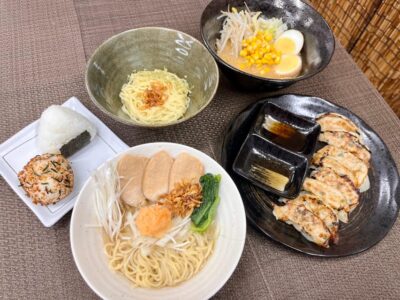
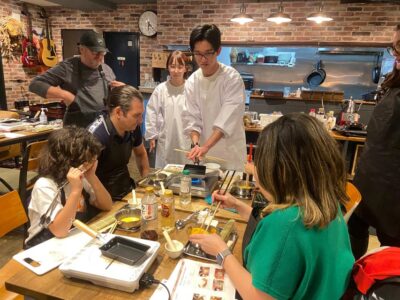
Japanese Washoku Bento Small Group Cooking Class
Read our review →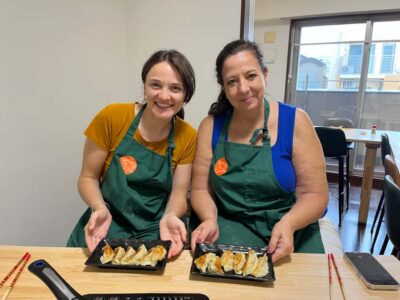
Easy Ramen Cooking Experience in Kabukicho, Shinjuku
Read our review →
Ramen and Sushi Cooking Class with Sake Pairing Set in Tokyo
Read our review →Browse the lists this tour appears in