
Reviewed · ARASHIYAMA & BAMBOO TOURS
Bamboo LED Lantern Making Experience in Kyoto Arashiyama
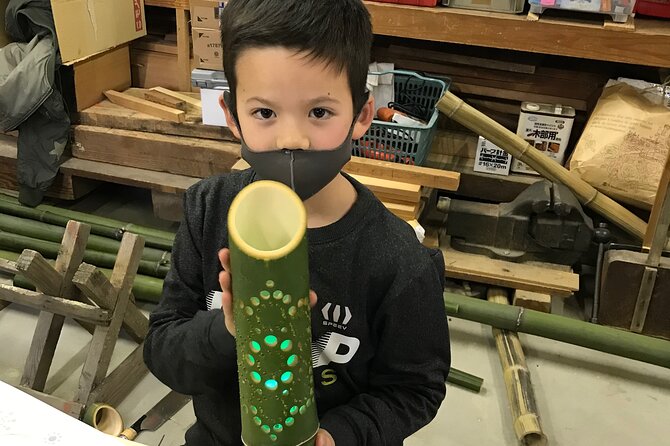
Bamboo, up close, with real tools. This Arashiyama class pairs a calm bamboo forest walk with a hands-on workshop where you shape your own souvenir, like an LED lantern. I especially like the small-group feel, capped at 8, and often run like a no-rush session with a maximum of 6.
One thing to consider: the bamboo can be fresh and green, and a past participant reported mould when it stayed too moist in packaging, so it helps to inspect your lantern and let it dry properly after you get home.
Key Highlights You’ll Care About
- Small-group pace: capped at 8, with a maximum of 6 listed for the activity
- Bamboo forest trail first: you start with a walk through the Arashiyama bamboo area, then move on to the studio
- Pick your own materials and pattern: choose a bamboo piece and select or modify a lantern design
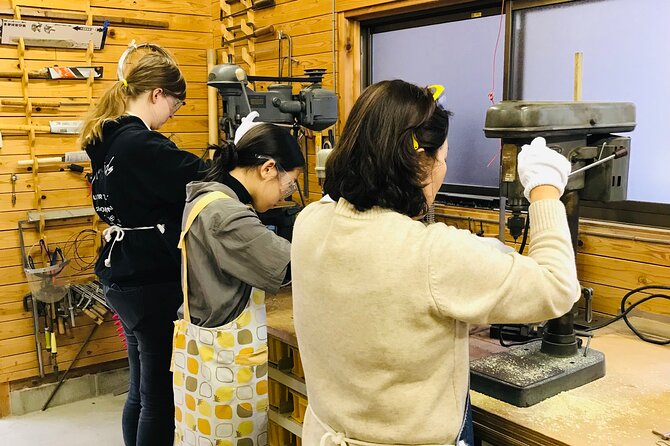
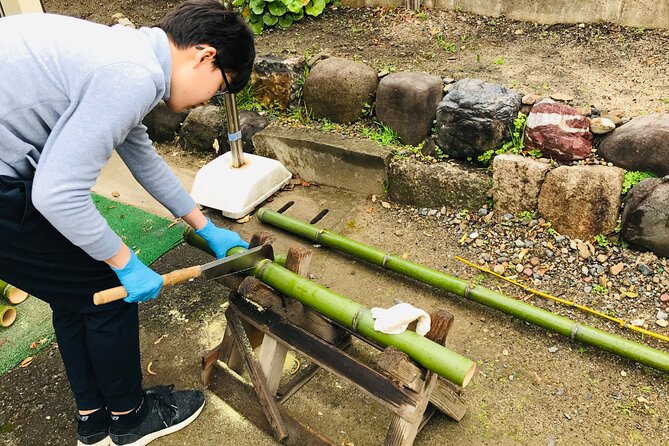
- Hands-on tool time: you cut and drill using workshop tools, with safety support and instruction
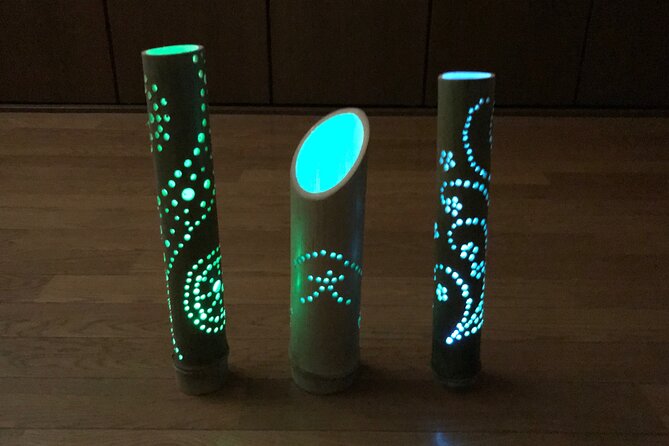
- Take-home LED lighting: you leave with a finished bamboo craft you can display at home
Why Arashiyama Bamboo Matters, and This Class Changes the Usual Visit
Arashiyama is famous for bamboo groves, and it’s easy to spend your time just taking photos and pushing through crowds. This experience keeps you out of that rhythm. You go beyond the bamboo scenery by learning how the plant behaves, how people harvest and work it, and how a simple tube becomes something functional and beautiful.
What I like is that the lesson isn’t just “look at bamboo.” It’s bamboo as a craft material. You walk, you learn a bit of local context, then you sit down with a pattern and actually make a piece. That makes the souvenir feel earned, not bought.
You also get a more relaxed Arashiyama experience because the class is intentionally small. With a maximum of 6 and a stated cap of 8, you are not lost in a sea of strangers, and it’s easier to ask questions or get help while you’re working.
More Arashiyama tours:
- Kyoto: Fushimi Inari, Kinkakuji, Bamboo Grove 1 Day Bus Tour
★ 4.8 · 4,316 reviews - Osaka/Kyoto:Kinkakuji,Arashiyama,FushimiInariShrine,NaraPark
★ 4.1 · 1,596 reviews - Kyoto/Osaka: Nara, Fushimi Inari Taisha, Arashiyama Bus Tour
★ 4.7 · 1,275 reviews
Where You Meet, and How the 3 Hours Actually Flow
This starts at 2:00 pm at Saga-Arashiyama Station, meeting by a specific spot: 11-1 Sagatenryūji Kurumamichichō, Ukyo Ward, Kyoto. The end point is the same as the meeting point, so you can plan the rest of your afternoon without a big “where do we go now?” headache.
The total time is about 3 hours, and you should think of it as one continuous arc: walk first, workshop second, and back again. There is no lunch included, so if you arrive hungry, grab something nearby before you meet. (Arashiyama can run busy later in the day.)
You’ll likely get a mobile ticket, and the experience is set up to be easy to reach with public transportation. Service animals are allowed, and most people can participate, since instruction is geared to beginners.
The group size matters here. In a class that short, a small headcount is the difference between feeling like a student and feeling like an assembly line.
Bamboo Forest Trail: What You Learn on the Walk
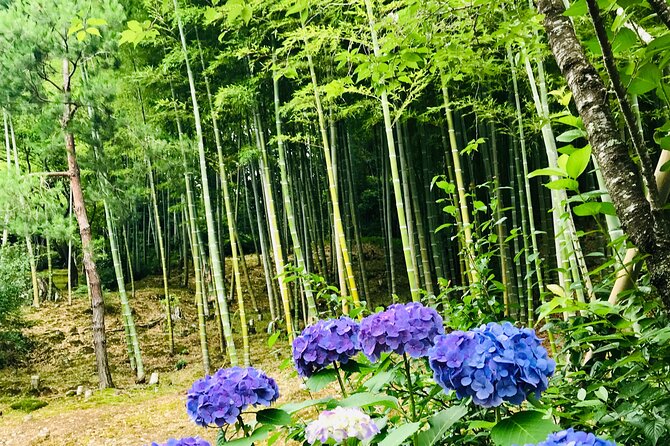
The itinerary begins with a bamboo forest trail walk in Arashiyama. This is not just a straight line from point A to point B. You get explanations along the way about bamboo itself and why this plant matters in the area.
One practical win: starting with the walk helps your brain switch modes. You stop viewing bamboo as background scenery and start noticing how it grows, how it’s used, and what makes it workable. That makes the workshop feel more connected to the world around you.
People often also move through quieter lanes beyond the densest bamboo viewing spots, including chances to pass shrines or local neighborhood scenery as you head toward the studio. Even if your route varies, the goal is the same: a calmer, more local-feeling transition from outdoors to inside.
Your guide, Noriko, is known for being friendly and conversational, with clear explanations in English. That matters more than you might expect. When you can understand the why behind the steps, you do better work and you enjoy it more.
Noriko’s Workshop: Picking Bamboo and Patterns
Once you reach Noriko’s workshop, the tone changes from sightseeing to making. The space is described as clean and bright, which sounds basic until you’ve tried crafting in places that feel cramped or chaotic. Here, you should be comfortable staying focused.
A key part of the experience is choice. You can select what you want to make, with options commonly including:
- LED bamboo lantern
- sake cup or other small bamboo items
- items like a smartphone holder or a teacup design style, depending on what’s available in that session
Then you pick your bamboo piece and select a lantern pattern. Many people choose from patterns already prepared, but you can be more creative too if you want to modify your design.
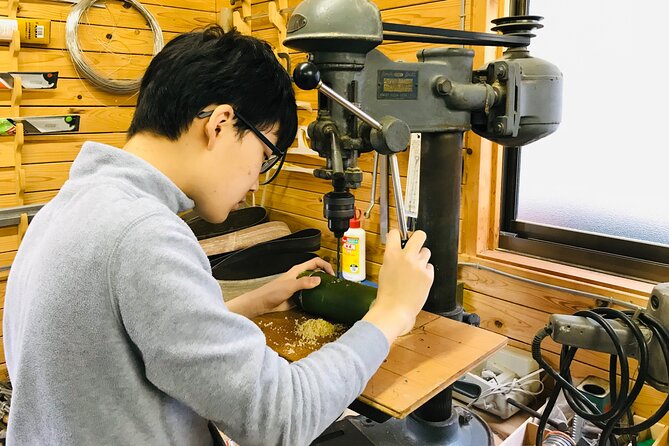
The workshop team also helps with the “start-up” stage. Several participants mention getting clear guidance on drilling and use of the workshop tools, and a focus on safety. You are not left alone with machinery.
If you’re traveling with kids, this section is also encouraging. Notes from families describe Noriko and her husband being patient, and instruction being approachable enough that children could participate with the right support.
A few more Kyoto days worth comparing
- PERFECT KYOTO 1-Day Bus Tour
★ 5.0 · 13,518 reviews - Kyoto: Tea Ceremony in a Traditional Tea House in Kiyomizu
★ 4.9 · 3,519 reviews - Kyoto Geisha Walking Tour: Gion District & Hidden Gems
★ 4.7 · 3,273 reviews - Kyoto: Tea Ceremony Ju-An at Jotokuji Temple
★ 4.9 · 3,207 reviews
Making the Lantern: Cutting, Drilling, and LED Setup
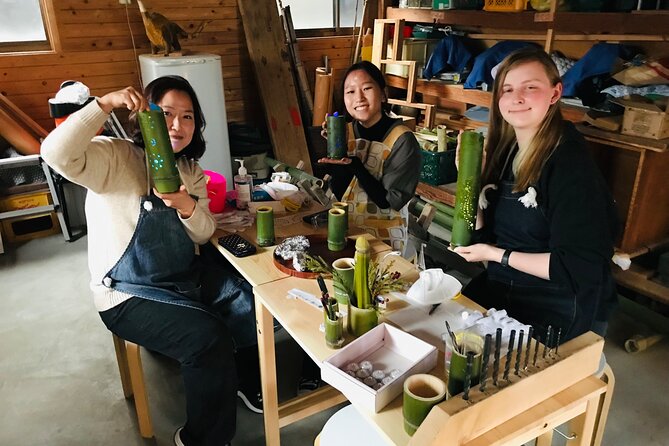
The hands-on part centers on turning your chosen bamboo into a lantern form. You’ll get shown how to handle the pieces, how to work with the pattern, and how to create the holes that shape the final light effect.
You should expect:
- bamboo selection and pattern fitting
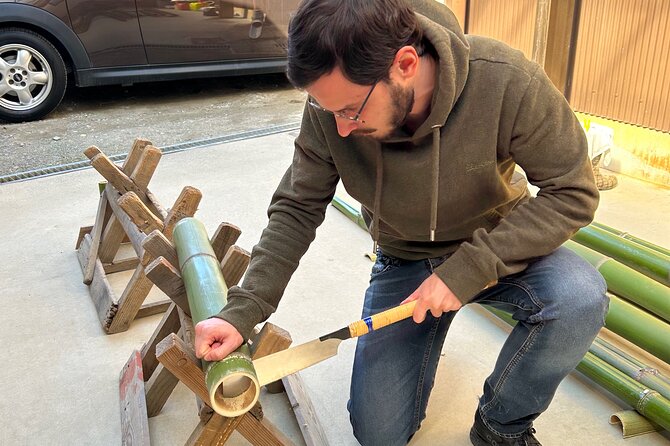
- cutting and preparation, with tools and machines provided
- drilling holes based on the pattern
- assembly steps that make the piece usable as a lantern, typically with an LED light element as part of the final outcome
Safety gets real attention. Several accounts mention the instructors being cautious with drill presses and giving some practice before the main work starts. If you have never used a power tool before, this is exactly the kind of structured environment where you want to learn.
For the fun factor, the design moment is huge. You are not just “making a lantern.” You are choosing a look that reflects what you like, then translating that taste into bamboo structure. That’s why the finished piece feels like a personal souvenir rather than a generic decoration.
And yes, the lanterns can be mood lighting at home. People love the practical use, not just the photo value.
Take-Home Care: Avoiding Mold and Getting Long-Lasting Results
There is one concern worth taking seriously, even if it seems like a fluke. One participant reported mould issues after the lantern was wrapped in bubble wrap while the bamboo was still moist and green. In response, Noriko said they would improve the wrapping method and they plan to introduce heated dried bamboo made from the same bamboo, but more stable and long lasting.
So what should you do with this information?
When you pick up your lantern:
- inspect it before leaving the workshop area, if possible
- after you get home, give it time to dry in a well-ventilated place
- avoid keeping it tightly sealed in packaging for long periods
If you want a long-lasting souvenir, these care steps matter. Bamboo is natural material, and small changes in moisture and airflow can affect its condition. This is the kind of souvenir where a bit of aftercare protects your investment.
The good news is that the provider reacted to the feedback and is actively improving process, including trying a drier bamboo option for future sessions.
Price and Value: Is $79.26 Worth It?
At $79.26 per person for about 3 hours, the price makes sense if you think of what’s included. You get:
- guided walk and instruction
- materials
- use of tools and machines
- a finished take-home bamboo craft, commonly an LED lantern
A pre-made souvenir lantern can be cheaper, but it usually comes without the learning, the handwork, and the satisfaction of making the object yourself. Here, you’re paying for time, teaching, and included materials. In other words, you’re buying an experience plus a craft result, not just a product.
Small-group size is part of the value too. When you’re in a group of up to 6, you can actually get support and guidance while you work. That’s harder to get in bigger workshop settings.
Also, you’re getting a cultural experience that connects to the Arashiyama bamboo landscape. The souvenir is tied to the place rather than being something you picked off a shelf after a crowded day.
One caveat: lunch is not included, so if you’re planning to eat afterward, budget time and money for that.
Who Should Book (and Who Might Skip)
This works especially well if you want:
- a hands-on activity instead of another photo stop
- a calmer Arashiyama outing away from the densest crowds
- a meaningful souvenir you can use at home, not only display
It also seems like a strong family option. Notes include children around ages 7 to 13 participating with help and patience from Noriko and her husband. If your kid is curious and you’re comfortable with a guided tool-focused activity, this can be a memorable afternoon.
You might consider a different activity if:
- you are very short on time and need something ultra-fast
- you strongly prefer buying pre-made souvenirs, with zero “craft involvement”
- you’re worried about natural-material care. Bamboo is a living plant material, so drying and handling matters.
Should You Book This Tour?
If you like the idea of turning Arashiyama bamboo into a personal object you can actually light up at home, I think this is a very good booking. The combination of a bamboo forest walk, a small group, and a take-home LED lantern makes it feel like more than a simple workshop.
My only real caution is moisture-related care. Inspect your lantern when you receive it, and give it the drying it needs after travel. With that handled, you should end up with a souvenir that feels genuinely tied to your Kyoto afternoon.
If that sounds like your kind of travel day, book it.
FAQ
What can I make in the bamboo workshop?
You can choose what to make, with options including an LED bamboo lantern and other bamboo crafts such as a sake cup. The session also mentions possibilities like a sake bottle style, teacup, or a smartphone holder, depending on what you select.
How long is the experience and what time does it start?
The experience is about 3 hours. It starts at 2:00 pm.
Where do we meet in Arashiyama?
You meet at Saga-Arashiyama Station at 11-1 Sagatenryūji Kurumamichichō, Ukyo Ward, Kyoto 616-8373, Japan.
Is lunch included?
No. Lunch is not included.
How big is the group?
The activity is described as intimate and small-group. The booking info lists a maximum of 6 travelers, and the overview also mentions a cap at 8 people.
Can I cancel for a full refund?
Yes, free cancellation is available. You can cancel up to 24 hours in advance of the experience for a full refund, and cancellations made less than 24 hours before the start time are not refunded.
Fresh options around Kyoto
- Kyoto Aquarium Admission Ticket★ 4.7 · 12 reviews
- Kyoto Gion Photoshoot – Private Session | Pro Photographer★ 5.0 · 12 reviews
- Gyoza Cooking Class in Kyoto: Traditional Japanese Dumplings★ 5.0 · 12 reviews
- Kyoto: Guided Food Tour with 12 Dishes & 3 Drinks★ 5.0 · 12 reviews
- Kyoto: Avoid the Crowds at the Hidden Gems of Arashiyama★ 4.9 · 13 reviews
- Kyoto Early Bird English Tour: Gion & Higashiyama(Private opt)★ 5.0 · 13 reviews
- Otsu-e Folk Art Workshop & Local Culture Walk Near Kyoto★ 5.0 · 13 reviews
- Kyoto, Osaka, Nara Full Day tour by Car English speaking Driver★ 3.5 · 13 reviews
Arashiyama & Bamboo Tours, compared.
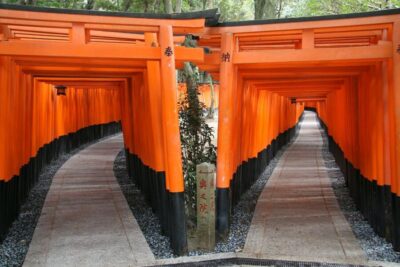
Fushimi Inari, Kinkakuji, Bamboo Grove 1 Day Bus Tour
Read our review →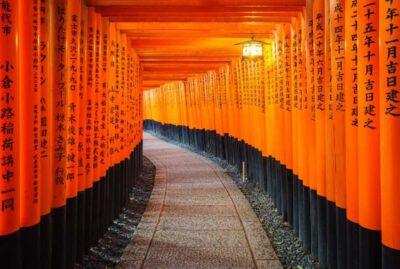
Osaka/Kyoto:Kinkakuji,Arashiyama,FushimiInariShrine,NaraPark
Read our review →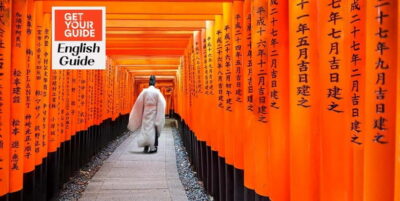
Kyoto/Osaka: Nara, Fushimi Inari Taisha, Arashiyama Bus Tour
Read our review →
Kyoto Arashiyama Walking Tour: Bamboo, Monkeys, Gardens & Secrets
Read our review →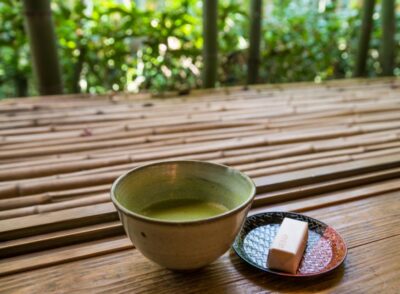
Arashiyama Bamboo, Temple, Monkeys, or Secret Sake Brewery
Read our review →
Arashiyama Bamboo Forest, Monkeys, Matcha & Temple Tour
Read our review →
Osaka/Kyoto: Arashiyama, Nara & Fushimi Inari Shrine w/Lunch
Read our review →
Nijo, Kinkaku-ji, Arashiyama, Kiyomizu & Fushimi Inari
Read our review →Browse the lists this tour appears in