
Reviewed · KIMONO EXPERIENCES IN KYOTO
A Unique Antique Kimono and Tea ceremony Experience in English
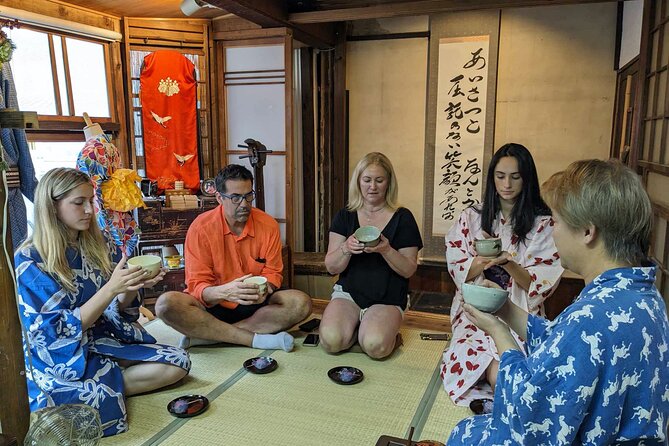
Matcha feels different in antique kimono. In Kyoto, I love the antique kimono rental and the quiet setting near Katsura Imperial Villa, and you get a proper small-group tea experience led by Toku at Miyagawa Tokusaburo Shoten. One thing to consider: this is a slow, formal tea ceremony, so if you’re craving a long menu of different teas or a fast pace, you may want to set expectations accordingly.
You’ll spend about 1 hour 30 minutes in an old private house that feels a world away from the city crowds. I also liked that it’s capped at six people, taught in English, and focused on manners, etiquette, and matcha preparation, with extra context like the relationship between samurai and tea culture.
Key highlights you should care about
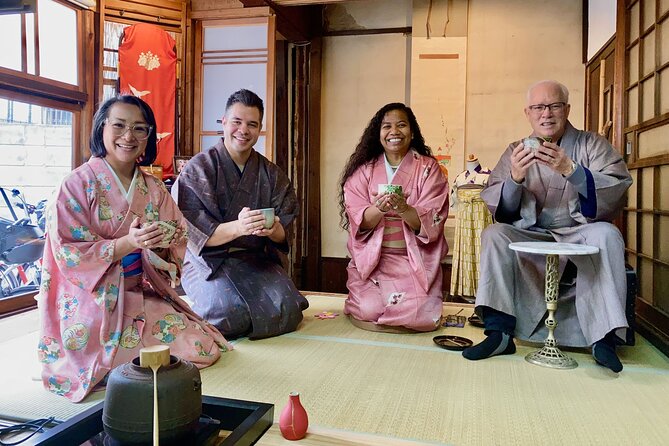
- Antique kimono included: You don’t just watch, you wear a rare older kimono.
- Small group size: Capped at six, which keeps things calm and gives you time for questions.
- Matcha making focus: You learn how matcha tea is prepared, not just how to drink it.
- A quiet house near Katsura: The area helps the ceremony feel slower and more personal.
- A host with 20+ years in tea: Toku’s background shapes how patiently and clearly he teaches.
Kyoto matcha, in a real house setting near Katsura
This experience is set up for one goal: help you slow down and understand Japanese tea culture in a place that feels lived in. The ceremony happens in a private home environment tied to Miyagawa Tokusaburo Shoten, in a neighborhood close to Katsura Imperial Villa. That matters, because even if Kyoto is busy everywhere else, this corner tends to feel quieter and easier on the senses.
The vibe is also less like a stage show and more like a careful lesson. You’ll be guided through tea etiquette and the history behind the ritual, with time to ask questions. And because the group is capped at six people, you won’t feel squeezed or rushed.
More Kimono Experiences in Kyoto
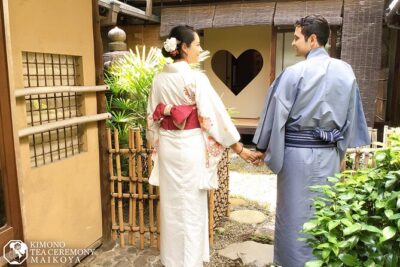
- Kimono Tea Ceremony at Kyoto Maikoya, NISHIKI
★ 5.0 · 911 reviews - Kyoto: Kimono Rental with Hairstyling and Accessories
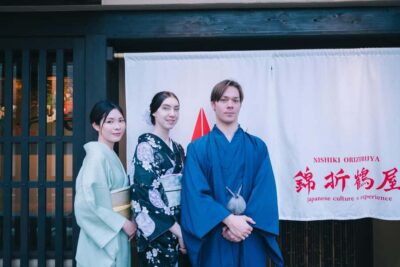
★ 4.8 · 653 reviews - Kyoto: Kimono Tea Ceremony at Orizuruya Gion
★ 4.9 · 618 reviews
The meeting point: where your experience actually begins
You’ll start at Miyagawa Tokusaburo Shoten, at 32-4 Katsuranozatocho, Nishikyo Ward, Kyoto. The tour ends back at the same meeting point, so you don’t have to think about transit mid-ceremony.
Practical tip: plan to arrive a few minutes early. With kimono rental and styling, timing is part of the experience. If you’re tight on time or navigating Kyoto on a sprint schedule, you may stress yourself out before you even sit down for tea.
Antique kimono rental: part of the lesson, not just a costume
The most obvious value in this tour is the antique kimono rental fee being included. You’re not handed a modern souvenir look. You wear a kimono that’s described as over 80 years old, and you get help getting dressed properly.
What I really like about the kimono part is that it feels personalized. In the better reviews, people highlight that Toku and his team help you choose what you like, and they also guide accessory and hair styling. That turns the kimono from a quick photo prop into part of how you learn the culture, because the fitting affects your posture and how you move.
One consideration: a few people felt the presentation of the kimonos was more like a collection stored in a home than a glamorous boutique display. If you’re expecting museum-grade styling tables or a highly curated showroom look, you might find the setup more straightforward. In exchange, you get something more authentic: you’re entering the real workflow of a family-run kimono and tea setting.
Getting dressed correctly, and why it changes the whole ceremony
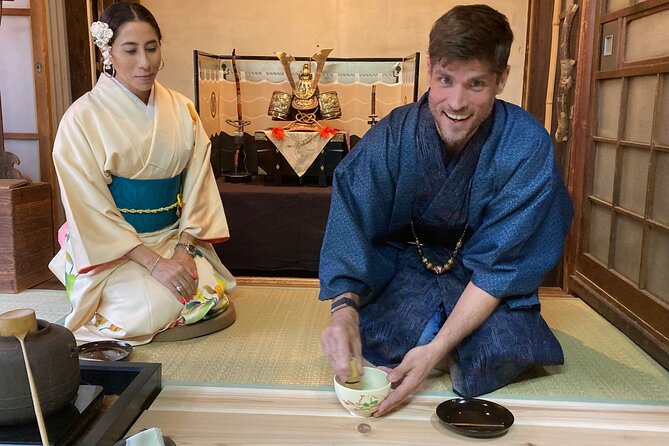
Kimono dressing is not just clothing. It’s a reminder that the ceremony is formal and measured. You’re likely to spend some time selecting your outfit, getting adjusted, and having hair styled with accessories.
I also appreciate that the experience adapts to the people in the room. One review notes that when someone could not kneel, the ceremony was adjusted. That’s a big deal, because it signals you’re not expected to force your body into one shape to make the ritual work.
If you have mobility needs, speak up early. The more honest you are about what you can and can’t do, the more comfortable you’ll be once the ceremony begins.
More Tea Ceremonies in Kyoto
- Kyoto: Tea Ceremony in a Traditional Tea House in Kiyomizu
★ 4.9 · 3,519 reviews - Kyoto: Tea Ceremony Ju-An at Jotokuji Temple
★ 4.9 · 3,207 reviews - Kyoto: 45-Minute Tea Ceremony Lesson Experience
★ 4.3 · 2,378 reviews - Kyoto: Table-Style Tea Ceremony at a Kyo-Machiya
★ 4.9 · 1,211 reviews
Inside the 100-year-old house tea ceremony flow
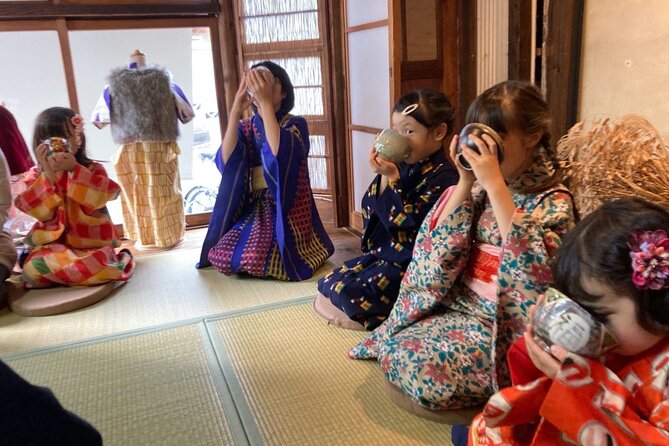
The tea ceremony takes place in a house described as over 100 years old. Because of the setting, the whole session feels quieter and calmer than typical urban tea experiences. You’re also away from the constant interruptions that come with busy public locations.
Here’s what you should expect in the order of the visit, based on how the experience is described and how it’s consistently praised:
- You arrive and settle in at the shop and house setting.
- You choose and get dressed in your kimono.
- You learn the tea etiquette and manners used in the ceremony.
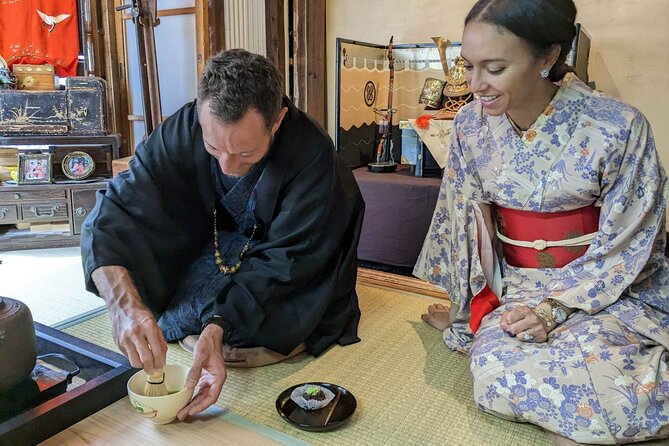
- You go through the matcha process, step-by-step, with explanations.
- You enjoy the matcha (green tea) along with Japanese sweets.
- You take photos, with help from your hosts and staff.
The “slow and explained” pace is one of the most common reasons people give this a perfect score. The ceremony itself is solemn, but the hosts don’t just gesture and move on. They teach why each part matters.
Matcha making, etiquette lessons, and the samurai connection
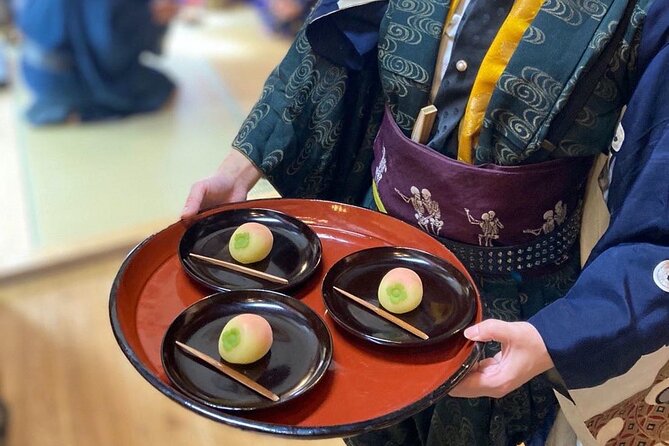
This isn’t a show where you watch someone else do everything. A key highlight is learning how matcha tea is made. You’ll be taught the process with time to understand what you’re doing, not just when to sip.
At the same time, the ceremony isn’t only about the beverage. You’re also taught etiquette and manners, plus history and cultural meaning. One especially interesting point mentioned is the relationship between samurai and the tea ceremony. Even if you’re not a history buff, it helps you see tea culture as something tied to discipline, behavior, and social etiquette, not just taste.
If you want a quick, casual tea tasting with lots of different flavors, keep your expectations realistic. The experience includes green tea and Japanese sweets, and the focus is on the ceremony and matcha preparation itself. The people who seem happiest are usually the ones who enjoy ritual, learning, and atmosphere more than a broad tasting flight.
English teaching, small-group comfort, and photo time
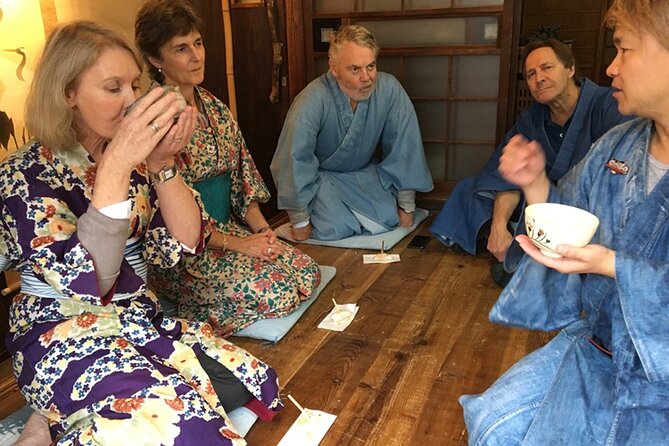
English availability is specifically listed, and it shows up in the reviews as a big plus. You’ll have an expert host (Toku) and his team guiding you, with careful explanations of etiquette and steps.
Another detail I like: photo time is treated as part of the experience. Multiple reviews mention that photos are taken for you and that the hosts help with costume and overall look. This is one of those practical upsides: you get images without having to scramble for perfect angles while wearing a kimono.
Because the group is limited to six people, you should get enough attention to ask questions and not feel like you’re sharing one host with a crowd. If you value personal pace and quiet instruction, this group size is a strong selling point.
What you get for $99.10, and where the value really is
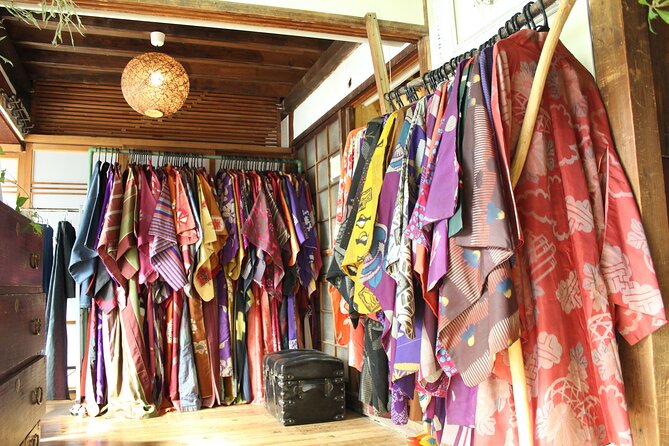
The price is $99.10 per person, and it’s easy to tell what you’re paying for:
- Antique kimono rental fee
- Tea ceremony experience fee, including green tea and Japanese sweets
That combination is the value. A lot of Kyoto experiences try to sell you a “cultural moment” but charge extra for the costume or food. Here, the main extras are already included. You’re paying for the whole package: clothing, instruction, the ceremony itself, and your drink plus sweets.
If you’re someone who would otherwise pay separately for kimono rental and a tea class, this can be efficient. If you’re the type who mainly wants the tea tasting and doesn’t care about clothing, you might still find it worth it, but you’ll value it less.
A balanced look: who will love it, and who should think twice
You’ll probably love this tour if:
- You like calm, formal cultural experiences where you can actually learn.
- You want matcha preparation taught in a friendly, step-by-step way.
- You care about wearing an older kimono and getting real styling help.
- You prefer small groups and quiet settings over crowded showrooms.
You should think twice if:
- You expect many different types of teas beyond the included green tea.
- You want a more modern or tourist-polished setting with lots of dramatic visuals.
- You’re only interested in quick entertainment and not ritual or etiquette.
One negative review points out a feeling of short delivery, with expectations for more tea variety or more time spent learning beyond basic steps. That’s not unusual for a focused ceremony format. If your goal is maximum information density, arrive mentally ready for a gentle pace.
Logistics that affect your comfort (more than you think)
This is listed as near public transportation and service animals are allowed. It also uses a mobile ticket.
Comfort matters because of the kimono and the ceremony posture. While the exact posture requirements aren’t detailed in the provided info, at least one review notes the hosts adapted the ceremony when someone could not kneel. That suggests there is room to adjust if you communicate needs.
My practical advice:
- Wear or bring easy-to-remove footwear, since kimono fitting commonly requires removing shoes.
- Plan for slow movement once dressed. Kimono clothing typically changes how you walk.
- Come on time. Even a slight delay can ripple through dressing, instruction, and ceremony flow.
Should you book the Antique Kimono and Tea ceremony experience?
Book it if you want Kyoto in a quieter, more personal format, with antique kimono included and matcha preparation taught in English. The strongest part is the combination of calm setting, small group size, and a host who teaches with patience and context, not just performance.
Don’t book it if you’re looking for a fast, buffet-style tea tasting with multiple special teas and lots of time spent comparing flavors. This is built around ceremony, etiquette, and matcha as an experience, not a menu.
If you like slow travel, serious manners, and a real family-run house vibe, this is a smart use of your Kyoto time.
FAQ
Is this experience available in English?
Yes. The experience is available in English.
How long is the tea ceremony experience?
It lasts about 1 hour 30 minutes.
What is the group size limit?
The activity is capped at a maximum of 6 travelers.
Where does the experience start, and does it end nearby?
It starts at Miyagawa Tokusaburo Shoten (32-4 Katsuranozatocho, Nishikyo Ward, Kyoto) and ends back at the meeting point.
What’s included in the price?
The price includes the antique kimono rental fee and the tea ceremony experience fee, with green tea and Japanese sweets.
What isn’t included?
Lunch and dinner are not included.
Do I need a printed ticket?
No. It uses a mobile ticket.
What if I need to cancel?
You can cancel for a full refund up to 24 hours in advance.
Are service animals allowed?
Yes, service animals are allowed.
Fresh options around Kyoto
- Kyoto Gion Photoshoot – Private Session | Pro Photographer★ 5.0 · 12 reviews
- Kyoto Aquarium Admission Ticket★ 4.7 · 12 reviews
- Gyoza Cooking Class in Kyoto: Traditional Japanese Dumplings★ 5.0 · 12 reviews
- Kyoto: Guided Food Tour with 12 Dishes & 3 Drinks★ 5.0 · 12 reviews
- Kyoto: Avoid the Crowds at the Hidden Gems of Arashiyama★ 4.9 · 13 reviews
- Kyoto Early Bird English Tour: Gion & Higashiyama(Private opt)★ 5.0 · 13 reviews
- Otsu-e Folk Art Workshop & Local Culture Walk Near Kyoto★ 5.0 · 13 reviews
- Kyoto, Osaka, Nara Full Day tour by Car English speaking Driver★ 3.5 · 13 reviews
Kimono Experiences in Kyoto, compared.
KYOTO Tea Ceremony with kimono near by Imamiya Jinjya Shrine
Read our review →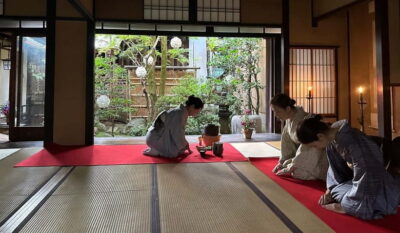
Kimono and Tea Ceremony Experience at Cultural Asset
Read our review →
Family-Friendly Kimono & Yukata Experience at WARGO
Read our review →Browse the lists this tour appears in