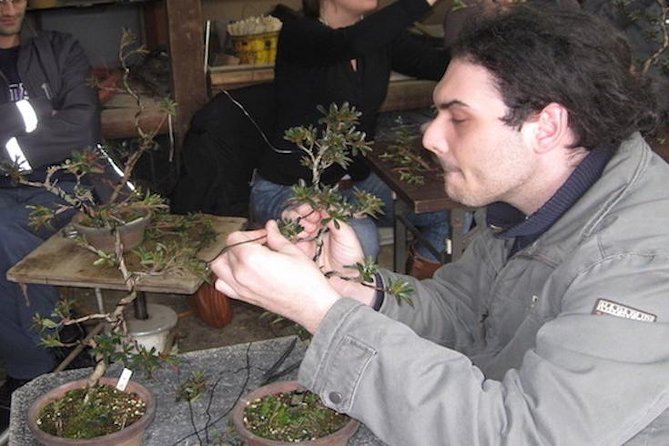
Reviewed · TOKYO TOURS
Make Your Own Bonsai with a Professional Bonsai Artist in Tokyo
A bonsai class in Tokyo feels almost too calm. You’ll learn real horticulture techniques in a museum full of living trees, with a translator to keep the lesson clear. I like the fact that the group is capped at six for hands-on attention, and I also like that the admission part is built in. One thing to consider is that taking your bonsai home may cost extra, since shipping fees are not included.
The setting helps. Shunkaen BONSAI Museum has a peaceful courtyard feel, plus elevated areas where you can slow down and study style and structure. In one featured account, Master Kunio Kobayashi was present, and that kind of access to top bonsai talent makes the whole experience feel special without being showy. The lesson is short enough to fit a busy Tokyo day, but it is still a hands-on workshop, so plan for some standing and walking.
Key Things You’ll Notice Right Away
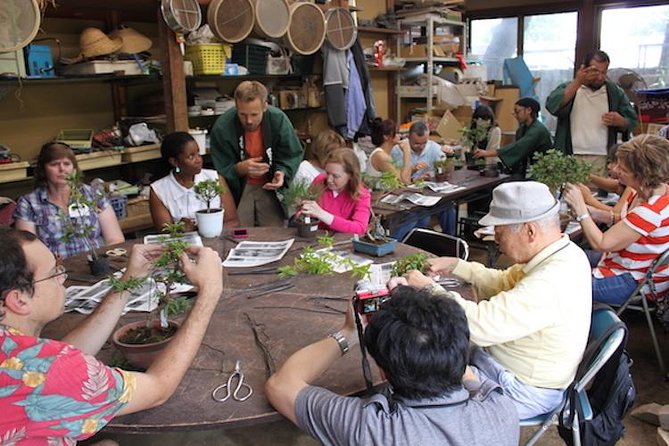
- Small group size (max 6): you get time for questions, not just a lecture.
- Translator support: the craft is easier to understand when key ideas are explained in plain terms.
- Museum admission included: you’re not just making a tree, you’re studying bonsai while you make it.
- Hands-on technique, like wiring: one class example includes wiring a juniper tree.
- A peaceful, plant-focused setting: you can take your time admiring styles and learning what they’re trying to show.
Shunkaen Bonsai Museum: Tokyo’s Quiet Corner for Living Art
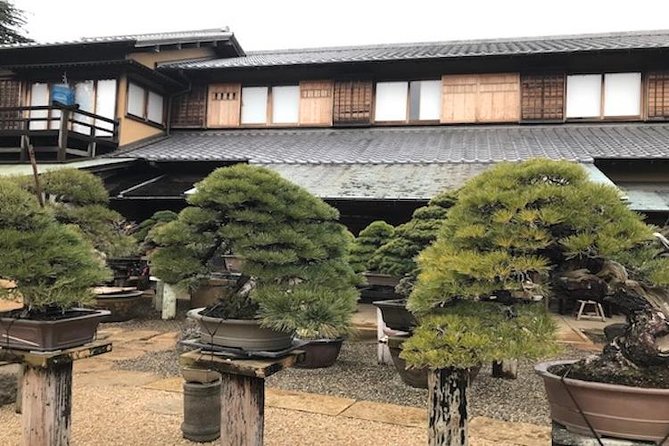
Tokyo can be loud and fast. This class takes you somewhere quieter, where the pace matches the craft. Shunkaen BONSAI Museum is set up for viewing bonsai closely, and the grounds include a courtyard and elevated areas. That matters because bonsai is meant to be seen from different angles, and you learn faster when you can walk around a tree and really look.
I like that the museum vibe is part of the learning, not separate from it. You get to see many examples of different bonsai styles, and that helps you understand what you’re doing when you shape your own tree. It also gives context to the basics you’ll hear during the lesson, like why wiring is used, and how trimming supports the look you want.
One review highlights the presence of extremely old trees, including a bonsai said to be around 1,000 years old. Even if you don’t track every detail of that single tree, seeing something that aged changes how you think about your own small starter. Bonsai is patient work, and this museum environment nudges you to respect that.
A few more Tokyo days worth comparing
- Mt Fuji and Hakone 1-Day Bus Tour Return by Bullet Train
★ 5.0 · 26,383 reviews - 1-Day Tokyo Bus Tour
★ 5.0 · 14,250 reviews - Tokyo: TOKYO SKYTREE® Admission ticket
★ 4.5 · 11,192 reviews
Price and What You Actually Get for $78.83
At $78.83 per person, this is not a bargain workshop, but it also isn’t priced like a huge production. The value comes from two concrete things included in the experience: the bonsai making lesson and admission to the museum.
That admission piece is a big deal. A lot of activities charge you for access to a place, then treat the class like an add-on. Here, the museum access is part of the program, so you’re paying for the chance to learn and then confirm what you learned by walking through the collection.
What is not included: shipping fees for your bonsai, transportation to get yourself there, and food and drinks. Reviews also indicate that taking your tree with you is possible for a fee. So you should budget for that possibility, especially if you’re hoping to bring a living plant across longer distances.
Bottom line: the best way to judge the price is to ask yourself if you want instruction plus museum context in a small group. If yes, the cost starts to look pretty fair for Tokyo.
The 2-Hour Schedule That Fits Real Tokyo Days
The class runs about 2 hours, and it’s designed to fit into a tight itinerary. That shorter timeframe is helpful when you’re juggling trains, neighborhoods, and jet lag. It also means you won’t get dragged into a half-day where one thing runs long and ruins the rest of your plans.
Inside that time, there’s a lesson component and museum time. The structure feels efficient: you start with basics and technique, then you can use the museum collection as reference. Many people love that they get guided time to look around, ask questions, and then return to the hands-on portion without feeling rushed.
Group size keeps the pacing reasonable. With a cap of six, your instructor and translator are more likely to notice when you’re stuck, instead of moving the class along like a train station announcement. That’s a quality-of-experience thing, not just a comfort thing.
Moderate physical fitness is listed. In practice, that means you should be okay with some walking on museum grounds and possibly uneven spots or changes in elevation. If you can handle a typical museum day, you should be fine.
Hands-On Bonsai Making: from Wiring to Shaping Your Own Tree
The main event is making your own bonsai with a professional bonsai artist at Shunkaen. The key is that the class is structured around practical technique, not just theory. One account describes learning the first steps, including wiring a juniper tree, which gives you a concrete skill you can remember long after the class is over.
So what does “first steps” usually translate to? You’ll be shown how to handle the plant material, how the technique supports the desired shape, and how to think about structure rather than just cutting because it looks neat. Bonsai is basically small choices repeated with care, and a good introductory lesson teaches you the logic behind those choices.
The best part of hands-on learning is feedback. In multiple accounts, instructors and apprentices patiently answered questions and guided students through the beginning of the process. That matters because bonsai can feel intimidating online. In person, you learn that it’s a craft with steps, and steps can be taught.
A fun, slightly practical angle: after you wire and shape, you instantly understand why bonsai care is about timing. You also start to notice that bonsai style is about lines and proportion, not just the plant itself. The museum tour helps you lock that in, because you can compare your mental picture to what you’re seeing around you.
Same corner of Japan, a different kind of day:
- Tokyo: teamLab Planets TOKYO Digital Art Museum Entry Ticket
★ 4.6 · 9,779 reviews - Mt Fuji & Hakone Cruise, Drum Show Bullet Train 1 Day from Tokyo
★ 4.0 · 7,413 reviews - Tokyo: Sumo Show Experience with Chicken Hot Pot and a Photo
★ 4.8 · 6,678 reviews - Tokyo: Shinjuku Food Tour (13 Dishes at 4 Local Eateries)
★ 5.0 · 6,603 reviews
Translator Support and Small Groups: how you get Real Help
This workshop includes help with a translator, and that feature makes a difference in the learning. Bonsai terms can be hard in any language, and even when you know the English words, the “how” can still be unclear. Translator support helps keep the lesson focused on what you need to do, not just what the instructor wants to explain.
Small-group teaching is also the reason the lesson can feel tailored. With a maximum of six travelers, you’re more likely to get personal corrections and specific advice. That’s especially important for technique-based activities, because one wrong hand position or timing choice can change the result.
If you’re the type who asks a lot of questions, this format is a win. Many accounts highlight that the instructor or apprentice patiently answered questions while walking through the museum and teaching techniques. That gives you a chance to learn the reasoning, not just copy a single method.
And yes, it can feel peaceful. Several accounts describe a calm, friendly environment, and that matters because bonsai needs attention. The instructor tone is part of the experience, not just the plants.
Meet the Artists and Apprentices, including Kunio Kobayashi
One of the standout aspects here is the human side of bonsai. You’re not only learning from a single instructor, you’re surrounded by apprentices who help teach and answer questions. The museum environment also includes people who clearly enjoy sharing stories about the trees and the craft.
One featured account mentions Master Kunio Kobayashi being there. In another account, the guide named Joseph was described as charming and passionate while teaching and touring the collection. I can’t promise which masters or guides you will meet, but the evidence from multiple class experiences suggests the museum often brings real talent and real mentorship into the session.
That kind of access changes what you take away. Instead of leaving with a single tip, you leave with an appreciation for how bonsai fits into a larger community of practice. You also get a better sense of what to ask later when you’re choosing a tree or trying to care for your own.
The Museum Collection: why seeing many styles helps you learn faster
The museum collection is not background decoration. It’s part of your education toolset. When you can see multiple bonsai styles in one place, you start noticing patterns: how trunks taper, how branches distribute, and how the “empty space” around a tree affects the overall composition.
Several accounts mention the ability to browse a large collection and learn about different styles. Some also mention unique stories told by apprentices, which is important because bonsai is not just horticulture. It is also design and patience, shaped by tradition and personal choices over time.
Seeing a lot of trees during the lesson also helps you build confidence. If your first attempt at wiring or shaping feels awkward, you can look around and remind yourself that style choices are taught and refined. The museum’s elevated views and courtyard paths encourage you to take your time and compare.
I also like that this is a place where you can slow down. Even if your class is short, the museum setting gives you permission to watch, not just rush. That calm helps your brain absorb technique.
Getting There at 1-chōme-29-16 Niihori (and what to bring)
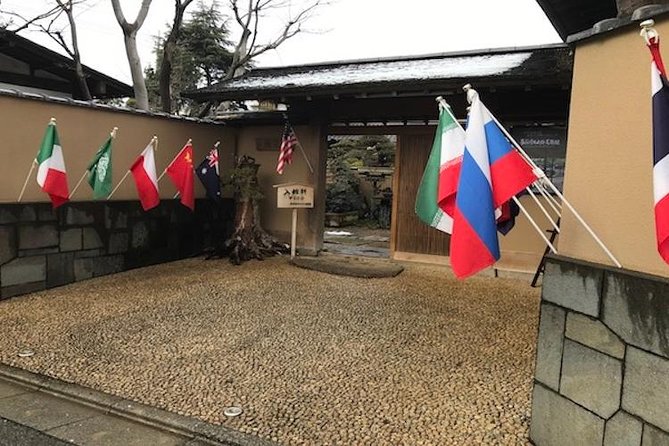
Your meeting point is Shunkaen Bonsai Museum, 1-chōme-29-16 Niihori, Edogawa City, Tokyo 132-0001, Japan. The experience is near public transportation, and it’s an address locals can help you locate if you get stuck.
You’ll receive a mobile ticket, so make sure your phone has enough battery and that you can access the booking on the day. Bring simple travel basics, like a light layer, because museums can vary in temperature.
Wear shoes you’re comfortable walking in. Reviews mention you’ll spend time around the courtyard and elevated areas, which implies some movement across different surfaces. If you have balance issues, consider that moderate physical fitness is listed for a reason.
What about mess? Bonsai work can get your hands a little dirty. The class focuses on technique and care, so it’s a good idea to wear something you don’t mind getting a bit messy. You are making a living plant arrangement, not just observing.
Can You Take Your Bonsai Home? Shipping and extra costs to plan for
One question I see a lot with bonsai workshops is, will I be able to keep my tree? Here, taking the bonsai home appears possible, but shipping fees are not included.
So you should plan for a decision point:
- If you want the tree to travel with you, you may need to pay shipping or handling.
- If you are okay leaving it behind, you still get the skill learning and museum experience, but you won’t have a living souvenir waiting at home.
It’s smart to think ahead about your itinerary. Tokyo has great public transit, but shipping a living plant has its own rules and timing. Since shipping is not included, confirm what option applies to you when you book or when you check in, so you don’t get surprised later.
At the same time, don’t let the shipping detail scare you off. Even without a take-home tree, the value here is learning the craft logic, plus seeing a serious collection up close.
Who This Workshop Suits Best (and who should skip it)
This is ideal if you:
- want a hands-on Japanese cultural experience that is not locked into a full day,
- like plants and want practical instruction, not just a quick photo stop,
- prefer smaller groups for real Q and A.
It also suits travelers who enjoy museums, because you’re learning while you browse and compare styles. If you love gardening but have never tried bonsai, this is a friendly entry point.
Consider skipping if:
- you want a purely passive activity with zero standing or walking,
- you strongly want to take a tree home but hate the idea of extra shipping fees,
- you are short on patience for a skill that requires careful handling and attention.
Should You Book Make Your Own Bonsai in Tokyo?
I think this is a smart booking for the right traveler. If you want something real, calm, and craft-focused, this workshop does it. The combination of lesson plus museum admission, the small group size, and the translator support makes it easier to learn than most short “activity” classes.
Before you book, do two quick checks:
1) Are you okay with moderate walking around the museum grounds and elevated viewing areas?
2) Are you ready for possible extra costs if you want to take your bonsai home?
If you said yes to both, you’ll likely leave with a new skill, a deeper respect for bonsai as a living art, and a story you can tell without needing a thousand photos.
FAQ
How long is the bonsai making lesson?
The experience takes about 2 hours (approx.).
Where does the experience meet?
You meet at Shunkaen Bonsai Museum, 1-chōme-29-16 Niihori, Edogawa City, Tokyo 132-0001, Japan. The activity ends back at the meeting point.
What is included in the price?
The bonsai making lesson is included, and museum admission is included as part of the workshop.
Is a translator provided?
Yes, you receive tailored instruction with the help of a translator.
What is the group size?
The workshop has a maximum of 6 travelers.
Are shipping fees included if I want to take my bonsai home?
No. Bonsai shipping fees are not included.
When will I get confirmation after booking?
Confirmation is received within 48 hours of booking, subject to availability.
What is the cancellation policy?
You can cancel for a full refund up to 24 hours before the experience’s start time. Free cancellation is available, and cancellation timing uses the local time where the experience happens.
Fresh options around Tokyo
- Luxury Tokyo Sake, Cocktail, Whisky and Pairing Tour★ 5.0 · 18 reviews
- Tokyo: Tsukiji walk & sushi private tour with Uni Students★ 5.0 · 17 reviews
- Tokyo : Authentic Samurai Experience in a Private Space.★ 5.0 · 18 reviews
- Tokyo:Daikoku JDM Street Culture Tour in wrapped 86★ 4.7 · 18 reviews
- Tokyo Asakusa Sensoji Temple Night Walking Tour★ 5.0 · 18 reviews
- Tokyo: Alvark Tokyo Basketball Game Ticket★ 4.5 · 18 reviews
- Akihabara Otaku Group Tour★ 4.5 · 18 reviews
- Tokyo: Local Foodie Adventure near Roppongi★ 4.9 · 18 reviews
Tokyo Tours, compared.

Mt Fuji and Hakone 1-Day Bus Tour Return by Bullet Train
Read our review →


teamLab Planets TOKYO Digital Art Museum Entry Ticket
Read our review →
Mt Fuji & Hakone Cruise, Drum Show Bullet Train 1 Day from Tokyo
Read our review →
Sumo Show Experience with Chicken Hot Pot and a Photo
Read our review →
Shinjuku Food Tour (13 Dishes at 4 Local Eateries)
Read our review →