
Reviewed · BEPPU TOURS
Open-air theater “Tao- no-Oka” Drum TAO Live performance
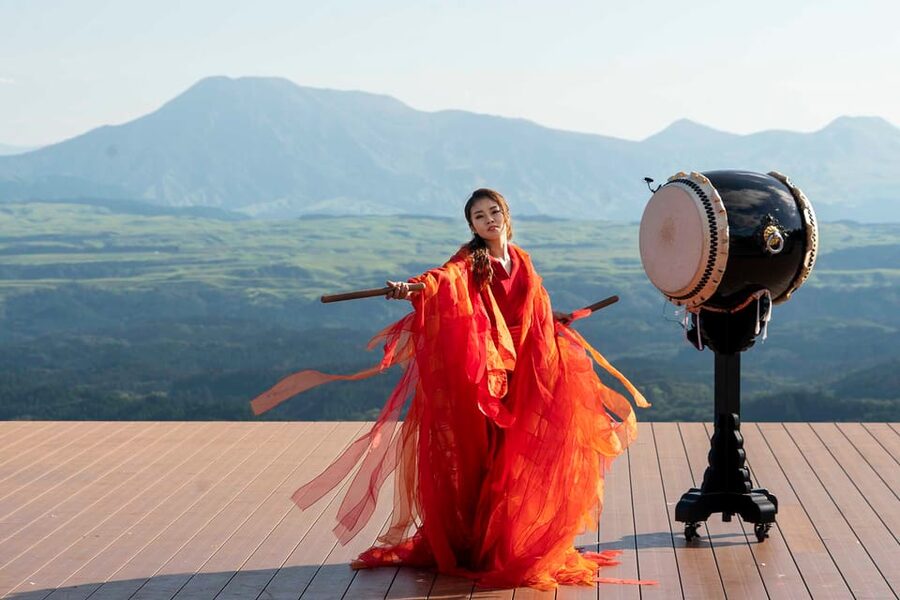
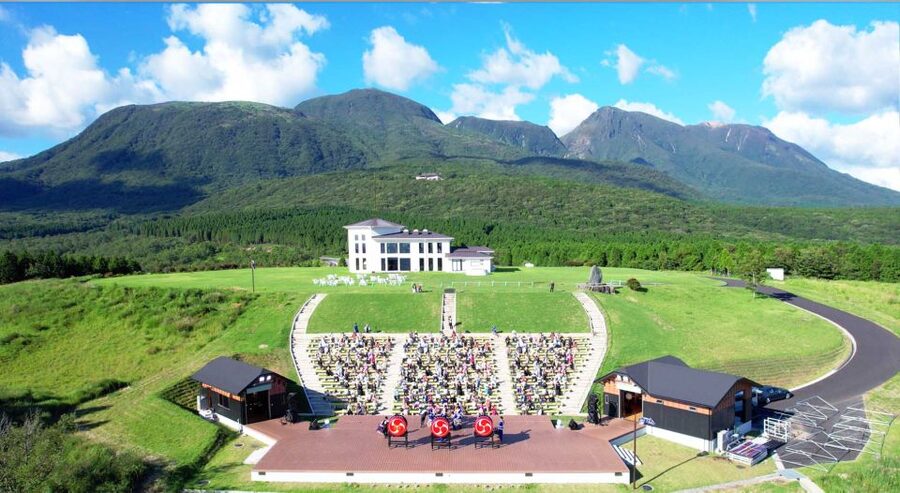
TAO-no-Oka is the kind of show where the mountains feel like props, not scenery. I love the setting in Aso-Kuju National Park, with Kuju peaks towering over the stage and the Aso volcano in the background, which makes every drum beat hit with extra punch.
The other thing I really like is the mix of instruments and performance styles, from wadaiko drums to shinobue flutes, shamisen, koto, plus chants, dance, and acrobatics. One thing to plan around: there is no real food plan built in, and you may get little to no drink options on site during the show.
A few key things that make TAO-no-Oka special
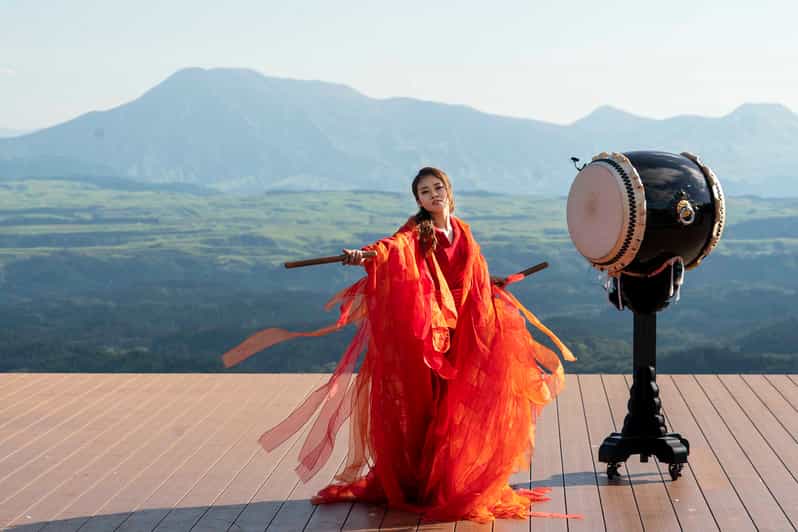
- Skyward Stage energy: the open-air grandstand design puts you high up, looking out over countryside and mountains
- Drum TAO, since 1995 in Oita: a long-running group performance base, now with a dedicated complex opened in 2020
- More than drums: wadaiko is the star, but you also get flutes, shamisen, koto, chanting, dance, and acrobatics
- Tao House before the show: costumes, a video theatre, a shop, plus a café area (and you can drink purchased drinks at your seat)
- Weather matters: rain or wind can move the performance indoors to a second-floor hall, no elevators
TAO-no-Oka and the Skyward Stage in Oita
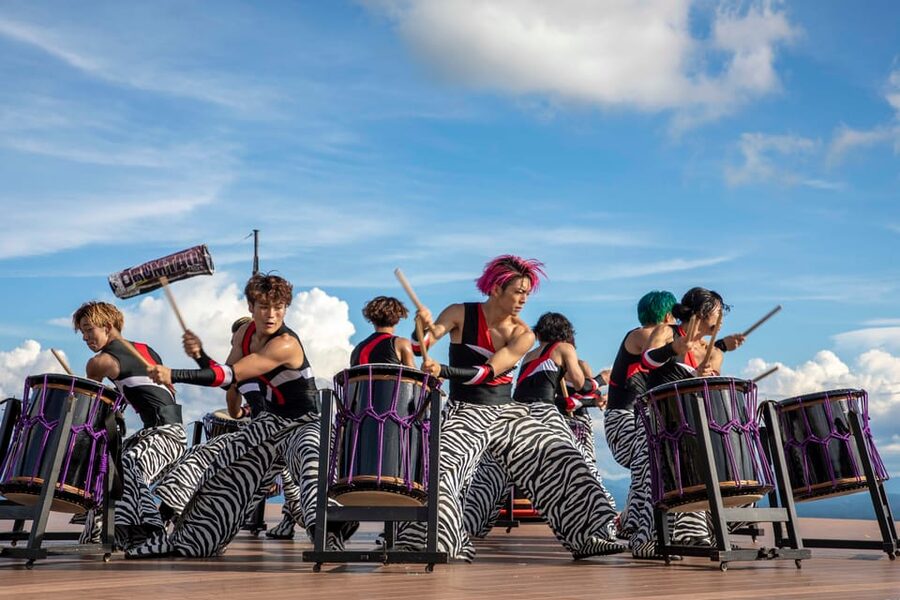
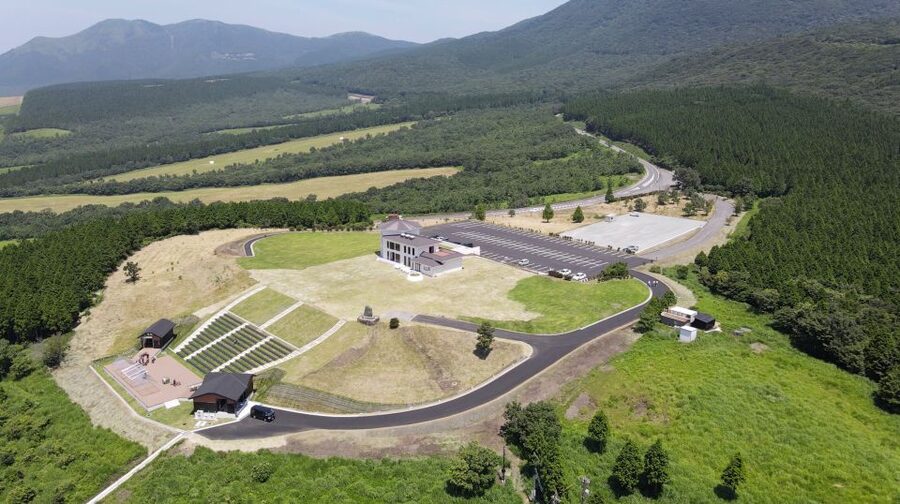
If you want a Japan performance that feels both modern and wildly physical, TAO-no-Oka is a great bet. This is Drum TAO’s new performance and arts complex in Taketa, in the Oita region of Kyushu. It opened in 2020, and it is built around one idea: use the outdoors as part of the show.
The most important detail is where it happens. The performance space is set high in the Aso-Kuju National Park area at 1,036 meters. That means you are not watching from a flat theater. You are up with the Kuju mountains around you and wide views ahead, with Aso the active volcano looming in the wider picture. Even before the first drum starts, the location does a lot of the work for you.
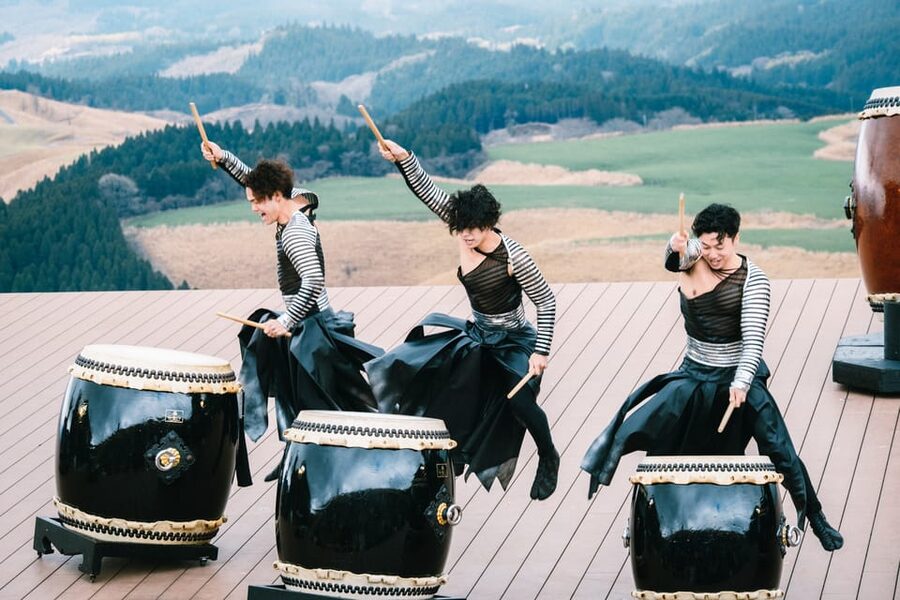
And yes, you feel it when the performance begins. Wadaiko is loud by design, but out here the sound and the motion land differently than in a sealed hall. The stage is open air, so the whole experience feels bigger, more immediate, and more alive.
More of Beppu worth an open tab:
- Become a local! A Walking Tour of Arts, Crafts & Onsen Culture
★ 5.0 · 36 reviews - Bamboo Lantern Workshop
★ 5.0 · 25 reviews - Calligraphy Class for Beginners in a Century-old Japanese House
★ 5.0 · 18 reviews
Getting from Tao House to the performance seats
Your visit starts at the site reception in the white building. Plan to arrive about 30 minutes before the live show. That buffer matters because you want time to settle in and get oriented without rushing in the final minutes.
Inside the TAO House area, there’s more to do than just wait for the show. The complex includes an exhibition of stage costumes created by Junko Koshino, which gives you a behind-the-scenes look at how dramatic looks become performance tools. There’s also a video theatre, a café space, and a shop.
Here’s how that connects to the show itself. When you understand the costume design and the way the performance is staged, the drumming and choreography land with more meaning. You see that this is not just noise and flips. It is crafted theatre, with a strong visual and musical system, and the costumes are part of that.
When it’s time, you head toward your viewing area for the main live performance, which happens in the outdoor Skyward Stage concept. No photography or video recording is allowed during the performance, so if you care about photos, do it before the show and in the public areas.
What the Drum TAO live show delivers (and why it works)
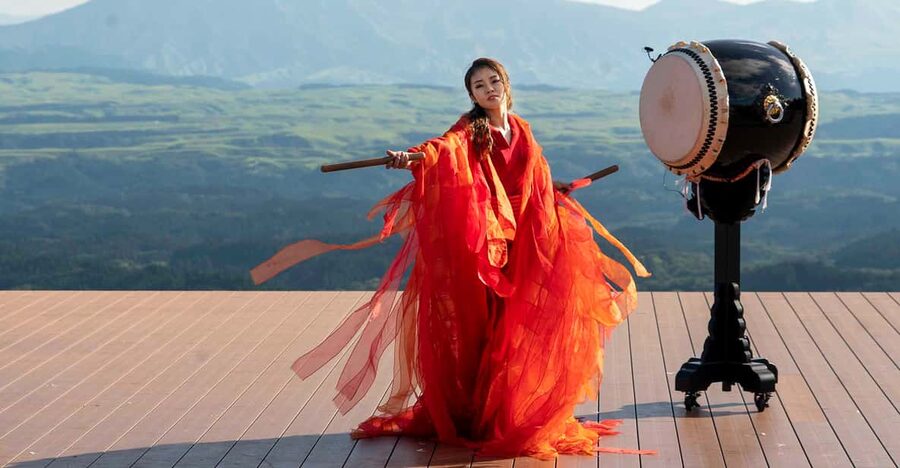
Drum TAO is Japan’s internationally acclaimed drumming and dance group, and they’ve been based in Oita since 1995. That background matters because it shows in how polished the show feels even when it’s doing chaotic, high-energy things.
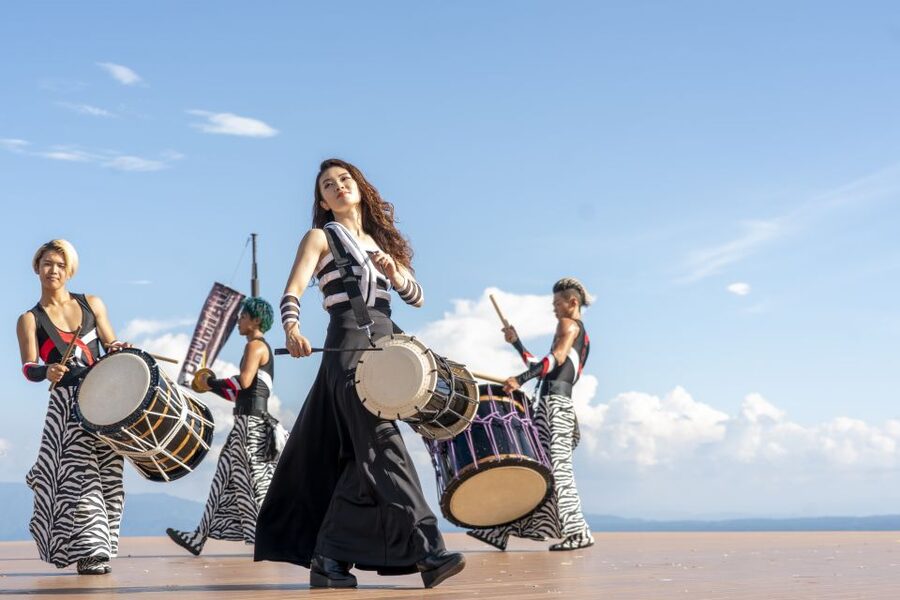
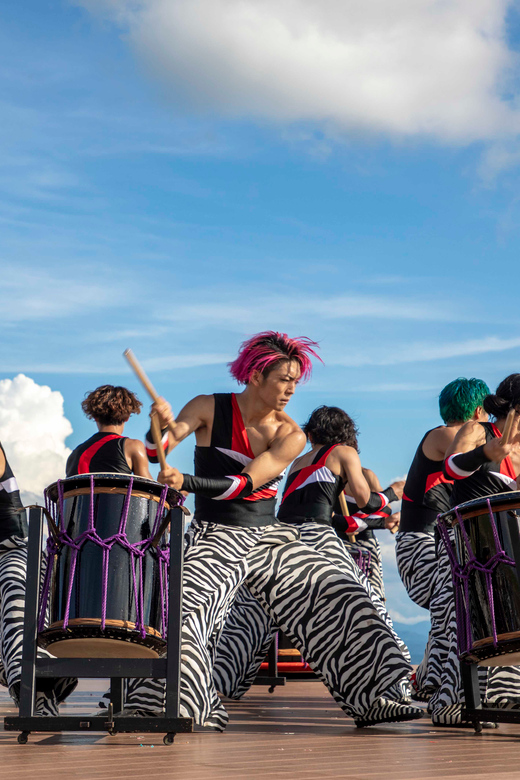
The performance itself is built around a clear core: high-energy, flamboyant showcases featuring wadaiko drums. But it does not stay trapped in one style. You’ll see a combination of:
- Wadaiko drumming
- Shinobue flute sounds
- Shamisen three-string lutes
- Koto zithers
- Chants, dance, and acrobatics
For me, the key is variety without losing rhythm. The show keeps switching modes, so you never settle into passive watching. It’s movement, music, and audience attention all at once. Even if you do not understand every detail of the music or lyrics, the physical phrasing makes sense. The performers build tension, release it, and use the outdoor space to make those transitions feel dramatic.
Also, the open-air stage changes the “temperature” of the performance. Wind and direction can affect sound, but the show is designed for this kind of environment. You are meant to feel the atmosphere.
Weather plan: rain or wind can switch the whole room
You need to be ready for the mountain weather. Temperature can be unstable, and it can get windy. Bring a jacket, even if the day looks mild at first. That extra layer is not just comfort, it helps you enjoy the performance instead of shifting in your seat every few minutes.
Now the big planning piece: the performance is not guaranteed outdoors. If the organizers judge it is dangerous to hold the live performance due to rain or wind, they cancel the Skyward Stage outdoor version. If that happens, you’ll get an indoor performance instead, described as a special one.
Indoor performance setup details you should know:
- It happens in a hall on the second floor
- There are no elevators or escalators
- Seating is first-come, first-served within the limit of up to 53 people
- Of those, 8 people will be standing
- It’s handled at the time of reservation
So what should you do? If your trip dates are flexible, pick a time when rain is less likely. If not, go anyway, bring a jacket, and do not assume you will get outdoor views every time. The indoor plan exists for a reason, and it’s still part of the show experience.
Same corner of Japan, a different kind of day:
- Beppu: Bamboo Lantern Workshop
★ 5.0 · 14 reviews - Become a local! A Walking Tour of Arts, Crafts&Onsen Culture
★ 5.0 · 13 reviews - Calligraphy Class for Beginners in a Century-old House
★ 5.0 · 12 reviews
Ticket value: around $30, what you actually get
At about $30 per person, the value is strong if you’re the type who enjoys live performance as an event, not just background sightseeing.
Here’s what your ticket includes:
- Entry ticket to Tao House
- A Japanese taiko drums live performance
That means you’re not only paying for the outdoor stage. You’re paying for access to the complex areas tied to the performance, plus the live show itself.
What you do not get is just as important:
- Hotel pickup and drop-off are not included
- Food and drinks are not included
This is where you should adjust expectations. A lot of performances in Japan assume you handle meals before or after. Here, the venue is scenic and focused on the show, not a full dining experience. One review note I keep in mind is the warning that there’s no food and very little to drink offered at the venue, so plan accordingly.
The practical way to handle it:
- Eat earlier than you think you need to
- Bring water before you arrive, if that’s allowed under your own local rules and venue guidance
- If you buy drinks at TAO HOUSE, you can drink them at your seat even during the performance
That last point is a helpful compromise. It means the site is not totally dry, but you should not build a meal around it.
The place to spend time, Tao House and the costume exhibition
I like that TAO-no-Oka does not dump you in your seat with zero context. TAO House gives you a short runway into the performance.
Two specific pieces stand out:
1) Junko Koshino costume exhibition
The costume designs connect theatre aesthetics to performance function. Even if you only skim a display, you’ll likely notice how the looks match the movement and energy of drumming and dance. It adds meaning to what you will see later.
2) Video theatre and the backstage feel
A video theatre helps you understand the group’s style and the way the show is shaped. You do not need subtitles knowledge here to get the gist, because the visuals support the physical performance theme.
Then there’s the shop. It’s not required, but if you like the show enough to want something afterward, the shop is part of the day’s value. One review even mentions great swag for sale, which tells me it is worth checking before you leave.
Practical comfort tips for a 1,036-meter show
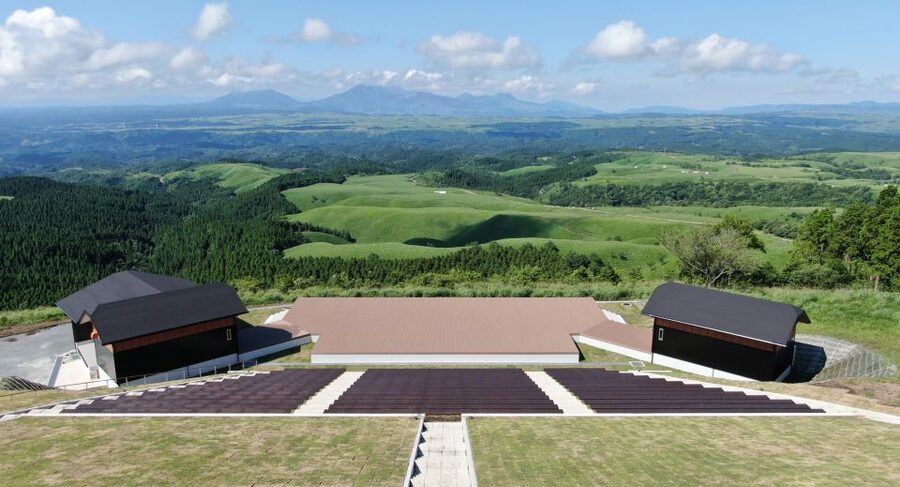
The elevation is 1,036 meters. That alone is not an automatic dealbreaker, but it does explain why weather can feel more dramatic than you expect. You’ll also want to dress for wind. The organizers specifically point out that temperatures can be unstable and sometimes windy, so bring a jacket.
Other practical rules:
- No smoking
- No pets (assistance dogs are allowed)
- No bringing outside food and drinks
- No photography or video recording during the performance
- Languages are Japanese, so come prepared to rely on visuals and staff directions
Two more “small but real” planning tips:
- Arrive early. The 30-minute early check-in guidance is there for a reason, especially if you want time in TAO House.
- Do not plan on scanning for last-minute drinks. Treat this like a show you enjoy first, then you eat after.
If you’re sensitive to stairs, remember the indoor hall is on the second floor with no elevator. Even if you get outdoor seating, knowing this rule helps you stay calm if weather forces an indoor switch.
Who this show is perfect for
You’ll probably love TAO-no-Oka if you like:
- High-energy live performances
- Wadaiko drumming and physical stage work
- Outdoor attractions where the setting feels part of the act
- A short cultural add-on before the show, like the costume exhibition and video theatre
It’s also a solid choice if you’re traveling with people who want something active and memorable but not complicated. You can keep expectations simple: you’re here for a live taiko-focused show in a dramatic mountain setting.
On the flip side, if you want a guaranteed indoor setting, a full meal, or tons of time to hang out with food and drinks, this might feel a little strict. The experience is built around the show and the weather.
Should you book TAO-no-Oka?
If you’re deciding between another sightseeing stop and this performance, I’d book it if you want a memorable, physical Japan show in an eye-catching setting. For around $30, you get access to Tao House plus a real live taiko performance, and the mix of instruments and stage action keeps it from feeling one-note.
Only pass if you strongly prefer guaranteed indoor comfort, you hate the idea of possible wind or temperature swings, or you want food and drink handled at the venue. Otherwise, this is exactly the kind of place where you show up, follow the rules, bring a jacket, and let the mountain stage do what it does best.
You’ll likely remember this one not because it was quiet, but because it felt bigger than a regular theatre experience.
Fresh options around Beppu
- Beppu: Bamboo Lantern Workshop★ 5.0 · 14 reviews
- Calligraphy Class for Beginners in a Century-old House★ 5.0 · 12 reviews
- Become a local! A Walking Tour of Arts, Crafts&Onsen Culture★ 5.0 · 13 reviews
- Bamboo Lantern Workshop★ 5.0 · 25 reviews
- Calligraphy Class for Beginners in a Century-old Japanese House★ 5.0 · 18 reviews
- Become a local! A Walking Tour of Arts, Crafts & Onsen Culture★ 5.0 · 36 reviews
Beppu Tours, compared.
Become a local! A Walking Tour of Arts, Crafts & Onsen Culture
Read our review →
Calligraphy Class for Beginners in a Century-old Japanese House
Read our review →
Become a local! A Walking Tour of Arts, Crafts&Onsen Culture
Read our review →
Calligraphy Class for Beginners in a Century-old House
Read our review →Browse the lists this tour appears in